

Kia Sportage 2024 Review

 Share
Share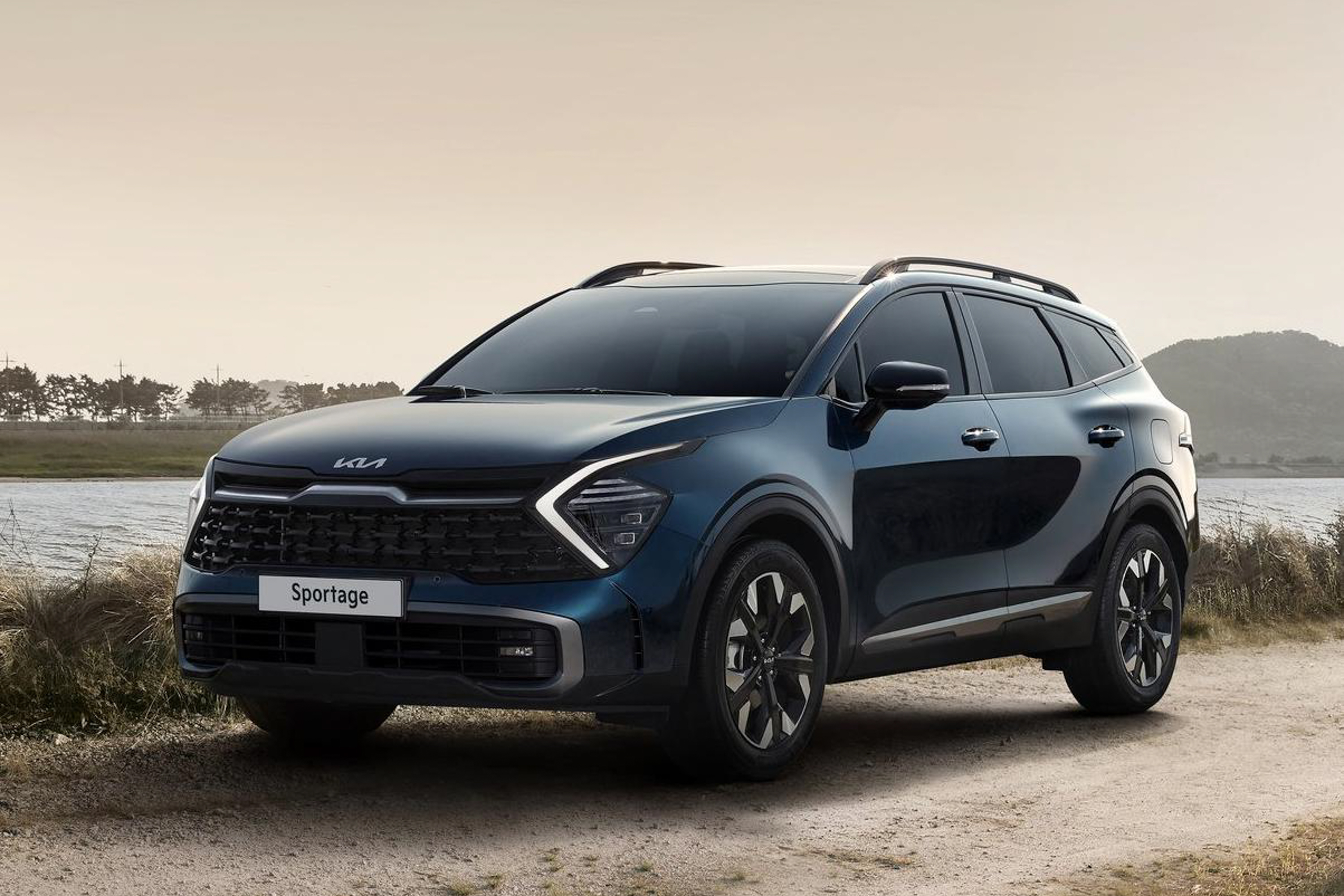
 Segment
 Body Type
 Engine Power(PS)
 Engine Torque(Nm)
 Transmission
 Driven Wheels
Nowadays, the local C-Segment SUV market is fiercely competitive. Most models either focus on turbocharged power or rely on high-end smart configurations to attract attention. However, there are still many consumers who prefer the smoothness and durability of naturally aspirated engines. The 2024 Kia Sportage 2.0G 2WD caters specifically to this demand. It not only continues the design identity of the Sportage family but also includes standard safety features across all trims, while maintaining the affordability of naturally aspirated models. In this test drive, we mainly explore its practicality for daily commuting, power performance, and whether its features meet the needs of family users, to see if it has enough competitiveness in the same price range.
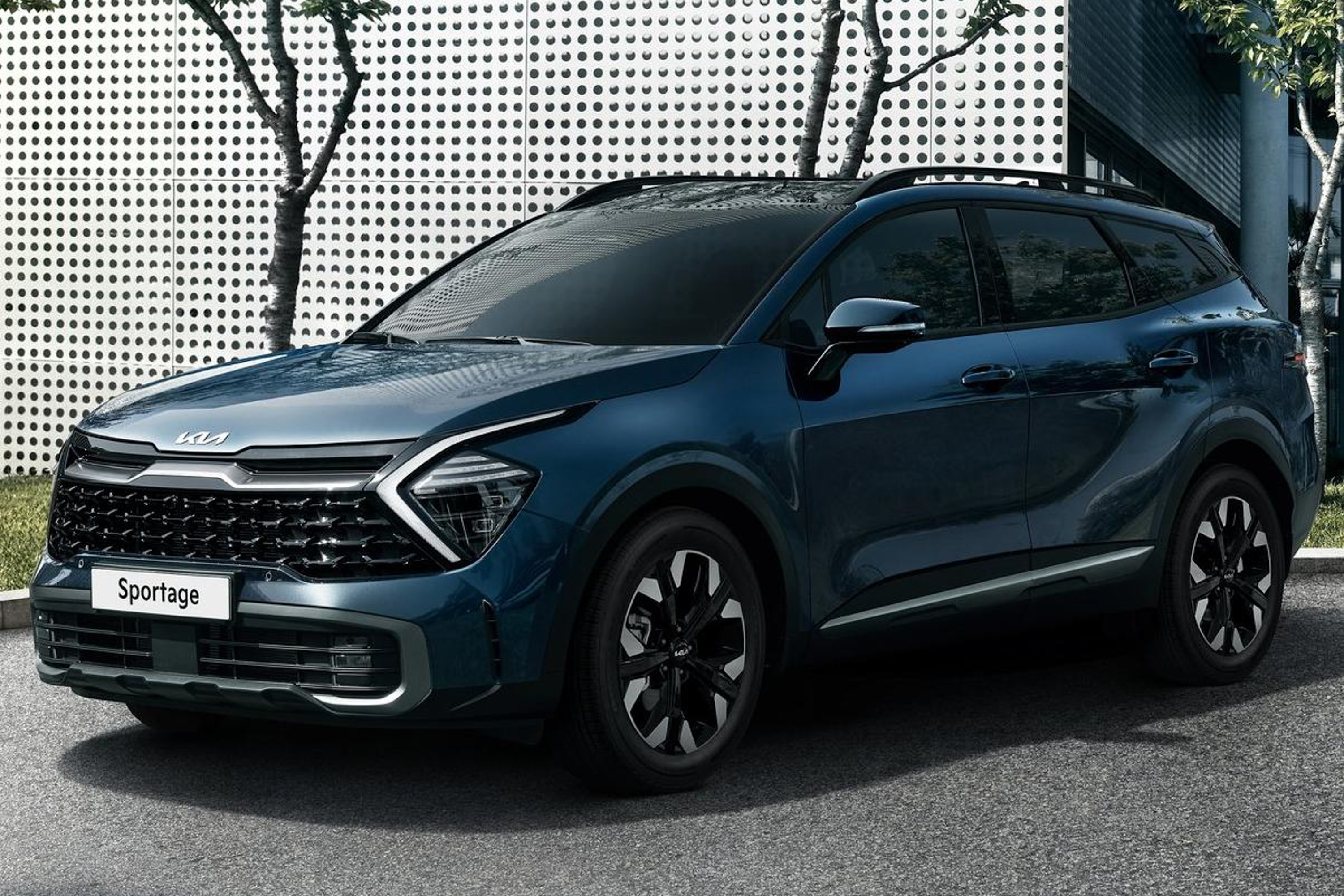
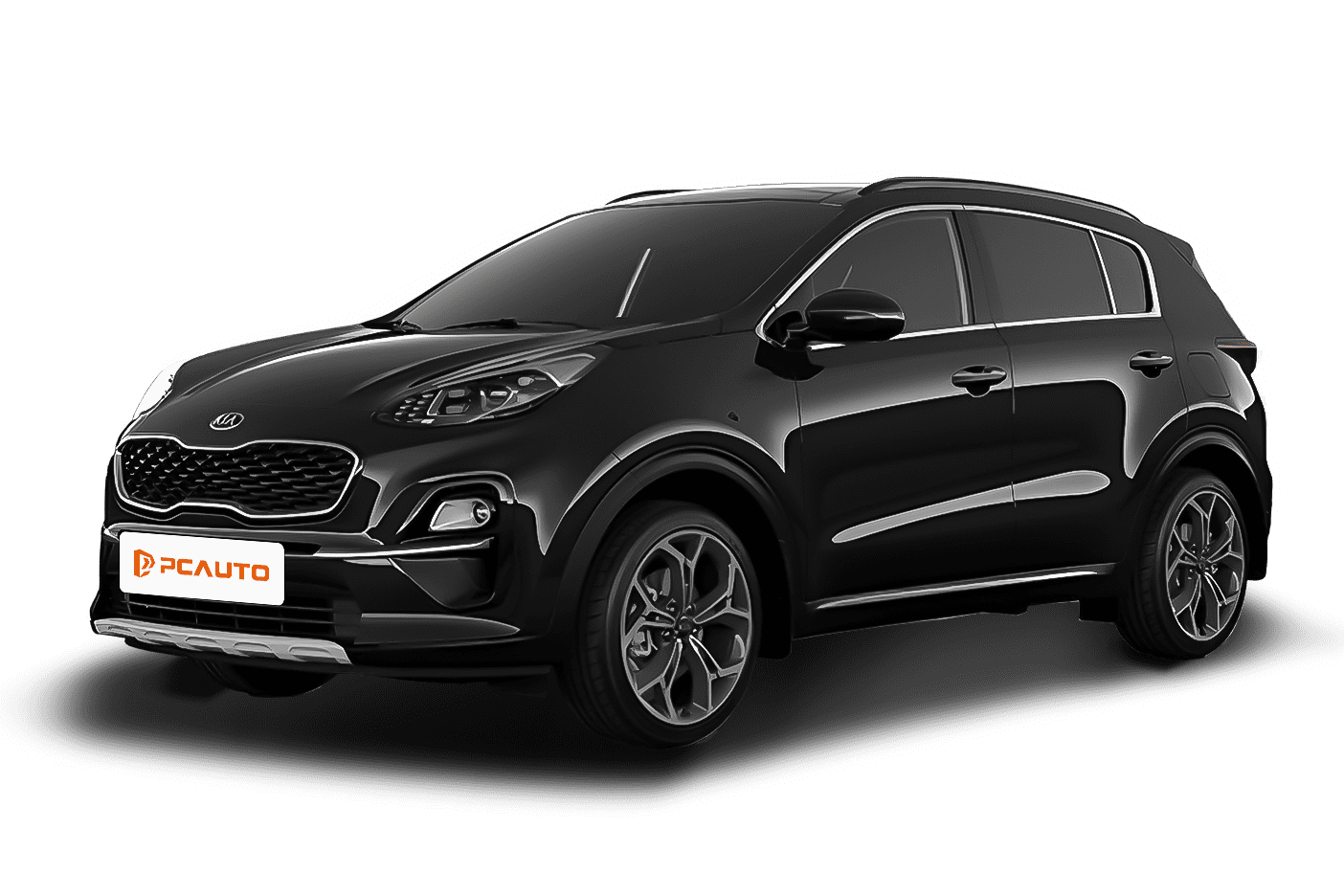
When you first approach the 2024 Sportage 2.0G 2WD, its avant-garde design immediately catches your attention. The front end adopts Kia's signature "Tiger Nose" grille evolution, filled with a black mesh structure. Paired with sharply contoured LED headlights on both sides, the overall visual impact is striking. The side profile has smooth lines, with a waistline extending from the front fender to the rear, making the body appear more elongated. The 17-inch alloy wheels, while not particularly sporty, complement the overall style of the vehicle. At the rear, the standout feature is the full-width LED tail lights, which have high recognition when lit at night. The silver skid plate below adds a touch of the rugged SUV vibe. Notably, the body paintwork is finely crafted, with an even gloss visible under the sunlight, and the attention to detail is consistent with the standard for vehicles in this segment.
Sitting inside, the interior layout leans towards simplicity and practicality. The dashboard features a symmetrical design, covered with soft-touch materials on top, which feel fairly refined. Despite the absence of extensive leather coverings, the use of silver trim accents prevents it from looking cheap. In terms of key features, a 12.3-inch full LCD instrument cluster is standard across all trims, offering clear display and the ability to switch between different interface themes, making it convenient to view information like speed and fuel level while driving. The size of the central touchscreen is not explicitly stated, but its smooth operation and support for Apple CarPlay and Android Auto phone connectivity make it sufficient for daily use. The seats are upholstered in fabric, with soft padding that provides adequate support for the waist and legs, making long periods of sitting less tiring. Rear space is average; a passenger standing 175cm tall will have about two fist-widths of legroom and adequate headroom. In terms of storage space, the front center armrest box and door storage compartments are spacious. The rear seats can be folded down in sections, expanding the trunk's capacity to a considerable size, making it convenient for storing strollers or suitcases.
Starting the vehicle, the 2.0L naturally aspirated engine runs very quietly. This engine has a maximum power of 115kW and a maximum torque of 192N·m, paired with a 6-speed automatic transmission. During daily driving, power delivery at startup is smooth without the abruptness typical of turbocharged models, making it suitable for slow traffic in urban areas. When you press hard on the accelerator for acceleration, there is a slight delay in power response, but once the RPM rises to 3000, a notable power boost is felt. For overtaking, as long as you anticipate and accelerate in advance, it gets the job done. The 6-speed automatic transmission has a clear shifting logic, with smooth gear transitions and almost no noticeable jolt. There are three driving modes: Eco, Normal, and Sport. When switched to Sport mode, throttle response becomes slightly more sensitive, but the overall power performance remains geared towards family use.
In terms of handling, the steering wheel offers moderate steering force and has relatively precise directionality, making lane changes or turning during daily driving quite smooth. The chassis is equipped with a front MacPherson independent suspension and a rear multi-link independent suspension, tuned towards comfort. When going over speed bumps or uneven roads, the suspension filters out most of the minor vibrations, so passengers inside the car won’t feel noticeable jolts. During cornering, the body roll is controlled within a reasonable range, and it doesn’t give a loose feeling. In terms of noise control, at speeds below 60km/h, you can only hear a faint engine noise inside the car. Once the speed exceeds 80km/h, wind and tire noise become progressively noticeable but remain within an acceptable range, not affecting normal conversation. Regarding fuel consumption, our comprehensive tests in urban congested roads and highways result in an average fuel consumption of about 8.5L per 100 kilometers. For a 2.0L naturally aspirated SUV, this performance is at a mid-level.
Overall, the key strength of the 2024 Kia Sportage 2.0G 2WD lies in its balance. It features both avant-garde exterior design and practical interior configurations. The standard active safety systems across the entire series (such as autonomous emergency braking, forward collision warning, and lane change assist) are relatively rare in vehicles within the same price range, enhancing daily driving safety. Compared to similarly categorized models that primarily offer turbocharged engines, its naturally aspirated engine may not be very powerful but stands out with smoothness, durability, and lower maintenance costs in the long run. The suitable audience is quite clear: families prioritizing practicality and safety, or consumers who use a car predominantly for daily commuting and have low demands for power. If you’re on a budget but want a C-segment SUV with balanced features and stylish design, the 2024 Sportage 2.0G 2WD is worth considering.
Kia Sportage Car Compare
More Kia Reviews
Cars With Similar Price And Features
8
Rank in SUV
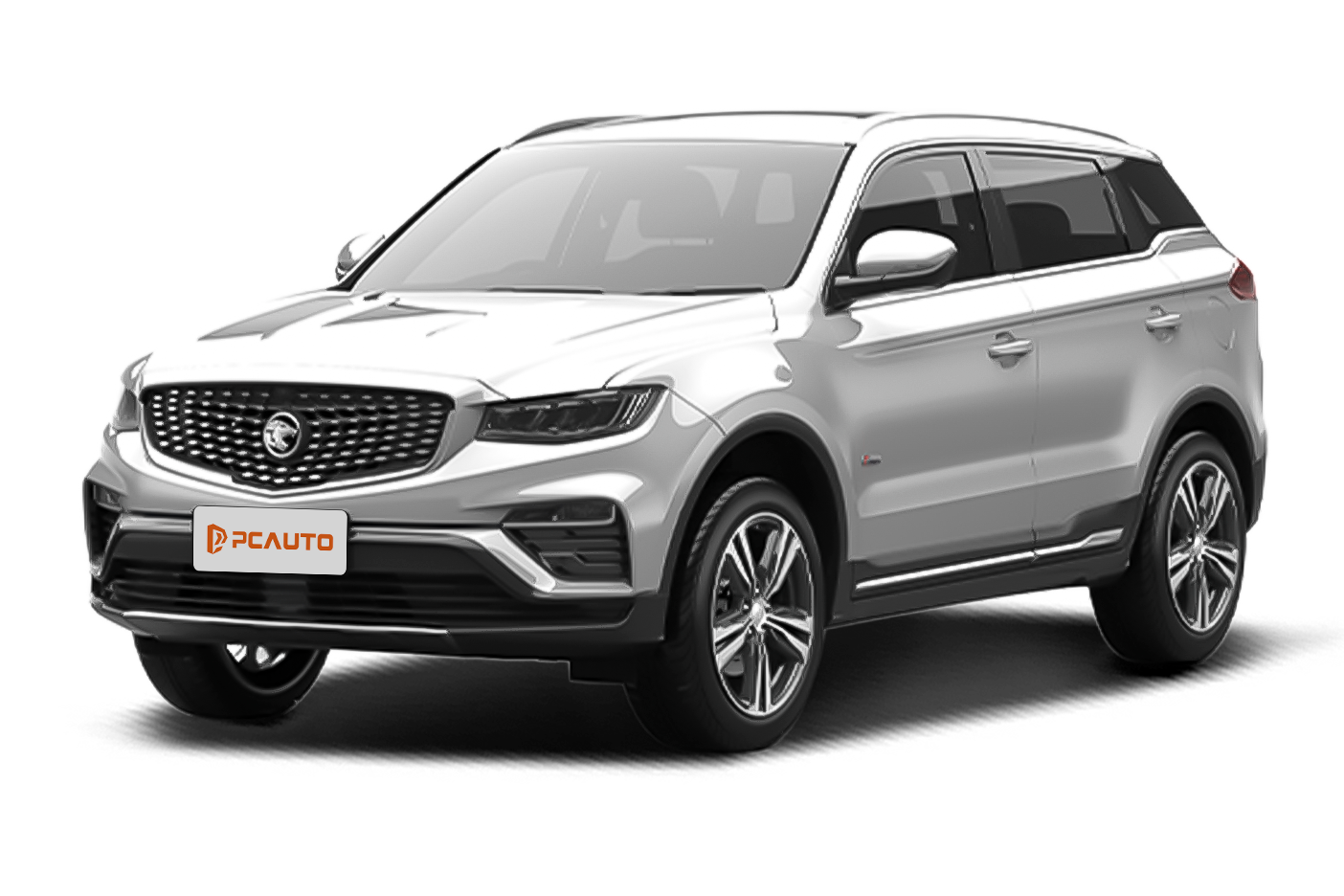
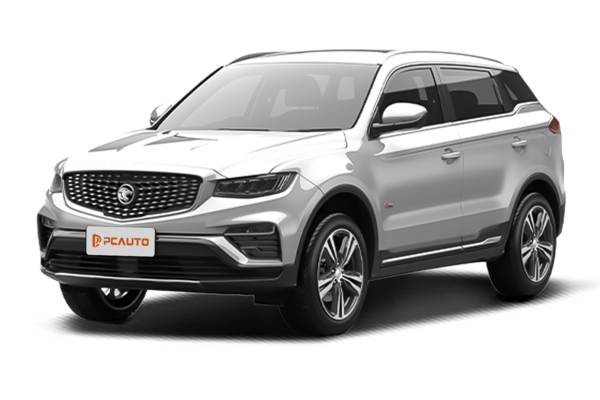
2026 Proton X70 1.5 TGDi Executive focuses on upgrading to a four-cylinder engine, practical configurations, and affordable pricing. It balances family commute practicality with value for money, making it a sensible choice among similarly priced C-segment SUVs.
10
Rank in SUV
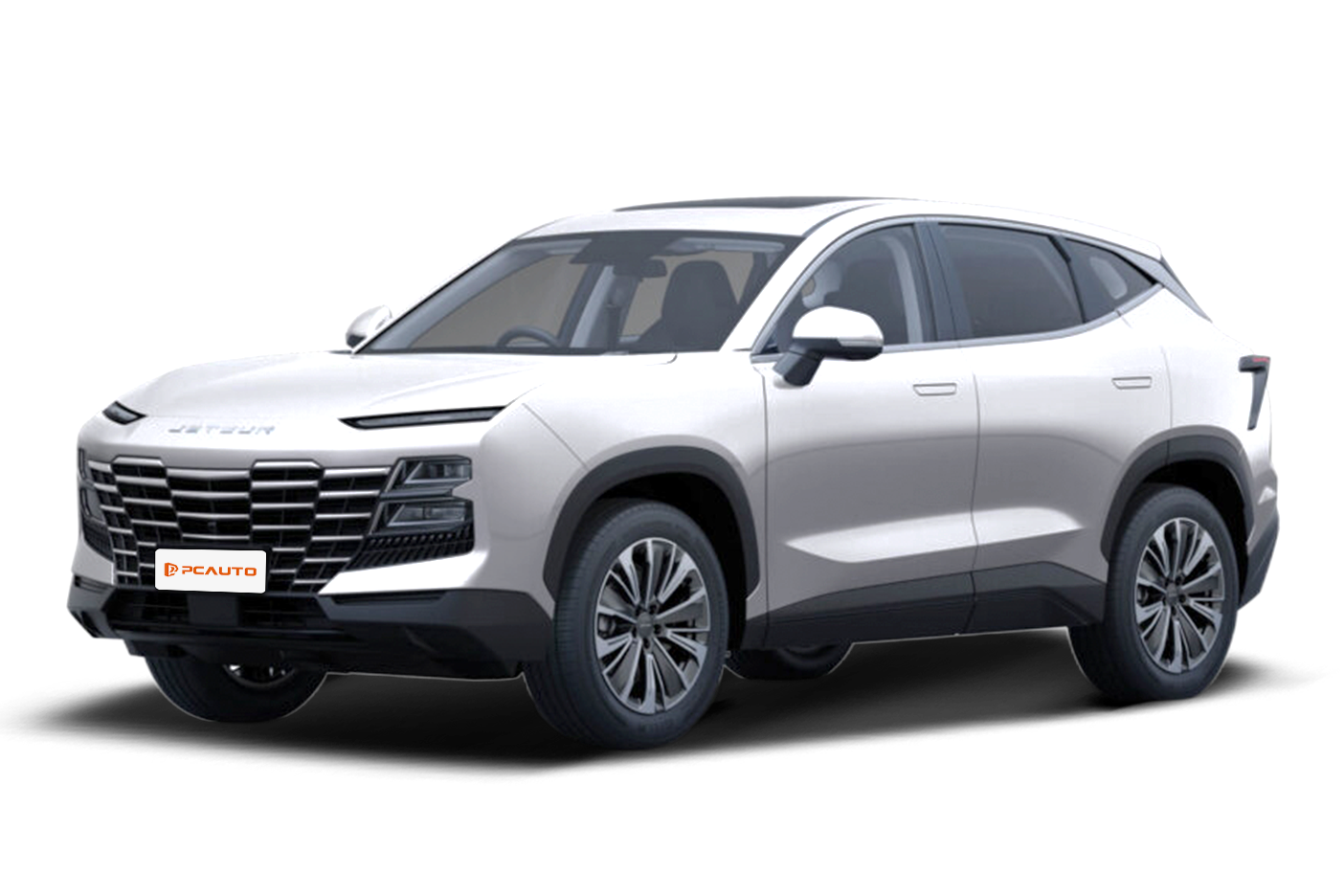
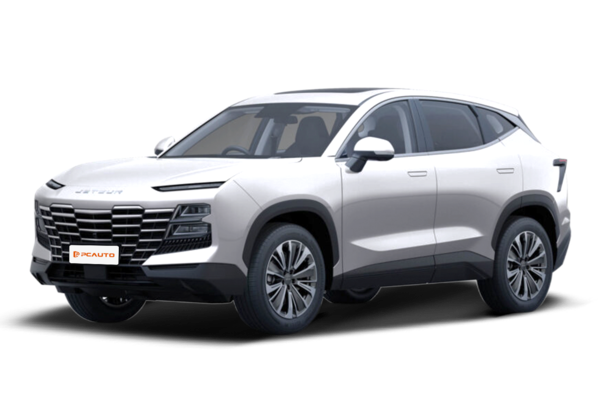
Jetour Dashing 1.5 TCI Comfort 2025 features a 2720mm long wheelbase and a 10.25-inch dual screen as its core, focusing on balanced cost performance to meet family practical needs.
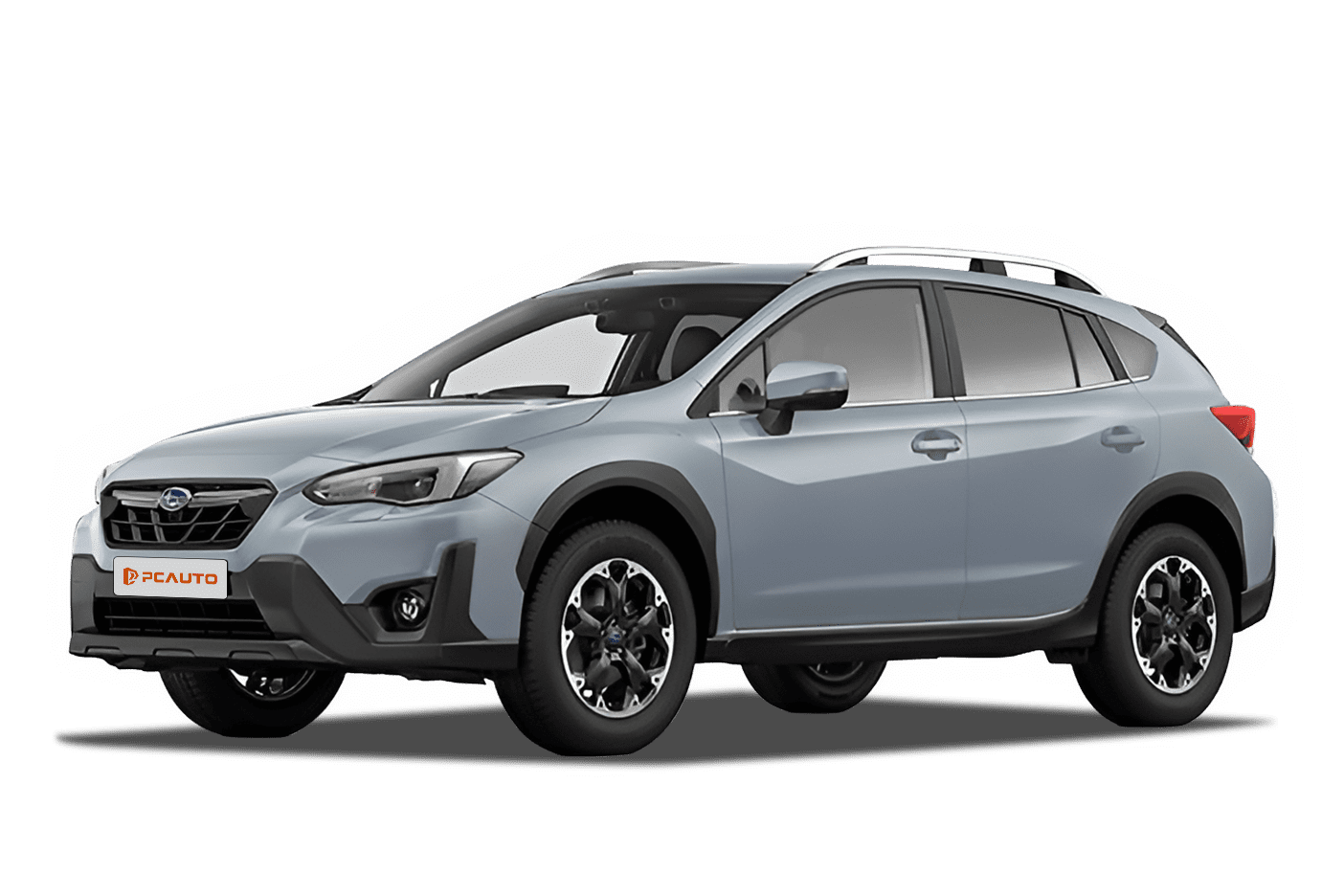
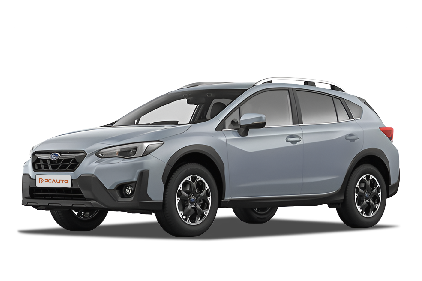
The 2021 Subaru XV 2.0i is a model targeting the C-segment crossover market, equipped with standard all-wheel drive and high safety features, balancing off-road capability and handling, with practical space.

2021 Hyundai Kona 2.0 Standard, as a high-value entry-level compact SUV, retains essential safety and practical features with an affordable price, meeting the daily commuting and loading needs of families.