

Maserati Ghibli 1966 Review

 Share
Share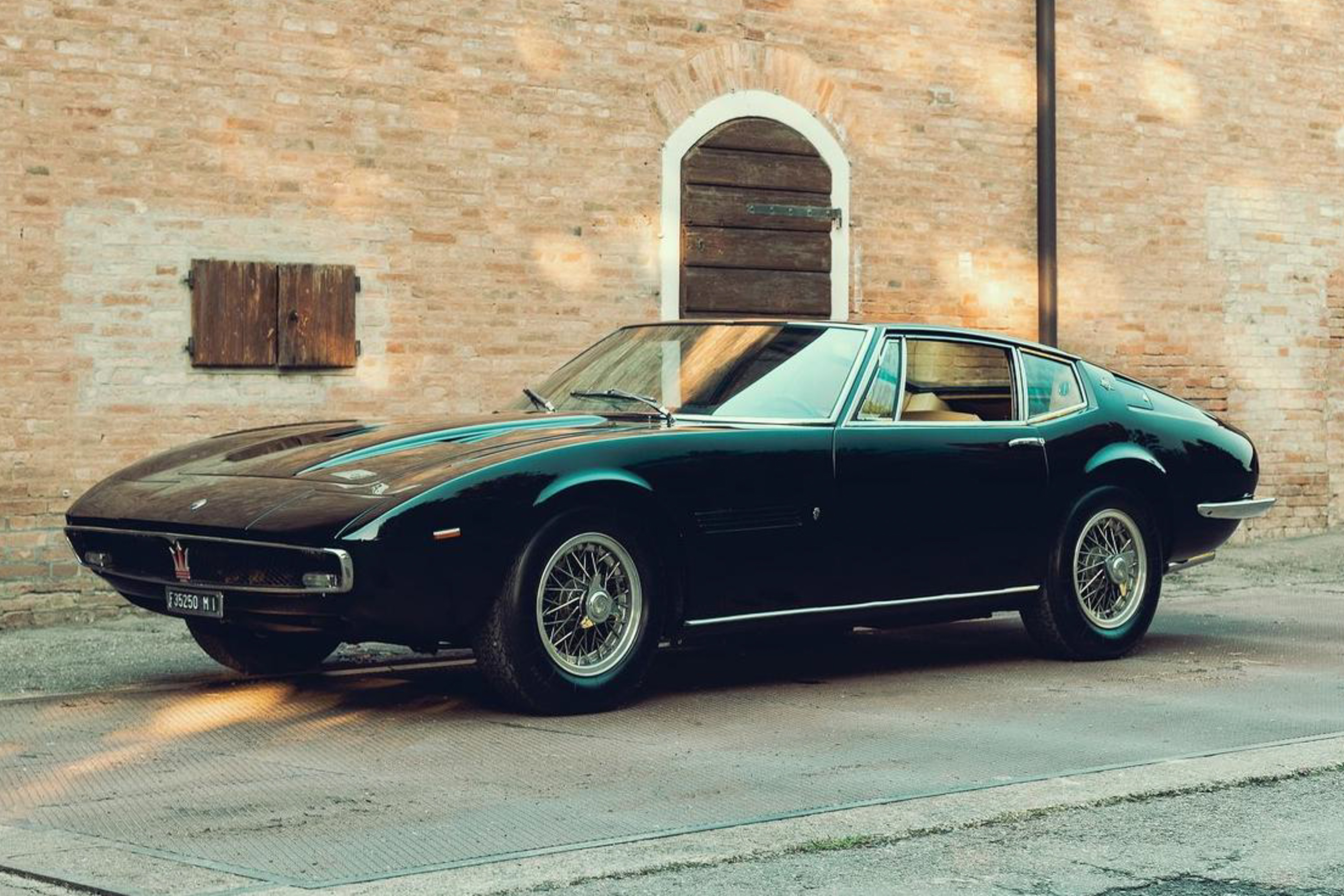
 Body Type
 Segment
 Capacity(L)
 Engine Power(PS)
 Engine Torque(Nm)
 Transmission
In recent years, the market's attention to classic retro sports cars has been steadily increasing. More and more car enthusiasts, while pursuing performance, have started to value the historical heritage and collectible value of car models. Today, we are going to talk about the 1966 Maserati Ghibli, one of the representative works of the golden era of Italian sports cars. Not only was it Maserati's flagship GT model in the 1960s, but its unique design and powerful performance also made it a classic that could rival Ferrari and Lamborghini at the time. This time, we have managed to get our hands on a well-preserved Ghibli, with the main aim of restoring the true charm of this legendary sports car, from static design to dynamic experience.
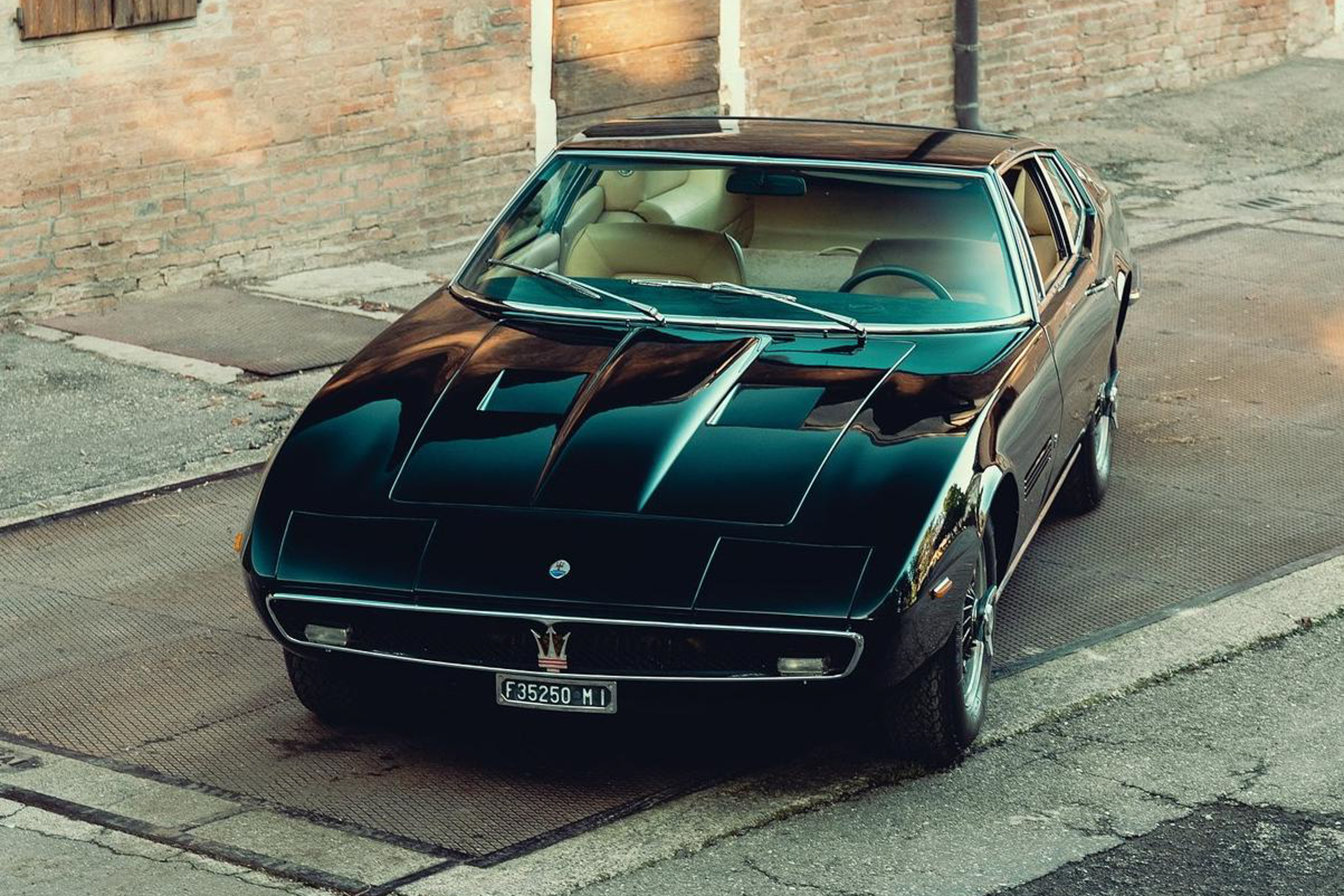
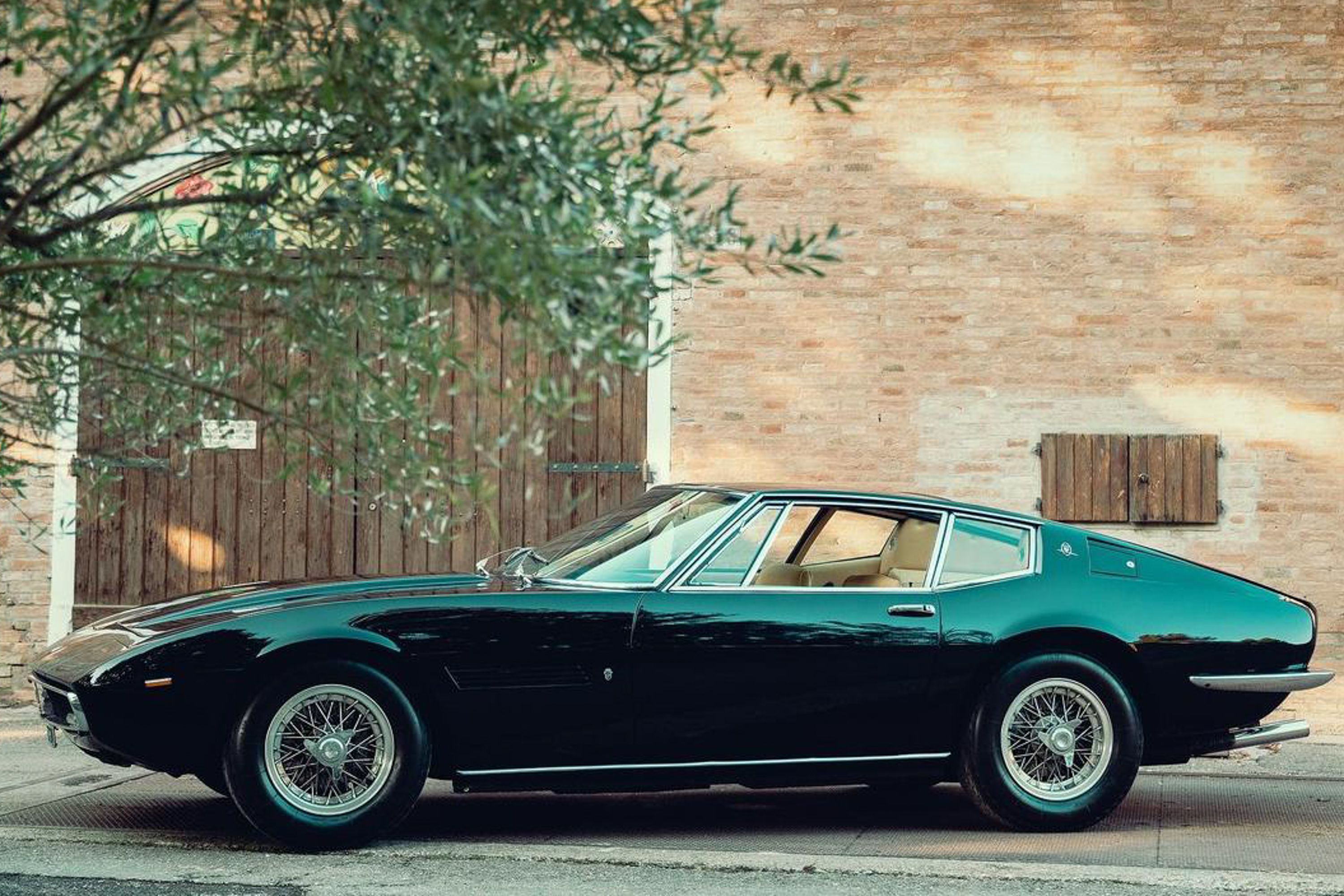
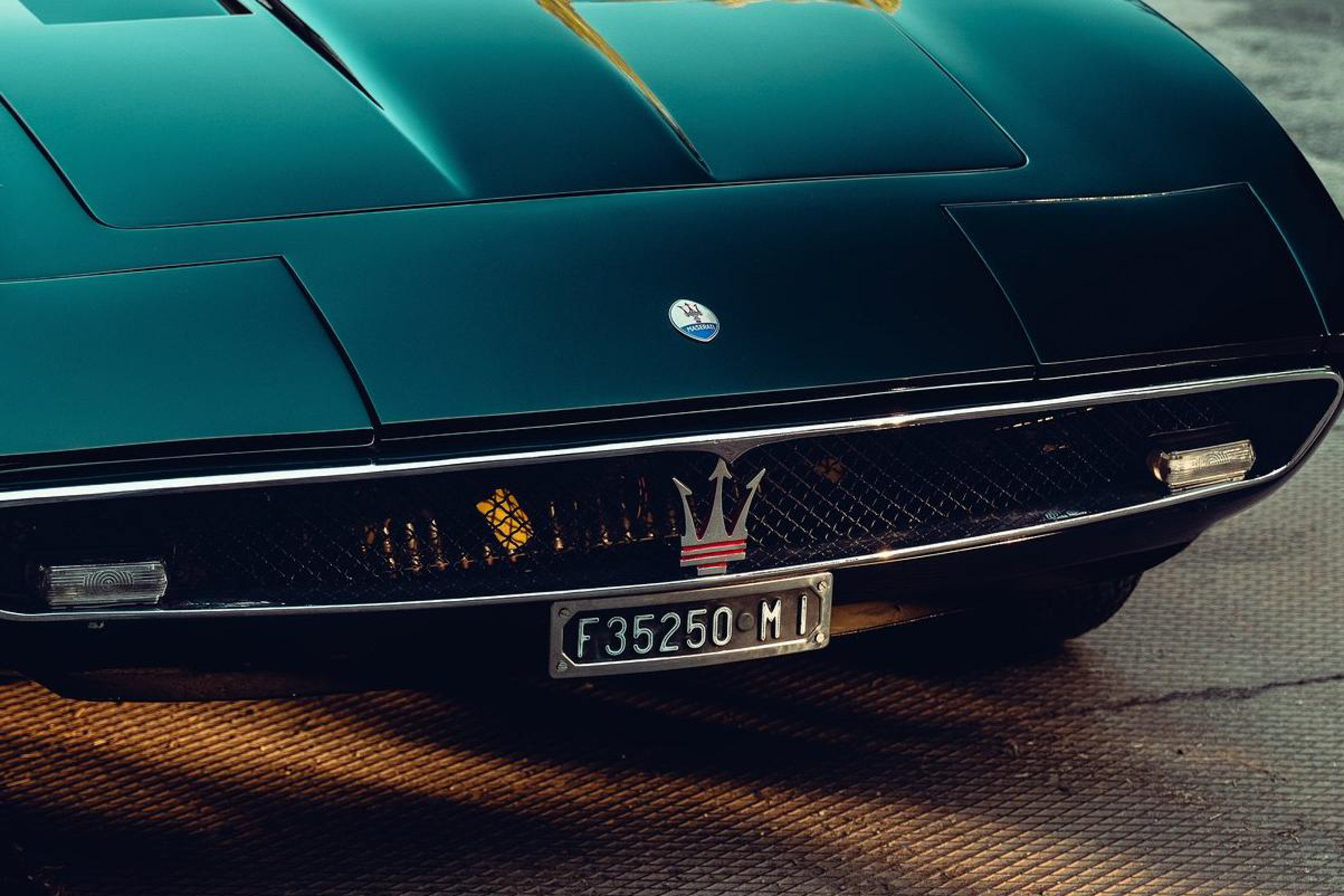
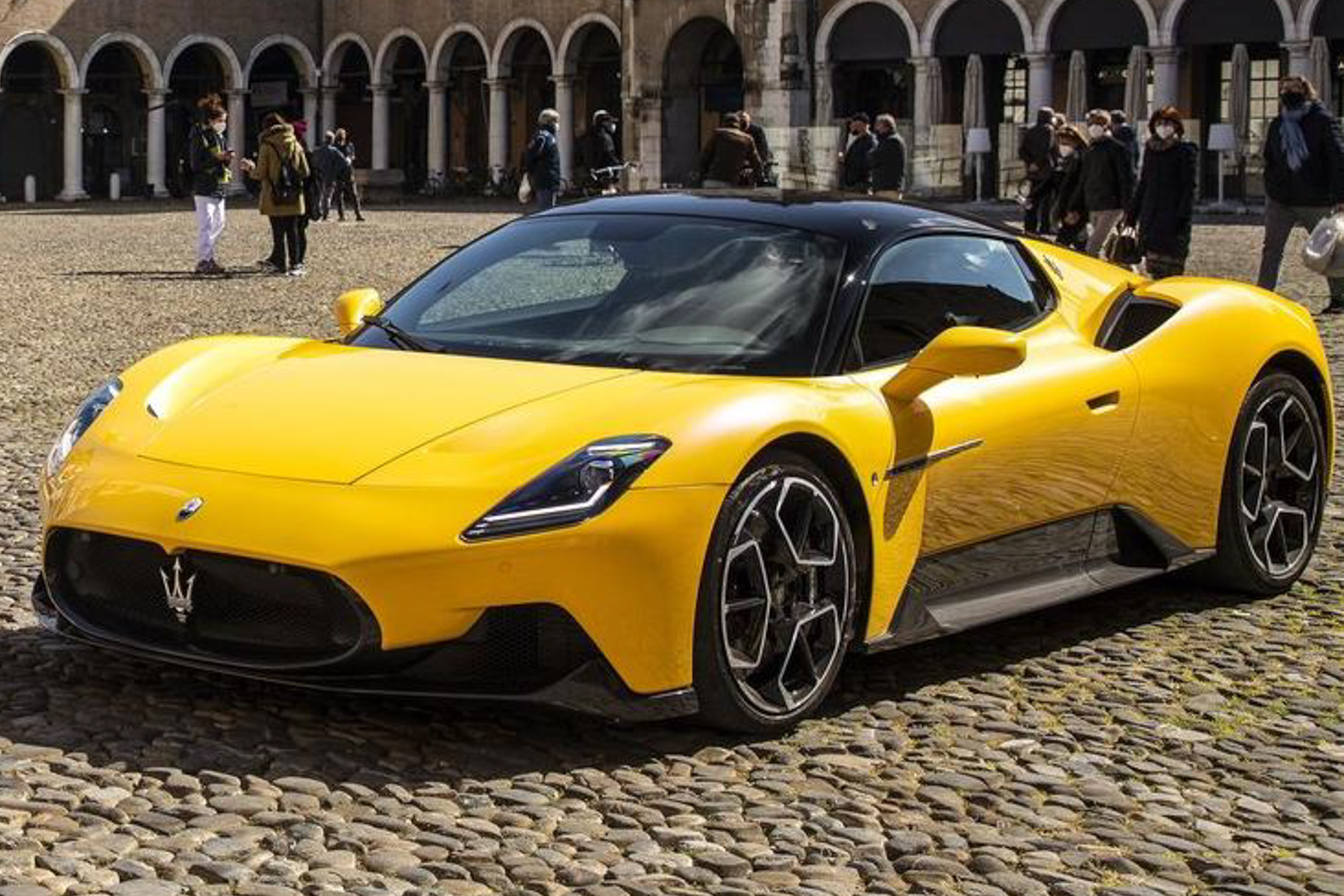
Starting with the exterior, the overall style of the 1966 Ghibli is iconic of the 1960s Italian GT sports car design. Its low and sleek body lines stretch from the hood to the rear, creating a near-seamless streamlined silhouette, achieving a leading drag coefficient in its time. On the front, the most eye-catching feature is the vertical slatted chrome-plated grille with the Maserati Trident emblem in the center, flanked by round twin headlights with chrome trim rings, giving it a distinctive aesthetic. Two raised ridges run along the hood from the A-pillar to the grille, enhancing its muscular look while optimizing aerodynamics. The side profile features a waistline extending from the front fender to the taillights, complemented by 15-inch wire-spoke wheels that exude a retro vibe. The chrome trim at the bottom of the doors adds a touch of refinement. The rear adopts a fastback design, with slim rectangular taillights on either side connected by a chrome strip in the middle, and dual round exhaust pipes at the bottom, presenting a simple yet powerful look. As for the lighting system, the front headlights use halogen bulbs, and the taillights are halogen-based as well. Although it lacks the LED technology found in modern vehicles, it was at the leading edge of its era, and its nighttime illumination remains highly recognizable.
Stepping inside, the interior design leans towards retro luxury, with an overall black leather theme complemented by numerous chrome accents, such as the knobs on the center console, the air vent surrounds, and the steering wheel spokes. The center console layout is straightforward, with three round dials at the top displaying RPM, speed, and fuel/water temperature. The dials use white numbers paired with red needles for clear readability. Below the dials is the air conditioning control area, designed with a lever mechanism that is intuitive to operate; further below are the radio and a storage compartment. The steering wheel is a three-spoke design wrapped in genuine leather, providing a comfortable grip. The Maserati Trident emblem is also positioned at its center. The seats are covered in premium leather, with bucket-style contours for the front seats offering decent lateral support. The rear seats are designed as a two-seater layout with fixed backrests, providing limited space. In terms of features, this Ghibli comes with manual air conditioning, a radio, and electric windows (some later models offered these as options). While it pales in comparison to the smart configurations of modern cars, these features were considered relatively well-equipped for GT sports cars of the 1960s.
In terms of spatial performance, the 1966 Ghibli measures 4690mm×1810mm×1300mm, with a wheelbase of 2550mm. The front-row seating space is adequate — a passenger standing at 175cm tall will have a fist's worth of headroom and ample legroom. However, the rear seating space is more cramped, with only two finger-widths of legroom, making it more suitable for short trips or storing items. Regarding storage capacity, the trunk offers around 300 liters of space, enough to fit two carry-on suitcases, adequately meeting the needs for short trips. Interior storage spaces are limited, with the main ones being a small compartment under the center console and door-side storage bins, offering average practicality. As for comfort features, the front seats come with manual adjustment, and the rear seats are paired with air conditioning vents. Although it lacks seat heating or ventilation, the leather seats' breathability and supportiveness were considered commendable at the time.
In terms of dynamic performance, the 1966 Ghibli is equipped with a 4.7L V8 naturally aspirated engine, delivering a maximum power output of 310 horsepower (at 6000 rpm) and a maximum torque of 433 Nm (at 4000 rpm), paired with a 5-speed manual transmission. During actual driving, the engine needs to rev above 2500 rpm in the initial phase to unleash noticeable power. During acceleration, the V8 engine delivers a deep and magnetic roar. The car can accelerate from 0 to 100 km/h in approximately 6.8 seconds and achieve a top speed of 250 km/h, which was top-notch in the 1960s. In terms of driving modes, the Ghibli offers only one mode, with all power output transmitted through the manual gearbox, providing a pure driving experience.
Concerning handling and chassis performance, the Ghibli adopts a front-engine, rear-wheel-drive layout. The chassis suspension includes front double-wishbone independent suspension and rear leaf spring non-independent suspension (with later models upgraded to coil springs). The steering feel of the wheel leans towards the heavy side, with minimal play and precise directionality. When cornering, the car maintains a stable body posture with good lateral support. However, when driving on bumpy roads, the suspension's damping effect is average, and vibrations are transmitted quite directly to the cabin. However, this was a common feature of GT sports cars of the time, sacrificing some comfort in favor of better handling. As part of performance tests, we assessed fuel consumption. On urban roads, it consumed about 18 liters per 100 kilometers, while on highways, consumption dropped to around 12 liters, reflecting the characteristic fuel economy of a large-displacement V8 engine. Regarding braking performance, it features a front disc and rear drum braking system. The braking response is relatively linear, but the stopping power is inferior to modern vehicles, with a 100 km/h to stationary stopping distance of around 45 meters.
In terms of driving comfort, the rigid suspension and non-independent rear suspension design result in noticeable bumpiness during everyday driving, especially when passing speed bumps or uneven roads. Regarding noise control, wind noise and engine noise are pronounced at high speeds, primarily due to the car's aerodynamics and the inherent characteristics of the engine roar, which was typical among sports cars of that era. The seat comfort is decent, with soft leather materials, but extended driving sessions may lead to noticeable fatigue in the lower back and shoulders.
In summary, the 1966 Maserati Ghibli stands out for its retro and elegant exterior design, robust V8 engine and sound, and pure manual driving experience. Compared to its contemporaries, such as the Ferrari 330 GT or the Lamborghini 400GT, the Ghibli's design leans more towards a streamlined style, with slightly higher comfort features, making it suitable for long-distance driving. Meanwhile, Ferrari and Lamborghini focus more on track performance. Overall, the Ghibli is a blend of style, performance, and historical heritage, making it an ideal classic sports car for collectors and enthusiasts who love vintage sports cars and seek a pure driving experience. It’s also a great option for weekend road trips or classic car events. If you're someone with a passion for Italian sports car culture, the 1966 Maserati Ghibli is undoubtedly a legendary model worth owning—not just a sports car, but a piece of art carrying the memories of an era.
Maserati Ghibli Car Compare

More Maserati Reviews
Cars With Similar Price And Features
12
Rank in Sedan
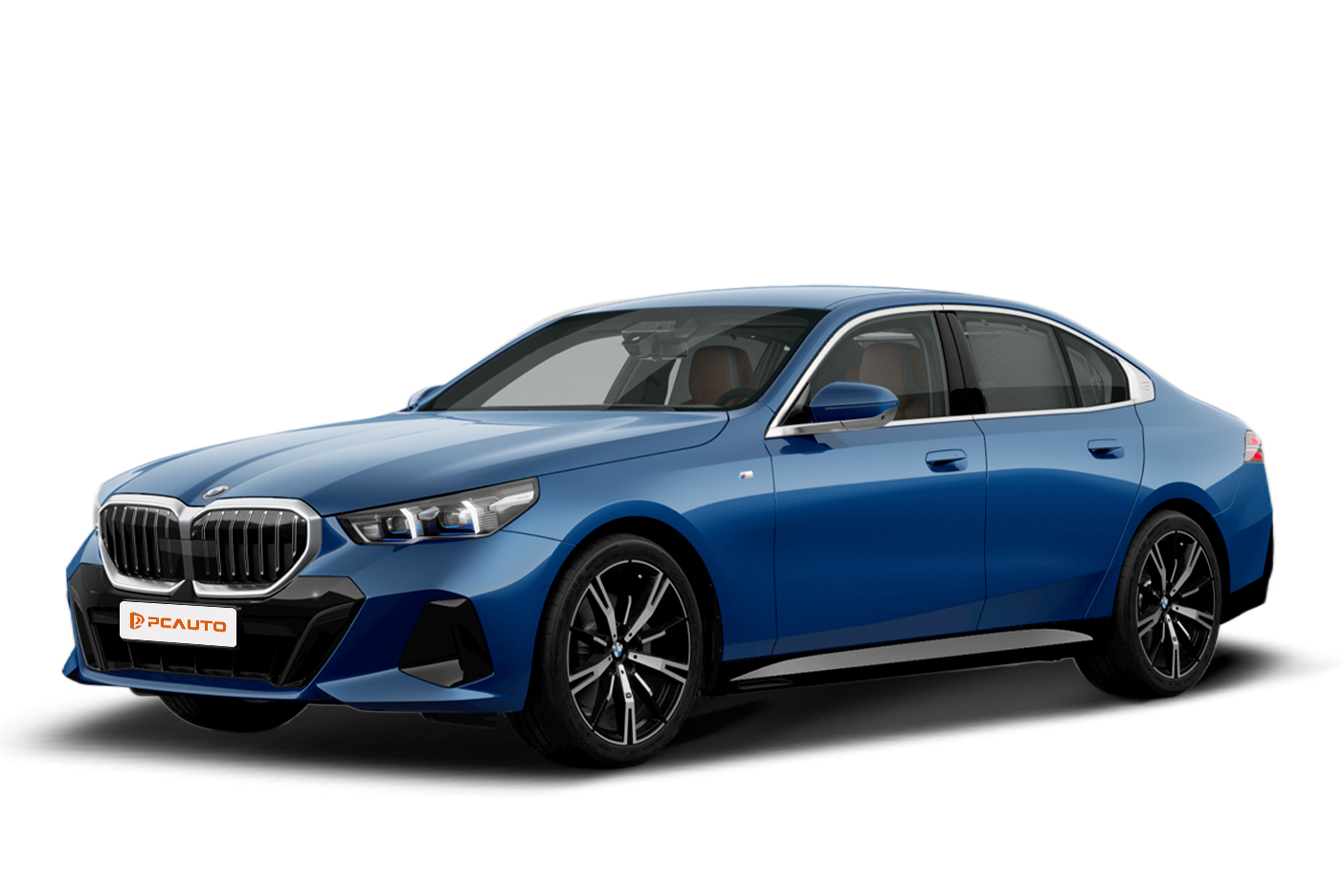
2025 BMW 5 Series 530i M Sport combines executive stability with youthful vitality through the M Sport package, featuring a powerful 2.0T mild hybrid system, enhanced by connected screen technology, balancing luxury, practicality, and driving pleasure.

2021 Volvo S90 T5 Momentum is a mid-to-high-end sedan that combines safety DNA, family-friendly features, and executive-level comfort. It offers practical space, smooth power delivery, and is suitable for families and business users who value quality.

15
Rank in Sedan

2024 Mercedes-Benz E-Class E200, as a luxury executive sedan, upgrades its mild-hybrid system to balance power and fuel efficiency, enhances intelligent configurations, offers practical space, and highlights a comfortable driving experience.
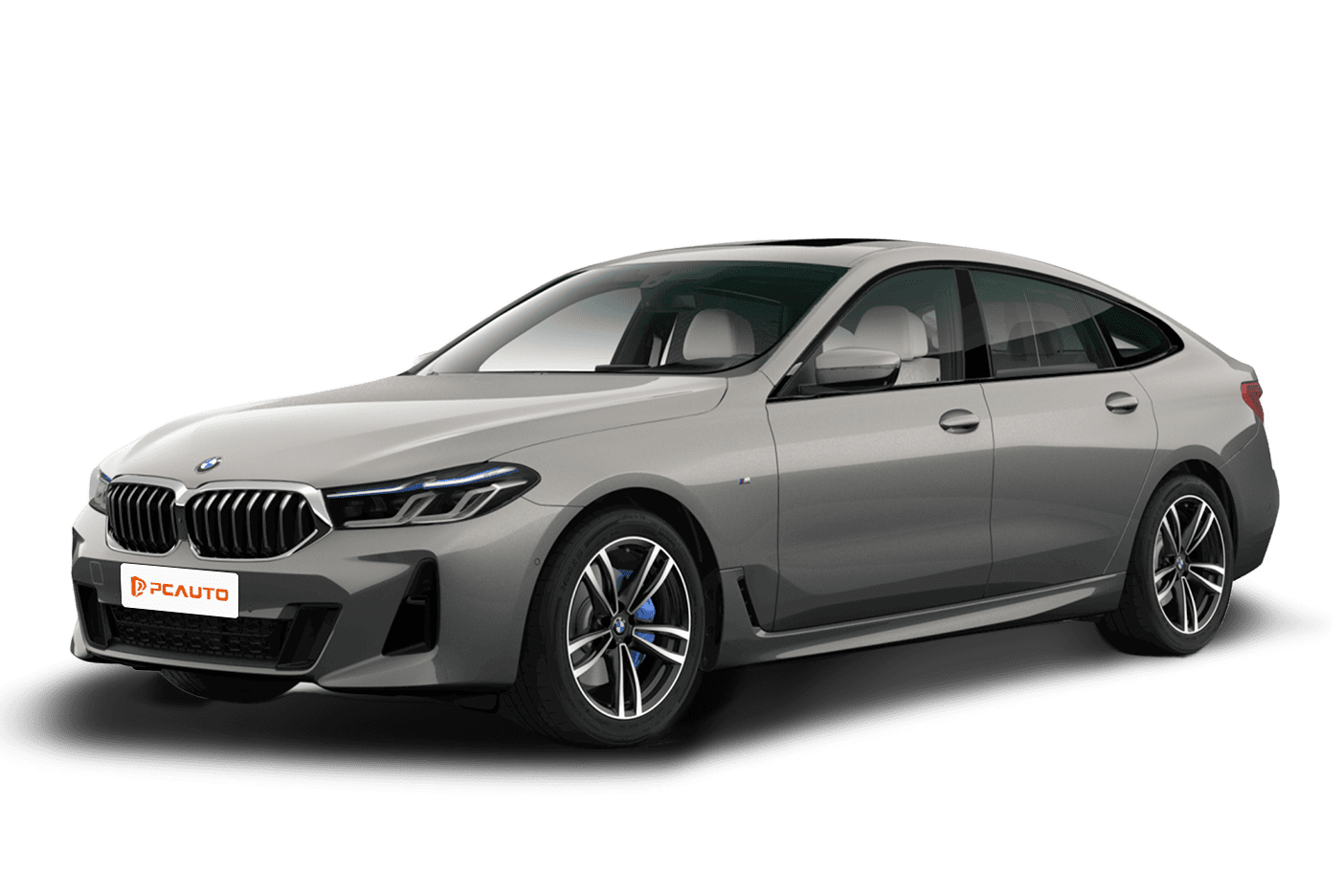
2021 BMW 6 Series GT 630i M Sport is a luxurious coupe that balances business respectability and family practicality, combining a fastback design, dual-screen technology, spacious interior, and 2.0T engine to blend sportiness with comfort.