

Maserati Ghibli 2014 Review

 Share
Share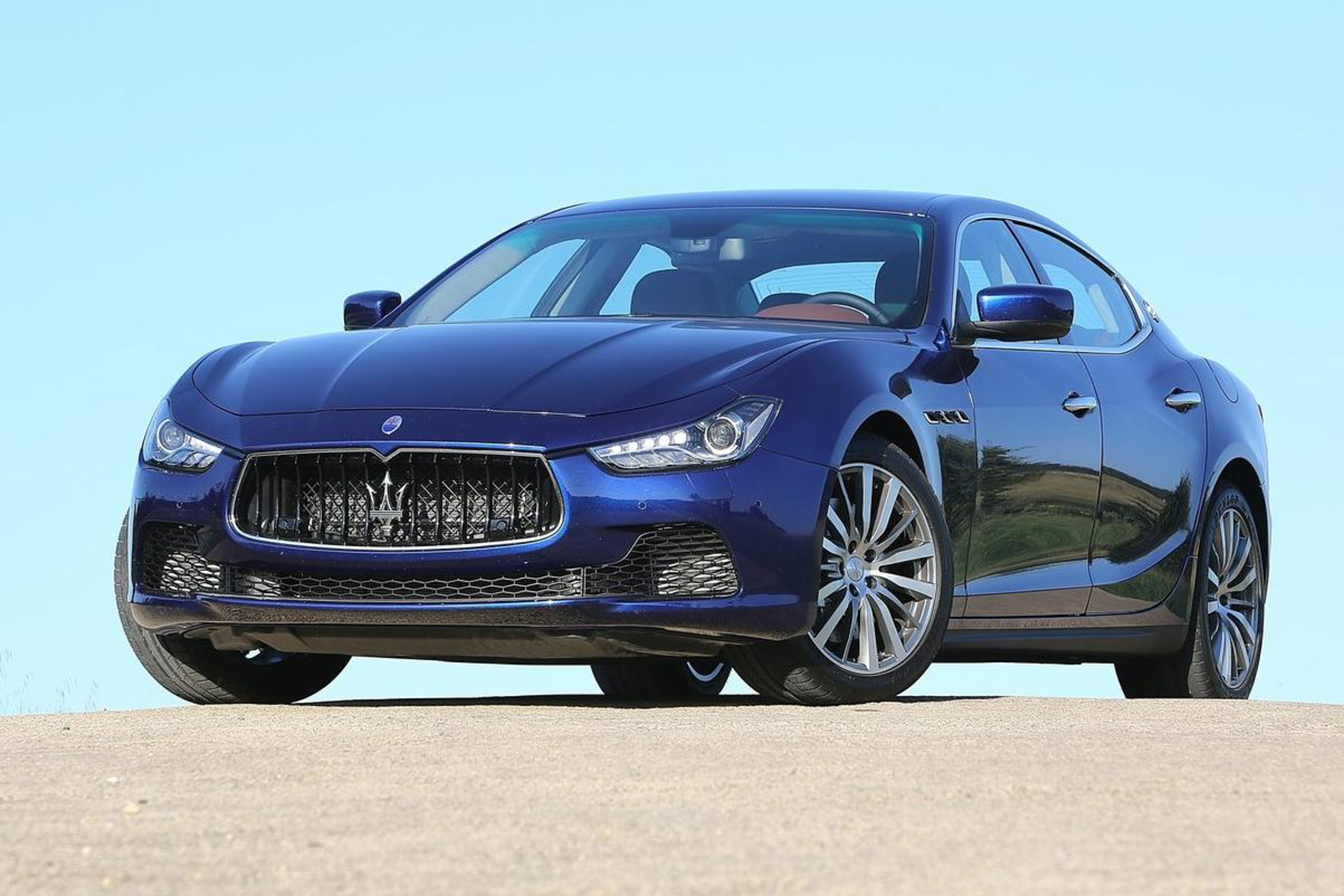
 Body Type
 Segment
 Capacity(L)
 Engine Power(PS)
 Engine Torque(Nm)
 Transmission
The luxury mid-size sedan market in Malaysia has long been dominated by German brands, but the emergence of the Maserati Ghibli in 2014 offered consumers pursuing Italian style and sportiness a new choice. Positioned as a more accessible four-door sedan under the Maserati brand, the Ghibli not only continues the brand's racing heritage but also takes daily practicality into account, which is the balance many luxury car buyers expect. This review focuses on three main aspects: Is its Italian design distinctive enough? Does the 3.0T V6 engine live up to Maserati's sporty reputation? And as a luxury family car, how does its space and comfort perform?
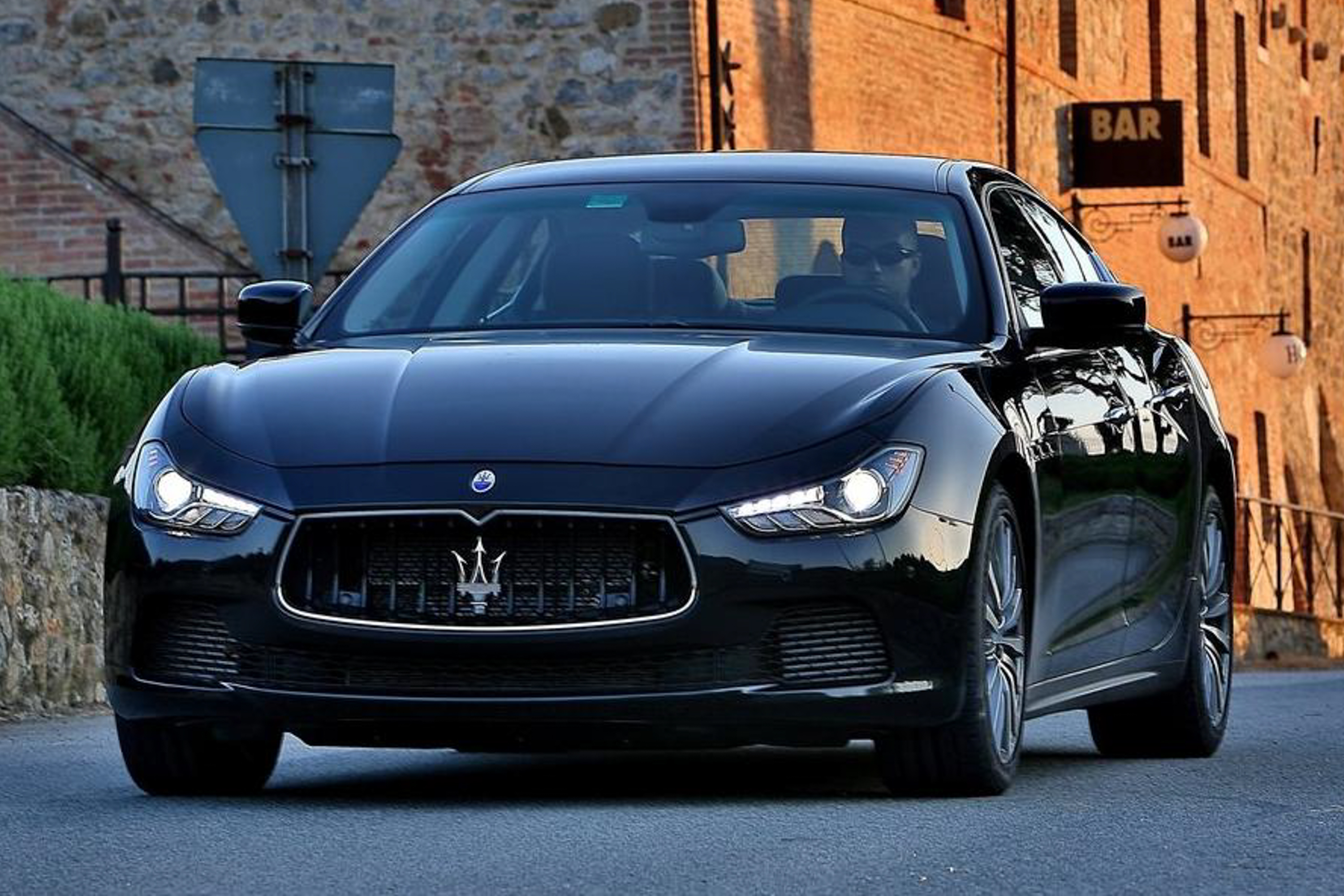
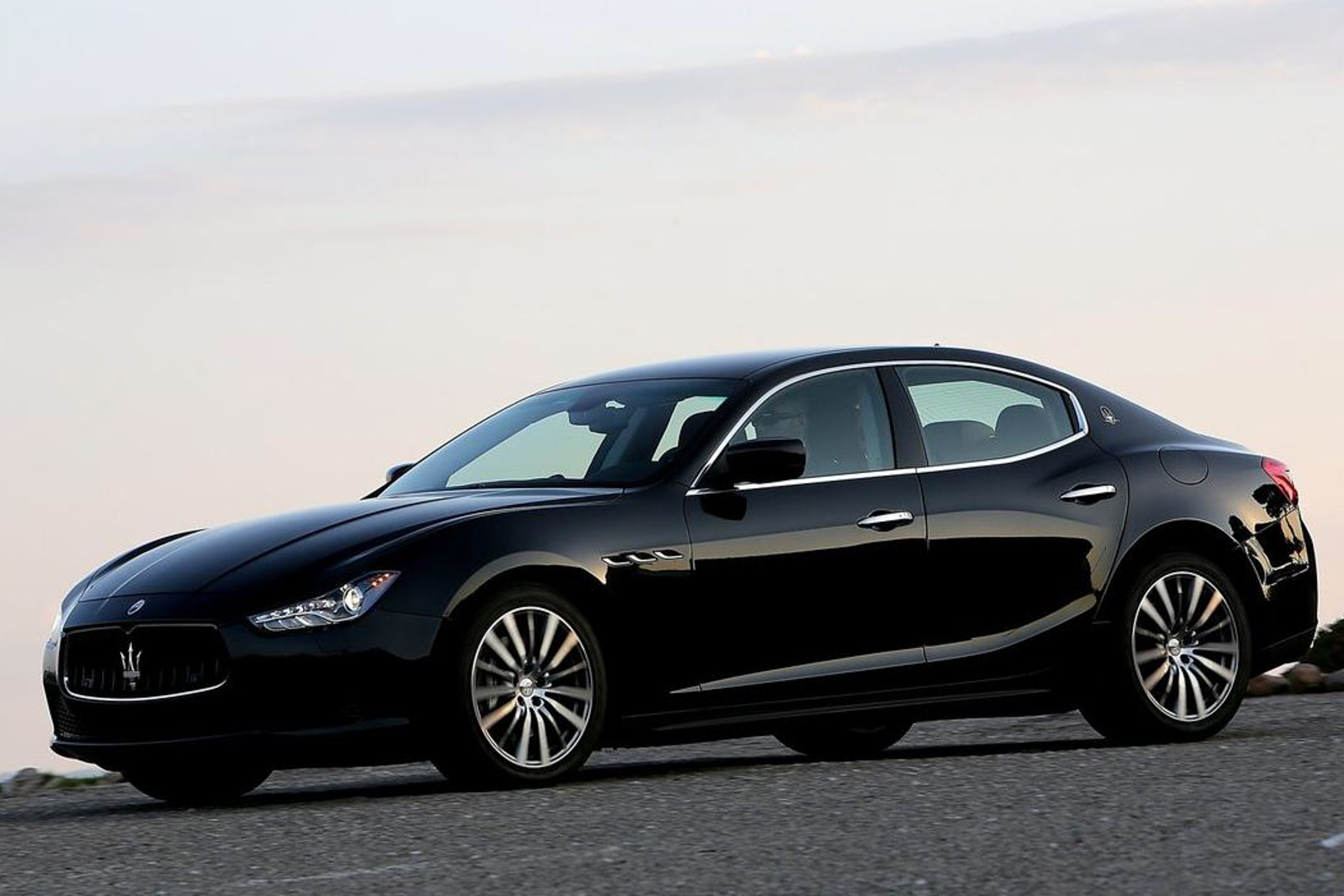
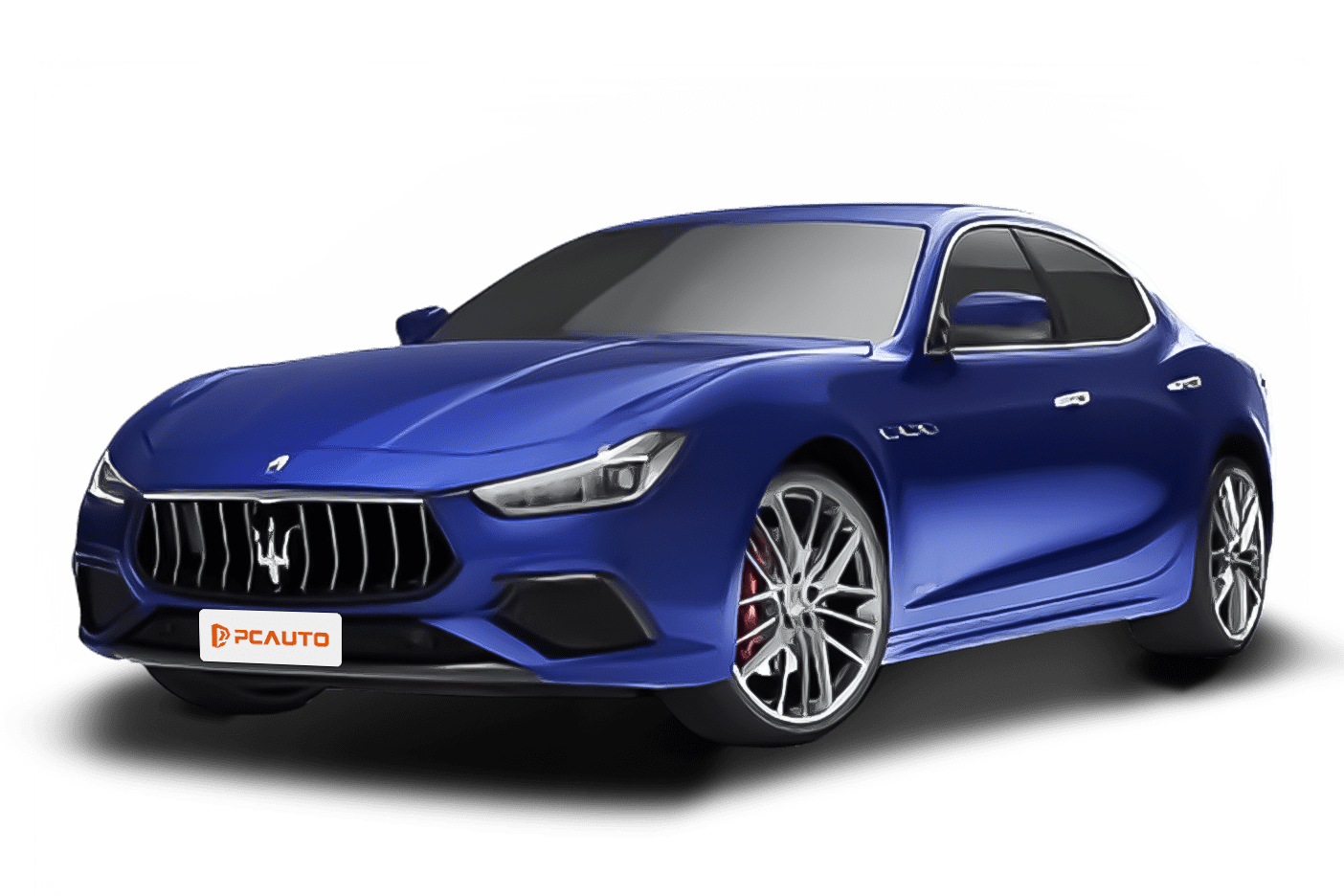
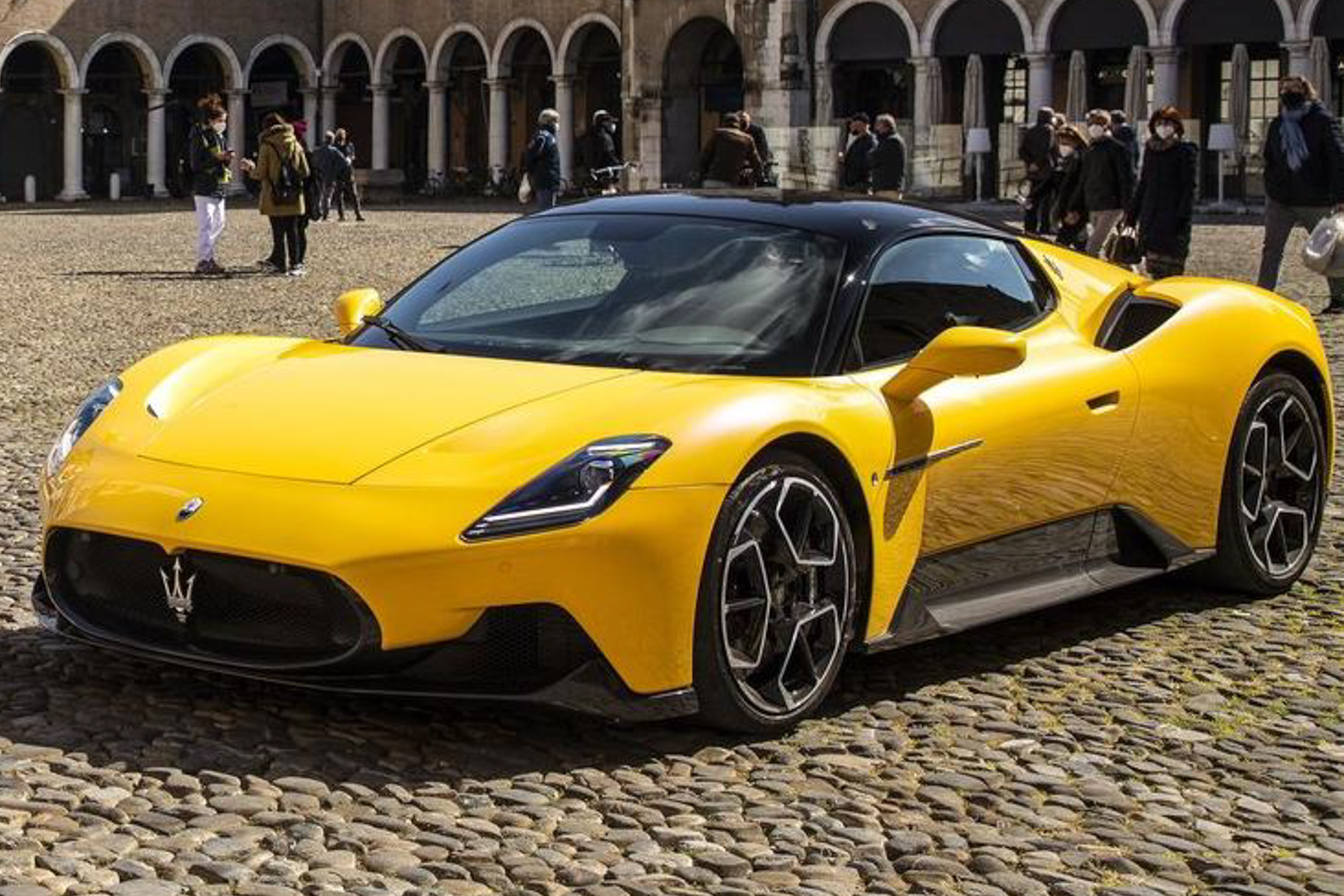
In terms of appearance, the 2014 Ghibli is essentially a smaller version of the Quattroporte. The iconic shark-nose grille paired with the sharp matrix LED headlights on either side makes the front end highly recognizable — this design retains the Maserati family DNA while boasting more aggression compared to German cars in the same class. The car's side profile features sleek lines, with muscular contours running from the front fenders to the rear. The 20-inch multi-spoke alloy wheels further enhance the sporty vibe. The rear design is relatively simple, with dual round exhaust outlets and triangular LED tail lamps forming a coherent design. Although it lacks excessive decorations, the overall proportions are balanced, making it unmistakably a Maserati.
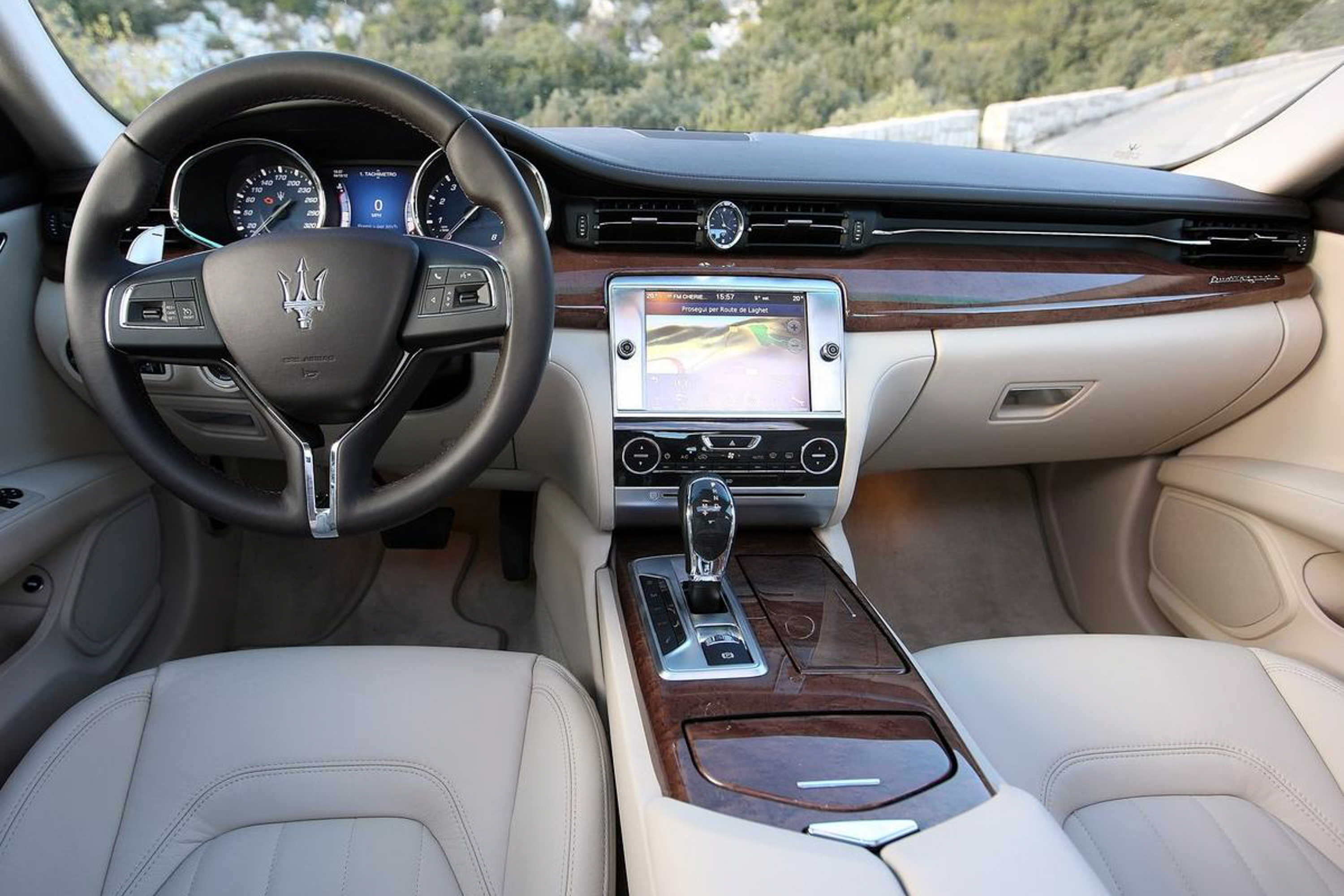
Inside the cabin, the Ghibli's interior leans toward traditional luxury. The dashboard is wrapped in large areas of soft leather, complemented by wood trim and metal accents, ensuring a pleasant tactile surface wherever you touch. The 8.4-inch central touchscreen is the core of the interior, featuring the MTC+ multimedia system, which supports Bluetooth connectivity, navigation, and smartphone mirroring. Its operation logic is clear, though the response speed is fairly average. The seats are wrapped in genuine leather, and the front seats offer 12-way electric adjustment and lumbar support, providing good comfort even for long drives. However, compared to competitors in its class, its interior lacks a sense of technological modernity — for instance, it does not come with a fully digital instrument panel, which might be a disappointment to younger buyers.
In terms of space, the Ghibli's dimensions are 4971×1945×1461mm, with a wheelbase of 2998mm, which places it within the mainstream spectrum of mid-size luxury sedans. The front-row space is ample, with a passenger of 180cm in height having about a fist's worth of headroom after adjusting the seat. The rear-row space is average, allowing a passenger of the same height to have two fists of legroom and four fingers of headroom. It is sufficient for daily use, though the high central floor hump makes it unsuitable for a third passenger on long journeys. Regarding storage, the front central armrest box and door panel compartments provide enough room for personal items. The trunk has a volume of 500L with a regular-shaped opening, which can easily fit two 28-inch suitcases, showcasing decent practicality.
In terms of power, the tested Ghibli is equipped with a 3.0T V6 twin-turbocharged engine, delivering a maximum power output of 330 horsepower and a peak torque of 500N·m, paired with an 8-speed automatic transmission. During daily driving, the gearbox shifts smoothly, and the throttle response feels linear. Even in comfort mode, there is no obvious jerkiness when starting off. When switched to sport mode, the throttle sensitivity significantly improves; pressing the accelerator deeply causes the gearbox to downshift quickly, and power delivery becomes more direct. The 0-100km/h acceleration takes approximately 5.5 seconds, offering a strong sense of thrust that would satisfy speed enthusiasts. However, in low-speed traffic, there is occasionally slight shift shock, which is a minor drawback of this gearbox.
The handling and chassis performance are the highlights of the Ghibli. It adopts a front-engine, rear-wheel-drive layout, with precise steering and minimal dead zone, allowing you to clearly feel the road feedback when turning. The suspension system uses a double wishbone front suspension and a multi-link rear suspension, tuned for sportiness. When passing speed bumps or uneven roads, the suspension quickly filters out vibrations, preventing excessive bouncing of the body. Meanwhile, at high-speed cornering, the body roll is well-controlled, giving the driver ample confidence. However, the rather stiff suspension tuning can cause rear passengers to experience some vibrations on uneven roads, slightly compromising comfort.
In terms of fuel consumption, we tested an average fuel consumption of 11.8L/100km under mixed conditions of city traffic and highway cruising, each accounting for half the mileage. On the highway, fuel consumption can drop to 8.5L/100km, which is within the expected range for a 3.0T V6 engine. Regarding noise control, the Ghibli performs well, with wind and tire noise kept at reasonable levels when driving at high speeds. Only when pressing the accelerator hard does the roar of the engine enter the cabin, but this sound is not unpleasant; instead, it enhances the driving pleasure.
Overall, the core strengths of the 2014 Maserati Ghibli lie in its unique Italian design and excellent power-and-handling performance. At the same time, its luxury feel and practical space can meet the needs of daily family use. Compared to German competitors in the same class, such as the Mercedes-Benz E-Class and BMW 5 Series, its brand identity is more distinctive, and its sporty performance is more prominent. However, its interior technology and configuration richness are slightly lacking. This car is more suitable for consumers who seek individuality and driving pleasure while also needing to consider family usage—if you don’t want to follow the crowd by choosing a German luxury car, and you want a four-door sedan that can showcase your status while occasionally going “wild,” the Ghibli is a good choice.
To sum up, the 2014 Maserati Ghibli is a luxury sports sedan that is “not severely imbalanced.” It preserves Maserati’s brand essence while achieving a balance in practicality. Although it lacks the technological configuration of its competitors, its unique design and outstanding driving experience are sufficient to earn it a place in the segment.
Maserati Ghibli Car Compare

More Maserati Reviews
Cars With Similar Price And Features
12
Rank in Sedan
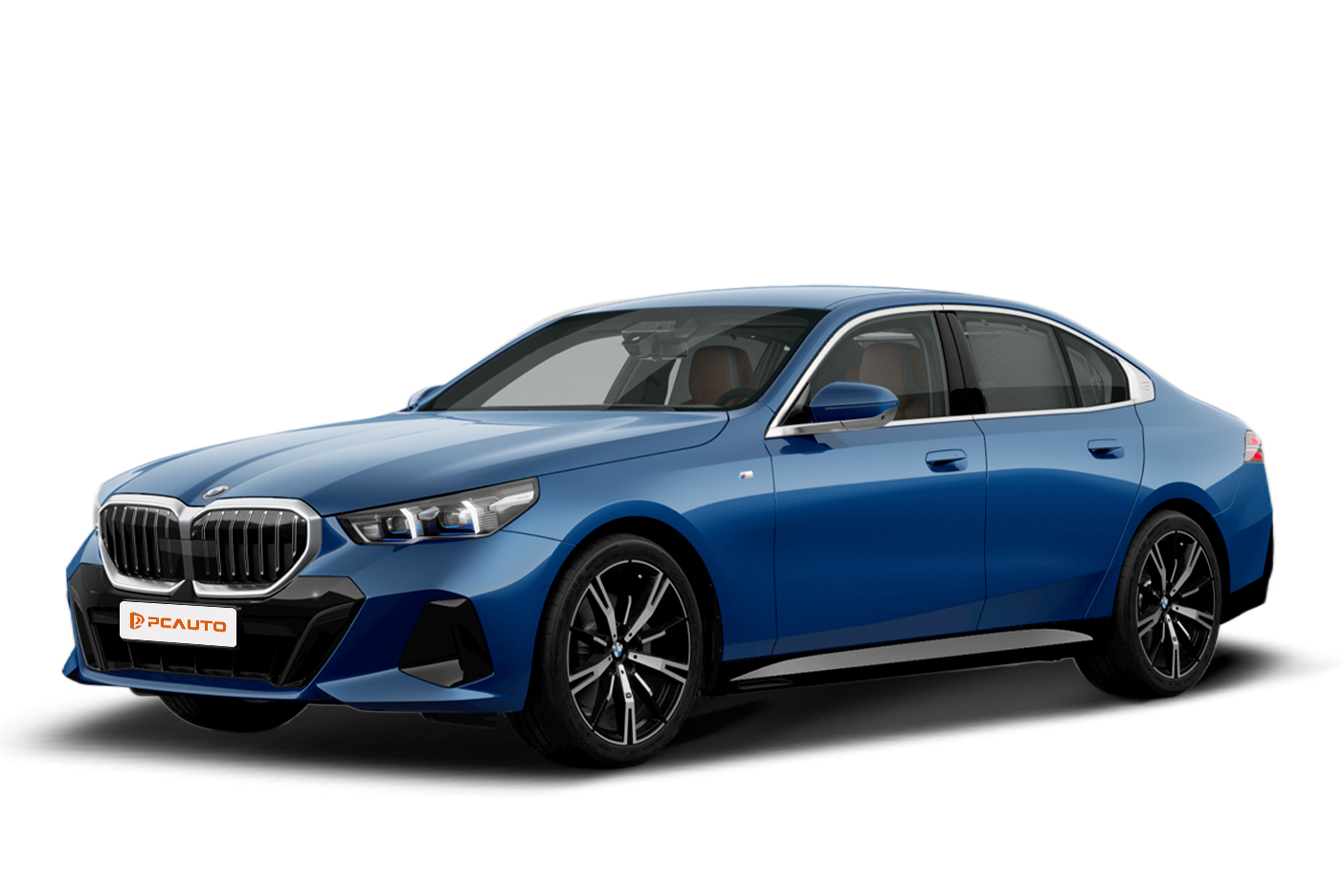
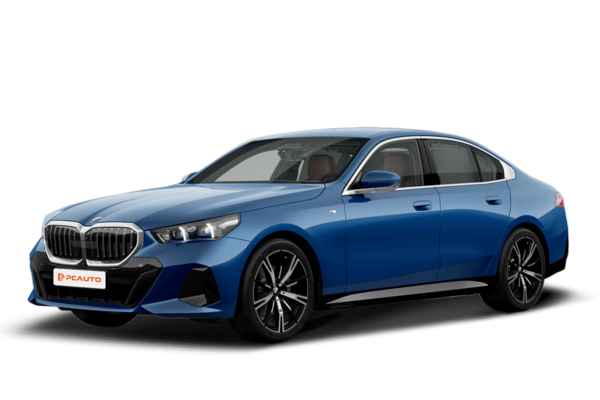
2025 BMW 5 Series 530i M Sport combines executive stability with youthful vitality through the M Sport package, featuring a powerful 2.0T mild hybrid system, enhanced by connected screen technology, balancing luxury, practicality, and driving pleasure.
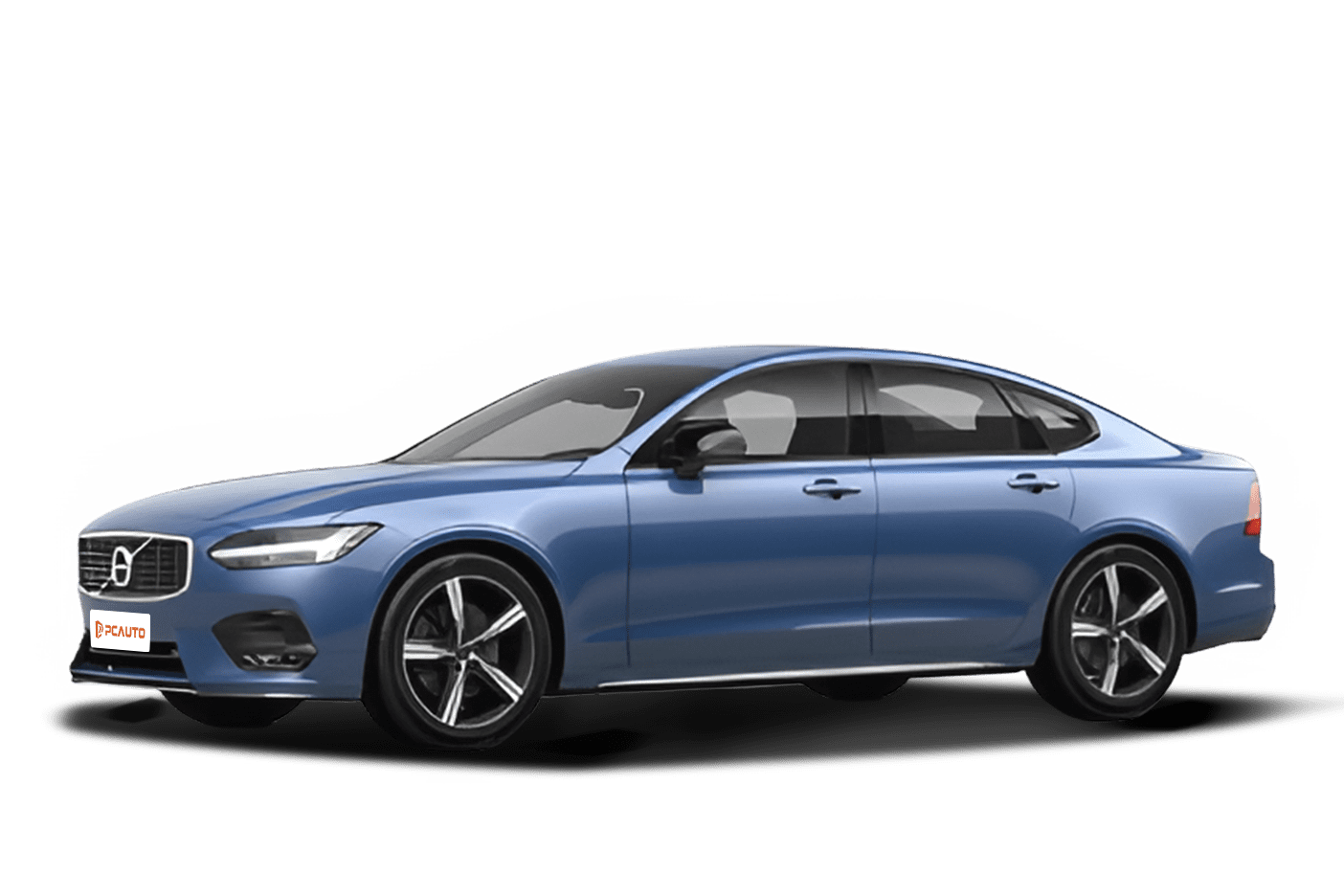
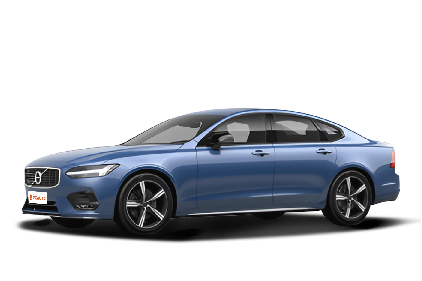
2021 Volvo S90 T5 Momentum is a mid-to-high-end sedan that combines safety DNA, family-friendly features, and executive-level comfort. It offers practical space, smooth power delivery, and is suitable for families and business users who value quality.

15
Rank in Sedan
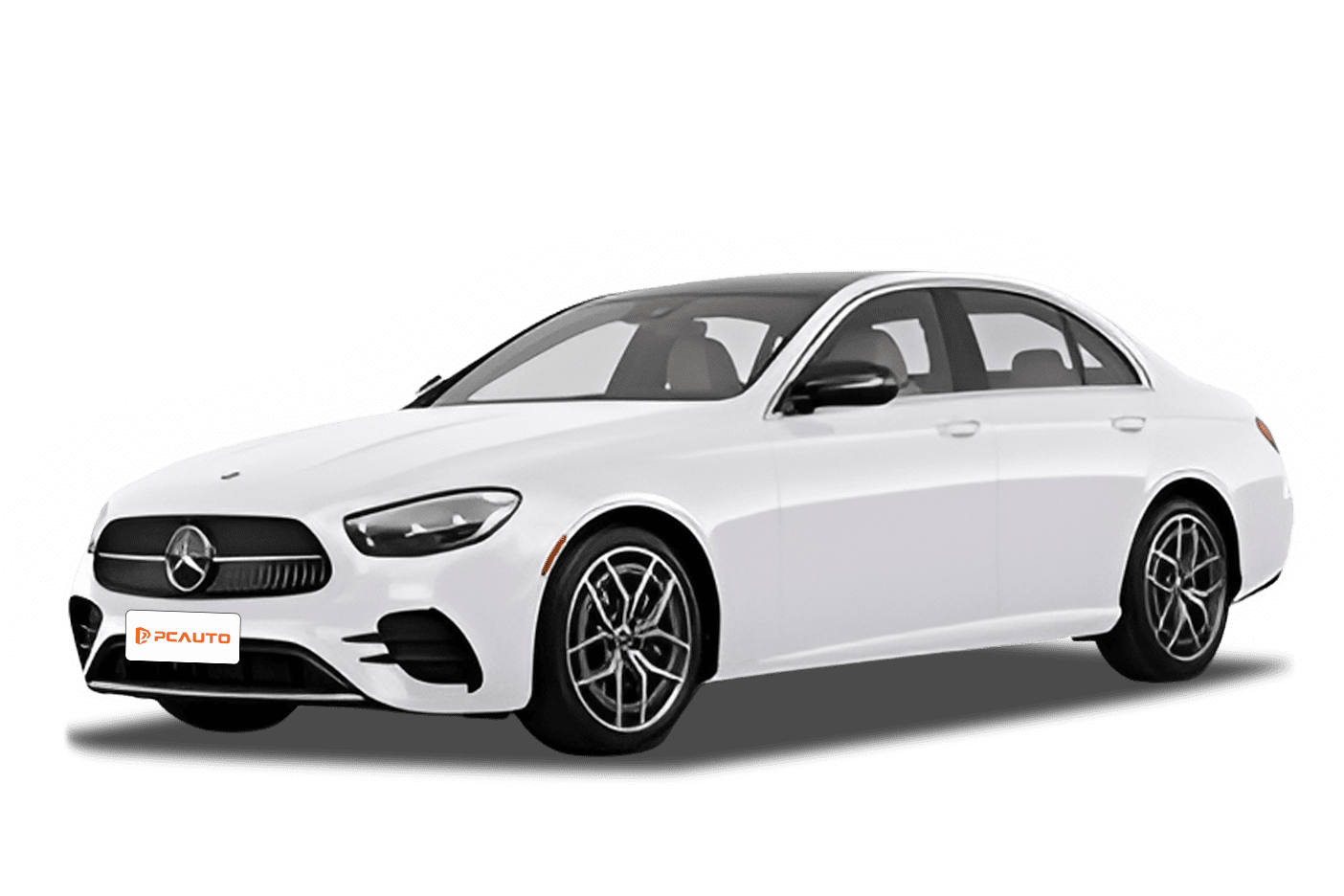
2024 Mercedes-Benz E-Class E200, as a luxury executive sedan, upgrades its mild-hybrid system to balance power and fuel efficiency, enhances intelligent configurations, offers practical space, and highlights a comfortable driving experience.
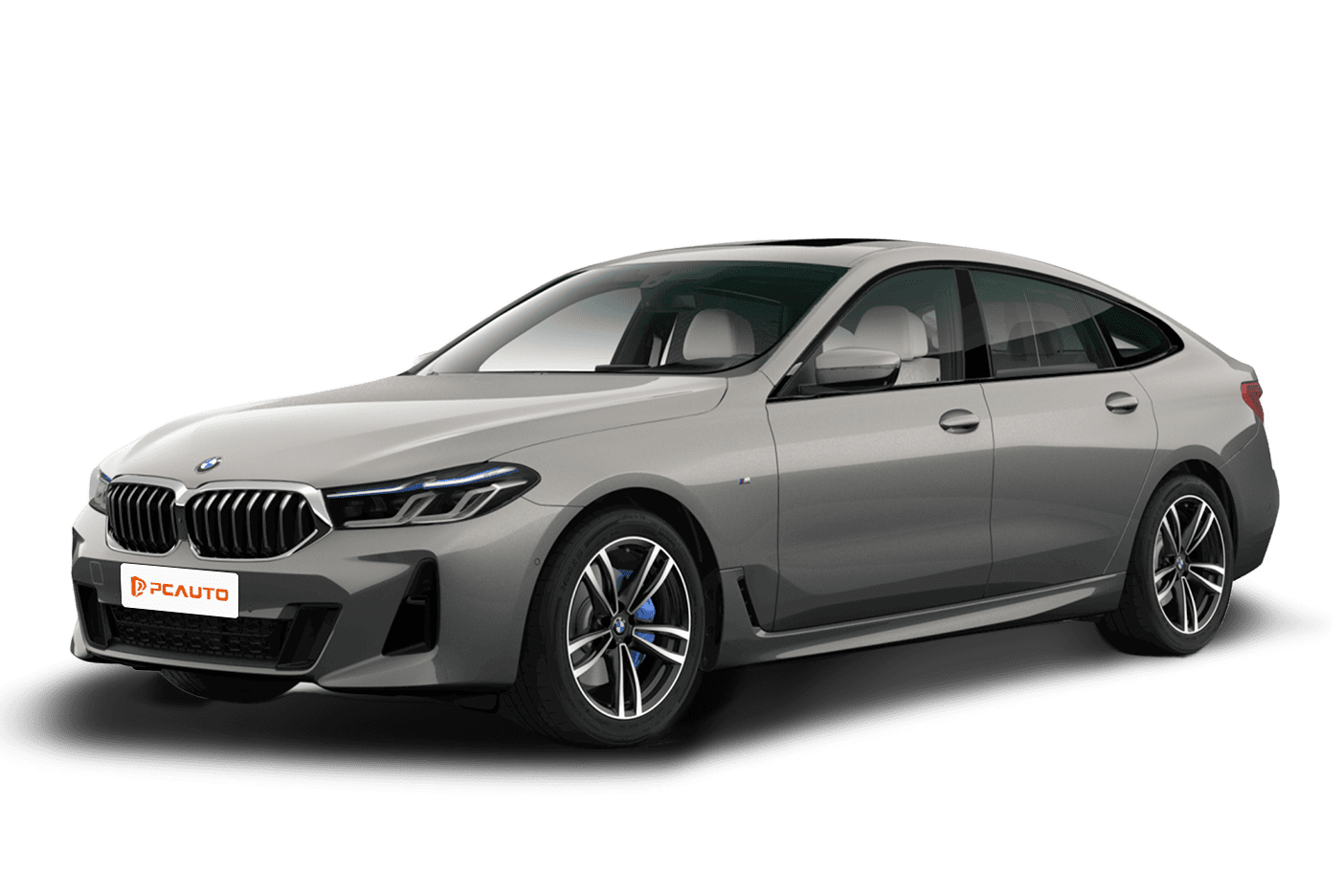
2021 BMW 6 Series GT 630i M Sport is a luxurious coupe that balances business respectability and family practicality, combining a fastback design, dual-screen technology, spacious interior, and 2.0T engine to blend sportiness with comfort.