

Mazda 2 Sedan 2023 Review

 Share
Share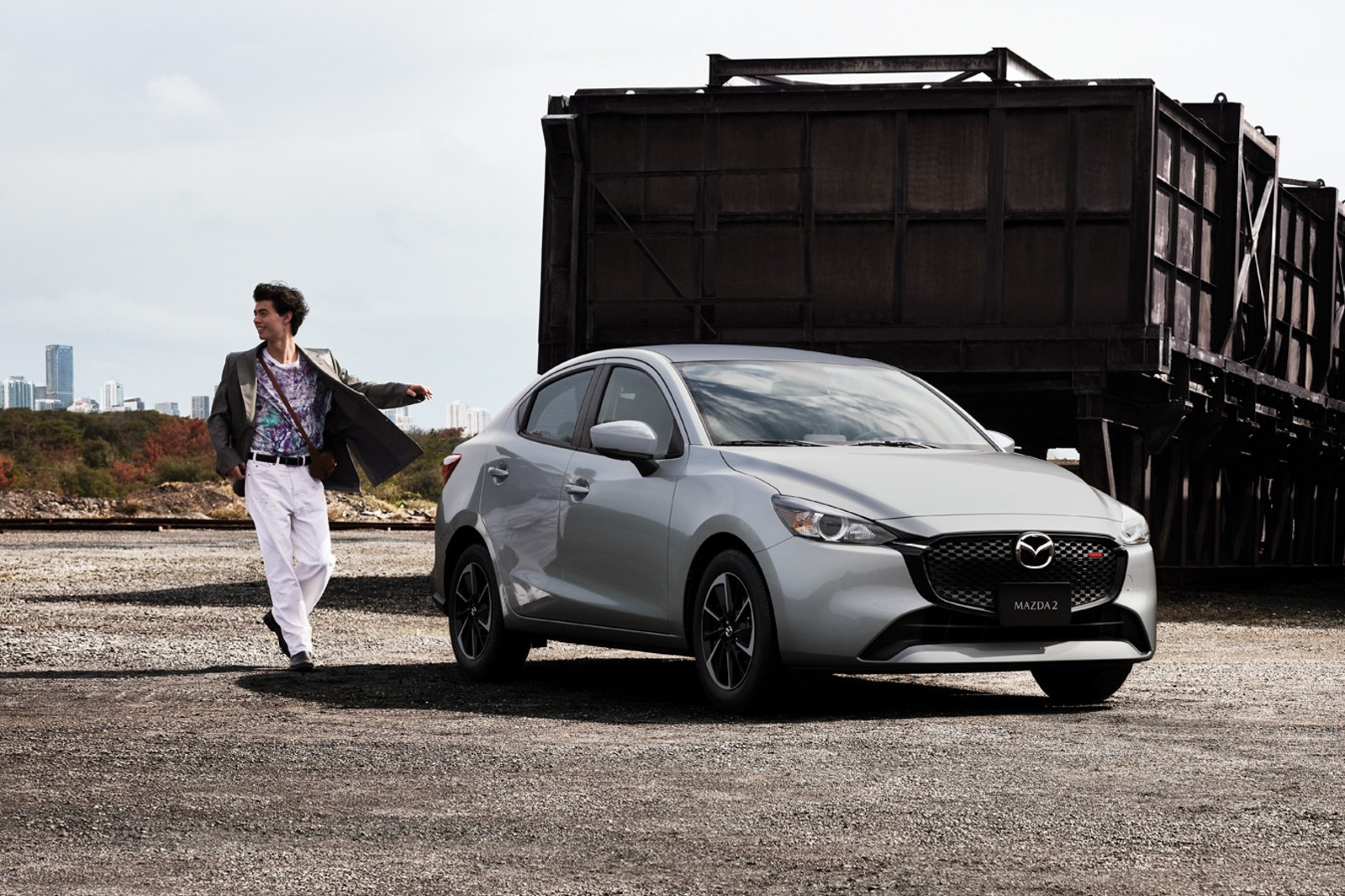
 Segment
 Body Type
 Capacity(L)
 Engine Power(PS)
 Engine Torque(Nm)
 Transmission
As a traditional player in Malaysia's C-segment sedan market, the Mazda 2 Sedan has always appealed to family users with its balanced performance. However, in recent years, competitors in the same class have continuously upgraded their features and lowered prices. How will the new 1.5L model, which will be launched at the end of 2023, stand out? Its core selling point is straightforward—the consistent driving dynamics of Mazda are retained, while more intelligent features and comfort options are added. In this test drive, I focused on evaluating its real-world performance in daily commuting and weekend family outings to see if it can still hold its place as the "balanced choice" in its class.
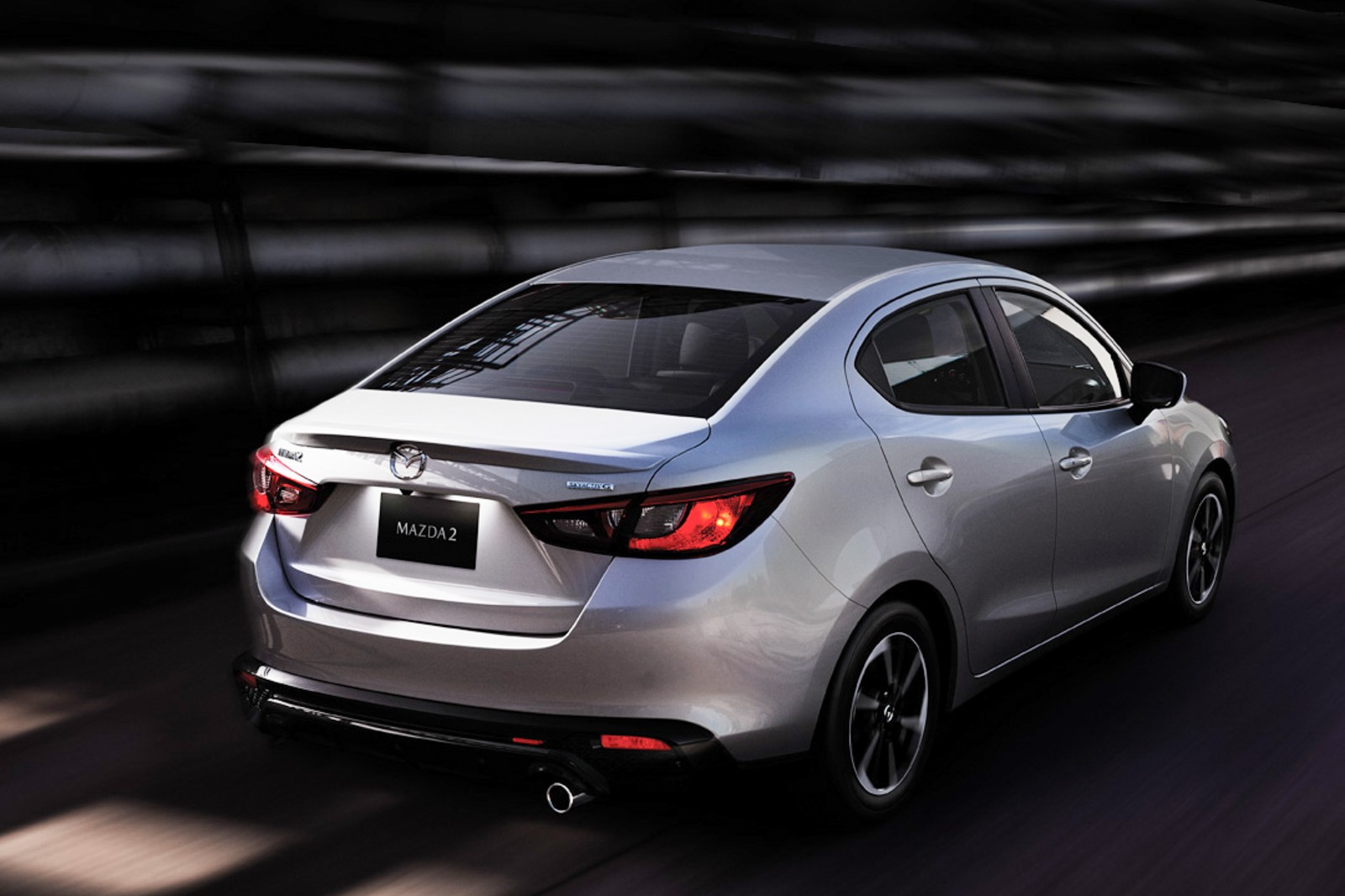
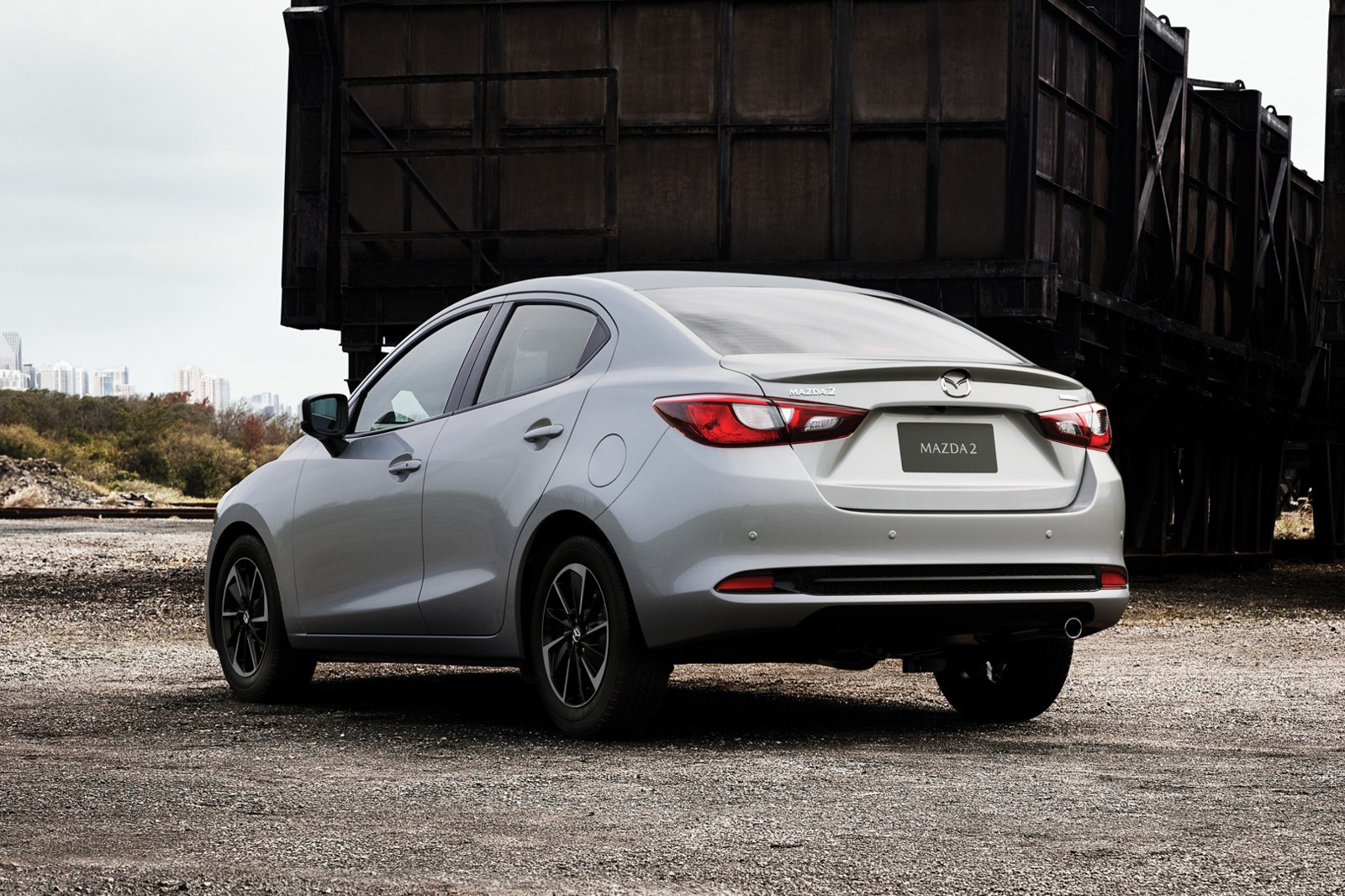
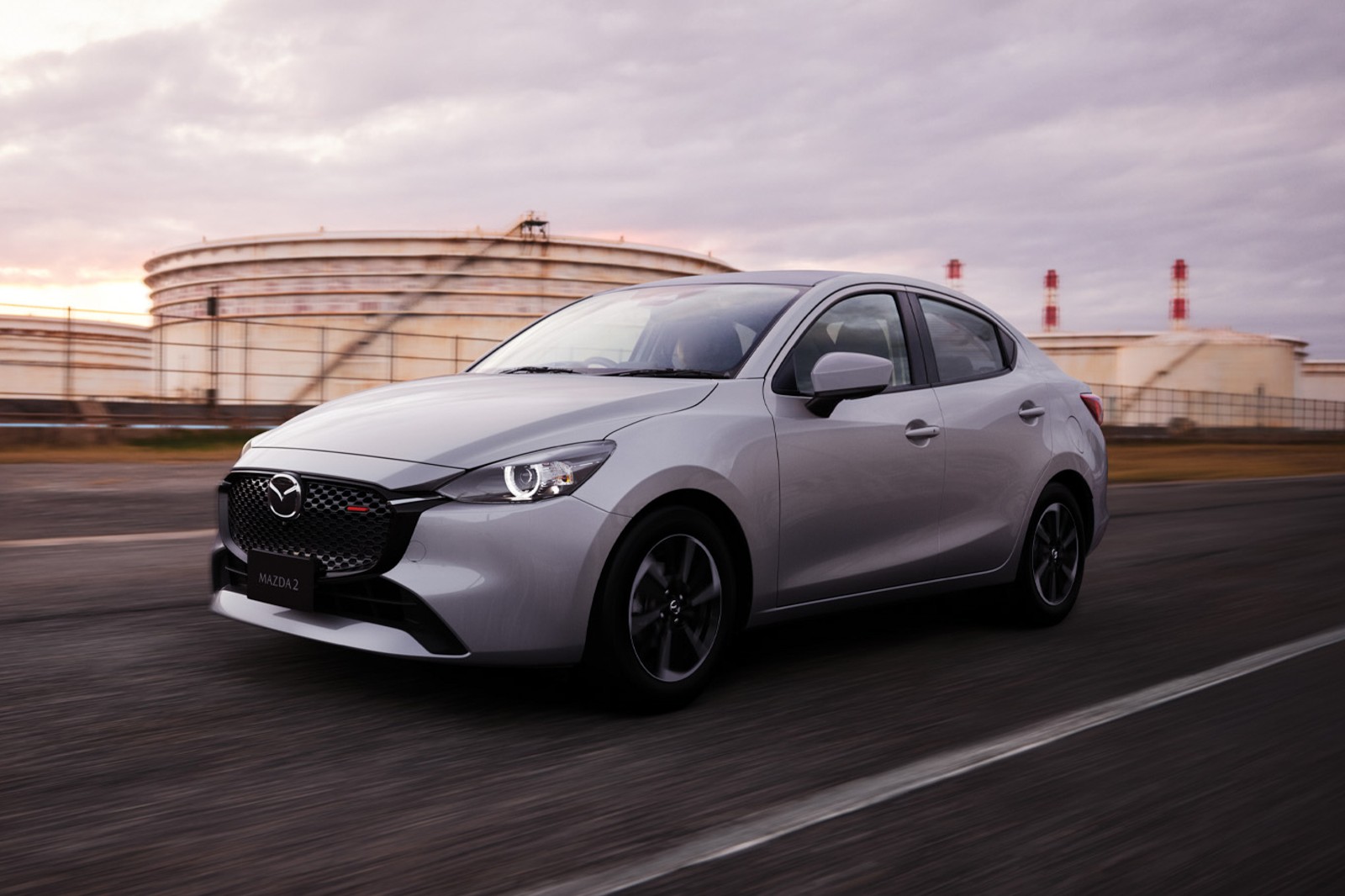
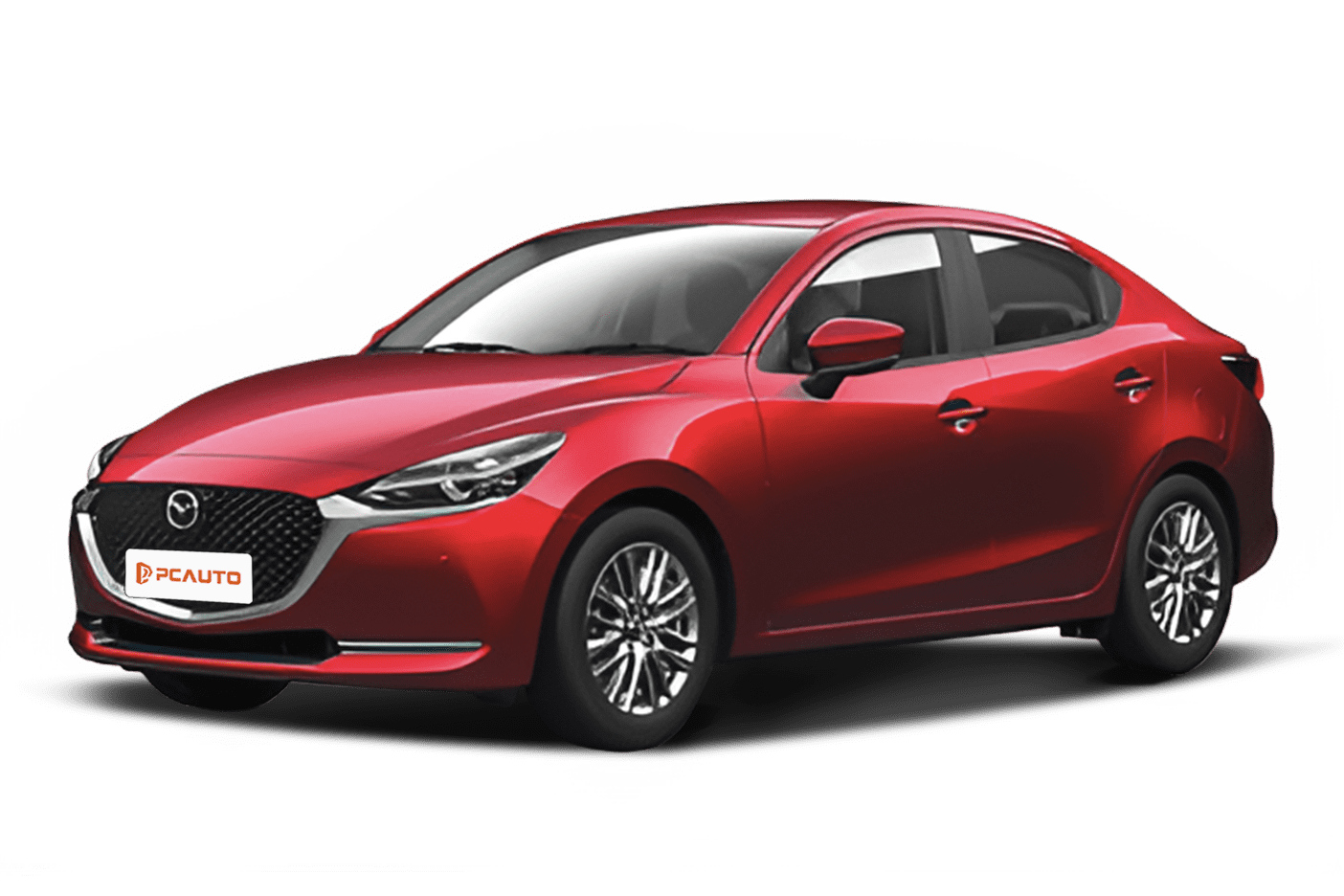
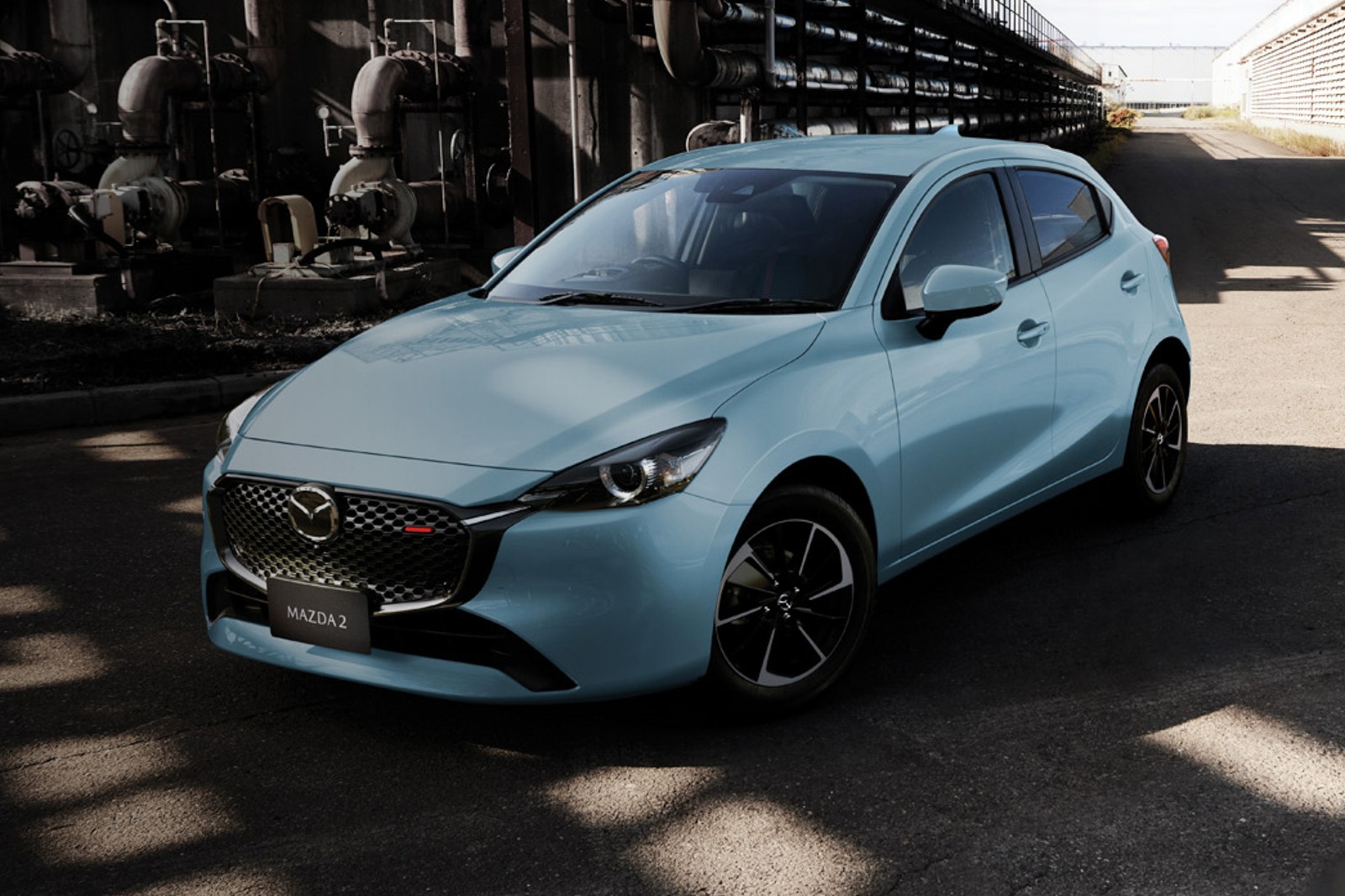
From the exterior, the Mazda 2 Sedan retains the brand's family-style design. Its front features a shield-shaped grille paired with a blacked-out treatment on the front bumper, giving it good recognition. The side profile of the car has smooth lines, and the waistline extending from the A-pillar to the rear makes the car look longer overall. The 16-inch rims have a simple design, matching its family-oriented positioning. The LED taillight cluster at the rear adopts a horizontal design that echoes the front end when lit. However, there are fewer chrome accents on the rear bumper, giving it a more subdued style. The headlights combine halogen with LEDs, with adequate daytime running light brightness, but the high beam performance at night is average and something worth noting later.
Inside the car, the layout of the center console is very clear. The 7-inch touch screen is centrally placed, with physical buttons retained below it for easy operation. The interior materials mainly consist of hard plastics, but the seams are well-controlled, avoiding an obvious cheap feel. The multifunction steering wheel is wrapped in leather, offering a moderate grip, and the buttons are logically arranged, allowing for direct control of common functions like volume adjustment and cruise control. The instrument panel features a semi-digital design, with a traditional gauge on the left and a digital display on the right, clearly showing information such as speed and fuel consumption. The addition of a HUD head-up display is a highlight, improving safety by eliminating the need to look down at the instrument panel while driving. The front seats are manually adjustable and provide adequate support, but the lower back may feel slightly fatigued during long drives. The rear seat cushions are of moderate length, offering about two fists’ worth of legroom and one fist for headroom for a passenger measuring 175 cm, making it suitable for daily family use. The rear also comes equipped with standard air conditioning vents and USB ports, which is practical. However, there is a slight floor hump in the rear center, which may make the middle passenger's footing a bit cramped. The trunk has a capacity of 220L, sufficient to store two carry-on suitcases. The rear seats support a 60:40 split, which allows for handling larger items when needed.
In terms of performance, the 1.5L naturally aspirated engine delivers a maximum power of 114PS and a maximum torque of 149N·m, paired with a 6-speed automatic transmission. The power response during starting is relatively smooth, and it takes a moment for the RPM to build up after pressing the accelerator, making it suitable for the pace of daily commuting. During mid-speed driving, the transmission's shifting logic is very clear, with smooth gear changes when upshifting and relatively active downshifting. When overtaking, pressing the accelerator harder prompts the transmission to quickly downshift, providing enough power output for city driving needs. Switching to sports mode increases throttle sensitivity, and the RPM stays above 2000, delivering more direct power output, though engine noise becomes more pronounced. The steering wheel has a heavier feel, with precise responsiveness, and the car's body follows well when cornering, retaining Mazda's reputation for driving dynamics. The suspension system features front MacPherson struts and a rear torsion beam, with a firm tuning. You can feel noticeable bumps when going over speed bumps, but the suspension provides good support, and the body roll is well-controlled during high-speed cornering, avoiding any sense of instability.
In terms of fuel consumption, this test drive was mainly on urban roads with a small amount of highway driving, resulting in a combined fuel consumption of about 6.2L/100km, which shows some discrepancy from the official figure of 5.3L. However, considering the congested urban road conditions, this performance is considered average among its class. The braking performance is good, with a linear feel on the brake pedal. During emergency braking, the vehicle body remains stable without significant nose-diving. As for noise control, tire and wind noise become more apparent at high speeds, especially tire noise. The 185/60R16 tires transmit noise into the cabin when driving on rough surfaces, which is something for users who prioritize cabin quietness to take note of.
Overall, the core advantage of the 2023 Mazda 2 Sedan 1.5L lies in its balanced performance—good handling, practical configuration, and sufficient space to meet family needs. Compared to the Toyota Vios in the same class, it stands out with better handling and features such as HUD head-up display and automatic parking; compared to the Honda City, it has slightly less interior technological appeal but offers a certain price advantage. This car is most suitable for family users who value handling and practicality, especially those who primarily commute in the city and occasionally take weekend trips with their family. If you are looking for an easy-to-drive, sufficiently equipped, and reasonably priced family sedan, it will be a good choice.
Mazda 2 Sedan Car Compare
Mazda 2 Sedan Loan Calculator
More Mazda Reviews
Cars With Similar Price And Features
6
Rank in Sedan
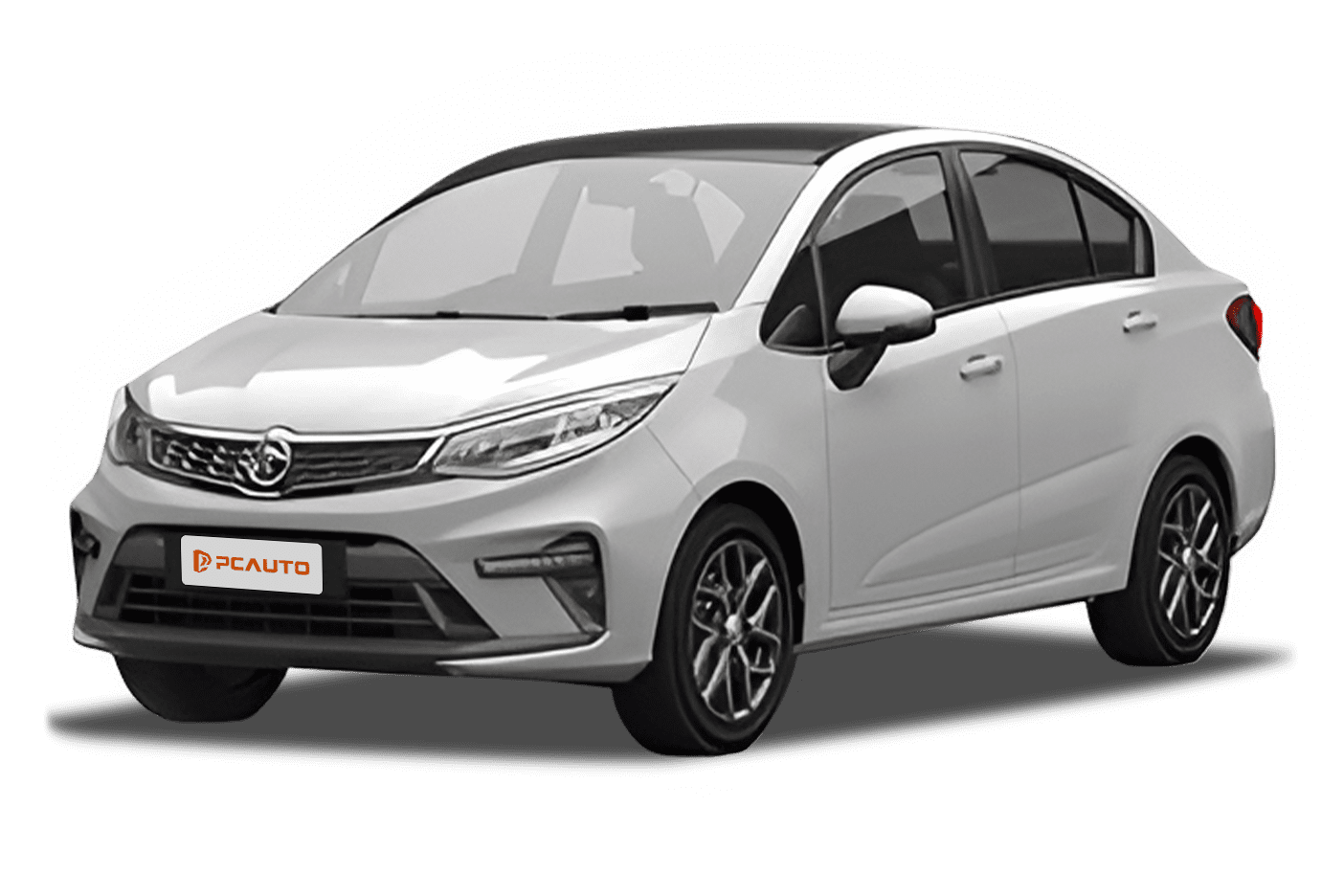
2023 Proton Persona 1.6 Standard CVT is an affordable, safety-configured entry-level family sedan with practical space, balancing daily commuting and family needs.
18
Rank in Sedan
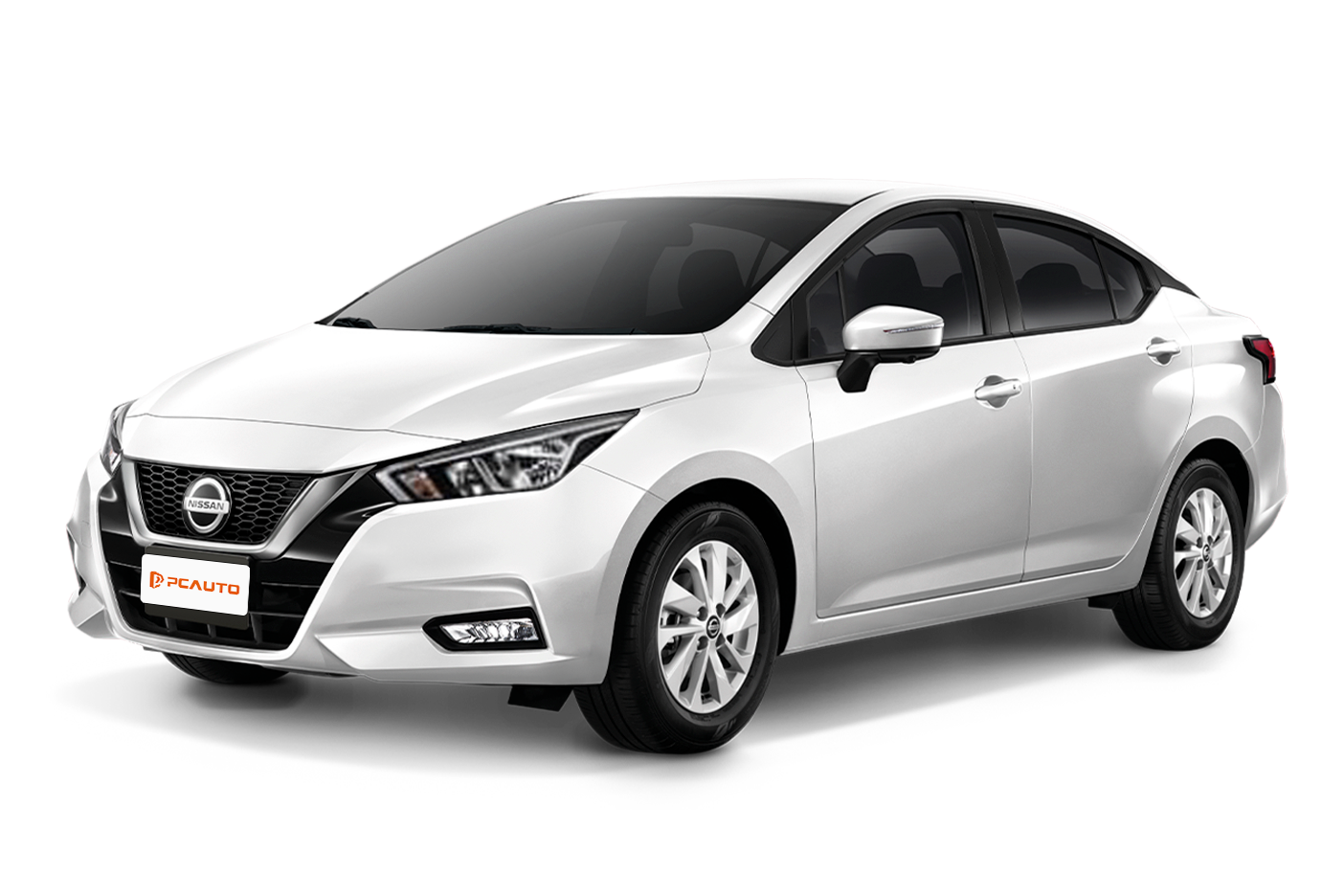
The 2024 Nissan Almera 1.0L Turbo VL is an affordable, practical, fuel-efficient, and well-equipped mid-size family sedan designed for consumers who value hassle-free commuting and family needs.
4
Rank in Sedan
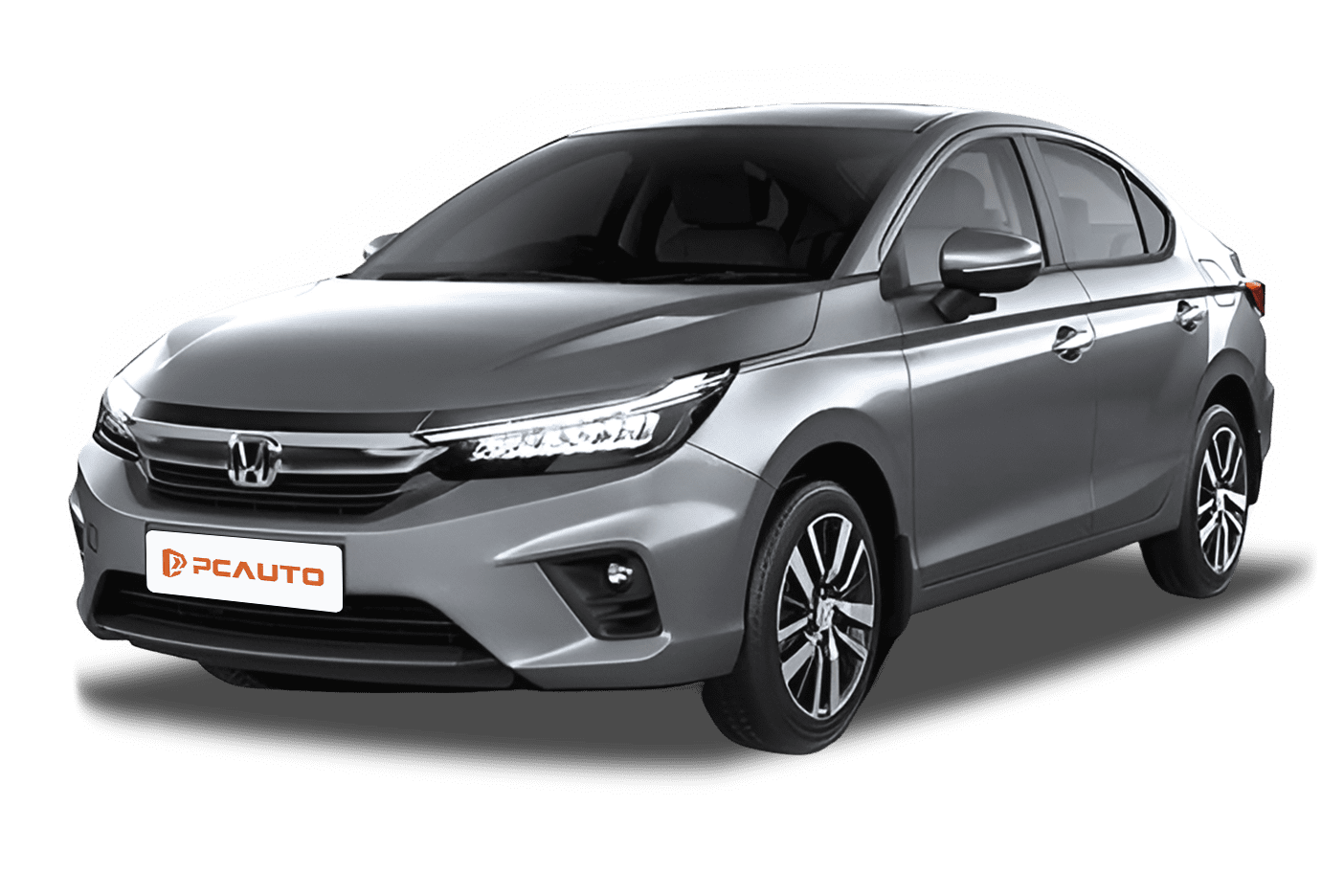
2023 Honda City 1.5 S, as an entry-level B-segment sedan, offers advanced L2 driving assistance and 6 airbags at an affordable price. With practical space and excellent fuel efficiency, it is a high-value choice for family users.
5
Rank in Sedan
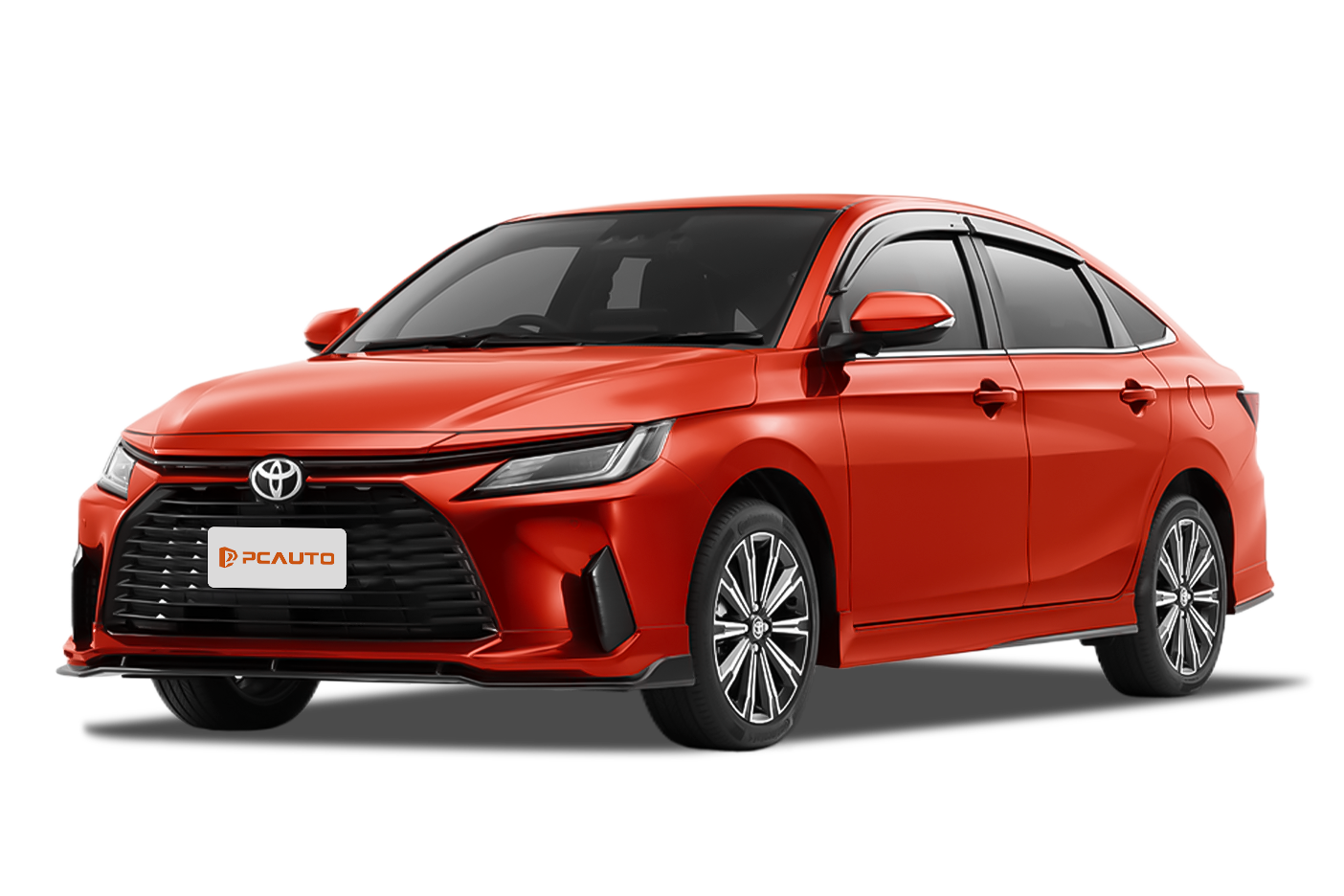
2023 Toyota Vios 1.5E AT, as a mid-range model in the facelift, with features such as the TSS Intelligent Safety System, HUD, and other high-end features being made available, along with balanced space and fuel efficiency, making it a high-value B-segment sedan choice in Malaysia.