

Mazda 2 Sedan 2020 Review

 Share
Share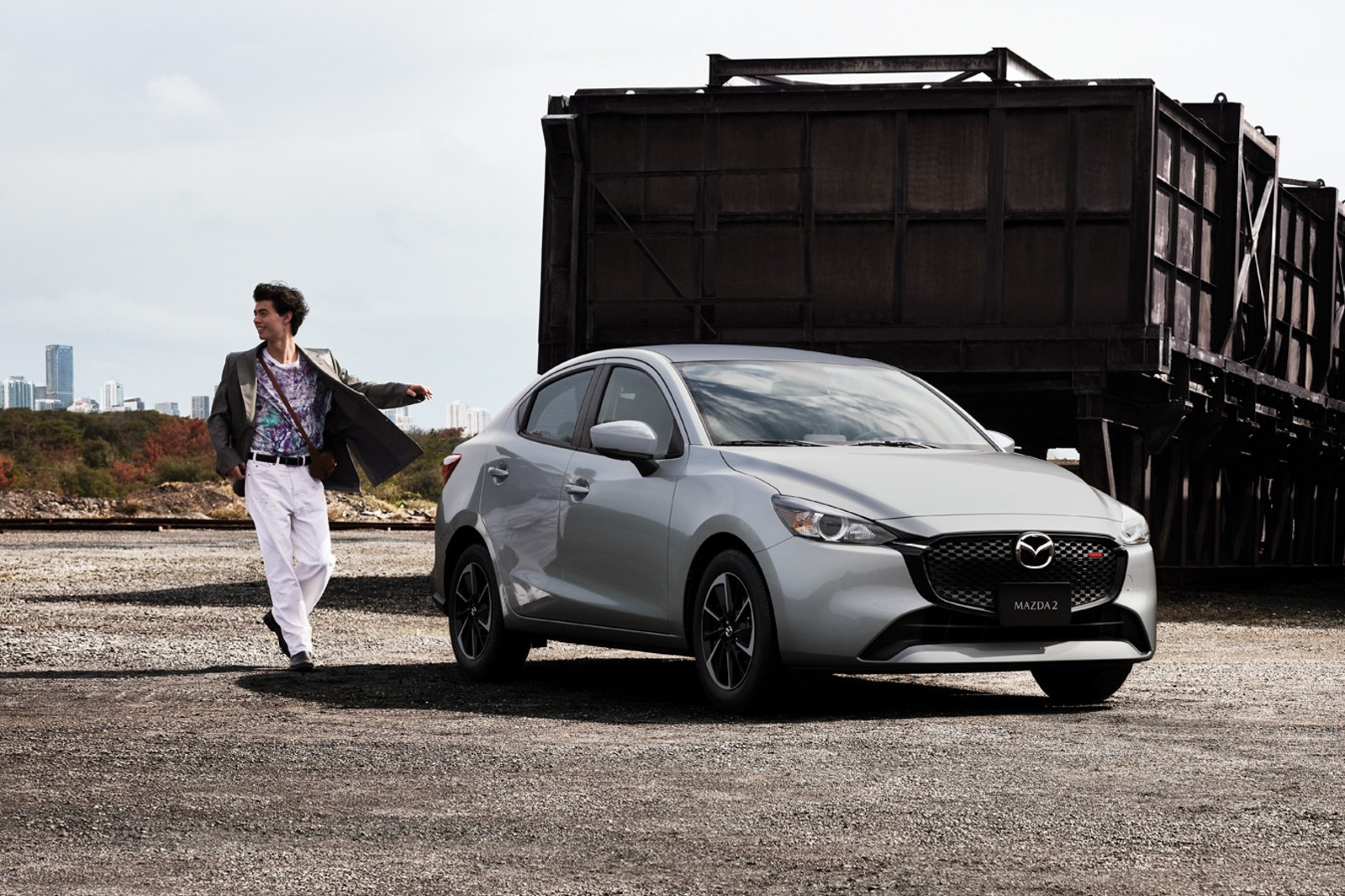
 Segment
 Body Type
 Capacity(L)
 Engine Power(PS)
 Transmission
 Driven Wheels
In the B-segment sedan market in Malaysia, customers' demand for cost-effectiveness, practical features, and fuel efficiency has always been the core focus. The 2020 Mazda 2 Sedan 1.5L, as one of the popular choices in this segment, has attracted the attention of many family users and young consumers with its "Kodo" design language, rich smart features, and balanced performance. The core purpose of this test drive is to verify whether its static design matches market aesthetics, whether its dynamic performance can meet daily commuting and weekend travel needs, and the actual practicality of its features.
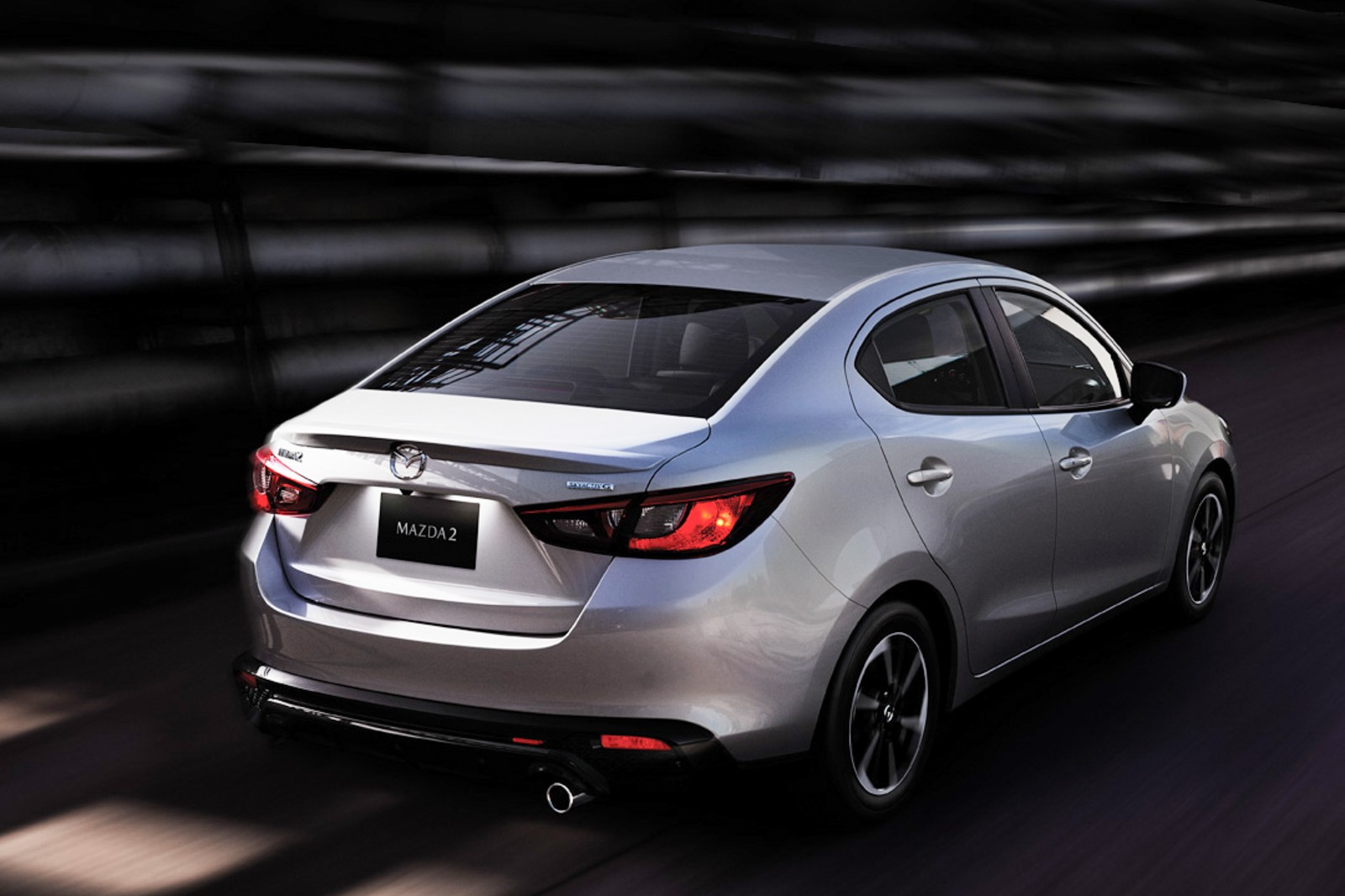
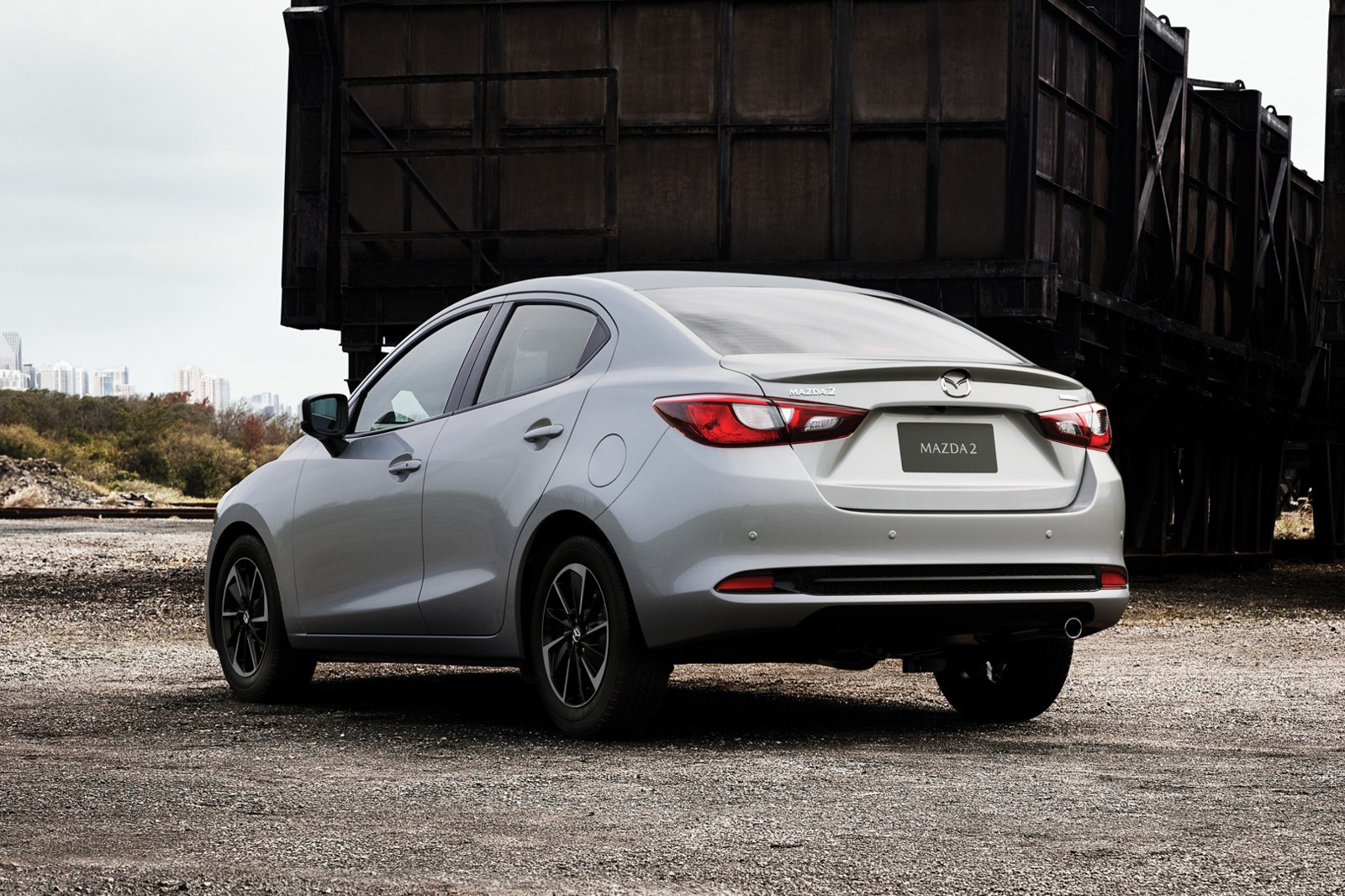
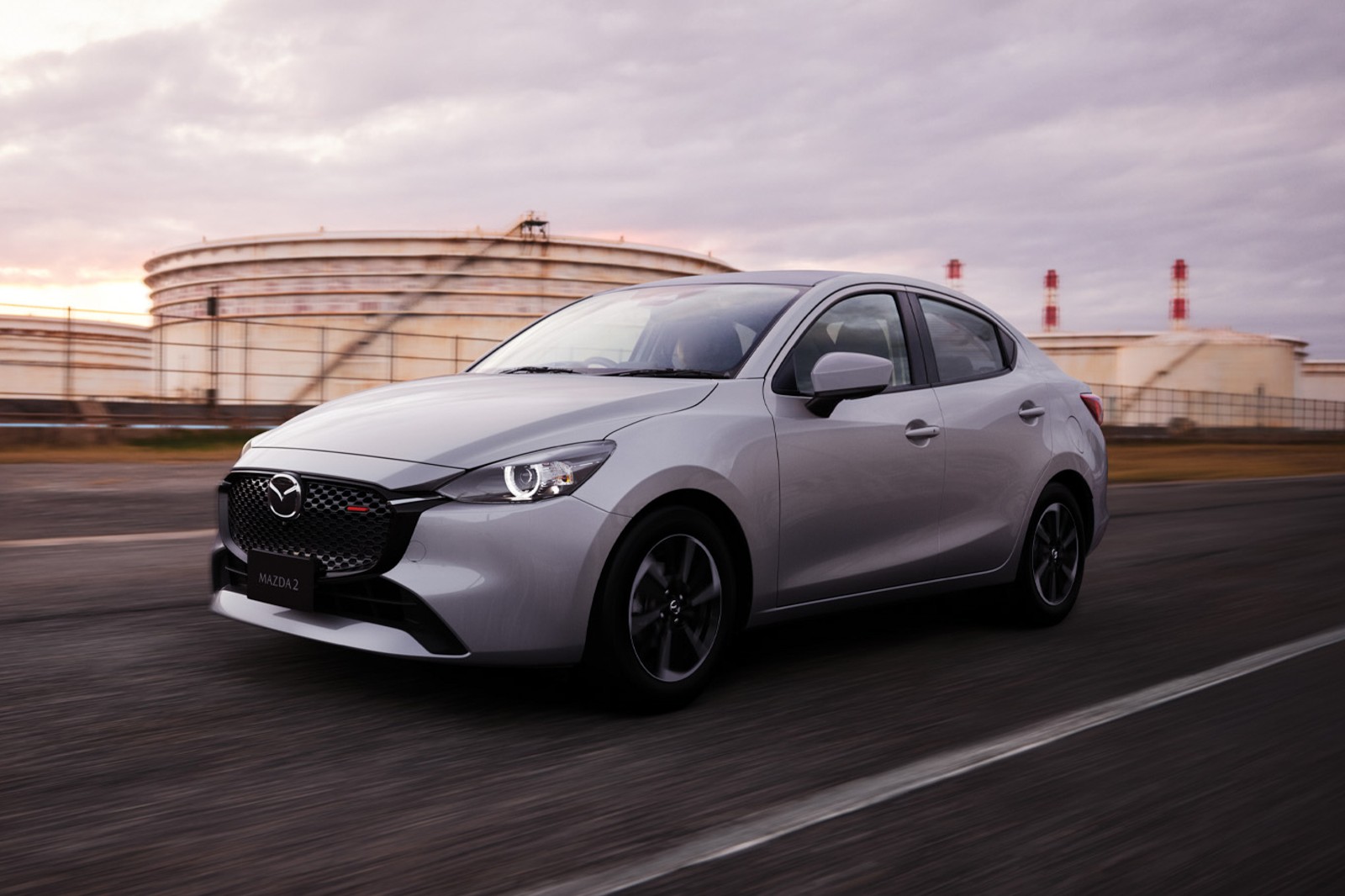
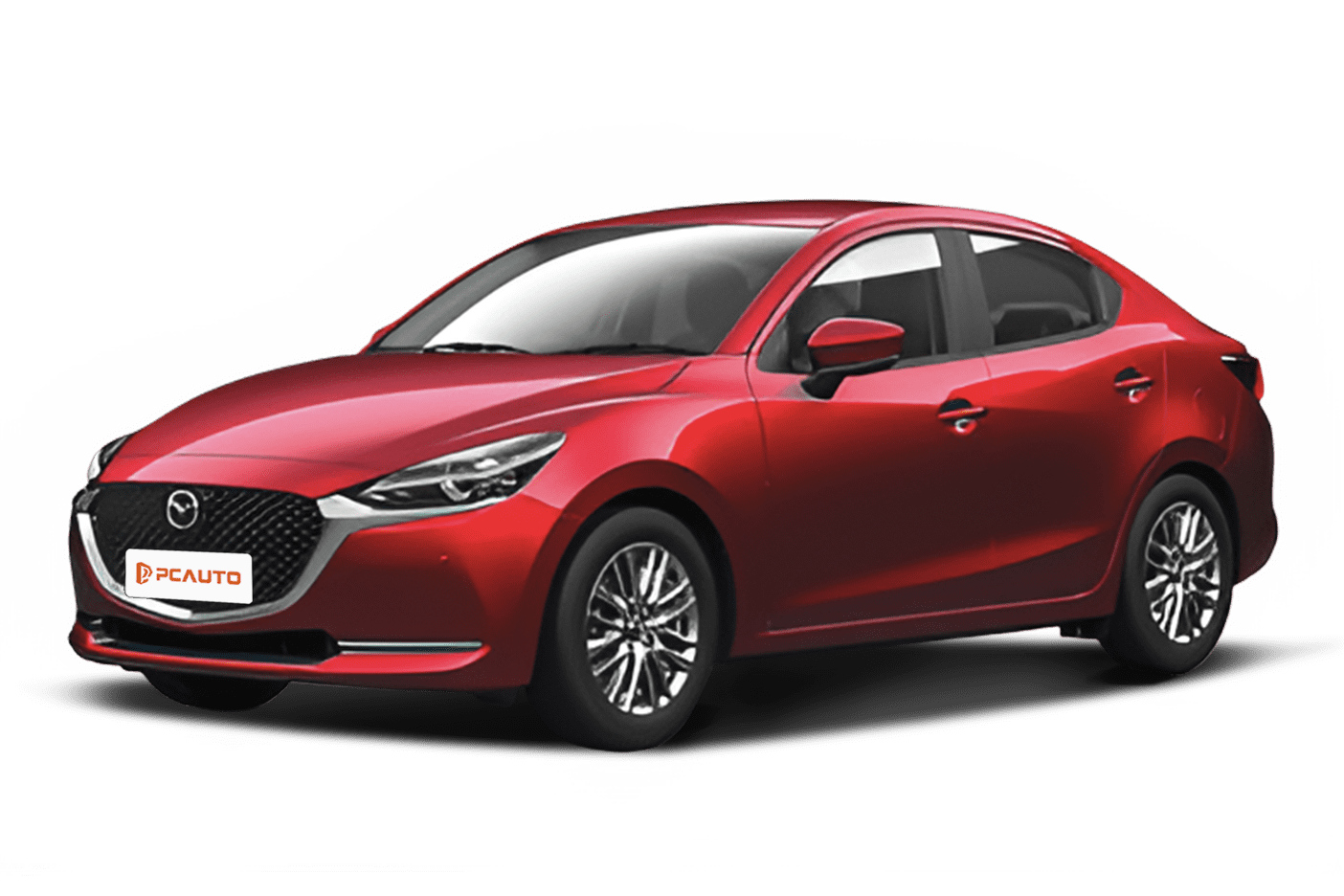
First, let’s talk about its exterior. The 2020 Mazda 2 Sedan continues the brand's signature Kodo design with smooth and dynamic lines. At the front, the large shield-shaped grille with chrome trim is connected to the sharp halogen + LED combo headlights on both sides, enhancing the recognizability of the front. The trapezoidal air intake and the black trim around the fog light area add a touch of sportiness. On the side of the body, a clean and sharp waistline extends from the front fender to the rear, paired with 16-inch multi-spoke alloy wheels, making the 4340mm body length look even sleeker. At the rear, the LED taillights are horizontally laid out, echoing the small spoiler design on the trunk lid, resulting in a style that is steady yet youthful.
Stepping inside the car, the interior is centered around the driver. The overall color tone is subdued, and the materials used combine soft-touch plastics and fabric. While it lacks the luxury feel of high-end cars, the textures are relatively refined. The dashboard is equipped with a 7-inch touchscreen, featuring a simple and easy-to-understand interface that supports Bluetooth connectivity and smartphone mirroring functions, with a good level of operational smoothness. It is worth mentioning that the HUD head-up display and paddle shifters are rarely seen in models of this class, significantly improving the convenience of driving. The Keyless entry and start feature also add points for daily use. The seats are made of fabric, with manually adjustable front seats. The backrests and cushions provide good support, ensuring that long-term seating does not feel overly tiring. The rear seats support a 60:40 split-fold, further enhancing storage space.
In terms of space, the 2570mm wheelbase is considered average in the B-segment category. The front seating space is spacious, with a 175cm passenger enjoying sufficient headroom and legroom. The rear space is slightly tight for adults, offering around two fists of legroom and one fist of headroom. It's fine for short trips, but it may feel somewhat cramped for long distances. The trunk has a capacity of 220L, which is enough to fit two carry-on suitcases without any issues. By folding down the rear seats, longer items can be accommodated, and the practicality is acceptable. The design of the in-cabin storage compartments is also quite reasonable, with door panel storage slots, a central armrest box, and cup holders providing sufficient space for daily needs.
In terms of power, this vehicle is equipped with a 1.5L naturally aspirated engine, delivering a maximum power output of 115PS and a peak torque of 148N·m, paired with a 6-speed automatic transmission. During actual driving, the power response in the initial phase is quite smooth, and the throttle pedal is calibrated linearly without any abrupt feeling. During acceleration, the engine can reach peak torque at around 4000 RPM, delivering decent mid-range acceleration. However, overtaking requires a deeper throttle push, though the transmission downshifts promptly without noticeable lag. There are two driving modes to choose from: Normal and Sport. In Sport mode, the throttle response becomes more sensitive, which is suitable for overtaking on highways.
In terms of handling, the steering wheel has high precision with minimal slack and feels quite light, making it easy for female drivers to handle. The suspension system adopts a front MacPherson independent suspension and a rear torsion beam non-independent suspension, tuned towards comfort. It filters out most of the fine vibrations when driving on bumpy roads, and the car body does not shake noticeably. When cornering, the body roll is kept within a reasonable range, providing good stability. The braking system also performs quite linearly with evenly distributed braking force, keeping the car stable during emergency braking.
Fuel economy is one of the highlights of this car. The official combined fuel consumption is 5.3L/100km. In actual driving, fuel consumption is about 6.5L/100km in urban conditions and can drop below 5L/100km on highways. For family users, the subsequent usage cost is relatively low. Regarding noise control, wind and tire noise can be noticeable at high speeds but remain within an acceptable range without affecting the normal communication of passengers inside the car.
In terms of safety features, this car comes standard with ABS, electronic stability control, front dual airbags, and ISO FIX child seat anchors, meeting basic safety requirements. The inclusion of reversing radar and front and rear parking cameras also makes parking easier. However, the car only has two airbags, which is slightly inferior compared to some models in the same class that provide side airbags.
Overall, the core advantage of the 2020 Mazda 2 Sedan 1.5L lies in its balanced performance: sleek exterior design, rich practical configurations, excellent fuel economy, and stable handling performance. Compared to competitors in the same class, features such as the HUD head-up display and steering wheel paddles endow it with some edge, making it cost-effective. This car is suitable for families focusing on practicality and fuel economy or for young consumers who have just started working. It can easily handle both daily commutes and short weekend trips. If you're looking for a balanced and economical compact sedan, the 2020 Mazda 2 Sedan 1.5L is worth considering.
Mazda 2 Sedan Car Compare
Mazda 2 Sedan Loan Calculator
More Mazda Reviews
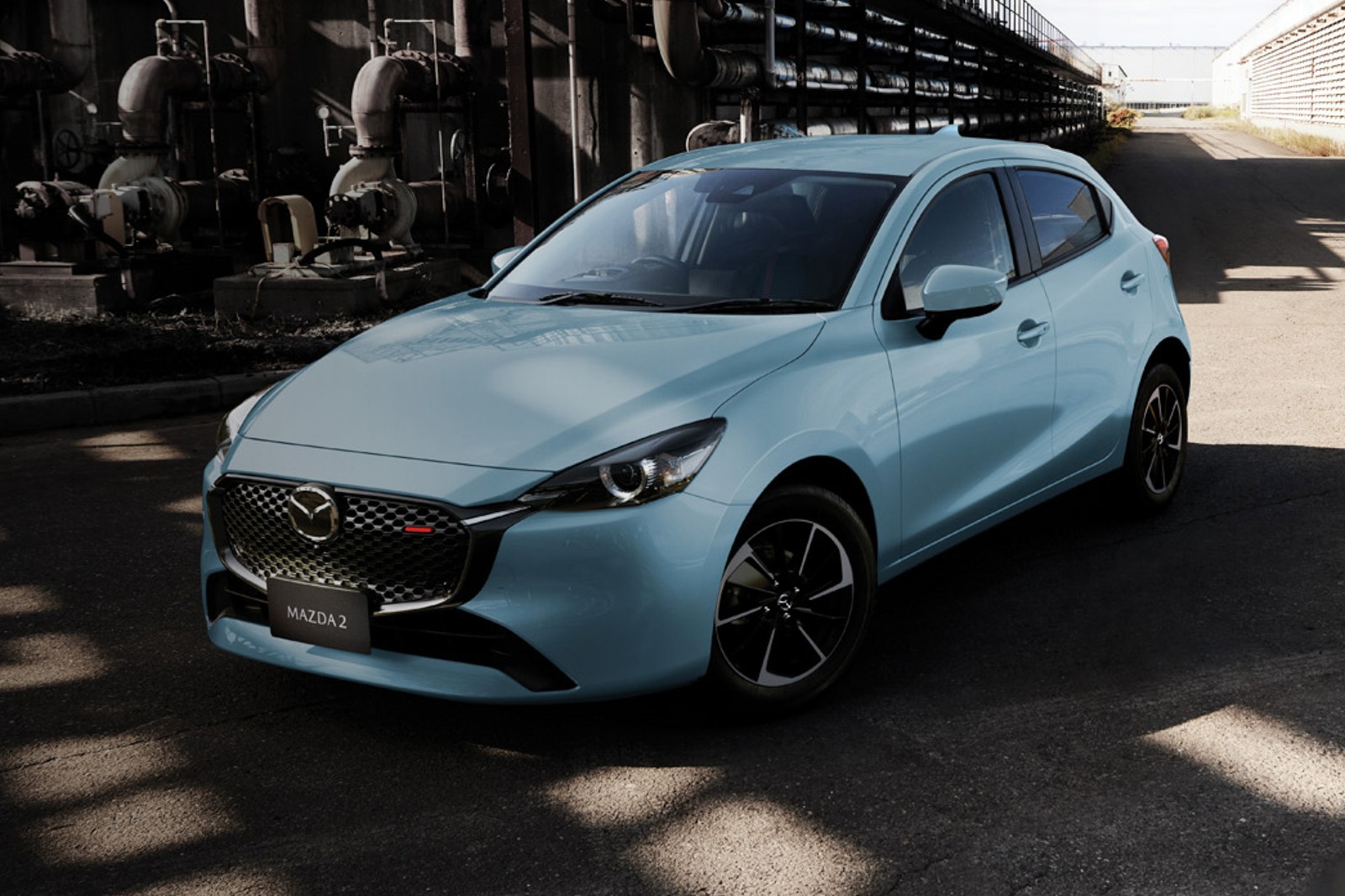
Cars With Similar Price And Features
6
Rank in Sedan
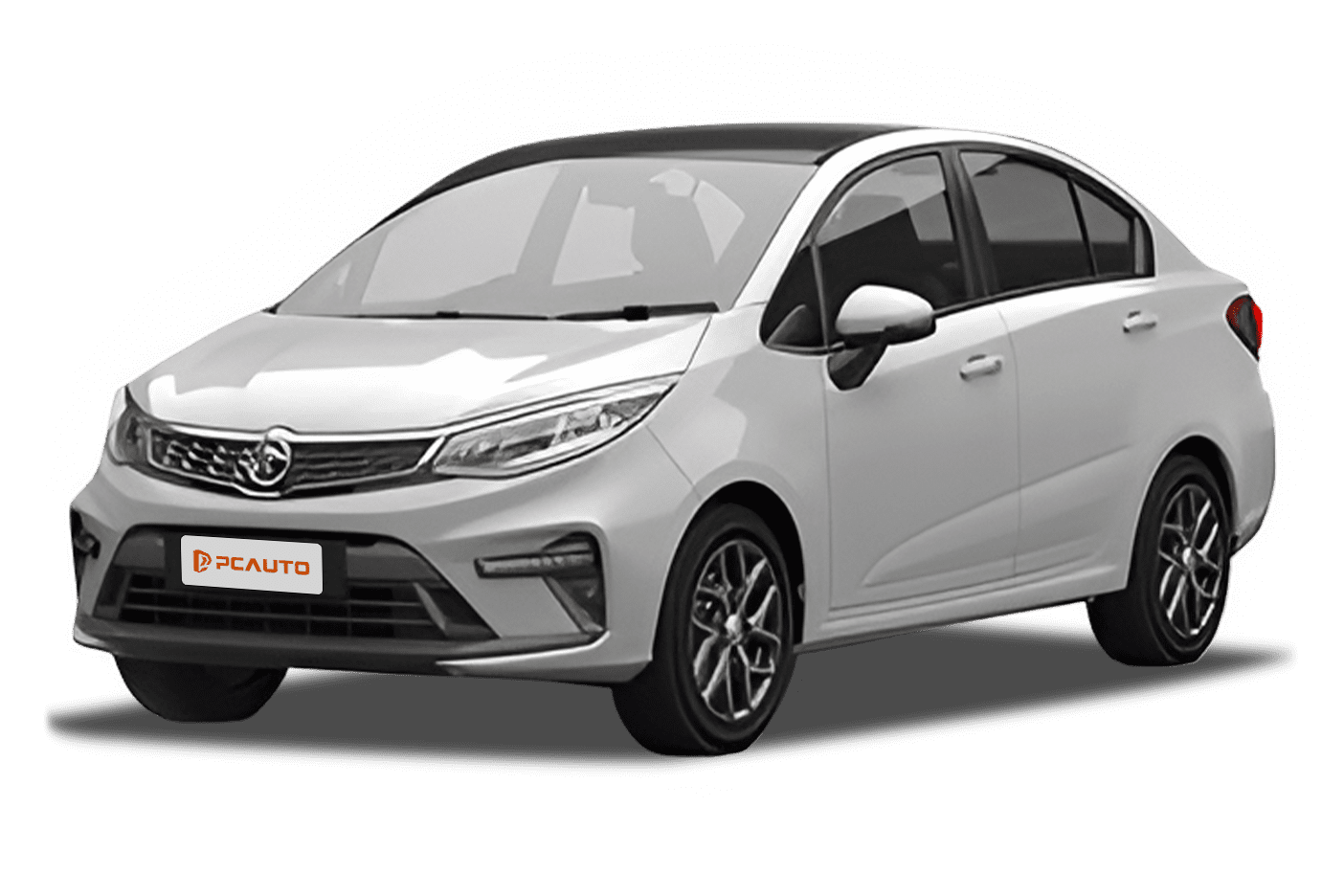
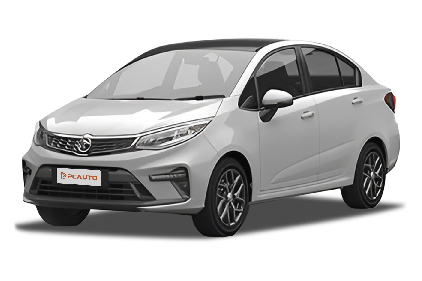
2023 Proton Persona 1.6 Standard CVT is an affordable, safety-configured entry-level family sedan with practical space, balancing daily commuting and family needs.
18
Rank in Sedan
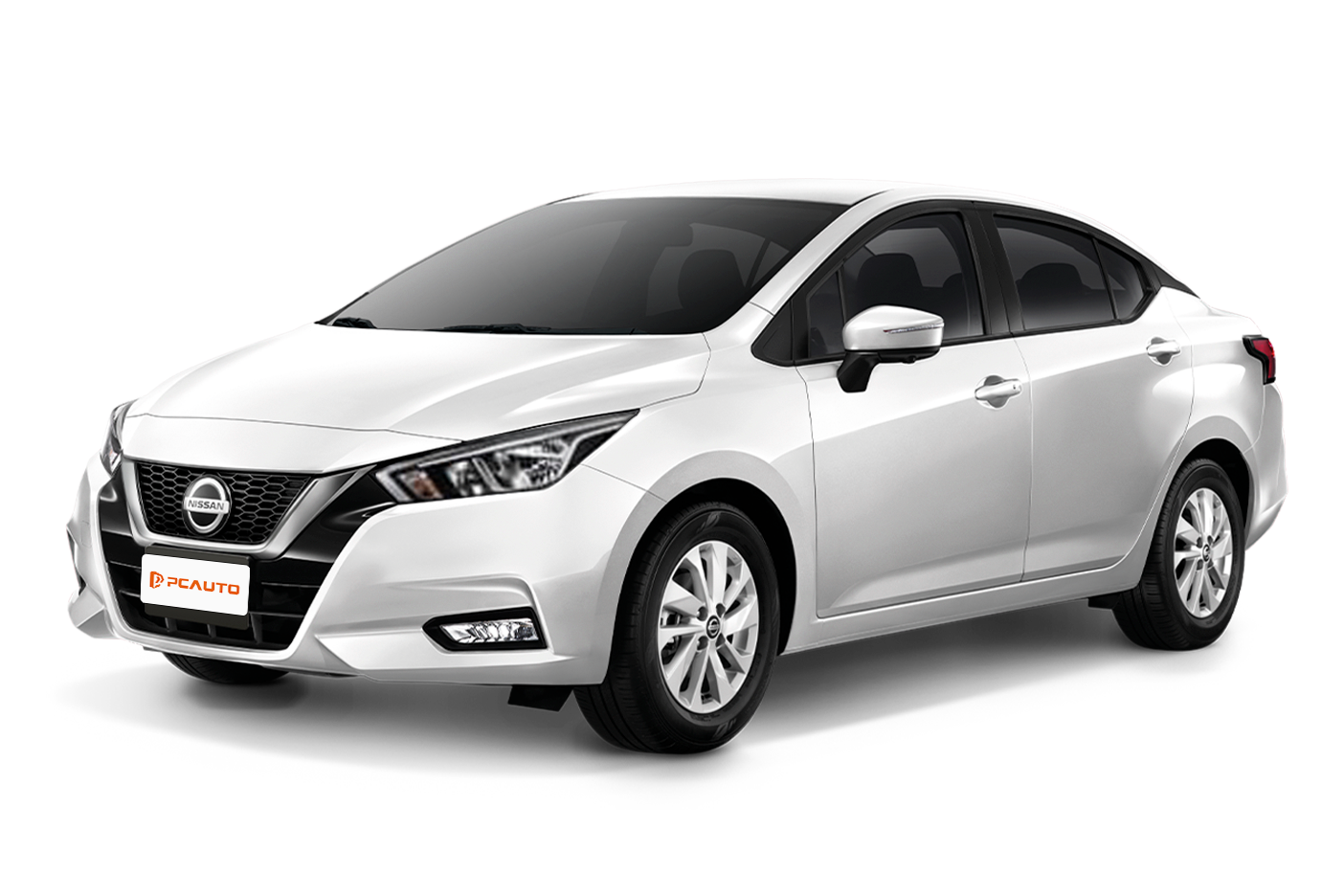
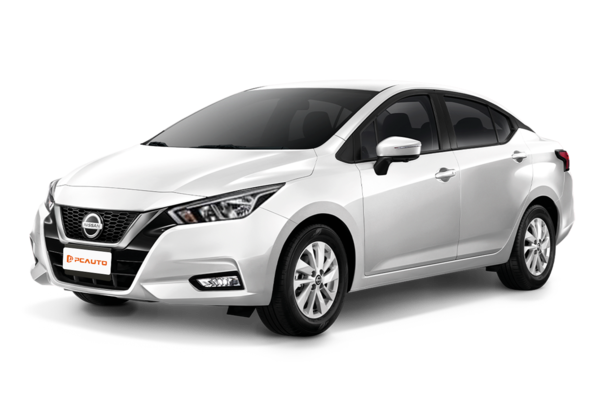
The 2024 Nissan Almera 1.0L Turbo VL is an affordable, practical, fuel-efficient, and well-equipped mid-size family sedan designed for consumers who value hassle-free commuting and family needs.
4
Rank in Sedan
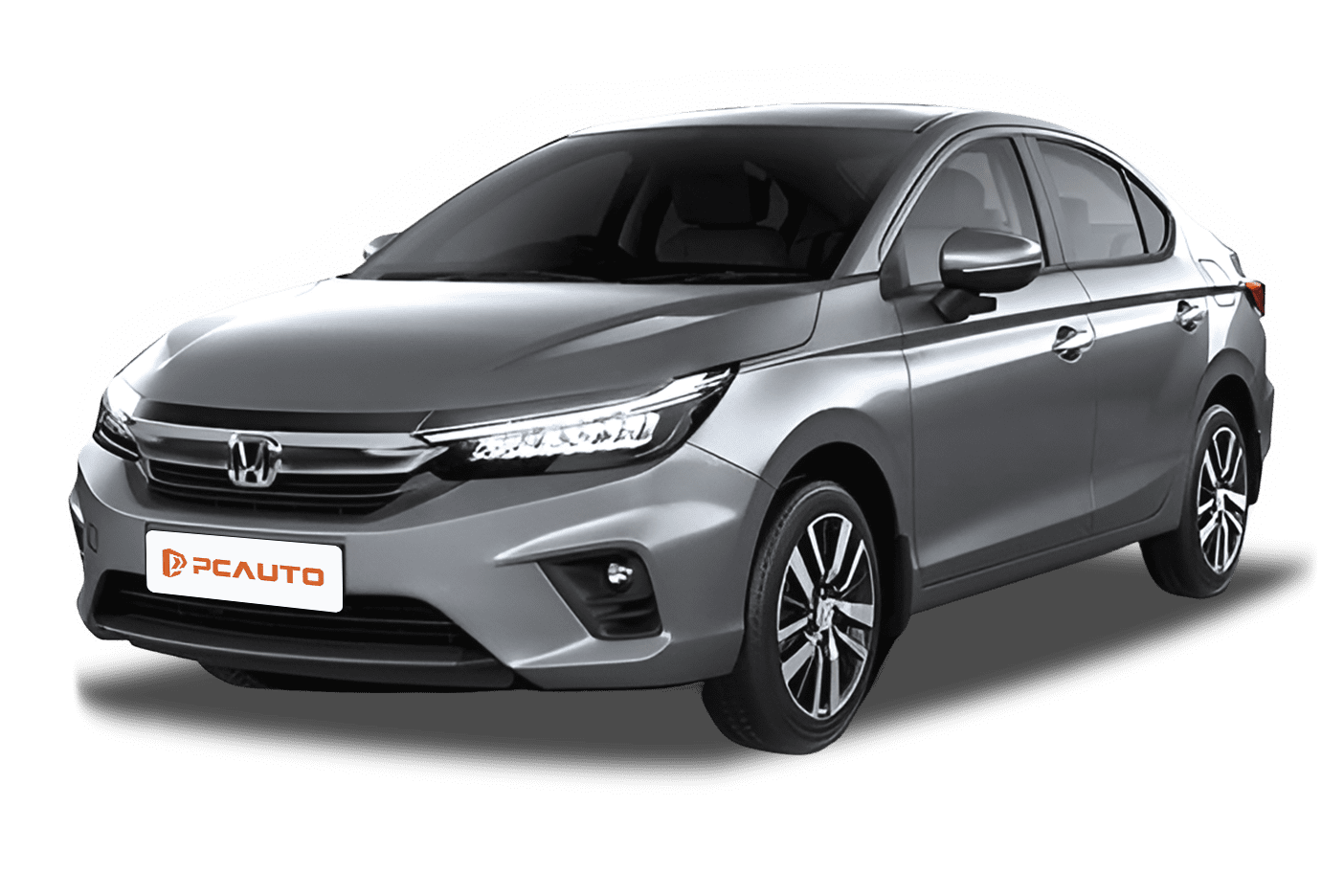
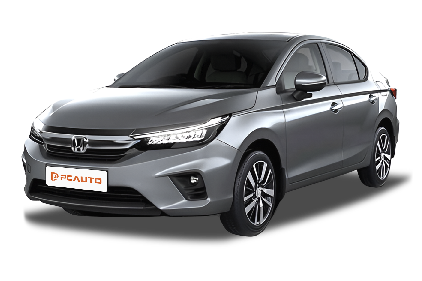
2023 Honda City 1.5 S, as an entry-level B-segment sedan, offers advanced L2 driving assistance and 6 airbags at an affordable price. With practical space and excellent fuel efficiency, it is a high-value choice for family users.
5
Rank in Sedan
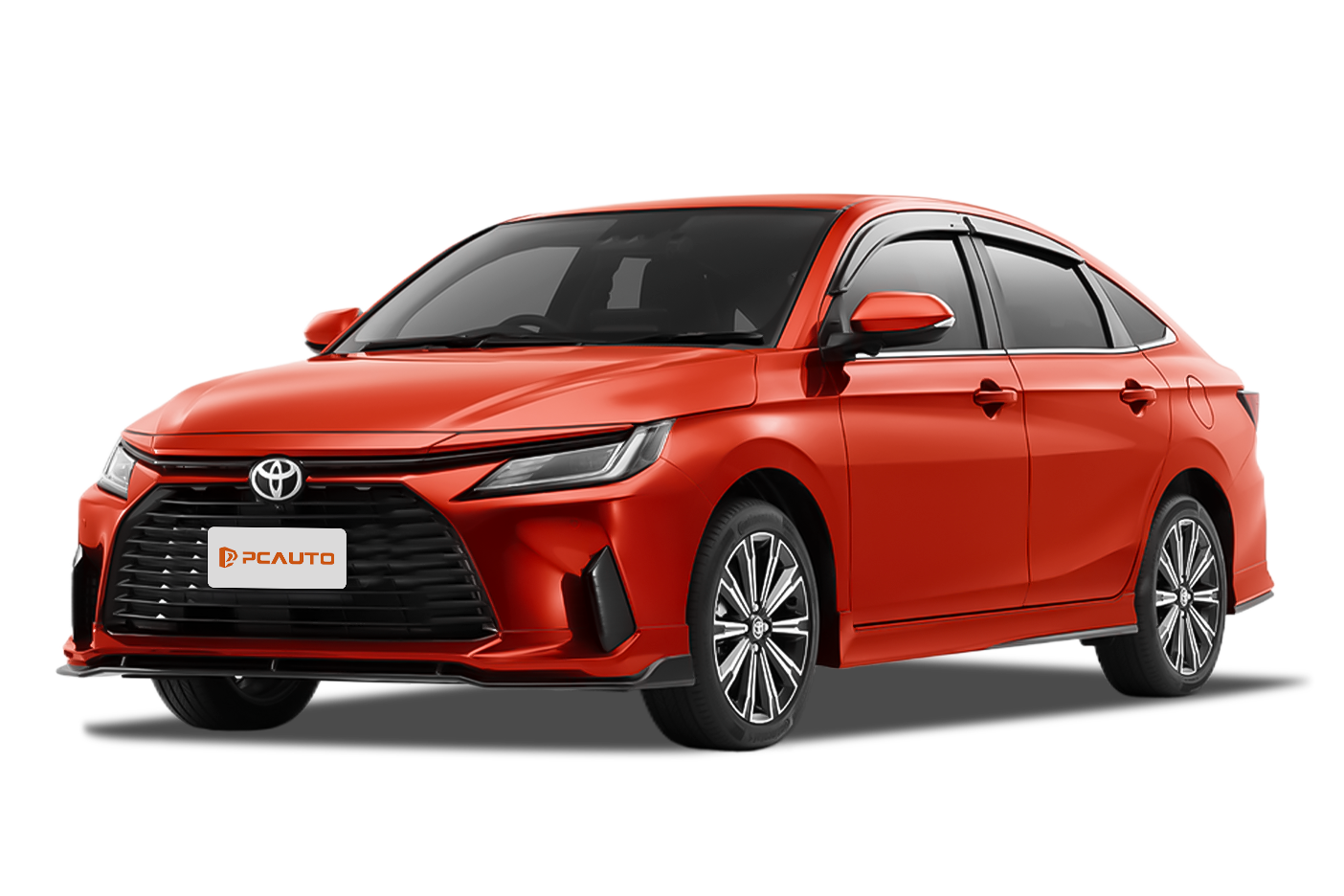
2023 Toyota Vios 1.5E AT, as a mid-range model in the facelift, with features such as the TSS Intelligent Safety System, HUD, and other high-end features being made available, along with balanced space and fuel efficiency, making it a high-value B-segment sedan choice in Malaysia.