

Mazda MX-30 2022 Review

 Share
Share
 Segment
 Body Type
 Motor Output(kW)
 Motor Torque(Nm)
 EV Range(km)
 Battery Capacity(kWh)
In Malaysia's C-segment market today, consumers are paying more and more attention to the balance between features and performance, especially when it comes to choices between EV models and fuel-powered cars. Many people want to experience the technology of new energy vehicles without compromising on everyday practicality. This time, we have the 2022 Mazda MX-30 Mid e-Skyactiv, which, as a fuel-powered model, highlights Mazda’s signature driving dynamics and relatively budget-friendly positioning — after all, the EV version in the same series is priced at RM 199,000, while the price of the Mid version has not been announced, making its cost-effectiveness a potential selling point. The main purpose of our test drive this time is to see whether this fuel-powered version meets the daily needs of C-segment users in terms of design, space, and driving experience, and to compare it with the EV version to highlight its unique advantages.
Looking at the exterior, the MX-30 continues Mazda's Kodo 2.0 design language, with overall smooth but not overly exaggerated lines. The front features a large shield-shaped grille with a black honeycomb design inside, flanked by sharp LED headlights, making it highly recognizable. The side profile features a waistline running from the front to the rear, with a recessed design at the lower sections of the doors, giving the vehicle a more layered look. The rear design is relatively simple, with smoked LED taillights echoing the headlights, and a chrome trim piece on the lower rear bumper for a youthful and sporty style.
Stepping inside, the interior layout is straightforward, with the center console angled toward the driver for easier operation. In terms of materials, the upper part of the center console is wrapped in soft-touch materials, providing a premium feel. The steering wheel adopts a three-spoke design, is moderate in size, and feels comfortable to hold, with multifunctional buttons on both sides that allow control of multimedia and the trip computer. The central display screen is an 8.8-inch floating design equipped with the Mazda Connect system, supporting Apple CarPlay and Android Auto, with decent operational smoothness. The seats are made of a fabric and leather combination, offering good support, and the front seats feature manual adjustment functions.
In terms of space, the dimensions of the MX-30 are 4395mm×1795mm×1570mm, with a wheelbase of 2655mm, which is standard for a C-segment vehicle. The front-row seating space is ample, providing about a fist’s worth of clearance in both the headroom and legroom for passengers around 175cm tall. The rear seating space is reasonably average; passengers of similar height will find about two fists of legroom and one fist of headroom, which is sufficient for daily family use. Regarding storage space, the front row includes two cupholders and a central armrest storage box, while the door panels also have storage compartments that can fit bottles. The trunk offers a standard capacity of 366L, which can be expanded to 1170L by folding down the rear seats, making it capable of accommodating large luggage items without issue.
As for the powertrain, the MX-30 Mid version is equipped with a 2.0L naturally aspirated engine, delivering a maximum power output of 162 horsepower and a peak torque of 213Nm, paired with a 6-speed automatic transmission. In actual driving, the car starts briskly, with a responsive throttle. During urban driving, the low-rev power output is sufficient for everyday use. When accelerating, the gearbox shifts smoothly without significant jolts, and when pressing the accelerator for overtaking, the engine's power reserve is adequate, meeting the demands of occasional spirited driving.
In terms of handling, the steering wheel is precise with very little play. The body roll is well-controlled when cornering. The suspension system features a combination of front MacPherson struts and rear multi-link, tuned towards sportiness but also taking comfort into account. When driving over speed bumps or uneven roads, the suspension filters out most of the vibrations, so it doesn't feel overly bumpy. The brake pedal feels linear, and the braking distance is relatively short, which inspires confidence.
Regarding fuel consumption, our test drive was split about evenly between city roads and highways. The actual measured average fuel consumption was approximately 7.8L/100km, which is quite acceptable for a 2.0L engine. In terms of noise control, while driving in the city, tire noise and wind noise are not noticeable. At highway speeds over 100km/h, wind noise increases slightly but remains within an acceptable range.
Overall, the core advantages of the MX-30 Mid version are its youthful design, good handling, fuel economy, and a likely more affordable price compared to the EV version. Compared to similar models in the same segment, such as the Toyota C-HR, the MX-30 has advantages in handling and interior quality, while the space performance is about the same. This car is suitable for consumers who value driving experience and prefer a young and sporty style, especially for those who have just started working or small family users. If you are looking for a daily driver that is easy to drive, fuel-efficient, and stylish, the MX-30 Mid version is worth considering.
Mazda MX-30 Car Compare

Mazda MX-30 Loan Calculator
More Mazda Reviews

Cars With Similar Price And Features
8
Rank in SUV

2026 Proton X70 1.5 TGDi Executive focuses on upgrading to a four-cylinder engine, practical configurations, and affordable pricing. It balances family commute practicality with value for money, making it a sensible choice among similarly priced C-segment SUVs.
10
Rank in SUV
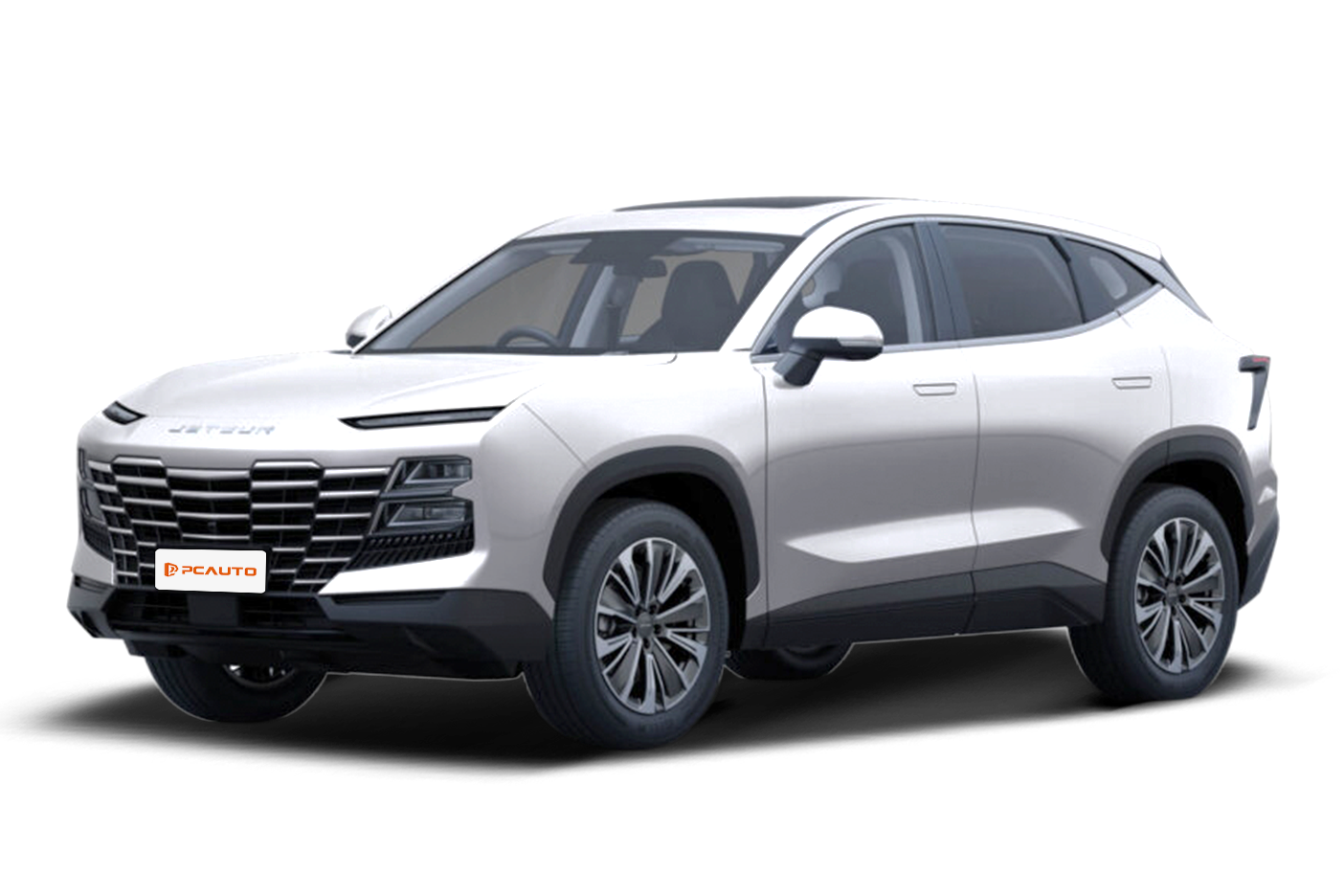
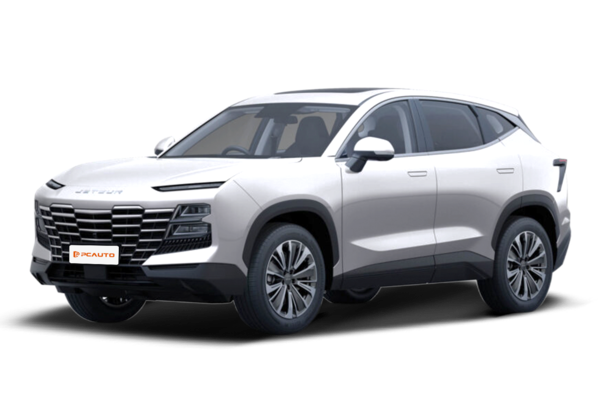
Jetour Dashing 1.5 TCI Comfort 2025 features a 2720mm long wheelbase and a 10.25-inch dual screen as its core, focusing on balanced cost performance to meet family practical needs.

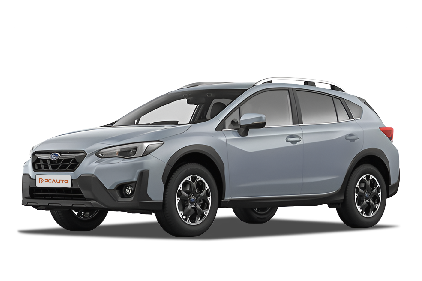
The 2021 Subaru XV 2.0i is a model targeting the C-segment crossover market, equipped with standard all-wheel drive and high safety features, balancing off-road capability and handling, with practical space.

2021 Hyundai Kona 2.0 Standard, as a high-value entry-level compact SUV, retains essential safety and practical features with an affordable price, meeting the daily commuting and loading needs of families.