

2022 Mazda MX-30 High e-Skyactiv Review

 Share
Share
 Segment
 Body Type
 Motor Output(kW)
 Motor Torque(Nm)
 EV Range(km)
 Battery Capacity(kWh)
Entering 2024, the choices in Malaysia's C-segment pure electric vehicle market are gradually becoming more diverse. Consumers are no longer solely focused on range numbers but are paying more attention to a balance of design aesthetics, practical configurations, and driving experience. As Mazda's first pure electric SUV, the Mazda MX-30 High e-Skyactiv drew attention from its debut with its unique freestyle door design and “Kodo” aesthetics. But can the core performance of an electric vehicle truly meet the needs of local users? This time, through an in-depth test drive, we comprehensively dissect this car's real capabilities from static details to dynamic performance.
The exterior of the MX-30 follows Mazda's family "Kodo" design language, with streamlined and dynamic overall lines. The front face features a closed grille paired with slender LED headlights. The Mazda logo at the center of the grille incorporates blue elements, clearly identifying its electric car status. The sides of the car are a design highlight, eliminating the traditional B-pillar and adopting a freestyle door design — the rear door can only open in the same direction after the front door is open. This design not only enhances recognition but also makes it more convenient for rear passengers to get in and out. The car's dimensions are 4395mm×1795mm×1570mm, with a wheelbase of 2655mm, placing it in the compact SUV category. The side lines extend from the roof to the rear, forming a fastback silhouette, complemented by 18-inch multi-spoke wheels, creating a youthful and dynamic visual effect. At the rear, the taillight cluster adopts a through-line design, echoing the front headlights. A black protective plate is added to the lower part of the rear bumper, enhancing the off-road feel of the SUV. The overall design retains Mazda’s family characteristics while showcasing distinctive details unique to electric vehicles.
Sitting inside, the MX-30 interior style leans towards a simple and refined aesthetic. The center console features a symmetrical layout and makes extensive use of soft-touch leather and eco-friendly materials — for instance, parts of the door panels and center console are made from recycled fiber materials, which feel delicate and are environmentally friendly. The center console is equipped with a 7-inch LCD instrument panel and an 8.8-inch infotainment screen. However, the infotainment screen does not support touch functionality and must be operated using the knob and physical buttons located behind the gear lever. Although this design requires some adaptation, it provides higher operational safety during driving. In terms of configurations, the High version comes standard with leather seats, front seat heating, dual-zone automatic air conditioning, wireless Apple CarPlay/Android Auto connectivity, a 12-speaker Bose sound system, and Mazda's i-Activsense active safety package, which includes adaptive cruise control, lane-keeping assistance, automatic emergency braking, and more. Overall, the configuration level is in the mid-to-high range among similarly classed pure electric SUVs.
In terms of space, the MX-30's wheelbase is not particularly long, but the front and rear space is adequate for daily use. The front seats offer good support, and the driver’s seat provides multi-directional adjustments. For an individual 175cm tall, the headroom has a clearance of about one fist. As for rear space, passengers of the same height will find around two fists of legroom, but headroom feels slightly tight due to the fastback design, though it doesn’t affect normal seating. For storage, the front central armrest box has moderate capacity, door storage compartments can hold two bottles of mineral water, and the rear also offers independent cup holders and storage slots. The trunk has a standard capacity of 366L, which can be expanded to 1171L with the rear seats folded down to meet the cargo needs of family travel. It is worth mentioning that the rear middle floor is almost completely flat, ensuring that the foot space for the middle passenger is not too cramped.
In terms of power, the MX-30 is equipped with a front permanent magnet synchronous motor with a maximum output of 107kW (145 horsepower) and a maximum torque of 271N·m. It is paired with a 35.5kWh lithium-ion battery pack, with an official CLTC range of 200km. During actual driving, the power response is swift during the start-up phase, and a slight press of the accelerator provides a noticeable push-back feeling. Although the maximum output power is not very high, the torque output is direct, making overtaking and lane changes in urban settings relatively easy. The driving modes are divided into Normal, Sport, and EV-Custom. In Sport mode, the power output is more aggressive, and throttle response is more sensitive. Normal mode is suitable for daily commuting, offering stable power output. EV-Custom mode allows for the adjustment of regenerative braking intensity, with the highest level close to a one-pedal driving mode, providing noticeable deceleration upon releasing the throttle, which can effectively enhance the range.
Handling and chassis performance are among the strengths of the MX-30. Mazda's tuning has always focused on driving pleasure, and this pure electric SUV is no exception. The steering wheel is precise, with minimal free play, providing uniform damping sensation and instilling confidence in the driver. The chassis uses a front MacPherson strut and rear multi-link independent suspension, tuned toward sportiness. The body roll is well-controlled during cornering, offering strong support. At the same time, when navigating bumpy roads, the suspension filters out most of the minor vibrations, keeping the body stable. However, being an electric vehicle, it is slightly heavier than fuel-powered cars, but the overall handling remains agile, making it suitable for urban driving.
Regarding range and energy consumption, we tested the car under urban conditions with air conditioning and music turned on, and the regenerative braking set to medium level. The actual range achieved was about 85%—for instance, with a full charge displaying a 200km range, it traveled roughly 170km before the battery was depleted, with energy consumption of approximately 16kWh/100km. While this range performance is not outstanding, it is sufficient for daily urban commutes. However, for long-distance travel, frequent charging might be required. In terms of charging speed, the MX-30 supports a maximum of 6.6kW AC slow charging and 50kW DC fast charging. A slow charge from 0 to 100% takes about 5 hours, while a fast charge from 20% to 80% takes about 36 minutes, meeting daily charging needs.
In terms of driving comfort, the MX-30 performs commendably. Its noise insulation is well-done, controlling tire and wind noise effectively during driving. Even at high speeds, the cabin remains quiet and does not hamper conversations between passengers. Regarding seat comfort, the leather seats provide good wrapping and support, ensuring long-duration seating without causing fatigue. For regenerative braking, the adjustment of intensity across different modes is clear. Even at the highest level, there is no noticeable dragging sensation, making it easy to adapt to.
In summary, the core strengths of the Mazda MX-30 High e-Skyactiv lie in its unique design, solid handling, and rich configurations, particularly its suicide doors design and interior texture, which offer differentiated competitiveness among same-class pure electric SUVs. However, its short driving range is a drawback. Compared with same-class competitors like the BYD Atto 3 (420km range) and MG ZS EV (320km range), the MX-30's range is indeed at a disadvantage. But if viewed from the perspective of urban commuting needs, the overall performance of the MX-30 is still worth considering—it is suitable for users who value design quality, driving pleasure, and have a daily travel radius within 100km, such as young urban professionals or small families who prioritize design and driving experience over range.
Overall, the Mazda MX-30 High e-Skyactiv is a "distinctive" pure electric SUV that does not blindly pursue long range but makes trade-offs in design, handling, and configurations, making it suitable for users with specific needs. If you are a Mazda fan, appreciate unique designs and solid driving performance, and primarily use the vehicle for urban commuting, then the MX-30 will be a good choice; however, if frequent long-distance travel is required, models of the same class with longer range might be more suitable.
Mazda MX-30 Car Compare

Mazda MX-30 Loan Calculator
More Mazda Reviews
Cars With Similar Price And Features
8
Rank in SUV

2026 Proton X70 1.5 TGDi Executive focuses on upgrading to a four-cylinder engine, practical configurations, and affordable pricing. It balances family commute practicality with value for money, making it a sensible choice among similarly priced C-segment SUVs.
10
Rank in SUV
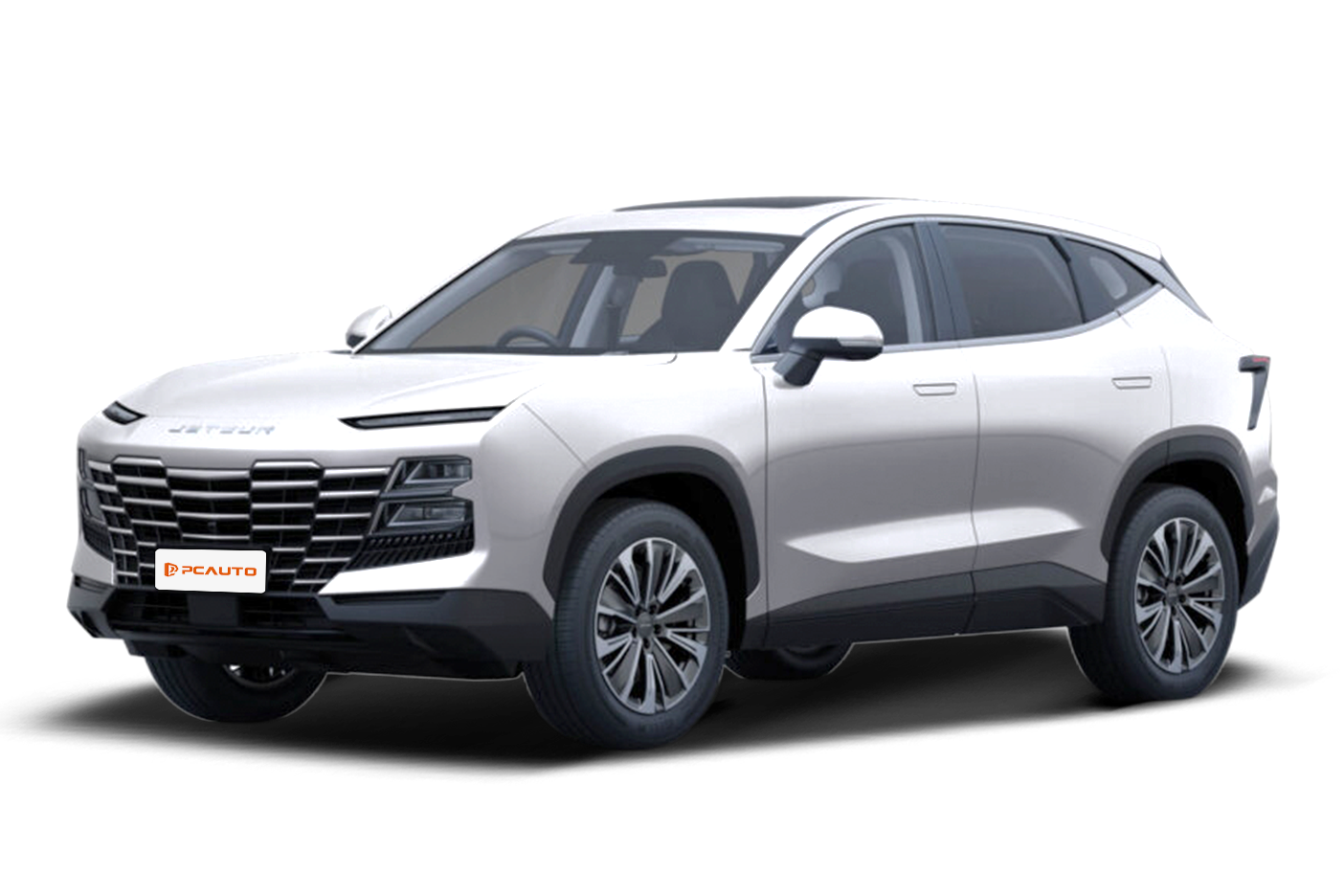
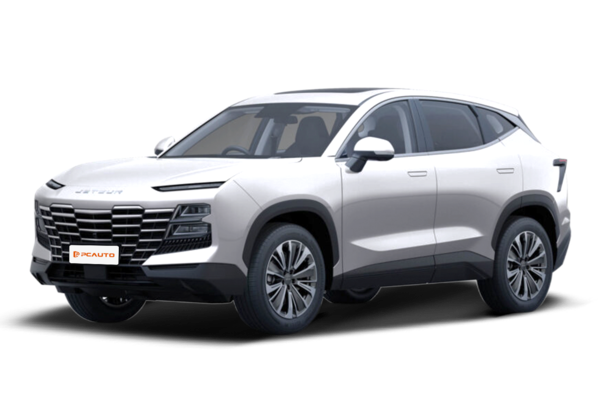
Jetour Dashing 1.5 TCI Comfort 2025 features a 2720mm long wheelbase and a 10.25-inch dual screen as its core, focusing on balanced cost performance to meet family practical needs.

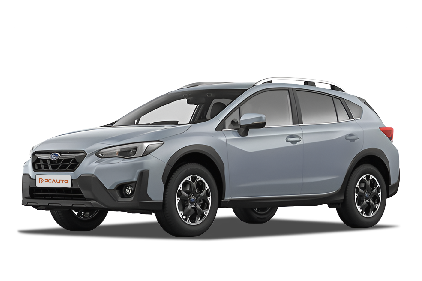
The 2021 Subaru XV 2.0i is a model targeting the C-segment crossover market, equipped with standard all-wheel drive and high safety features, balancing off-road capability and handling, with practical space.

2021 Hyundai Kona 2.0 Standard, as a high-value entry-level compact SUV, retains essential safety and practical features with an affordable price, meeting the daily commuting and loading needs of families.