

Mitsubishi Triton Review

 Share
Share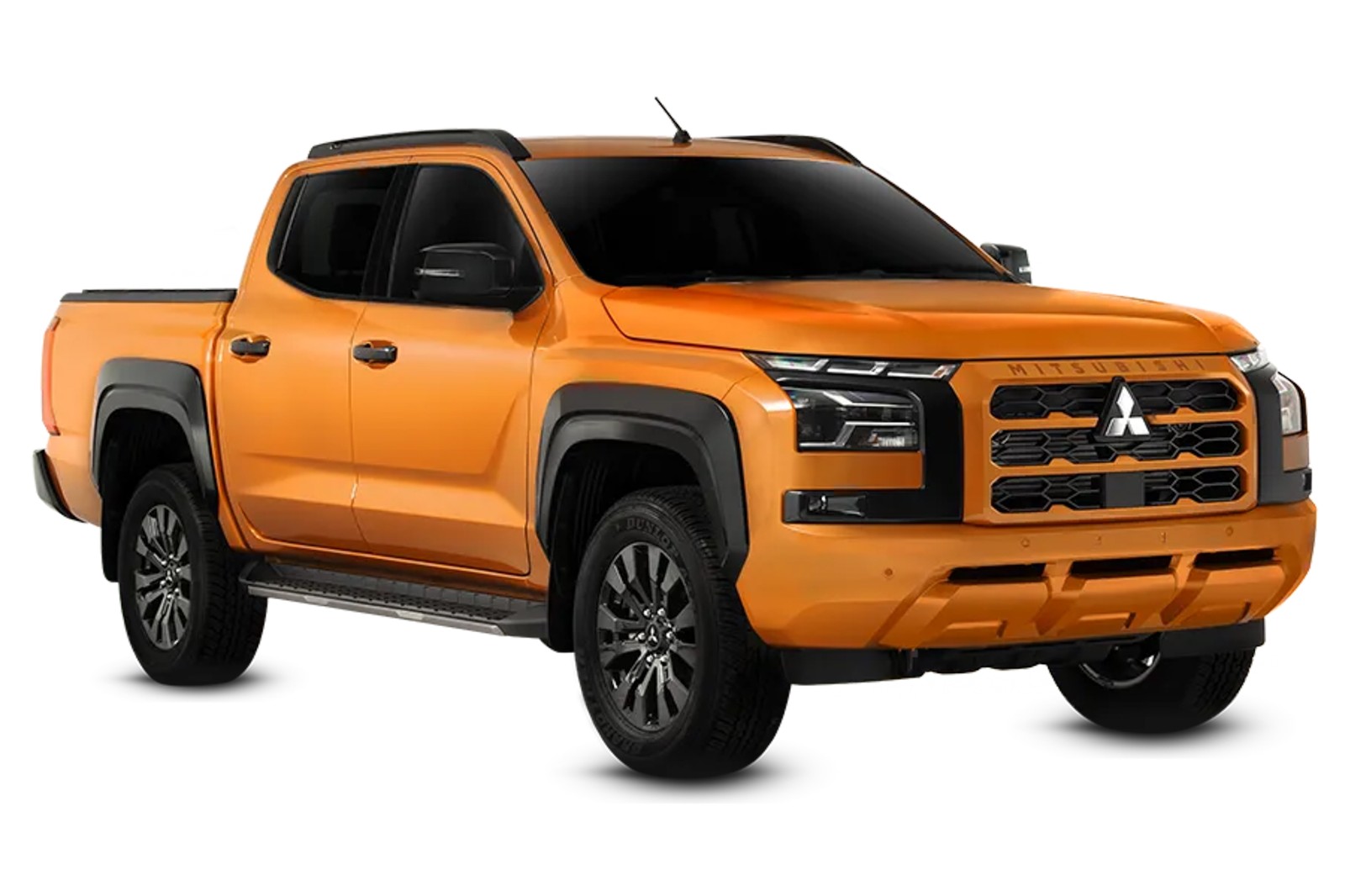
 Segment
 Body Type
 Capacity(L)
 Engine Power(PS)
 Engine Torque(Nm)
 Transmission
In the commercial pickup truck market, single cab models have always been the core choice for small and medium-sized enterprises and individual operators—as they need to balance load practicality with operational cost control. The launch of the 2024 Mitsubishi Triton Single Cab precisely targets this demand pain point, offering a starting price of 101,980 RM with a full-time four-wheel-drive system, creating a differentiated advantage among competitors in the same price range. This review will focus on verifying whether its power meets heavy-load demands, whether its interior design is suitable for commercial scenarios, and assessing its daily driving economy and reliability.
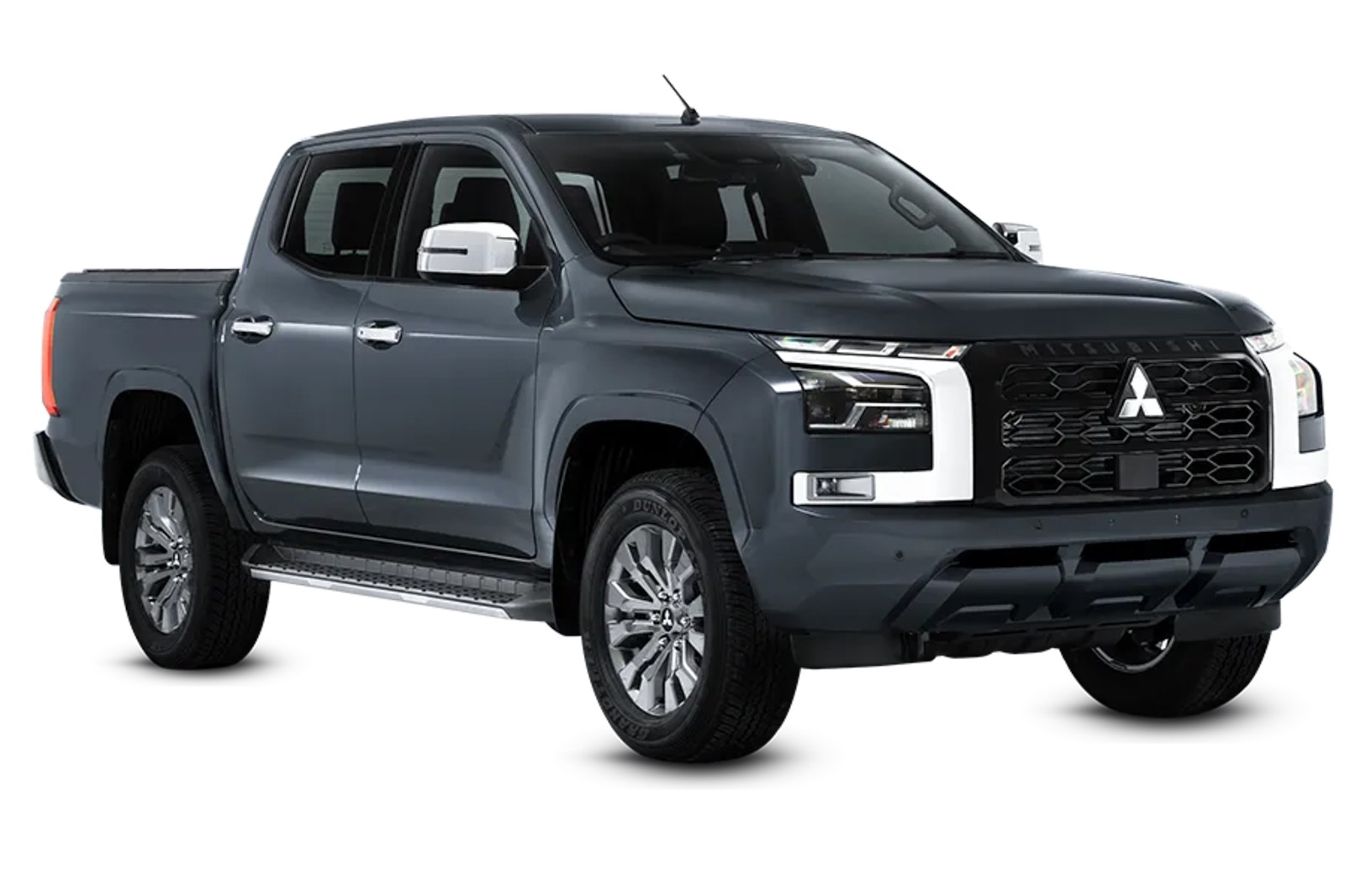
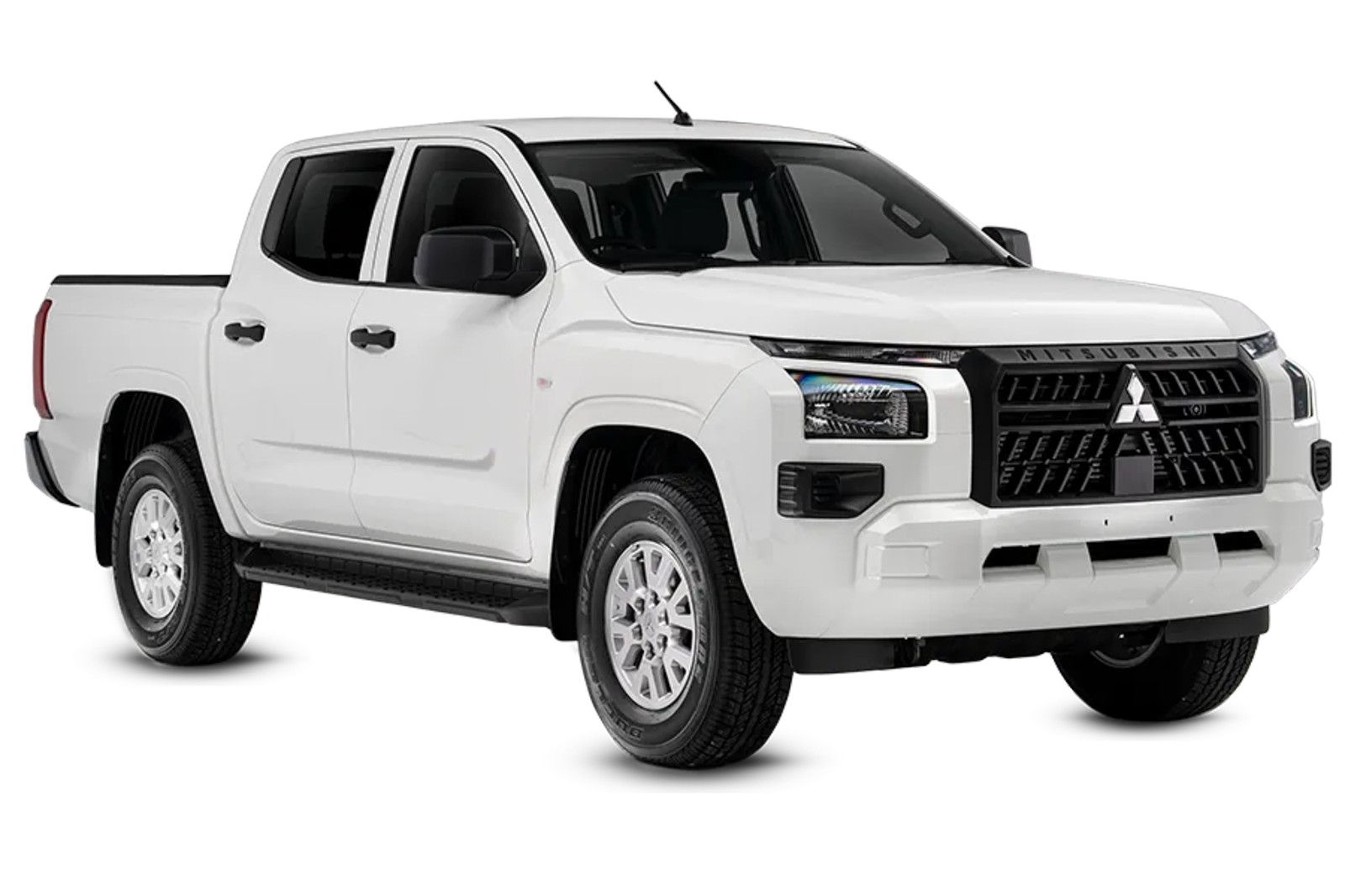
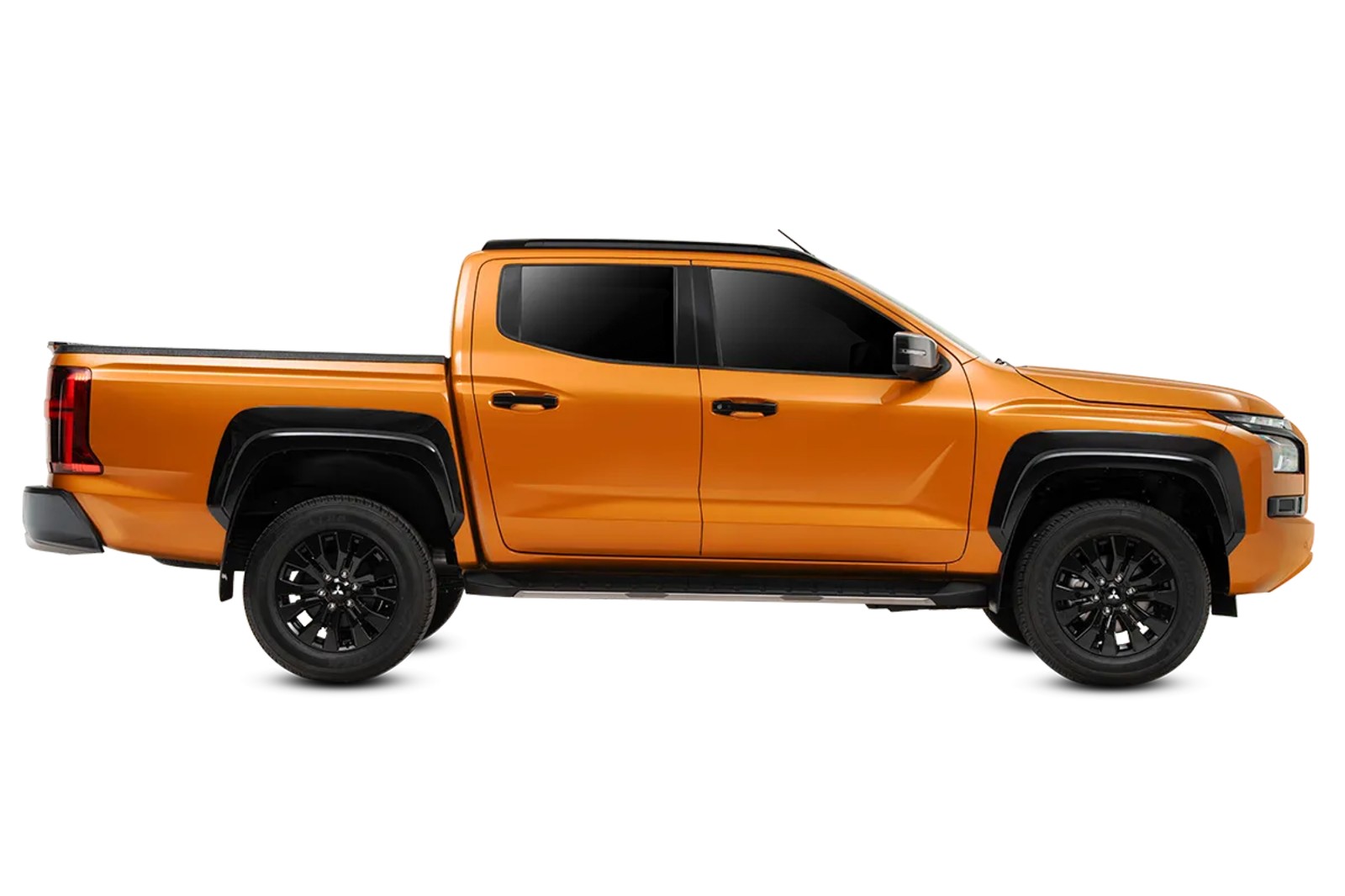
Approaching the vehicle, the 2024 Triton Single Cab continues the family’s rugged style. Its 5320mm length and 3130mm wheelbase ensure cargo bed space, while the 1865mm width enhances driving stability. The front fascia features Mitsubishi’s iconic chrome grille seamlessly linked with halogen automatic headlights, and daytime running lights add a touch of modernity to the vehicle. The side profile showcases straight lines, with 265/65 R17 tires paired with multi-spoke rims, catering to both commercial utility and off-road capabilities. The rear features a combination of LED taillights and rear fog lights, enhancing visibility in rainy or foggy weather. The cargo bed sideboards are designed simply, making it convenient for users to install bed liners or protective racks.
Upon entering the cabin, the overall layout emphasizes practicality. The seats are made of fabric and support manual adjustments, offering decent support for long drives. The center console is equipped with a backlit analog instrument panel, providing clear information display, while the multifunction steering wheel integrates basic control buttons for easy operation. Configuration-wise, the vehicle comes with a manual air conditioner, rain-sensing wipers, and a front-seat belt reminder. Safety is bolstered with three airbags (driver, passenger, and knee) and a vehicle stability control system. The storage space design is reasonable, with a central armrest box and door panel storage slots capable of holding everyday tools and documents, catering to storage needs in commercial contexts.
As a single cab model, the Triton Single Cab’s seating space is limited to the front row. The 1785mm height ensures sufficient headroom for the driver, while the 1865mm width allows for two people to sit side by side without feeling cramped. Although the cargo bed dimensions are not explicitly stated, the 3130mm wheelbase provides ample longitudinal space for the bed. Combined with the full-time four-wheel-drive system, the vehicle is well-suited for carrying construction materials or agricultural supplies, adapting to various road conditions. Additionally, the cabin is equipped with an interior light and power outlets, which are convenient for accessing items or charging tools at night.
Starting the vehicle, the noise from the 2.4L turbocharged diesel engine is within an acceptable range. It delivers a maximum power of 135kW (184PS) and a maximum torque of 430N·m, paired with a 6-speed manual transmission, offering direct power output. In an unloaded state, the vehicle's start might feel slightly sluggish, but once the rpm climbs to the maximum torque range of 2250-2500rpm, the power response becomes significantly stronger, delivering confident performance during overtaking or climbing. When switched to four-wheel-drive mode, the vehicle's grip improves considerably on muddy or gravel roads, making it ideal for users who frequently need to drive on unpaved surfaces.
In terms of handling, the manual transmission has clear gear positions with moderate shifting travel, making it easy for users familiar with manual gearboxes to get accustomed to. The steering wheel has a relatively heavy feel, which aligns with the positioning of a pickup truck, and offers good stability during high-speed driving. The front double-wishbone independent suspension and rear leaf spring combination provide average vibration filtering on bumpy roads when unloaded, but the vehicle becomes more stable when fully loaded, ensuring the safety of cargo transportation. The braking system adopts a front ventilated disc and rear drum design, with linear braking force output and no significant deviation of the vehicle body during emergency braking.
Fuel consumption performance is one of the core indicators for commercial pickup trucks. The official combined fuel consumption is 8.8L/100km. In actual testing, the fuel consumption is about 9.5L/100km in urban conditions when unloaded, decreasing to 8.2L/100km on highways, and rising to 10.3L/100km when loaded with 300kg. Overall, the performance meets expectations. With a fuel tank capacity of 75L, the vehicle can achieve a full-tank range of over 700km, reducing the inconvenience of frequent refueling.
In terms of driving comfort, the fabric seats offer average wrapping, but long drives do not result in significant fatigue. Noise control inside the cabin is at a medium level compared to the same class; wind and tire noise are more noticeable when driving at high speeds, but the diesel engine's noise suppression is relatively good. The leaf spring rear suspension shows insufficient filtering of minor bumps when unloaded, but it effectively enhances comfort when fully loaded, aligning with the tuning logic of commercial vehicles.
Overall, the core strengths of the 2024 Mitsubishi Triton Single Cab lie in "practicality" and "reliability." Compared to competitors in the same price range, its full-time four-wheel-drive system is a major highlight, making it suitable for users who need to handle complex road conditions. The 184PS power output and 430N·m torque can meet most commercial loading demands. The five-year or 200,000km warranty policy also reduces the cost of post-purchase maintenance for users. However, its interior materials and features are relatively basic, and its comfort performance is average, making it more suitable for users who prioritize functionality.
This vehicle is best suited for small and medium-sized business owners, individual entrepreneurs, and users who frequently need to transport goods, especially those working in industries requiring travel on unpaved roads. If you’re looking for a utility vehicle that can haul, perform, and has low maintenance costs, then the Triton Single Cab is a good choice.
In summary, the 2024 Mitsubishi Triton Single Cab is a commercially-oriented pickup truck with a clear focus. It avoids overly fancy features but excels in key aspects like power, off-road capability, and reliability. For users who value practicality, it is truly a worthwhile option to consider.
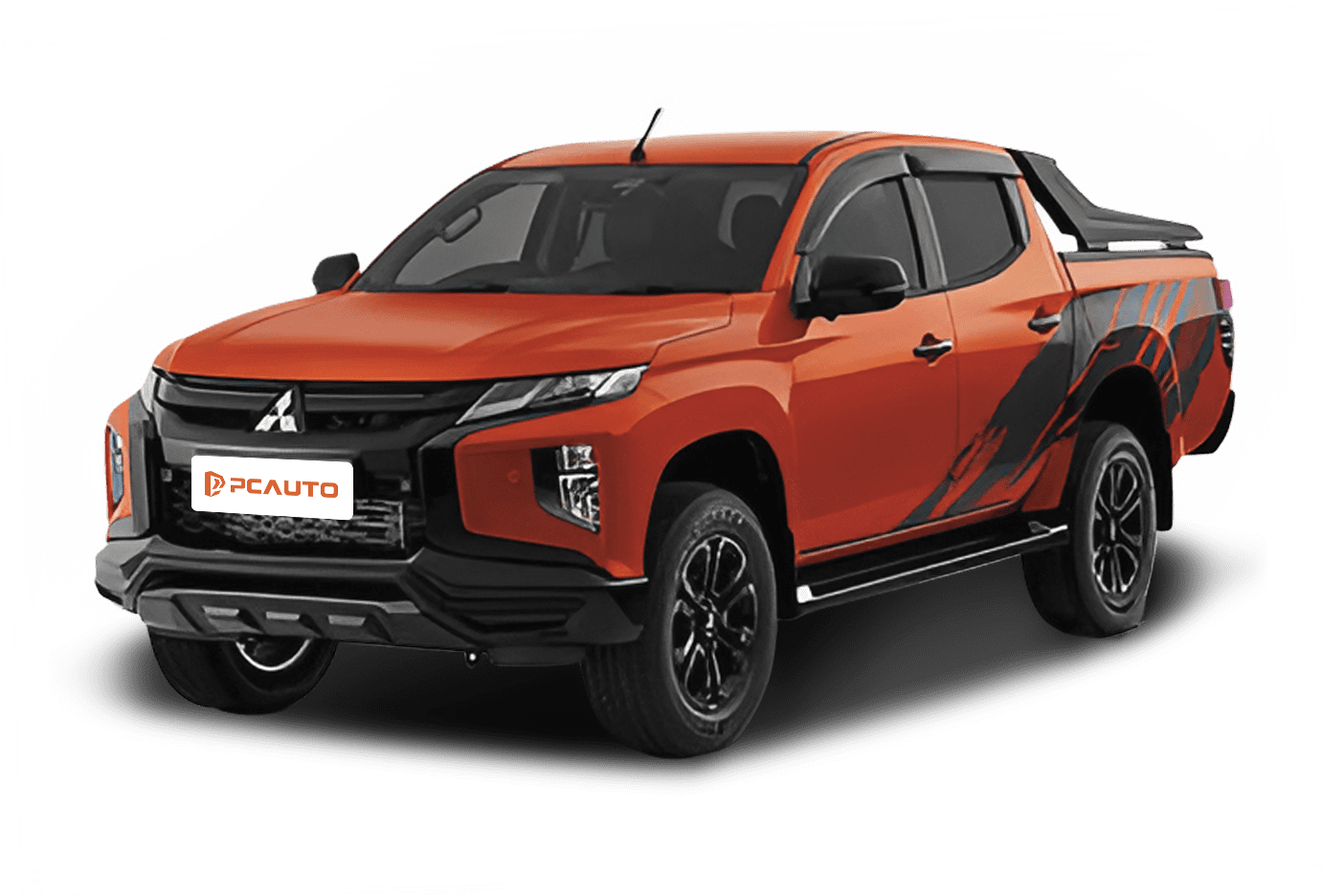
Mitsubishi Triton Car Compare
Mitsubishi Triton Loan Calculator
More Mitsubishi Reviews
Cars With Similar Price And Features
5
Rank in Pickup
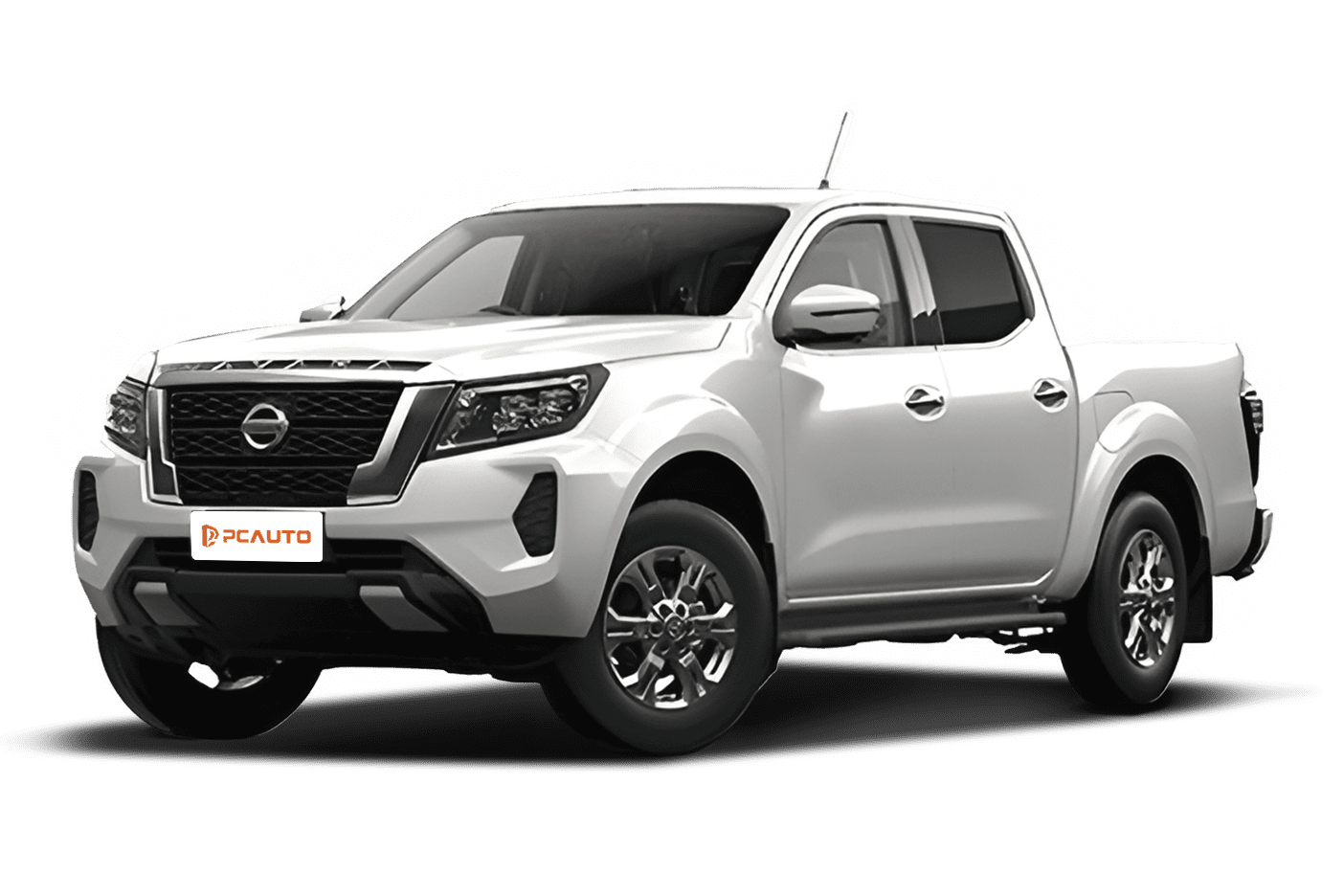
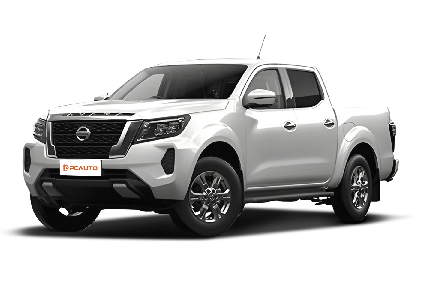
2023 Nissan Navara 2.5 VL Black Edition is a pickup truck that balances household comfort with light off-road capability, featuring exclusive black trims, a full suite of active safety features, and practical configurations, precisely catering to the needs of families and small business owners.
4
Rank in Pickup

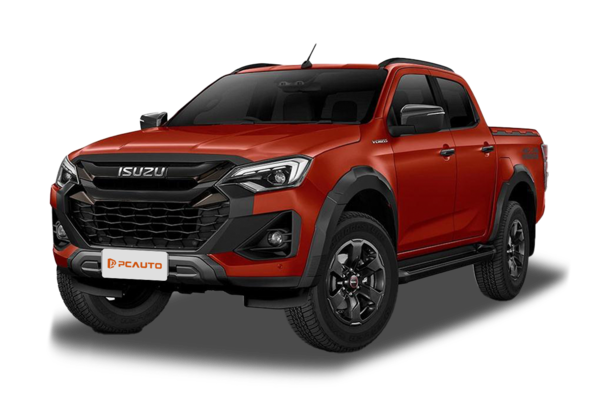
2025 Isuzu D-MAX 1.9L 4x2 Low Ride is an entry-level passenger pickup, offering a balance of practical space, reliable diesel performance, and fuel economy, suitable for family transport and small business cargo needs.
3
Rank in Pickup
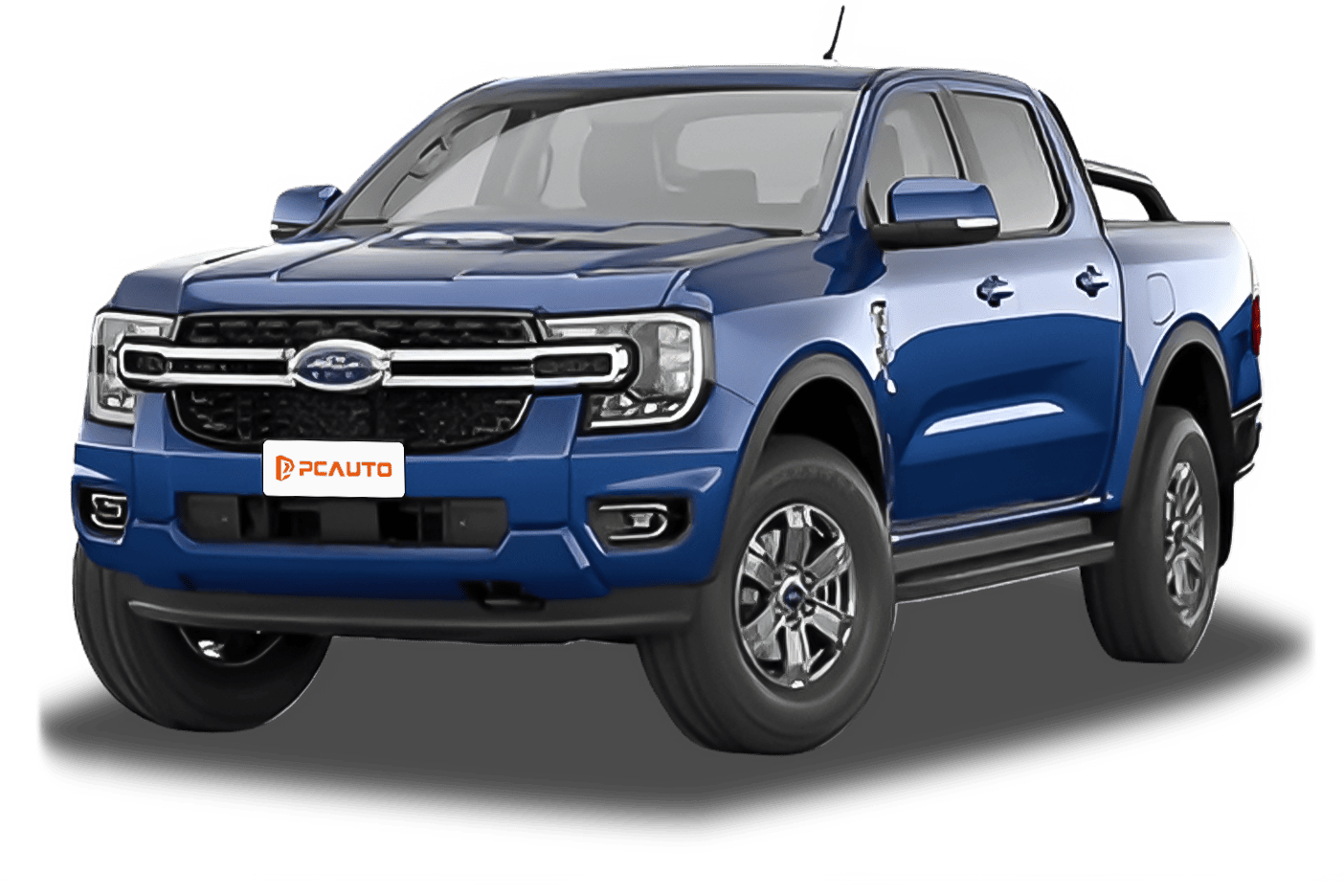
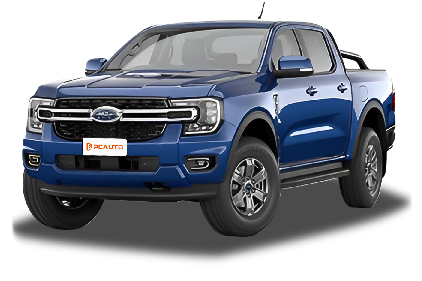
2023 Ford Ranger WildTrak is a mid-to-high-end pickup truck that balances the comfort of daily commuting with the practicality of cargo and off-road capabilities. It features powerful performance, ample space, and practical configurations, making it a versatile choice for both family and work scenarios.

2023 JMC Vigus Pro White Series 2.0L 4WD 8AT combines rugged design, practical features, and powerful diesel performance, balancing everyday durability and mild off-road needs, making it a high-value choice for pickup users.