

Mitsubishi Triton 2020 Review

 Share
Share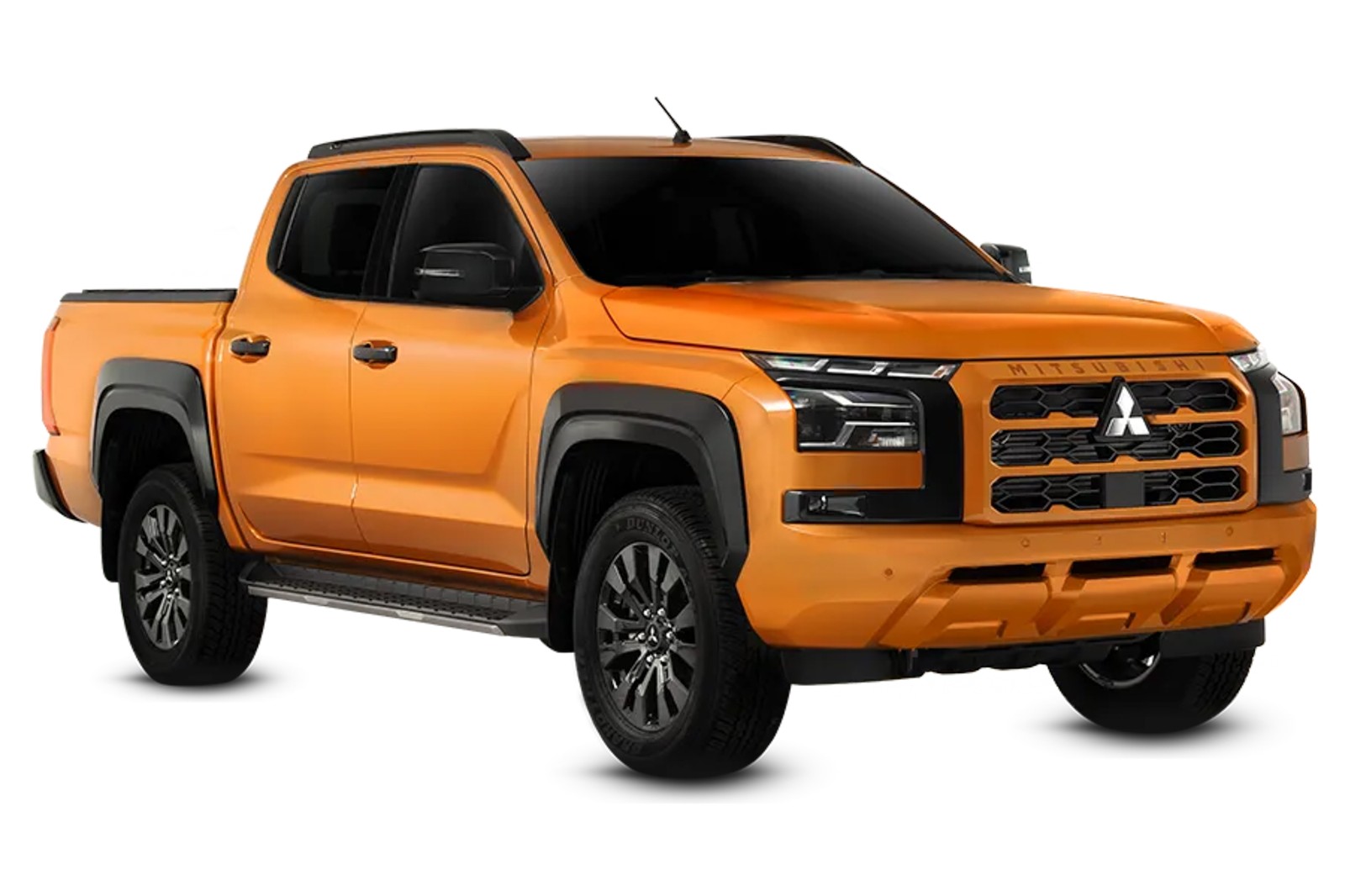
 Segment
 Body Type
 Capacity(L)
 Engine Power(PS)
 Transmission
 Driven Wheels
For those with a budget of around 80,000 Ringgit Malaysia (RM) looking for a reliable 4x4 pickup truck, market options are quite limited — either the configurations are too basic, or the reliability is questionable. The 2020 Mitsubishi Triton Quest fills this gap perfectly: priced at RM81,390, it offers a 4WD system, diesel power, and a 5-year/100,000 km warranty. This is also the key point we aim to verify in this test drive: is it a "stripped-down compromise" or a "practical necessity"?
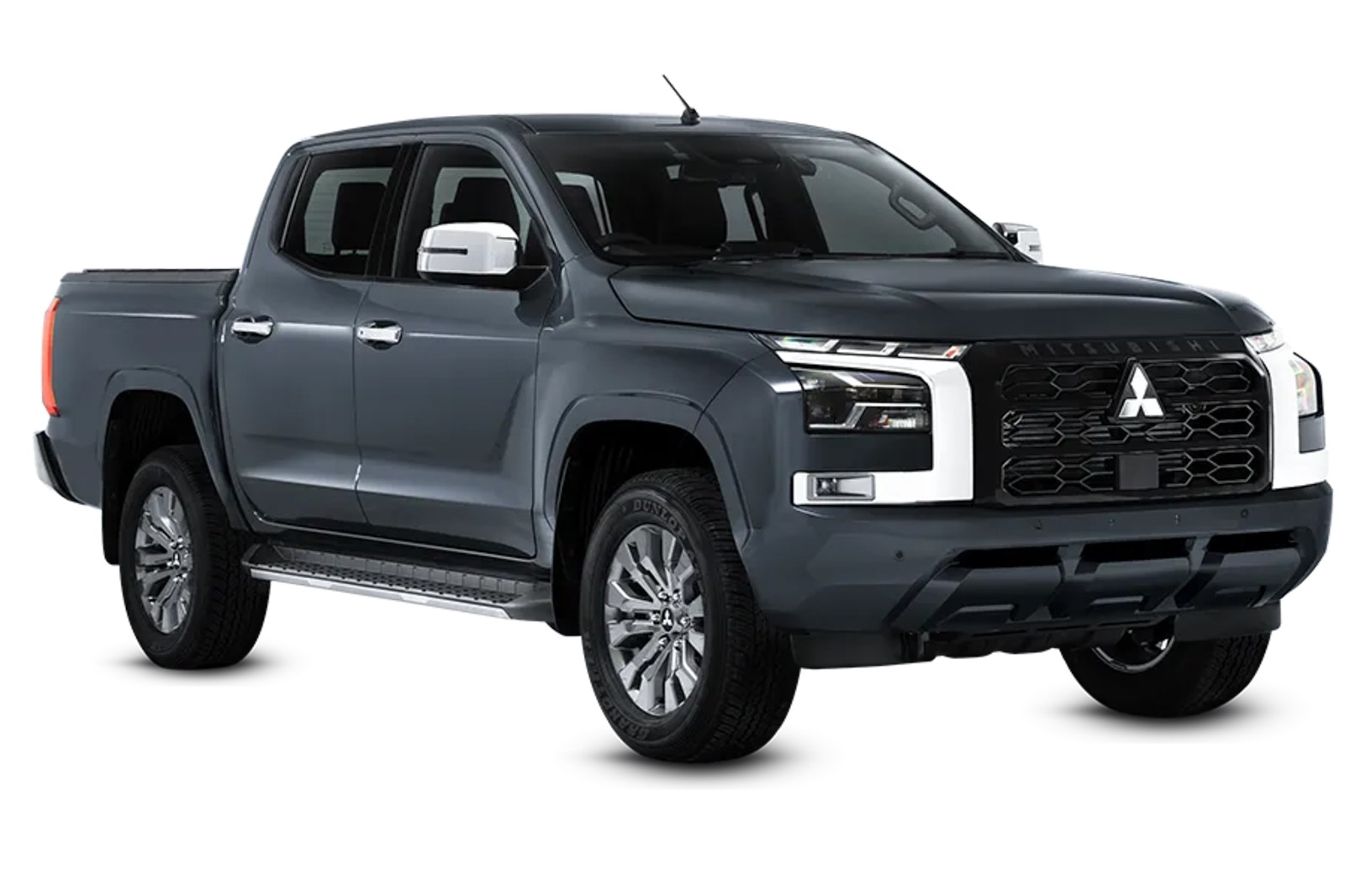
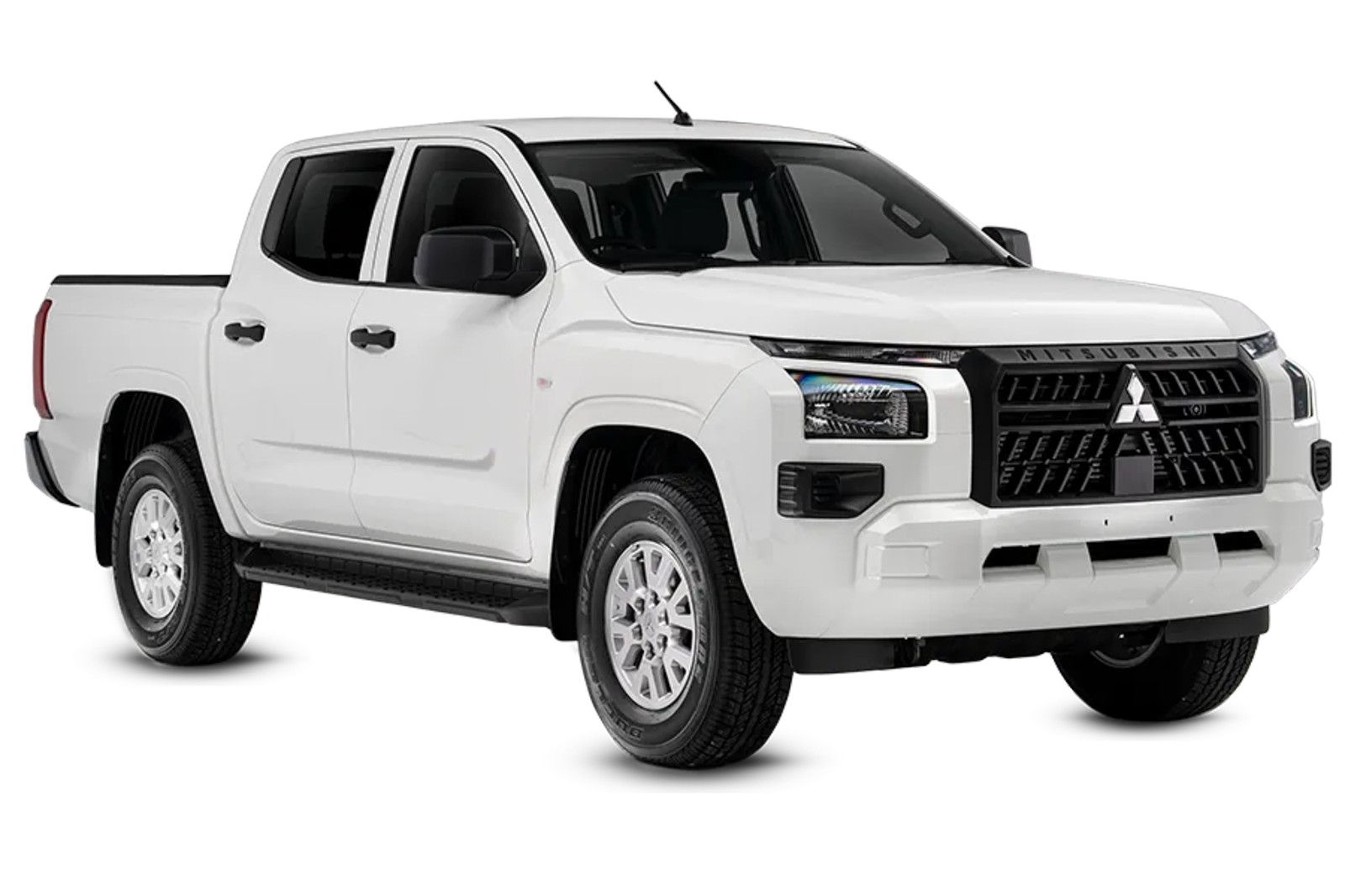
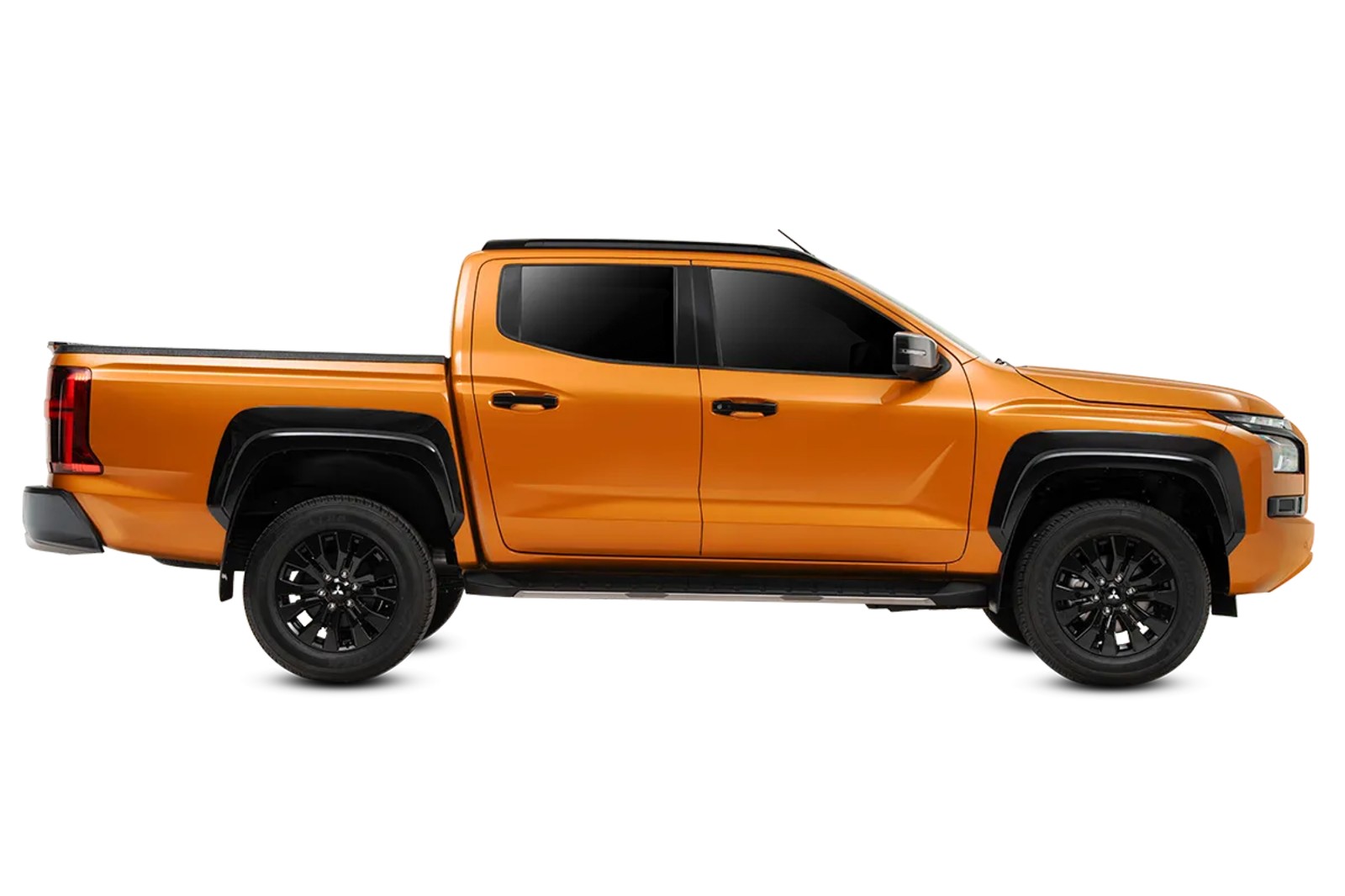
From the exterior, the Triton Quest continues the family design of the previous Triton model, with overall lines that lean towards robustness but aren't overly flashy. The front features a large black plastic grille with Mitsubishi's chrome logo embedded in the middle, paired with halogen headlights on both sides for sufficient recognizability without much extravagance. The side profile showcases a standard pickup silhouette, and the 3000mm wheelbase is considered mainstream in this class. The door handles and side mirrors are made of black plastic material, which, while lacking chrome trim, aligns with the durable, utility-oriented character of the vehicle. The rear design is fairly simplistic, with vertically integrated taillights and a rear bumper. Rear fog lights come as standard, and the cargo bed features simple reinforcement ridges, giving it an overall "no-nonsense workhorse" appearance, suitable for users who don't chase after flashy designs.
Opening the door and stepping inside, the interior design is very "practical-oriented." The dashboard is made of hard plastic material, which feels average in quality to the touch, but the assembly seams are relatively even. The steering wheel is multifunctional, with the left side controlling the audio and phone functions, while the right side has no buttons. However, it covers the commonly used functions for daily driving. The instrument cluster is of a traditional analogue style, with no LCD display in the middle, showing only basic information like RPM, speed, fuel level, and water temperature. While not advanced, it has the advantage of being straightforward. The most noticeable feature in the center console area is the 2-DIN audio system, which supports FM/AM and CD playback. Next to it are knobs for the manual air conditioning system, and the controls are simple enough to use without a manual. The seats are fabric-covered, and the front seats are manually adjustable. The backrest and cushions offer decent support, so long drives won’t be overly tiring. The rear seats come with a foldable central armrest, a small bonus at this price point, making it more comfortable for rear passengers. In terms of storage space, there is a small groove in the door panel that can hold a water bottle, and an open compartment beneath the center console where you can place your phone or wallet. Though not abundant, it meets daily needs just fine.
Space is one of Triton Quest's strengths. With a vehicle length of 5220mm and a wheelbase of 3000mm, a person 180cm tall sitting in the front row will still have more than a fist of headroom and plenty of legroom without their knees hitting the dashboard. The rear row is surprisingly spacious; a similar 180cm passenger can sit with two fists of legroom and a fist of headroom, which is more spacious than some compact SUVs. The rear seats are equipped with air conditioning vents and a 230V power outlet, directly enhancing practicality for users who need to charge tools in the car or for rear passengers to enjoy air conditioning. As for the cargo bed, although there are no specific dimensions provided officially, visually it appears similar to the standard Triton version and is more than sufficient for carrying building materials or farming tools.
The core of this test drive is the power and four-wheel-drive system. The Triton Quest is equipped with a 2.5L turbocharged diesel engine, delivering a maximum power of 110PS and peak torque (specific value not provided by the official source, but the low-end torque performance feels good in actual driving) that kicks in at 2000rpm. It's paired with a 5-speed manual transmission, with a clutch engagement point that is quite precise. The shifting stroke is relatively long, but the gears are clear enough for beginners to quickly adapt. When starting, as long as you rev it above 1500rpm, you can feel the diesel engine’s low-end torque kicking in, making it effortless to climb steep slopes with four people on board. Acceleration performance is average; the 0-100 km/h acceleration time is around 15 seconds. On highways, overtaking requires downshifting in advance and revving above 3000rpm to ensure sufficient power reserves.
In terms of handling, the Triton Quest features a front double-wishbone independent suspension and a rear leaf spring non-independent suspension, which is typical for pickup trucks. The steering wheel has about 15 degrees of play, requiring additional steering adjustment during daily driving. However, stability at high speeds is good, with no feeling of instability. The chassis damping performance is as expected. When driving over speed bumps or rough roads, the rear suspension does feel bumpy, but it doesn't give the impression of falling apart — after all, the leaf spring design prioritizes load-bearing capacity. The four-wheel-drive system is a part-time setup, with a selection knob located below the center console. The two-wheel-drive mode is suitable for daily road driving, offering better fuel efficiency. Switching to four-wheel-drive mode significantly improves grip when driving on muddy or light off-road terrains. During the test drive, we tackled cross-axle conditions on the test track, and as long as the tires were not completely off the ground, the car was able to pass. It’s fully capable of handling construction sites or unpaved countryside roads.
Regarding fuel consumption, our test drive covered approximately 200 kilometers, half of which was in urban areas, while the other half included highways and unpaved roads. The average fuel consumption was around 8.5L/100 km, which is relatively economical for a 2.5L diesel four-wheel-drive pickup. In terms of noise control, the diesel engine is quite noticeable at idle. Once the car is running, tire and wind noise surpass engine noise. Conversations inside the car are manageable at speeds below 80 km/h, but above 100 km/h, it's necessary to raise your voice. The overall performance is within expectations for this price range. The seat comfort is decent too; the fabric seats provide better breathability compared to leather, making them more comfortable for long periods. The rear-row center armrest also helps alleviate fatigue during long trips.
In summary, the greatest strength of the 2020 Triton Quest lies in its "precise positioning": it does away with flashy features and focuses on essential needs — a four-wheel-drive system, diesel power, ample space, and reliable warranty. Compared with competitors in the same price range, such as the Toyota Hilux 2.4L Standard, the Triton Quest comes with a standard four-wheel-drive system, whereas only a two-wheel-drive version is available at the same price point for the Hilux. Compared with the Isuzu D-Max 2.5L Basic, the Triton Quest offers richer features, such as a multifunction steering wheel and a rear armrest. Its shortcomings are also obvious: the interior quality is average, it lacks a central touchscreen, and uses a manual key. However, for the target audience, these are not considered "essential needs."
This pickup truck is most suitable for two types of people: one type is users who need a vehicle that can both work and occasionally serve as a family car, such as construction site bosses or farm owners. The four-wheel-drive system can handle unpaved roads, and the spacious interior can carry both people and cargo. The other type is outdoor enthusiasts with a limited budget who want a reliable four-wheel-drive vehicle. They can use it for light off-roading on weekends and for commuting during weekdays without consuming too much fuel.
Overall, the Triton Quest is not an "all-purpose vehicle," but it is a vehicle that "spends money where it matters." It understands what its users need and knows what to sacrifice. For those who prioritize practicality and reliability, it is one of the most worthwhile options at this price point.
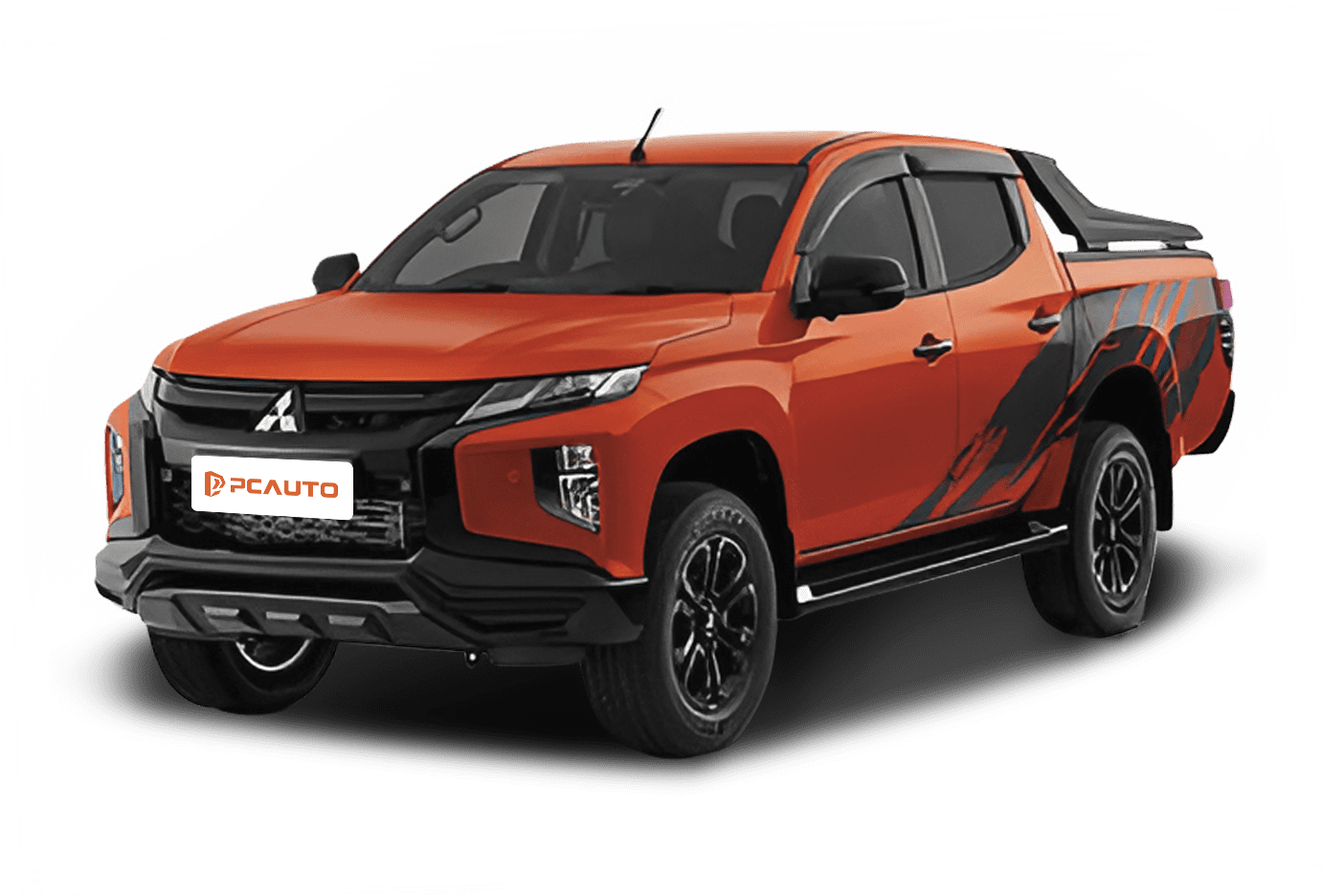
Mitsubishi Triton Car Compare
Mitsubishi Triton Loan Calculator
More Mitsubishi Reviews
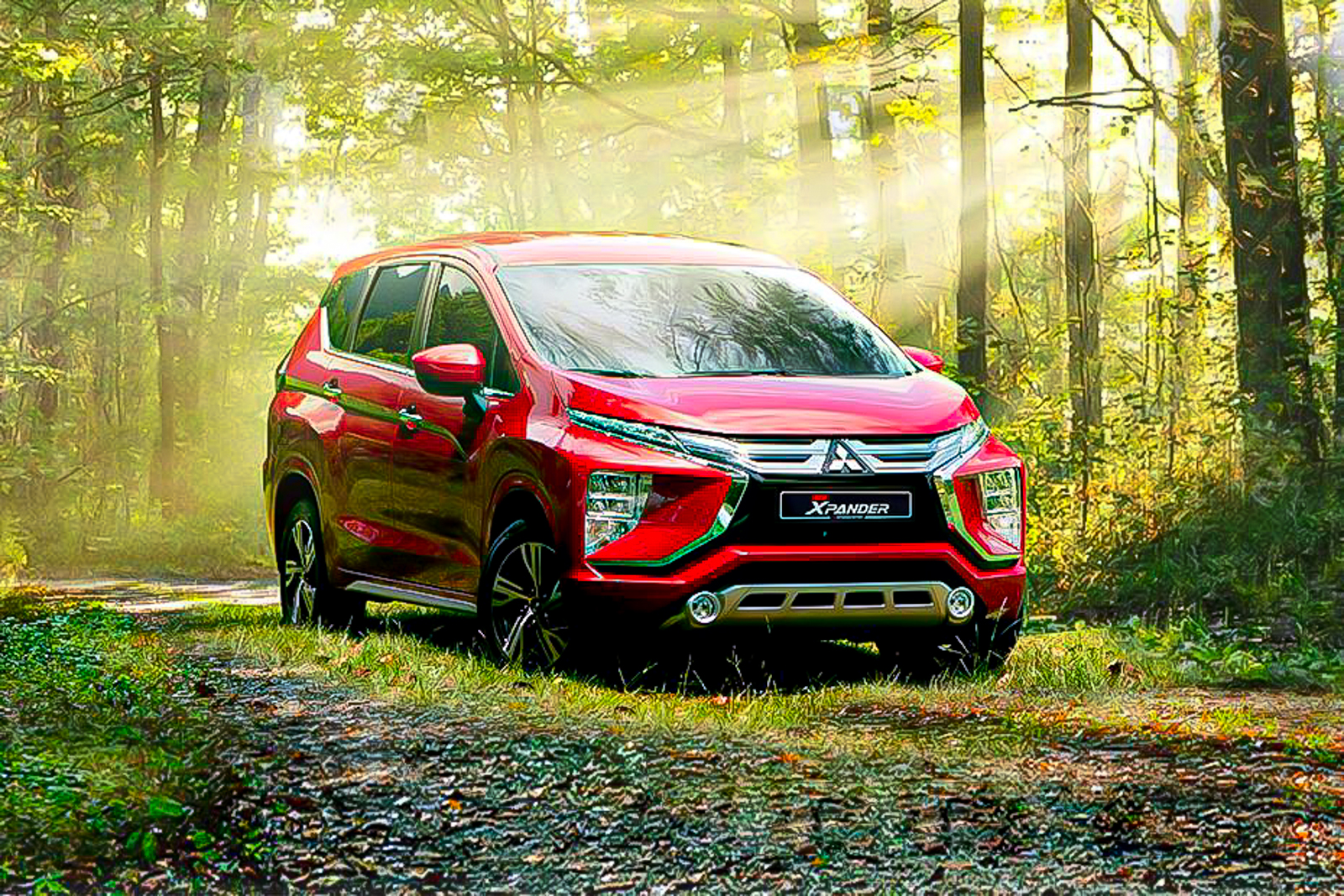
Cars With Similar Price And Features
5
Rank in Pickup
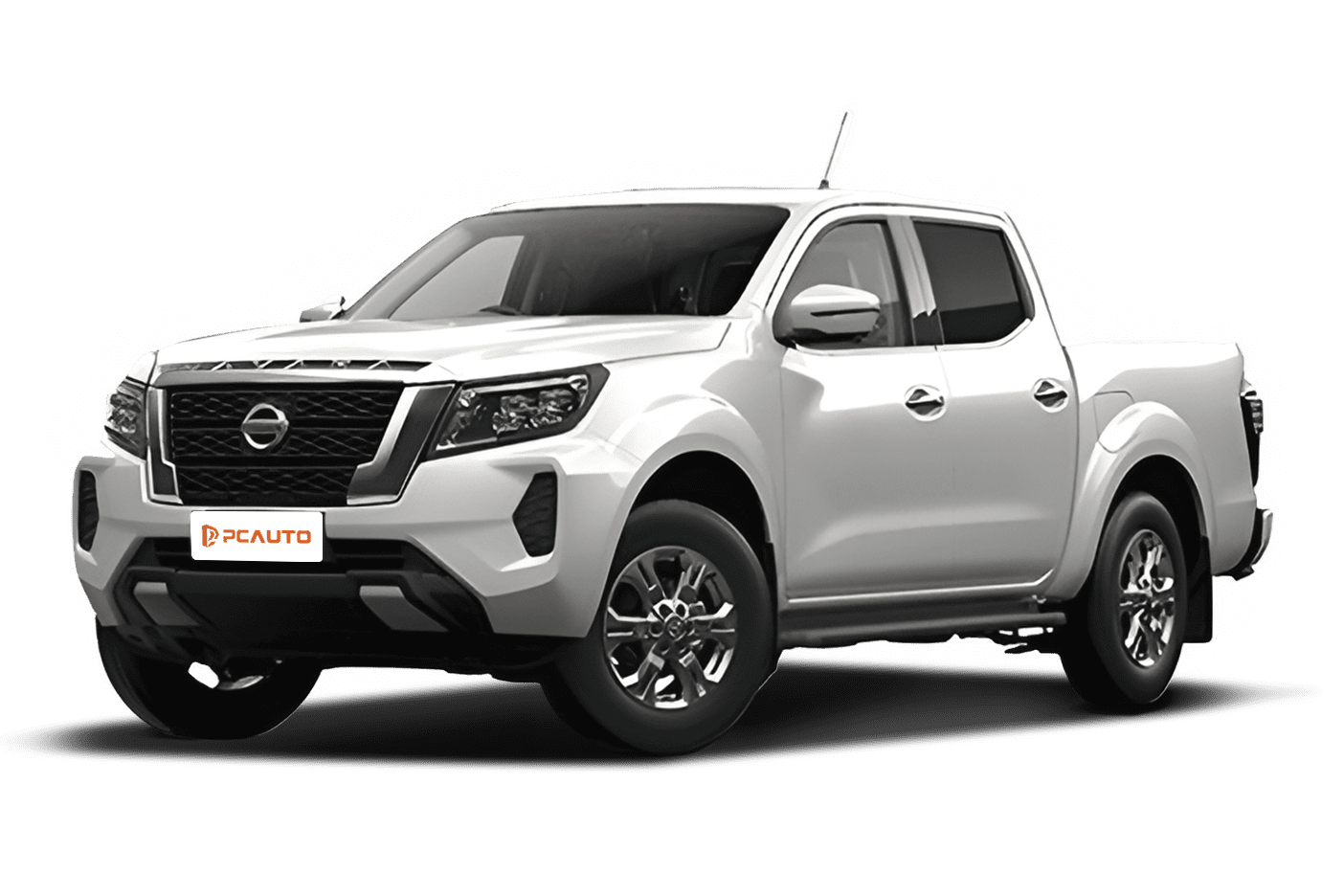
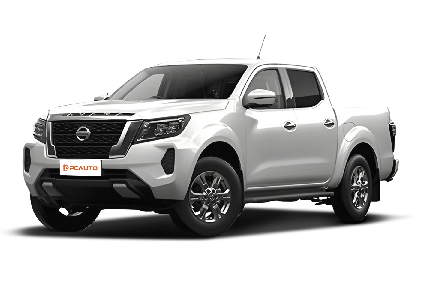
2023 Nissan Navara 2.5 VL Black Edition is a pickup truck that balances household comfort with light off-road capability, featuring exclusive black trims, a full suite of active safety features, and practical configurations, precisely catering to the needs of families and small business owners.
4
Rank in Pickup
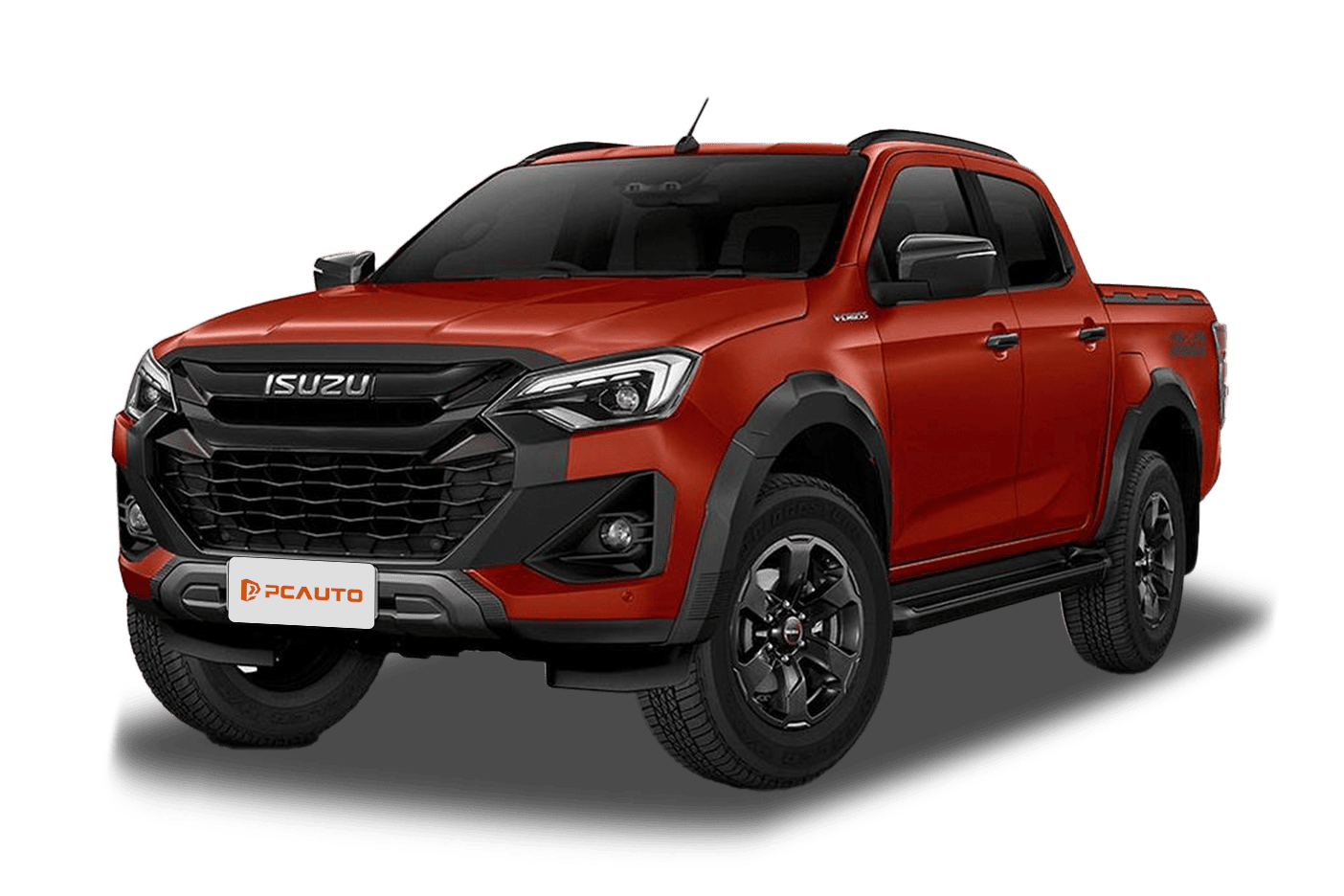
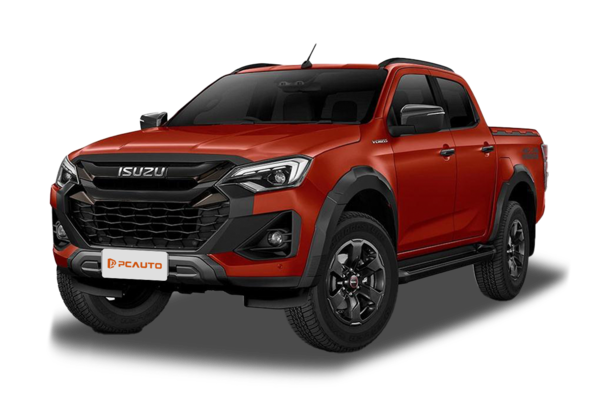
2025 Isuzu D-MAX 1.9L 4x2 Low Ride is an entry-level passenger pickup, offering a balance of practical space, reliable diesel performance, and fuel economy, suitable for family transport and small business cargo needs.
3
Rank in Pickup
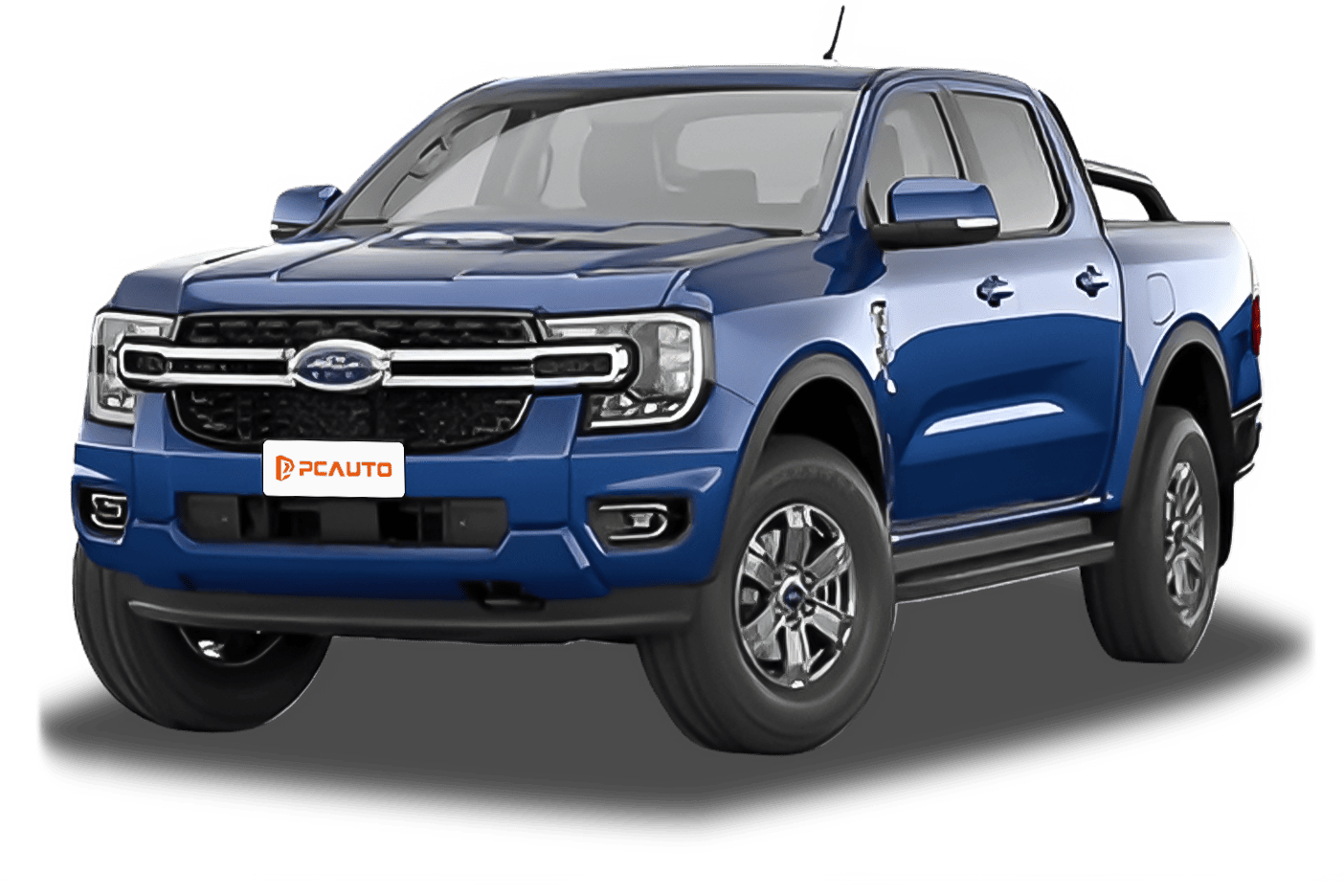
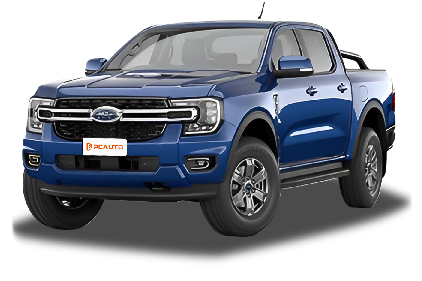
2023 Ford Ranger WildTrak is a mid-to-high-end pickup truck that balances the comfort of daily commuting with the practicality of cargo and off-road capabilities. It features powerful performance, ample space, and practical configurations, making it a versatile choice for both family and work scenarios.

2023 JMC Vigus Pro White Series 2.0L 4WD 8AT combines rugged design, practical features, and powerful diesel performance, balancing everyday durability and mild off-road needs, making it a high-value choice for pickup users.