

Nissan X-Trail 2008 Review

 Share
Share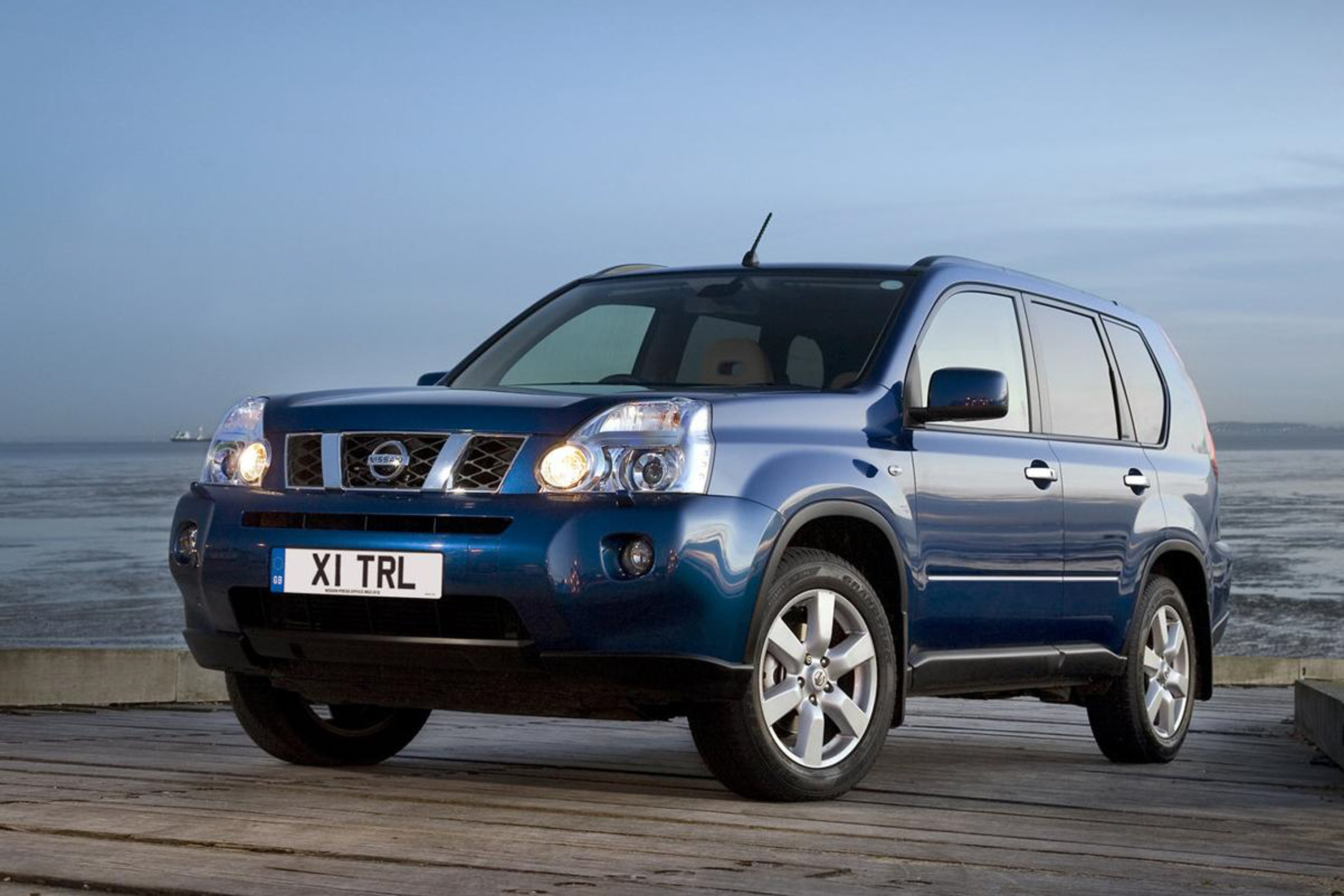
 Body Type
 Segment
 Capacity(L)
 Engine Power(PS)
 Engine Torque(Nm)
 Transmission
In Malaysia's compact SUV market, family-oriented demand has always been the mainstream — consumers want enough space to accommodate family outings, seek a balance between power and fuel efficiency, and occasionally need to handle light off-road terrain. The 2008 Nissan X-Trail (hereafter referred to as the X-Trail), as a popular choice in this segment, attracts many family users with its "practicality-first" positioning. This time, we got the X-Trail public version test car, and the core purpose is to verify whether its space performance, power practicality, and daily driving comfort truly meet the expectations of family users.
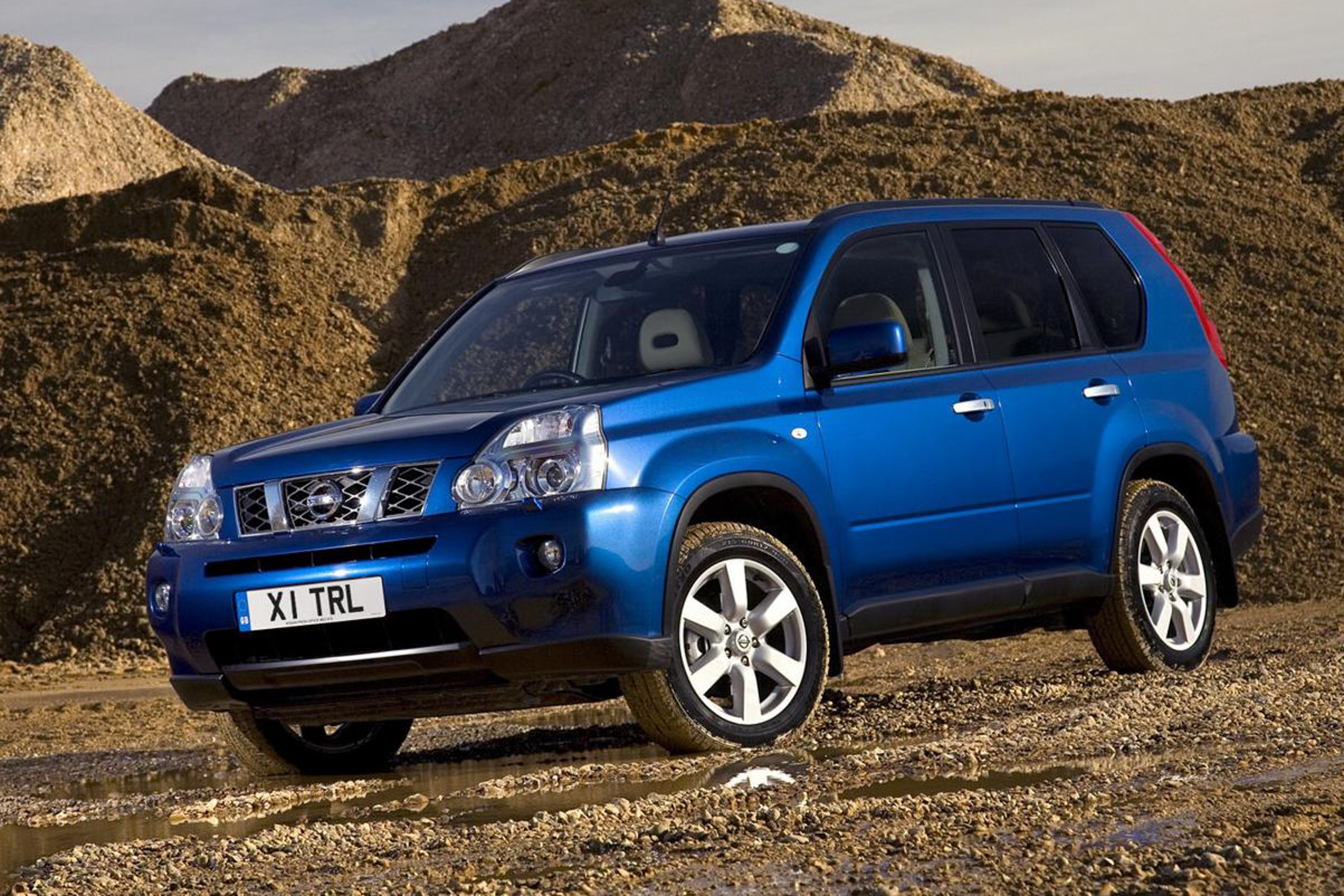
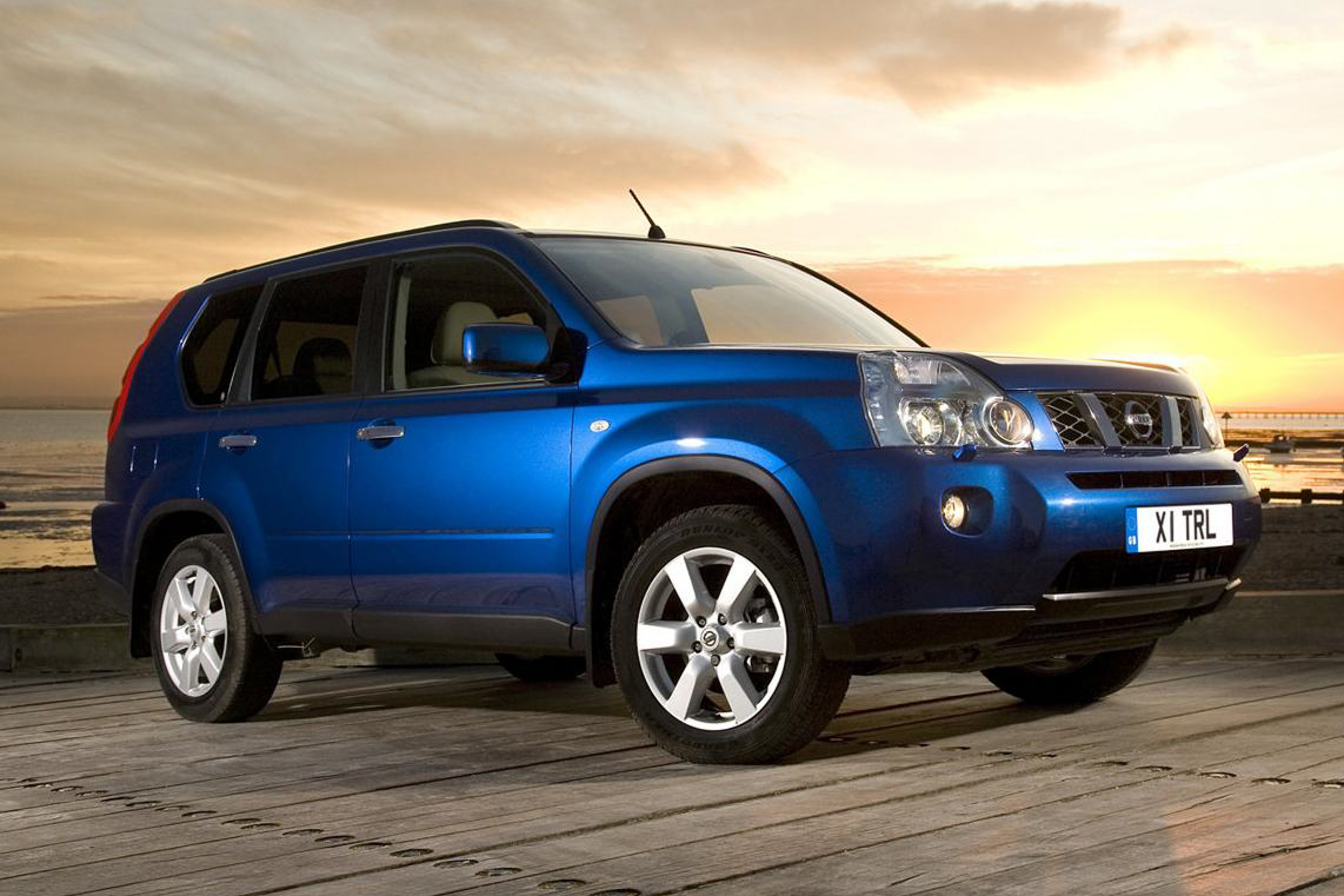
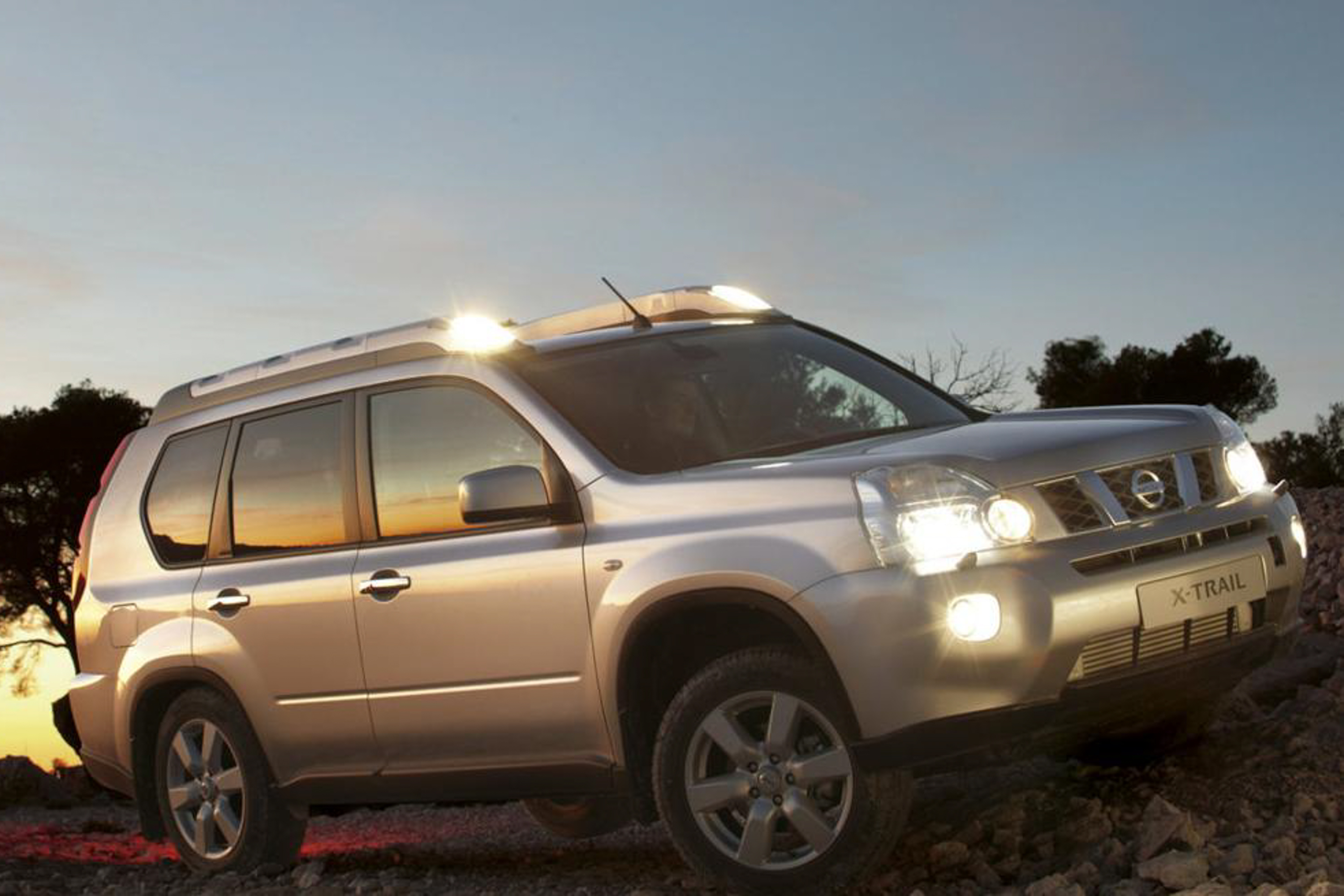
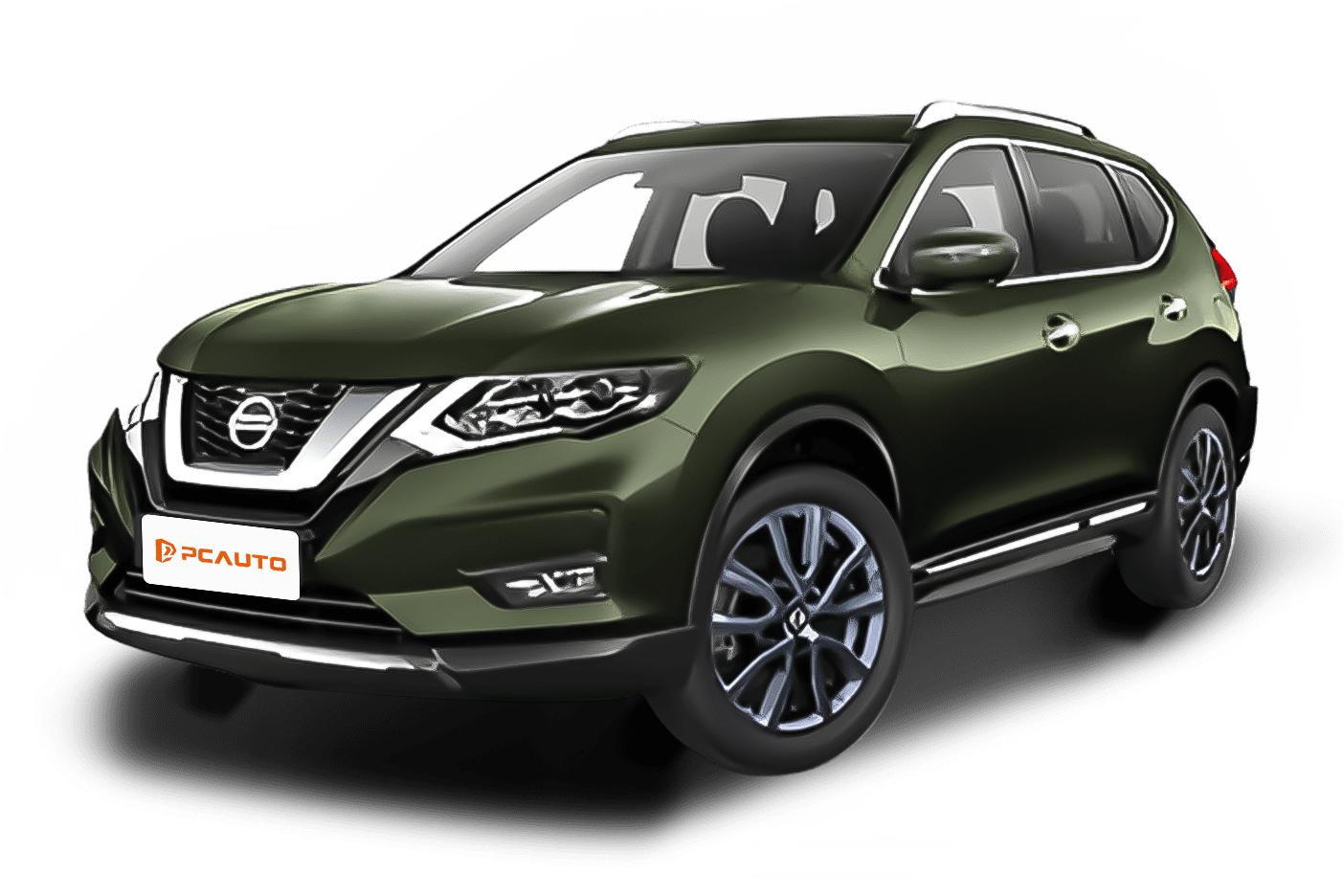
From the exterior, the X-Trail continues the classic rugged style of Nissan SUVs, with overall boxy lines and no excessive flashy design. At the front, the sturdy chrome front grille paired with round headlights ensures high recognition; the silver skid plate under the front bumper adds a touch of off-road flavor, fitting for an SUV. On the sides of the vehicle, the waistline stretches from the front to the tail, complemented by 16-inch alloy wheels, giving an overall well-balanced proportion. The rear design is relatively simple, with vertical tail light clusters echoing the body lines, while the rear bumper is also equipped with a silver skid plate, matching the front design. Regarding the lighting system, the front headlights use halogen light sources, providing moderate brightness that is sufficient for daily urban driving; the tail lights have clear outline effects, offering decent visibility during night driving.
Opening the door, the interior design prioritizes practicality, with a straightforward and clear layout for the center console. The upper part of the console uses hard plastic materials, while the middle section is covered with soft-touch materials. While the touch may not feel luxurious, considering its positioning, the performance is quite reasonable. The center screen measures 7 inches and supports Bluetooth connectivity and reverse camera functions. The interface logic is simple, making it user-friendly. The seats are wrapped in fabric material and offer decent support, with the driver’s seat supporting manual adjustment, while the passenger seat remains at a fixed angle. In terms of features, the X-Trail public version comes equipped with automatic air conditioning, push-button start, keyless entry, and cruise control, which covers basic daily usage needs.
Space performance is one of the X-Trail's core strengths. In terms of dimensions, its length, width, and height measure 4630mm/1785mm/1725mm, with a wheelbase of 2630mm. The front-row seating is spacious, and for a 175cm tall occupant adjusting to a comfortable position, there is still a fist's worth of headroom to spare. The rear row provides excellent space too, with two fists of legroom and about a fist of headroom, ensuring that even three passengers would not feel cramped. As for storage capacity, the central armrest box in the front row and the door storage pockets are fairly voluminous, easily accommodating mobile phones, water bottles, and other small items. The trunk has a standard capacity of 450L, which can be expanded to 1579L by folding down the rear seats, allowing it to hold large luggage or baby strollers, fully meeting the demands of family travel. The rear row also features air conditioning vents and power outlets, enhancing passenger comfort.
In terms of power, the X-Trail public version is equipped with a 2.0L naturally aspirated engine, delivering a maximum power of 106kW (144Ps) and a peak torque of 198N·m, paired with a CVT transmission. During actual driving, the power response at the initial stage is relatively smooth, with no obvious sense of acceleration force ("push-back" feeling), but the accelerator pedal is tuned to be linear, providing smooth power output as you press it. During acceleration, the CVT's performance is decent, with no shift delays, but during aggressive acceleration, there is a noticeable lag, and you need to press harder on the accelerator to unleash stronger power. In terms of driving modes, the X-Trail offers Eco, Standard, and Sport modes. When switched to Sport mode, the throttle response becomes more sensitive, and the power output is more active, making it suitable for overtaking scenarios.
In terms of handling and chassis performance, the steering of the X-Trail is light and precise, making daily urban driving relatively easy. The suspension system uses a combination of front MacPherson independent suspension and rear multi-link independent suspension, tuned for comfort. When facing bumpy city roads, the suspension can filter out most minor vibrations, so passengers inside the car won't feel significant jolts. When passing speed bumps, the suspension rebounds at a moderate speed without unnecessary shaking. However, there is noticeable body roll during high-speed cornering, which is a common issue for SUV models. Overall, the handling leans more towards family comfort rather than sporty performance.
Fuel economy is a factor that family users are particularly concerned about. We drove 100km each on urban roads and highways, with an average fuel consumption of 9.2L/100km on urban roads and 7.5L/100km on highways, resulting in a combined fuel consumption of about 8.3L/100km. This performance is at a medium level among compact SUVs in the same category. Considering its body weight and power parameters, the results are fairly reasonable. As for braking performance, the brake pedal provides a linear feel, the braking response is prompt, and during emergency braking, the vehicle maintains a stable posture without any noticeable nose dive, instilling sufficient confidence.
Regarding everyday driving comfort, the X-Trail's performance is commendable. Noise control inside the car is decent; on urban roads, tire and engine noise are relatively minimal, while wind noise increases slightly at high speeds but does not hinder normal conversations between passengers. The seat comfort is acceptable, and long periods of sitting do not cause significant fatigue. However, since the seats are fabric, sitting for extended periods in the summer may feel stuffy, which is worth noting.
Overall, the primary advantages of the 2008 Nissan X-Trail public version lie in its spacious interior, practical features, and stable power performance. Compared to other vehicles in its class, such as the Honda CR-V or Toyota RAV4, the X-Trail stands out for its superior space. Its features are in line with mainstream standards. While the interior materials and power response are not particularly outstanding, considering its positioning and price, it still offers good value for money.
This car is highly suitable for families that prioritize practical space, especially for those who frequently travel with family members or need to transport large items. Its power is sufficient for everyday urban driving and highway cruising, its features meet basic needs, and its space adapts perfectly to family scenarios. If you’re looking for a compact family SUV with “no significant shortcomings,” the X-Trail public version is worth considering.
In summary, the 2008 Nissan X-Trail public version is a family-oriented SUV focused on practicality. It lacks flashy designs or strong power, but it precisely meets the core needs of family users—spacious interior, stable performance, and adequate features. For consumers who value “practicality,” it is a reliable choice.
Nissan X-Trail Car Compare
More Nissan Reviews
Cars With Similar Price And Features
8
Rank in SUV
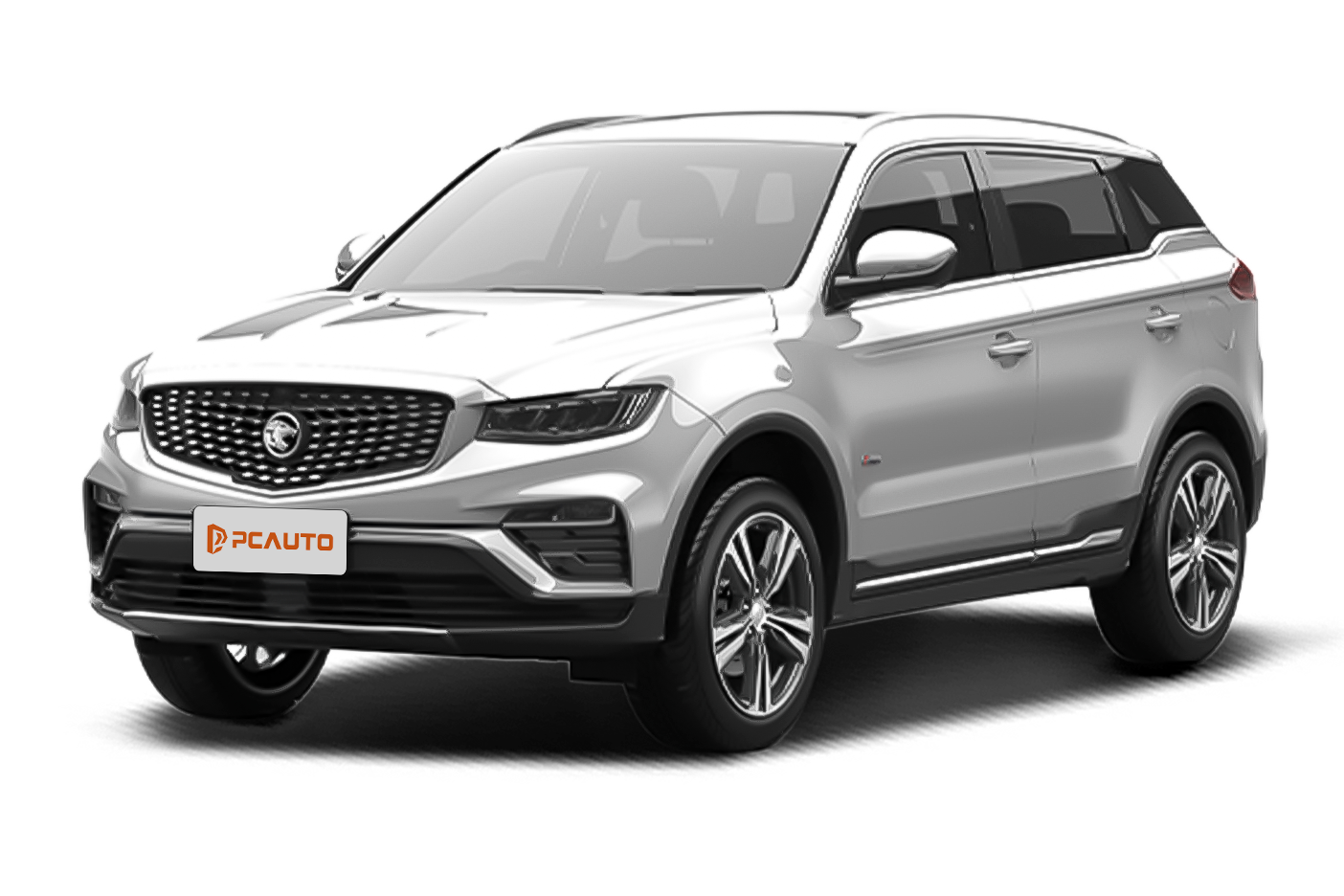
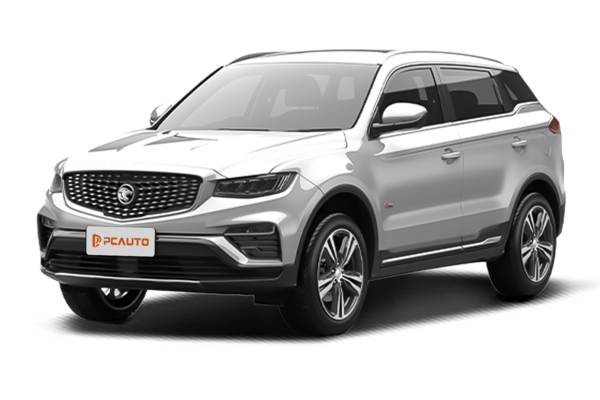
2026 Proton X70 1.5 TGDi Executive focuses on upgrading to a four-cylinder engine, practical configurations, and affordable pricing. It balances family commute practicality with value for money, making it a sensible choice among similarly priced C-segment SUVs.
10
Rank in SUV
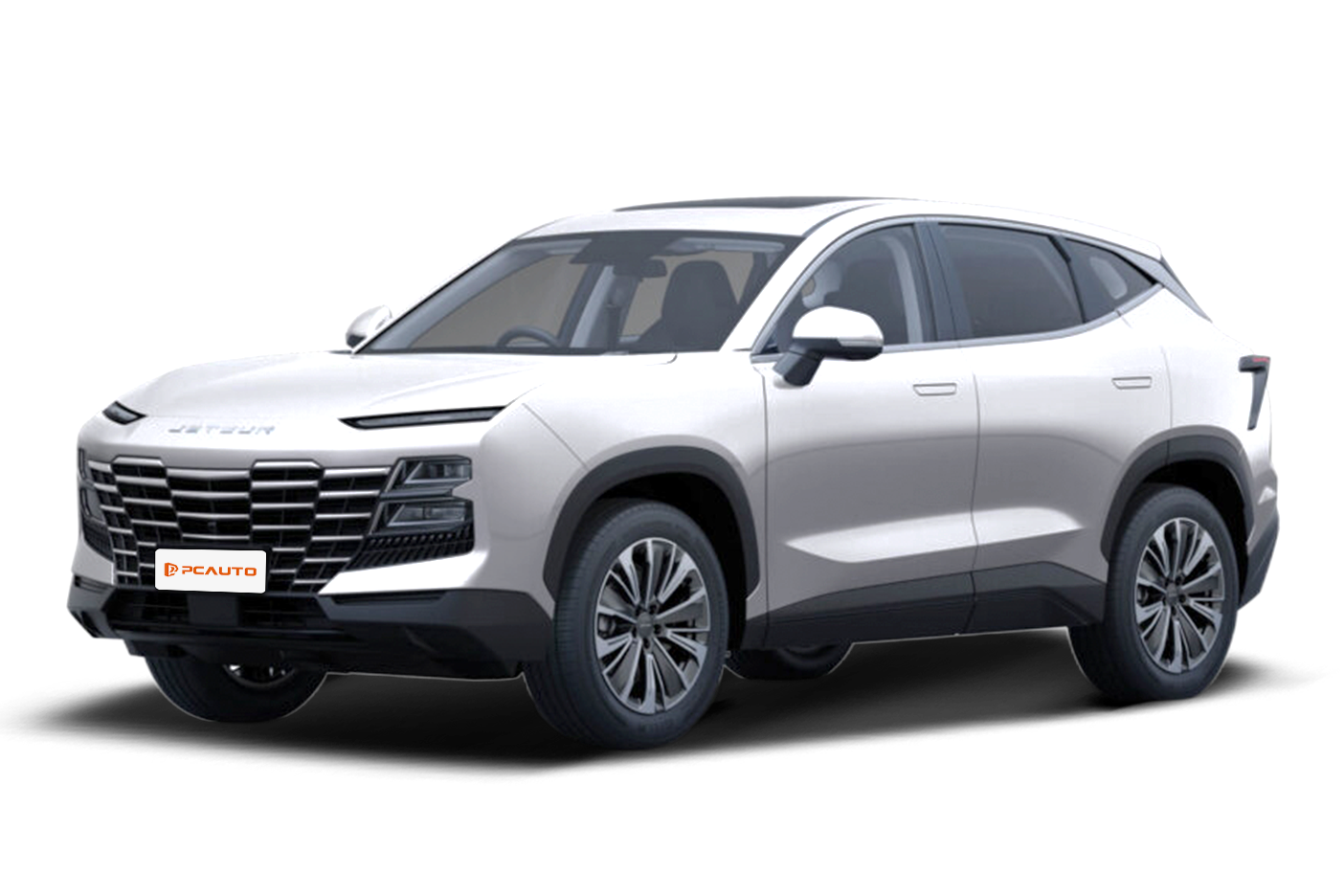
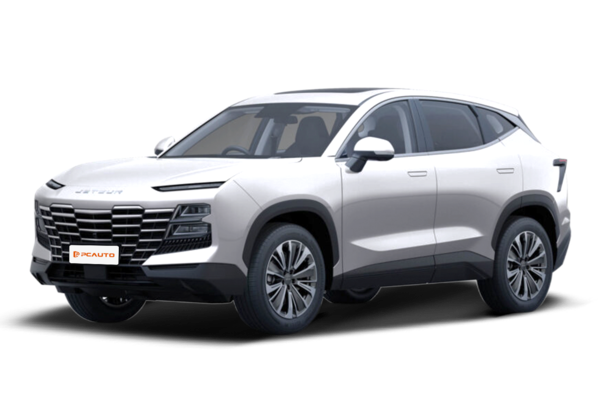
Jetour Dashing 1.5 TCI Comfort 2025 features a 2720mm long wheelbase and a 10.25-inch dual screen as its core, focusing on balanced cost performance to meet family practical needs.
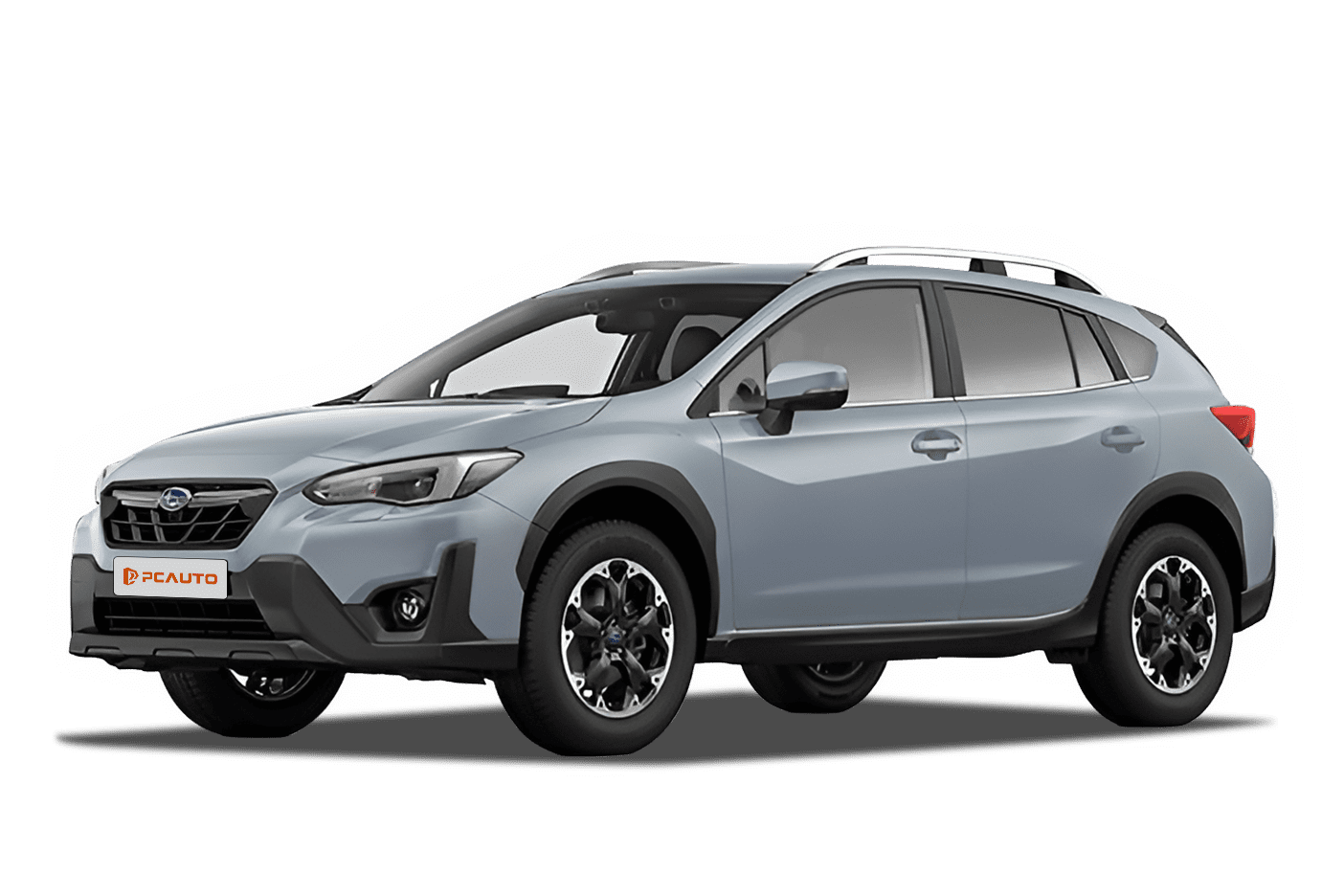
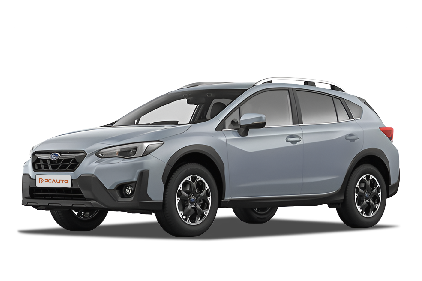
The 2021 Subaru XV 2.0i is a model targeting the C-segment crossover market, equipped with standard all-wheel drive and high safety features, balancing off-road capability and handling, with practical space.

2021 Hyundai Kona 2.0 Standard, as a high-value entry-level compact SUV, retains essential safety and practical features with an affordable price, meeting the daily commuting and loading needs of families.