

Nissan X-Trail 2023 Review

 Share
Share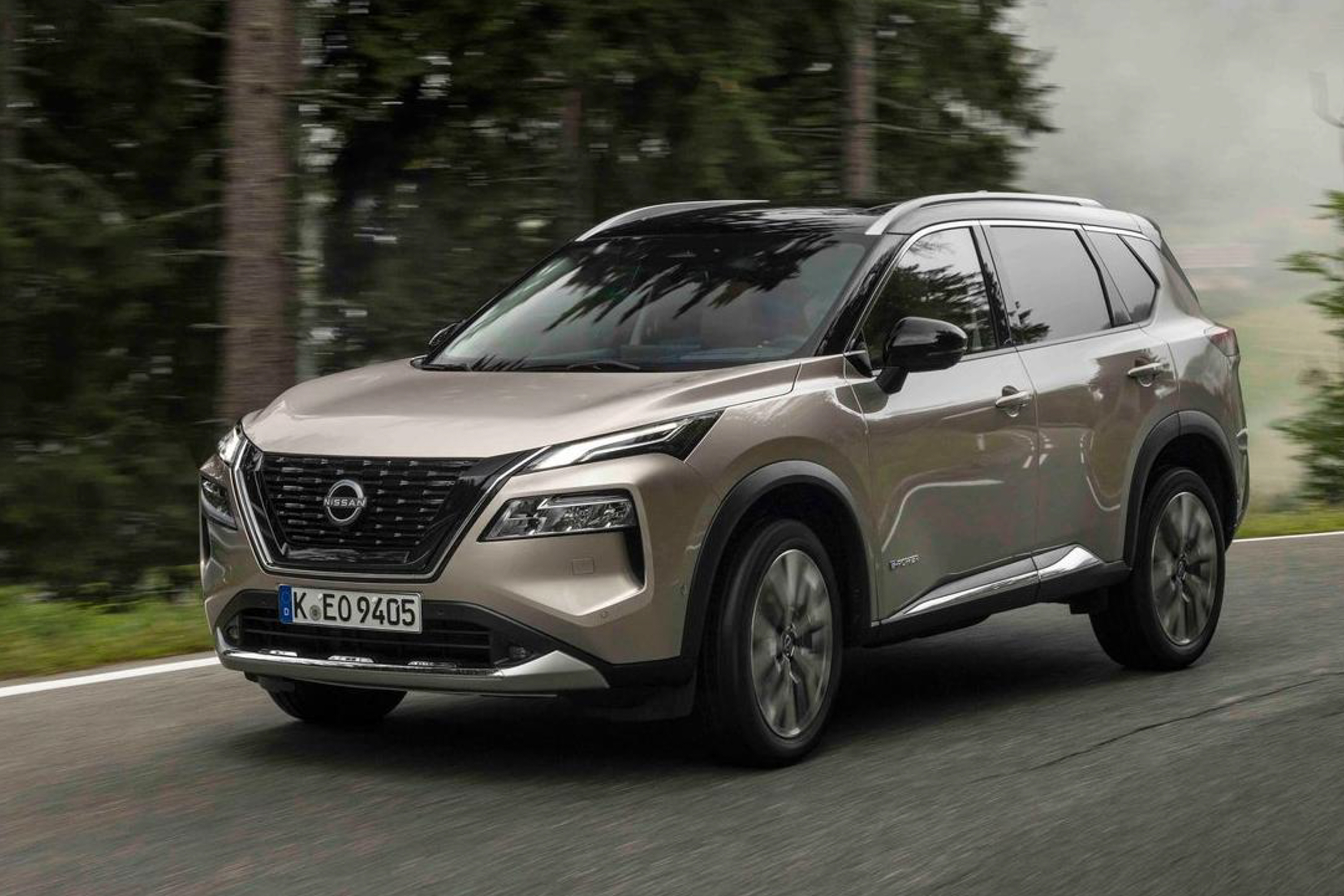
 Body Type
 Segment
 Capacity(L)
 Engine Power(PS)
 Engine Torque(Nm)
 Transmission
In the current mid-size SUV market in Malaysia, the proportion of family users is gradually expanding. A model that balances space, features, and practicality is often more favored. The 2023 Nissan X-Trail, as a popular contender in this segment, has adopted a brand-new design language, upgraded smart configurations, and a more flexible seat layout after its facelift, which has aroused anticipation among many consumers. This time, we had the opportunity to test the X-Trail public version, with the core purpose of verifying its actual performance in scenarios such as daily commuting and family outings, to see if this vehicle can truly meet the diverse needs of Malaysian users.
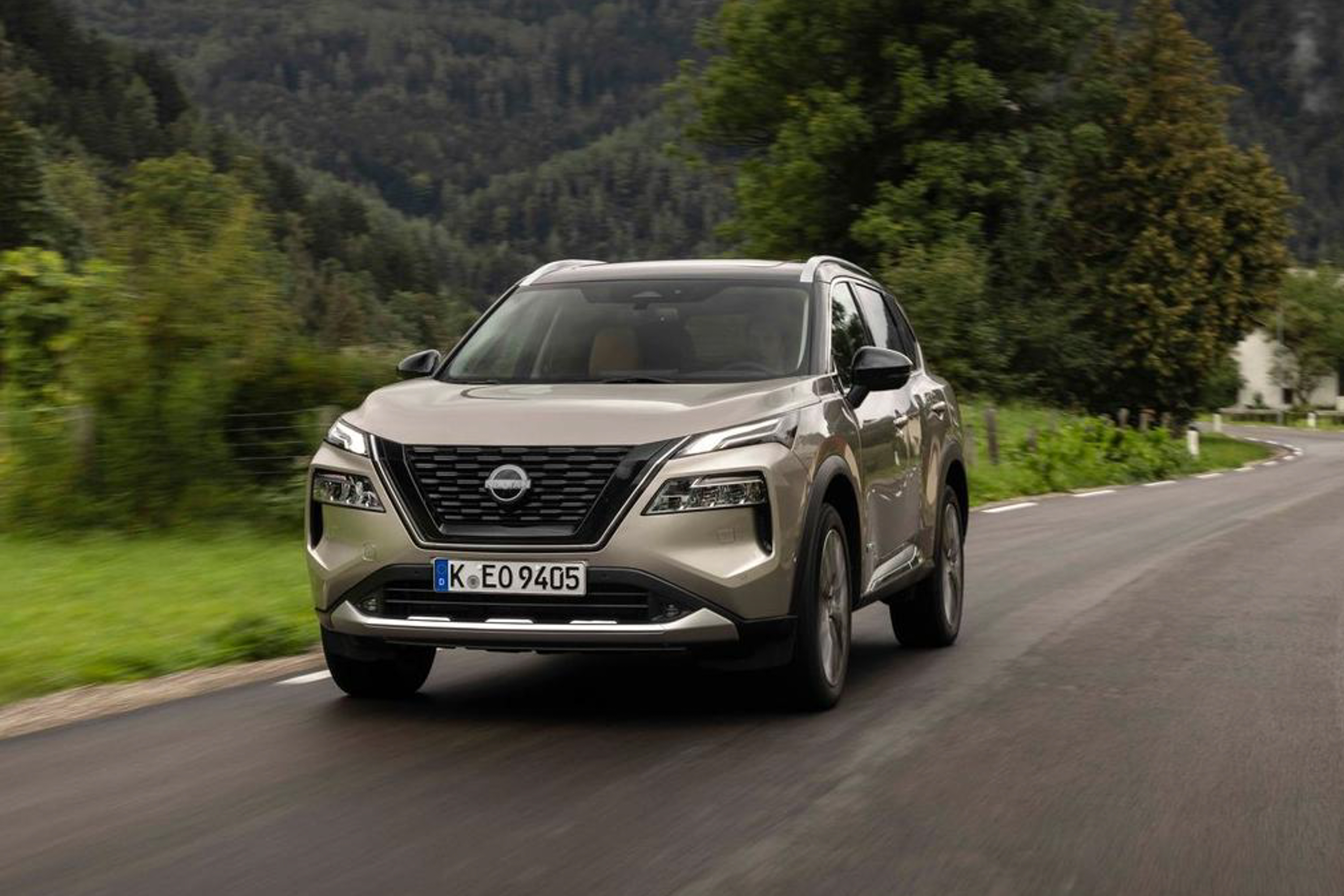
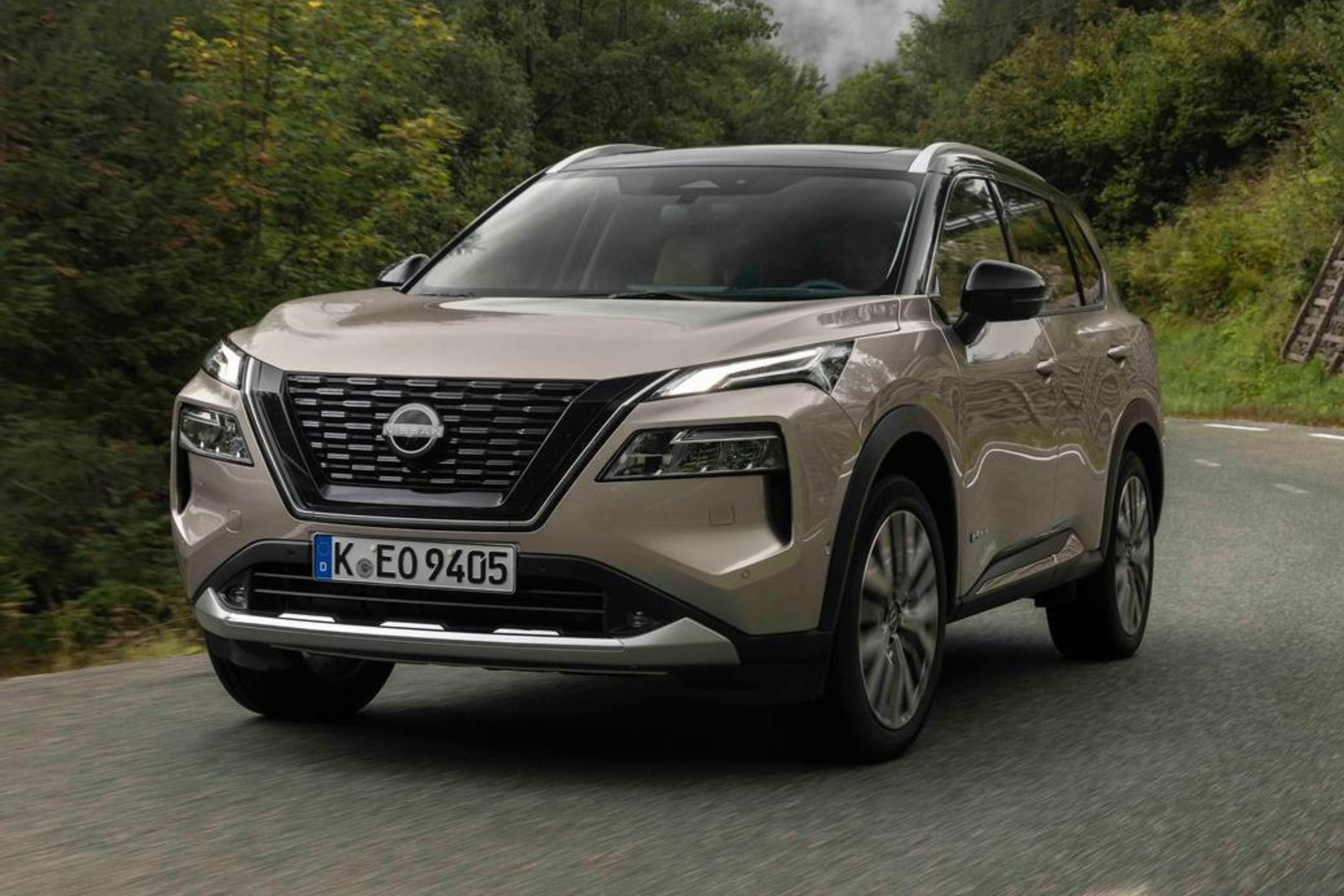
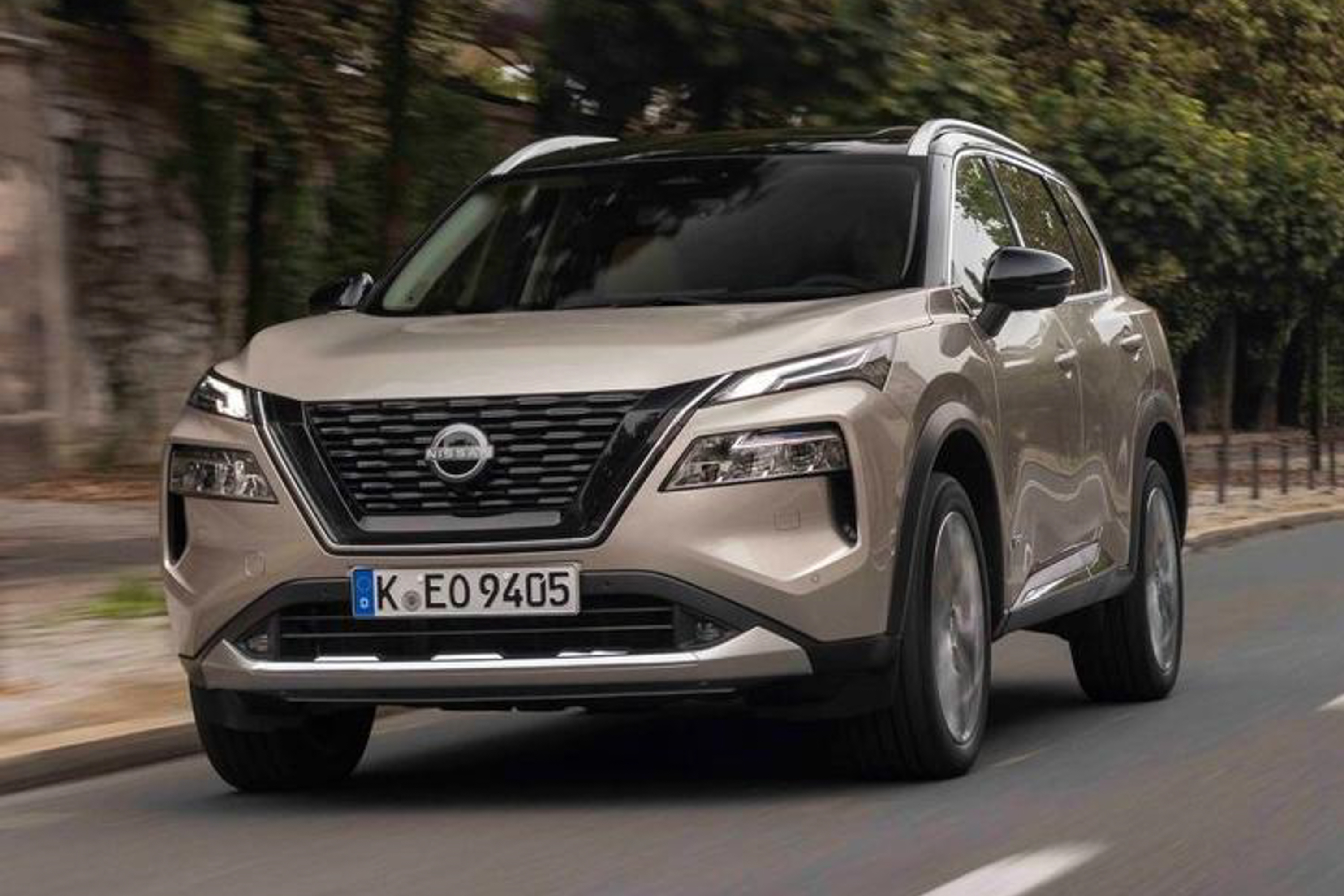
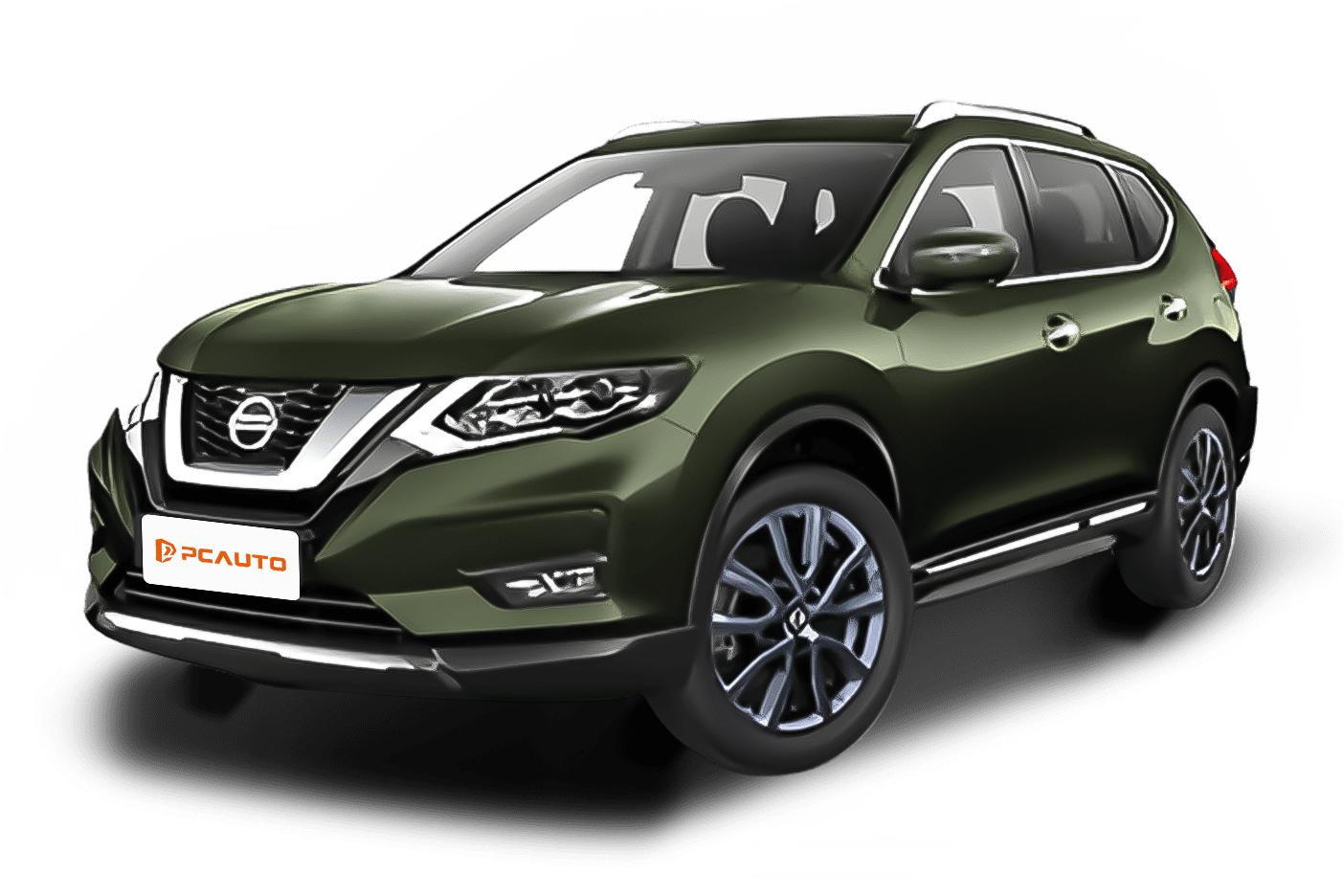
From a distance, the overall style of the new X-Trail leans toward ruggedness but does not lose sophistication. The front features Nissan's iconic V-Motion grille, which is larger than the previous version, filled with black honeycomb-patterned decorative strips inside. Paired with sharp LED headlight clusters on both sides, it boasts a high level of recognition. The side profile of the vehicle has smooth lines, with a waistline stretching from the front fender to the rear, adding a sense of dimensionality. The simple design of the 18-inch aluminum alloy wheels aligns with the positioning of a family SUV. At the rear, the through-type LED taillights are a design highlight, providing a striking visual effect when lit up. The lower bumper is adorned with silver protective plates, adding a slight off-road vibe. Regarding the lighting system, all trims come standard with LED high and low beams, daytime running lights, and fog lights. The brightness when illuminated at night is sufficient to meet daily usage needs.
Opening the car door, the overall interior layout is practical. The center console adopts a layered design, with the upper layer wrapped in soft materials and the middle part decorated with silver trim, offering a decent tactile and visual experience. The 12.3-inch center touchscreen is the core of the interior, featuring a simple interface and satisfactory operational fluency. It supports Apple CarPlay and Android Auto connectivity, making it convenient for daily use. The instrument panel is also a 12.3-inch full LCD display, capable of showing navigation, fuel consumption, driving assistance, and other information. The interface switching response is relatively fast. The seats are wrapped in faux leather, with the front seats supporting electric adjustment, providing moderate support and wrapping when seated, ensuring comfort during long drives. The backrest angle of the rear seats can be adjusted, and the middle seat is equipped with a headrest and cup holders, highlighting thoughtful attention to detail.
In terms of space performance, the dimensions of the X-Trail public version are 4681mm×1840mm×1730mm, with a wheelbase of 2706mm, which is considered above average among similar models. The front-row seating space is spacious, leaving a height clearance of a fist and two fingers for a 175cm tall individual after seat adjustment. Rear-seat space is also commendable, offering two fists of legroom and a clearance of one fist above the head, so even three occupants would not feel cramped. Regarding storage capacity, the door panel storage slots, central armrest box, and glove compartment have considerable volume, and the cup holders in the rear armrest can accommodate large size water bottles. The trunk offers a regular capacity of 585L, which can be expanded to 1424L by folding down the rear seats, sufficient for family trips or carrying large items. Moreover, the rear row is equipped with air conditioning vents and USB charging ports for the convenience of rear passengers.
For the powertrain, the X-Trail public is equipped with a 2.5L naturally aspirated engine, delivering a maximum power of 135kW (184Ps) and a peak torque of 244N·m, paired with a CVT continuously variable transmission. Judging from the parameters, this powertrain is oriented towards smoothness, and its performance during daily driving confirms this. The power response during the starting phase is relatively gentle, without a significant sense of pushback, but as acceleration enters mid-to-high speeds, the power output remains linear. When overtaking and pressing the accelerator deeply, the transmission simulates gear shifts, and after the RPM rises, the power keeps up promptly. There are three driving modes available: Eco, Standard, and Sport. In Sport mode, the throttle response is more sensitive, but the overall change is not particularly significant.
In terms of handling, the steering wheel has moderate weight and is quite precise, with no noticeable slack, making it easy to get accustomed to during daily driving. The chassis utilizes a combination of front MacPherson independent suspension and rear multi-link independent suspension, tuned for comfort. When driving over bumpy roads, the suspension absorbs most small vibrations, and the vehicle's body exhibits minimal shaking. During cornering, the suspension provides decent support, with limited body roll, giving the driver a fair amount of confidence. The braking system performs as expected, with a linear feel to the brake pedal, and during emergency braking, the braking force remains stable without noticeable nose-dive effects.
As for fuel consumption, during our test, we drove approximately 100km each on urban roads and highways. On urban roads, with an average speed of about 30km/h, the fuel consumption was around 9.2L/100km. On highways, with an average speed of about 80km/h, the fuel consumption was approximately 7.5L/100km. The combined fuel consumption was about 8.3L/100km, which is a standard level for 2.5L naturally aspirated vehicles in the same category. In terms of driving assistance systems, the X-Trail public is equipped with Nissan's ProPILOT Intelligent Driving System, which includes adaptive cruise control, lane-keeping assist, active braking, and blind-spot monitoring. When adaptive cruise control is activated during highway driving, the vehicle maintains a stable following distance, and the lane-keeping assist system intervenes naturally, reducing driver fatigue during long trips.
Regarding ride comfort, the X-Trail's noise control is well done. Below a speed of 60km/h, there is hardly any noticeable noise inside the cabin. At speeds above 80km/h, wind noise and tire noise gradually increase but do not interfere with normal conversations. The seat comfort, as mentioned earlier, is commendable, and the reclining angle adjustment of the rear seats allows passengers to find a more comfortable sitting posture. Notably, the vehicle's air conditioning system performs well, quickly cooling the cabin in Malaysia's hot weather, and the rear independent air conditioning controls are also convenient to adjust.
Overall, the 2023 Nissan X-Trail public stands out with its balanced spatial performance, practical smart features, and comfortable ride experience. Compared to its competitor, the Toyota RAV4, the X-Trail has a longer wheelbase, providing more rear-seat space. In terms of features, the 12.3-inch dual large screens and the ProPILOT driving assistance system are strong advantages. However, in terms of power response and fuel consumption, it trails behind the RAV4. This vehicle is especially suitable for families prioritizing space comfort and smart features, capable of handling scenarios such as daily commuting and family outings. If you are looking for a well-rounded family SUV, the X-Trail public is worth considering for your shortlist.
Nissan X-Trail Car Compare
More Nissan Reviews
Cars With Similar Price And Features
8
Rank in SUV
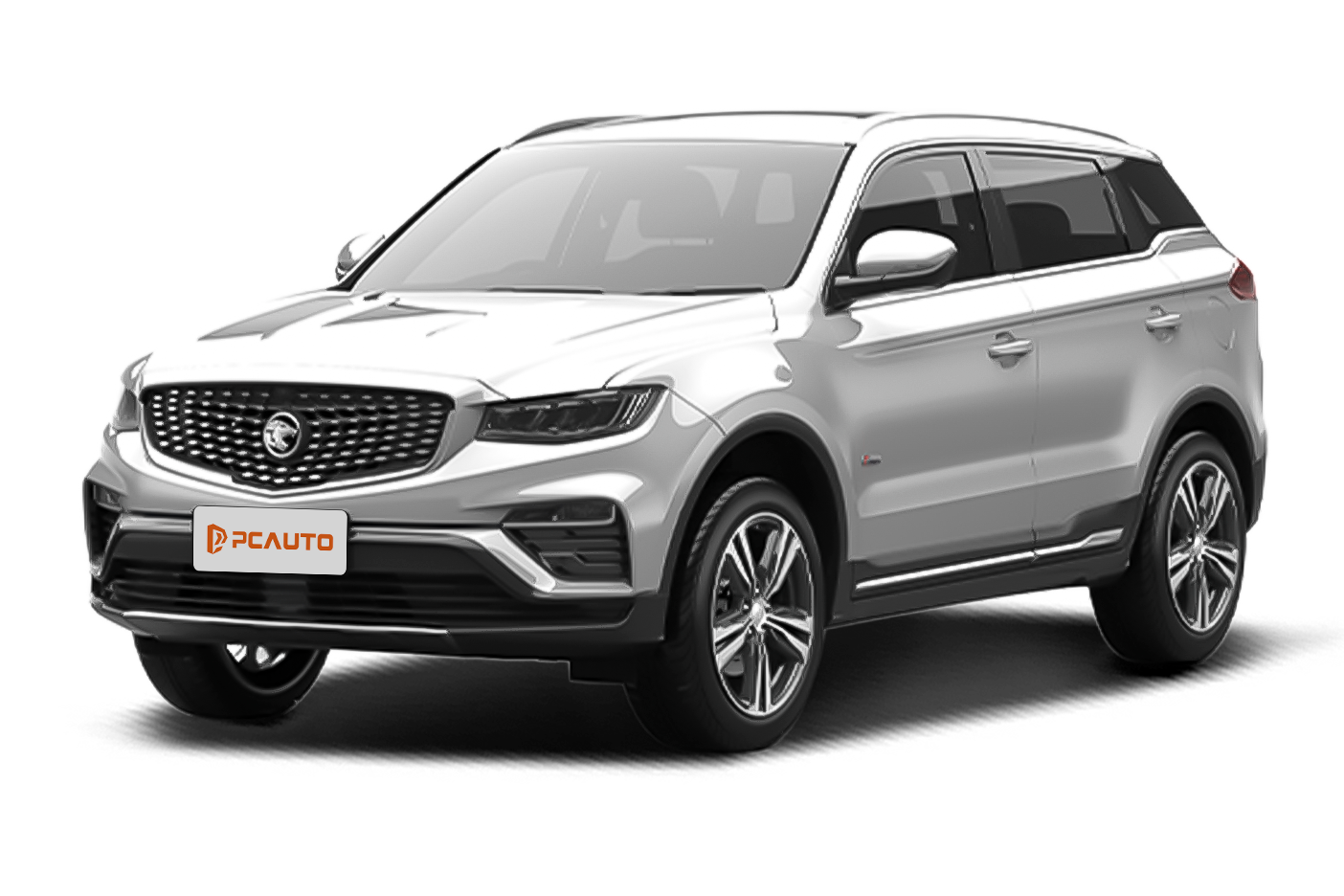
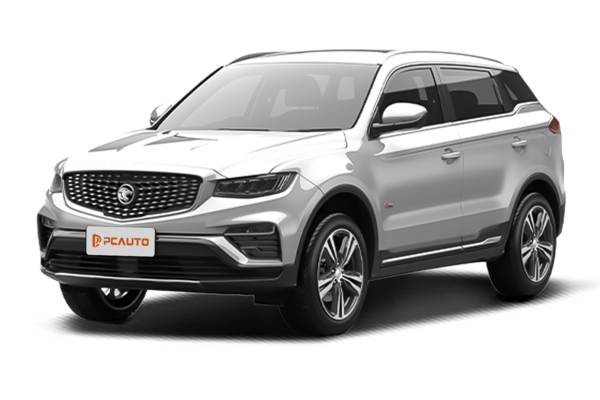
2026 Proton X70 1.5 TGDi Executive focuses on upgrading to a four-cylinder engine, practical configurations, and affordable pricing. It balances family commute practicality with value for money, making it a sensible choice among similarly priced C-segment SUVs.
10
Rank in SUV
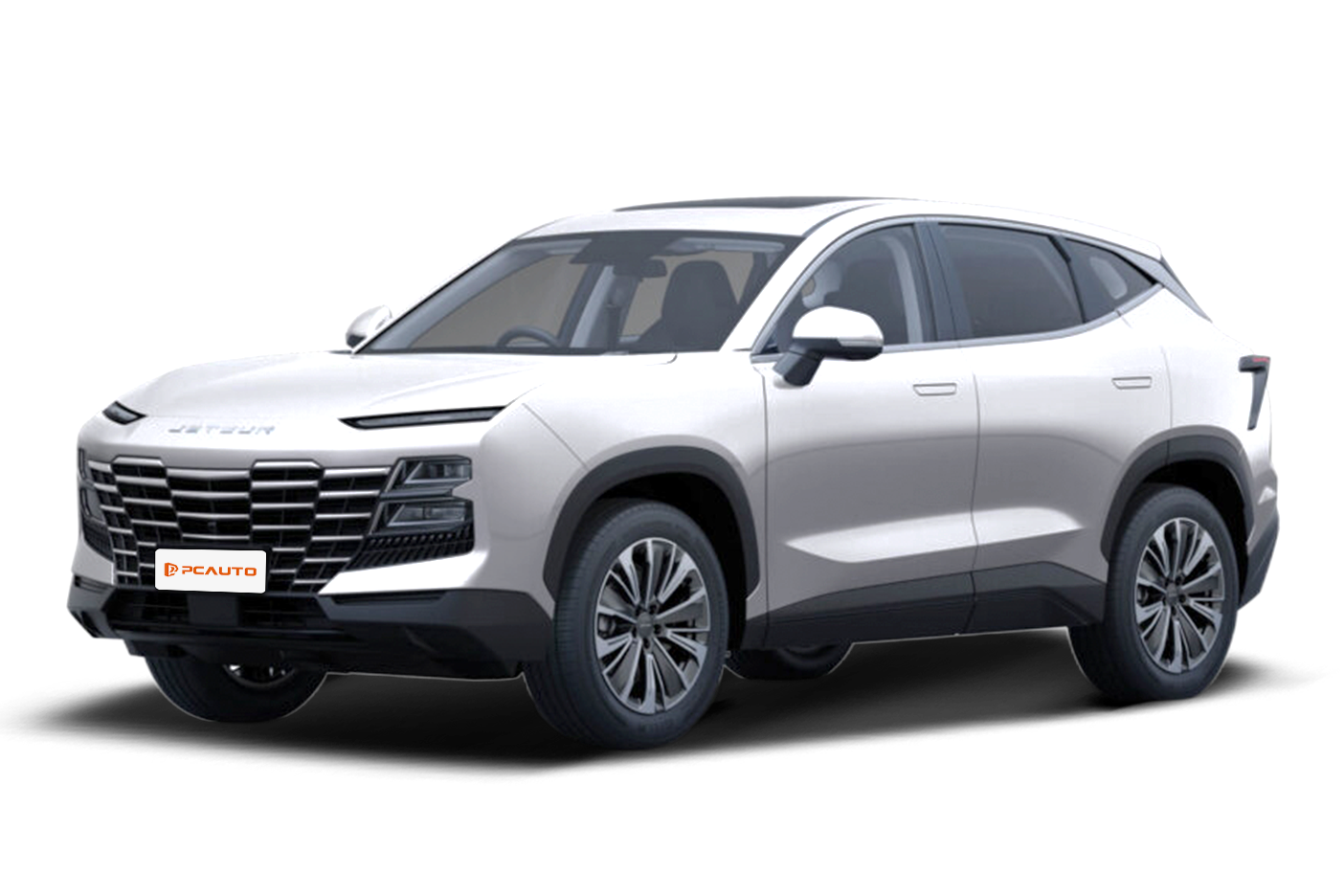
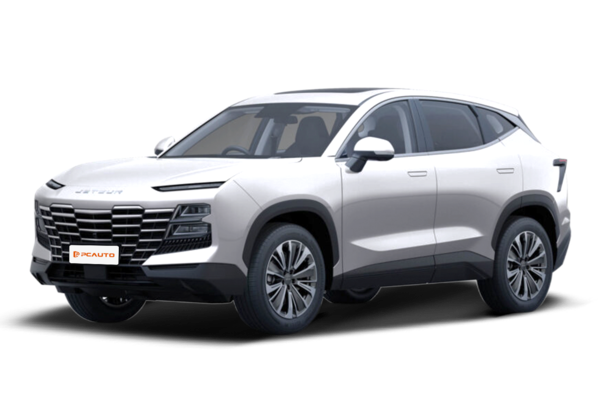
Jetour Dashing 1.5 TCI Comfort 2025 features a 2720mm long wheelbase and a 10.25-inch dual screen as its core, focusing on balanced cost performance to meet family practical needs.
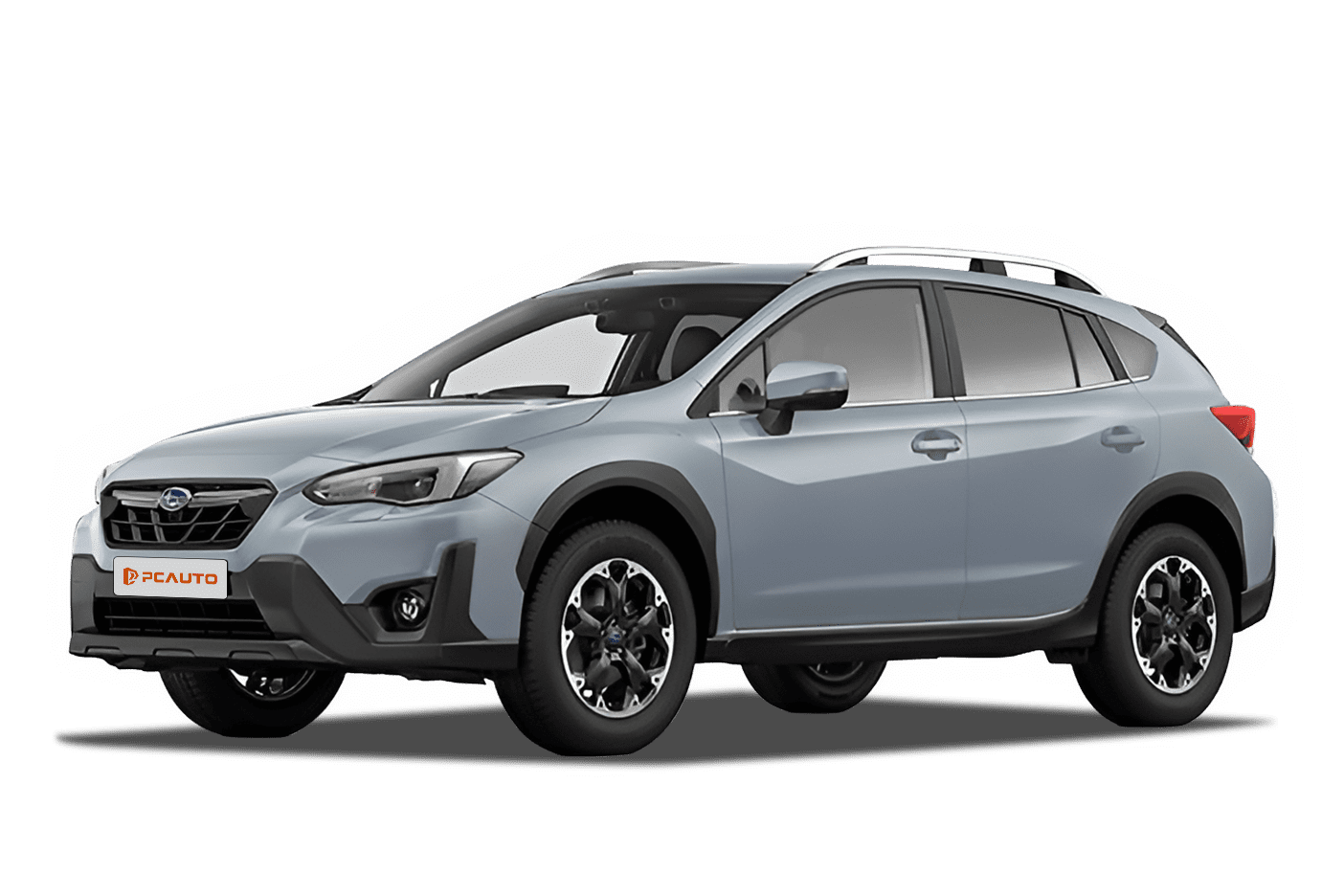
The 2021 Subaru XV 2.0i is a model targeting the C-segment crossover market, equipped with standard all-wheel drive and high safety features, balancing off-road capability and handling, with practical space.

2021 Hyundai Kona 2.0 Standard, as a high-value entry-level compact SUV, retains essential safety and practical features with an affordable price, meeting the daily commuting and loading needs of families.