

Proton e.Mas 5 2025 Review

 Share
Share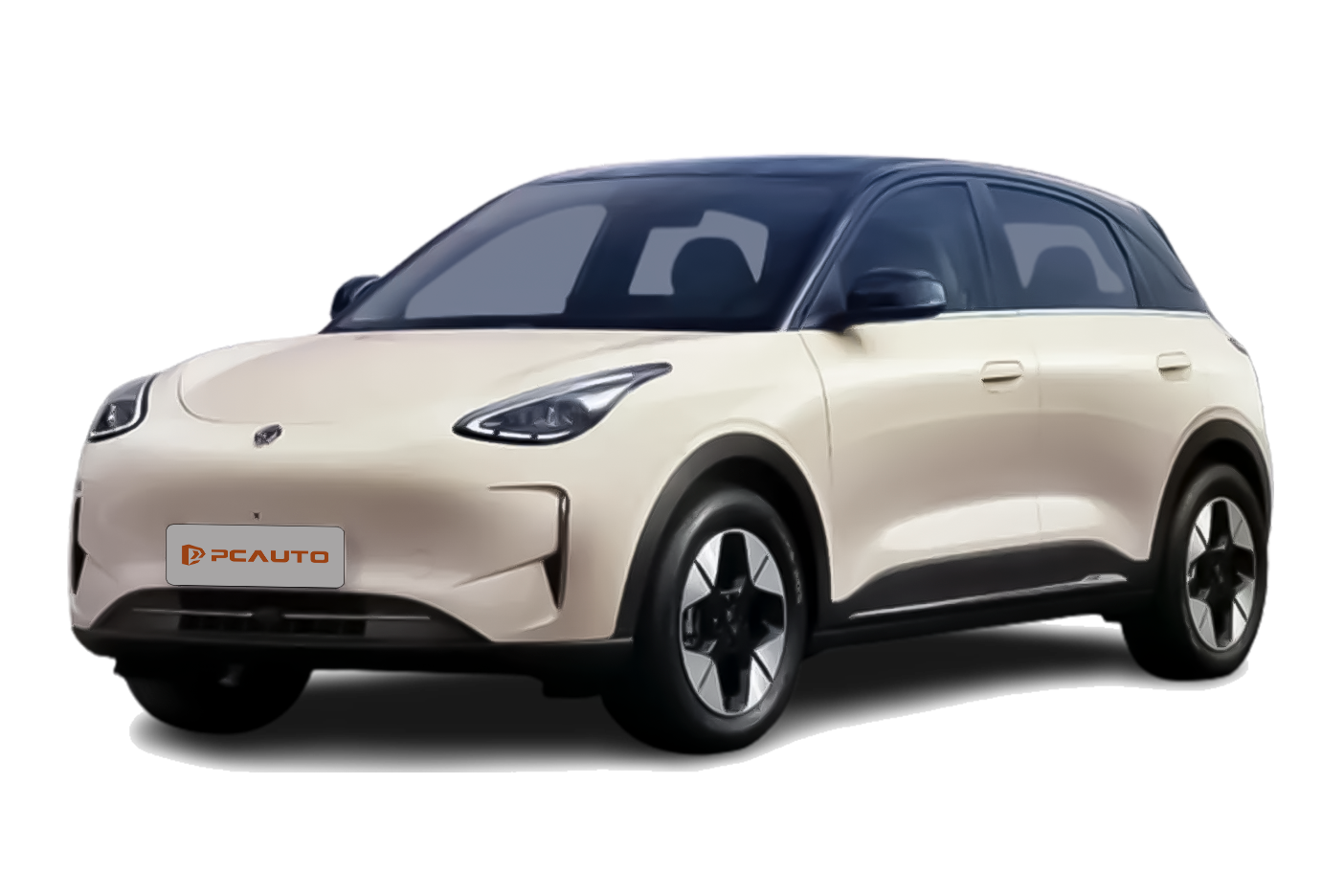
 Segment
 Body Type
 Motor Output(kW)
 Motor Torque(Nm)
 EV Range(km)
 Battery Capacity(kWh)
The Southeast Asian electric vehicle market is rapidly shifting toward the entry-level market segment. The 2025 Proton e.Mas 5, as the brand's newly launched C-segment pure electric model, enters the market with pricing of RM 56,800 for the Prime version and RM 69,800 for the Premium version. Its key selling points include cost-effective safety configurations, expandable storage space, and range performance suitable for city commuting. This article provides an in-depth assessment through a static experience and dynamic test drive to see if this model meets the everyday usage needs of local family users.
In terms of exterior design, the e.Mas 5 adopts a simple urban style. The front features a closed grille, with halogen headlights (Prime version) or LED headlights (Premium version) complemented by a continuous daytime running light to enhance nighttime recognition. The body side has smooth lines, with a length of 4135mm and a wheelbase of 2650mm ensuring space utilization within its compact size. The Prime version is equipped with 205/65 R15 tires, while the Premium version upgrades to 205/60 R16. At the rear, the LED taillight assembly complements the front lighting group, and rear fog lights are standard. The overall design emphasizes practicality without excessive decorative elements.
Inside the cabin, the center console layout is clear. The Prime version is equipped with a 14.6-inch FHD central control screen, while the Premium version upgrades to a 16-inch screen. The screen supports the Sound Plus function and offers smooth operation in line with segment standards. The seat material is fabric (Prime version) or faux leather (Premium version), with moderate support. A multifunctional steering wheel is standard, with manual height and angle adjustment. The instrument panel is an 8.8-inch LED display that clearly shows key information such as range and speed. In terms of configuration, both versions come standard with keyless entry, automatic air conditioning, rain-sensing wipers, and electrically foldable side mirrors. The Premium version also adds active braking, forward collision warning, and a 360-degree panoramic camera, providing more comprehensive safety features.
In terms of space performance, the 2650mm wheelbase provides ample rear seating space. A 175cm passenger sitting in the rear has about two fists of legroom and one fist of headroom, meeting the daily needs of families. The trunk offers 375L of storage capacity, which can be expanded to 1320L by folding down the rear seats, accommodating large items such as strollers or suitcases. In terms of storage details, the front central armrest box, door panel storage compartments, and rear cup holders are well-designed. USB power ports are provided in the front row for convenient charging.
During the dynamic test drive, the Prime version is equipped with a 58kW (79PS) permanent magnet synchronous motor, delivering a maximum torque of 130N·m and a 0-100km/h acceleration time of 4.3 seconds. The power responds quickly, making it suitable for city starts and overtaking. The Premium version's motor power is increased to 85kW (116PS) with a torque of 150N·m, offering smoother acceleration. The suspension system uses a front MacPherson strut and rear multi-link independent suspension. It effectively absorbs vibrations when passing speed bumps or bumpy roads, maintaining good body stability. During cornering, body roll is controlled within a reasonable range, and the steering wheel's precision meets the standards for a family-oriented vehicle.
In terms of range and energy consumption, the Prime version is equipped with a 30.12kWh lithium iron phosphate battery, offering an official range of 225km. In actual urban commuting with the air conditioning on, the range achievement rate is approximately 85%, with an energy consumption of about 14kWh/100km. The Premium version has a battery capacity of 40.16kWh, an official range of 325km, and an actual range achievement rate of about 82%, with an energy consumption of approximately 15kWh/100km. For charging efficiency, both versions support fast charging from 30% to 80% in 0.35 hours. For slow charging, the Prime version takes 4.4 hours, while the Premium version takes 3.9 hours, making them compatible for home slow charging and public fast charging scenarios.
In terms of driving and riding comfort, the vehicles perform well in controlling tire and wind noise. At speeds under 60km/h, there is almost no noticeable noise, and at 100km/h, wind noise increases slightly but does not affect conversations. The Prime version is equipped with cruise control, while the Premium version is upgraded to ACC adaptive cruise control, making long-distance driving more relaxed. The seat support is good, allowing for long periods of sitting without fatigue. Overall comfort meets expectations for a family car.
Overall, the 2025 Proton e.Mas 5's core strengths lie in its high cost-effectiveness and comprehensive safety features—both versions come standard with six airbags, electronic stability control, lane change assist, and lane departure warning, while the Premium version adds an active safety system, making its safety performance superior to competitors in the same price range. The space expandability and range capability are suitable for urban family daily commutes and short trips.
This model is ideal for family users who value safety and practicality. The Prime version stands out for its cost-effectiveness, making it suitable for entry-level EV buyers with limited budgets. The Premium version offers more comprehensive features, making it a better choice for users with higher demands for safety and comfort. Overall, the e.Mas 5 is a well-balanced family electric vehicle with strong competitiveness in the entry-level EV market.
Proton e.Mas 5 Car Compare
Proton e.Mas 5 Loan Calculator
More Proton Reviews
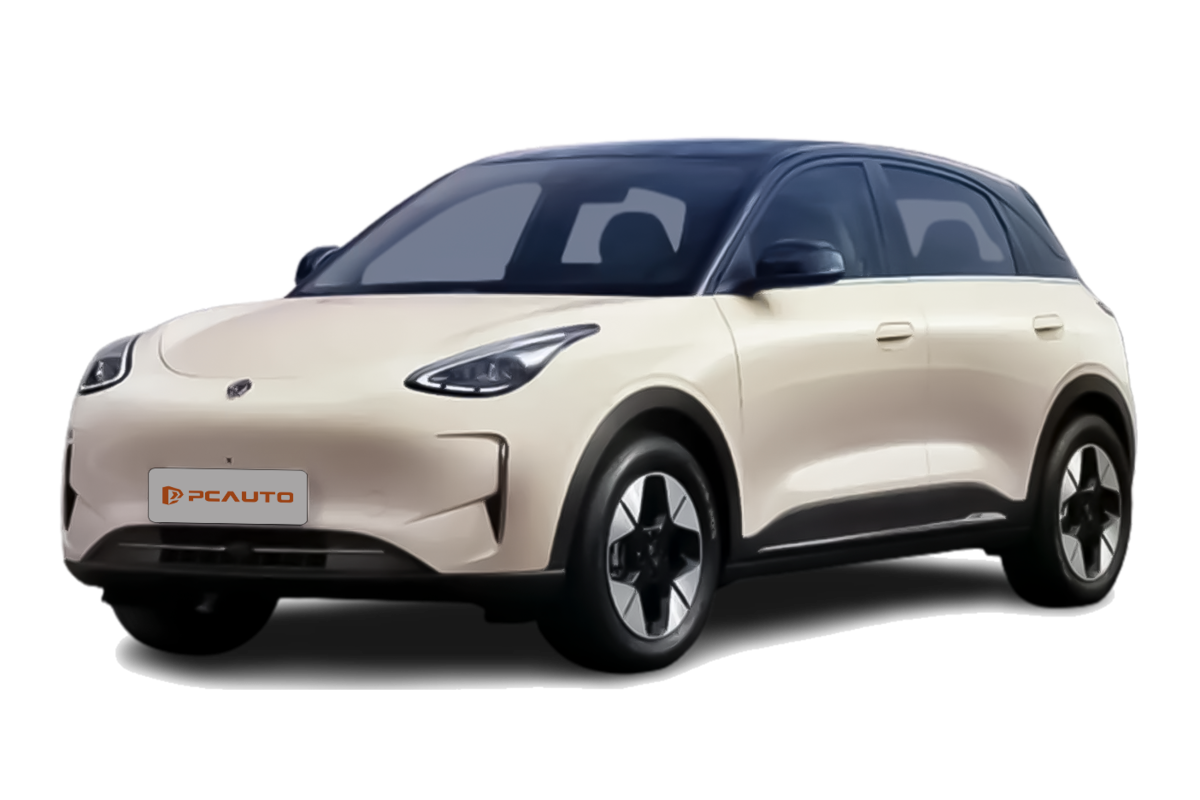
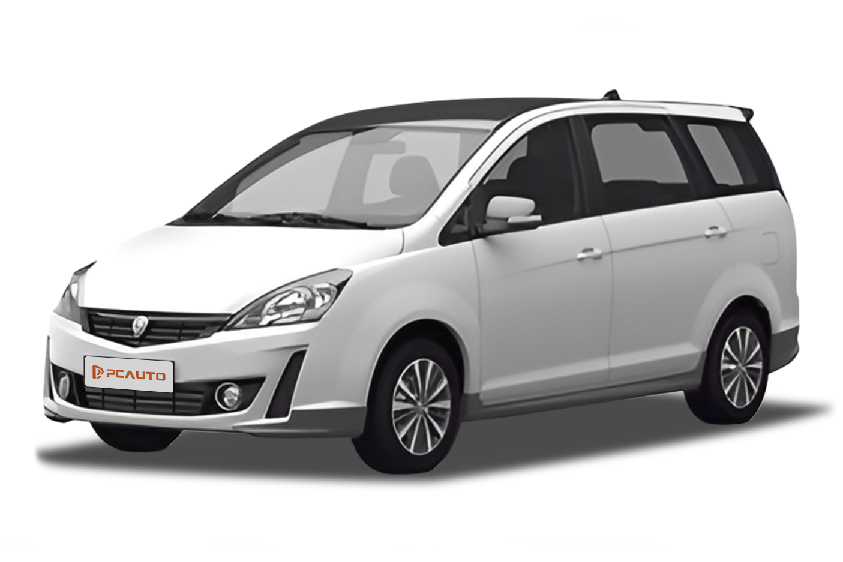
Cars With Similar Price And Features

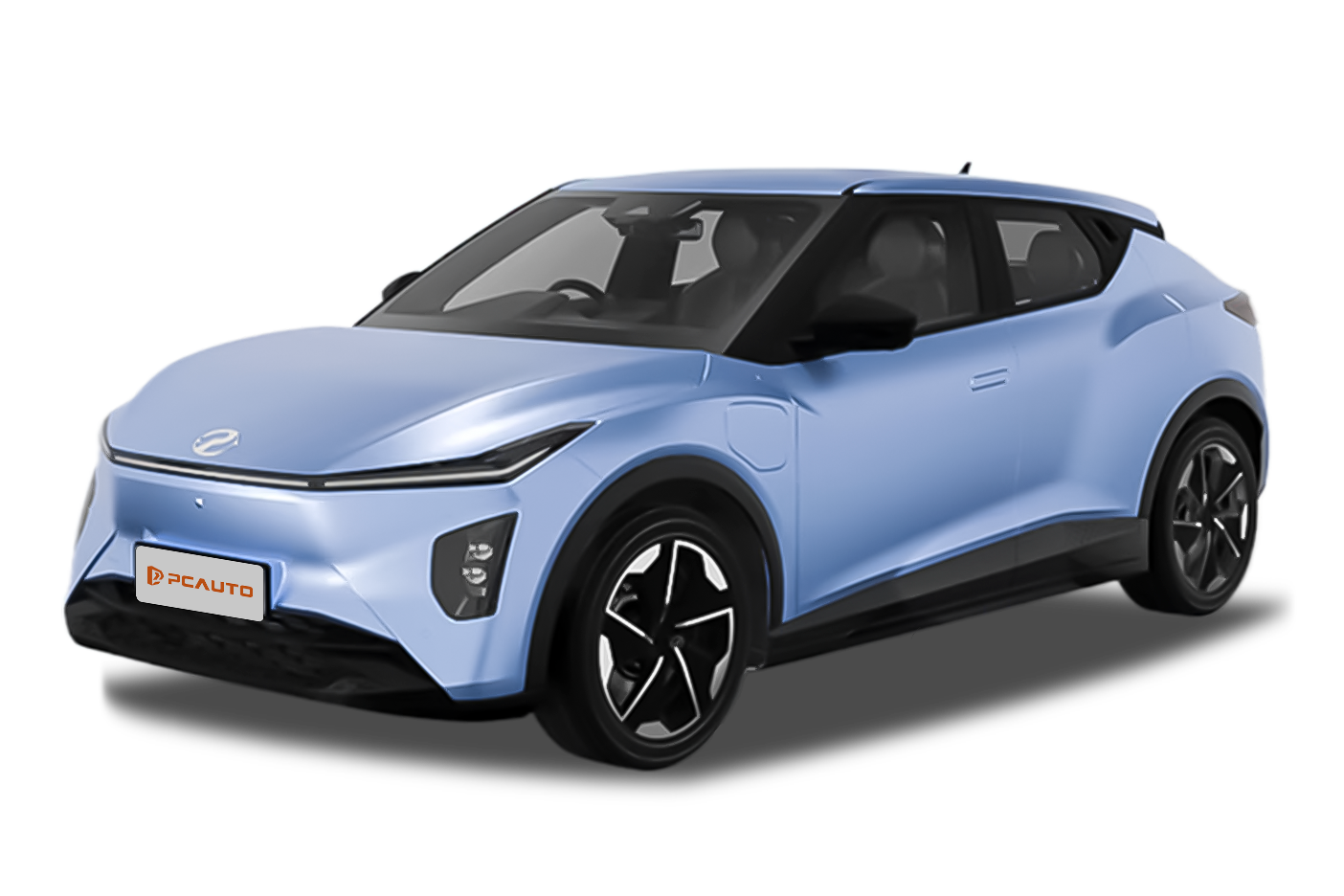
The 2025 Perodua QV-E is an affordably priced, practically ranged class-C pure electric vehicle, precisely tailored for family users and young commuters with its high safety features, spacious interior, and agile driving dynamics.
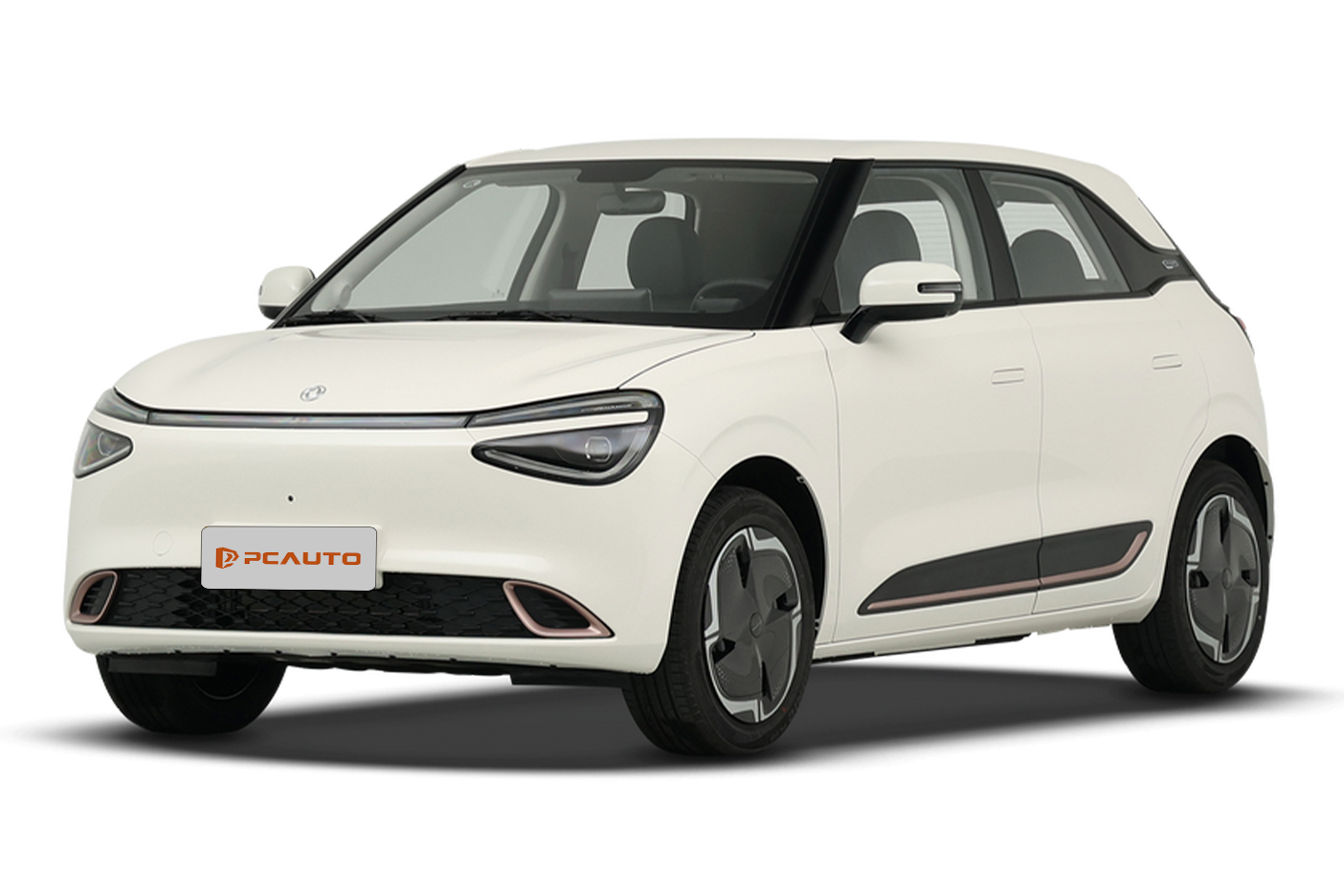
2024 DFSK Box E2 is a household pure electric vehicle in Malaysia priced at around 100,000 Ringgit, featuring a 330 km range, 12.8-inch large screen, and practical space as its main selling points, catering to both commuting and family needs.
30
Rank in SUV
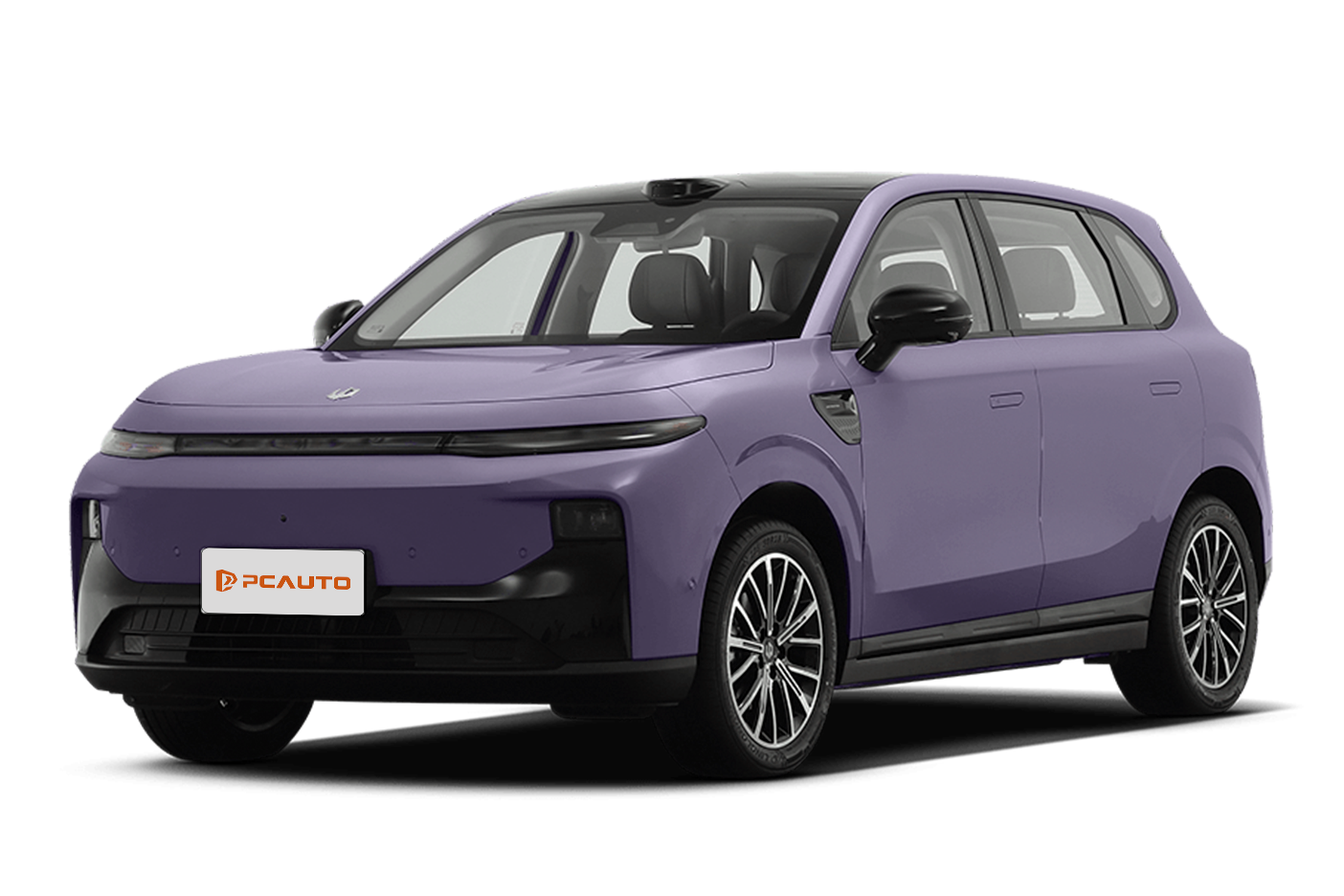
2025 Leapmotor B10 LIFE is a 100,000-level pure electric C-class SUV, equipped with standard L2 assisted driving and other practical features. It offers spacious interior and solid range, making it a go-to choice for family users.
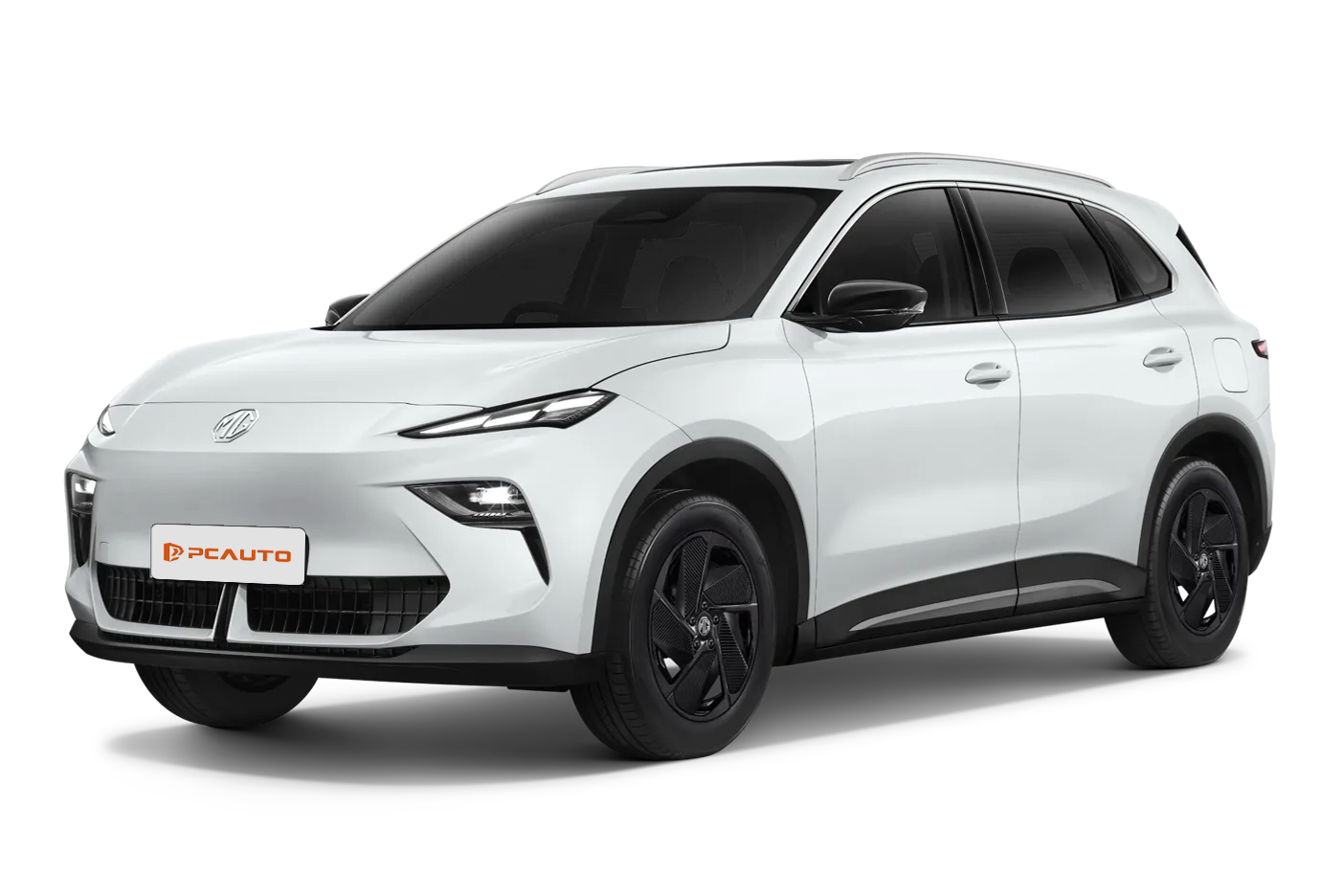
2025 MG S5 EV COM, as the entry-level model of Malaysia's C-Class all-electric SUV, offers high value for money with L2 assisted driving, long range, and practical features, meeting the needs of young families and commuters.