

Proton X50 2024 Review

 Share
Share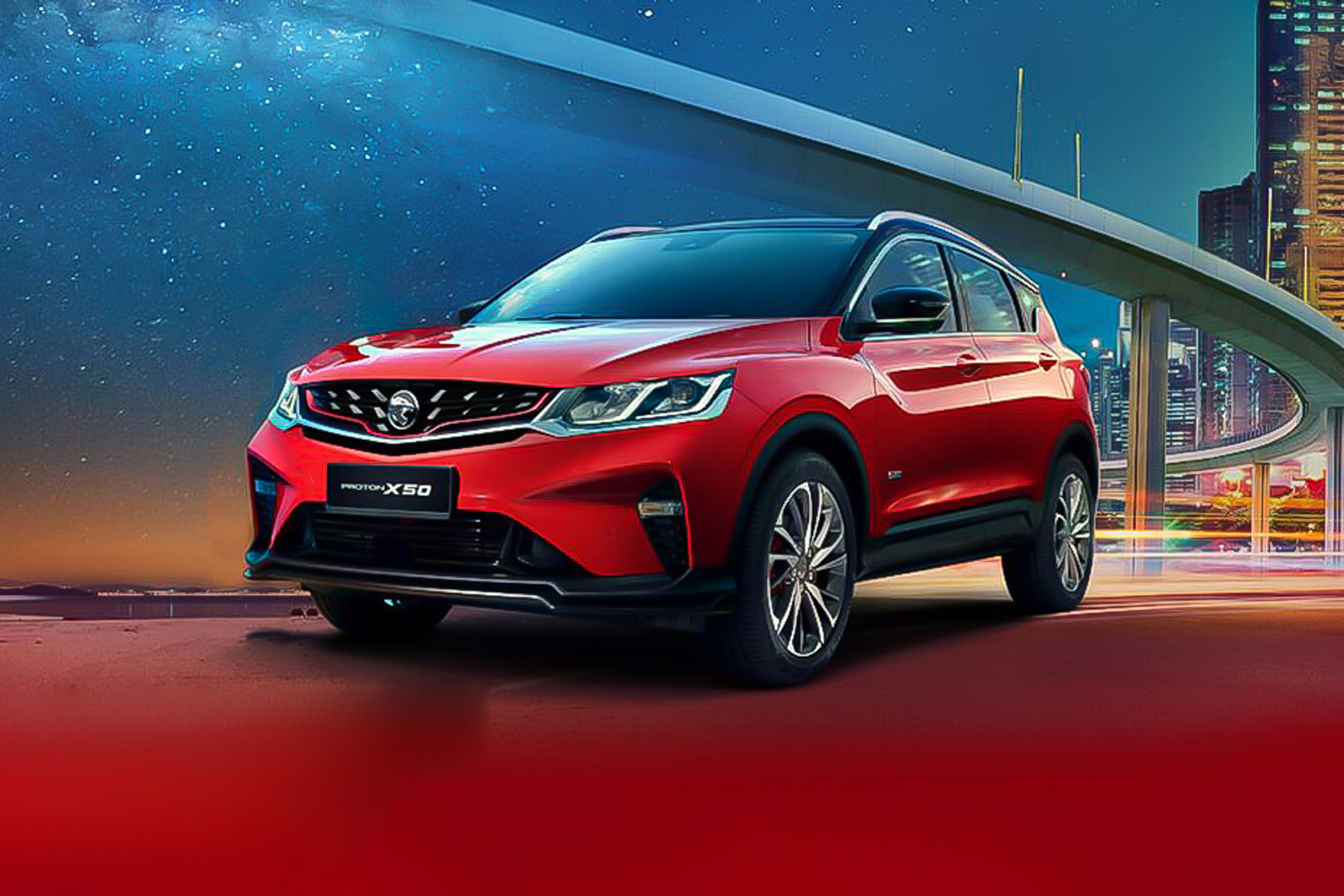
 Segment
 Body Type
 Capacity(L)
 Engine Power(PS)
 Engine Torque(Nm)
 Transmission
The competition in Malaysia's B-segment SUV market is currently intense. Consumers are looking for the agile handling brought by a compact body, while also expecting sufficient space and basic configurations, with most budgets locked in the range of RM 80,000 to RM 100,000. The 2024 Proton X50 1.5T Standard, as the entry-level version of the series, enters the market with a pricing of RM 86,300. Its core selling point lies in "offering mainstream performance and basic intelligent configurations at an entry-level price" – especially when some entry-level models in the same class still feature naturally aspirated engines, its 1.5T turbocharged engine appears more attractive. The main goal of this test drive is to verify whether this entry-level version retains the core competitiveness of the X50 series while cutting costs and whether it can meet the needs of budget-conscious users who still demand basic performance and features.
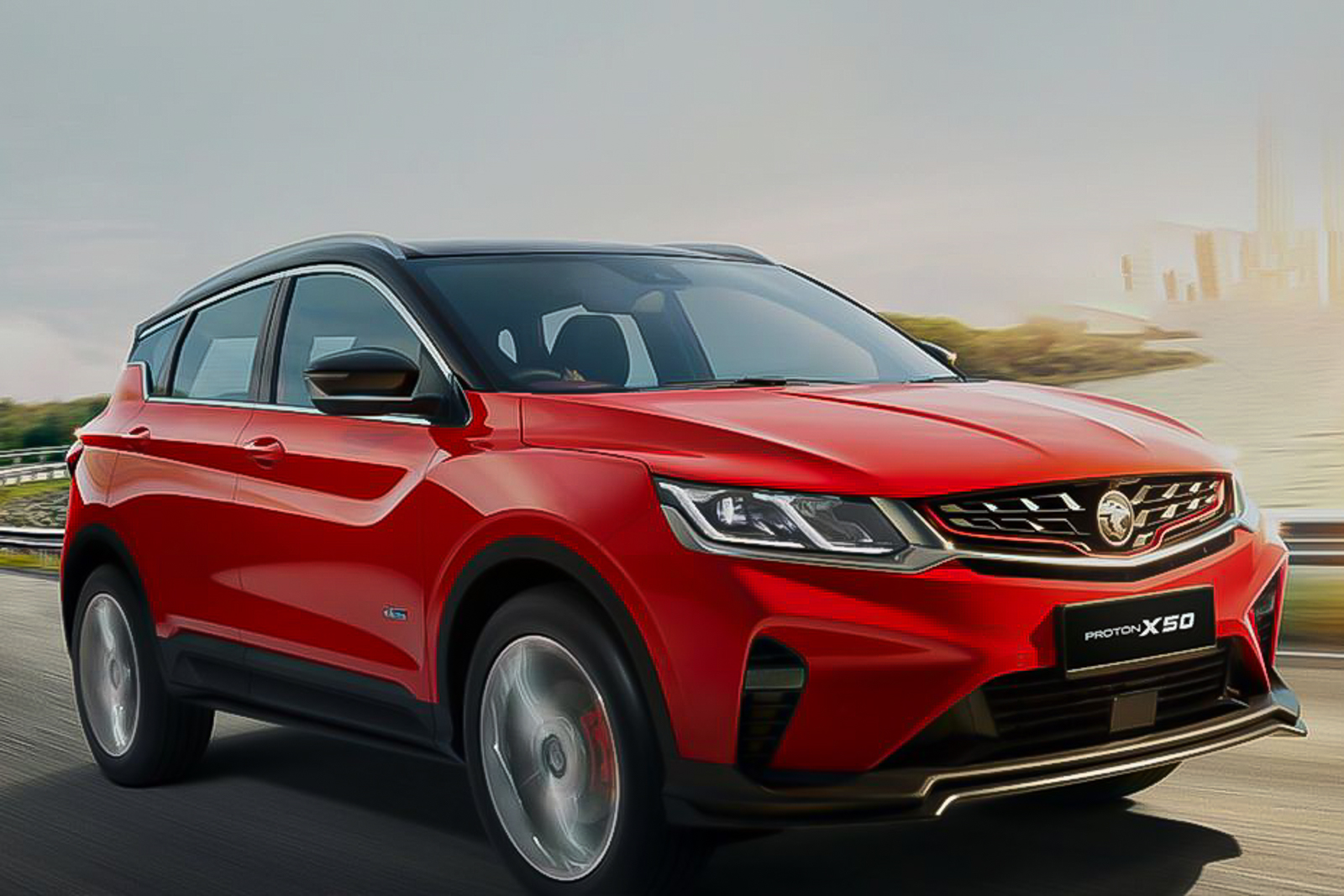
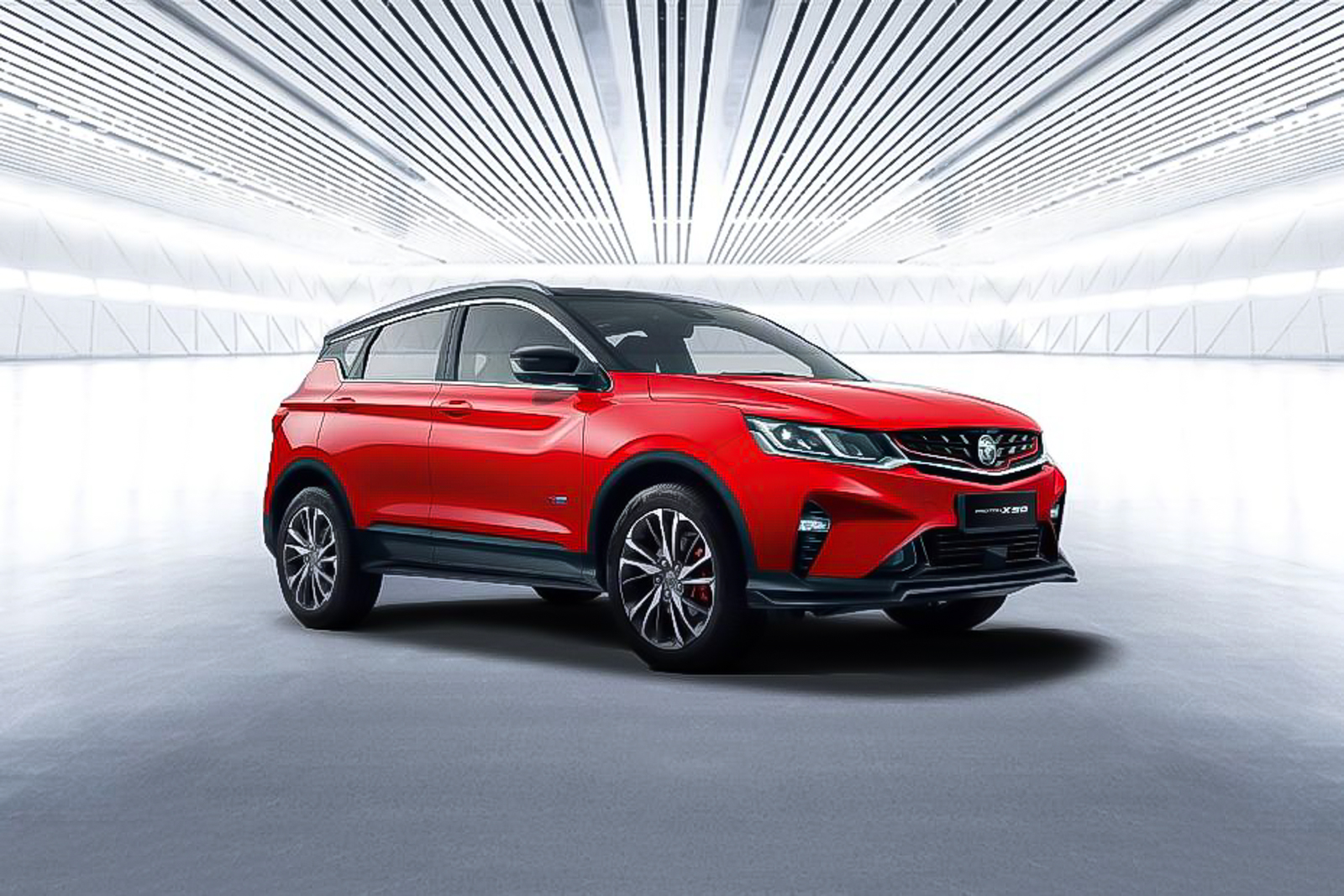
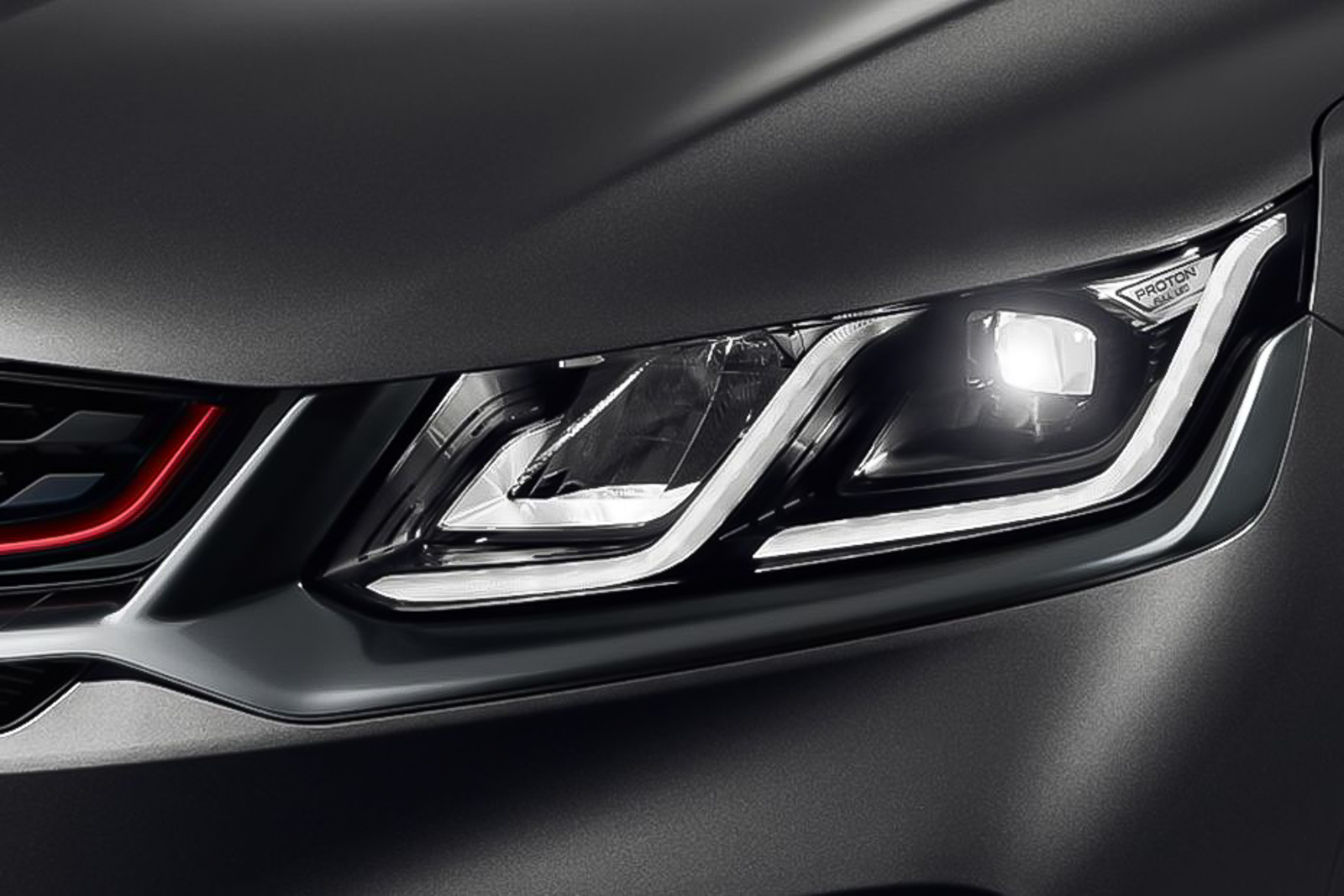
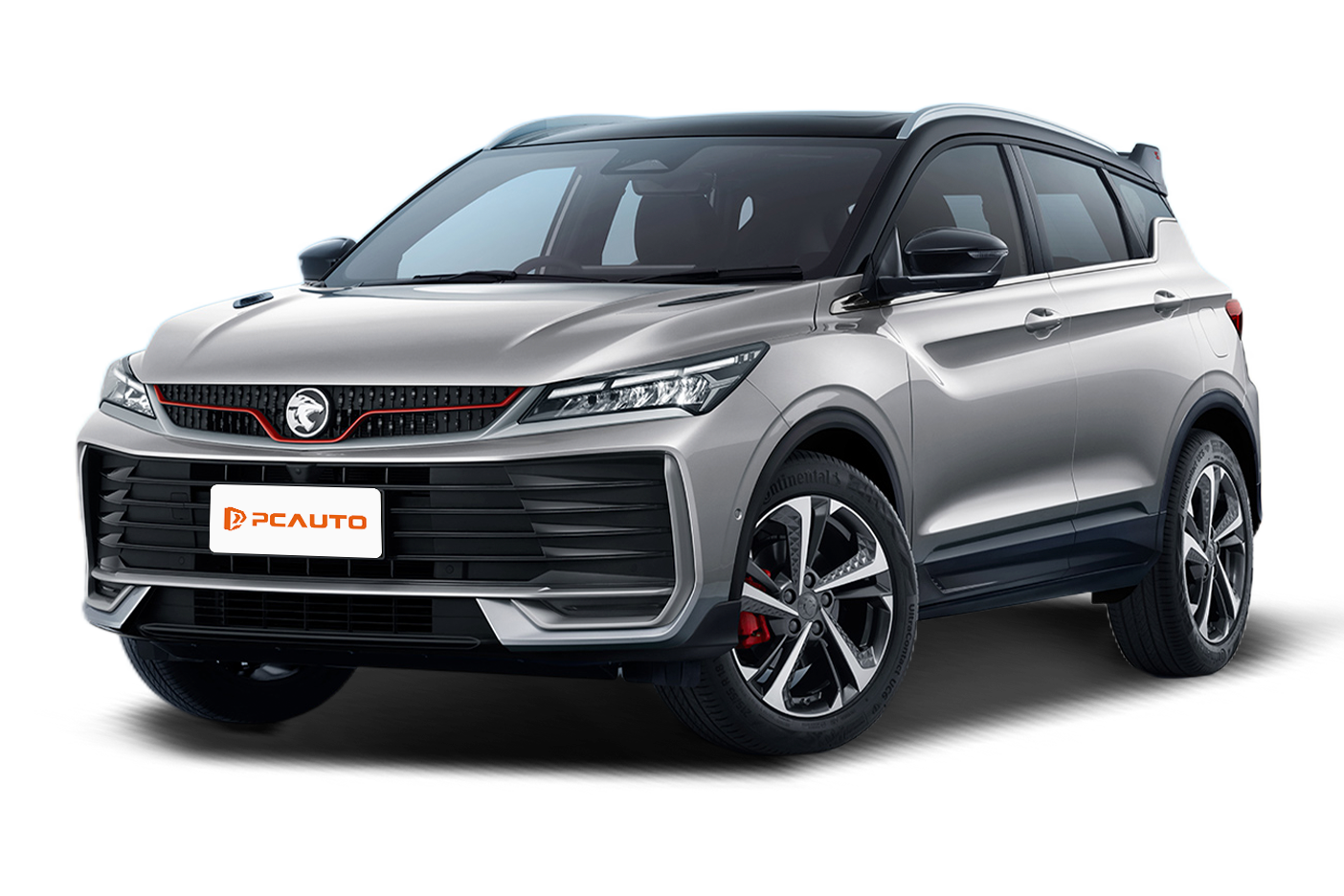
At first glance, the 2024 X50 1.5T Standard maintains the family-style design of the series without making significant adjustments for being an entry-level version. The front face features a large-sized vertical waterfall grille, paired with sharp LED daytime running lights on both sides, keeping its recognizability intact. The side profile of the car is sleek, with a waistline extending from the hood to the rear enhancing the layering. The concave design at the bottom of the doors adds a touch of sportiness. At the rear, the through-type LED taillights are the visual focus and look striking when illuminated, while the silver skid plate below the rear bumper maintains the SUV’s rugged character. For the lighting system, the standard LED headlights and taillights are not only bright enough but also more durable than traditional halogen lights, meeting the basic expectations of today's consumers for lighting configurations.
Inside the car, the interior uses a predominantly dark tone, and the layout of the center console is simple and neat. In terms of materials, the upper part of the dashboard is made of hard plastic, but the texture does not feel rough. The armrests on the door panels are wrapped in soft-touch materials, which is a standard offering in models of this price range. The central area of the dashboard features a 10.25-inch touchscreen that supports Bluetooth connectivity and basic multimedia functions. The operation flow is acceptable and sufficient for daily use. The multifunctional steering wheel is made of plastic, with the left side integrating buttons for volume adjustment and call handling, while the right side features cruise control buttons. The layout of the buttons is reasonable, and they are not easy to press incorrectly during blind operation. In terms of features, the keyless entry and start functions enhance the convenience of daily use, while the rear air conditioning vents cater to the comfort of rear passengers. Having these configurations in an entry-level model is a relatively practical arrangement.
In terms of space performance, the dimensions of the X50 1.5T Standard are 4330mm×1800mm×1609mm, with a wheelbase of 2600mm, placing it at the mainstream level in the B-segment SUV category. The front seats are manually adjustable, with firm cushioning but good support. A driver with a height of 175cm can still have one fist of headroom after adjusting to a comfortable sitting position. The rear space is surprisingly good. Passengers of the same height sitting in the rear have about two fists of legroom and one fist of headroom, and even when fully loaded with three adults, it does not feel overly cramped. Regarding storage capacity, the front central armrest box has a moderate volume. The door panel storage can fit two bottles of mineral water. The rear central armrest has cup holders. The conventional trunk capacity is 390L, which can be expanded to 1150L by folding down the rear seats (60:40 split), enough to accommodate family travel luggage or large items.
The powertrain is one of the highlights of the X50 1.5T Standard, equipped with a 1.5T three-cylinder turbocharged engine, delivering a maximum output of 110kW (150PS) and a maximum torque of 226N·m, paired with a 7-speed wet dual-clutch transmission. During actual driving, the engine can deliver maximum torque at 1500rpm, ensuring quick power response during start-up, and light acceleration provides decent acceleration feel. The mid-range acceleration is also commendable, and during overtaking from 60km/h to 100km/h, the transmission downshifts proactively, delivering smooth power output without noticeable jerks. Three driving modes are available: Eco, Normal, and Sport. In Normal mode, the power output is balanced, suitable for daily commuting; in Sport mode, the throttle response is more sensitive, with the RPM maintained above 3000rpm, ideal for scenarios requiring quick acceleration.
The handling and chassis performance align with the positioning of a family SUV. The combination of the front MacPherson independent suspension and rear torsion beam non-independent suspension is relatively common in the segment. The steering wheel is light and has slight slack, making it agile during daily driving, especially when making U-turns or parking in tight city roads without feeling heavy. The suspension is tuned for comfort, effectively filtering out most minor bumps when crossing speed bumps or uneven roads, with minimal body sway. However, when encountering larger bumps, rear passengers may feel noticeable bouncing. During high-speed driving, the vehicle maintains good stability, and there’s no significant steering wheel float at 120km/h. The body roll during lane changes is within an acceptable range.
In terms of fuel consumption, the official combined fuel consumption is 6.5L/100km. During the actual test drive, the fuel consumption in urban congestion was about 8.2L/100km, while on highways it was approximately 5.8L/100km, with a combined fuel consumption of around 7.0L/100km, not far off from the official data and fairly standard. Regarding noise control, below 60km/h, cabin noise mainly comes from the tires, while wind noise and engine noise are not obvious. When speeding exceeds 80km/h, wind noise begins to increase but remains acceptable, not affecting normal conversation inside the cabin.
Overall, the core advantage of the 2024 Proton X50 1.5T Standard lies in its "balance"—entry-level pricing offers 1.5T turbocharged power, basic configurations meet daily usage needs, and its spatial performance is no less than its competitors in the same segment. When compared with other entry-level models in the same class, such as the Honda HR-V 1.5L S variant (priced at RM 104,800), the X50 1.5T Standard has an edge in power while being nearly RM 20,000 cheaper. Even when compared to the X50 Executive variant, the entry-level version lacks front head curtain airbags and front parking sensors, but with a price difference of RM 7,000, sacrificing some non-core features for a lower price is a reasonable choice for budget-conscious buyers.
This car is most suitable for families with a budget between RM 80,000 to RM 90,000 who prioritize power and space, or for young individuals just entering society needing a car for both commuting and family use. It has no particularly prominent weaknesses and is capable of handling daily commutes and weekend family trips, making it a "sufficient and practical" choice.
In summary, the 2024 Proton X50 1.5T Standard is a sincere effort to "trade price for volume." While costs are reduced, it retains core competitiveness, making it a priority consideration in the B-segment SUV market for budget-conscious consumers who do not wish to compromise on performance and essential features.
Proton X50 Car Compare
Proton X50 Loan Calculator
More Proton Reviews
Cars With Similar Price And Features
4
Rank in SUV
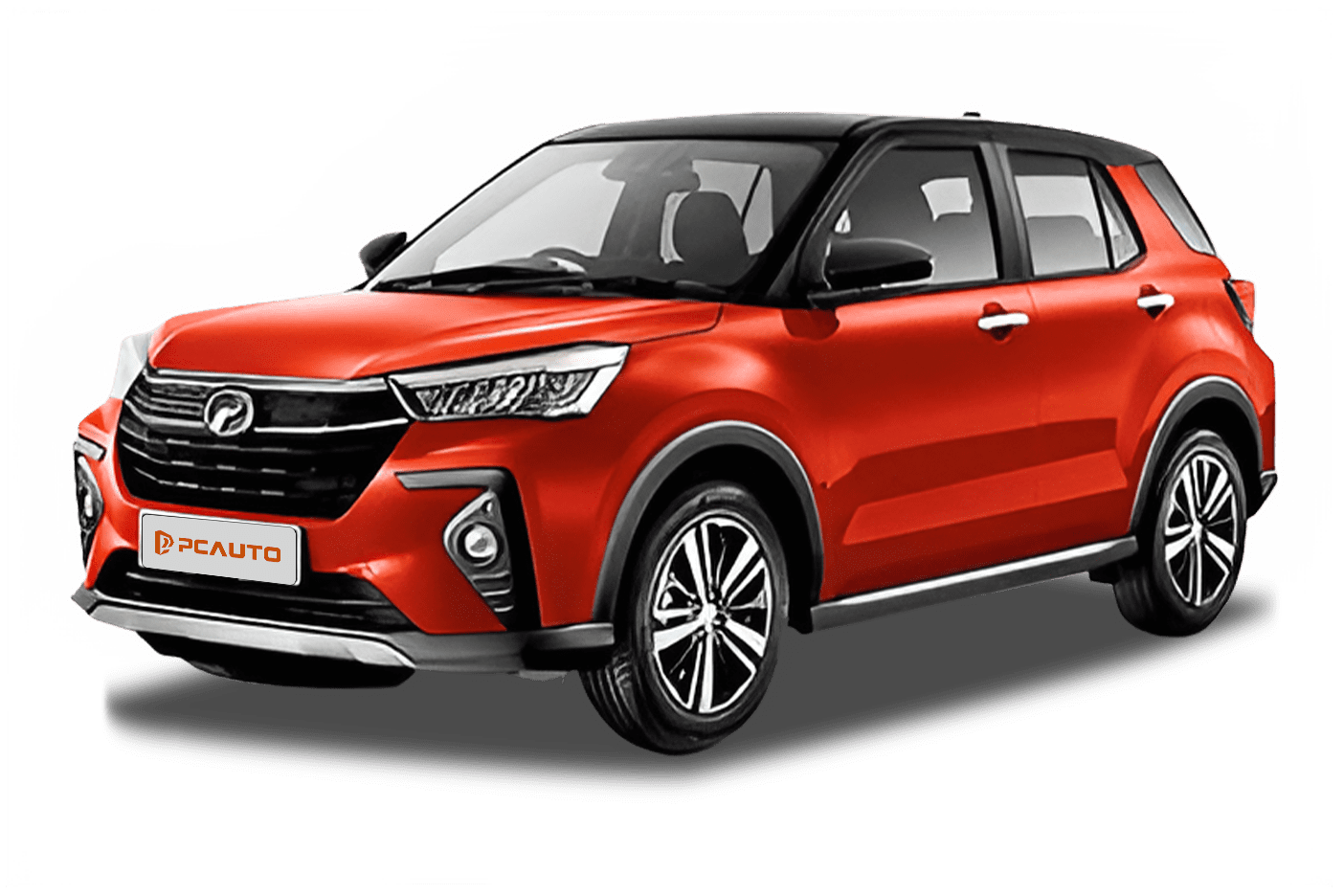
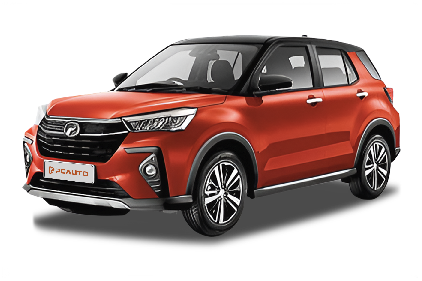
2023 Perodua Ativa 1.0L Turbo X, as a high-value-for-money entry-level B-SUV, meets the commuting and short-distance travel needs of family users with advanced safety features, practical space, and economical fuel consumption.
15
Rank in SUV
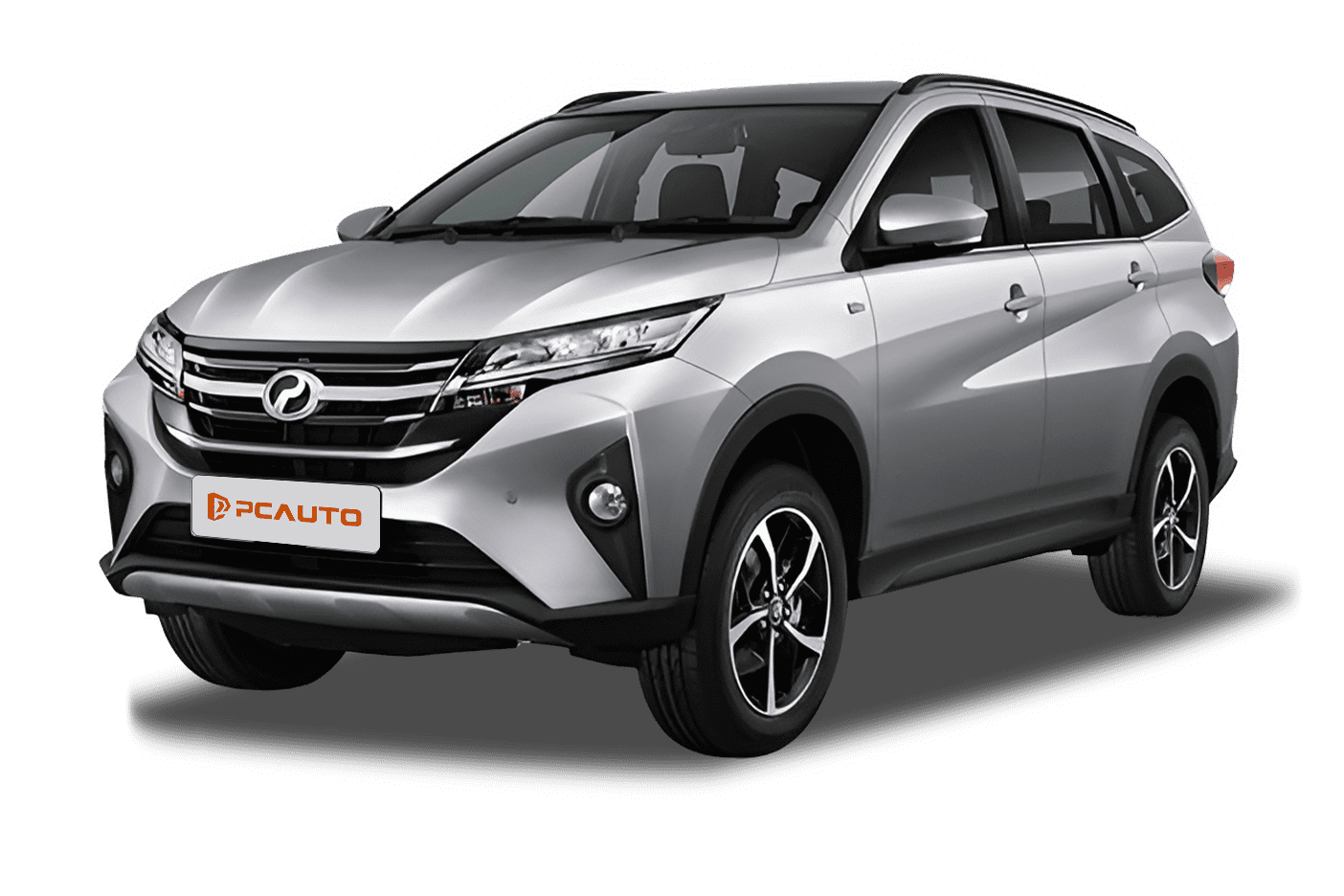
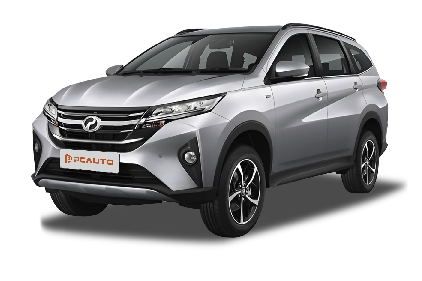
The 2023 Perodua Aruz 1.5L X is a high-value-for-money B-segment 7-seater SUV, offering 6 airbags and active safety systems as standard equipment for under RM63k. It balances practical space and daily commuting needs, making it a pragmatic choice for budget-conscious families.
3
Rank in SUV
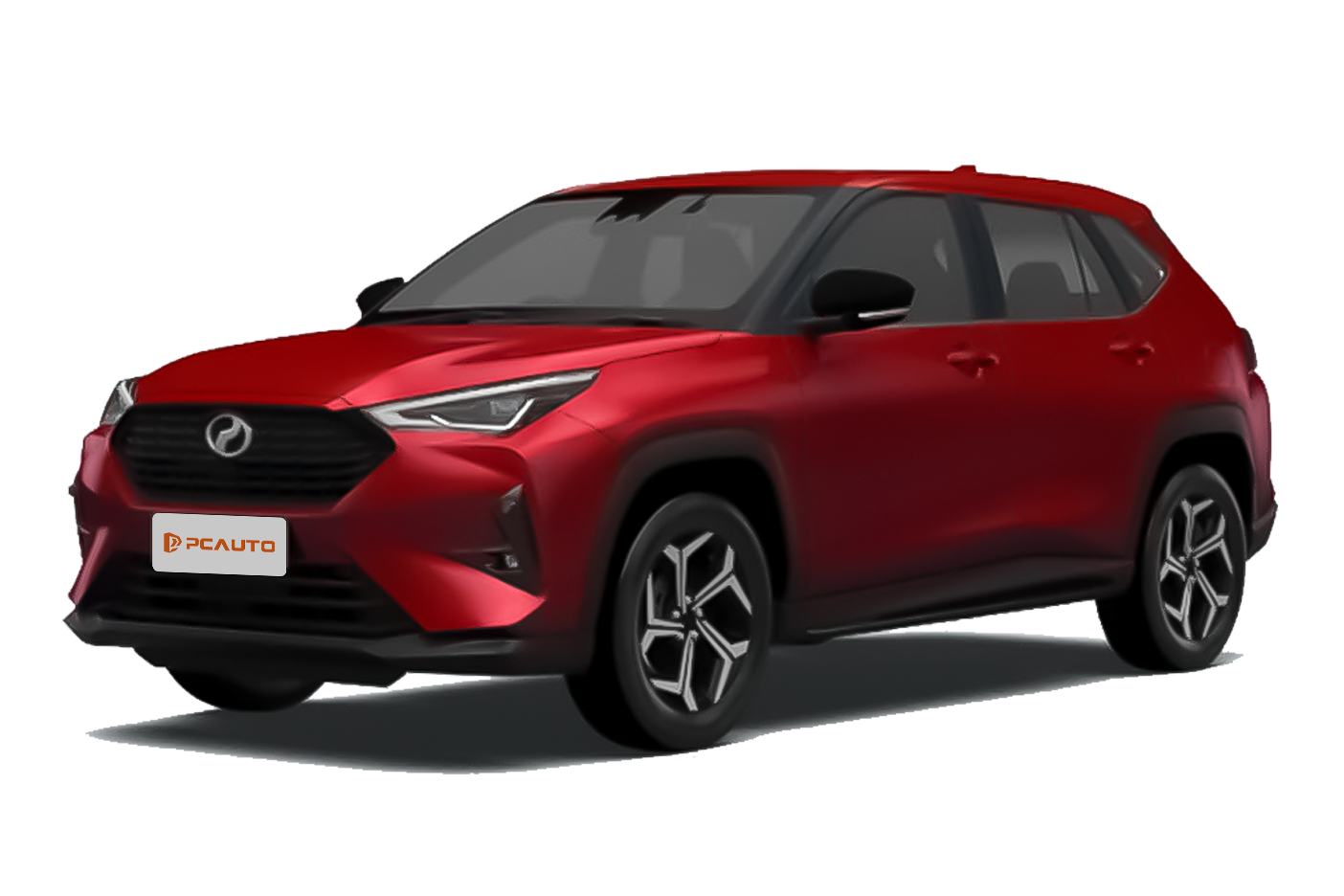
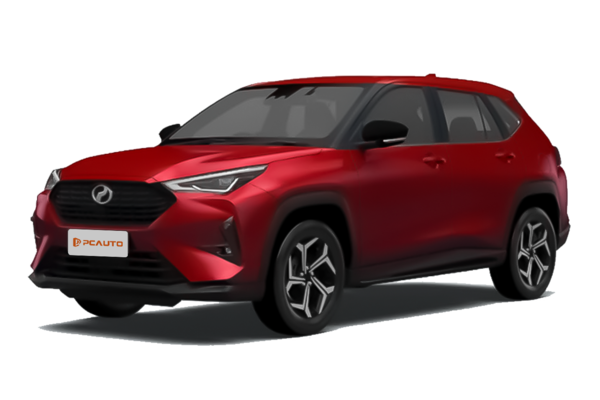
2025 Perodua Traz X, positioned as a B-segment SUV for family users, highlights advanced safety features, 210mm high ground clearance, and practical spaciousness as its main selling points, balancing flexibility and practicality.