

Proton X70 2024 Review

 Share
Share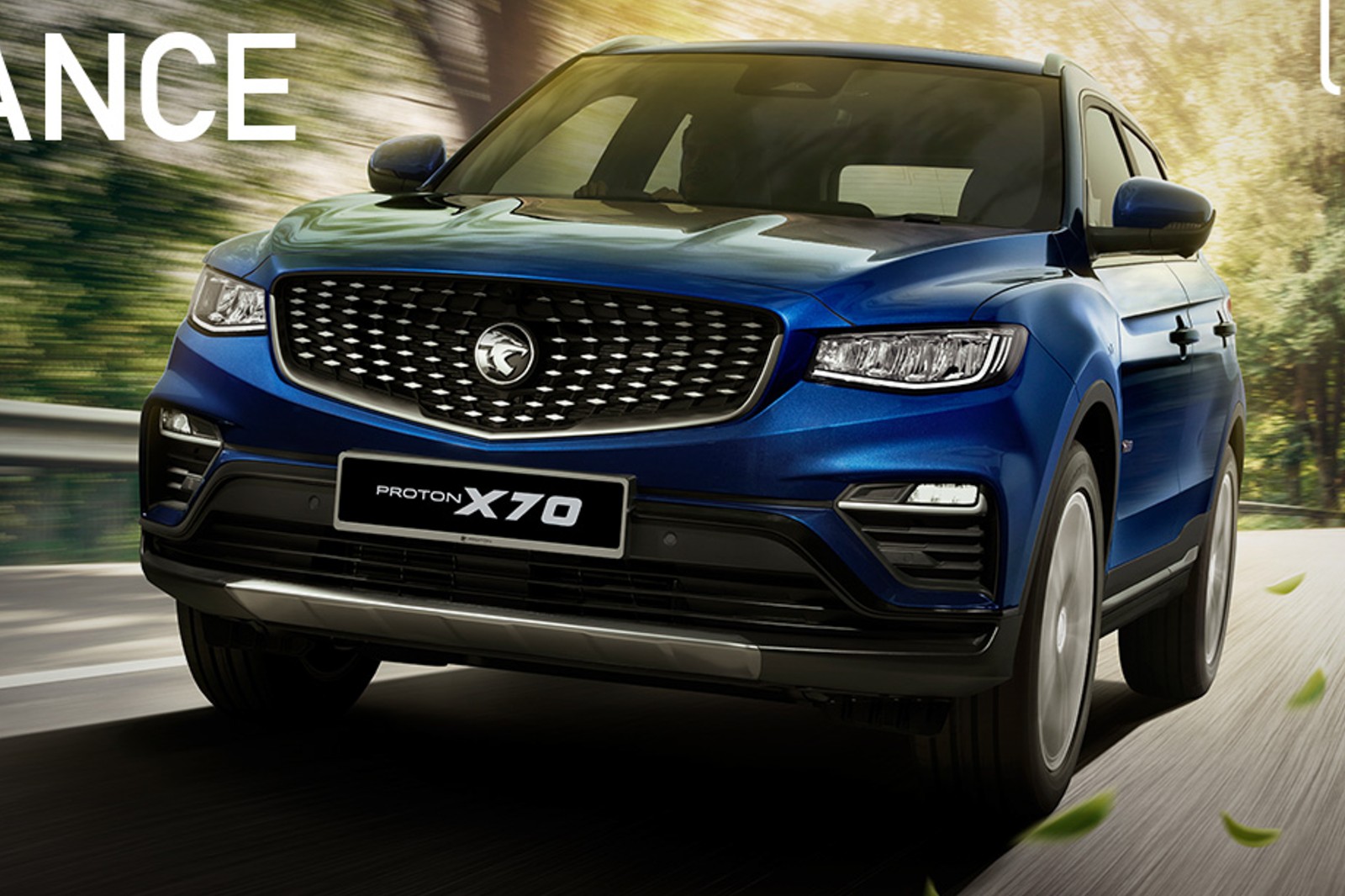
 Segment
 Body Type
 Capacity(L)
 Engine Power(PS)
 Engine Torque(Nm)
 Transmission
In Malaysia's C-Segment SUV market, value for money has always been a core factor in consumer decisions. The 2024 Proton X70 1.5 TGDi Standard, positioned as the entry-level variant of the series, enters the market at a price of RM 98,800. Its main selling points focus on balanced basic configurations, a mature powertrain, and Proton's adaptability to the local market. The purpose of this test drive is to verify whether this entry-level model can meet the daily needs of family users without relying on high-end features.
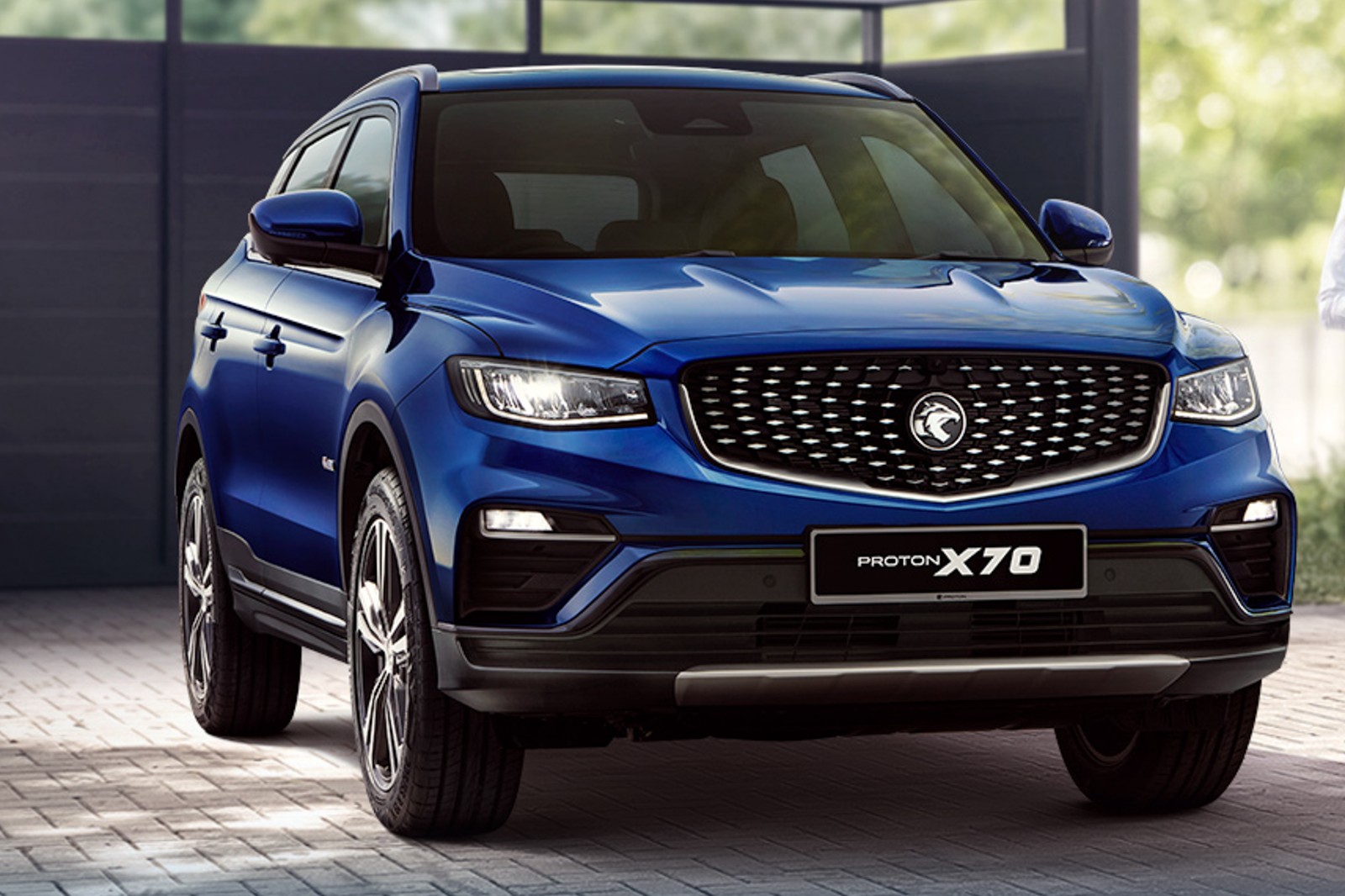
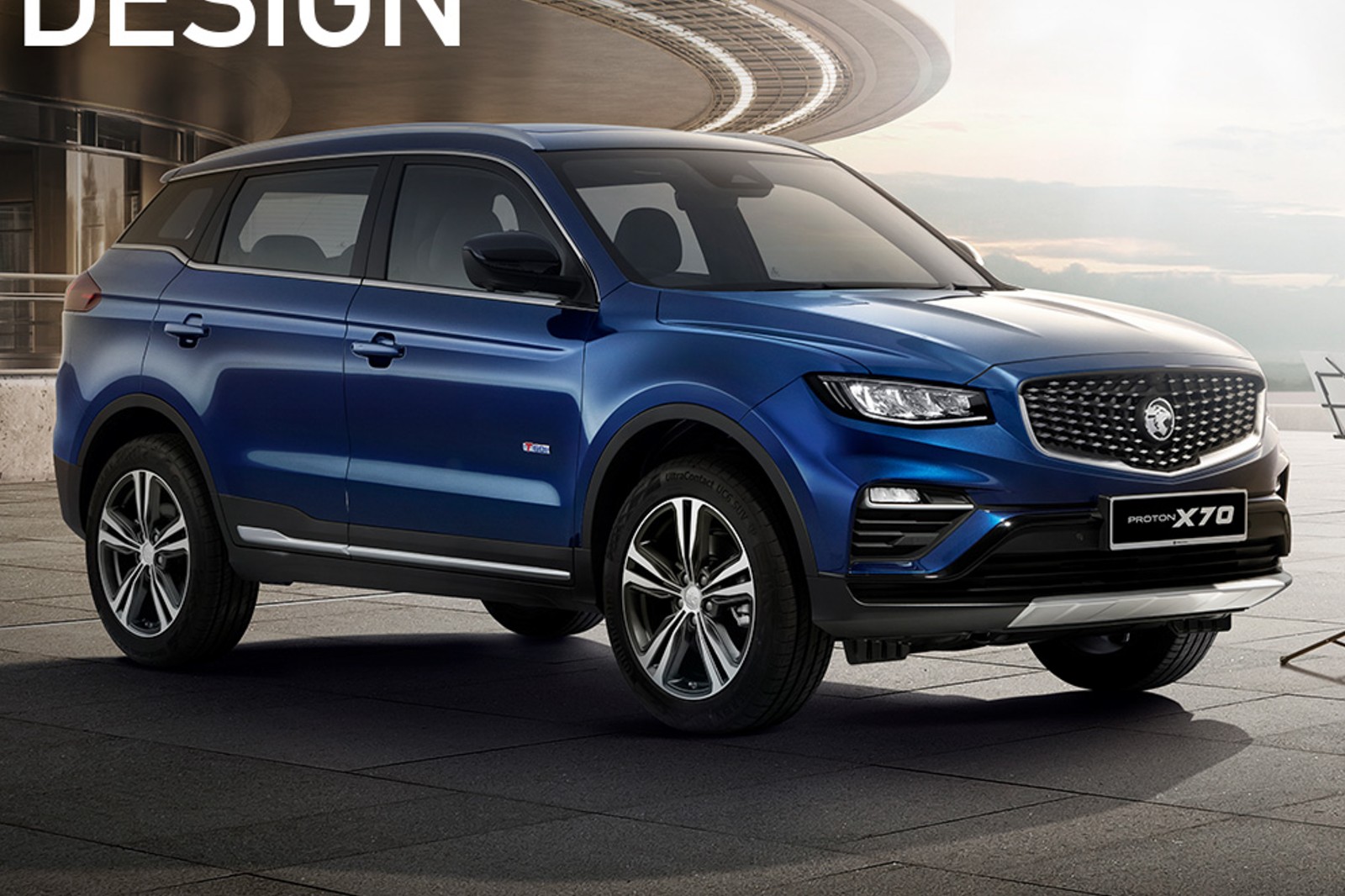
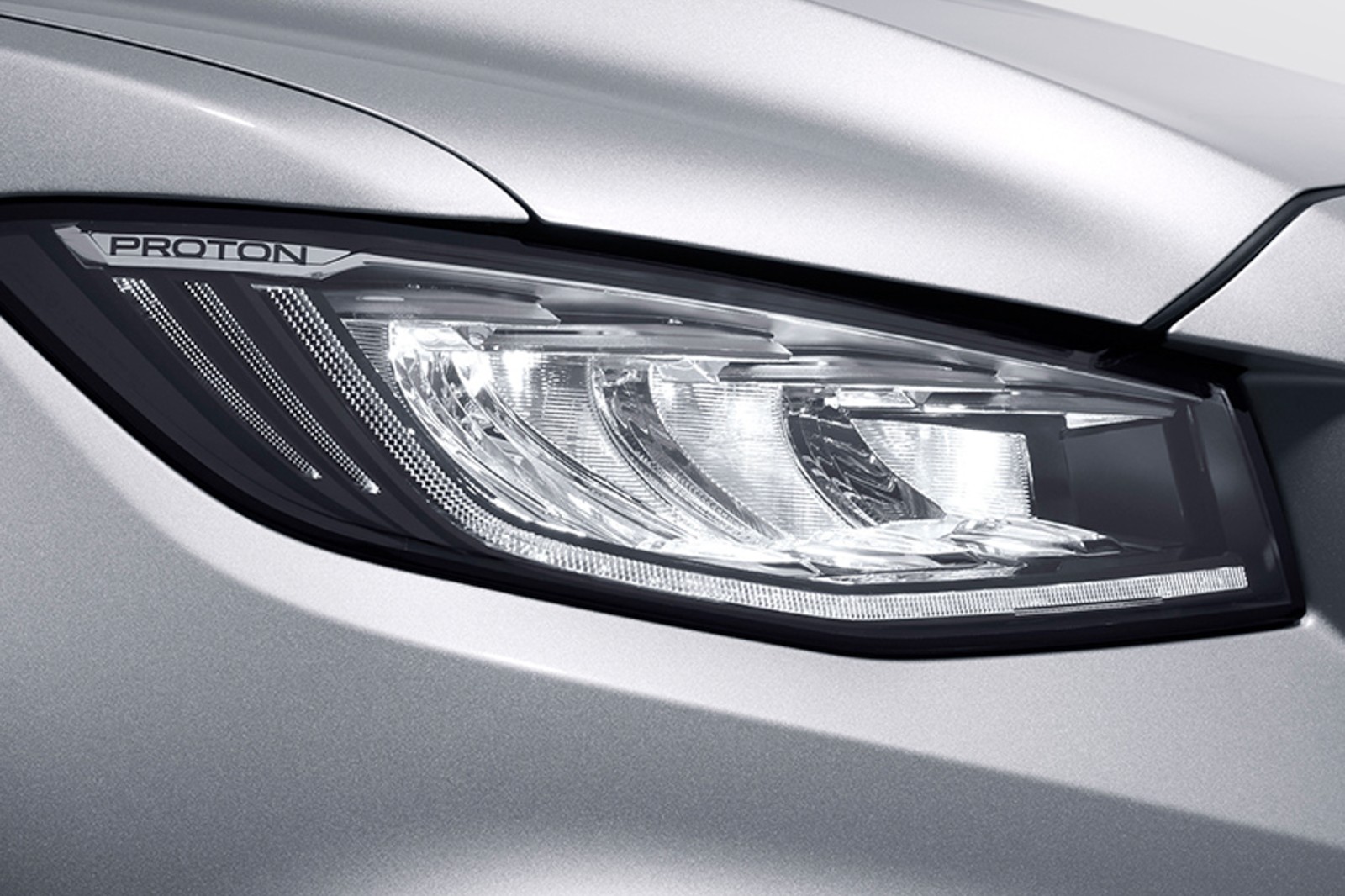
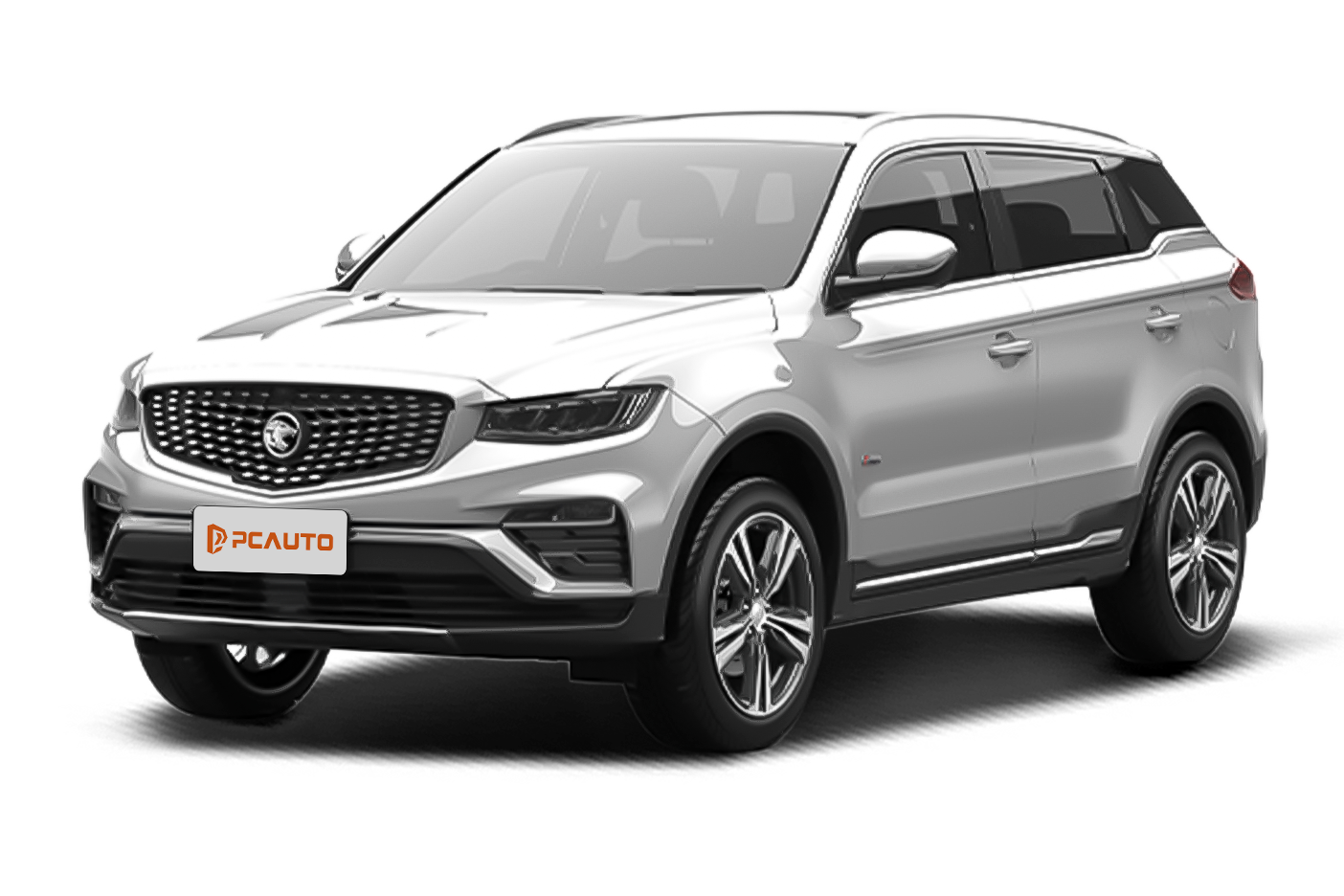
In terms of appearance, the 2024 X70 Standard maintains the family design of the series, with an overall style leaning towards stability. The front continues with a large grille, paired with chrome trims and LED headlights, providing adequate recognizability. The body side lines are smooth, and the 225/65 R17 tire specification, although smaller than higher-end versions, complements the body well with its 17-inch wheels, avoiding a flimsy appearance. The rear LED tail lights adopt a through-type design, providing a clear effect when lit, and the rear bumper design blends naturally with the body. Overall, the exterior of the Standard version does not simplify key design elements due to being an entry-level model, still preserving the visual quality of a mainstream SUV.
Once seated inside, the first thing noticeable is the 12.3-inch touchscreen on the dashboard, which is the same size as in higher-end versions and offers smooth operation. The interior materials mainly consist of hard plastics, but the door panels and seats are wrapped in fabric, with a touch that matches this price range. The steering wheel features a multifunctional design, supporting basic functions such as volume adjustment and Bluetooth calls. The steering adjustment is manual, but the angle range is sufficient to cover the needs of most drivers. The instrument cluster is fully digital, with a clear interface that displays core information such as RPM, speed, and fuel consumption. Regarding seats, both the front and rear seats are manually adjustable, but they offer good support with a medium firmness of the padding. The space performance is satisfactory, with a wheelbase of 2670mm. For a passenger with a height of 175cm, the rear legroom still has two fist-widths of space left between the knees and the front seatback, and the headroom provides about one fist of space, meeting family travel needs. In terms of storage, the front center armrest box and door storage pockets have sufficient capacity. The trunk can accommodate two 28-inch suitcases in its standard capacity, and folding the rear seats expands the space for practical use.
Starting the vehicle, the 1.5T three-cylinder engine delivers power figures of 177PS horsepower and 255N·m torque, paired with a 7-speed DCT gearbox. During daily driving, the engine can output maximum torque at 1500rpm, making starts and low-speed crawling relatively smooth without significant turbo lag. During acceleration, the gearbox shifts at a moderate speed, and when moving into higher gears, the power output remains stable. While overtaking, stepping hard on the accelerator triggers a quick downshift, providing sufficient power reserve. The official 0-100km/h acceleration is 9.8 seconds. In actual testing, the acceleration performance in Normal mode meets expectations, while in Sport mode, the power response becomes more active. As for the chassis, the front MacPherson and rear multi-link independent suspension combination performs well on urban bumpy roads by filtering out most minor vibrations. The impact when crossing speed bumps is also controlled to feel relatively gentle. The steering feels light, which is suitable for urban driving. When driving at high speed, the steering wheel becomes slightly heavier, ensuring good stability. Fuel consumption-wise, the official combined fuel economy is 7.3L/100km. In actual driving tests, with urban roads accounting for 70% and highways for 30%, the tested fuel consumption was approximately 8.1L/100km, which is fairly average. Regarding noise control, the cabin remains relatively quiet at speeds under 60km/h, but wind and tire noise gradually become noticeable above 80km/h, though they remain within an acceptable range.
In summary, the main advantages of the 2024 Proton X70 Standard include: at an entry-level price, it comes standard with 6 airbags, a fully digital instrument panel, a 12.3-inch central control screen, and dual-zone automatic air conditioning. Compared to the same class Honda HR-V 1.5 S (RM 114,800), it is RM 16,000 cheaper, yet its basic configuration is not inferior. The powertrain is mature and reliable, and the space is suitable for family needs. However, compared to higher-end versions of the series, the Standard lacks features such as a 360-degree camera and electric seats. For budget-conscious users, these may not be necessities. This car is suitable for family users who prioritize cost-effectiveness, especially those who primarily use it for city commutes and short weekend trips.
Proton X70 Car Compare
Proton X70 Loan Calculator
More Proton Reviews
Cars With Similar Price And Features
10
Rank in SUV
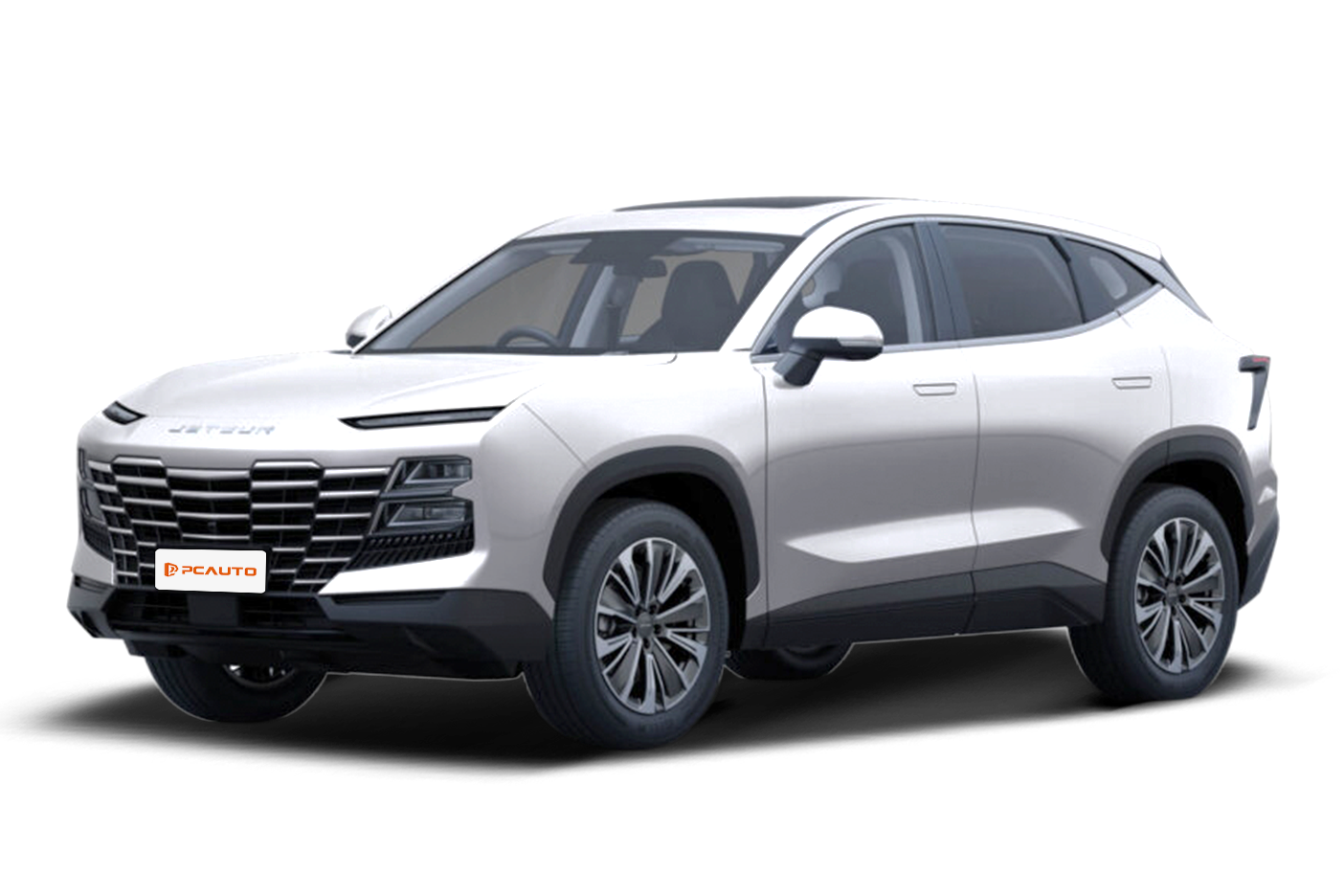
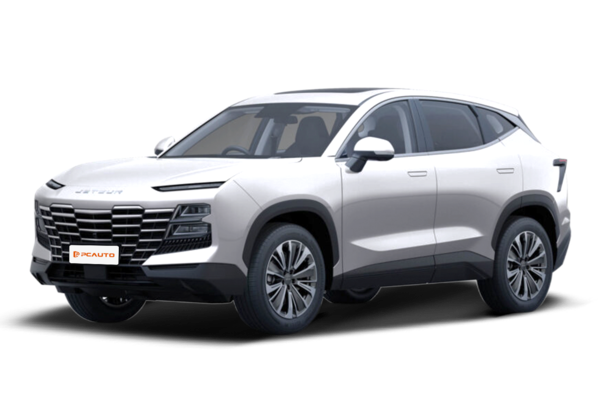
Jetour Dashing 1.5 TCI Comfort 2025 features a 2720mm long wheelbase and a 10.25-inch dual screen as its core, focusing on balanced cost performance to meet family practical needs.
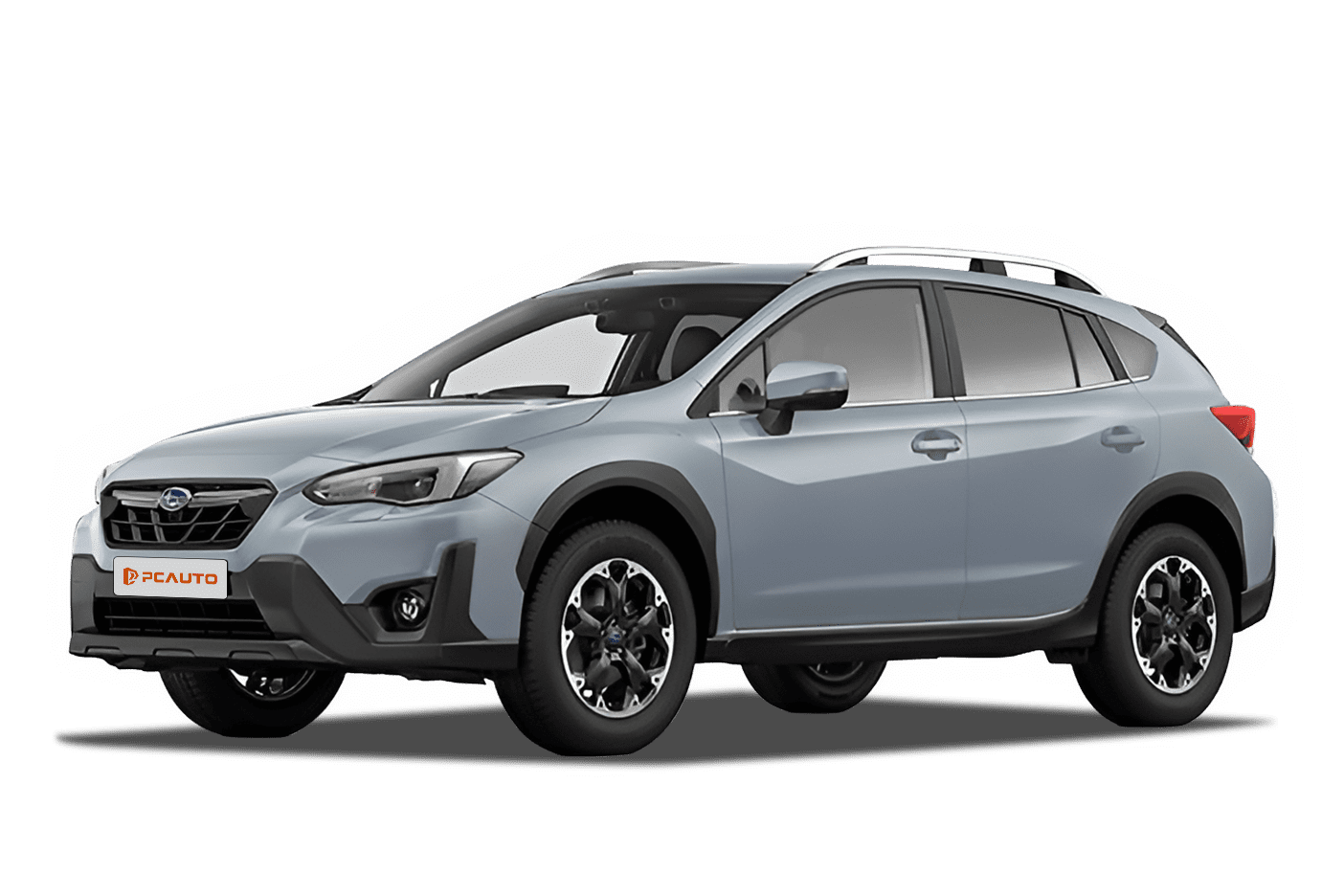
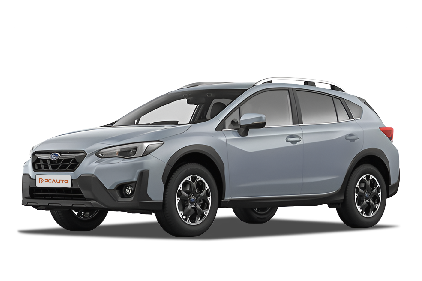
The 2021 Subaru XV 2.0i is a model targeting the C-segment crossover market, equipped with standard all-wheel drive and high safety features, balancing off-road capability and handling, with practical space.

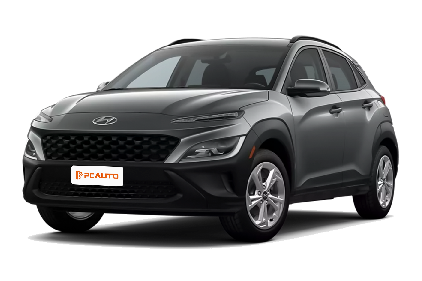
2021 Hyundai Kona 2.0 Standard, as a high-value entry-level compact SUV, retains essential safety and practical features with an affordable price, meeting the daily commuting and loading needs of families.
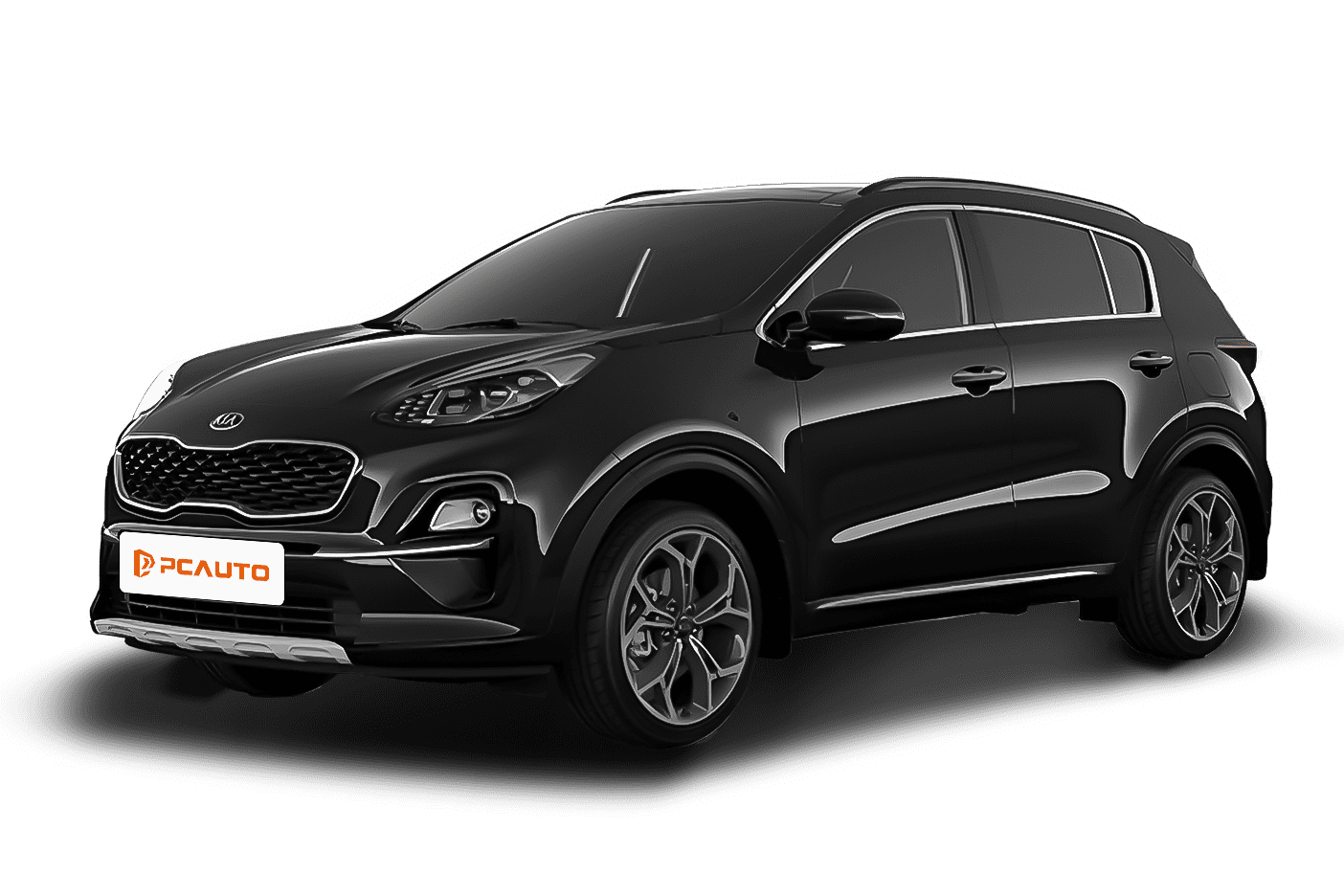
2024 Kia Sportage 2.0G 2WD, as the entry-level fuel version, with avant-garde design, 12.3-inch full LCD instrument panel, practical space, and economical fuel consumption, precisely meets the needs of family and cost-effectiveness-focused users.