

Proton X90 2023 Review

 Share
Share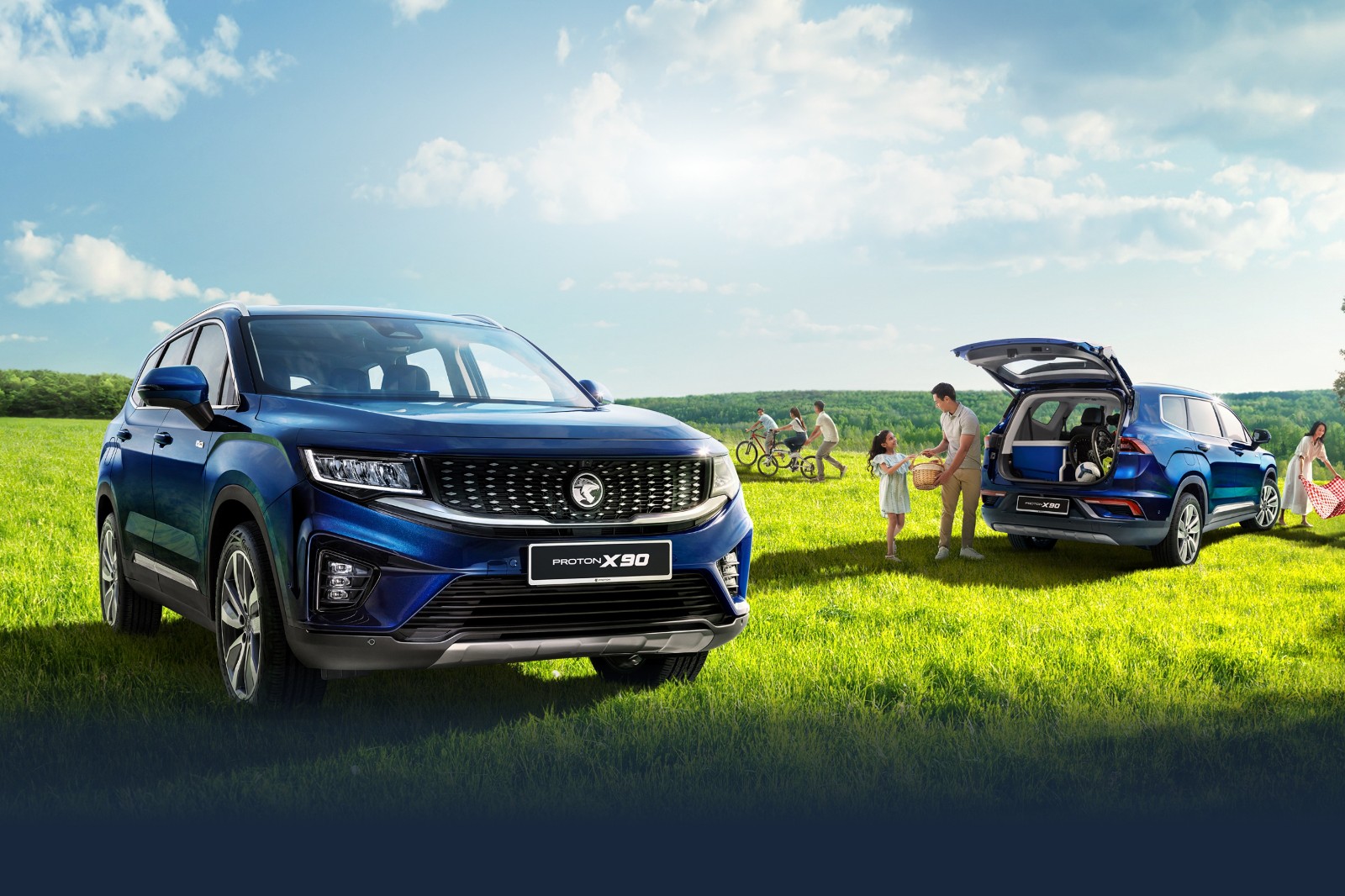
 Segment
 Body Type
 Capacity(L)
 Engine Power(PS)
 Transmission
 Driven Wheels
The D-segment SUV market has been increasingly popular among family users in recent years. Consumers need ample space for multi-passenger travel while expecting a balance between power and fuel efficiency, without compromising on features. The Proton X90 1.5TGDI BSG series, as the core model for the brand's push into the high-end market, is based on a 1.5T three-cylinder engine with a 48V mild hybrid system. Priced between RM123,800 and RM152,800, it offers two layout options: 7-seats (Standard/Executive/Premium) and 6-seats (Flagship). This review focuses on the core configurations and dynamic performance of the entire series, aiming to provide readers with a clear understanding of the differences between various versions and whether this vehicle can meet the needs of diverse usage scenarios.
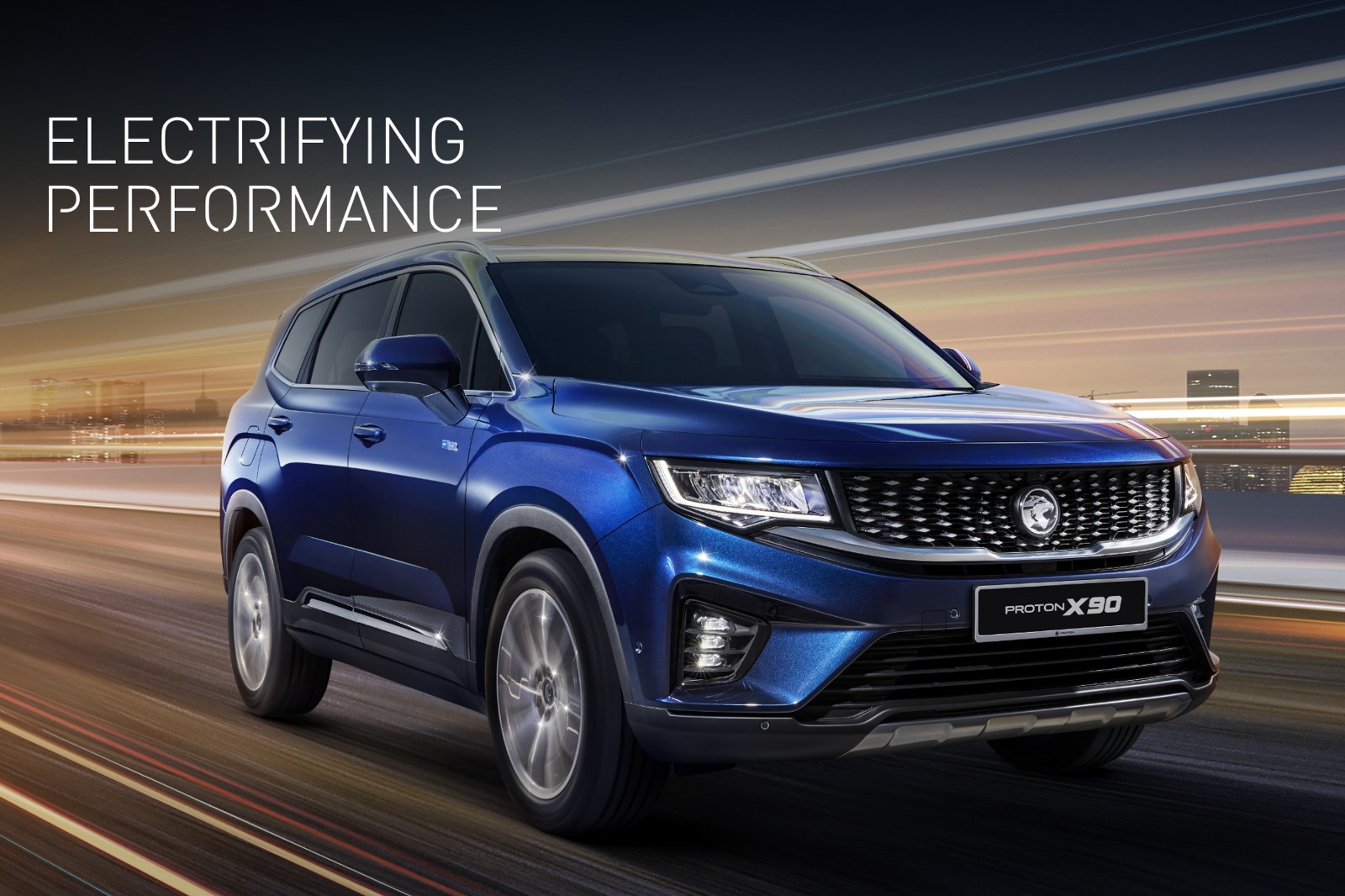
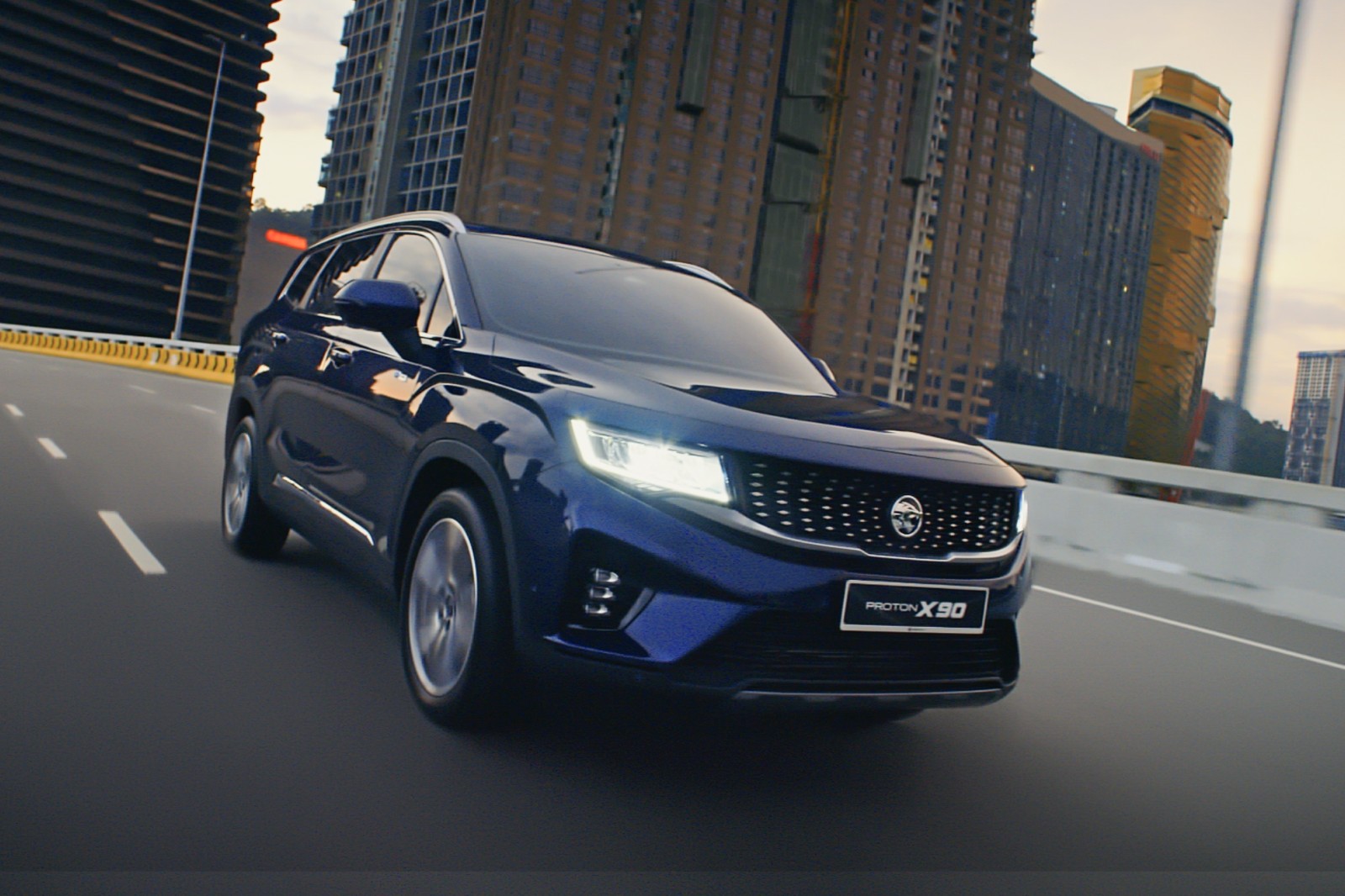
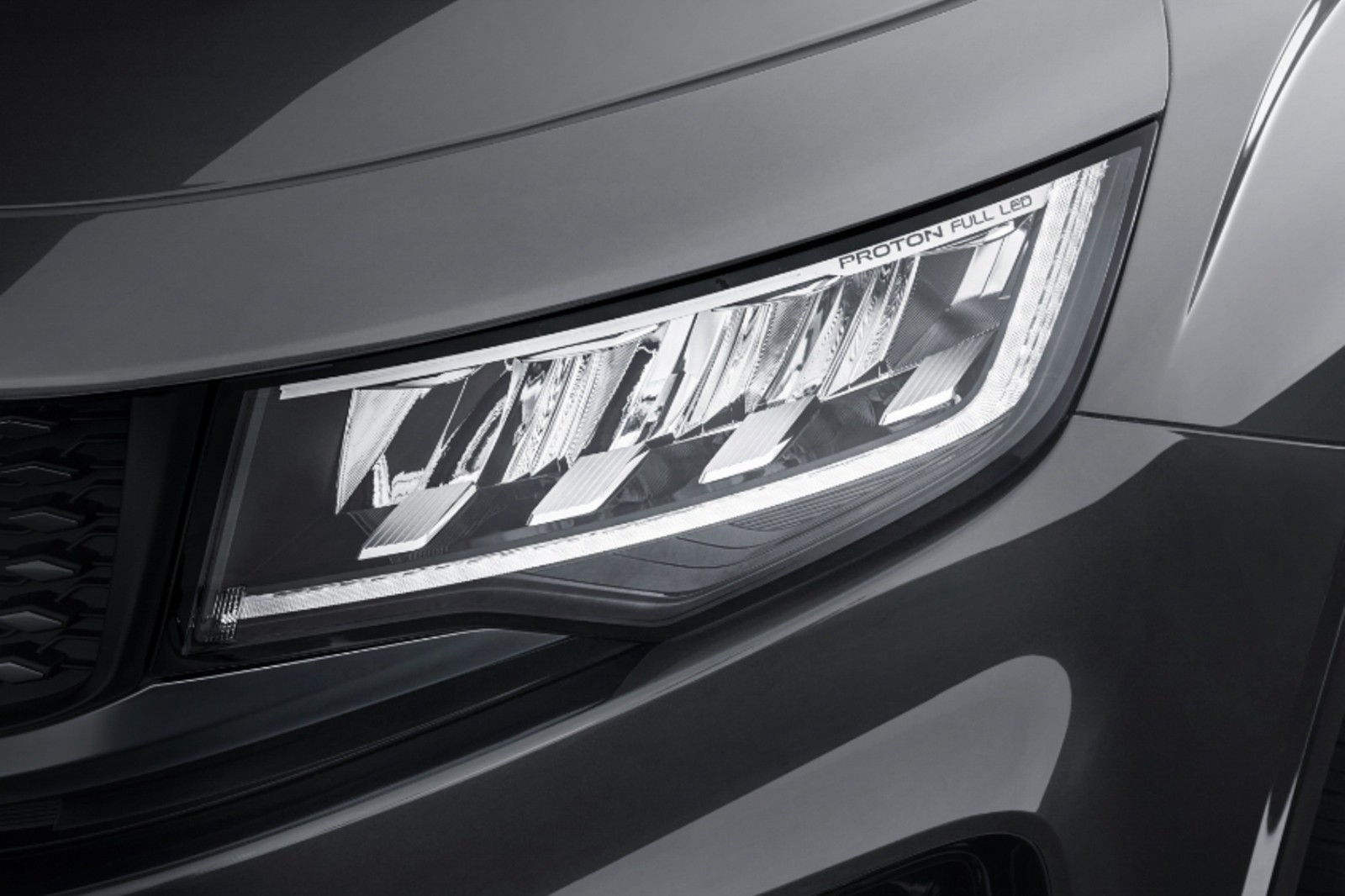
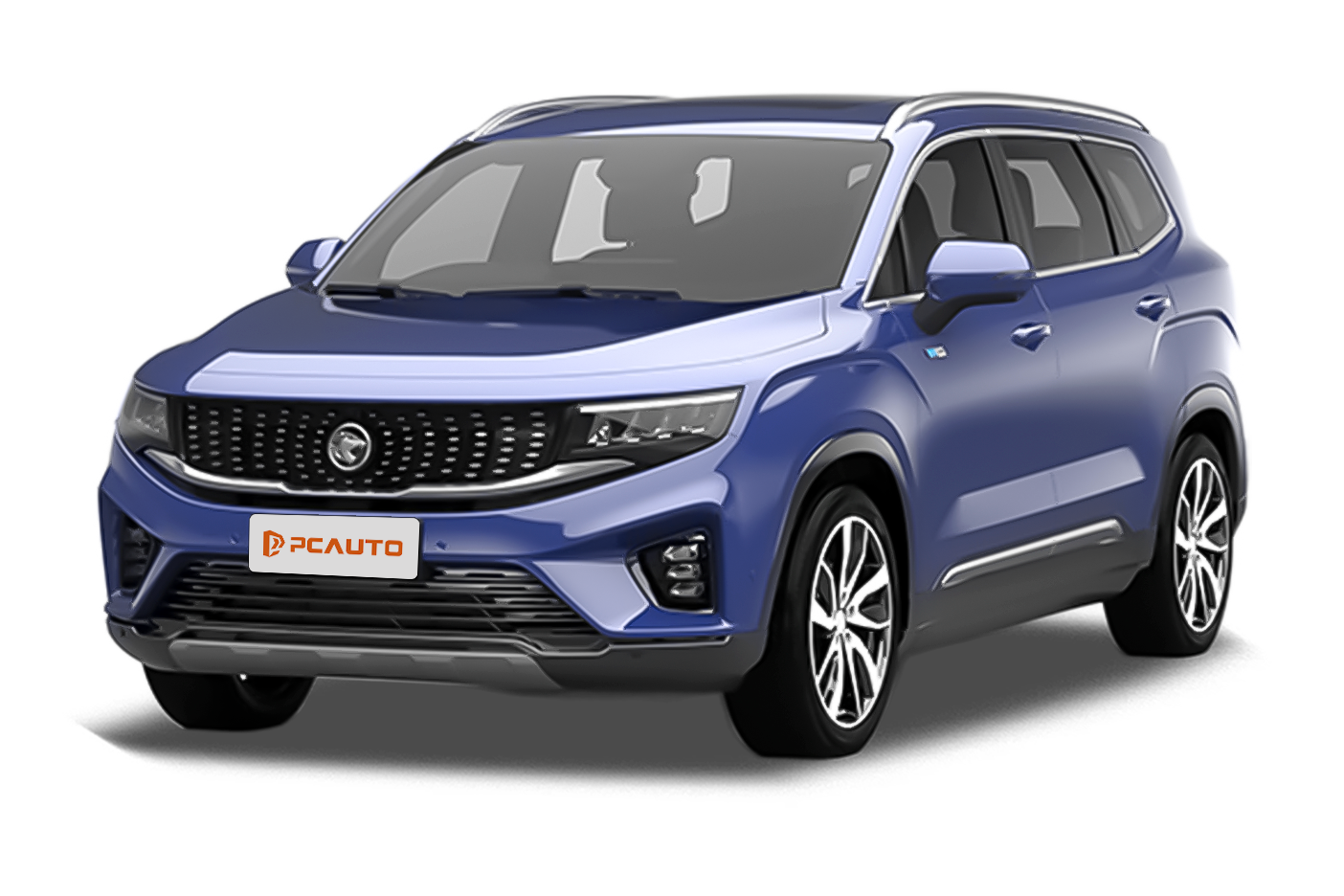
From the exterior, the overall dimensions of the X90 are 4830mm in length, 1900mm in width, and 1764mm in height, with a wheelbase of 2805mm, making it a mainstream level in its class. The front features a large vertical waterfall-style grille paired with Proton's new logo for enhanced recognition; the sharp design of the LED headlight clusters on both sides connects with the chrome strip along the upper edge of the grille, extending the visual width. The side profile of the car is streamlined, with a waistline running from the front fender to the tail. Additionally, the chrome detailing along the window base adds a touch of sophistication. The Standard and Executive variants come with 225/55 R18 tires, while the Premium and Flagship versions are upgraded to 235/50 R19 wheels with a sportier rim design. The rear design is simple, with LED tail lights forming a continuous strip, and the central area features the "Proton" lettering. The dual-exit exhaust layout below (which is decorative) enhances the sporty feel. The overall design leans towards a steady, family-friendly SUV aesthetic.
Sitting inside, the X90's interior style is primarily simple and practical. The center console features a symmetrical layout, with soft-touch materials on the top and silver trim accents, offering decent quality for its price range. A 12.3-inch touchscreen infotainment display comes standard across all trims, boasting a clear interface and support for Bluetooth, CarPlay, and Android Auto, with good operational smoothness. Below, some physical buttons are retained for easier blind operation while driving. The instrument cluster is a fully digital multi-function display that supports different themes and shows information such as fuel consumption, range, and tire pressure. A head-up display (HUD) is also standard across all trims, allowing drivers to check core data like speed and navigation without looking down, adding to the convenience. In terms of seating, the Standard and Executive trims have a 7-seat layout, with the front seats offering 6-way (driver) and 4-way (passenger) manual adjustments, and the second-row seats capable of sliding forward/backward and folding in a 60:40 ratio. The Flagship trim features a 6-seat layout, with independent second-row seats and a central aisle for easier access to the third row for passengers. Regarding space performance, the second-row legroom is relatively spacious for its class— a passenger with a height of 175cm can sit with two fists of space between their knees and the front seat. The third-row space, however, is more suited for children or short trips, as it can feel cramped for adults on longer journeys. As for storage, common compartments like door pockets, the center armrest box, and front cupholders are sufficient, and there are also cupholders and USB ports on both sides of the third row to meet daily usage needs.
In terms of the power system, the entire lineup is equipped with a 1.5T turbocharged three-cylinder engine + 48V mild-hybrid system. The engine delivers a maximum power of 177PS and a peak torque of 255N·m (Note: The system's combined torque data depends on actual driving experience. The officially stated 52N·m is the standalone motor torque). It is paired with a 7-speed wet dual-clutch transmission and features a front-engine, front-wheel-drive layout. During startup, the 48V motor provides slight assistance, reducing the lag before the turbo kicks in, and the throttle response is relatively linear. Acceleration at low and medium speeds is decent, with torque delivery being direct when stepping on the throttle for overtaking within the 1500-4000rpm torque range. However, acceleration in the later stages (above 100km/h) is slightly underwhelming. The transmission shifts smoothly during regular driving, although there might be slight jolts when crawling at low speeds, which don't significantly impact the overall experience. Driving modes include Eco, Standard, and Sport. In Sport mode, the throttle sensitivity increases, the shifting timings are delayed, and the power response becomes more aggressive.
In terms of handling and chassis performance, the X90 adopts a front MacPherson independent suspension + rear multi-link independent suspension, tuned towards comfort. During daily driving on smooth roads, the chassis can filter out most minor bumps. When going over speed bumps or potholes, the suspension handles impacts gently, ensuring rear passengers don't feel significant jolts. However, during fast cornering, the body roll is slightly pronounced, aligning with the SUV's positioning. The steering wheel has moderate weight, with minimal play and decent precision, making it suitable for daily urban driving. The braking performance is stable, using a combination of front ventilated discs and rear ventilated discs. The brake pedal provides linear feedback, instilling confidence.
In terms of fuel consumption, we drove approximately one-third of the distance each in city traffic, highway cruising, and suburban roads. With an average speed of about 35km/h, the displayed fuel consumption was around 8.2L/100km, which is average for a 7-seater SUV weighing around 1.7 tons. Noise control performs well, with the cabin remaining relatively quiet at speeds below 60km/h. However, wind noise and tire noise become more noticeable at speeds exceeding 80km/h, though still within an acceptable range.
In terms of configuration differences, the Standard version, as the entry-level model, already comes with practical features such as 6 airbags, a 360-degree panoramic camera, front and rear parking sensors, HUD, keyless entry/start, automatic air conditioning, and rear-row air conditioning, offering remarkable value for money. The Executive version adds body stability control and rain-sensing wipers. The Premium version further upgrades active safety features, including blind-spot monitoring, lane departure warning, and autonomous emergency braking. The Flagship version converts the 7-seater layout to 6 individual seats and adds a single sunroof.
To sum up, the core advantages of the Proton X90 lie in its spacious interior and rich configuration (especially the high standard of the entry-level version). The 1.5T + 48V mild-hybrid system balances power and fuel consumption. Compared to competitors in the same class, the X90 is more competitively priced, with the entry-level version being approximately RM20,000 cheaper than some Japanese rivals, while offering more comprehensive features. It is suitable for groups such as families with multiple children (7-seater version), middle-class consumers who value cost performance, and users who occasionally need a vehicle for business receptions (6-seater Flagship version).
If you are looking for a spacious and well-equipped family SUV with a budget between RM120,000 and RM150,000, the Proton X90 is definitely worth considering. It may not be the most sporty option, but in terms of practicality and value for money, it can certainly meet the needs of most families.
Proton X90 Car Compare
Proton X90 Loan Calculator
More Proton Reviews
Cars With Similar Price And Features

11
Rank in SUV
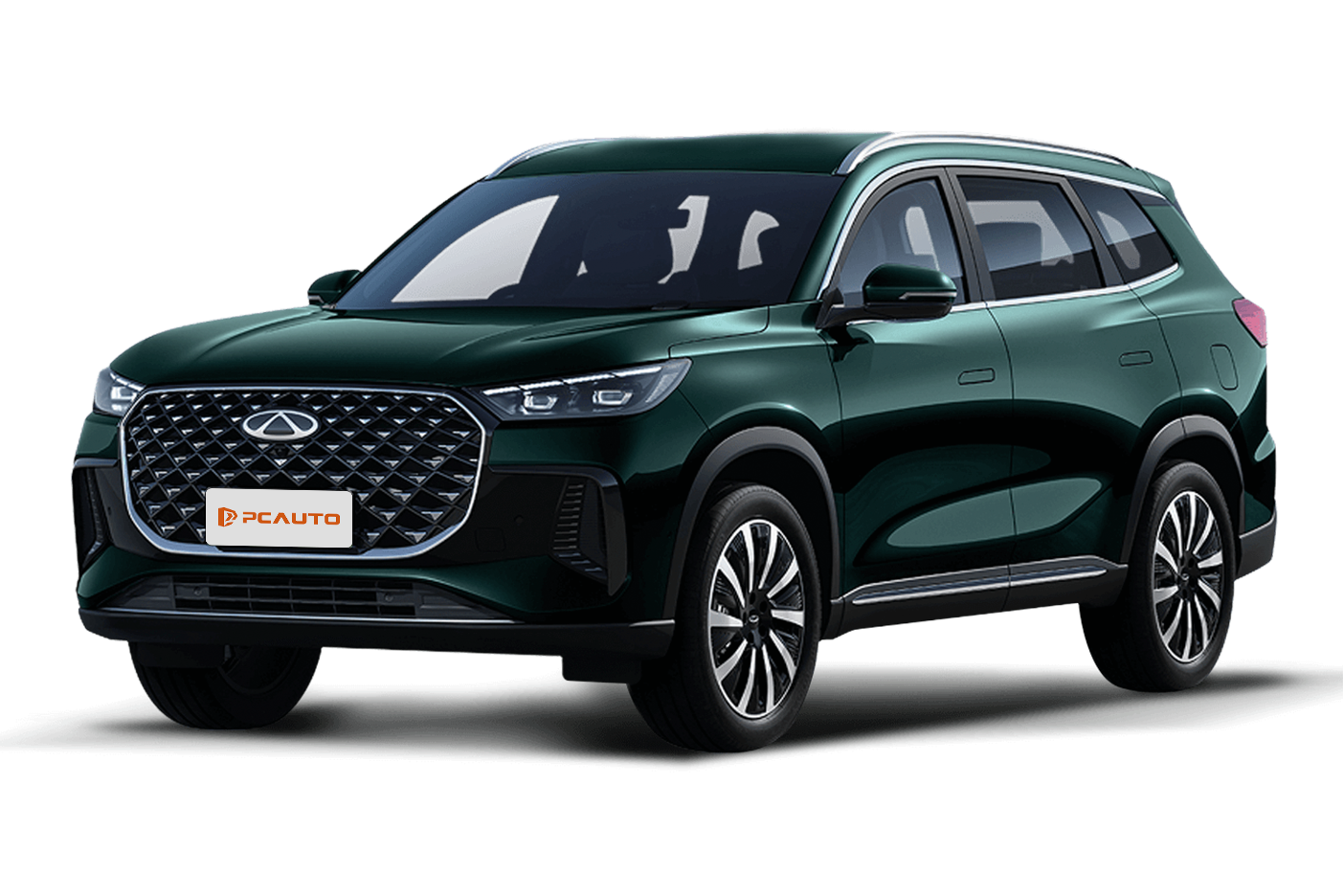
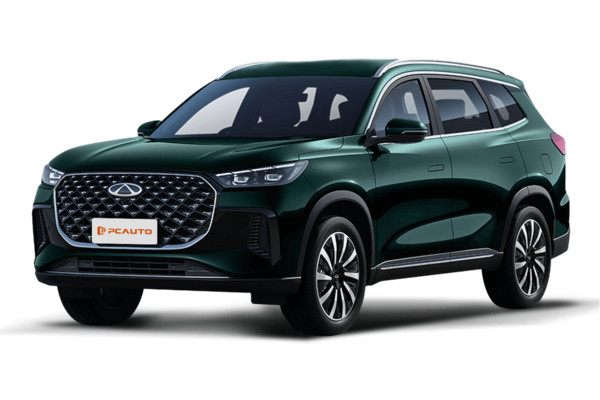
2026 Chery Tiggo 8 is a D-Segment SUV aimed at family users, offering superior configurations, practical space, and smooth power at a high cost-performance ratio, meeting both commuting and light off-road needs.
16
Rank in SUV

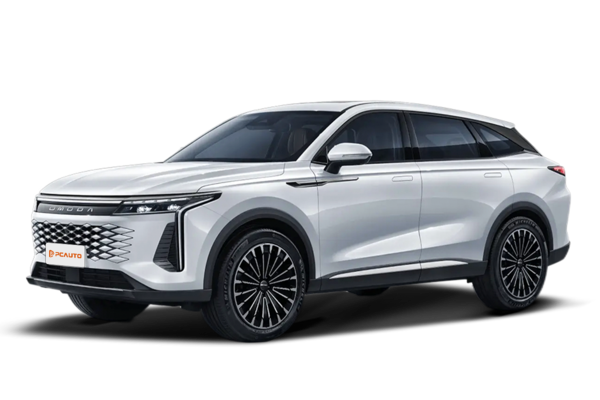
2024 Chery OMODA C9 2WD with 2.0T+8AT powertrain, L2 level assistance, and dual 12.3-inch screens, breaking the stalemate in the D-Segment market and becoming a high-value disruptor.
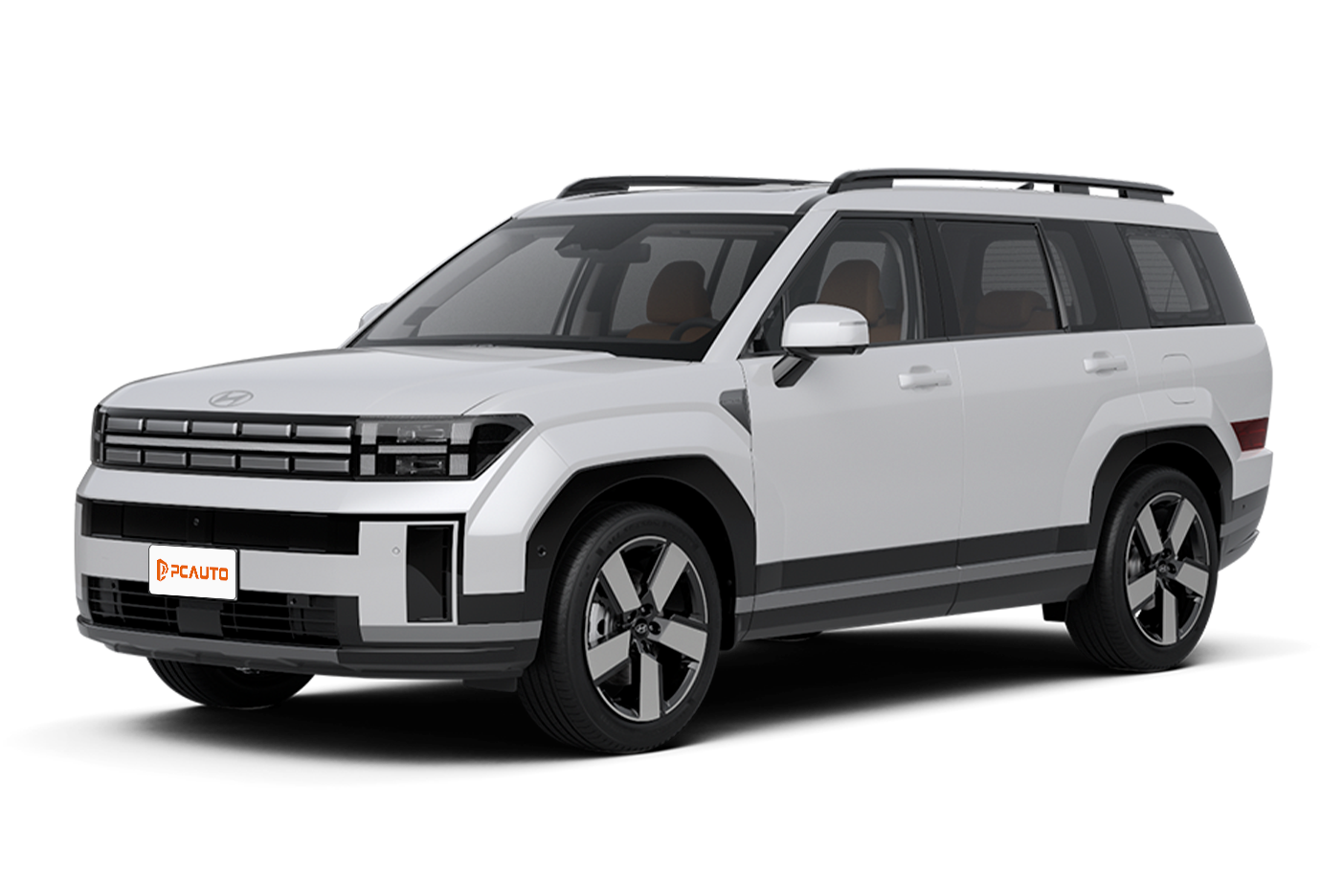
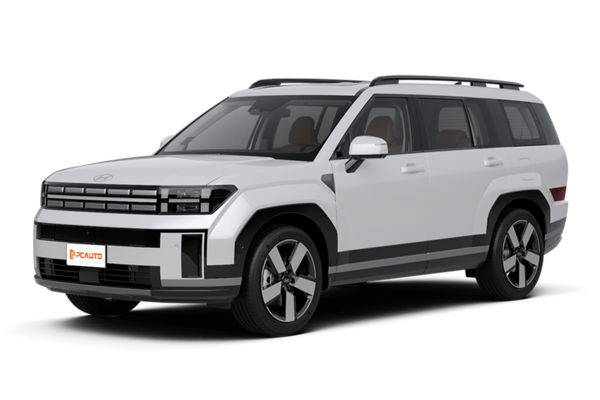
2025 Hyundai Santa Fe HEV Prime is a mid-level 7-seater hybrid SUV that balances fuel efficiency and practical space, with an enduring design and well-rounded features, meeting family needs.

2022 Volvo XC60 B5 Momentum is a mid-size luxury SUV with strong safety features, equipped with a 48V mild hybrid system, practical space, and high cost-effectiveness, meeting the needs of both families and young users.