

Renault Captur 2017 Review

 Share
Share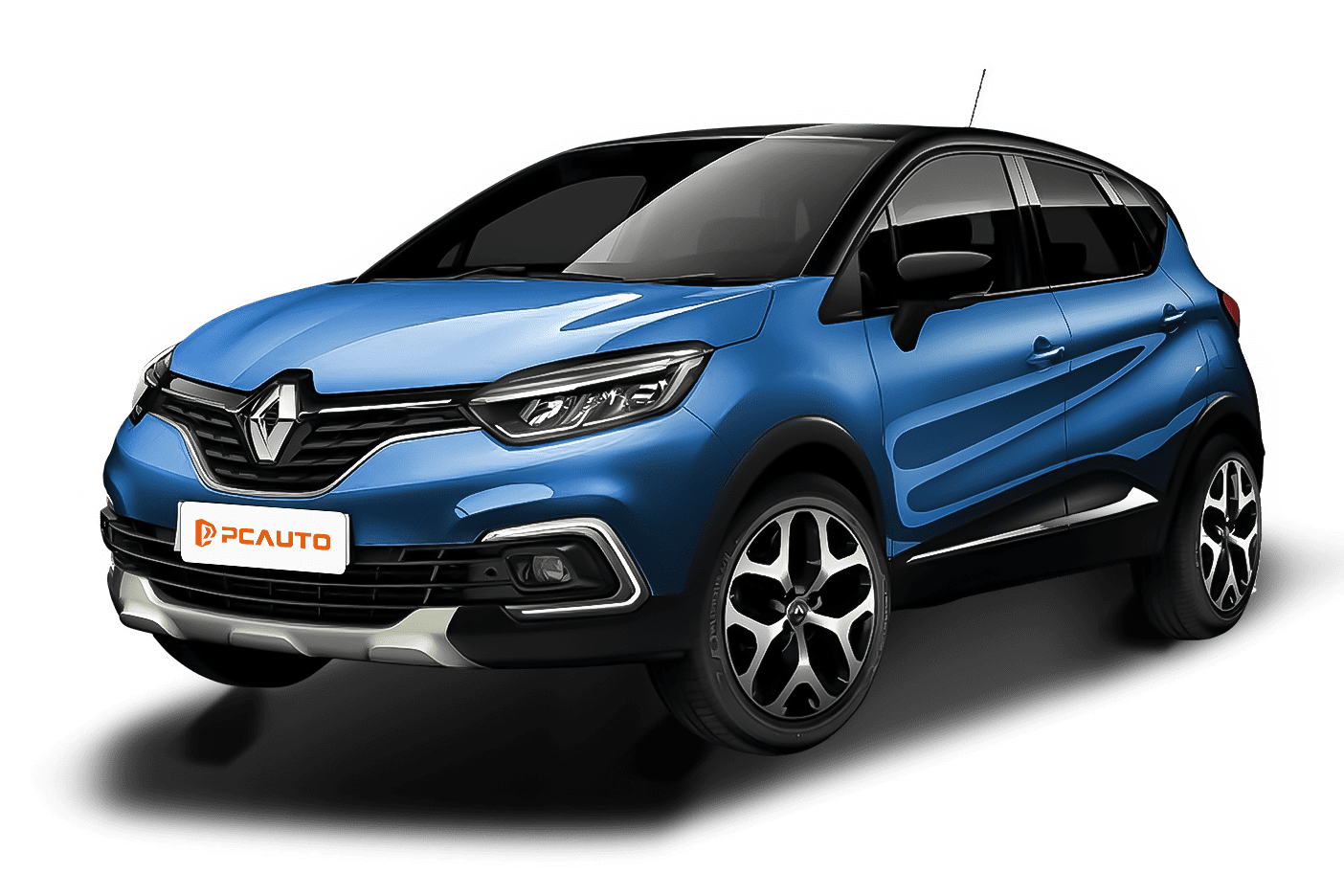
 Segment
 Body Type
 Capacity(L)
 Engine Power(PS)
 Transmission
 Driven Wheels
In recent years, the heat of the B-Segment SUV market in Malaysia has continued to rise. Consumers want the urban commuting flexibility of a compact body, while valuing space practicality and rich configurations. As a popular player in this segment, the Renault Captur introduced its CKD version in 2017 with a focus on high cost-performance and upgraded configurations. In this test drive, we will focus on verifying whether its static performance meets family needs, whether its dynamic driving balances comfort and power, and whether its actual fuel consumption is close to the official data.
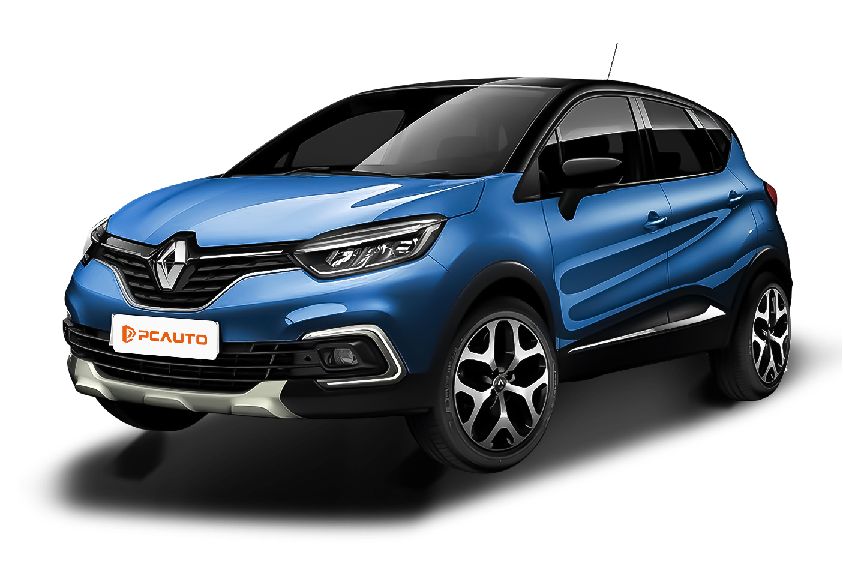
In terms of exterior design, the Captur follows a youthful and stylish route. The front adopts Renault's family-style design language with a trapezoidal grille paired with chrome trim, connected to halogen headlights on both sides, enhancing the visual width. The side profile features smooth lines, and the floating roof design enhances its sporty feel. The door cladding and 17-inch wheels further reinforce the rugged SUV character. At the rear, the irregularly shaped taillights echo the front light groups, while the silver skid plate below the rear bumper adds layers of depth, giving it a high level of recognition overall.
Stepping into the interior, black is the dominant color. The center console is wrapped in soft-touch materials and is embellished with silver trim, giving it a commendable texture in its class. A 7-inch central touchscreen sits on top of the dashboard with a simple and user-friendly interface, supporting basic multimedia functions. The instrument cluster is a fully digital design, clearly displaying speed, RPM, fuel consumption, and other information, exuding a strong sense of technology. In terms of configuration, keyless entry/start, electrically adjustable front seats, single-zone automatic air conditioning, and rain-sensing wipers are all standard. The addition of a 220V power outlet enhances practicality. However, the front seats only support manual adjustment, and the lack of USB ports in the rear seats is slightly disappointing.
In terms of space performance, the body dimensions are 4122mm×1778mm×1567mm, with a wheelbase of 2606mm. The front row offers ample seating space with a passenger of 175cm height having a fist of headroom and comfortable legroom. The rear seating space is adequate, leaving the same passenger with two fists of legroom and one fist of headroom, fully meeting the needs of daily family use. The trunk capacity is 377L, with the rear seats supporting a 60:40 split-fold. When folded down, the capacity can be further expanded to accommodate large luggage, showing good storage capability.
In terms of power, it is equipped with a 1.2T turbocharged engine, delivering a maximum power of 120PS and a maximum torque of 205N·m, paired with a 7-speed DCT gearbox. During the start-up phase, the power response is active, and a light press on the accelerator provides a decent acceleration feel. The transmission shifts smoothly at low and medium speeds. When overtaking on the highway with a deep press on the accelerator, there is a slight delay in power output, but overall performance meets daily commuting needs. Switching to sport mode makes the throttle response more sensitive, maintains a higher RPM range, and enhances power performance.
Regarding handling and chassis performance, the steering feel is moderate in weight and precise in direction, making daily driving effortless. The front MacPherson independent suspension is tuned for comfort, absorbing most of the road bumps well. When crossing speed bumps or uneven roads, body movement is minimal, providing a good level of ride comfort. At high speeds, the car's stability is commendable, and under cornering conditions, body roll is kept within reasonable limits. However, during quick lane changes, the support could be slightly insufficient.
In the fuel consumption test, we drove 50km each on urban roads and highways with the air conditioning set to automatic mode. The final average fuel consumption was 6.5L/100km, slightly higher than the official figure of 5.9L/100km. However, considering the real driving environment with frequent congested road sections, this fuel consumption performance is still reasonable. Regarding braking performance, the brake pedal response is linear, the braking distance is short, and the overall performance is stable.
In terms of ride comfort, the noise control inside the car is well-handled. Wind and road noise are not noticeable during high-speed driving, and engine noise is slightly transmitted when the rpm exceeds 3000, but it does not affect in-car conversations. The seat padding is soft with moderate support, making it less likely to cause fatigue during long journeys. The inclusion of rear air conditioning vents has improved rear passenger comfort, although the raised middle floor in the rear affects the legroom of the middle passenger.
In summary, the core advantages of the 2017 Renault Captur CKD version lie in its high cost-effectiveness, rich features, and decent space performance. Compared to the Honda HR-V of the same class, it is priced lower and offers more features, although it falls slightly short in brand influence and resale value. When compared to the Toyota C-HR, it offers more space but slightly weaker power output. Overall, the Captur is suitable for young families who value cost-effectiveness and features, prioritizing comfortable urban commuting and short weekend trips.
All in all, the 2017 Renault Captur CKD version meets family needs in terms of static attributes and configurations, balancing comfort and performance during dynamic driving. Its fuel consumption performance is close to official data, making it a well-rounded B-segment SUV suitable for budget-conscious consumers seeking practicality.
Renault Captur Car Compare
Renault Captur Loan Calculator
More Renault Reviews
Cars With Similar Price And Features
4
Rank in SUV
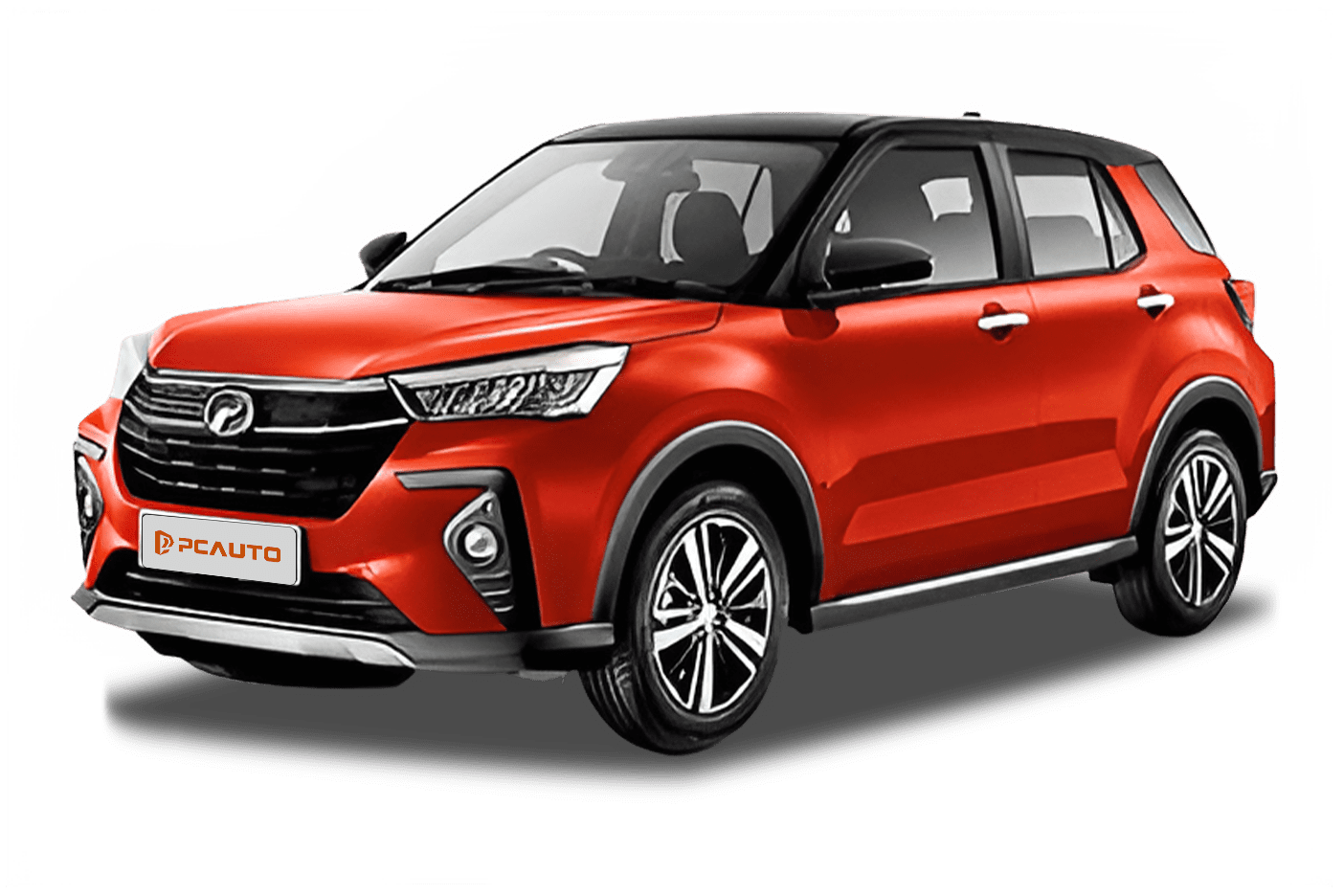
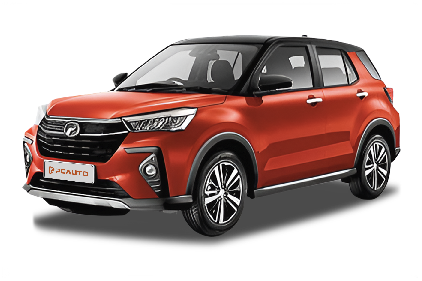
2023 Perodua Ativa 1.0L Turbo X, as a high-value-for-money entry-level B-SUV, meets the commuting and short-distance travel needs of family users with advanced safety features, practical space, and economical fuel consumption.
15
Rank in SUV
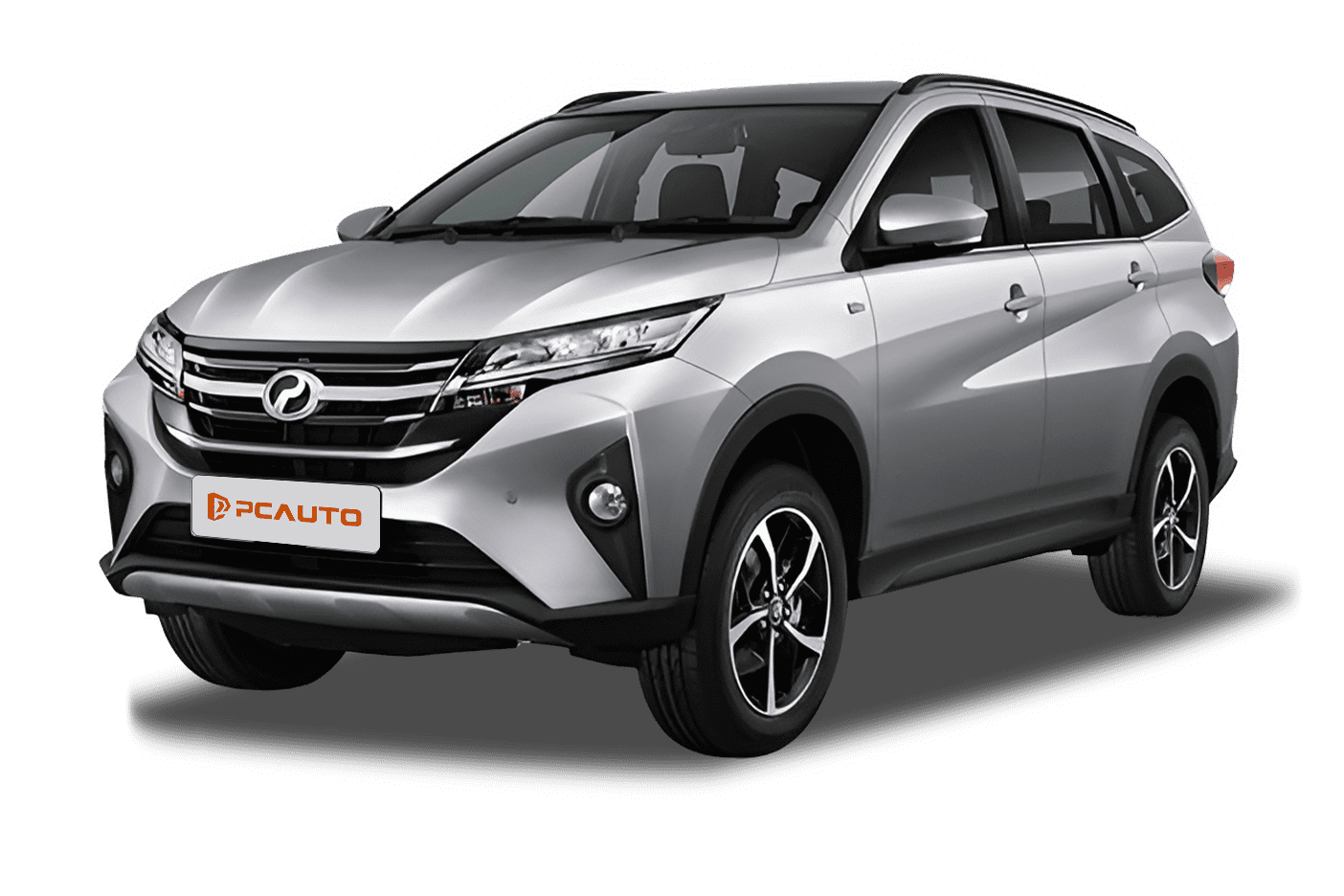
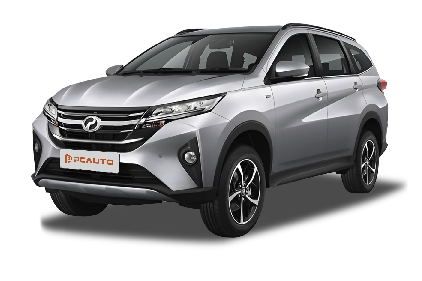
The 2023 Perodua Aruz 1.5L X is a high-value-for-money B-segment 7-seater SUV, offering 6 airbags and active safety systems as standard equipment for under RM63k. It balances practical space and daily commuting needs, making it a pragmatic choice for budget-conscious families.
3
Rank in SUV
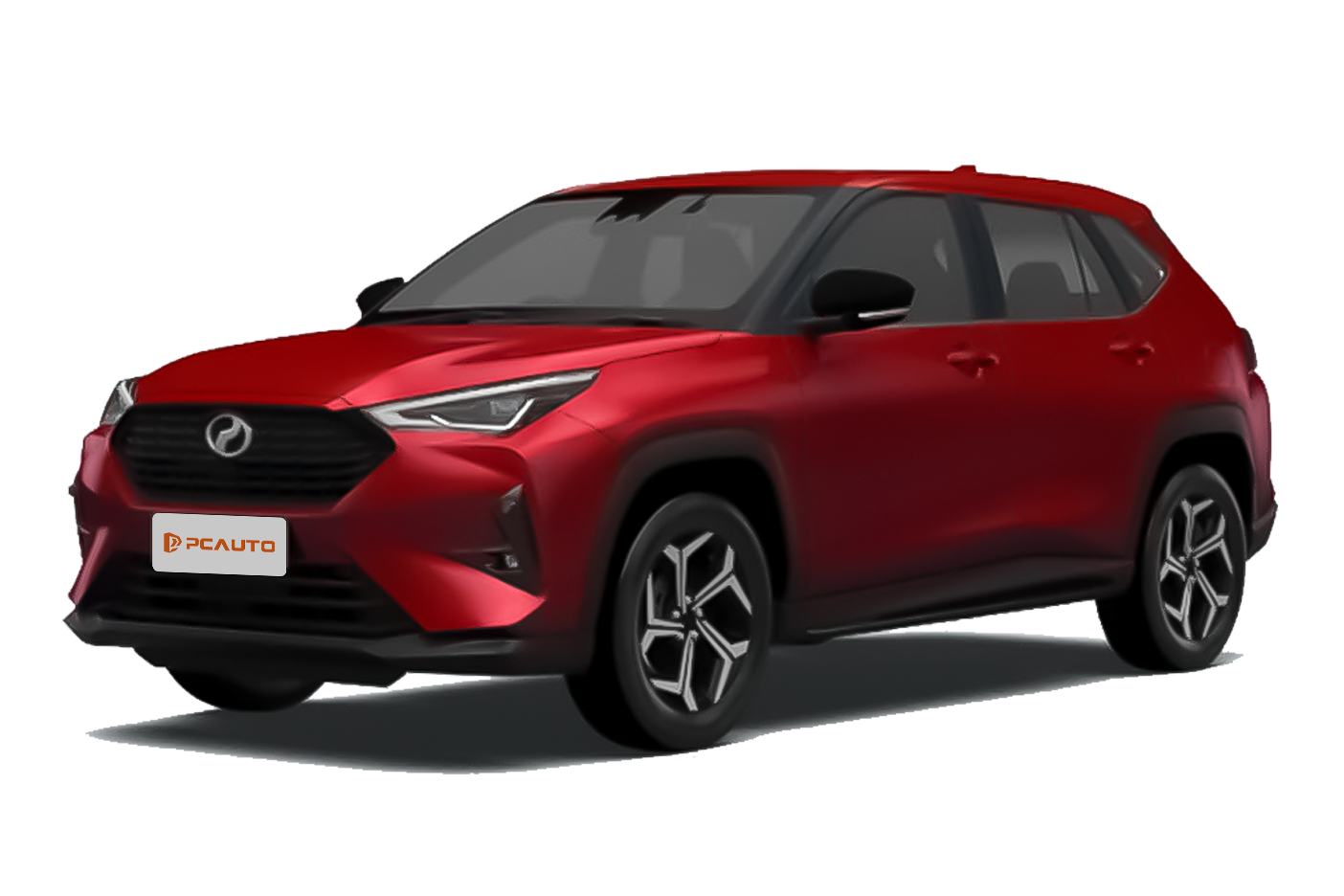
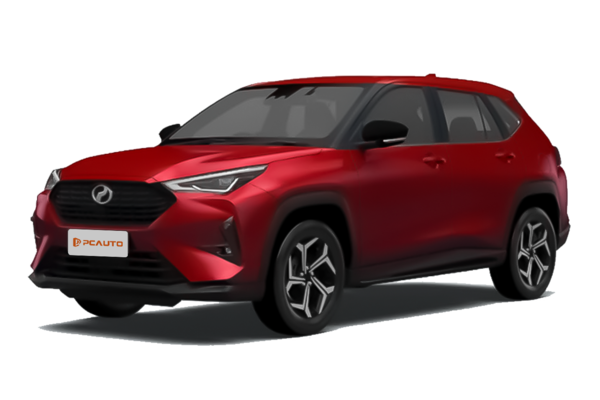
2025 Perodua Traz X, positioned as a B-segment SUV for family users, highlights advanced safety features, 210mm high ground clearance, and practical spaciousness as its main selling points, balancing flexibility and practicality.
2
Rank in SUV
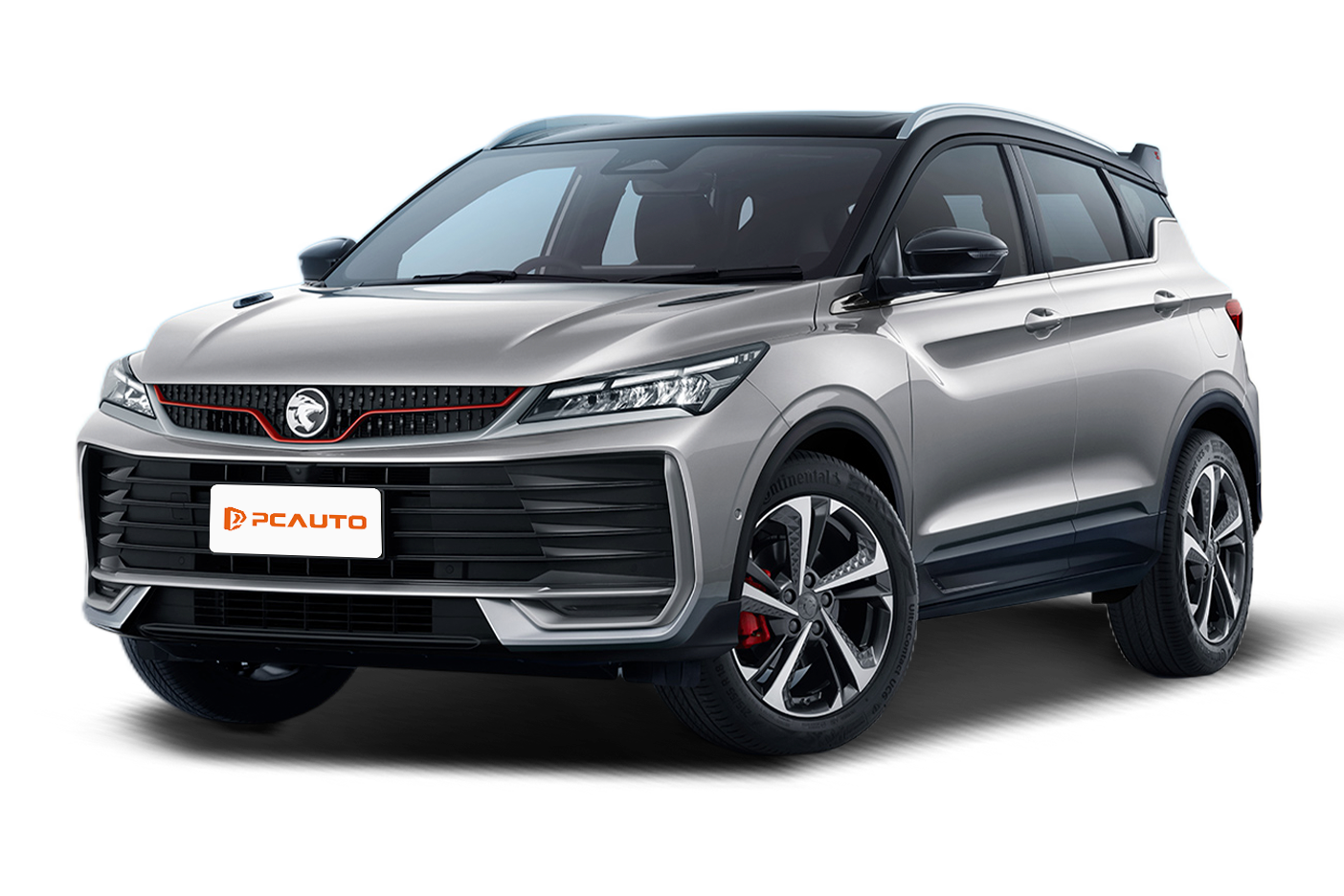
2025 Proton X50 Executive is an upgraded and price-reduced mid-size SUV that combines refined exterior, tech-savvy interior, powerful performance, and practical space, offering exceptional value for money.