

Renault Captur Review

 Share
Share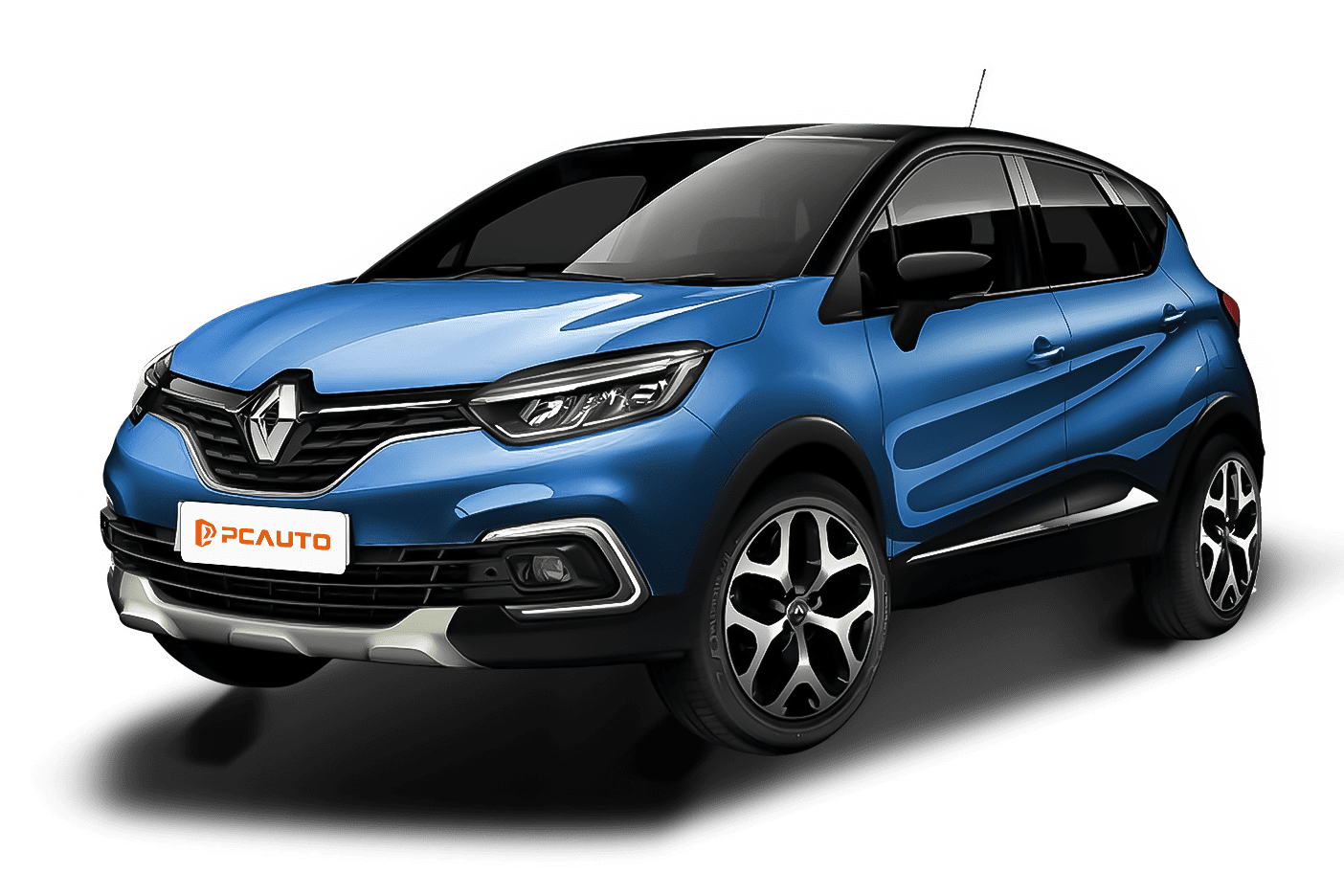
 Segment
 Body Type
 Capacity(L)
 Engine Power(PS)
 Transmission
 Driven Wheels
With the competition in the B-Segment SUV market becoming increasingly fierce, Malaysian consumers not only value space practicality when choosing a car but also have clear requirements for features and value for money. The 2017 Renault Captur TCe 120 EDC (CKD version), as a popular contender in this segment, emphasizes a balanced spatial performance, rich intelligent features, and decent fuel efficiency. This time, we tested the car to see if it truly meets the daily needs of family users.
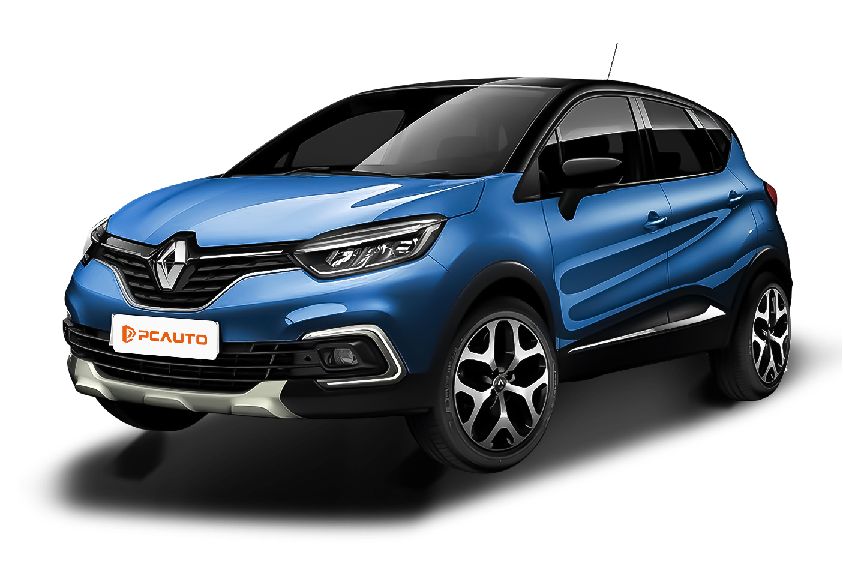
In terms of exterior design, the Captur retains Renault's family style with a fashionable touch. The overall lines are smooth with a slightly rounded shape, catering to the aesthetic preferences of most family users. At the front, a large grille with chrome accents connects to the halogen headlamps on both sides, creating a visually harmonious appearance. The side profile features a waistline running from the front fender to the rear of the car, complemented by 17-inch wheels, making the car look more elongated. The rear design is relatively simple, with horizontally arranged taillights that are easily recognizable when lit. The black lower bumper adds a hint of the sturdiness expected from an SUV. As for the lighting system, the vehicle is equipped with daytime running lights and automatic headlights as standard, which are convenient for daily use. However, the halogen headlights provide only average illumination at night.
Inside, the overall interior style leans towards simplicity and practicality, with the center console wrapped in soft-touch materials, which feel quite pleasant. A 7-inch central display sits atop the dashboard, featuring a straightforward operating logic and a relatively smooth response speed. Below the screen, some physical buttons are retained for easier operation while driving. The instrument cluster is a full LCD design that can display information such as vehicle speed, RPM, and fuel consumption. The interface is clear and easy to read. In terms of features, the Captur performs well, offering keyless entry and start, a multifunction steering wheel, single-zone automatic climate control for the front row, and a 220V/230V power outlet as standard. These features are quite practical for daily use. The front seats are electrically adjustable and provide good support and cushioning, ensuring comfort during long drives. The rear seats can be folded down in a 60:40 split configuration, allowing for extended trunk space to accommodate large items.
The space performance meets the standards of the B-Segment SUV category, with dimensions of 4122mm×1778mm×1567mm and a wheelbase of 2606mm. The front-row seating offers sufficient space, with around a fist’s worth of headroom for a passenger of 175cm after adjusting the seat. The rear row offers approximately two fists of legroom and one fist of headroom, which is adequate for daily family outings. The standard trunk capacity is 377 liters, sufficient to accommodate two 20-inch suitcases and some miscellaneous items. Additionally, there is a hidden storage compartment under the trunk floor for storing small items.
In terms of performance, the Captur is equipped with a 1.2T turbocharged engine delivering a maximum power of 120PS and a maximum torque that kicks in at 2000rpm, paired with a DCT transmission. During daily drives, the car accelerates promptly, and the power responds well at low RPMs, making it easy to keep up with traffic or overtake on city roads. When switching to the sport mode, the throttle response becomes more sensitive, and the acceleration feels more powerful with a greater sense of push-back. However, at high speeds exceeding 100km/h, the power reserves feel somewhat insufficient during further acceleration. The official 0-100km/h acceleration time is 10.9 seconds, which is an average performance in its class.
In terms of handling and chassis performance, the steering wheel is precise with minimal play, providing a relatively light feel during daily driving, making parking or low-speed maneuvering very easy. The chassis adopts a front MacPherson independent suspension, tuned for comfort, effectively filtering out most of the small bumps on the road. Crossing speed bumps does not bring a harsh impact. However, when cornering, the body roll is relatively noticeable, as it is primarily a family SUV and handling is not its strong suit.
Regarding fuel economy, we drove equal distances on city roads and highways, keeping the air conditioning on throughout the journey. The actual measured fuel consumption was approximately 6.5L/100km, which is close to the official figure of 5.9L/100km, showing a decent performance. The braking performance is also relatively stable, with a linear pedal feel, and during emergency braking, the vehicle remains steady without noticeable nose diving.
On driving comfort, the noise control of the Captur is relatively well-handled. While there is some wind and tire noise during high-speed driving, they remain within an acceptable range and do not affect normal conversations inside the car. The seats offer good support and cushioning, making them comfortable even for long durations of travel.
Overall, the 2017 Renault Captur TCe 120 EDC’s core strengths lie in its balanced space performance, rich practical features, and decent fuel economy. Compared to the Honda HR-V in the same class, the Captur offers more features, such as a fully digital instrument panel and a 220V power outlet, which the HR-V lacks. Compared to the Toyota C-HR, it has more spacious interiors and is more budget-friendly. However, in terms of brand recognition and after-sales service network, the Captur may fall slightly behind these two competitors.
This car is suitable for family users who prioritize practicality and value for money. It satisfies needs for daily commuting or short weekend family trips. Its features are sufficient, the space accommodates routine family use, and its fuel economy can lower subsequent usage costs. Overall, the Captur is a well-rounded family SUV without significant shortcomings, making it ideal for consumers seeking practicality and cost-effectiveness.
Renault Captur Car Compare
Renault Captur Loan Calculator
More Renault Reviews
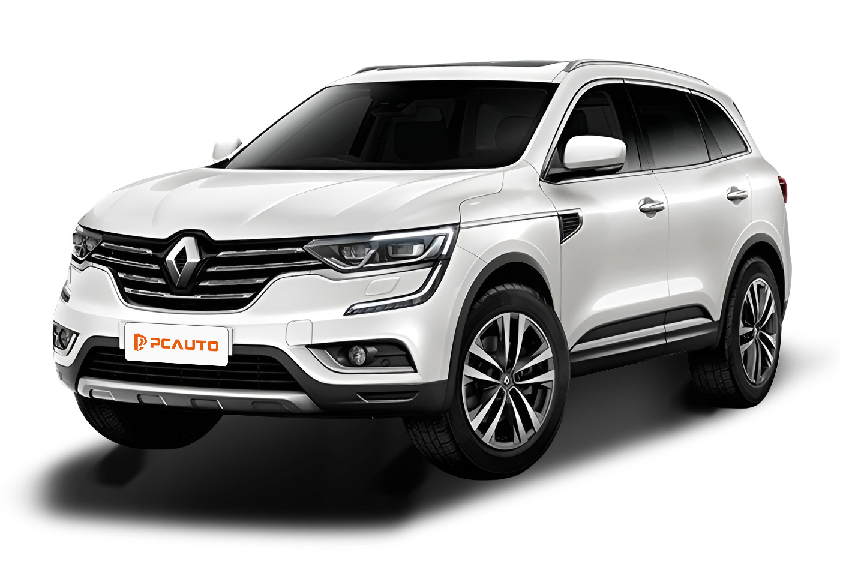
Cars With Similar Price And Features
4
Rank in SUV
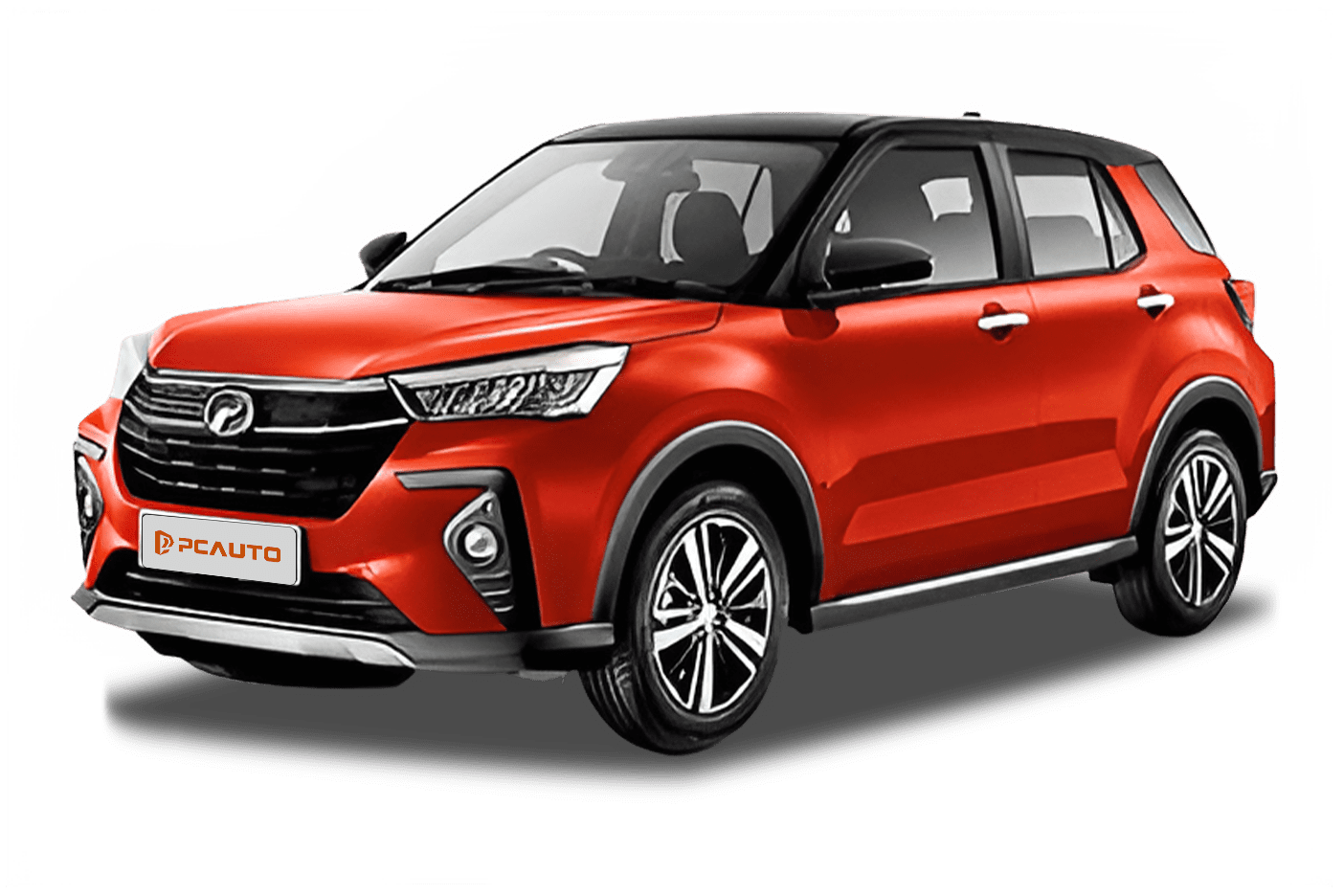
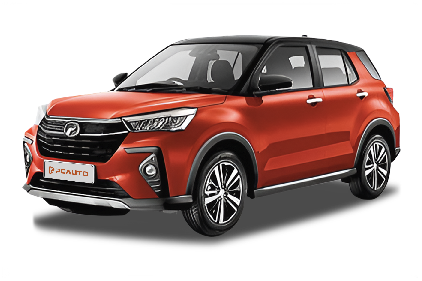
2023 Perodua Ativa 1.0L Turbo X, as a high-value-for-money entry-level B-SUV, meets the commuting and short-distance travel needs of family users with advanced safety features, practical space, and economical fuel consumption.
15
Rank in SUV
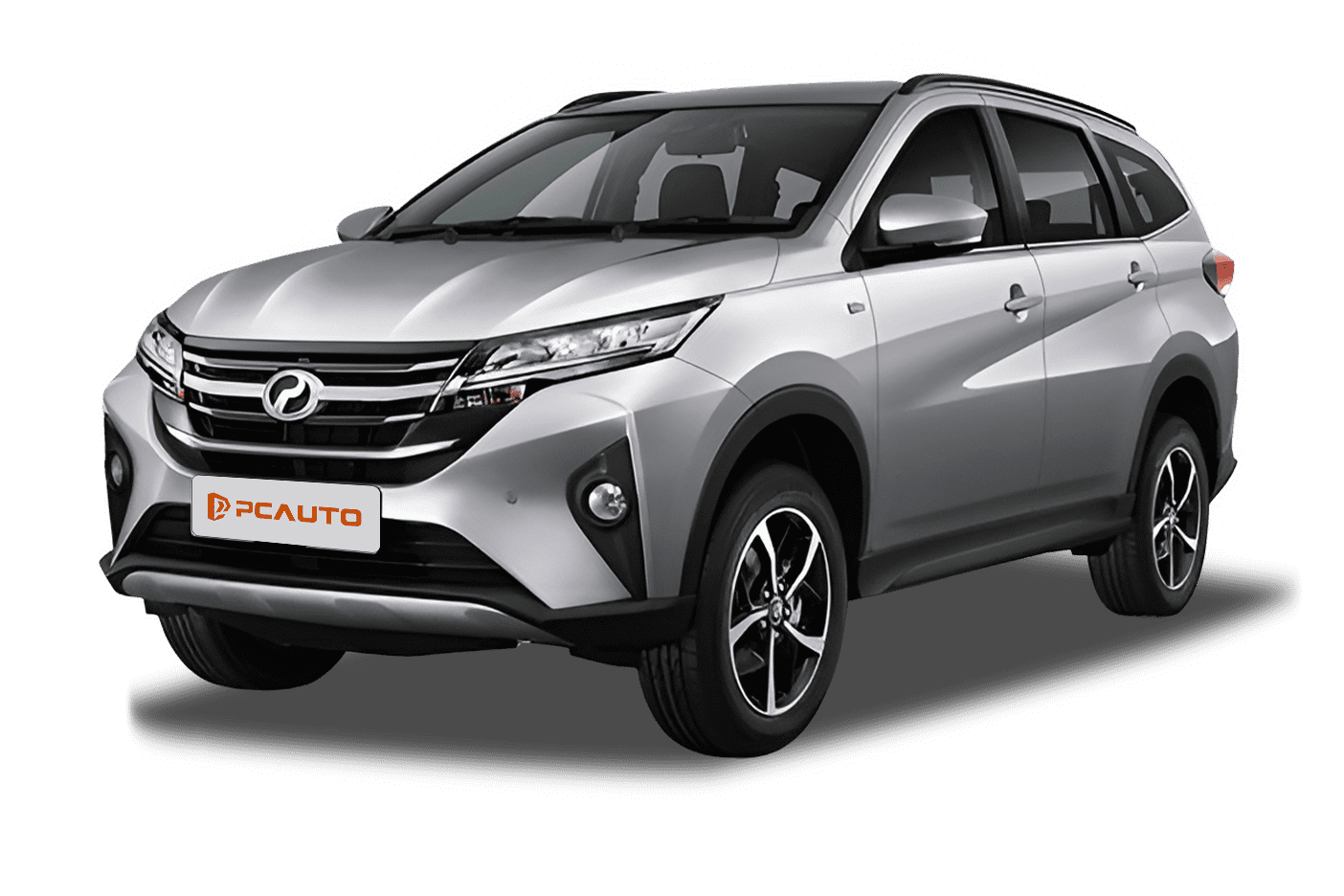
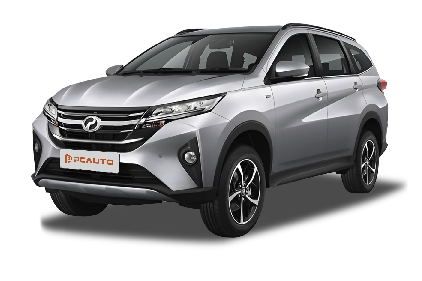
The 2023 Perodua Aruz 1.5L X is a high-value-for-money B-segment 7-seater SUV, offering 6 airbags and active safety systems as standard equipment for under RM63k. It balances practical space and daily commuting needs, making it a pragmatic choice for budget-conscious families.
3
Rank in SUV
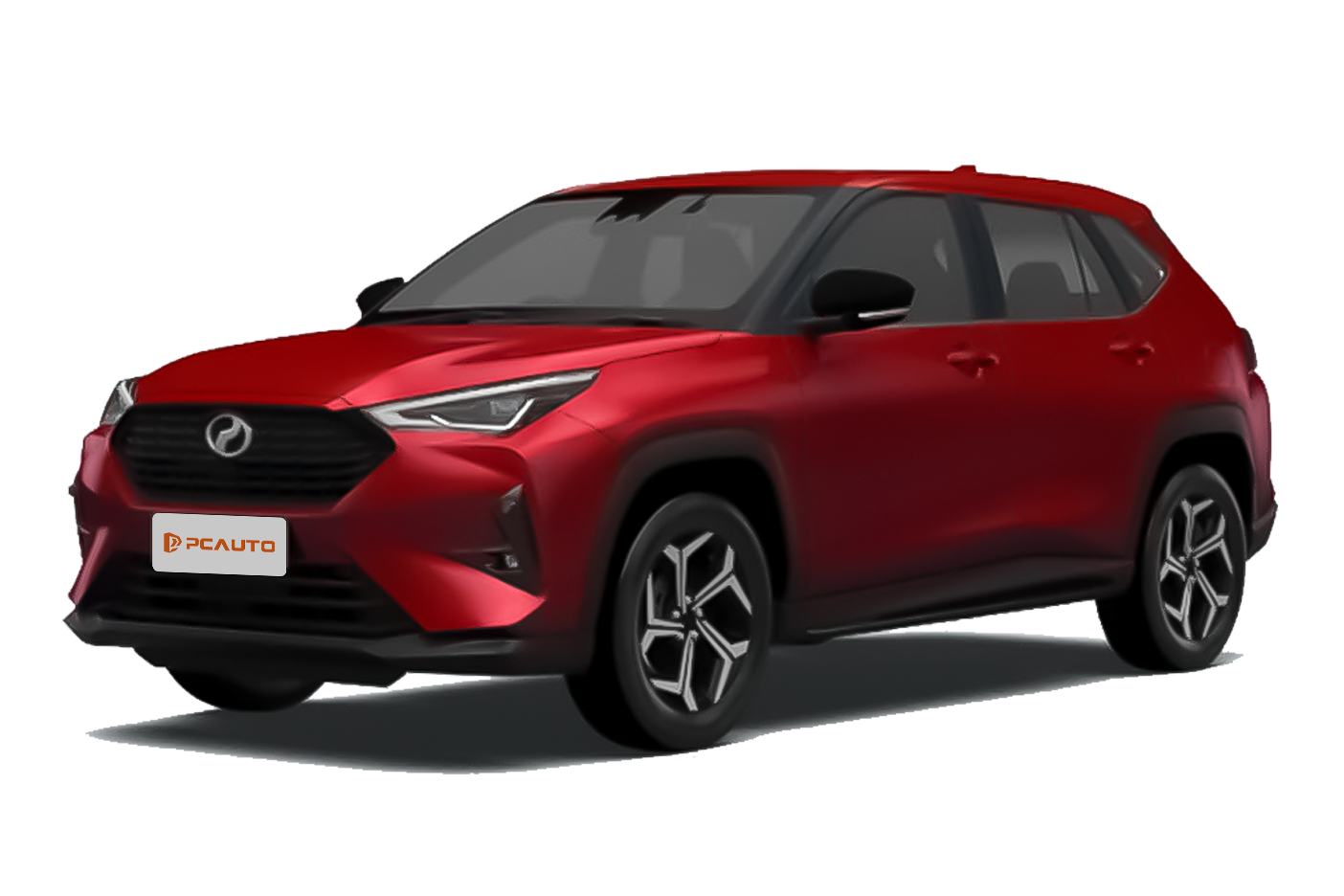
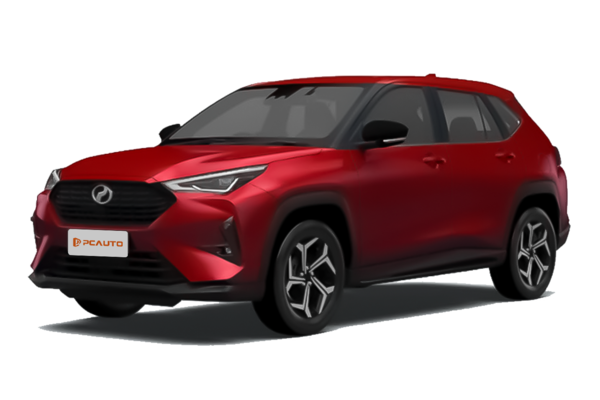
2025 Perodua Traz X, positioned as a B-segment SUV for family users, highlights advanced safety features, 210mm high ground clearance, and practical spaciousness as its main selling points, balancing flexibility and practicality.
2
Rank in SUV
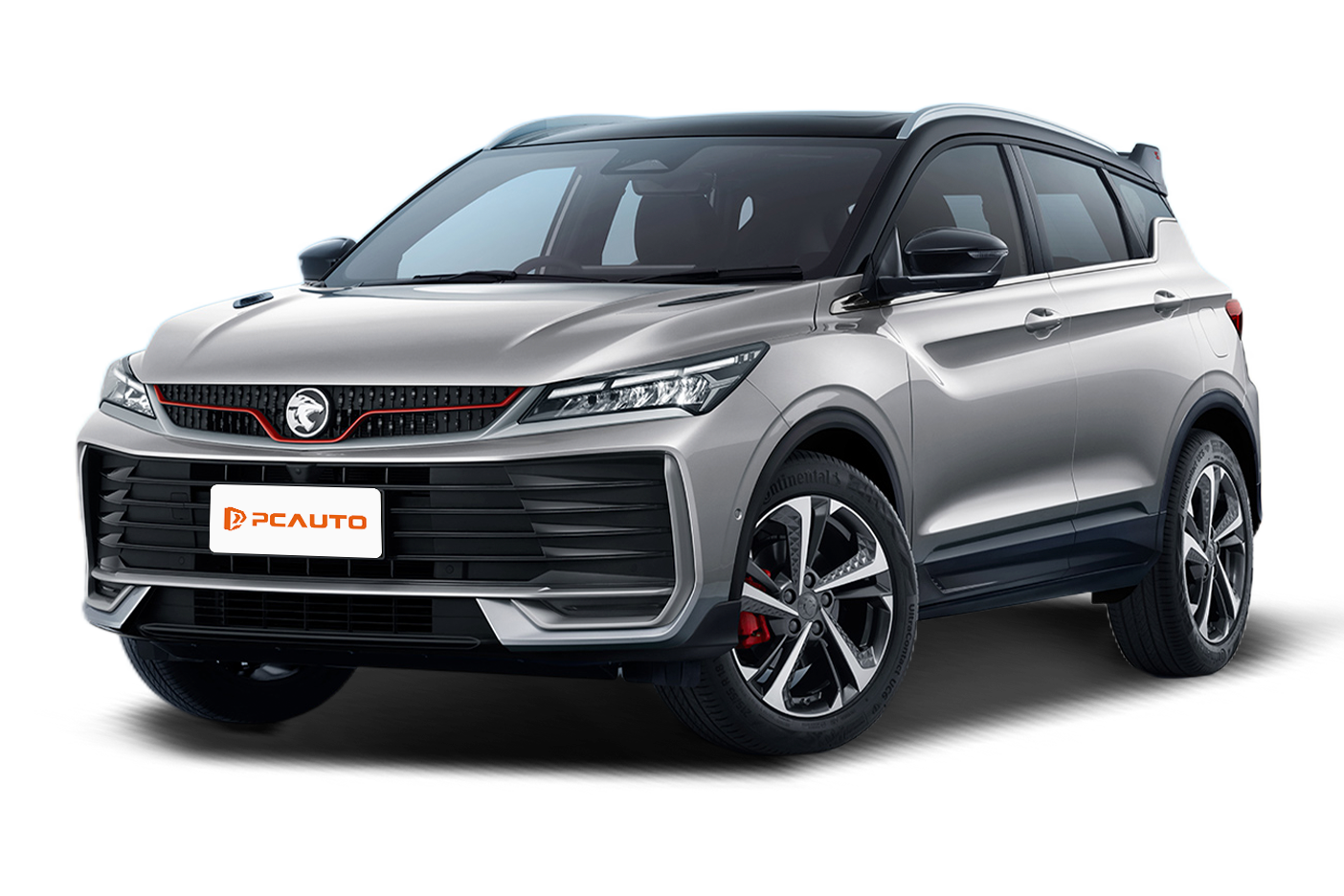
2025 Proton X50 Executive is an upgraded and price-reduced mid-size SUV that combines refined exterior, tech-savvy interior, powerful performance, and practical space, offering exceptional value for money.