

Subaru Forester Review

 Share
Share
 Segment
 Body Type
 Capacity(L)
 Engine Power(PS)
 Transmission
 Driven Wheels
Nowadays, the competition in the C-Segment SUV market is increasingly fierce. Consumers are pursuing practicality for daily use while also valuing driving stability and safety features. The 2023 Subaru Forester 2.0 i-L EyeSight, serving as the main entry-level model in the series, highlights its core selling points such as the standard Symmetrical All-Wheel Drive, EyeSight driver assistance system, and well-balanced spatial performance, aiming to distinguish itself in a highly homogeneous market with its "practicality + safety" label. This test drive focuses on evaluating the performance of its all-wheel-drive system on complex terrains, the daily practicality of its powertrain, and whether its safety features genuinely enhance driving convenience.
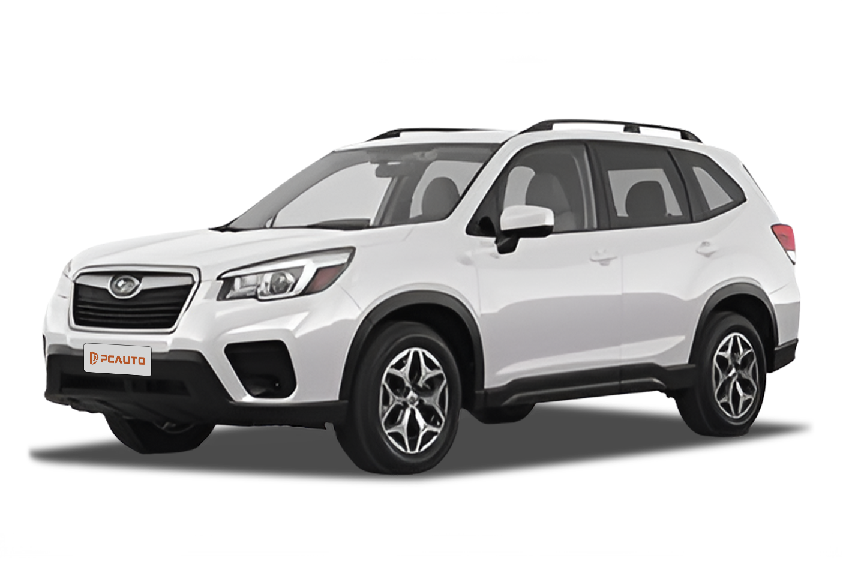
In terms of appearance, the 2023 Forester 2.0 i-L EyeSight continues the family-style rugged design. The large trapezoidal front grille, featuring an internal black mesh structure, connects with chrome trim along the upper edge to the LED headlight set on both sides, giving it high recognition. The lines on the side of the body are straight, the roof is equipped with silver roof rails, and the lower part has 225/60 R17 tires paired with multi-spoke aluminum alloy wheels, which retain the off-road aura of an SUV. The rear design is simple, with horizontally arranged LED taillights, and the silver underbody guard at the lower section of the bumper echoes the front styling. The hidden exhaust layout underneath makes the rear appear more orderly.
Stepping into the cabin, the interior features black as the primary color. The center console is wrapped in soft-touch materials and adorned with silver trim, which aligns with the quality expectations for vehicles in this price range. At the center of the dashboard is a touchscreen with a clear interface layout. It supports Bluetooth connectivity and basic entertainment features, and the operation is fairly smooth. The multi-function steering wheel is wrapped in leather, with physical buttons on the left side for adjusting volume and answering calls, while the right side houses controls for the EyeSight system. The buttons have a clear tactile response, making them easy to operate by touch. For the seating, the front features fabric seats with 8-way power adjustment, offering moderate support and wrapping effect, making long drives less fatiguing. The rear seats support a 60:40 split-folding design, and when folded down, the trunk space can expand from 520L to accommodate larger items, fulfilling diverse storage needs. In terms of space performance, the 2670mm wheelbase provides generous legroom in the rear. Passengers with a height of 175cm sitting in the rear will still have about two-fist space from their knees to the front seats, with sufficient headroom as well. For storage spaces, the front center armrest box is relatively spacious, the door pockets can hold water bottles and small items, and the rear central armrest is equipped with cup holders, showcasing high usability overall.
In terms of performance, the 2023 Forester 2.0 i-L EyeSight is equipped with a 2.0L naturally aspirated engine that delivers a maximum power of 156PS/6000rpm and a peak torque of 207N·m/4000rpm, paired with a CVT continuously variable transmission. During daily driving, the power output at startup is smooth, and the acceleration process feels linear. The CVT transmission performs well in terms of smoothness, with almost imperceptible gear shifting jolts. When stepping hard on the accelerator, the engine speed gradually rises, and the power response is slightly delayed but sufficient for overtaking on city roads. When switched to Sport mode, the transmission holds higher RPMs, delivering more aggressive power output. However, due to the characteristics of the naturally aspirated engine, its high-speed acceleration ability is moderate. In terms of driving modes, in addition to the standard economy and sport modes, it also features an X-MODE off-road mode, which, when activated, optimizes throttle response and torque distribution to enhance the vehicle's traversing capability on muddy or slippery roads.
In terms of handling and chassis performance, the symmetrical all-wheel-drive system is a highlight. During driving, power distribution is always maintained across all four wheels, providing significantly better stability on wet roads or during high-speed cornering compared to two-wheel-drive models. The combination of front MacPherson independent suspension and rear double wishbone independent suspension is tuned for comfort. It effectively filters out small road bumps, and the suspension quickly rebounds over larger potholes without noticeable residual vibrations. The steering wheel provides moderate resistance with precise directionality and minimal play. It feels light for daily driving, but automatically becomes heavier at high speeds, boosting driving confidence.
Regarding fuel consumption, the official combined fuel consumption is 7.6L/100km. During actual test drives, city driving fuel consumption was around 8.5L/100km, while highway conditions reduced it to about 7L/100km, meeting the fuel economy expectations for SUVs in this class. In terms of safety features, the EyeSight system includes functions like forward collision warning and automatic emergency braking. During the test drive, when the car got too close to the vehicle ahead, the system promptly issued an alert and lightly braked, effectively enhancing driving safety. Additionally, seven airbags (including knee airbags), rear parking sensors, and a reversing camera provide comprehensive protection for daily driving.
In terms of driving comfort, the vehicle's sound insulation performance is commendable. At speeds below 60 km/h, tire and wind noise are well controlled. At speeds exceeding 80 km/h, wind noise slightly increases but does not interfere with normal conversations inside the cabin. The fabric seats offer decent breathability, ensuring no significant stuffiness during summer driving. The rear row is equipped with independent air conditioning vents, allowing for quick temperature adjustments and enhancing rear passenger comfort.
To summarize, the core advantages of the 2023 Subaru Forester 2.0 i-L EyeSight lie in its standard symmetrical all-wheel-drive system and EyeSight safety features, which stand out compared to the predominantly two-wheel-drive models in the same segment. While its space performance is average among competitors, the stability and off-road capability provided by the all-wheel-drive system are definite highlights. This car is suitable for family users who prioritize driving safety and occasionally need to handle complex road conditions. It can handle daily commuting, weekend road trips, and light off-roading effortlessly. If you're on a budget but still want an all-wheel-drive system alongside comprehensive safety features, the 2023 Forester 2.0 i-L EyeSight is a worthwhile choice to consider.
Subaru Forester Car Compare
Subaru Forester Loan Calculator
More Subaru Reviews
Cars With Similar Price And Features
8
Rank in SUV
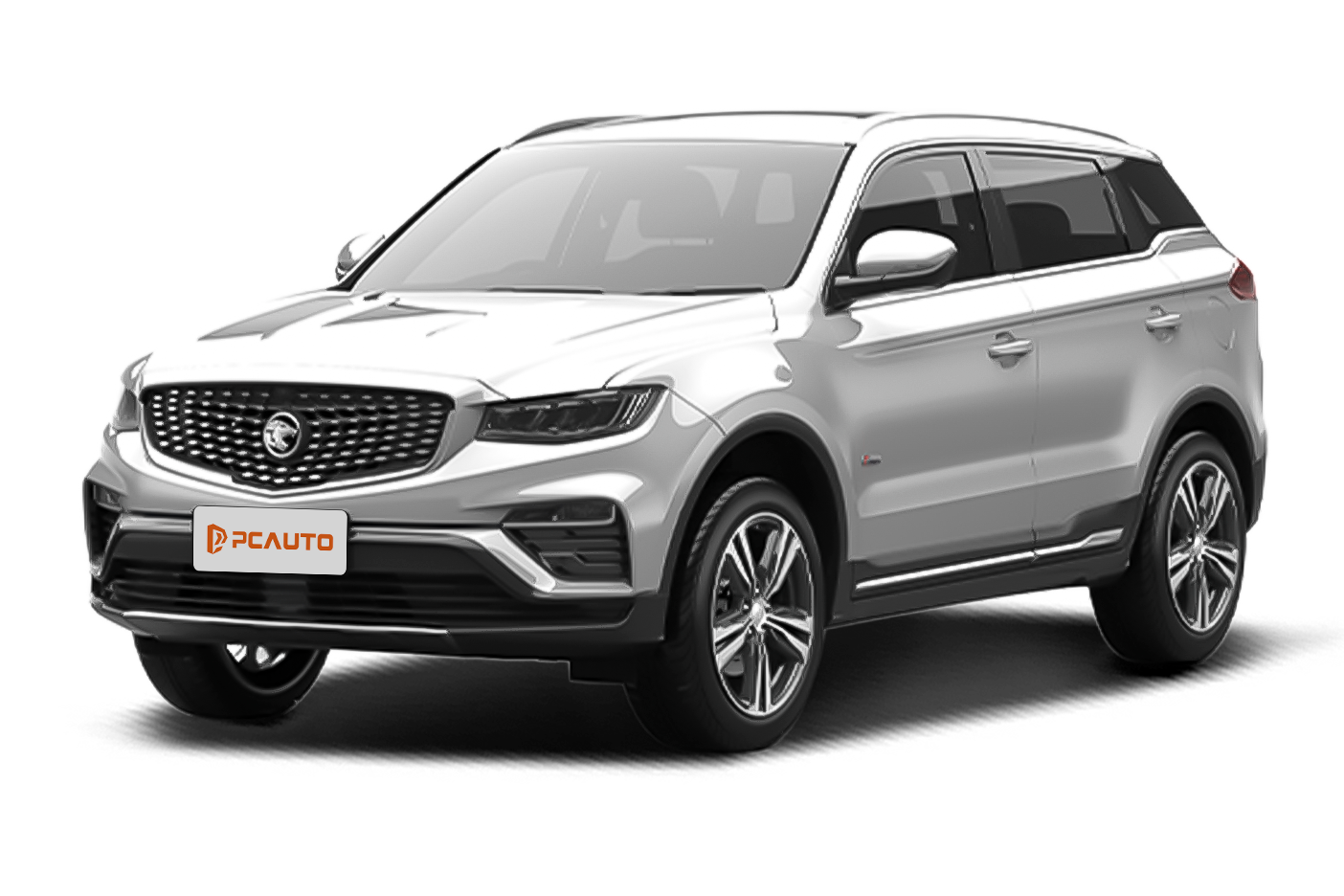
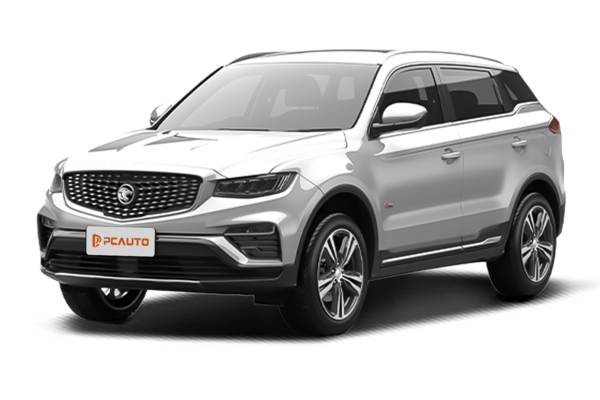
2026 Proton X70 1.5 TGDi Executive focuses on upgrading to a four-cylinder engine, practical configurations, and affordable pricing. It balances family commute practicality with value for money, making it a sensible choice among similarly priced C-segment SUVs.
10
Rank in SUV
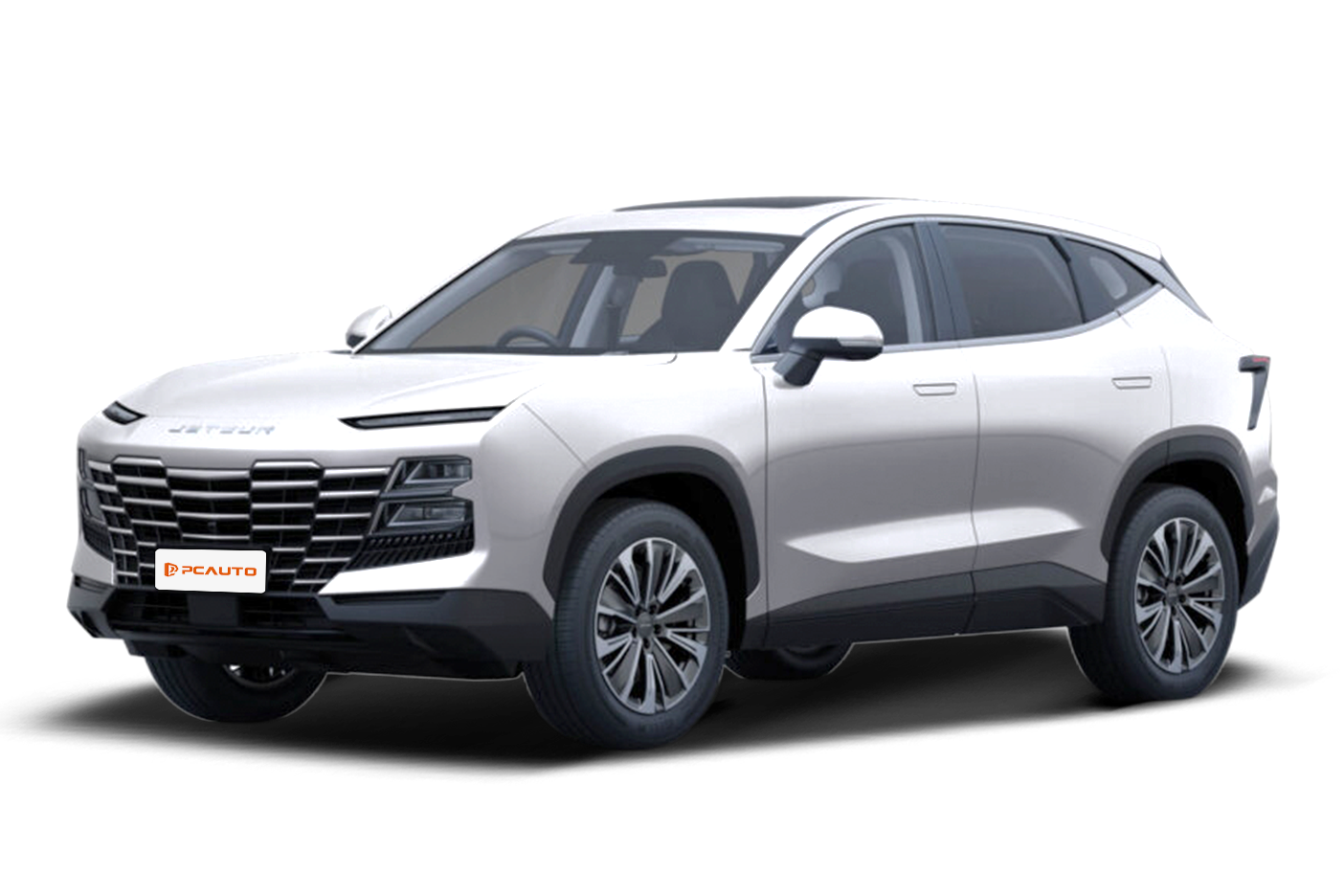
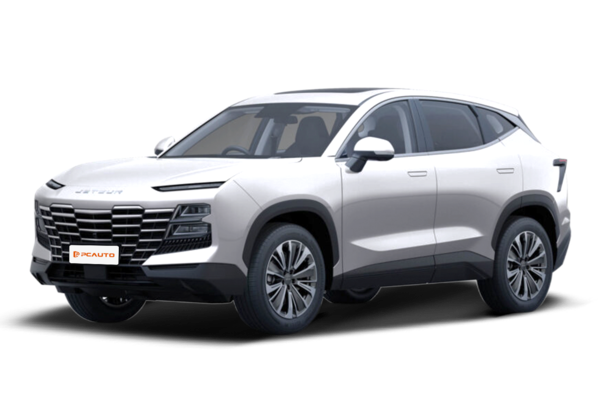
Jetour Dashing 1.5 TCI Comfort 2025 features a 2720mm long wheelbase and a 10.25-inch dual screen as its core, focusing on balanced cost performance to meet family practical needs.
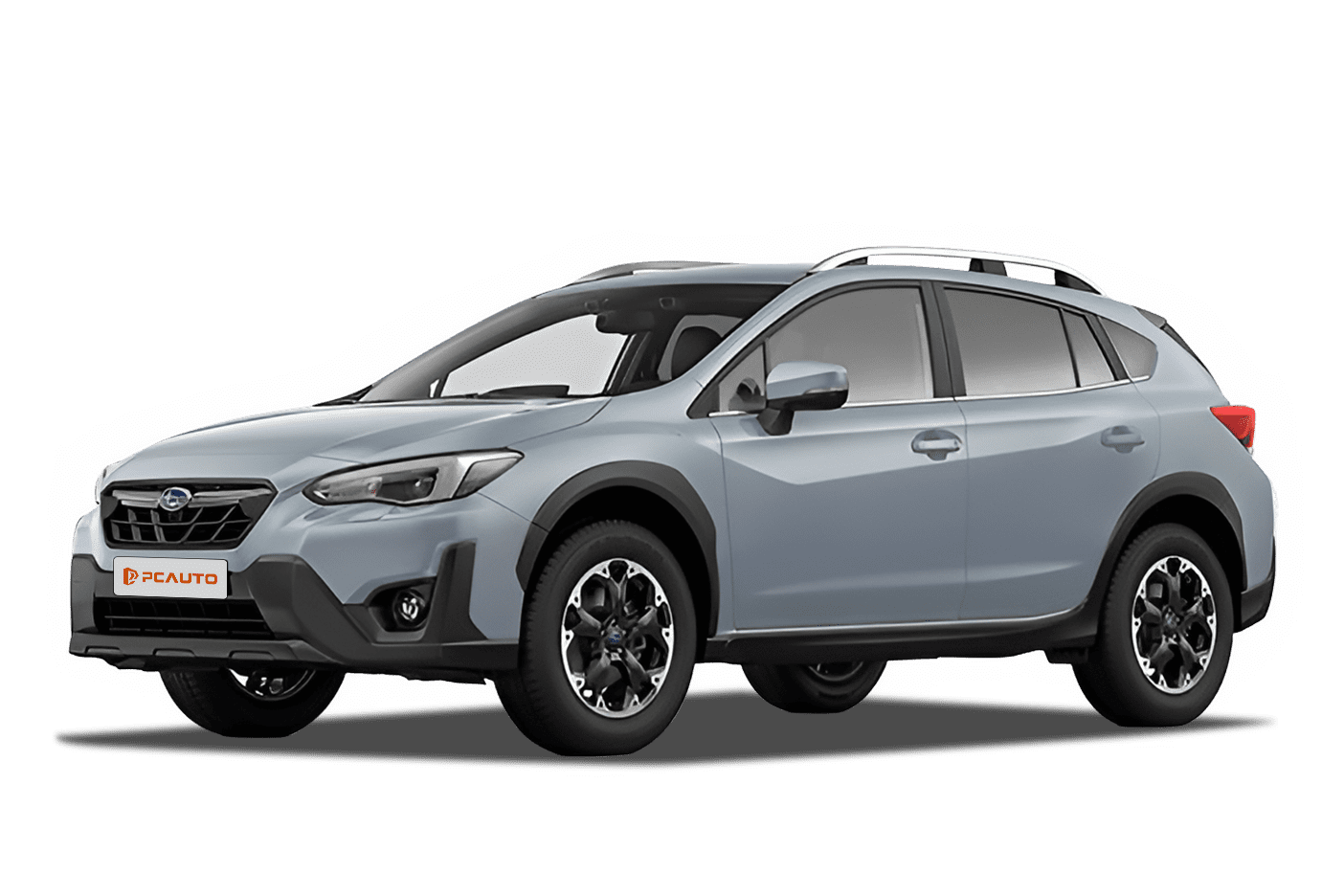
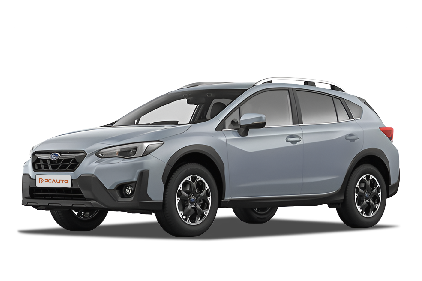
The 2021 Subaru XV 2.0i is a model targeting the C-segment crossover market, equipped with standard all-wheel drive and high safety features, balancing off-road capability and handling, with practical space.

2021 Hyundai Kona 2.0 Standard, as a high-value entry-level compact SUV, retains essential safety and practical features with an affordable price, meeting the daily commuting and loading needs of families.