

TANK 300 2024 Review

 Share
Share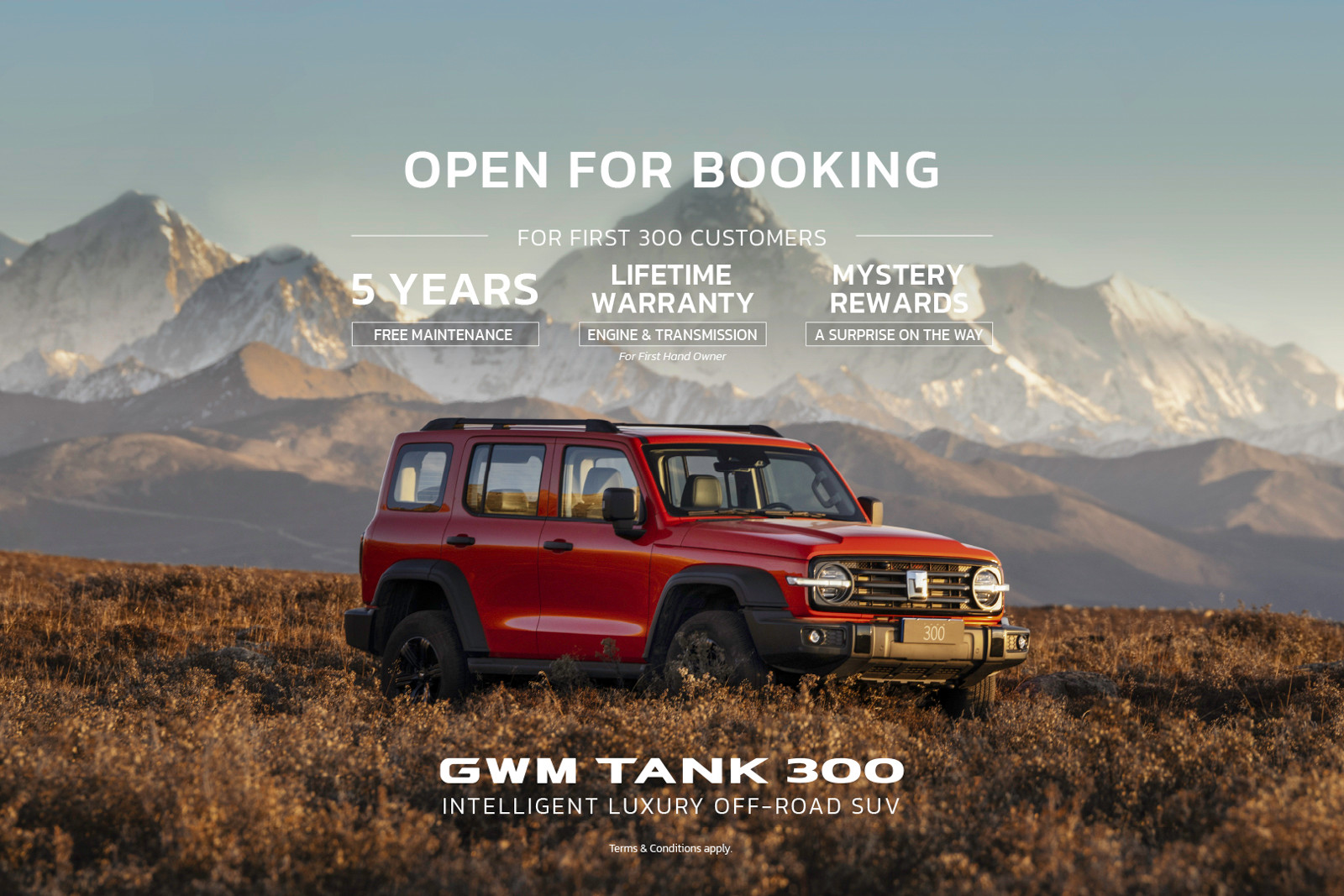

 Segment
 Body Type
 Capacity(L)
 Engine Power(PS)
 Engine Torque(Nm)
 Transmission
In Malaysia's C-Segment rugged SUV market, consumers' dual demand for "off-road capability + daily comfort" continues to rise. The 2024 Tank 300 has been introduced precisely to target this niche market. It not only retains the rugged frame of an off-road SUV but also brings intelligent configurations and comfort experiences to the forefront of its class. We got our hands on the actual vehicle, focusing on testing whether it can meet both the dual needs of weekend outdoor excursions and weekday commuting.
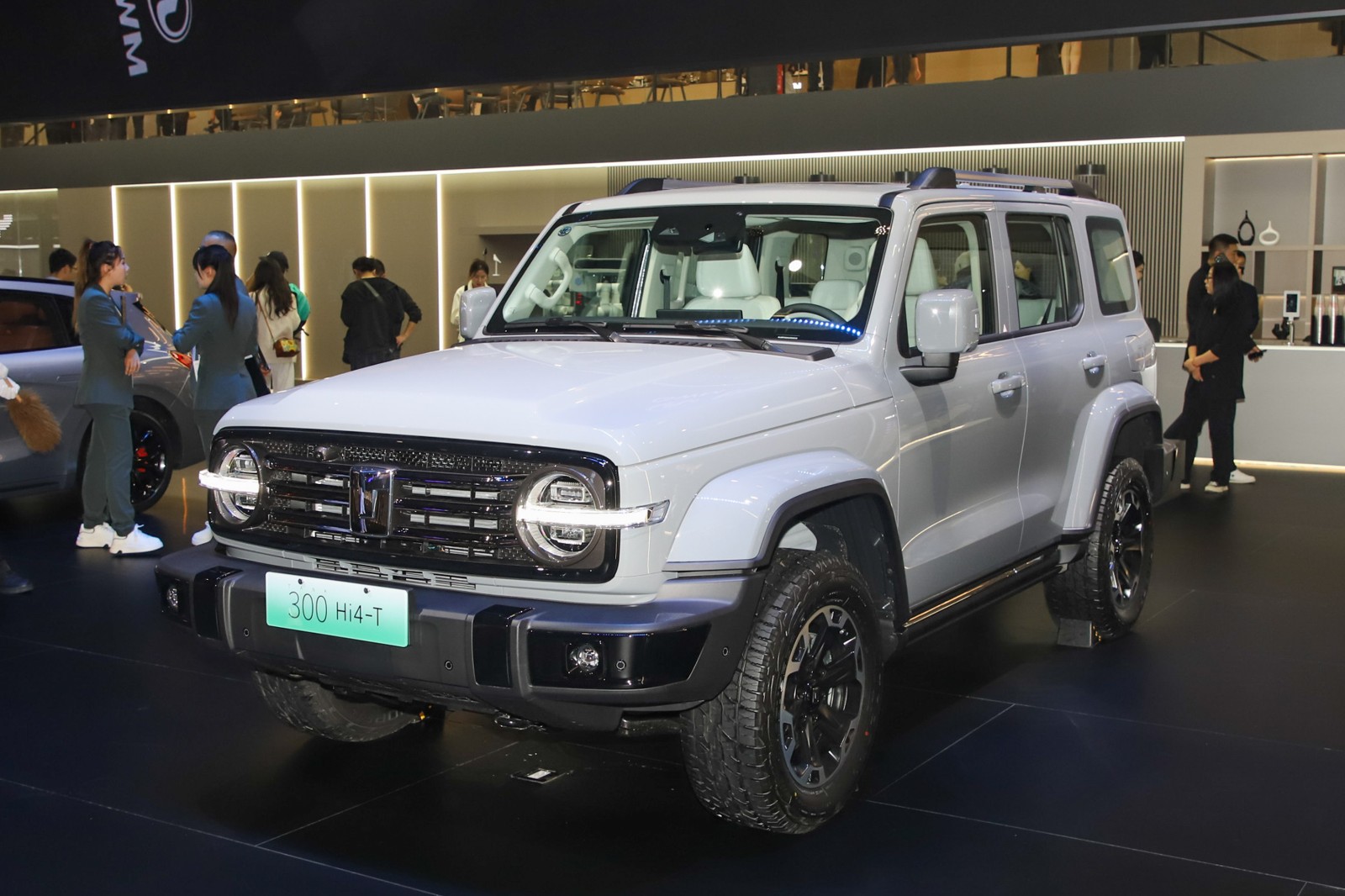
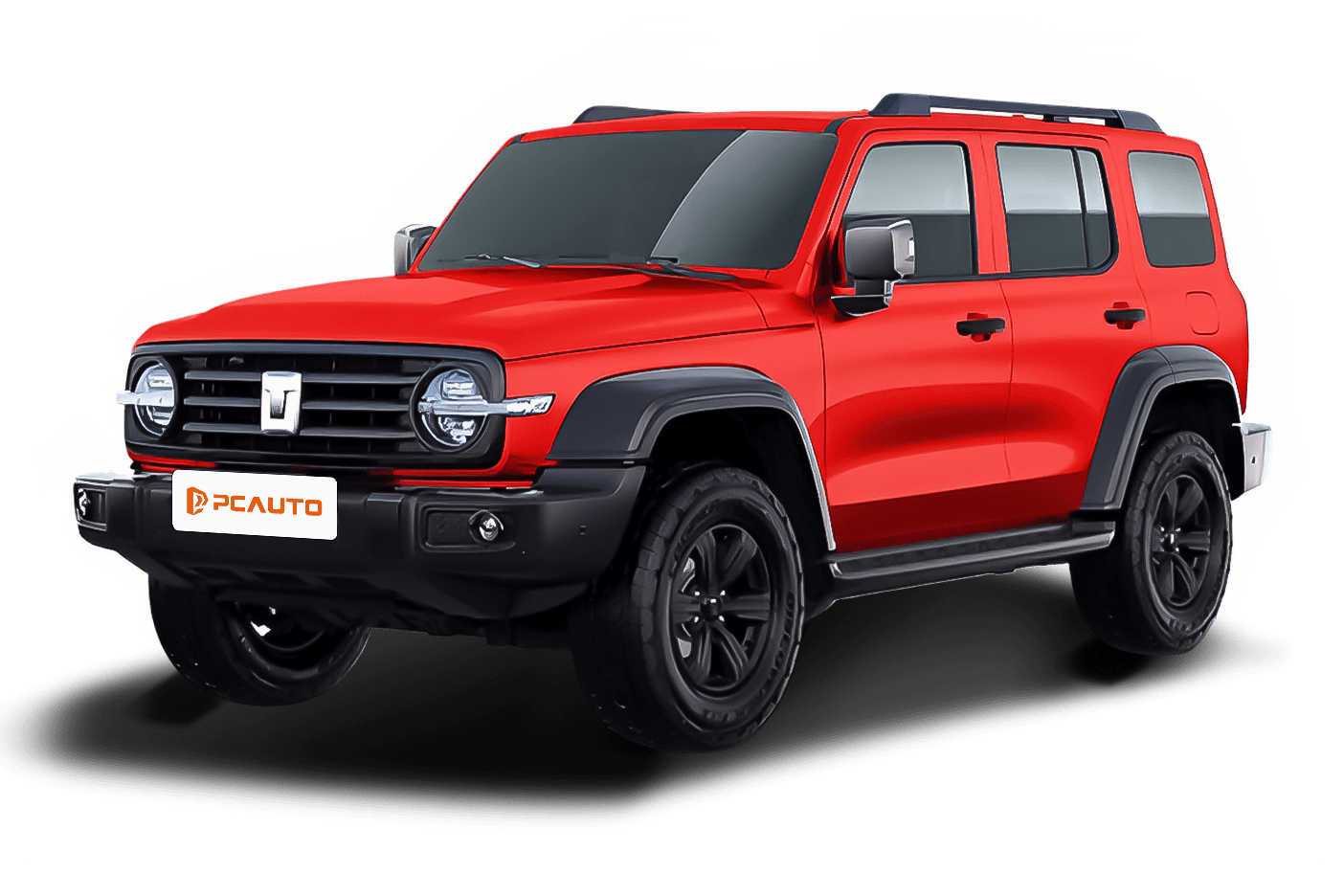
The Tank 300's exterior immediately grabs attention with its rugged boxy design combined with wide and thick fender flares, offering unmistakable recognition. The front face features a vertical bar-style grille with the TANK brand emblem embedded in the center, flanked by LED headlights integrated with the grille, further amplifying the visual width when lit. The side profile of the vehicle showcases clean lines, with black finishes on the door handles and window frames. Paired with 265/65 R18 off-road tires, the rugged vibe is evident. The rear "small backpack" spare tire cover is a highlight, with vertically designed LED taillights that echo the overall style. The tow hook interface retained below the rear bumper combines practicality with a sense of design.
Sitting inside, the Tank 300's interior follows the "rugged + tech" theme. The dashboard is wrapped in a large amount of soft-touch materials, and there's a metal trim plate in front of the passenger seat, giving a texture that doesn't feel cheap. The 12.3-inch central control touchscreen is connected to the fully digital instrument panel, and the operation is quite smooth, supporting CarPlay and Android Auto. The multifunction steering wheel comes with paddle shifters, and while the adjustment is manual, the position is comfortable. In terms of features, the front seats support electric adjustments and include both heating and ventilation functions, while the rear has air-conditioning vents and USB ports, which are not omitted. The 220V power outlet is very user-friendly for outdoor power needs. In terms of space, with a wheelbase of 2750mm, the rear legroom allows for about two fists of space, so passengers up to 1.8 meters tall don't feel cramped. The trunk has a standard volume capable of accommodating two 28-inch suitcases, and with the rear seats folded down in a 60:40 split, it can expand to accommodate larger items without issue.
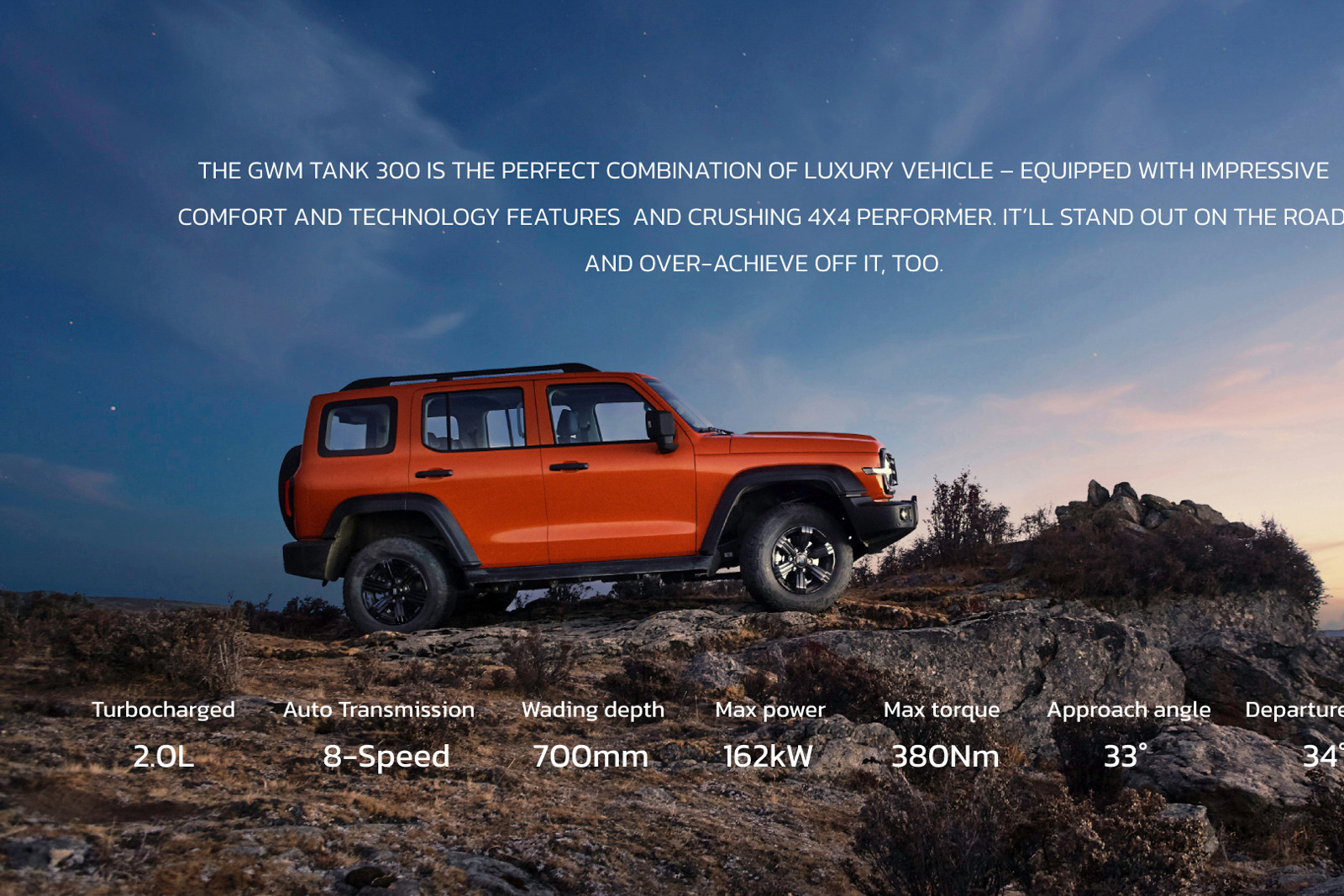
In terms of power, the Tank 300 is equipped with a 2.0T turbocharged engine with a maximum power of 162kW and a peak torque of 380N·m, paired with an 8AT transmission. For daily commuting, the acceleration isn't particularly aggressive, but the throttle response is linear, and it follows at low speeds without surging. Switching to sport mode, the transmission becomes more eager to downshift, and pressing the accelerator during overtakes provides a noticeable pushback sensation. It also delivers confident acceleration at 120km/h on highways. The suspension system uses a front double-wishbone and rear multi-link independent suspension setup, with tuning that favors comfort. It absorbs most bumps when crossing speed bumps or rough roads, avoiding harsh impacts. The steering wheel offers moderate resistance with minimal play, and it becomes heavier at high speeds, providing good stability.
We focused on testing fuel consumption and off-road performance. In congested urban conditions, fuel consumption is approximately 11.5L/100km; at a steady 100km/h on the highway, fuel consumption drops to 8.2L/100km. Overall, this is close to the official figure of 9.8L/100km, which is acceptable given the vehicle's weight of 2.1 tons. As for off-roading, the Tank 300 boasts a minimum ground clearance of 224mm, with sufficient approach and departure angles. When the four-wheel-drive system is shifted to low-speed 4WD mode, it easily climbs slopes of around 30 degrees and can handle cross-axle terrain too. However, the stock tires are more suited for road use, so for heavy-duty off-roading, a tire upgrade may be necessary.
In terms of ride comfort, the performance of the Tank 300 exceeds expectations. At high speeds, wind noise and tire noise are well controlled, with only slight wind noise entering the cabin when exceeding 120km/h. The seat padding is quite thick, and lumbar support is sufficient, so long drives won't feel tiring. The intelligent safety features are also comprehensive, including ACC adaptive cruise control, lane departure warning, and active braking, which can significantly reduce fatigue during daily commutes.
Overall, the core advantages of the 2024 Tank 300 are clear: its rugged appearance aligns with young people's aesthetics, its features are more abundant than similar models like the Toyota Fortuner and Ford Everest, and its price is more affordable; the performance of its power and fuel consumption is balanced, making it suitable for daily commutes while also handling light off-road conditions. However, it also has minor drawbacks, such as relatively high fuel consumption in urban areas and the large body making parking on narrow roads a bit troublesome.
The target audience is quite clear: if you love rugged styling, occasionally need to go off-road, and also prioritize daily comfort and features for a family-oriented vehicle, the Tank 300 is a good choice. For young professionals who have just started working and want to balance individuality and practicality, it can meet expectations as well. Overall, the Tank 300 is a "versatile" rugged SUV, and in the C-Segment market, its comprehensive product strength is very competitive.
TANK 300 Car Compare
TANK 300 Loan Calculator
More TANK Reviews

Cars With Similar Price And Features
8
Rank in SUV
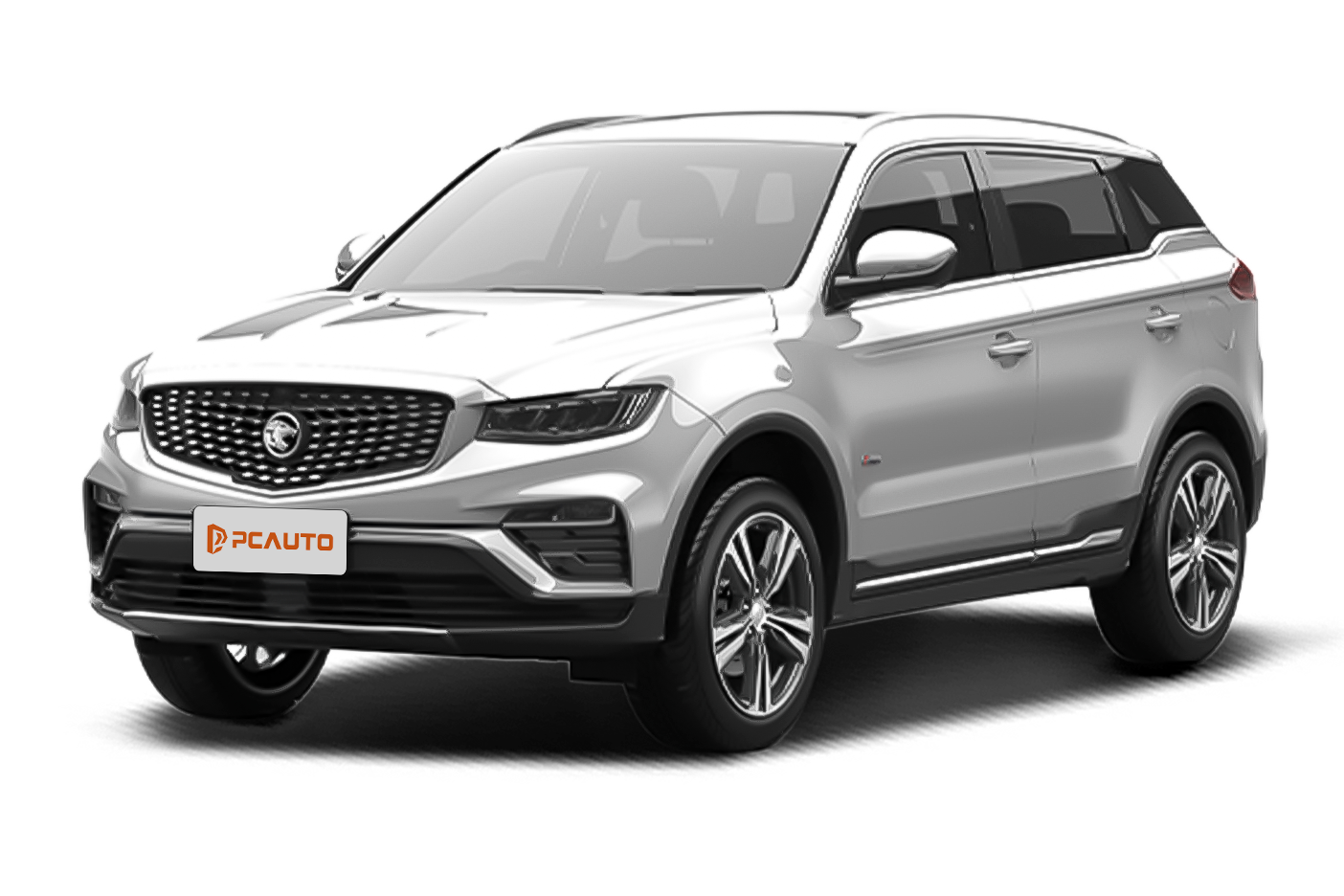
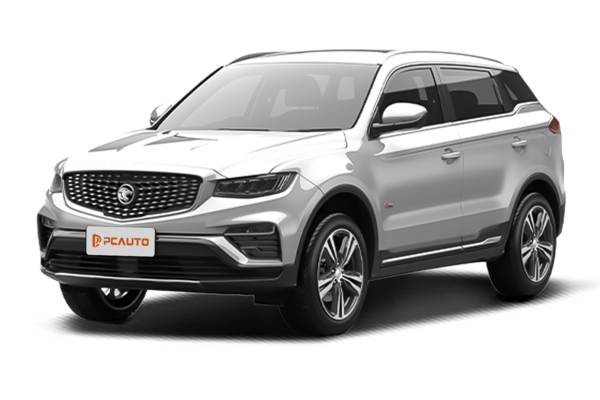
2026 Proton X70 1.5 TGDi Executive focuses on upgrading to a four-cylinder engine, practical configurations, and affordable pricing. It balances family commute practicality with value for money, making it a sensible choice among similarly priced C-segment SUVs.
10
Rank in SUV
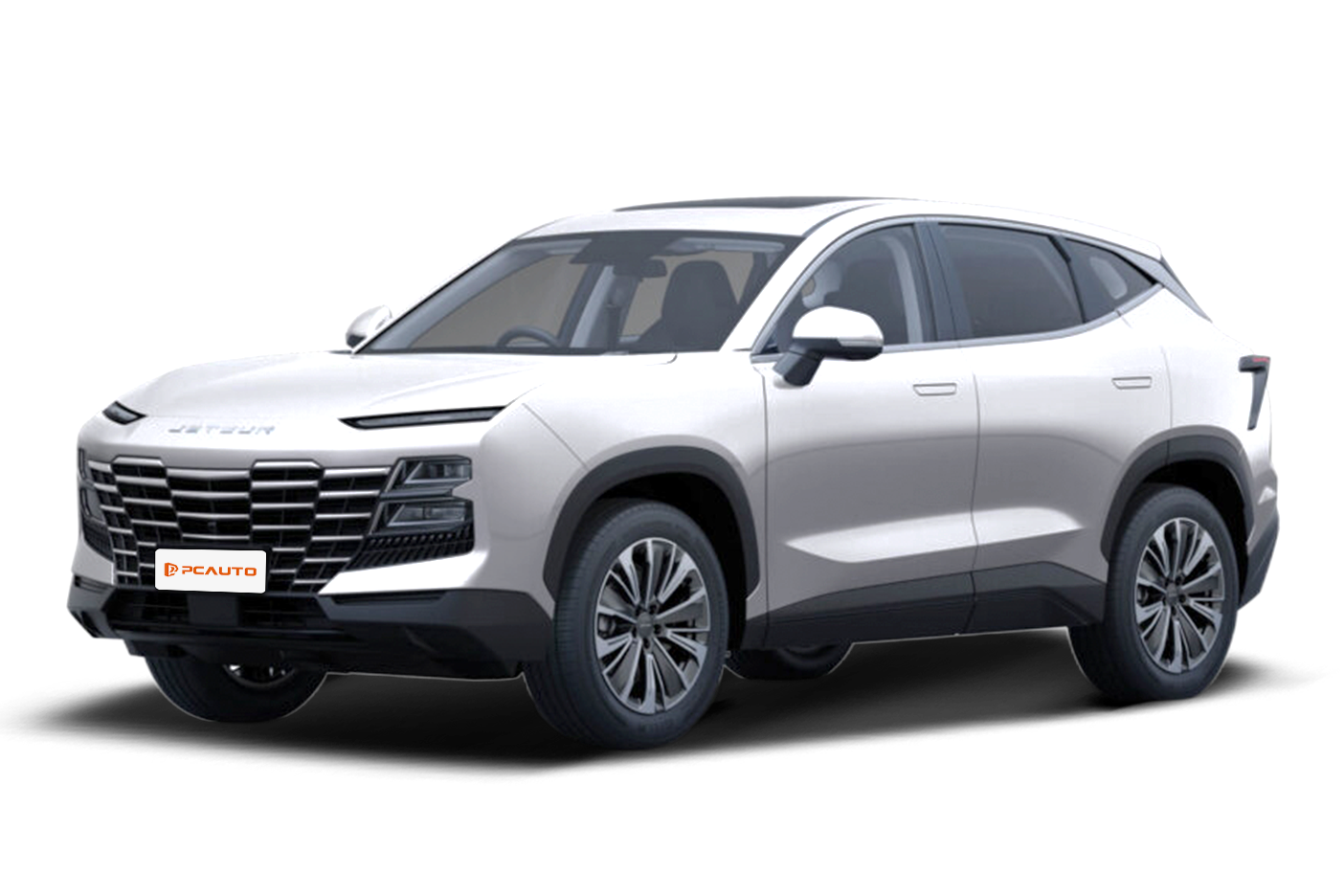
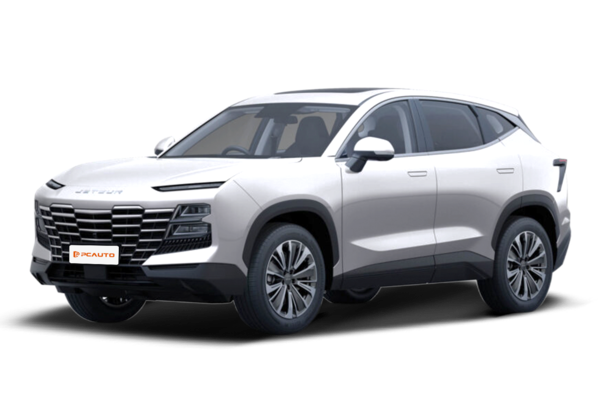
Jetour Dashing 1.5 TCI Comfort 2025 features a 2720mm long wheelbase and a 10.25-inch dual screen as its core, focusing on balanced cost performance to meet family practical needs.
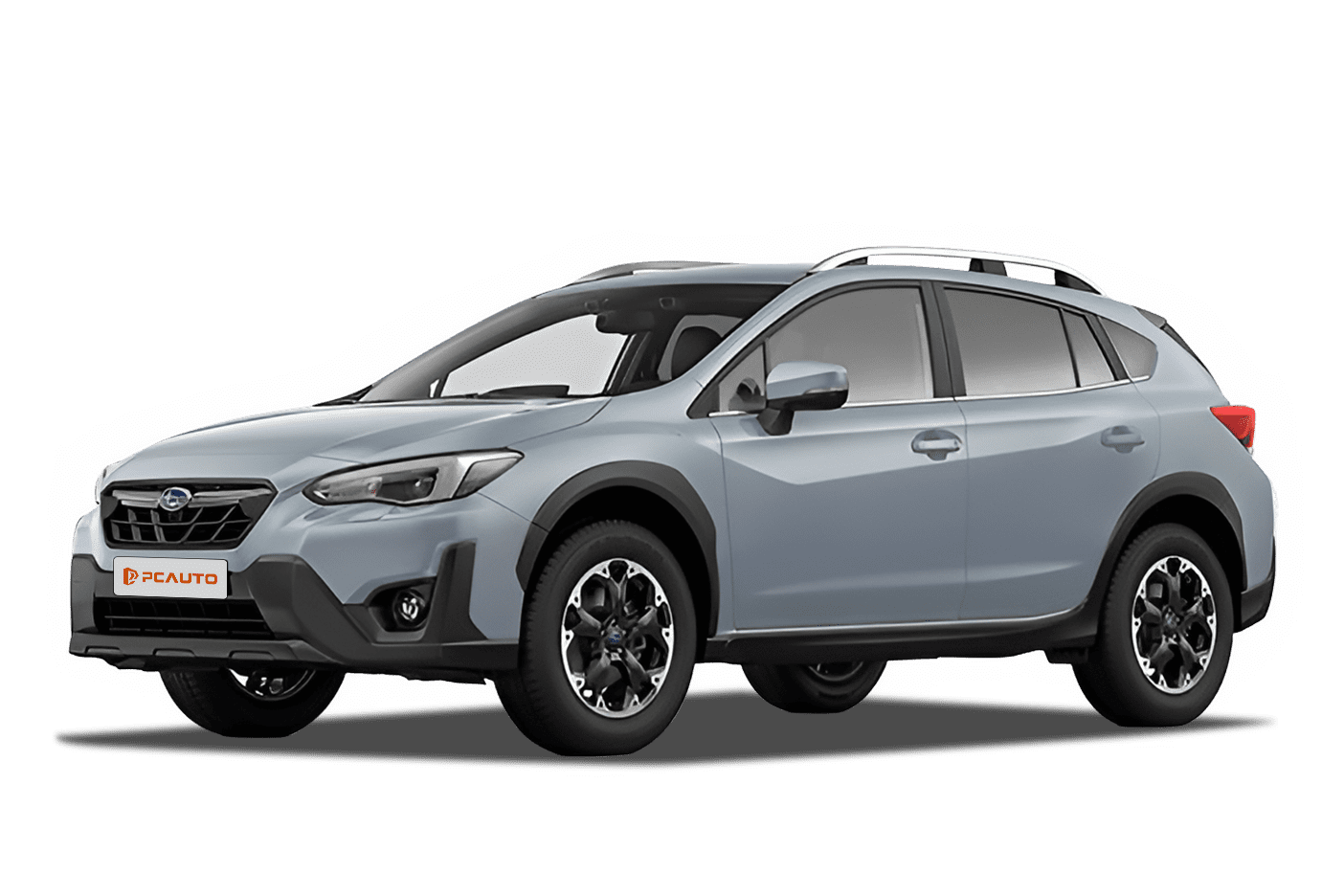
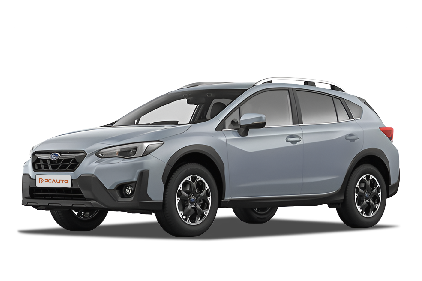
The 2021 Subaru XV 2.0i is a model targeting the C-segment crossover market, equipped with standard all-wheel drive and high safety features, balancing off-road capability and handling, with practical space.

2021 Hyundai Kona 2.0 Standard, as a high-value entry-level compact SUV, retains essential safety and practical features with an affordable price, meeting the daily commuting and loading needs of families.