

Toyota Alphard 2023 Review

 Share
Share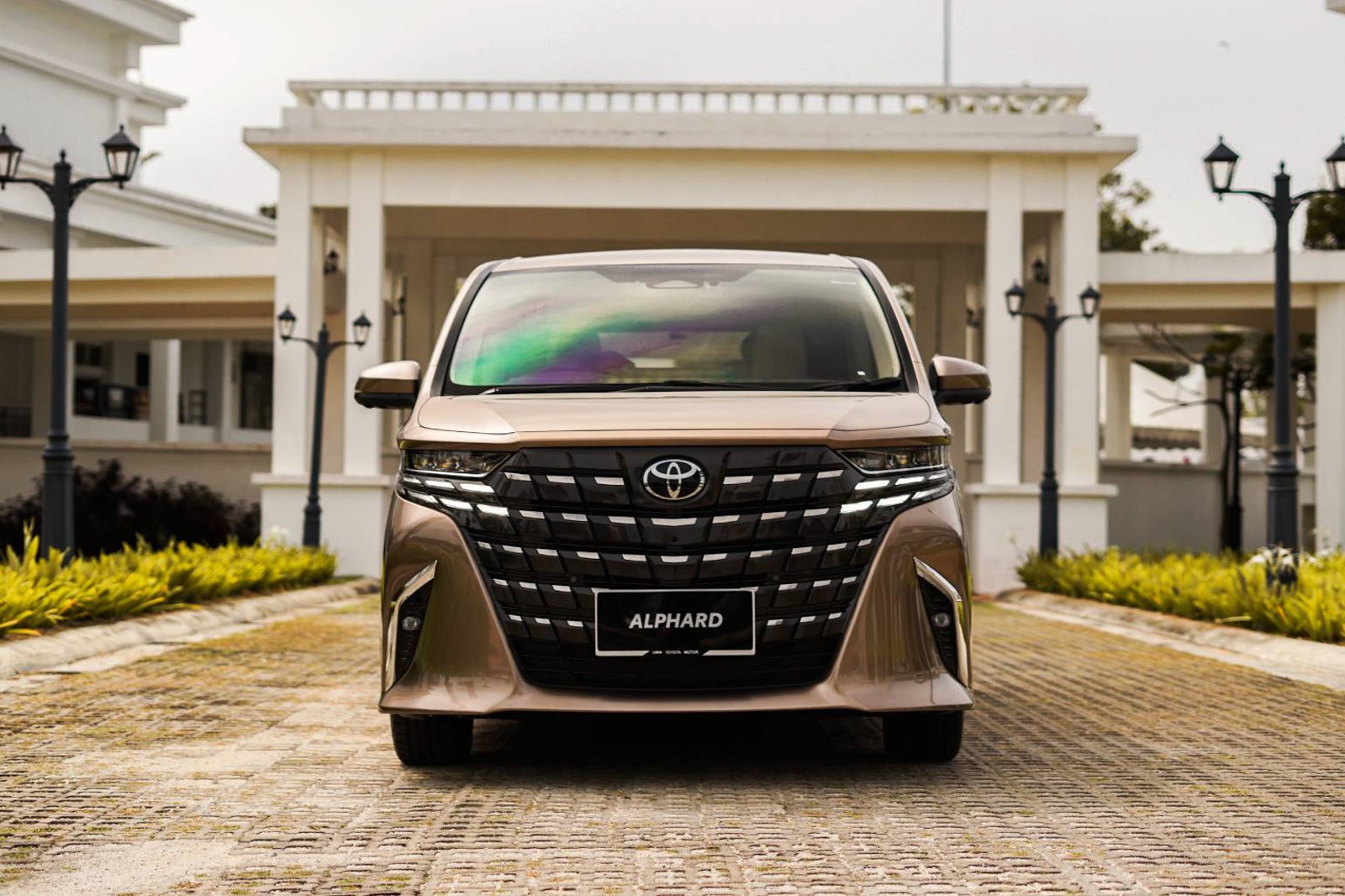
 Segment
 Body Type
 Capacity(L)
 Engine Power(PS)
 Engine Torque(Nm)
 Transmission
The Executive MPV market in Malaysia has consistently maintained stable demand, with consumers valuing both spatial practicality and high expectations for luxury features and ride comfort. The 2023 Toyota Alphard, as a popular model in this segment, not only continues its traditional strength in comfort but also brings upgrades in power and smart features in this facelift. Many family users and business professionals are eager to see how it performs in reality. This test will provide a comprehensive analysis, from static experience to dynamic driving, to help readers judge whether it meets expectations.
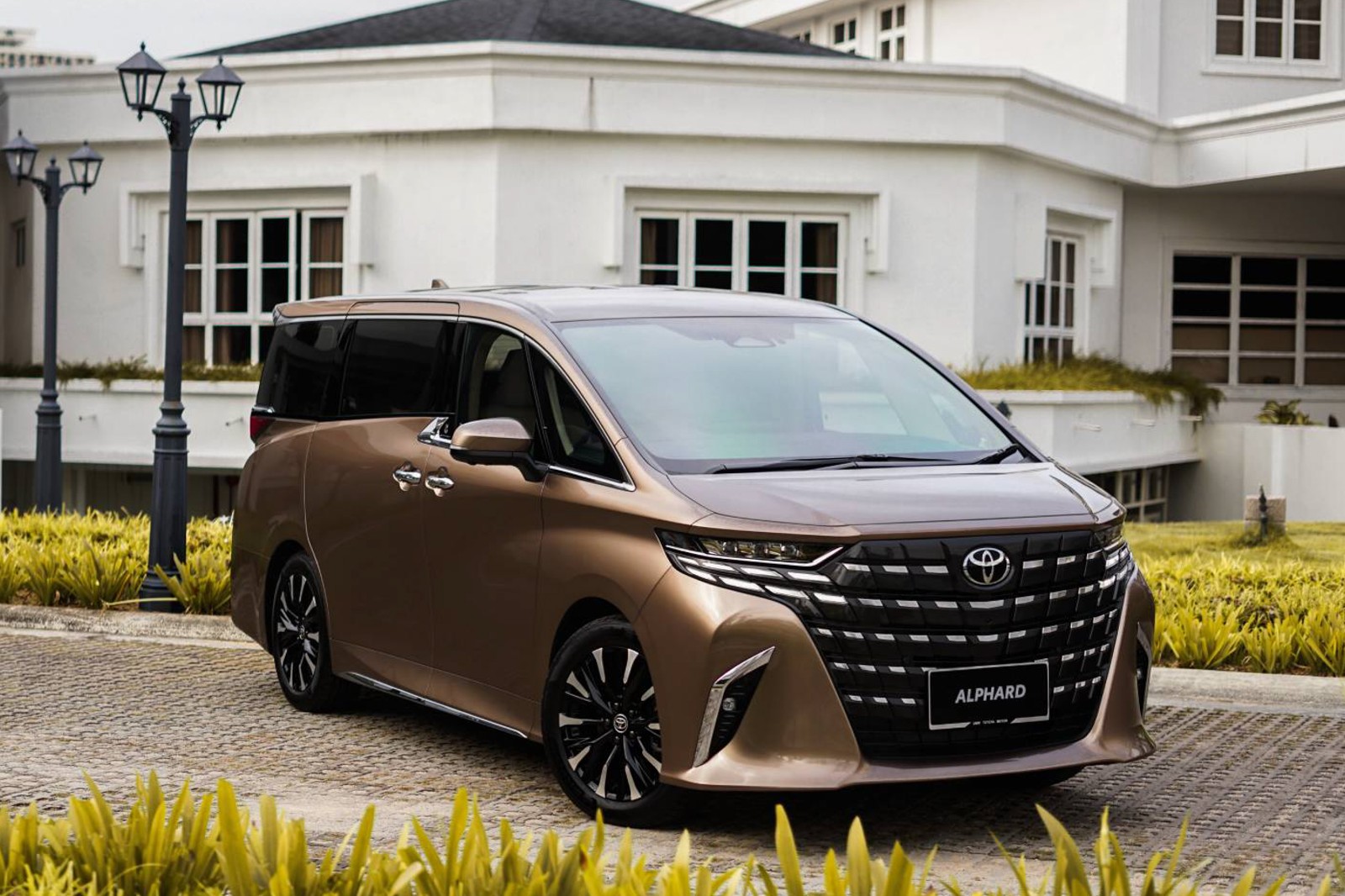
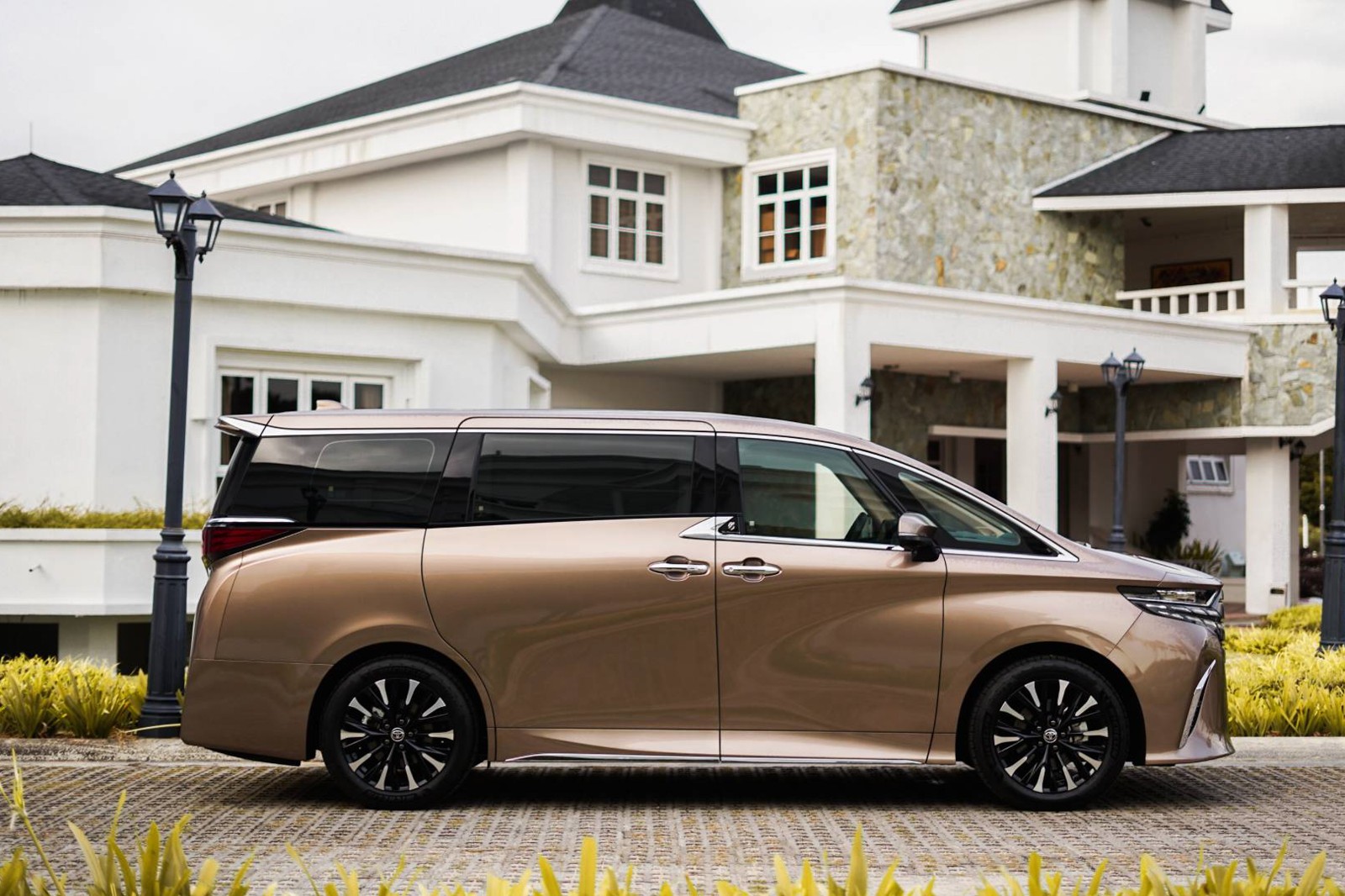
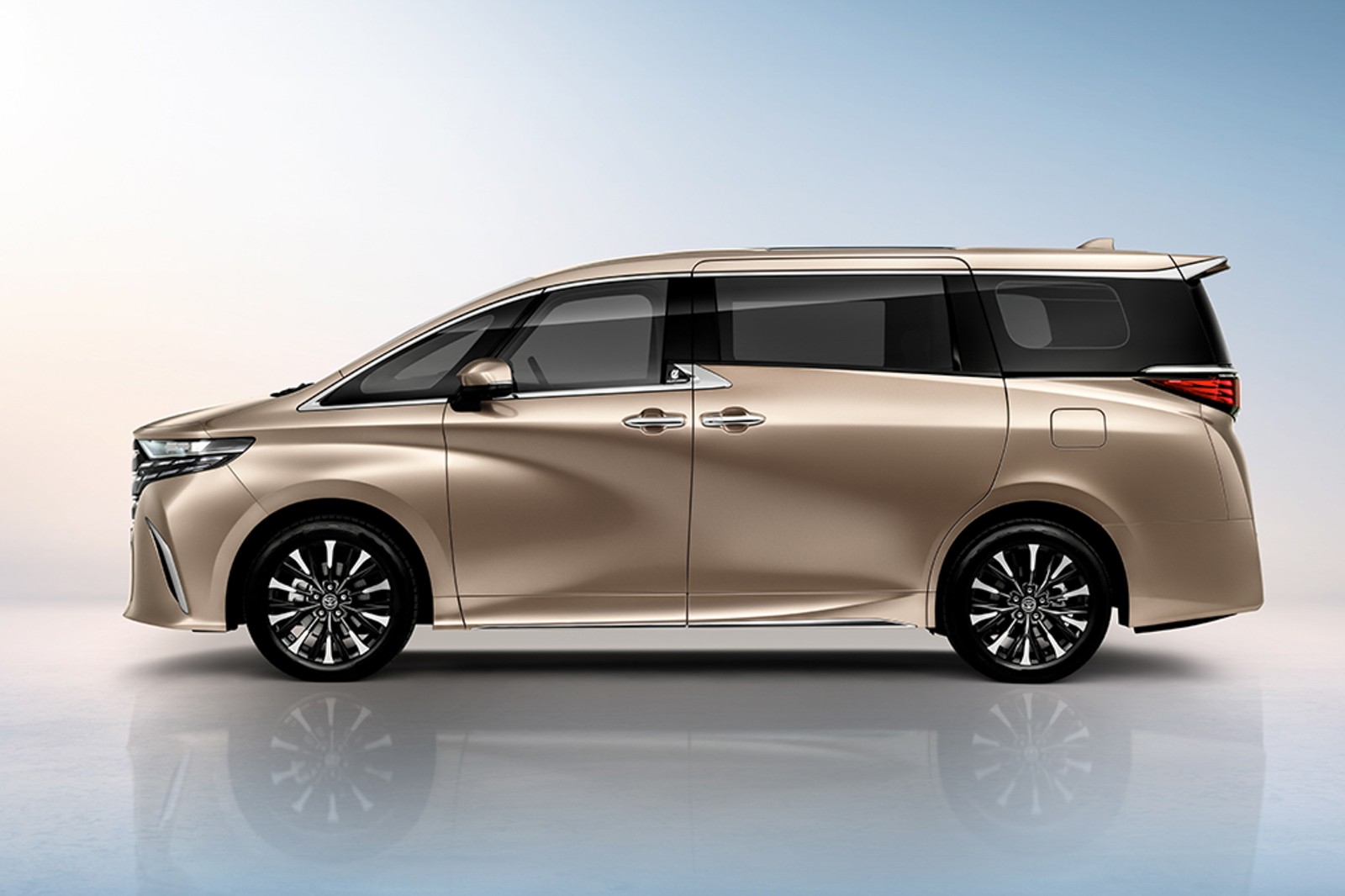
In terms of exterior design, the 2023 Alphard retains the grandeur associated with flagship MPVs. The front face adopts a large trapezoidal grille, paired with horizontal chrome accents, offering high recognition; the sharp design of the LED headlamp units on both sides connects seamlessly with the grille to form an integrated look, extending the visual width. The body features smooth lines on the sides, with 225/55 R19 tires and 19-inch multi-spoke alloy wheels enhancing the sense of stability; chrome trim running from the A-pillar to the rear of the windows adds a touch of elegance. At the rear, the standout feature is the through-type LED taillight design, which is striking when lit at night; the chrome decoration on the lower bumper and twin exhaust layout prevent the rear from looking monotonous. For the lighting system, automatic headlights, daytime running lights, and front fog lights are all standard, ensuring convenience in daily use.
The interior strikes a good balance between luxury and technology. The dashboard adopts a layered design, covered with soft leather materials on the top and combined with wooden decorative panels in the middle, providing tactile and visual appeal in line with its class. The 14-inch central touchscreen is the core of the interior, featuring a clear interface and smooth operation. It supports Bluetooth, CarPlay, and Android Auto; some physical buttons remain below for controlling functions like air conditioning and audio, making it easier to operate without looking. There are plenty of highlight features in its equipment: the fully digital instrument cluster displays abundant information, while the HUD head-up display reduces the need to divert attention from driving. The front seats offer 8-way electric adjustments with memory and heating, and the front passenger seat offers 4-way electric adjustment with memory and heating. Comfort is well ensured for passengers. The second row features Ottoman captain chairs with electric adjustments, extendable leg rest, and heating functions. The third-row seats are split 50:50 and can be folded down to expand the trunk space. Other standard features include 220V/230V power outlets, keyless entry/start, and rain-sensing wipers, making it highly practical.
Space performance completely meets the requirements of a 7-seat MPV. The dimensions of the vehicle are 5010×1850×1950mm, with a wheelbase of 3,000mm, which is a benchmark in its segment. Front-row space is ample; a passenger with a height of 180cm will find sufficient headroom and legroom. The legroom of the second-row captain chairs can extend to more than two fists, and with the leg rest extended, a reclining position is achievable for long trips without discomfort. The third-row space is also adequate for adults, with a passenger of 170cm having about one fist of legroom, though headroom feels slightly confined due to the roof design; however, it's sufficient for short trips. In terms of storage, the front central armrest box has a large capacity, and the door storage compartments can hold water bottles and small items. The second-row seats feature individual armrests and cup holders on each side, while the third-row door panels also have storage compartments. The trunk's default storage capacity is not particularly large, but folding the third-row seats creates a flat storage area, meeting the loading needs of family travels or business receptions.
The dynamic driving performance of the 2.5T turbocharged engine is commendable. The engine delivers a maximum power of 205kW (278PS) and a peak torque of 430N·m, paired with an 8-speed automatic transmission. These power figures are among the top tier in its class of fuel-driven MPVs. During daily driving, throttle response is quick, with no sluggishness at startup; at low speeds, gear shifts are smooth with almost no jolting; during mid-to-high-speed acceleration, pressing the accelerator pedal hard provides a noticeable pushback sensation, making overtaking confident and effortless. There are three driving modes to choose from: Eco, Normal, and Sport. In Eco mode, the power output is moderate, suitable for urban commuting; in Sport mode, the transmission downshifts more aggressively, and power response is more direct, making it ideal for scenarios that require quick acceleration.
The handling and chassis performance lean towards comfort. The steering wheel is light and responsive with minimal slack, making everyday driving effortless; the chassis adopts a front MacPherson strut and rear double-wishbone independent suspension setup, which is distinctly tuned for comfort. When passing speed bumps or bumpy roads, the suspension effectively absorbs most vibrations, ensuring passengers inside the cabin do not feel significant jolting. At high speeds, the vehicle remains very stable, with minimal body roll during lane changes or overtaking, giving the driver ample confidence. However, as it is an MPV with a larger body size, navigating narrow roads or making tight turns in parking lots requires attention to the turning radius. Nevertheless, the standard 360-degree surround-view camera helps reduce the risk of scrapes and bumps.
In terms of fuel consumption, the official combined fuel consumption is 9L/100km. In our real-world test involving a mix of city and highway driving, fuel consumption was approximately 10.2L/100km. This performance is acceptable for an MPV weighing 2.2 tons. The braking performance is stable, equipped with a front ventilated disc and rear ventilated disc braking system. The brake pedal provides a linear feel, and during emergency braking, the vehicle remains composed with well-controlled body motion and no noticeable front-end dive.
Ride comfort is one of the core strengths of the Alphard. Noise control is excellent; at high speeds, wind noise and tire noise are kept at low levels. Engine noise is slightly audible during hard acceleration but does not interfere with conversations inside the cabin. The seats offer good support and cushioning, especially the second-row captain chairs, which remain comfortable even on long journeys. Regarding energy recovery, this fuel-powered model does not feature an energy recovery system, but the start-stop engine technology helps reduce fuel consumption during red lights, with the vibrations during engine restarts being relatively mild.
To summarize, the 2023 Toyota Alphard stands out with its exceptional strengths: a luxurious interior layout, comfortable second-row seats, adequate 7-seater space, and reliable power performance. Compared to competitors like the Elgrand or Vellfire, the Alphard has a certain edge in terms of the richness of standard configuration and price point (with a listed price of RM 538,000, offering nearly a fully-loaded configuration as standard). Its target audience is also clear: families prioritizing comfort during travel or small-to-medium business owners needing vehicles for business receptions. If you are looking for a 7-seater MPV that balances family and business use while offering excellent features, space, and comfort, the 2023 Alphard is worth considering.
Toyota Alphard Loan Calculator
More Toyota Reviews
Cars With Similar Price And Features

2021 Mercedes-Benz Vito Tourer Select 121 is a high-end business MPV that combines the practicality of 10 seats, luxurious features, and Mercedes-Benz quality, meeting the needs of business receptions and daily use.
5
Rank in MPV

2024 Toyota Vellfire 2.5 is an executive MPV that balances family and business needs, continuing its reputation as a "mobile living room" with luxurious features, comfortable space, and stable power.