

2025 Toyota GR Yaris MT Review

 Share
Share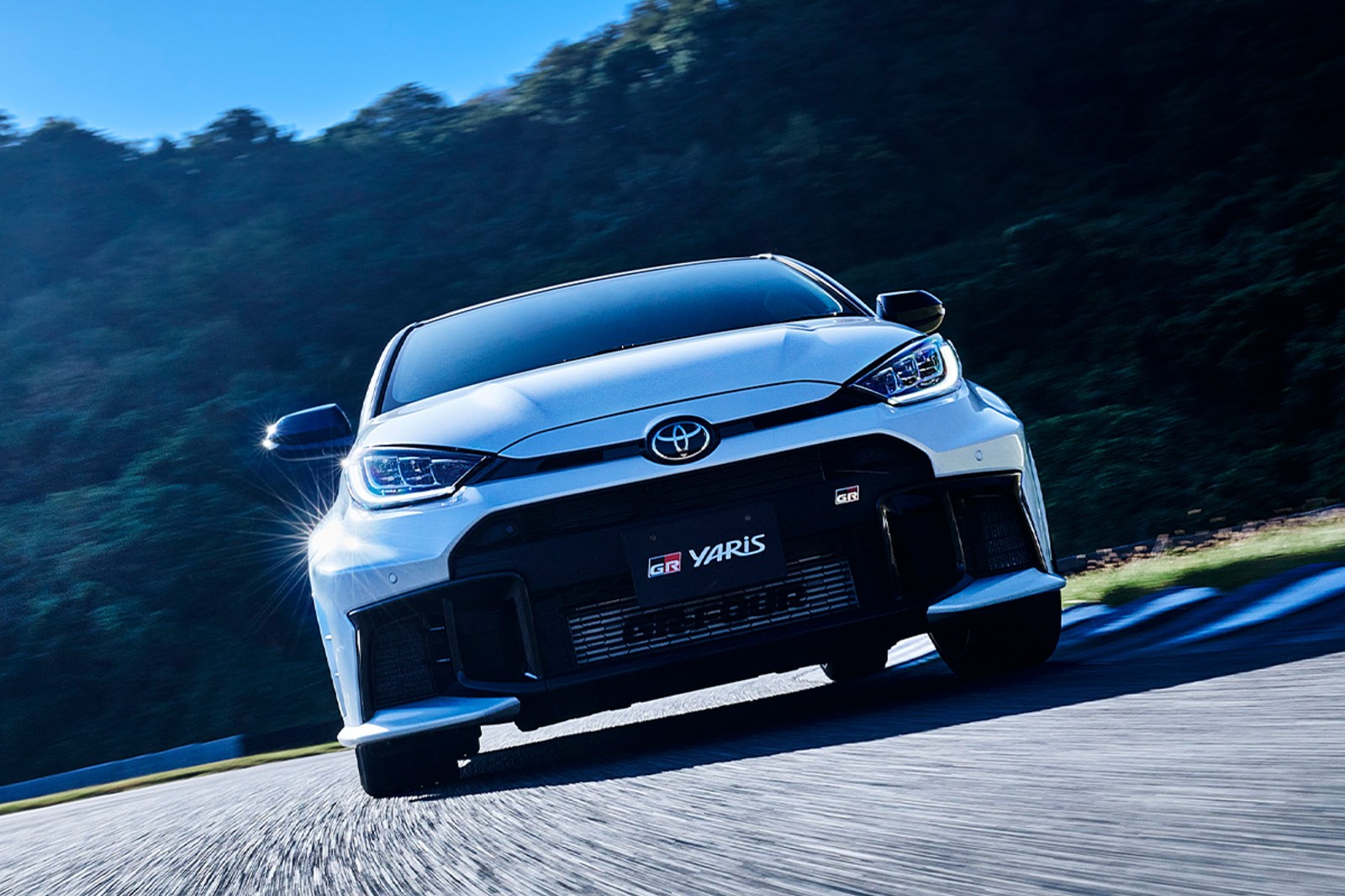
 Segment
 Body Type
 Capacity(L)
 Engine Power(PS)
 Engine Torque(Nm)
 Transmission
In recent years, Malaysia's performance car market has gradually recovered. Small performance hatchbacks, with their balance of agility and everyday practicality, have become a popular choice among young enthusiasts and driving aficionados. The 2025 Toyota GR Yaris MT, as a core model under Toyota's performance sub-brand, is equipped this time with an upgraded 1.6T three-cylinder turbocharged engine, delivering a maximum power of 300PS and a peak torque of 400N·m. Paired with a 6-speed manual transmission and an all-wheel drive system, it has a significant advantage in terms of power within the same class. In this test drive, we will focus on evaluating its power response, handling limits, and everyday practicality to see whether this "pocket rocket" can balance track fun with city commuting.
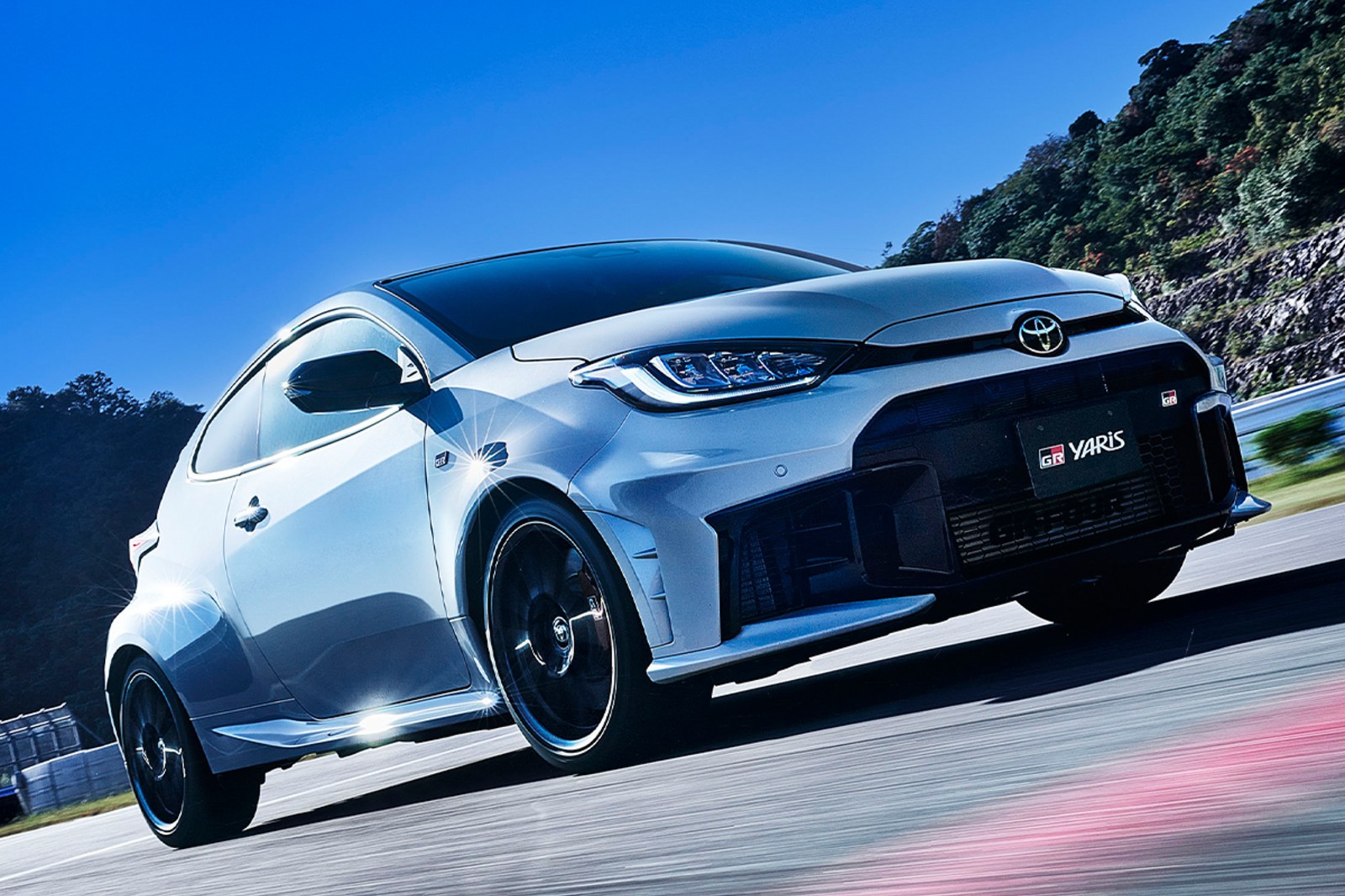
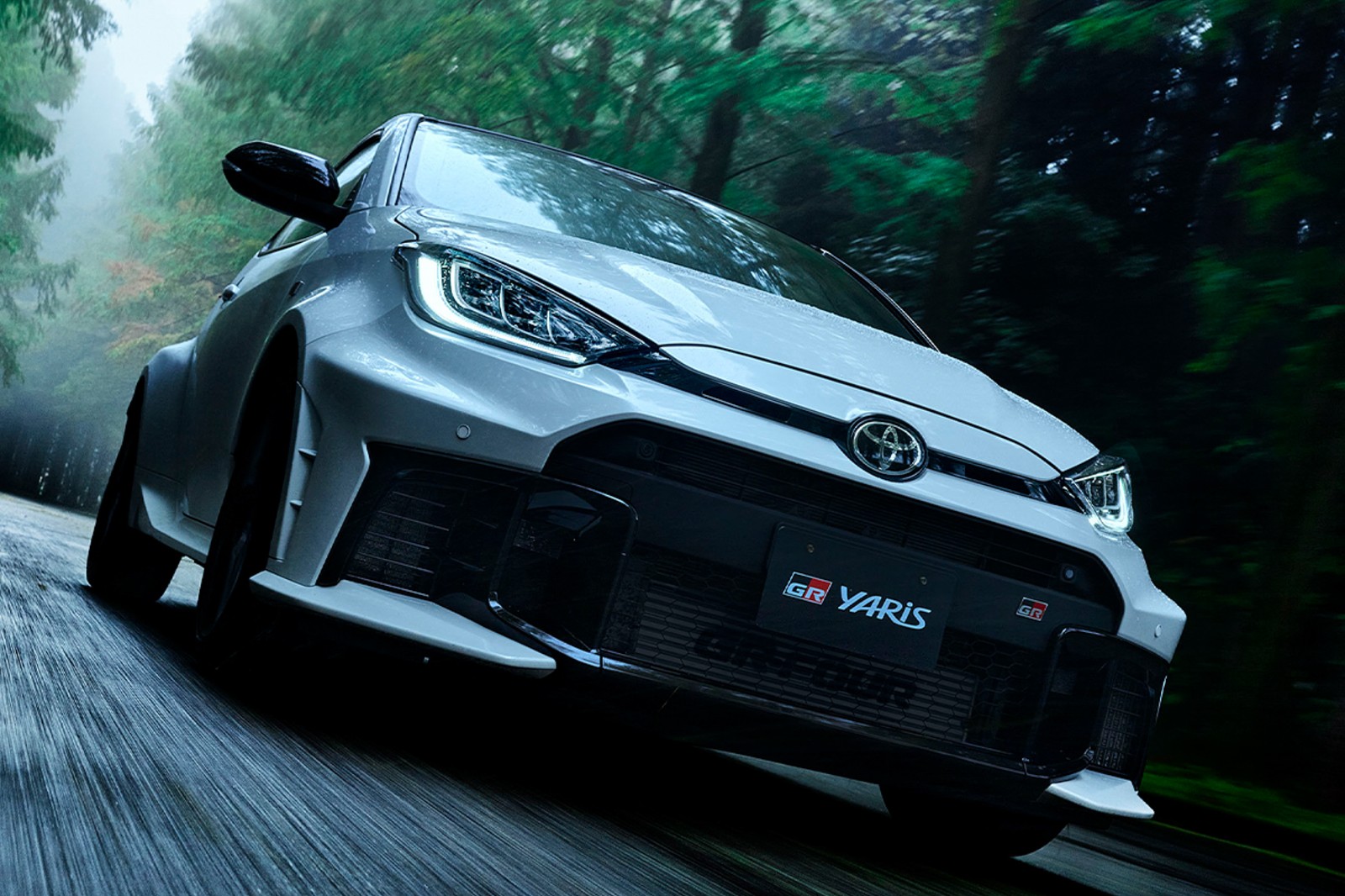
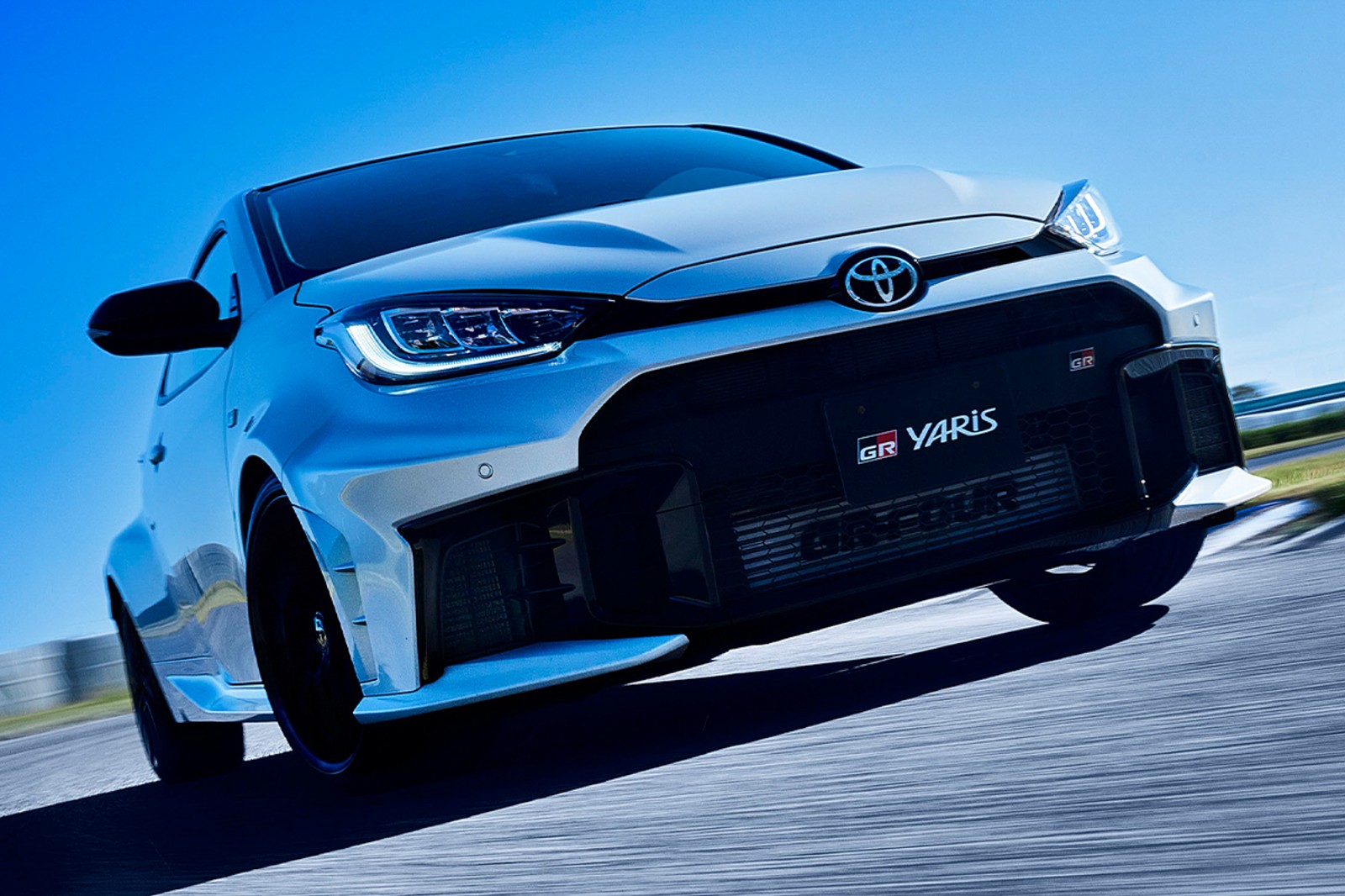
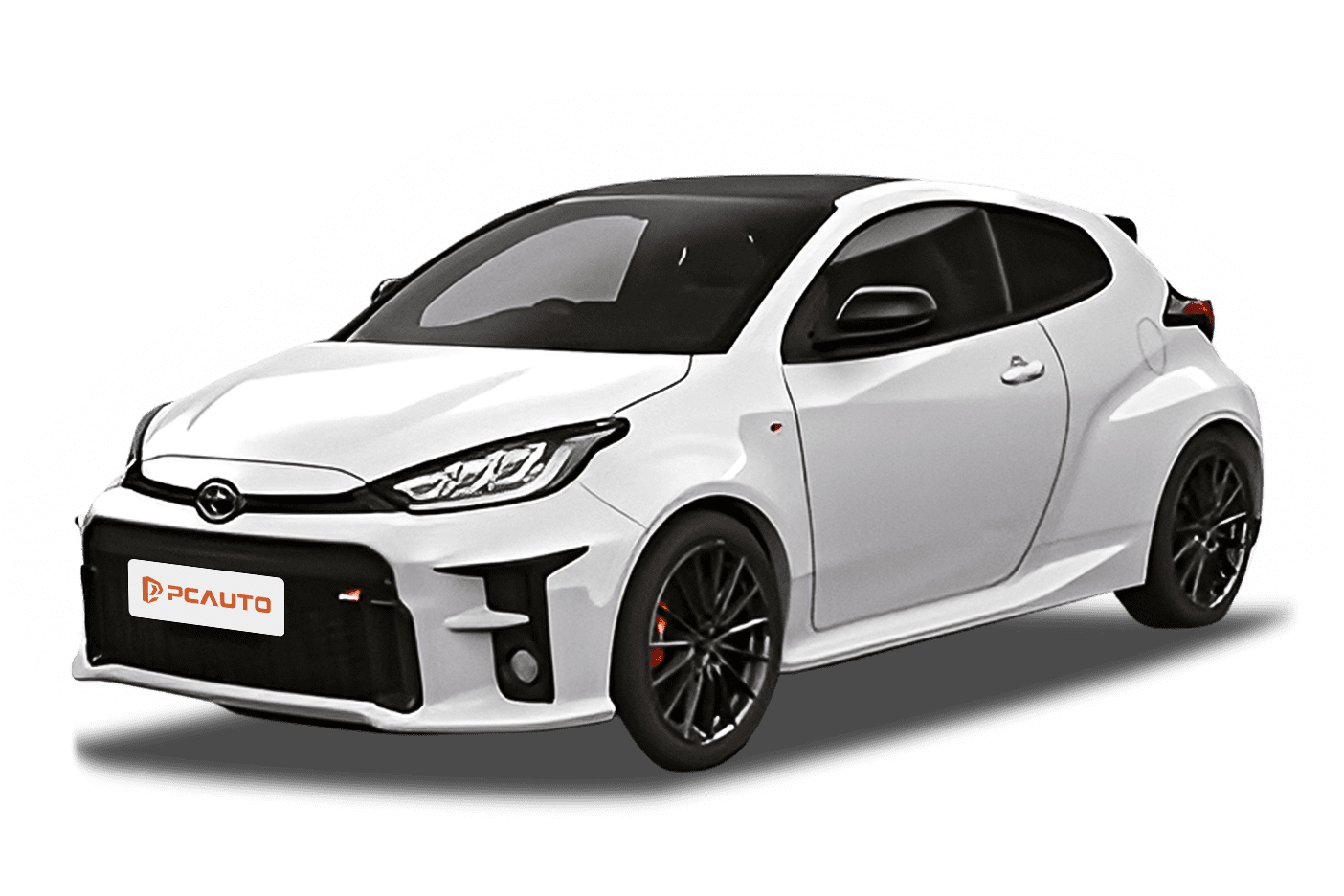
The exterior of the 2025 GR Yaris continues the aggressive style of its predecessor. The overall dimensions are 3995mm×1805mm×1455mm, with a wheelbase of 2560mm, and the compact body proportions lay the foundation for nimble handling. The front features a large trapezoidal intake grille with black honeycomb trim inside, while the integrated LED daytime running lights and headlights enhance the sense of visual width. The side profile showcases smooth lines, with slightly flared front and rear wheel arches, paired with 18-inch wheels and 225/40 ZR18 tires, creating a sporty low-slung stance. At the rear, the horizontally designed LED taillights are connected by a black trim strip in the middle. Despite the lack of an exaggerated spoiler, the overall identity remains very distinct thanks to diffuser-styled accents below the rear bumper.
Inside, the interior features black as the main color tone. The center console is wrapped in soft-touch materials and adorned with silver trim, reflecting the quality that matches its class. The 12.3-inch GR-exclusive fully digital instrument cluster provides clear display and supports multiple driving mode interfaces, showing real-time data on power output and all-wheel drive system status. The 7-inch central display sits atop the center console, supporting Bluetooth connectivity and basic multimedia functions, with intuitive and user-friendly operations. The front seats are manually adjustable, featuring a combination of fabric and leather materials. They offer good lateral support, providing adequate bolstering during spirited driving. The rear seats are also manually adjustable, with legroom providing about a fist's width for passengers standing 175 cm tall. Headroom feels a bit tight, but short-distance rides pose no issues. In terms of storage space, the front door panels can hold two bottles of water, the center console box has moderate space, and the trunk offers sufficient room for two 20-inch suitcases, meeting basic daily needs.
As for performance, the 1.6T three-cylinder turbocharged engine delivers its peak torque of 400N·m within the 3250-4600rpm range. Minimal throttle input at start-up allows drivers to feel the turbo kick in distinctly. The official 0–100 km/h acceleration time is 5.2 seconds, and during actual tests in Sport mode, maintaining the shifting rhythm above 3000rpm provided a light and steady acceleration sensation. The 6-speed manual transmission features well-defined gears, moderate shifting travel, and a clutch engagement point that's easy to master, allowing even beginners to adapt quickly. In terms of handling, the MacPherson front suspension and double-wishbone rear suspension combination offers excellent body roll control during cornering. The steering is precise, with minimal dead zones and clear feedback on road surface information. The all-wheel drive system can intelligently distribute power between the front and rear axles on slippery surfaces or during spirited driving, enhancing vehicle stability.
In daily driving scenarios, the power output is relatively smooth in standard mode, making it suitable for urban commuting. The suspension effectively filters out minor road bumps, ensuring no noticeable stiffness. In terms of noise control, wind and tire noise at high speeds remain within an acceptable range. Engine noise can enter the cabin at high RPMs, but for performance car enthusiasts, this sound can actually enhance the driving experience. As for fuel consumption, it averages around 8.5L per 100km on city roads and approximately 6.2L per 100km on highways. For a performance car with 300PS of horsepower, these figures are reasonable. Regarding safety features, it comes standard with six airbags, ACC adaptive cruise control, lane departure warning, forward collision warning, and other functions, offering a comprehensive package compared to other vehicles in its class.
Overall, the key strengths of the 2025 Toyota GR Yaris MT are its powerful performance, precise handling, and relatively balanced practicality for daily use. Compared to its class rival, the Honda Civic Type R, it has a more compact body size, better maneuverability, and a more competitive price; compared to the Ford Fiesta ST, its power output and all-wheel-drive system are standout features. This car is ideal for young consumers who seek driving pleasure while also needing a practical daily driver, especially those who enjoy manual transmissions and spirited driving. If you're looking for a performance hatchback that can excel on the track and handle daily commutes, the GR Yaris MT is a great choice.
Toyota GR Yaris Car Compare
Toyota GR Yaris Loan Calculator
More Toyota Reviews
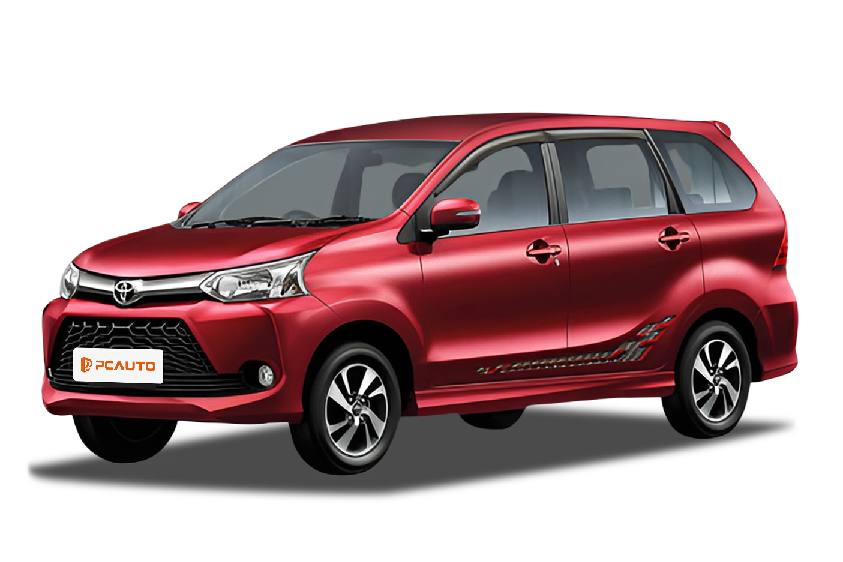
Cars With Similar Price And Features

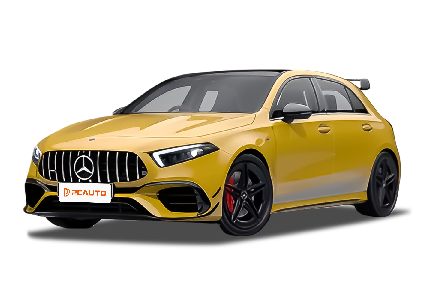
2024 Mercedes-Benz AMG A-Class A45S 4Matic+ Limited Edition is a luxurious high-performance compact hatchback limited edition that combines 421PS strong power, 3.9-second 0-100 km/h acceleration, and a practical 5-door layout.
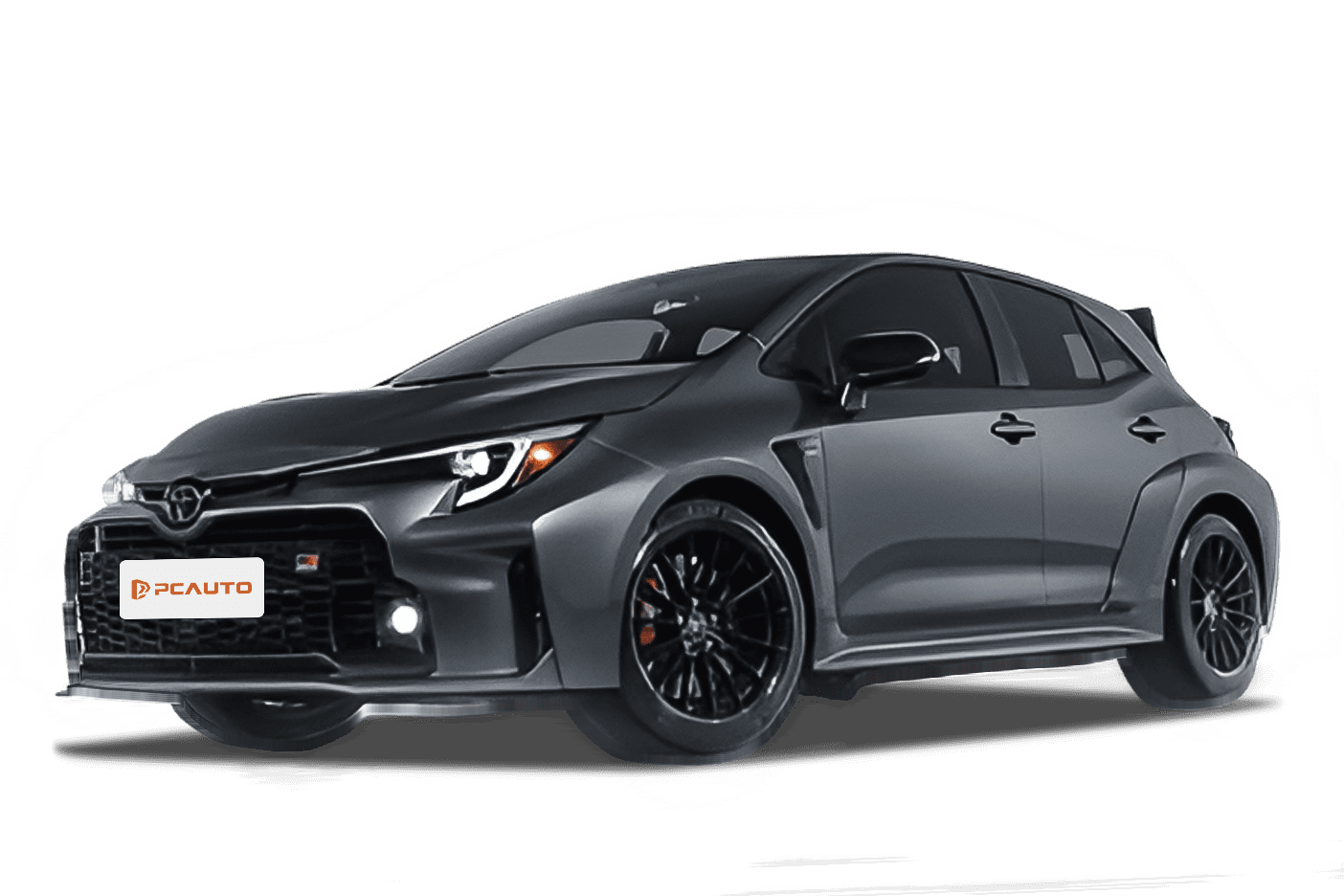
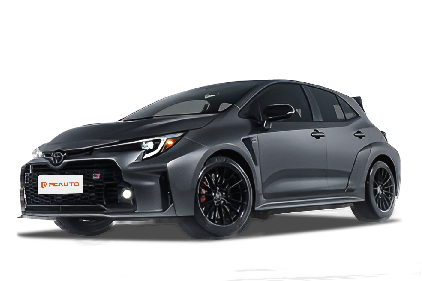
2025 Toyota GR Corolla 1.6T MT is a four-door hatchback performance car that balances daily practicality with driving pleasure, featuring upgraded materials and configurations, retaining the 6MT + full-time four-wheel drive, offering powerful performance and enhanced practicality.
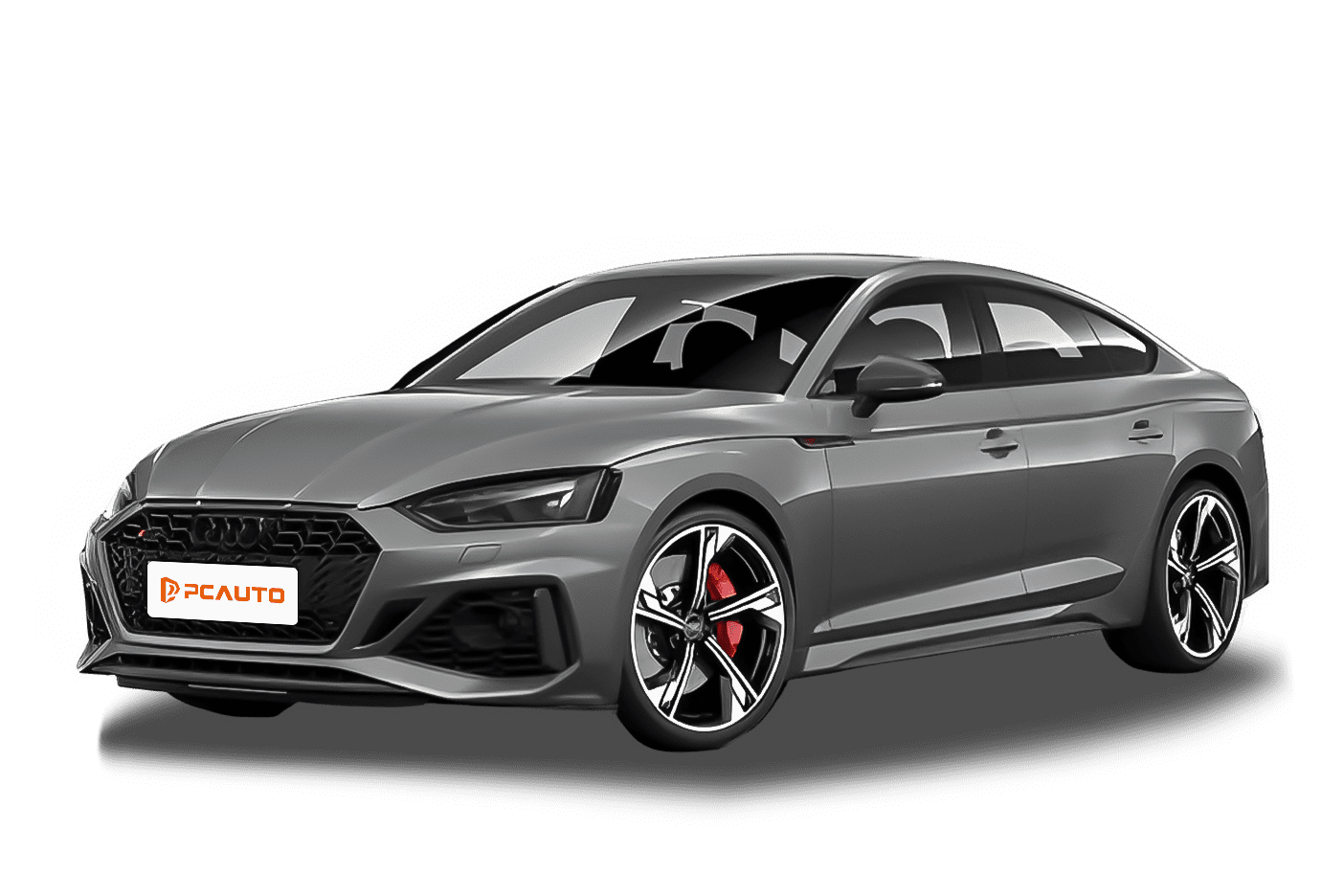
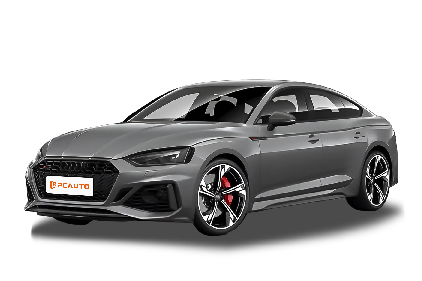
2022 Audi RS5 Sportback 2.9 TFSI quattro is a luxury performance coupe that combines 450PS twin-turbo power with quattro control and offers the practicality of a five-door hatchback.
16
Rank in Hatchback
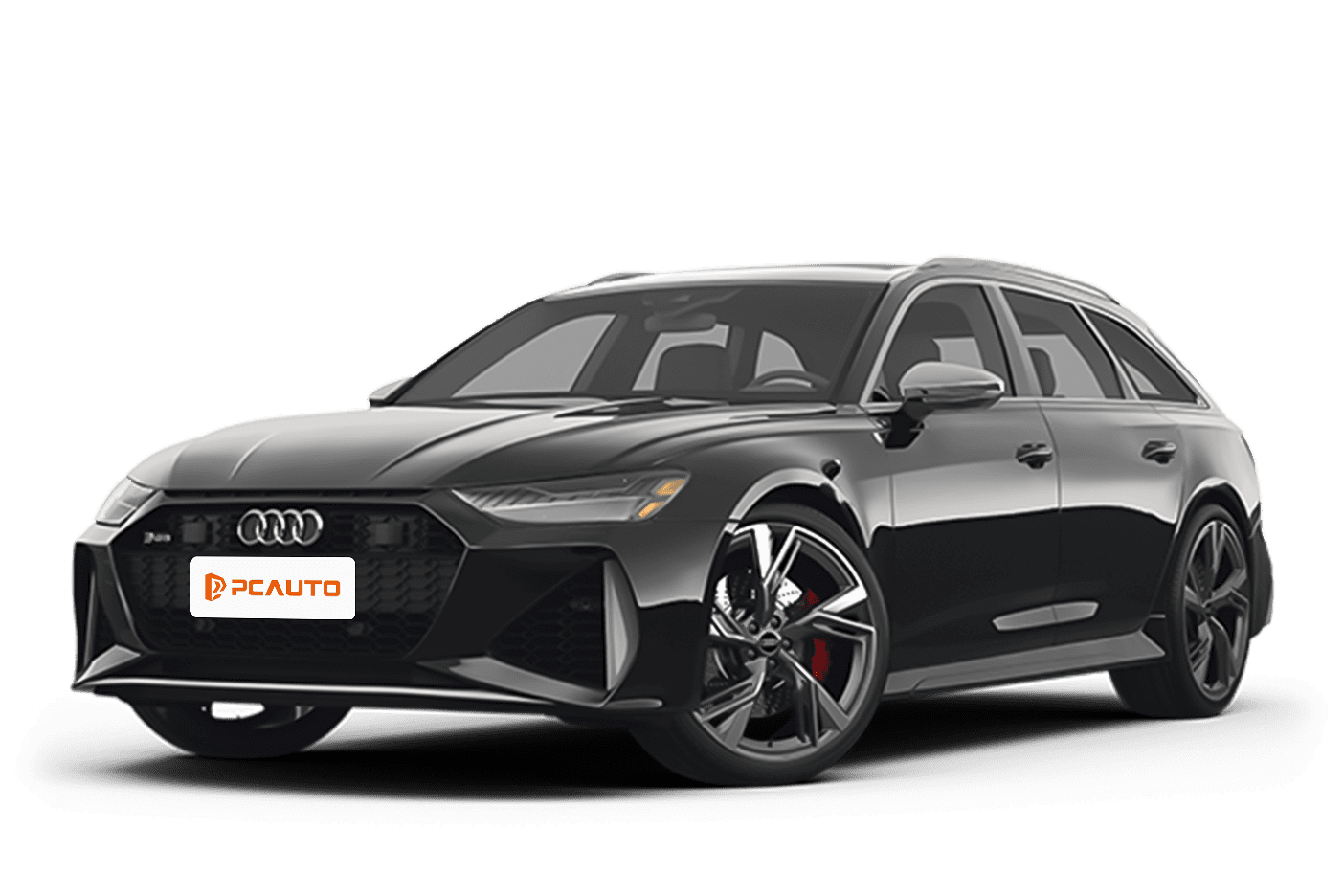
2023 Audi RS6 Avant 4.0 TFSI Quattro, with 4.0T V8 powerful performance, refined handling, and practical space, has become an unignorable benchmark choice for mid-to-large high-performance wagons.