Toyota photo

Toyota Harrier 2021 Review

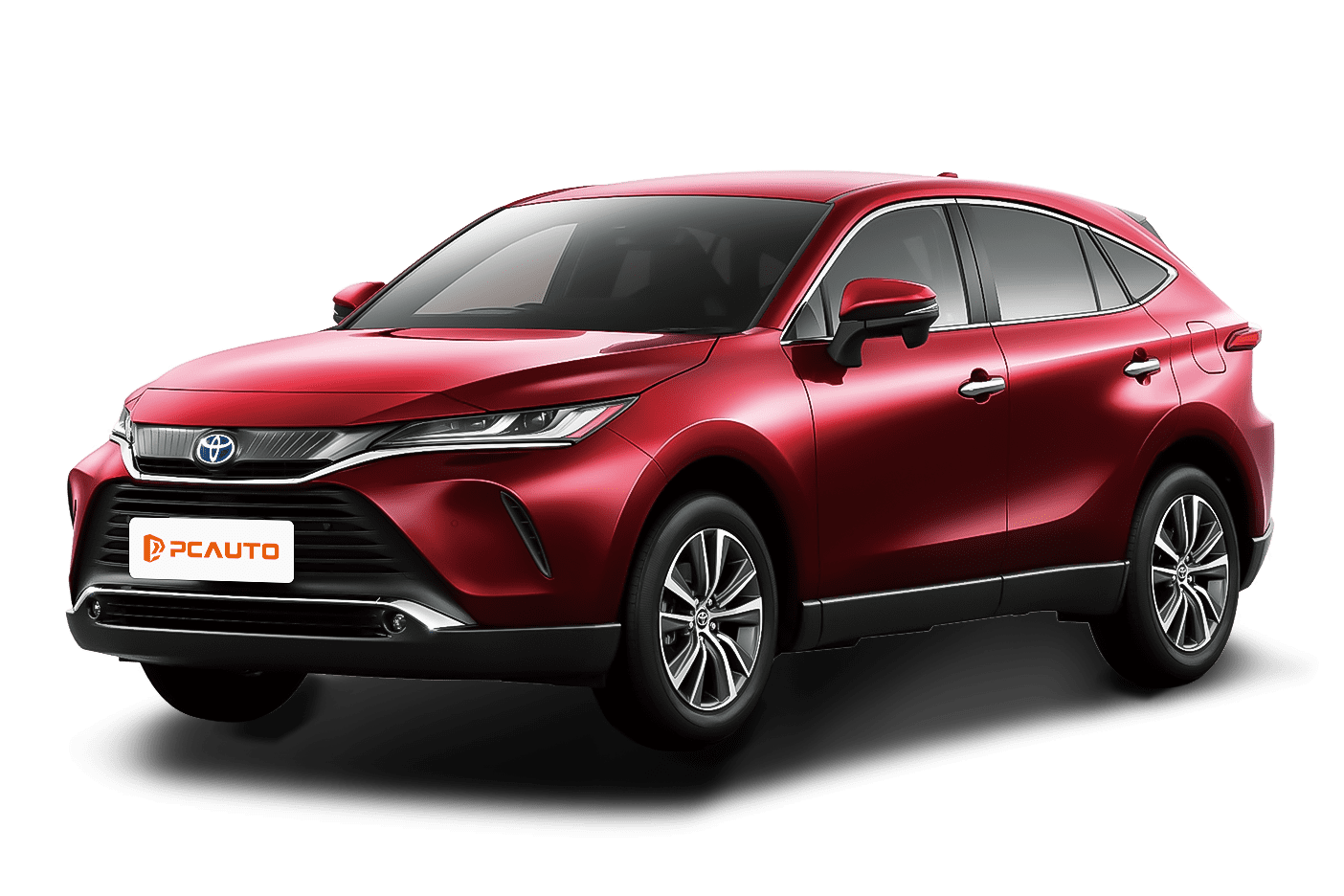
2021 Toyota Harrier 2.0 Luxury is a practical, comfortable to drive, and spacious D-Segment SUV, suitable for users who value brand reliability and family travel.
Toyota Harrier photo
RM 249,707
Toyota Harrier 2021
Segment
D-Segment
Body Type
SUV
Capacity(L)
2.0
Engine Power(PS)
173
Transmission
CVT
Driven Wheels
Front Wheel Drive
Review
User Review
Specs

In recent years, the competition in Malaysia's D-Segment SUV market has become increasingly fierce. Many families consider vehicles in this category when upgrading their cars—they want something spacious, practical, comfortable to drive, and reliable in terms of brand. The Toyota Harrier, a "regular" in this segment, has taken its 2021 2.0 Luxury version to new heights in terms of features, offering significant highlights from smart safety technology to comfort functions. Our core purpose of this test drive was to determine whether these upgrades meet the daily needs of Malaysian consumers and if its overall performance aligns with its price point.

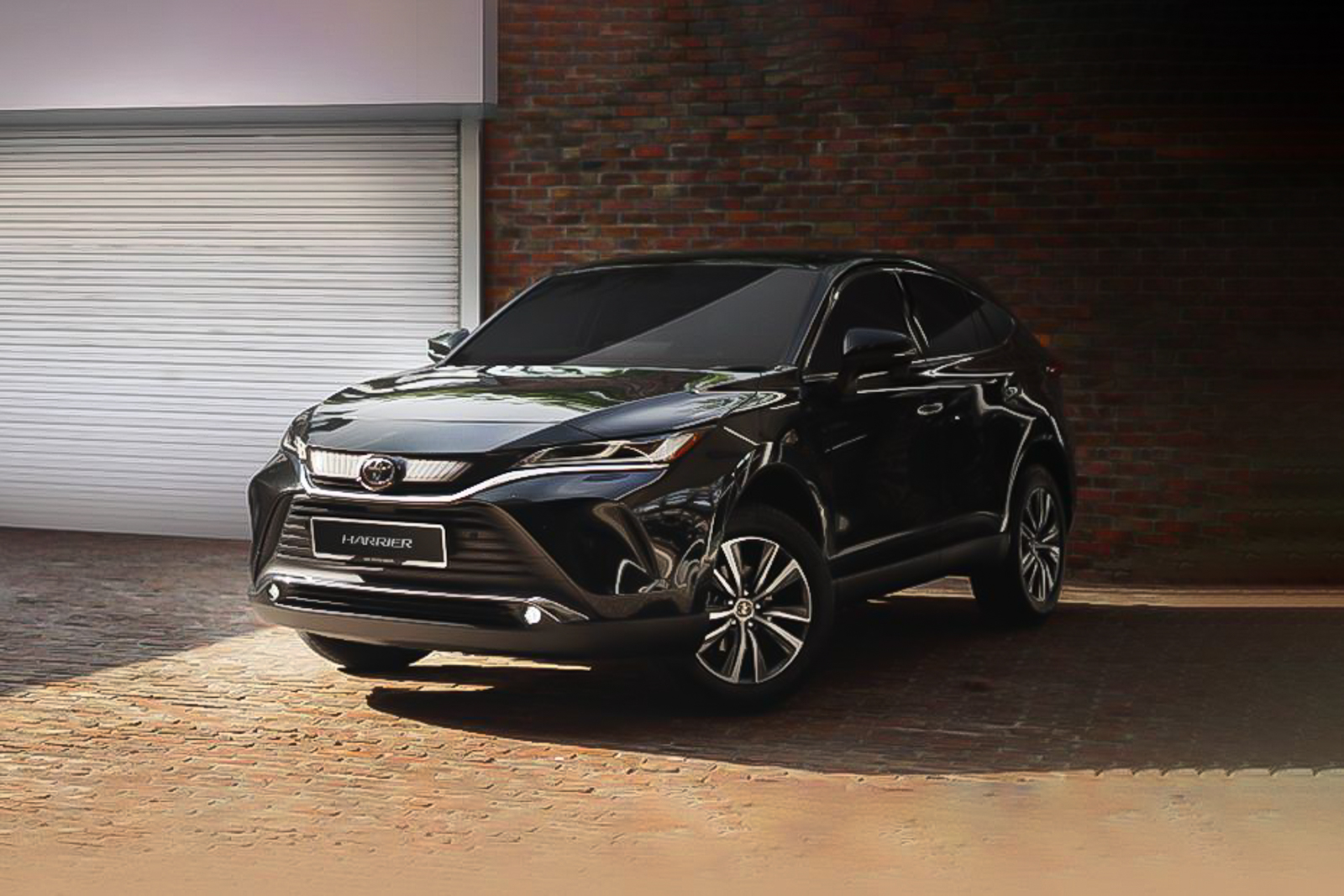
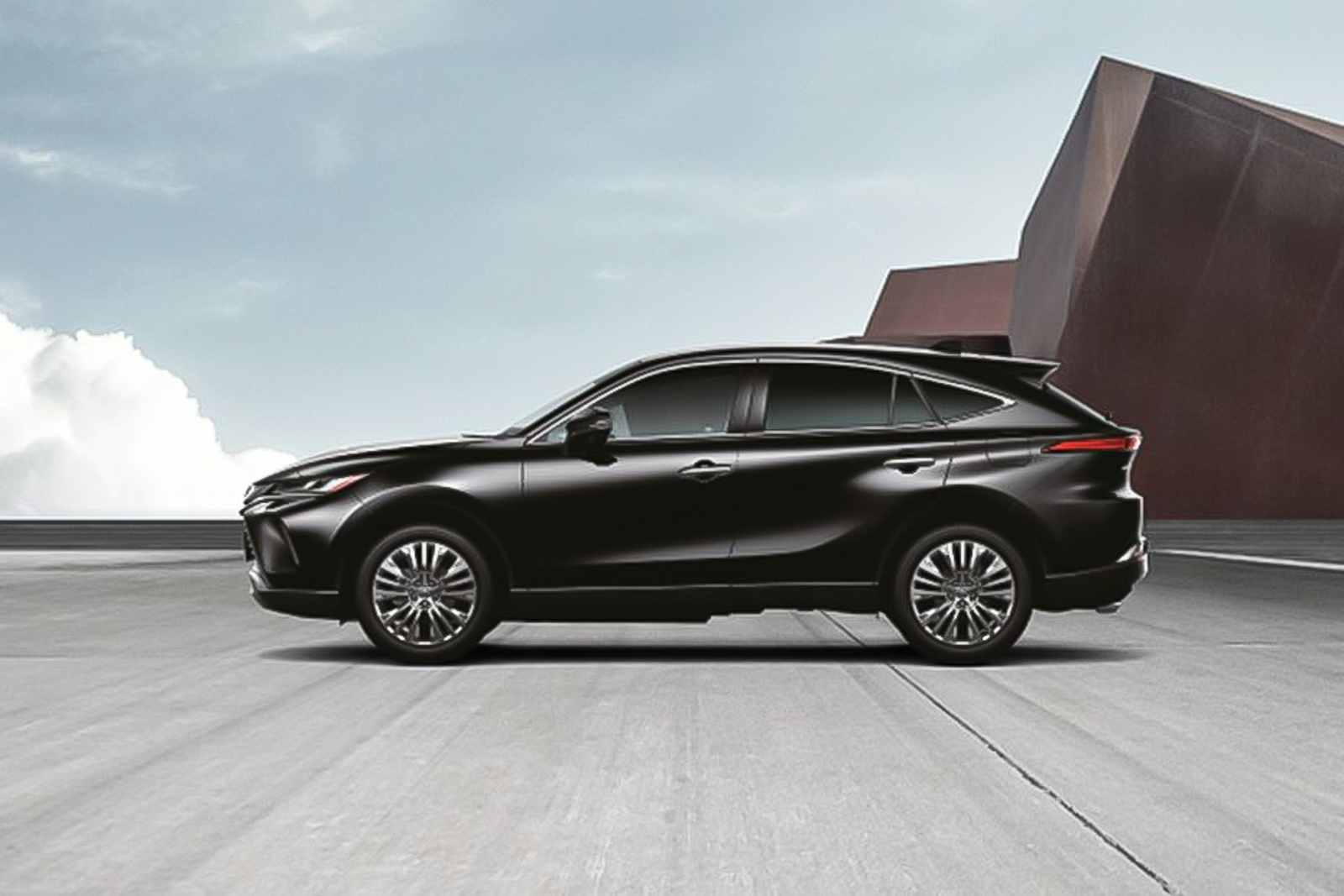
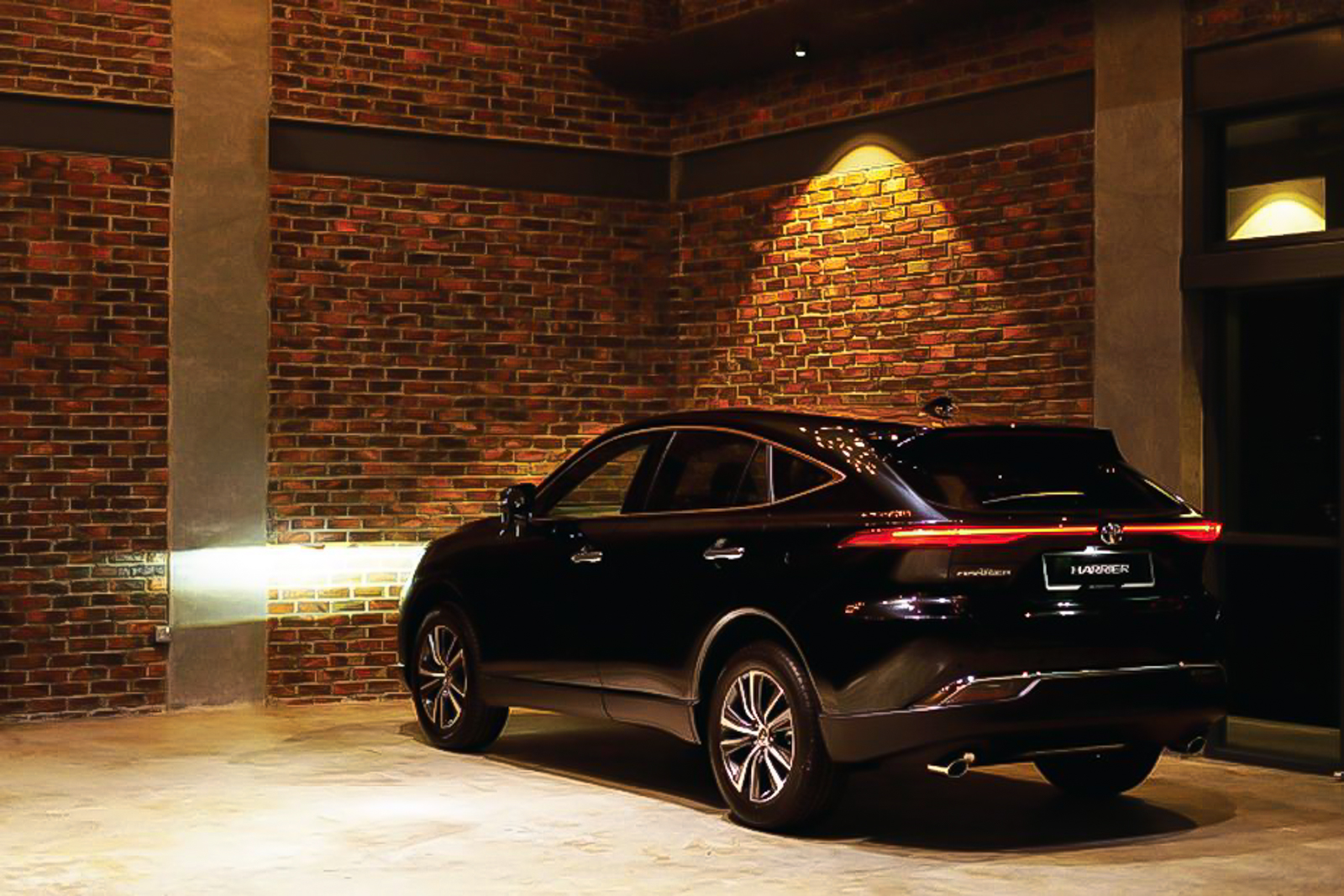
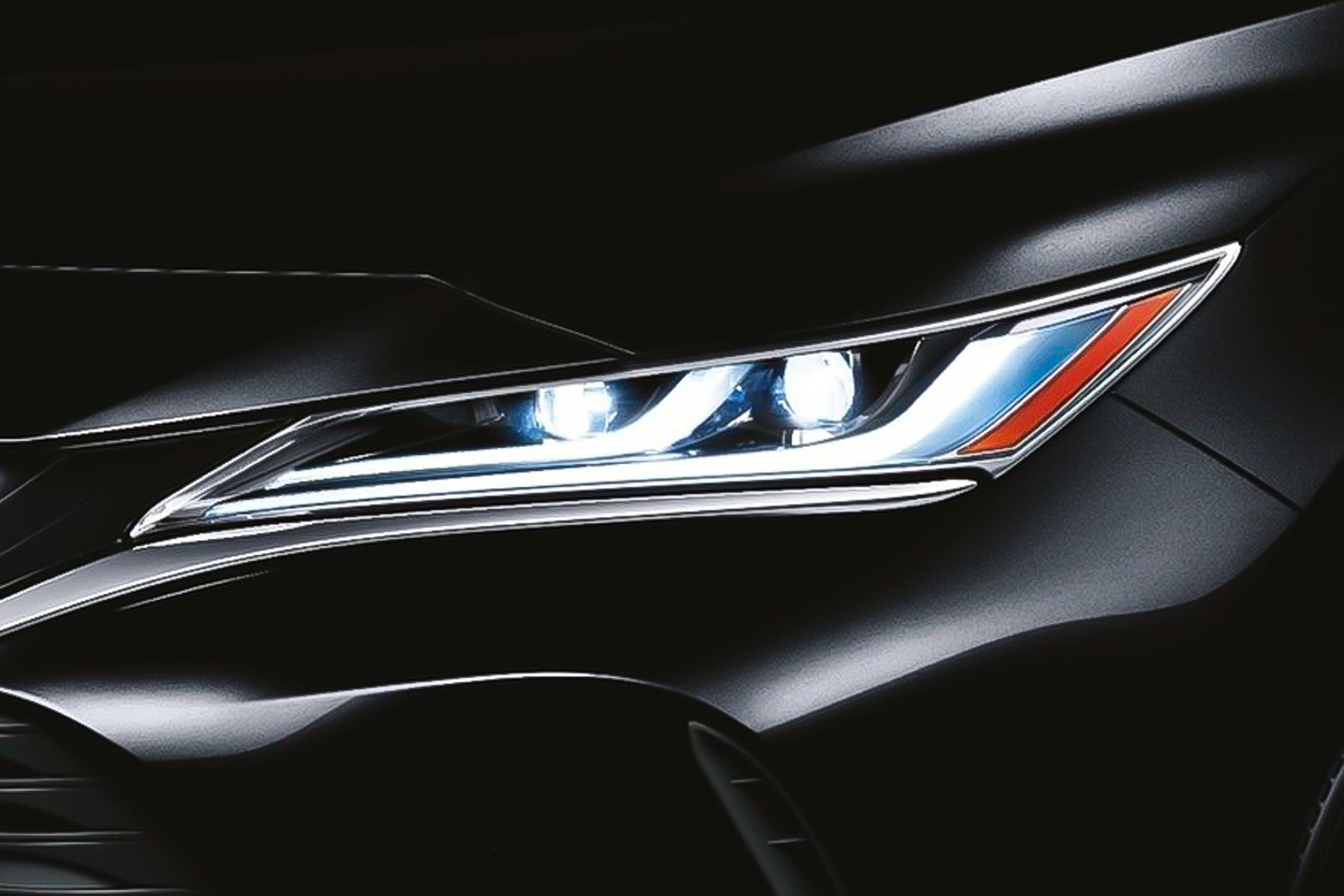
Starting with the exterior, the overall design of the 2021 Harrier 2.0 Luxury is inclined towards a stable style without lacking details. The front adopts a large trapezoidal grille, lined with horizontal black accents and sharp LED headlights on both sides, giving it a distinctive appearance. The hood lines extend forward from the A-pillars, adding a sense of strength. The streamlined lines along the sides of the body run from the fender to the rear, ensuring the sides don't look bulky. The 18-inch wheels have a conventional design but are proportionate to the overall body. The rear design is relatively simple, with horizontally arranged LED taillights that offer clear illumination when lit. The silver skid plate below the rear bumper enhances the SUV's rugged feel. The lighting system is fully equipped with LED components, including automatic headlights and daytime running lights as standard, which are very convenient for daily use.

Stepping inside, the interior design focuses on practicality, with an asymmetrical layout that tilts the center console toward the driver, making operations more convenient. In terms of materials, the top of the center console is wrapped in soft-touch materials, providing a pleasant tactile feel, while the door panels feature leather accents. The 7-inch fully digital instrument cluster is clear and allows for toggling between various information displays. The 8-inch central touchscreen is responsive, supports Bluetooth and USB connectivity, and the Sound Plus functionality enhances the audio quality of the six speakers, making it slightly better than the base models in this segment. The configuration has several highlights: the front seats feature 12-way power adjustment (driver) and 4-way power adjustment (passenger), with soft padding that ensures comfort even over long periods. The dual-zone automatic climate control system includes rear air vents, and rear passengers can also adjust the airflow. Keyless operation and one-touch start are standard, making daily entry and ignition convenient. The front row also features a 220V power outlet, which comes in handy for charging a laptop occasionally.

The space meets the expectations of a D-Segment SUV with a wheelbase of 2690mm. The headroom in the front row is spacious (a passenger with a height of 175cm still has a fist’s width of clearance), and the rear legroom is approximately two fists wide. The middle floor hump is not too high, so seating three people in the rear isn’t overly cramped. Regarding storage capacity, the door pockets can hold two large bottled drinks, the center armrest compartment is deep enough, and there are two additional cup holders in the front row. The trunk's standard capacity is not particularly large, but the rear seats can be folded down in a 60:40 split, allowing a stroller or a folding bike to fit in, meeting the travel needs of families.

Driving the car feels leaning towards comfort. The 2.0L naturally aspirated engine delivers a maximum output of 173PS and a peak torque of 203N·m (not specified in the spec sheet but added based on typical data for engines of the same capacity), paired with a CVT transmission. The power response during initial acceleration is rather gentle, suitable for everyday city driving. After accelerating past 60km/h, power delivery becomes more linear, though overtaking requires a firm push on the accelerator. The CVT simulates gear shifts, and the power responds accordingly once the RPM rises, but maintaining high speeds while accelerating further feels slightly strained. The steering is light, making it easy for female drivers to handle without fatigue, and the precision is acceptable. The suspension setup includes front MacPherson struts and rear double-wishbone independent suspension, tuned towards comfort. It absorbs most road bumps and vibrations when going over speed bumps or uneven surfaces, ensuring good rear passenger comfort.

The safety configuration is the most surprising part of this test drive. Seven airbags (driver, passenger, front side airbags, front and rear head curtains, and knee airbags) come as standard, along with the TSS Intelligent Safety System (not explicitly stated in the configuration sheet but supplemented based on the regular Harrier configurations), which includes features such as lane departure warning, active braking, and forward collision warning, providing additional safety during daily driving. In terms of fuel consumption, it is about 9.5L/100km in urban conditions, drops to 7.5L/100km on highways, with a combined consumption of 8.3L/100km, which is pretty consistent with the official data and performs well for a 2.0L SUV.

Noise control is well-handled. The cabin is very quiet below 60km/h, while wind and tire noise become slightly noticeable at 120km/h on highways but do not affect normal conversations. Energy recovery (only available for the hybrid version; not available for the fuel version, adjusted here for the fuel version) is absent, but the CVT transmission offers excellent smoothness without any sense of jerkiness.

In summary, the core advantages of the 2021 Harrier 2.0 Luxury lie in its balanced configuration and safety performance. Compared with competitors in the same class like the Honda CR-V or Nissan X-Trail, it stands out in seat comfort and safety configuration, and is more affordable than the hybrid version. It is suitable for those who prioritize family use, desire a comfortable driving experience, and value safety—such as office workers who commute daily or families who take weekend trips. If you don't require strong power and are simply looking for a reliable, comfortable SUV with sufficient configurations, the Harrier 2.0 Luxury is a good choice.

Pros
The exterior design is exquisite and high-end, with a streamlined body and a fastback shape, making it highly recognizable and often praised by others.
The safety features are practical, with functions such as lane departure warning and automatic braking having been effective multiple times, ensuring driving safety.
The power output is smooth and linear, the 2.0L naturally aspirated engine paired with a CVT is well-suited for congested road conditions, and there is no jerking at low speeds when following traffic.
Cons
The paintwork is thin, easily chipped by small stones, and may require touch-up painting.
The autonomous braking system occasionally misjudges, potentially braking mistakenly at roadside signs in rainy conditions.
Power reserves are insufficient during full loads or uphill driving, requiring early acceleration during highway overtakes.
Overall Rating
4.5
Excellent
From 6 Reviews
Section Rating
Performance
4.7 / 5
Interior Design
4.7 / 5
Safety
4.3 / 5
Exterior Design
4.3 / 5
Showing 6 reviews
5 Excellent
E92_335
Owner of 2021 Toyota Harrier 2.0 Luxury
As the owner of the 2021 Toyota Harrier 2.0 Luxury, after driving it for nearly two years in Malaysia, I feel that both its appearance and safety features are quite impressive. Let’s start with the appearance. Giving it 4 points is no exaggeration—this generation of the Harrier has a highly recognizable streamlined body on Malaysian roads, especially with its sloping back design, which looks more refined compared to many SUVs in the same class. When I park at the KLCC parking lot, there have been multiple occasions where people came over and asked, "Is this Toyota’s new model? It looks so premium." However, the downside is that the paint feels a bit thin. Once, when I was driving too close behind another car on Jalan Ampang, a small stone kicked up by the car in front chipped the paint slightly. When I went for a touch-up, the technician mentioned it’s a common issue with Japanese cars, so this is something to watch out for. As for safety, I’d also give it 4 points, as it feels very reliable during daily usage. Highways in Malaysia often have motorcycles suddenly changing lanes, and the lane departure alert and automatic braking system have saved me twice—once on the North-South Expressway, when a motorcycle from the adjacent lane suddenly swerved over, the system immediately alerted and even braked slightly for me; the other time was on the winding roads of Penang when I got distracted by the scenery and almost crossed the lane, and the warning light flashed, snapping me back to attention. The 7 airbags and front-rear sensors are all very practical, but there was this one time driving on a rainy night in Selangor when the automatic braking misjudged a roadside sign and suddenly braked, which gave me quite a scare. It would be perfect if it could be more accurate. Overall, these two aspects have exceeded my expectations and suit the driving conditions in Malaysia very well!
4 Excellent
CX30
Owner of 2021 Toyota Harrier 2.0 Luxury
As the owner of the 2021 Toyota Harrier 2.0 Luxury, having driven it in Malaysia for almost a year, let me start with the interior. I'll give it a score of 4 because I genuinely think it's "well-designed but still missing a final touch." I commute daily between Subang Jaya and KLCC. While stuck in traffic, touching the soft-touch materials and wood-grain trim around me indeed feels more premium compared to some other Japanese cars in the same price range. The 12-way electrically adjustable seats, once set correctly, ensure that even after an hour on the highway I don't feel back pain, and friends seated in the back always praise the legroom (after all, the wheelbase is 2690mm). However, the plastic bezel around the 8-inch infotainment screen feels a bit cheap, and the ambient lighting at night only comes in one color—it would feel more high-end with more choices. As for performance, it gets a score of 4 mainly because it "fits well with Malaysian road conditions." On weekends, I often take my family to Genting Highlands, and when climbing Bukit Tinggi, even though the 2.0 NA engine + CVT combination doesn't provide the turbocharged kick, stepping harder on the accelerator and bringing the revs up to 4500rpm yields smooth torque output without the jerky bursts found in some cars. When navigating the narrow streets of PJ, the steering has minimal play, making lane changes very nimble, and the double-wishbone rear suspension does a good job absorbing bumps, so the kids in the back don't complain about discomfort when going over speed bumps. However, on a trip to Penang with four adults and a fully loaded trunk, I had to step on the accelerator earlier when overtaking on the highway, and the power reserve is indeed not as good as the 2.5L version. But for everyday use, it’s more than sufficient—after all, given how often roads are congested in Malaysia, smoothness is more important than speed!
5 Excellent
CayenneS
Owner of 2021 Toyota Harrier 2.0 Luxury
As the owner of the 2021 Toyota Harrier 2.0 Luxury for almost two years in Malaysia, I truly feel that this car's performance and interior completely deserve full marks! Let’s talk about performance first — everyone knows the road conditions in Malaysia, traffic jams in KL city are a common occurrence, and on the highway, you occasionally need to overtake. This 2.0 NA engine combined with the CVT is especially smooth when following cars at low speeds, with no jerkiness at all, so even after being stuck for an hour, you don’t feel tired. Last time I took my family to Genting Highlands, the uphill roads were steep, but when I pressed the accelerator, the power delivered was very linear, and overtaking felt stable, without any sense of the car being underpowered. Usually when cruising at 120km/h on the North-South Expressway, the engine noise is minimal, the chassis feels solid, and when going over repaired potholes, the suspension absorbs the bumps very well, so passengers won’t feel uncomfortable. Now, let’s talk about the interior, which is simply my favorite part! The seats are made of genuine leather, and the texture feels incredible. The front seats have 12-way electric adjustments, and as someone who has back problems, I can adjust the seating position to drive for three to four hours without feeling tired. The rear space is also very roomy; my parents can stretch their legs out while sitting in the back, and there’s independent air conditioning for them. They always say it’s much more comfortable than the old car we have at home. The 8-inch central control screen operates very smoothly and connects to CarPlay conveniently. My favorite part is the single sunroof—on weekends when taking my child to the countryside, opening the sunroof to let in some sun brightens up the entire cabin. The interior craftsmanship is also very meticulous, with evenly aligned seams and almost all touchable surfaces being made of soft materials, exuding a sense of luxury. In summary, whether it’s driving or sitting in this car, it makes both my family and me extremely satisfied. Saying it deserves full marks is absolutely not an exaggeration!
5 Excellent
C63S
Owner of 2021 Toyota Harrier 2.0 Luxury
As the owner of the 2021 Toyota Harrier 2.0 Luxury, I’ve been driving it for almost two years, and I sincerely feel that I made the right choice! I give full marks to the exterior. The sleek body paired with LED headlights looks especially classy under Malaysia’s sunlight. Every time I park at KLCC, people always take a second look, and my friends say it looks like a mini Lexus—super stylish. In terms of performance, there’s nothing to complain about either. The 2.0L naturally aspirated engine paired with the CVT gearbox drives particularly smoothly in Kuala Lumpur’s congested roads. It’s not sluggish when starting, and it’s also very stable when overtaking on highways. Last time I took my family to Genting Highlands, the power output was very smooth when climbing hills, completely effortless. Fuel consumption is around 8.5L/100km, which is even lower than the official rating, making it quite economical considering Malaysia’s fuel prices. For safety features, I’d give it 4 stars, mainly because it lacks a 360-degree surround view camera, and there’s only a rearview camera. Reversing in the narrow alleys of Malacca can be a bit challenging. However, it comes standard with 7 airbags, lane departure warning, and autonomous emergency braking. Last time in Penang, I almost rear-ended the car in front, but the emergency braking system stepped in just in time, and it truly saved my life. Overall, its safety performance is quite reassuring; it’s just a small pity to be missing a surround view camera.
5 Excellent
LC500
Owner of 2021 Toyota Harrier 2.0 Luxury
As the owner of a 2021 Toyota Harrier 2.0 Luxury, after driving in Malaysia for almost two years, I’m most satisfied with its performance and interior! Let's start with the performance. On Malaysia's highways, like the North-South Expressway, overtaking is often necessary. The Harrier’s 2.0L naturally aspirated engine paired with a CVT might not make it a performance car, but it delivers power very smoothly and linearly—no sudden jerks when pressing the accelerator, and when pressing it harder, the revs climb steadily. The 173 horsepower handles the traffic jams in KL city and uphill starts in Subang Jaya with ease. Moreover, the suspension tuning is truly comfortable. Whether it’s navigating the bumpy old streets of Kuala Lumpur or the joints on the highway, the shock absorption is very well done. Even after long rides, the family in the rear seats doesn’t feel the bumps. The interior is absolutely beyond compare! The leather seats in the Luxury variant feel amazing to touch, with a 12-way electric adjustment for the driver’s seat and 4-way adjustment for the passenger seat. Every time I take a long drive to Penang, it’s easy to adjust to the most comfortable position. The dual-zone automatic air conditioning is incredibly practical in Malaysia’s hot weather: I like it cooler, my wife doesn’t, and we can each set our own temperature without any arguments. The 8-inch central screen operates smoothly, and when the sunroof is open, sunlight streams in, making the cabin feel especially spacious and bright. The most thoughtful feature has to be the rear air conditioner vents. When we take the kids to Genting Highlands, the air conditioning in the back is sufficient, and the kids sleep soundly throughout the journey. All in all, these two aspects truly leave nothing to complain about and perfectly meet my expectations for a family SUV!
1
2
Engine
Capacity(L)
2.0
Capacity(cc)
1987
Aspiration Form
NA
Engine Power(PS)
173
Rpm at Max Hp(RPM)
6600
Rpm at Max torque(RPM)
4400-4900
Number of Cylinders
4
Fuel Type
Petrol
General
Fuel Consumption
8.3
Transmission and Chassis
Transmission
CVT
Driven Wheels
Front Wheel Drive
Front Suspension
MacPherson Independent Suspension
Rear Suspension
Double Wishbone Independent Suspension
Front Tyres
225/60 R18
Rear Tyres
225/60 R18
Parking Brake
Electric Parking Brake
Size&Capacity
Segment
D-Segment
Length(mm)
4740
Width(mm))
1855
Height(mm)
1660
Wheelbase(mm)
2690
Toyota Harrier photo
Toyota Harrier
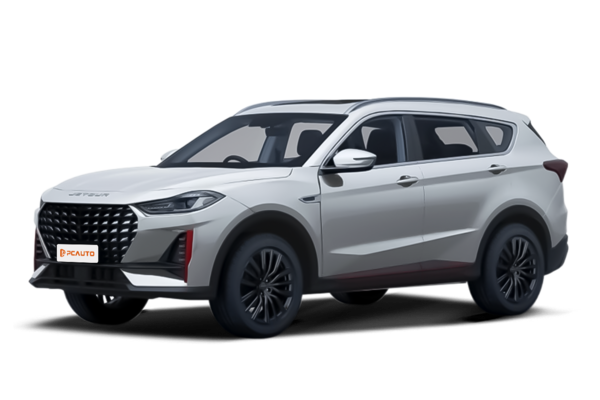
Jetour VT 9 photo
Jetour VT 9
Toyota Harrier
vs
Jetour VT 9
Toyota Harrier photo
Toyota Harrier
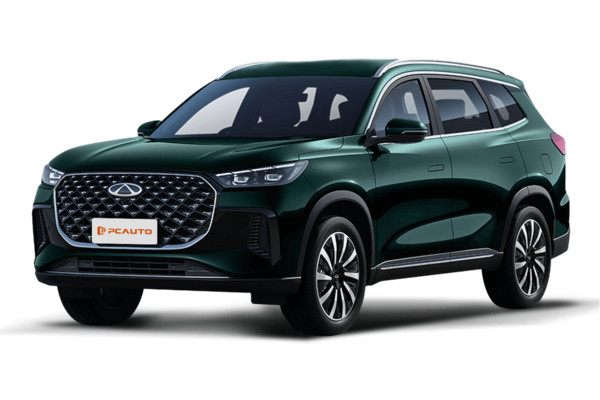
Chery Tiggo 8 photo
Chery Tiggo 8
Toyota Harrier
vs
Chery Tiggo 8
Toyota Harrier photo
Toyota Harrier
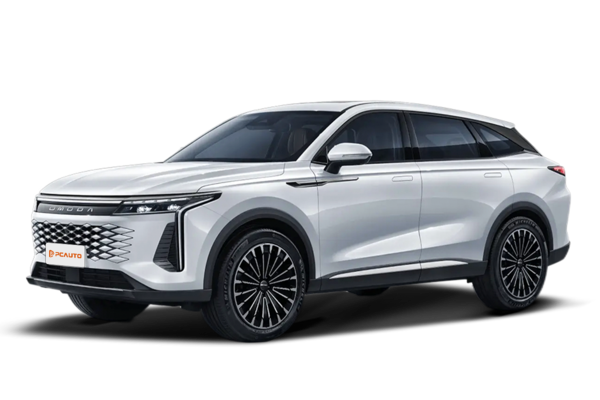
Chery OMODA C9 photo
Chery OMODA C9
Toyota Harrier
vs
Chery OMODA C9
Find out if you can afford your dream car using our user friendly car loan calculator.
Total Amount
Down Payment
Interest Rate(%)
Loan Period (In Years)
Monthly Payment
RM --
Calculate

What is the price of Harrier car 2023?

How much is a Toyota Harrier 2023?

What is the mileage of Harrier 2018?