

Toyota Hilux 2020 Review

 Share
Share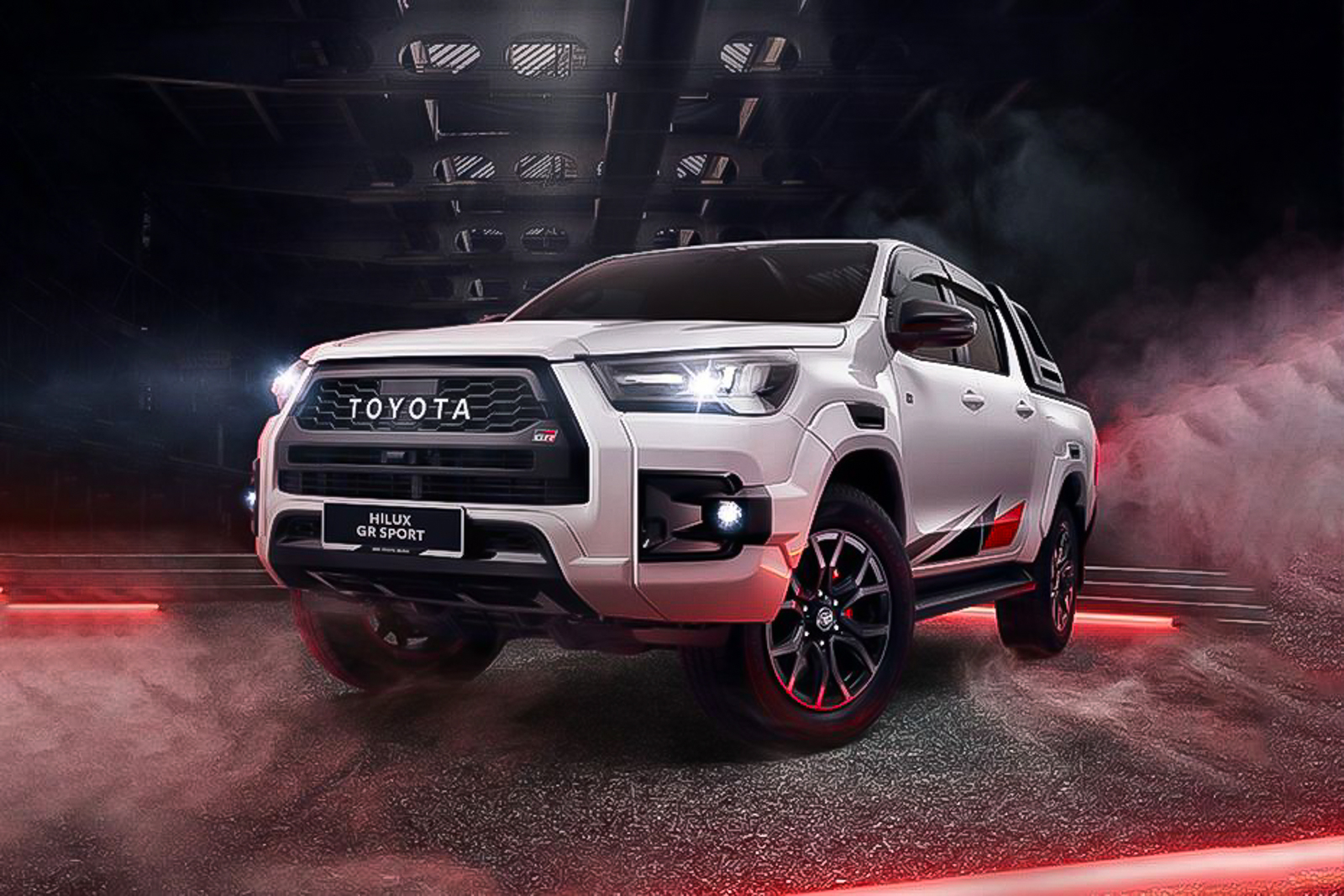
 Segment
 Body Type
 Capacity(L)
 Engine Power(PS)
 Transmission
 Driven Wheels
In the local commercial pickup market, reliability and practical functionality have always been core demands of users. This is especially true for professionals who need to balance construction site transportation, long-distance delivery, or light off-road tasks. A tough, durable, and cost-effective model is crucial. The 2020 Toyota Hilux Single Cab 2.4 MT 4X4, as the entry-level commercial version of the Hilux series, targets these user needs precisely with its 2.4L diesel turbocharged engine, manual transmission configuration, and four-wheel-drive system. This test drive will focus on verifying its performance in terms of load-carrying capacity, off-road capability, and daily handling to see if it can be a reliable partner in commercial scenarios.
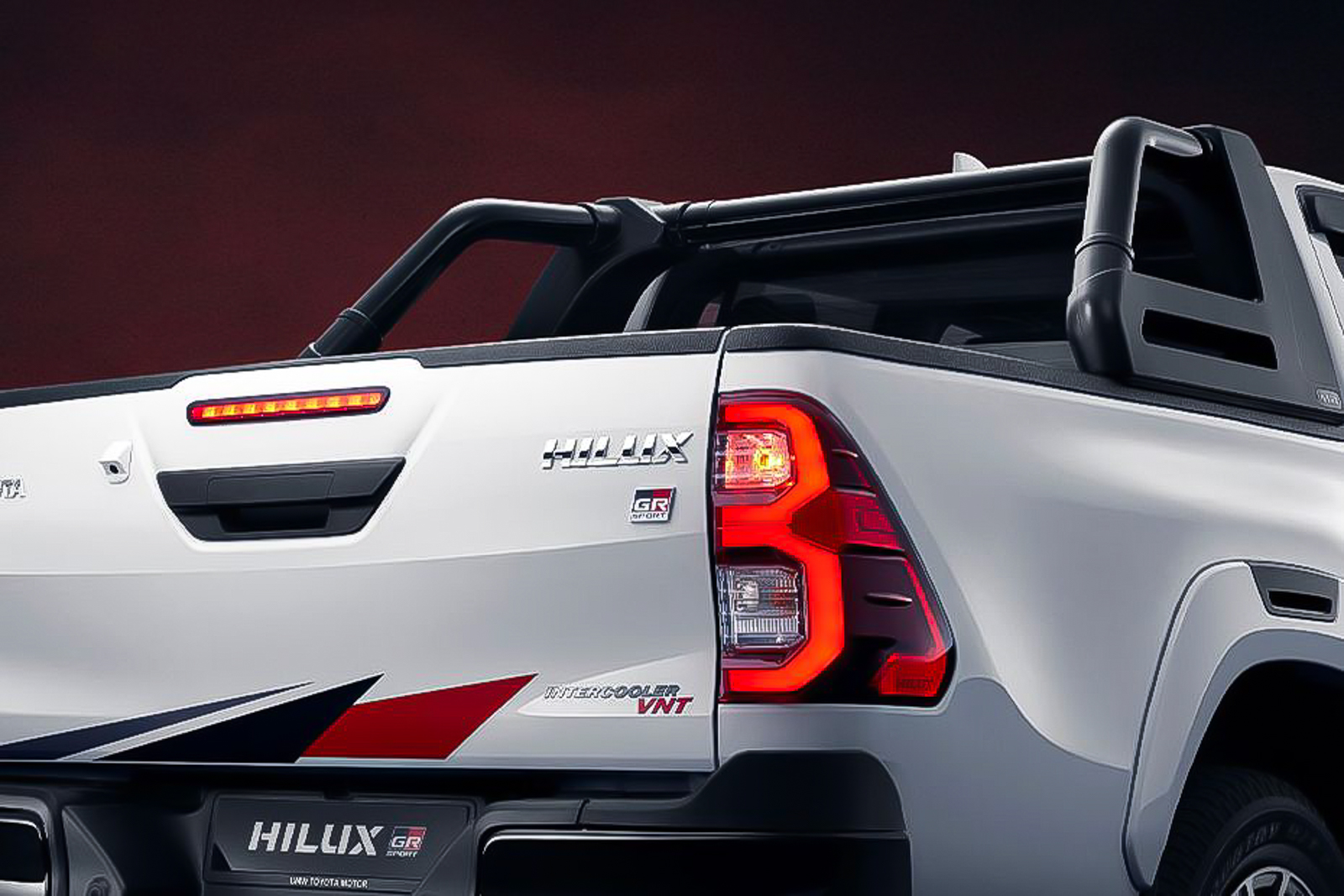
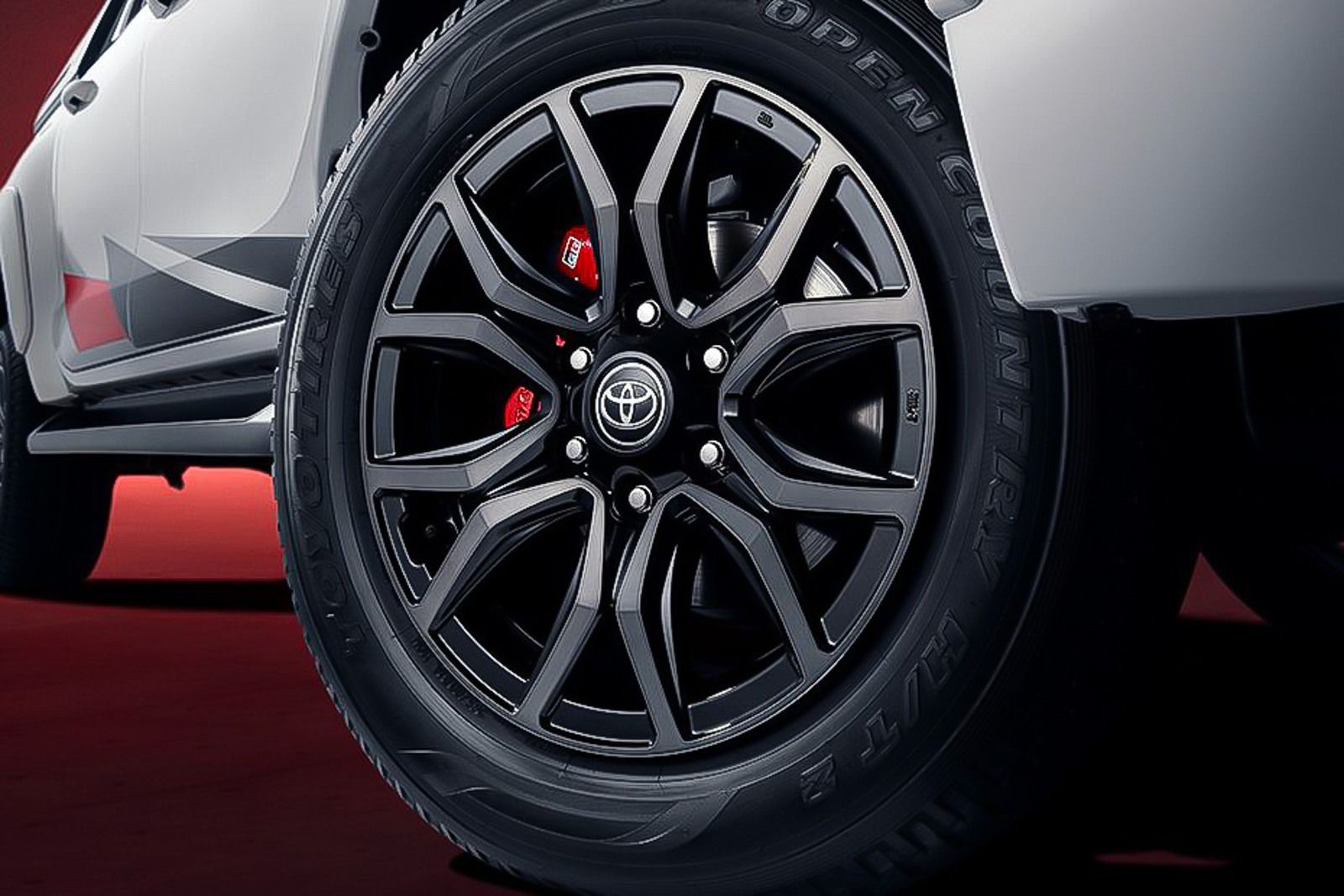
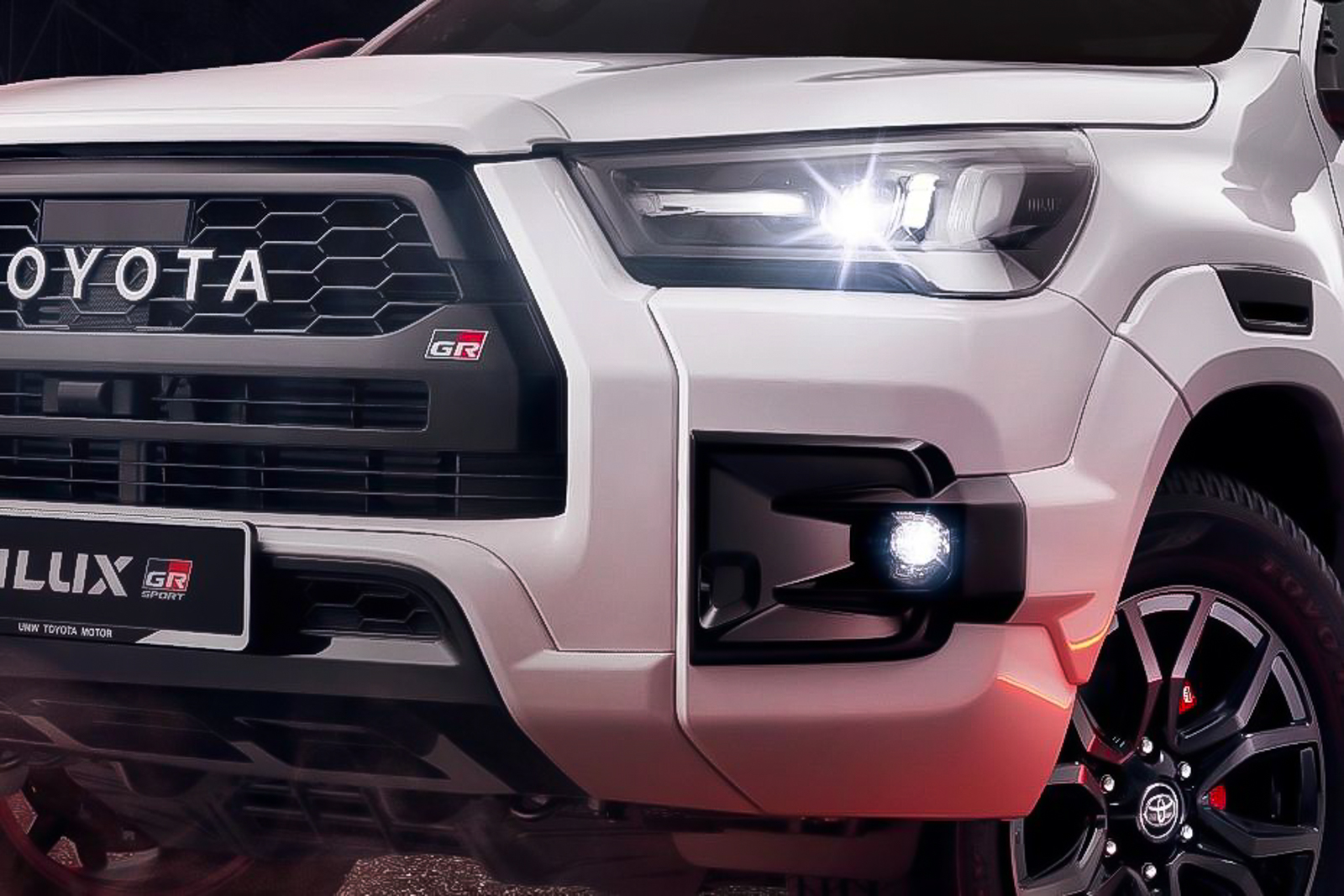
From the exterior, the Single Cab version maintains the signature rugged style of the Hilux family, with an overall design leaning towards functionality rather than aesthetics. The front face features a wide trapezoidal grille paired with a black plastic bumper, while the silver skid plate on the lower part, though decorative, enhances the off-road vibe. The side profile is characterized by straight lines, and its single-row, two-door design extends the cargo bed length to accommodate large goods transportation needs. The 205/70 R15 tires emphasize durability, and the thick sidewalls are designed to handle scuffs from unpaved roads. At the rear, vertically arranged taillights integrate with the rear bumper, and the cargo bed sides are equipped with manual locking mechanisms. The overall build quality aligns well with the positioning of a commercial vehicle, with no unnecessary flashy adornments.
Stepping inside, the interior layout focuses on simplicity and practicality. The dashboard is covered with hard plastic material, which feels stiff to the touch but is more suitable for the rugged demands of frequent usage in commercial settings. The steering wheel is made of standard rubber material, without multifunctional buttons, yet provides a solid grip during operation. The instrument panel features an analog design with electronic illumination for clear display of RPM, speed, and fuel level, and a small screen in the center shows basic data like water temperature and mileage. The center console retains traditional physical buttons, and the air conditioning system is manually adjustable with moderately resistant dials that are intuitive and uncomplicated to use. The seats are fabric-covered, and both front seats are manually adjustable. The cushions and backrests are moderately firm; while offering sufficient support during long drives, the overall wrapping feel is average. In terms of storage space, the door panels, space below the dashboard, and compartments in front of the co-driver provide moderate storage options for tools, documents, and other personal items. The inclusion of a 220V/230V power outlet adds convenience for powering electric tools outdoors.
In terms of space, the Single Cab version has a wheelbase of 3085mm. Although it only offers two front seats, the seating space is sufficiently roomy. A 175cm-tall individual sitting in the driver’s seat would have about a fist of headroom and two fists of legroom. While the dimensions of the cargo bed are not specified, actual measurements reveal that its length and width provide more advantages compared to the Double Cab version. With a flat cargo bed base, it can easily accommodate large items such as construction materials or equipment. The minimum ground clearance is 269mm. Although the approach and departure angles were not disclosed, its overall off-road capability is superior to normal family SUVs, enabling it to handle muddy roads or small ditches without issue.
As for performance, the vehicle is powered by a 2.4L four-cylinder turbocharged diesel engine, delivering a maximum power output of 150 PS and peak torque that kicks in as low as 1600 rpm, paired with a 6-speed manual transmission. During takeoff, the clutch bite point is clear, making it easy to coordinate clutch and throttle movements—even for beginners. A gentle press on the accelerator results in smooth and continuous power delivery as the turbo kicks in, with particularly strong torque performance in low to mid-speed ranges. Even when fully loaded, the vehicle doesn’t struggle during takeoff or uphill climbing. During high-speed driving, maintaining a speed of 100 km/h requires the engine to run at about 2000 rpm, and the low-rev high-torque characteristics of the diesel engine effectively reduce fatigue during long-distance drives.
The handling and chassis performance match the positioning of a commercial pickup truck. The front suspension uses a double wishbone independent structure, and the rear suspension is designed with leaf springs that are non-independent. This combination ensures off-road capability while also meeting the support requirements after the cargo bed is loaded. On paved roads in everyday driving, the suspension has average filtering of fine bumps, with a direct road feel. However, on unpaved roads, the chassis shows excellent integrity, maintaining stable body posture when facing potholes and gravel roads without any noticeable looseness. The steering system uses hydraulic assistance, with a slightly heavier steering feel. It is precise at high speeds but requires more effort at low-speed maneuvers, which aligns with the tuning logic for commercial vehicles.
In the fuel consumption test, we drove 200km under mixed driving conditions (30% urban roads, 50% highways, and 20% unpaved roads), with about 300kg of cargo loaded in the bed. The final measured average fuel consumption was 7.8L/100km. For a four-wheel-drive diesel pickup, this fuel economy performance is relatively efficient. As for off-road performance, the four-wheel-drive system can be switched using a knob located behind the gear lever. On muddy roads and light cross-axle conditions, power distribution is swift, and the tires provide sufficient grip. Along with a ground clearance of 269mm, most unpaved roads can be navigated smoothly. However, due to the lack of a differential lock, the ability to escape from extreme off-road conditions is somewhat limited.
In terms of driving comfort, the noise from the diesel engine is noticeable at idle, but once driving, wind and tire noise become the main sources of noise. The overall noise control is in line with the level of commercial vehicles, with no additional soundproofing. Although the seats have relatively firm cushioning, they provide adequate lumbar support for long drives without obvious discomfort. The manual transmission has a moderate shift travel, with clear gear positions and shifts that are smooth, although not particularly slick. However, it’s not easy to mis-shift in daily operations.
Overall, the 2020 Toyota Hilux Single Cab 2.4 MT 4X4 has core strengths in its reliable powertrain, practical space design, and a four-wheel-drive configuration that balances commercial use and off-road capability. Compared to competitors in the same class, such as the Ford Ranger Single Cab or Isuzu D-Max Single Cab, the Hilux has higher brand reliability and a larger market share, making its maintenance costs more advantageous in the long run. Its main shortcomings lie in its simplistic interior configuration and average comfort level, but for commercial users, these are not core concerns.
This vehicle is best suited for those who frequently transport goods and occasionally encounter light off-road driving, such as construction site managers, small logistics companies, or farm owners. It meets basic requirements for daily load carrying and long-distance transportation. At the same time, the four-wheel-drive system is capable of handling complex road conditions, making it a purely practical utility pickup. If you are pursuing luxurious features or comfort, the Double Cab version might be more suitable. However, if your core requirement is “reliable and practical,” then the Single Cab 2.4 MT 4X4 is undoubtedly the more cost-effective choice.
Overall, the 2020 Toyota Hilux Single Cab 2.4 MT 4X4 is a commercial pickup truck with "no shortcomings" — it may not have flashy features, but it achieves a balance in power, space, and off-road capability needed for commercial scenarios. For users who value practicality and reliability, it is a capable assistant that can "focus on getting the job done".
Toyota Hilux Car Compare

Toyota Hilux Loan Calculator
More Toyota Reviews
Cars With Similar Price And Features
5
Rank in Pickup
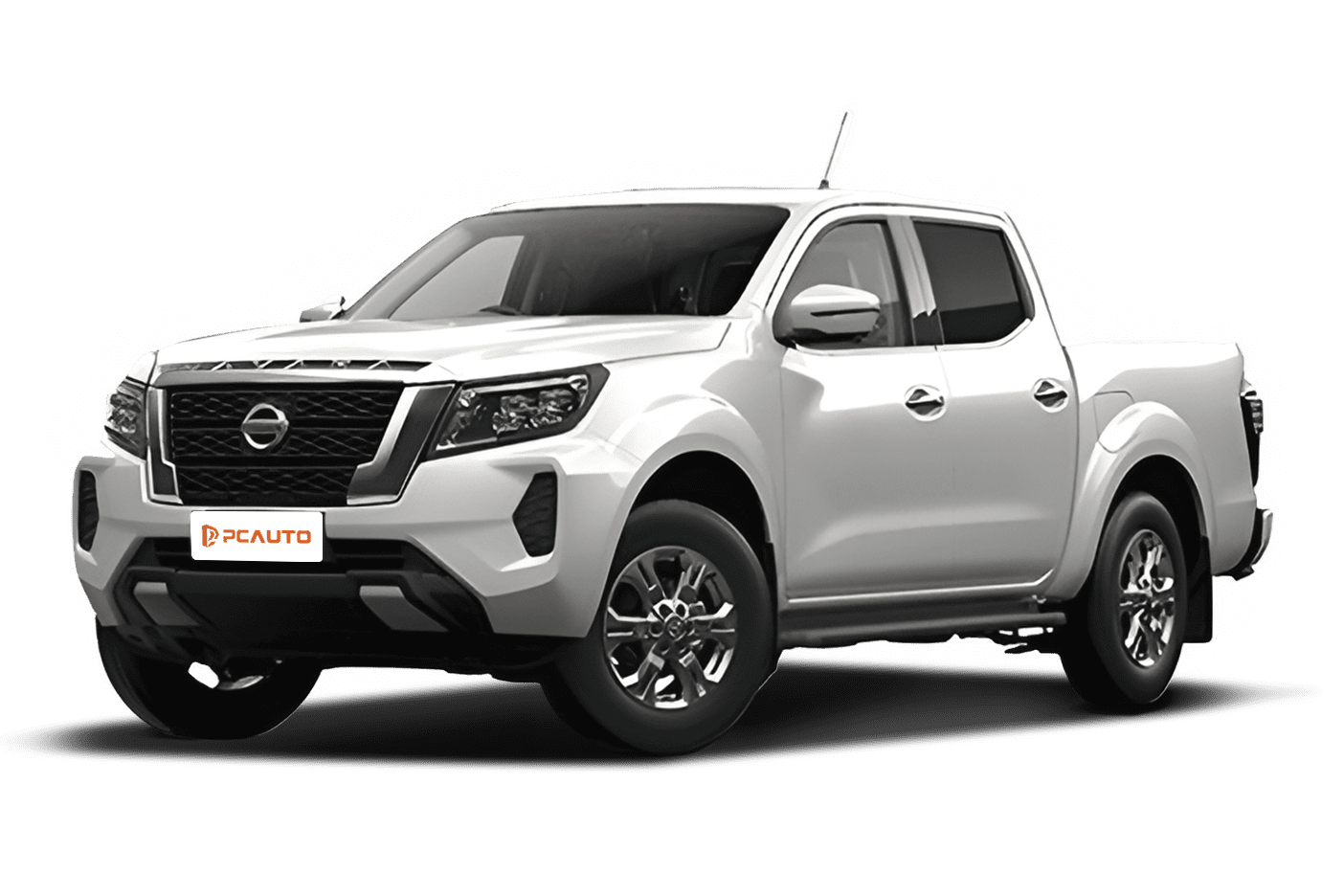
2023 Nissan Navara 2.5 VL Black Edition is a pickup truck that balances household comfort with light off-road capability, featuring exclusive black trims, a full suite of active safety features, and practical configurations, precisely catering to the needs of families and small business owners.
4
Rank in Pickup

2025 Isuzu D-MAX 1.9L 4x2 Low Ride is an entry-level passenger pickup, offering a balance of practical space, reliable diesel performance, and fuel economy, suitable for family transport and small business cargo needs.
3
Rank in Pickup
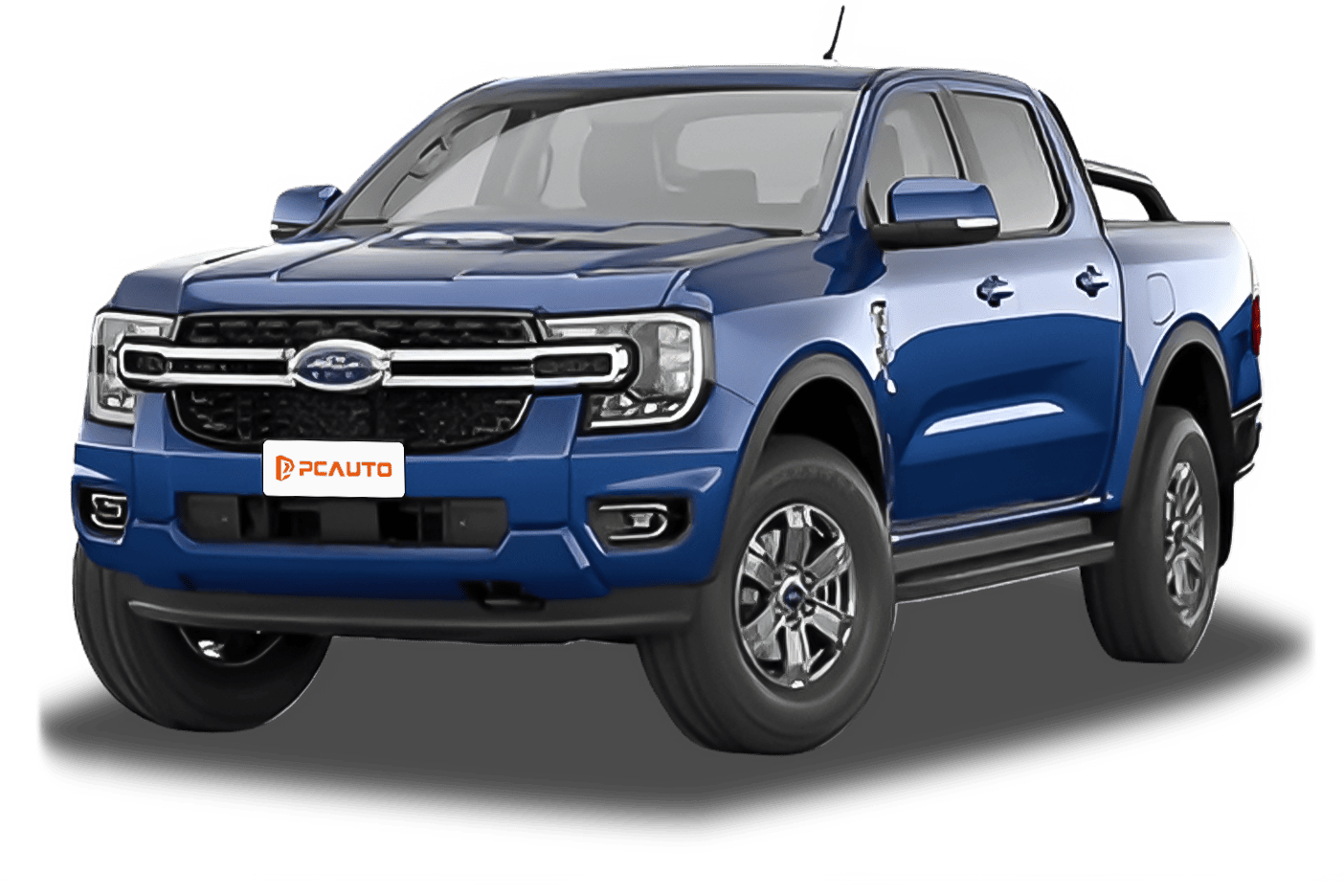
2023 Ford Ranger WildTrak is a mid-to-high-end pickup truck that balances the comfort of daily commuting with the practicality of cargo and off-road capabilities. It features powerful performance, ample space, and practical configurations, making it a versatile choice for both family and work scenarios.

2023 JMC Vigus Pro White Series 2.0L 4WD 8AT combines rugged design, practical features, and powerful diesel performance, balancing everyday durability and mild off-road needs, making it a high-value choice for pickup users.