

2020 Toyota Hilux Single Cab 2.4 MT 4X4 Review

 Share
Share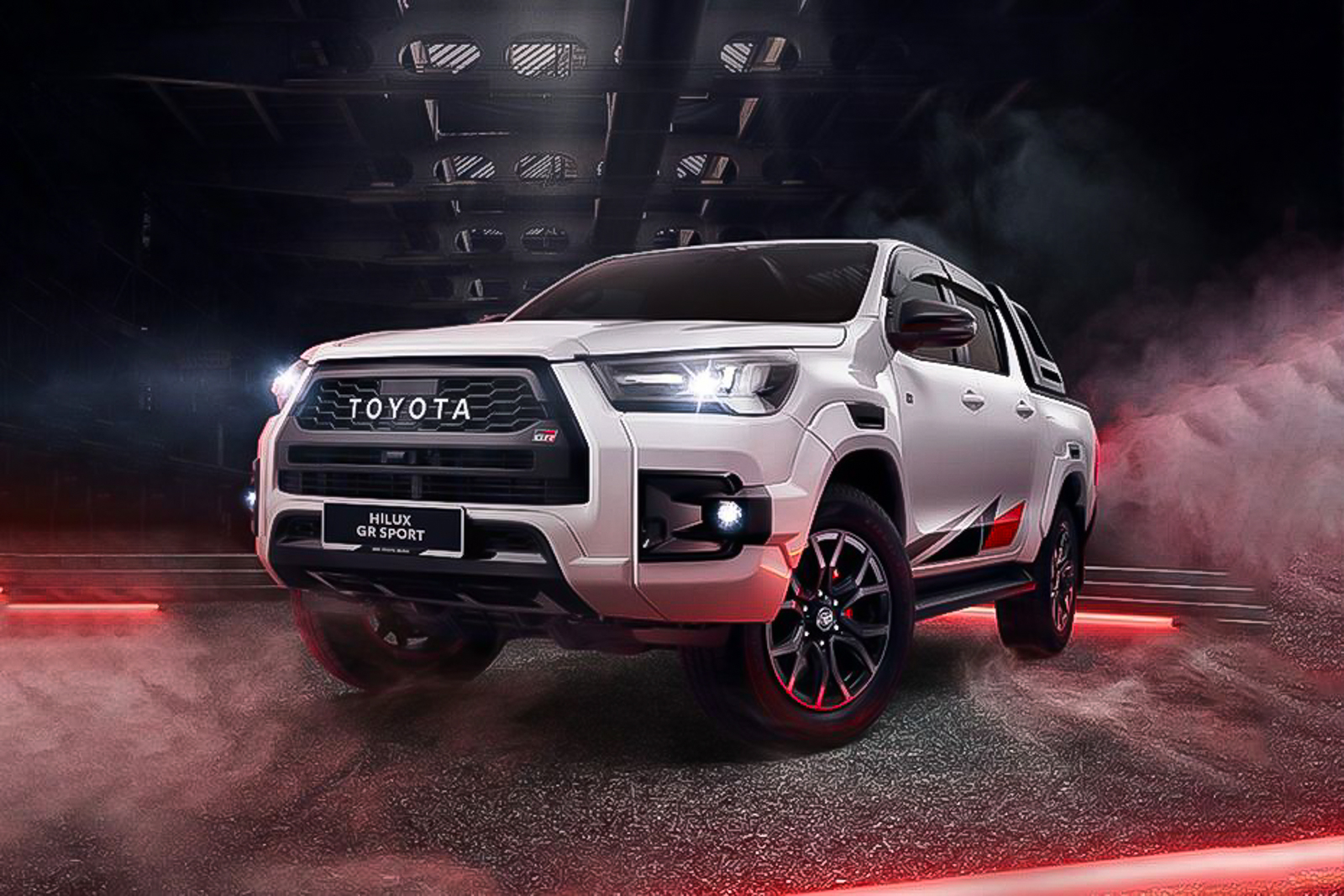
 Segment
 Body Type
 Capacity(L)
 Engine Power(PS)
 Transmission
 Driven Wheels
In Malaysia's commercial pickup truck market, durability, load-bearing capacity, and off-road capabilities are the core considerations for buyers. At the same time, with the upgrading of consumer demands, basic configurations and safety performance have gradually become key factors for vehicle selection. The 2020 Toyota Hilux Single Cab 2.4 MT 4X4, as a popular model in this segment, has always attracted the attention of self-employed individuals and small engineering teams with its reputation for Toyota's reliability, standard four-wheel-drive system, and well-balanced features. This test drive focuses on verifying its actual load-bearing performance, off-road capabilities, and daily driving practicality to see if it truly meets the high-intensity needs of commercial scenarios.
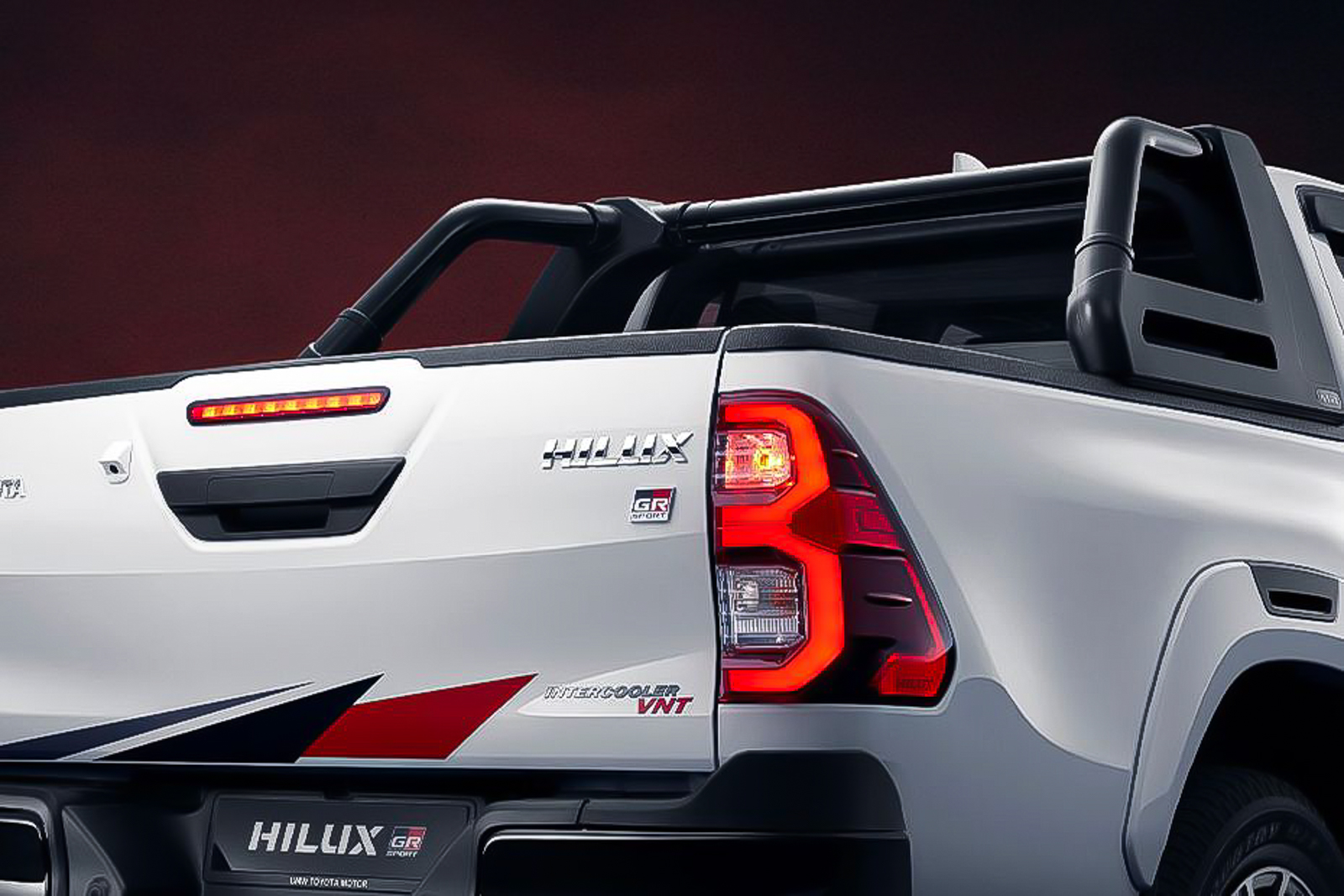
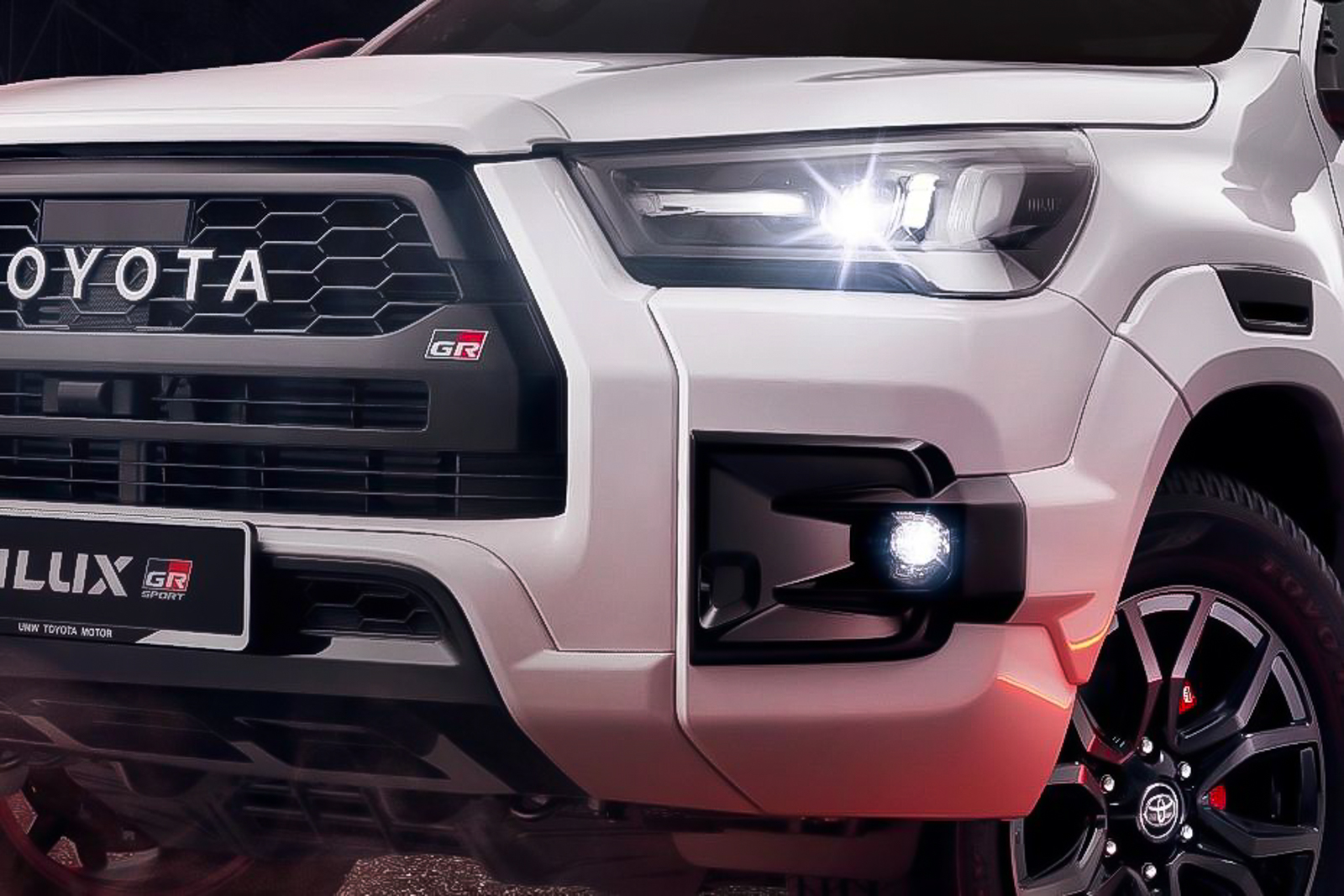
From the exterior, this Hilux maintains the typical rugged style of a pickup truck. The front features a large trapezoidal grille with chrome accents and square-shaped headlight groups on both sides. The headlights come standard with halogen and LED light sources, and the automatic headlight function is quite useful, as it automatically turns on when entering tunnels or during dusk. The side profile has straight lines, and the cargo bed railing height is moderate, making it easy to load and unload goods. With a wheelbase of 3085mm, it ensures a stable load-bearing foundation. The rear design is simple; a rear fog lamp comes standard, and the vertical layout of the taillights provides high recognizability. The overall exterior avoids overly fancy designs, focusing entirely on practicality, which aligns with the positioning of a commercial vehicle.
Inside, the interior is primarily made of dark hard plastic materials. While the texture may feel hard, it provides strong durability, making it suitable for scenarios involving frequent contact with dirt and cargo. The center console design is simple; the left side features a manual air conditioning control area, and the knobs and buttons have a clear tactile feel, making them intuitive to operate. While there is no large screen in the center, it retains a basic radio and two speakers to meet fundamental audio needs. The instrument panel is an electroluminescent analogue type, clearly displaying information such as RPM, speed, fuel level, and water temperature. It is easy to read. The front seats are manually adjustable, and though the cushioning is firm, they provide good support, making long drives less likely to cause backaches. Notably, the vehicle is equipped with a standard 220V/230V power outlet, which is very practical for users who need to charge tools at construction sites. The door locks feature a manual key design, which, although lacking remote control functionality, is simple in structure and has a lower failure rate.
In terms of space, the vehicle length is 5270mm, width 1800mm, and the cargo bed space is sufficient to meet daily needs for carrying construction materials or tools. The front row seating offers ample space, and a passenger with a height of 175cm will have sufficient headroom and legroom. For storage, there is an open compartment below the center console that can hold a phone or receipts, and the door panels have storage slots large enough for water bottles. There is no rear seat inside the cabin, as all space is dedicated to the front row and cargo bed, fully designed with commercial needs in mind.
For power, it is equipped with a 2.4L turbocharged diesel engine, delivering a maximum horsepower of 150PS, a maximum power speed of 3400rpm, and maximum torque available from as low as 1600rpm. It is paired with a manual transmission, with a moderate shifting range and a clear clutch engagement point, making it easy for beginners to handle. The power response during acceleration is positive, and even when carrying a full load, the low-end torque performs robustly, eliminating the need for frequent downshifting when climbing or overtaking. As for driving modes, although there is no option for multiple modes, the four-wheel-drive system is easy to operate. Using the knob next to the gear lever, you can switch between two-wheel and four-wheel modes. On muddy or uneven roads, the four-wheel-drive mode offers stable grip performance.
The handling and chassis performance align with the characteristics of a pickup truck. The front suspension adopts a double wishbone independent suspension, while the rear suspension uses leaf springs (although not explicitly stated in the configuration sheet, the Hilux single-cab version typically employs this structure). When unloaded, the suspension feels stiff, and driving over speed bumps or bumpy roads results in noticeable vibrations. However, when fully loaded, the suspension compresses into a reasonable position, improving comfort and enhancing body stability. The steering wheel offers a relatively heavy steering effort, ensuring stable direction at high speeds. Combined with the minimum ground clearance of 269mm, there is no need to worry about scraping the underbody when traversing common construction site potholes or gravel roads. Regarding braking performance, the front brakes are ventilated discs, offering moderate braking distance. Even under full load, the braking force remains linear, delivering a good sense of safety.
In specialized tests, fuel efficiency performance is satisfactory, with a combined urban and highway fuel consumption of approximately 7.5L per 100km. The fuel economy of the diesel engine effectively reduces operating costs. In a four-wheel-drive off-road capability test on simulated muddy and cross-axle roads, the 4WD system quickly distributed power, and by slightly adjusting the steering, it easily overcame challenges, fully meeting the off-road demands of construction sites or rural unpaved roads. In terms of noise control, the diesel engine produces slightly noticeable noise at idle; however, while driving, wind and tire noise are controlled within acceptable ranges and do not affect normal in-cabin conversation.
In summary, the core highlights of the 2020 Toyota Hilux Single Cab 2.4 MT 4X4 are its durability, performance, and practical configuration. Compared with its counterparts like the Ford Ranger Single Cab or Isuzu D-Max Single Cab, its advantages lie in Toyota's brand reliability reputation, the standard 220V power outlet, and balanced 4WD performance. Although it lacks many luxurious features, its basic safety features are comprehensive, including three airbags (driver, passenger, and knee), ABS, lane departure warning, and an autonomous emergency braking system, making it a strong performer among commercial vehicles.
This vehicle is highly suitable for self-employed individuals, small construction teams, or users who frequently travel to construction sites. It avoids flashy designs, focusing entirely on practicality and durability, making it capable of withstanding high-intensity commercial usage scenarios. If you need a pickup truck that can transport goods, handle rough roads, and maintain a low failure rate, then this Hilux is an excellent choice.
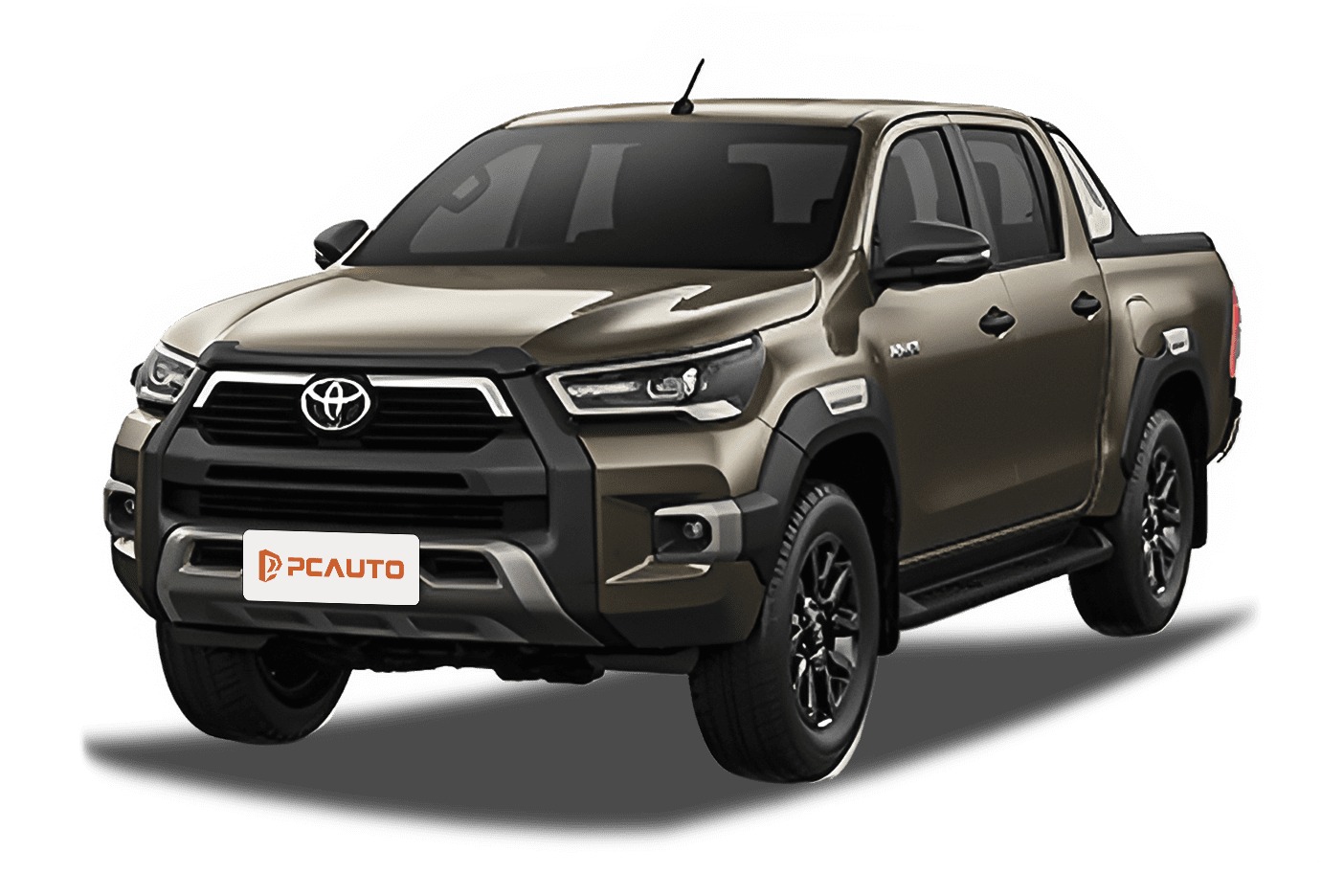
Toyota Hilux Car Compare
Toyota Hilux Loan Calculator
More Toyota Reviews
Cars With Similar Price And Features
5
Rank in Pickup
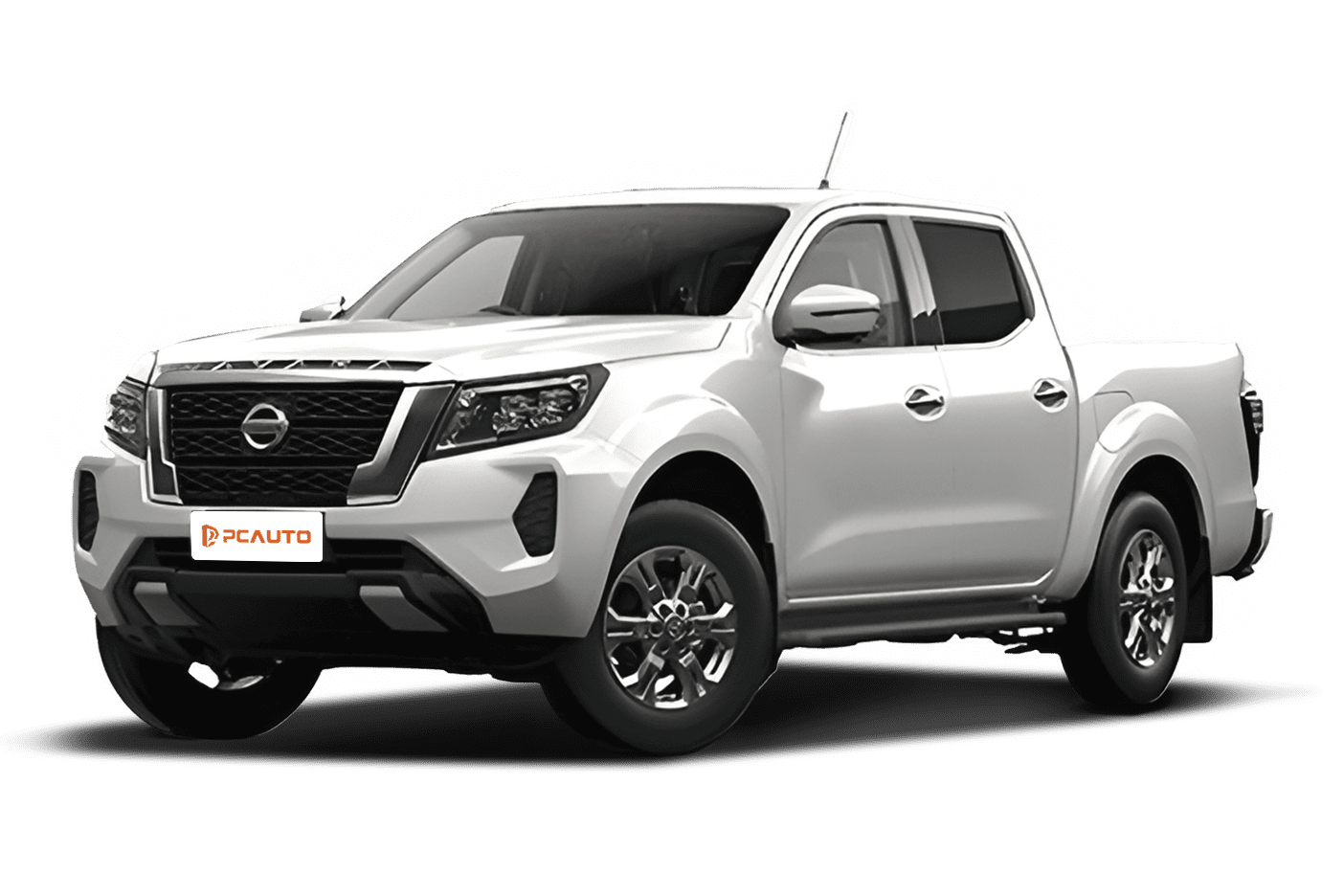
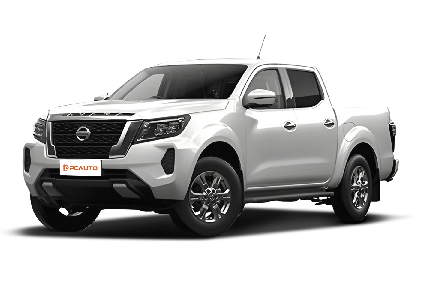
2023 Nissan Navara 2.5 VL Black Edition is a pickup truck that balances household comfort with light off-road capability, featuring exclusive black trims, a full suite of active safety features, and practical configurations, precisely catering to the needs of families and small business owners.
4
Rank in Pickup

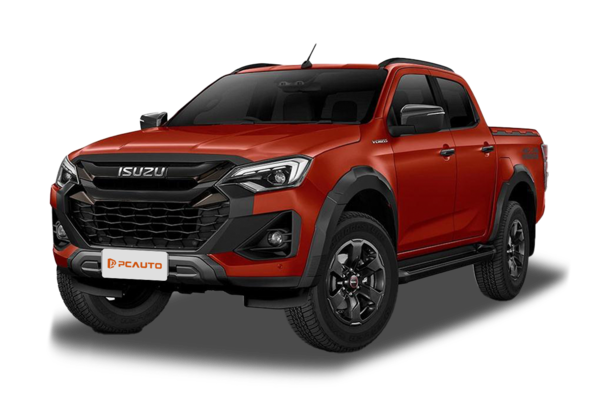
2025 Isuzu D-MAX 1.9L 4x2 Low Ride is an entry-level passenger pickup, offering a balance of practical space, reliable diesel performance, and fuel economy, suitable for family transport and small business cargo needs.
3
Rank in Pickup
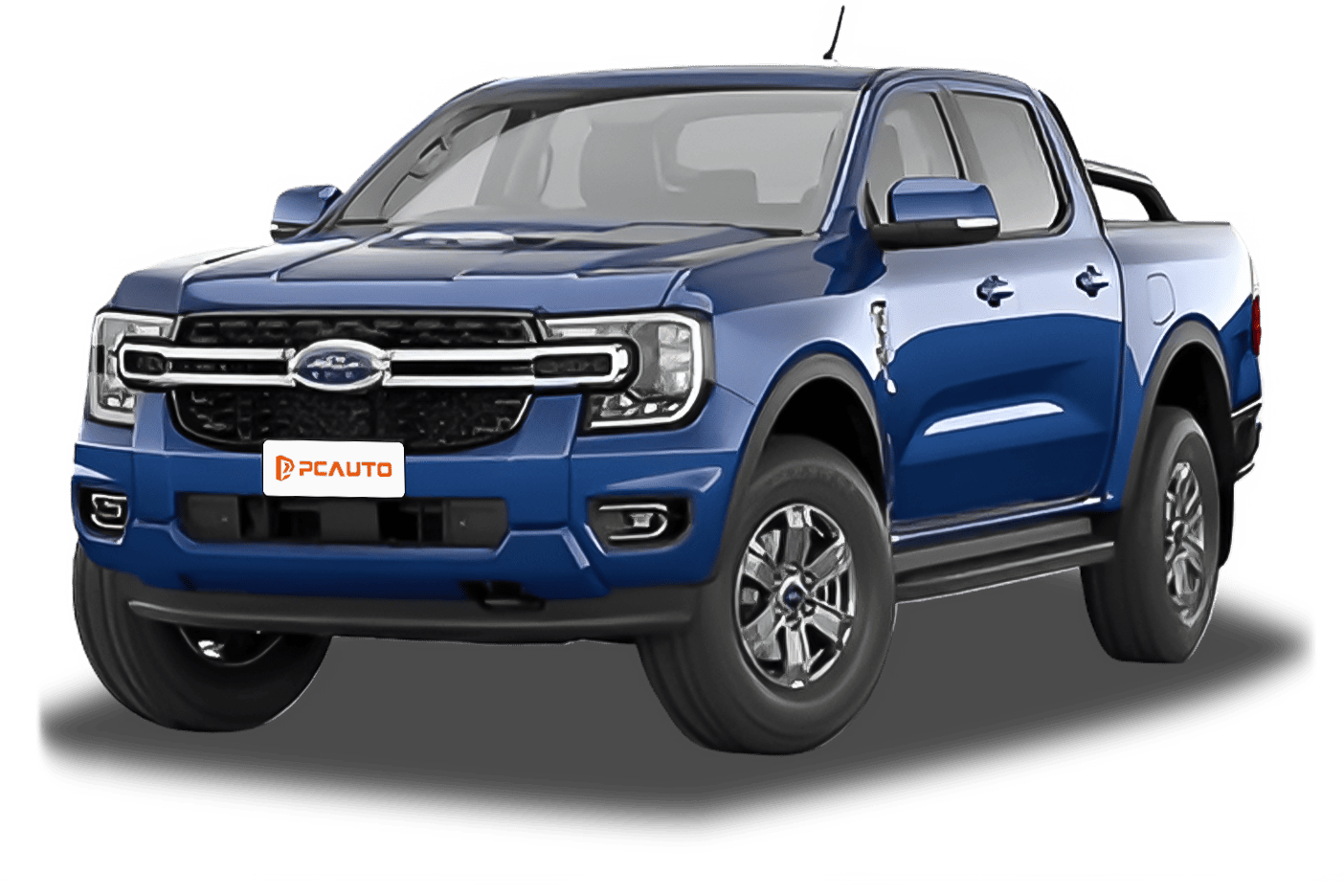
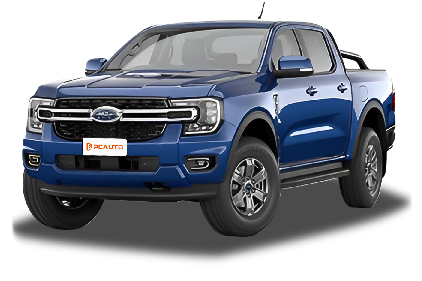
2023 Ford Ranger WildTrak is a mid-to-high-end pickup truck that balances the comfort of daily commuting with the practicality of cargo and off-road capabilities. It features powerful performance, ample space, and practical configurations, making it a versatile choice for both family and work scenarios.

2023 JMC Vigus Pro White Series 2.0L 4WD 8AT combines rugged design, practical features, and powerful diesel performance, balancing everyday durability and mild off-road needs, making it a high-value choice for pickup users.