

Toyota Hilux 2023 Review

 Share
Share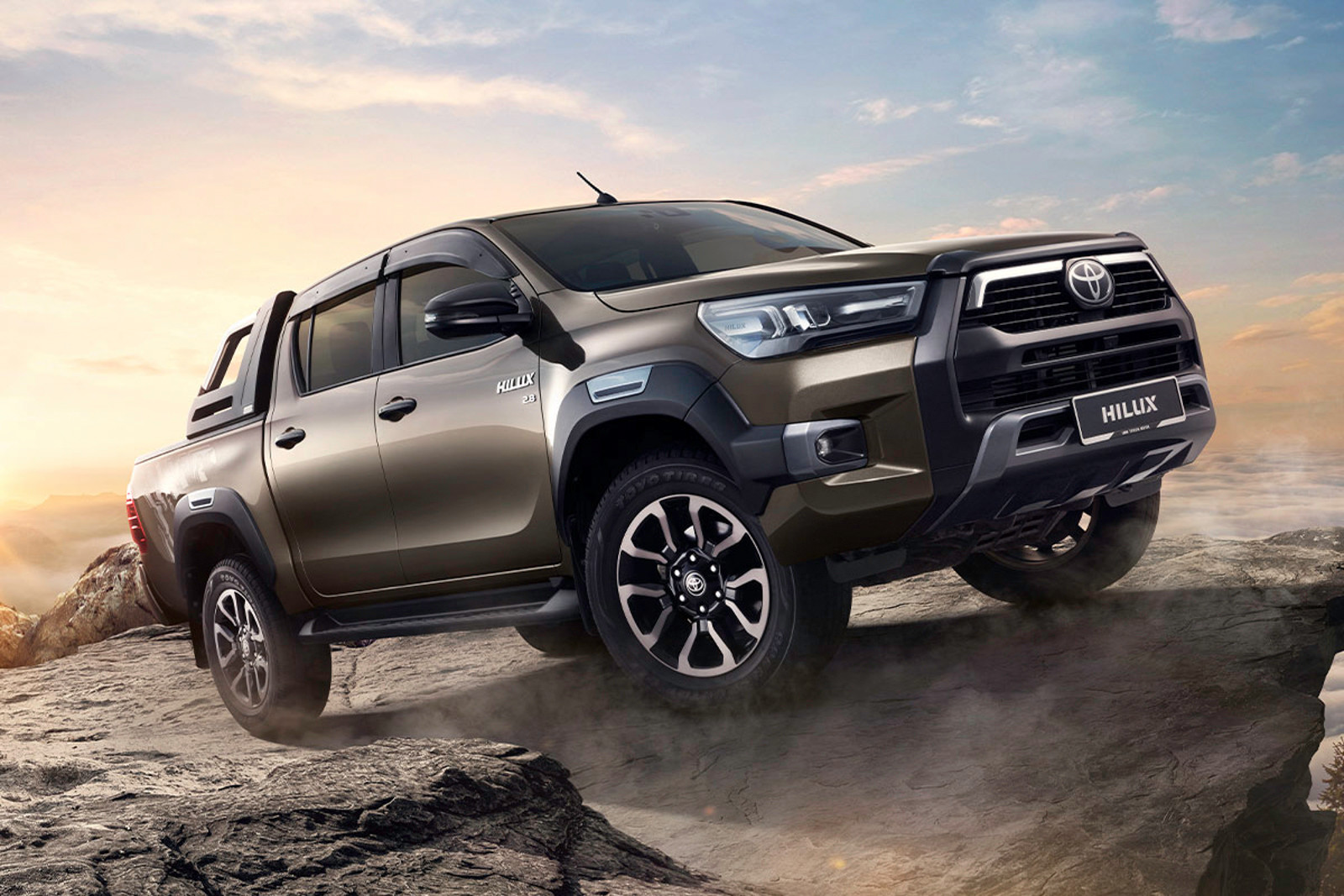
 Segment
 Body Type
 Capacity(L)
 Engine Power(PS)
 Engine Torque(Nm)
 Transmission
In the local market where commercial vehicles overlap with demands for tough off-road vehicles, single-cab pickup trucks have always been the core choice for balancing cargo capacity and light off-road capabilities — and the 2023 Toyota Hilux Single Cab 2.4 MT 4WD stands out as a popular candidate in this niche market. It continues the durability reputation of the Hilux series while precisely hitting the user pain points of "stable cargo transport and off-road capability" with its manual transmission and 4WD combination. In this test drive, we focus on verifying: Is its loading practicality strong enough? Is the off-road performance of the manual 4WD robust? Can its driving comfort meet the demands of both urban and suburban commutes?
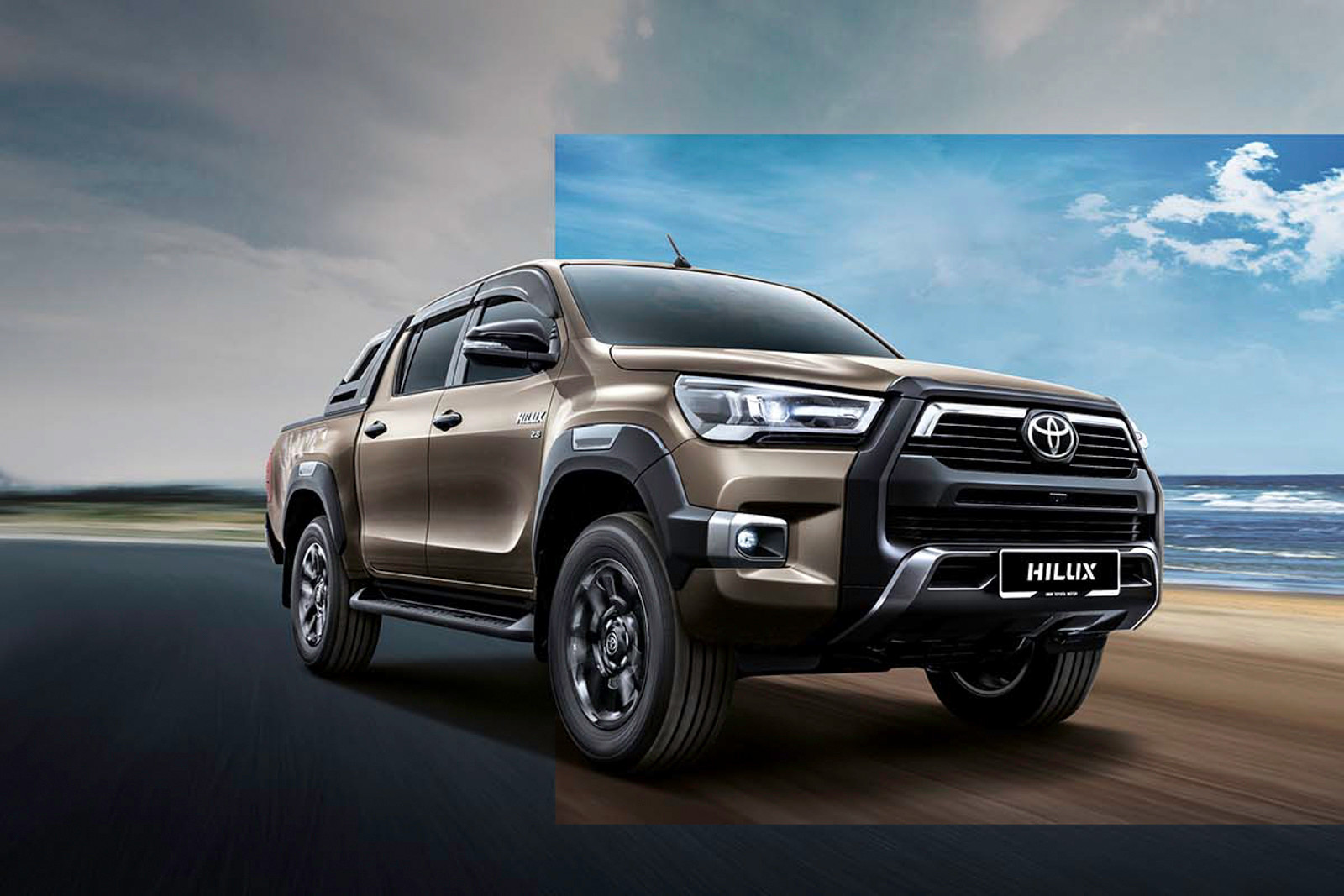
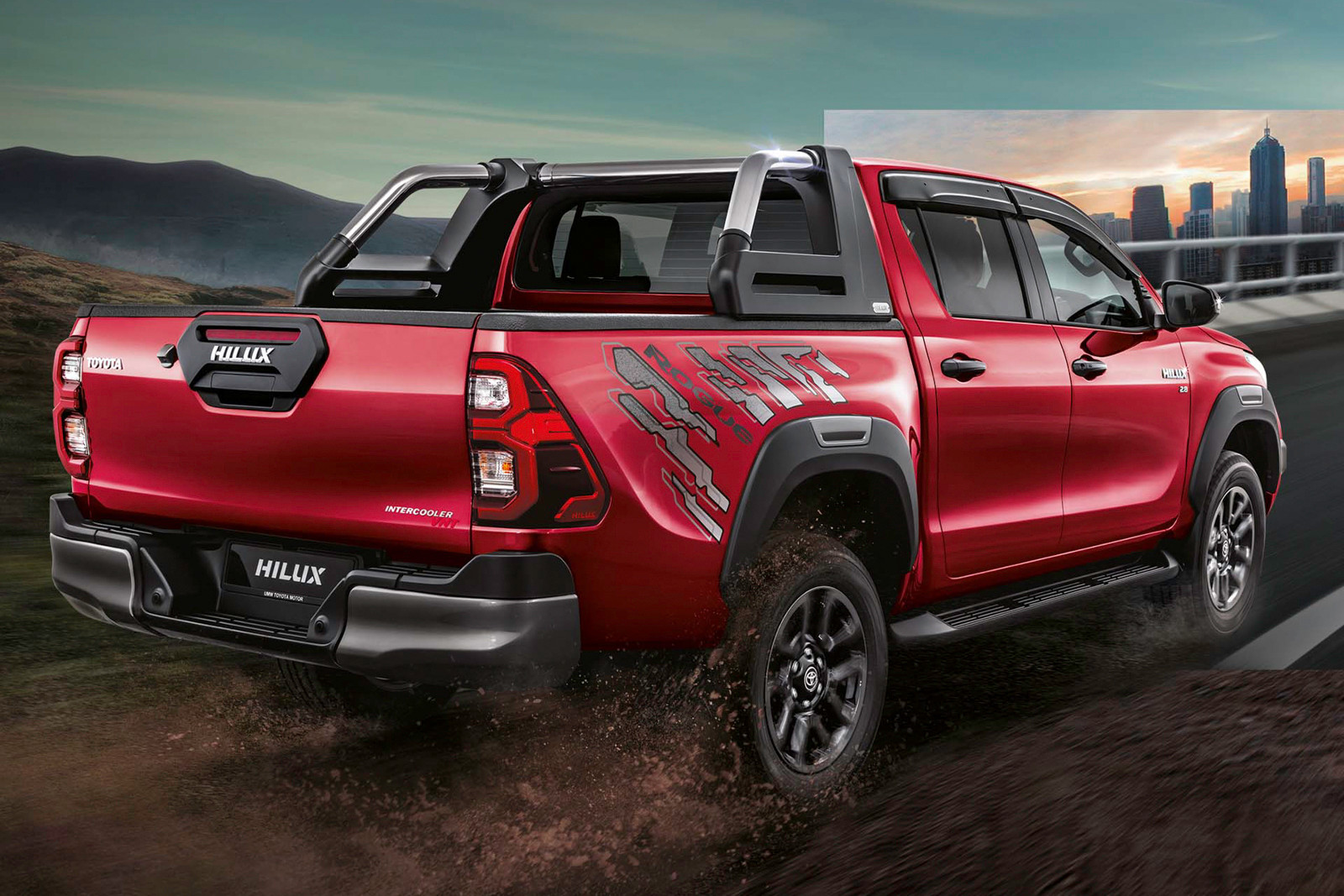
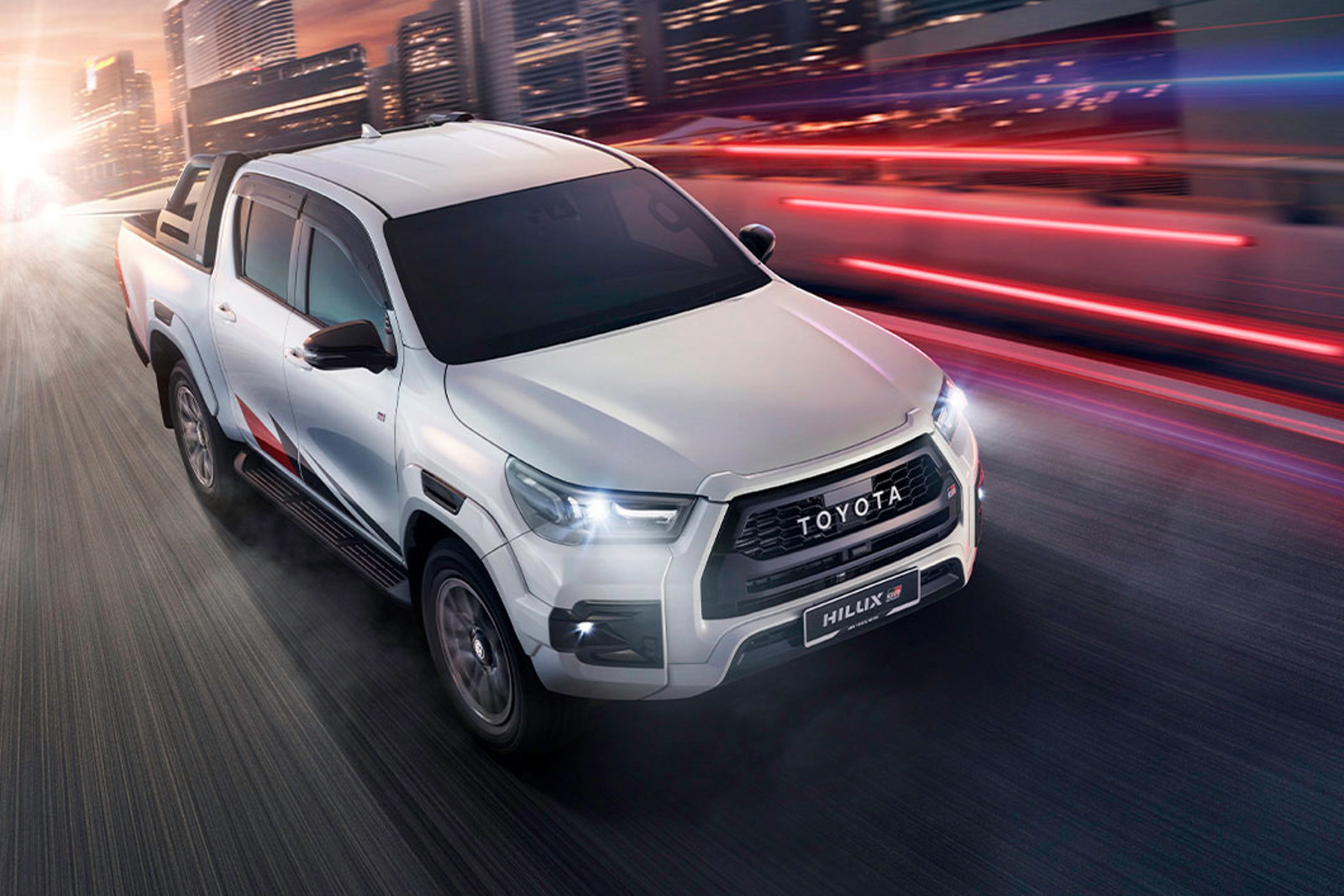
In terms of appearance, the 2023 Single Cab maintains the rugged style of the Hilux family. The front features a large trapezoidal grille paired with a sturdy black front bumper that ensures high recognizability; the body side has straight lines, and its 5325mm length and 3085mm wheelbase provide ample cargo bed space. The 225/70R17C commercial vehicle tires emphasize durability. At the rear, the vertical taillights and simple rear bumper design focus on functionality without unnecessary decorations. The lighting system comes standard with halogen headlights and daytime running lights, meeting basic lighting needs. The overall design serves its functional purpose entirely, without ornate elements.
Opening the door, the interior's "utilitarian nature" is unmistakable. The dashboard is mainly made of hard plastic, with consistent seams. The materials are in line with the price point of a commercial vehicle. The layout is simple, with physical buttons concentrated around the central control area, and the manual air conditioner dials and gear lever are conveniently placed for operation, even with gloves. In terms of features, it comes standard with keyless entry, reminders for unbuckled front seat belts, and three airbags (driver, passenger, and knee), ensuring basic safety. The seats are fabric material, with the driver's seat supporting 4-way manual adjustment and the passenger seat 2-way manual adjustment. While the seats lack strong enveloping support, the firm cushioning helps prevent sagging during long drives. For storage, door panel compartments can hold large water bottles, while the central armrest box and passenger glove box offer ample space for storing documents or tools, maximizing practicality.
Space performance is one of the core advantages of the Single Cab. The front row offers spacious seating, with at least a fist's worth of headroom and legroom for a 180cm passenger. While the official dimensions of the cargo bed are not separately specified, based on the wheelbase and proportions, it can easily carry around 1.5 tons of cargo, making it suitable for small business owners transporting equipment or building materials. The minimum ground clearance of 269mm and the 4WD system ensure it can easily navigate suburban rough roads or unpaved paths without worrying about scraping the undercarriage.
For dynamic driving, the performance of the 2.4L diesel engine exceeded expectations. With 150PS of horsepower and 400Nm of torque, maximum torque is delivered at 1600rpm. Even when carrying half a ton of cargo, there is no lack of power if the clutch is operated properly during startup. The 6-speed manual transmission has clear gears with moderate shift distance, and the engagement point is easy to master, making it quick for beginners to adapt. When switching to 4WD mode, it handles muddy roads or moderate slopes smoothly, with power output steady and no slippage, proving its robust off-road capability.
In terms of handling, the steering is relatively heavy but precise, and the vehicle remains stable at high speeds without feeling floaty. The combination of front double-wishbone independent suspension and rear leaf spring non-independent suspension results in some bumpiness when driving over speed bumps with no load, but with a full load, the vehicle's posture is more stable, and vibration absorption feels more comfortable—typical commercial vehicle tuning logic. Regarding fuel consumption, we conducted a simple test, and under a combined urban commuting and suburban cargo transport route, the fuel consumption was about 8.5L per 100 kilometers. The 80L fuel tank capacity supports a range of nearly 900 kilometers, reducing the frequency of refueling.
In terms of driving comfort, the single-cabin structure provides better cabin noise control than expected. The idling noise of the diesel engine is not very noticeable, and while wind noise and tire noise slightly increase at high speeds, it remains within an acceptable range. The seats, though firm, offer sufficient support, ensuring no discomfort even after driving continuously for three hours. It’s worth mentioning that the manual parking brake is easy to operate, and the vehicle remains stable even when parked on slopes.
In summary, the core advantages of the 2023 Toyota Hilux Single Cab 2.4 MT 4WD are clear: durable mechanical quality, spacious cargo capacity, solid off-road performance, and a price of 103,800 RM, which is nearly 14,000 RM cheaper than the Double Cab 2.4E MT 4WD of the same series, giving it a standout price-performance ratio. Compared to competitors in the same class, its brand reputation and after-sales network are additional benefits, making it suitable for small business owners who need to balance daily cargo transport with occasional off-road requirements, or professionals frequently working in suburban construction sites.
If you need a "capable, no-nonsense, low-maintenance" work vehicle, this Hilux Single Cab is undoubtedly a choice you cannot overlook. It doesn't come with flashy configurations, but every design aspect serves a practical purpose, making it a reliable and "stable" option in this niche market.
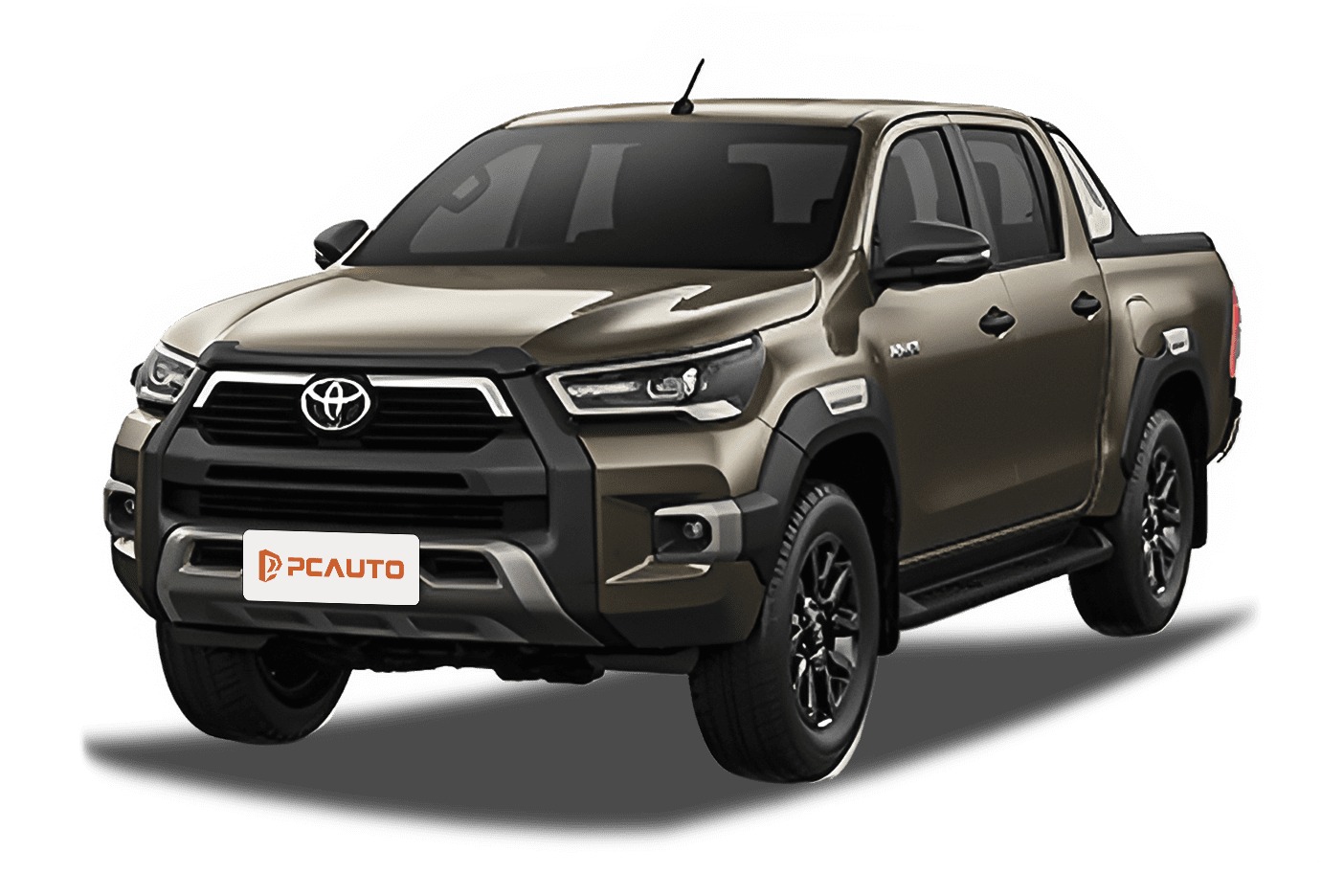
Toyota Hilux Car Compare
Toyota Hilux Loan Calculator
More Toyota Reviews
Cars With Similar Price And Features
5
Rank in Pickup
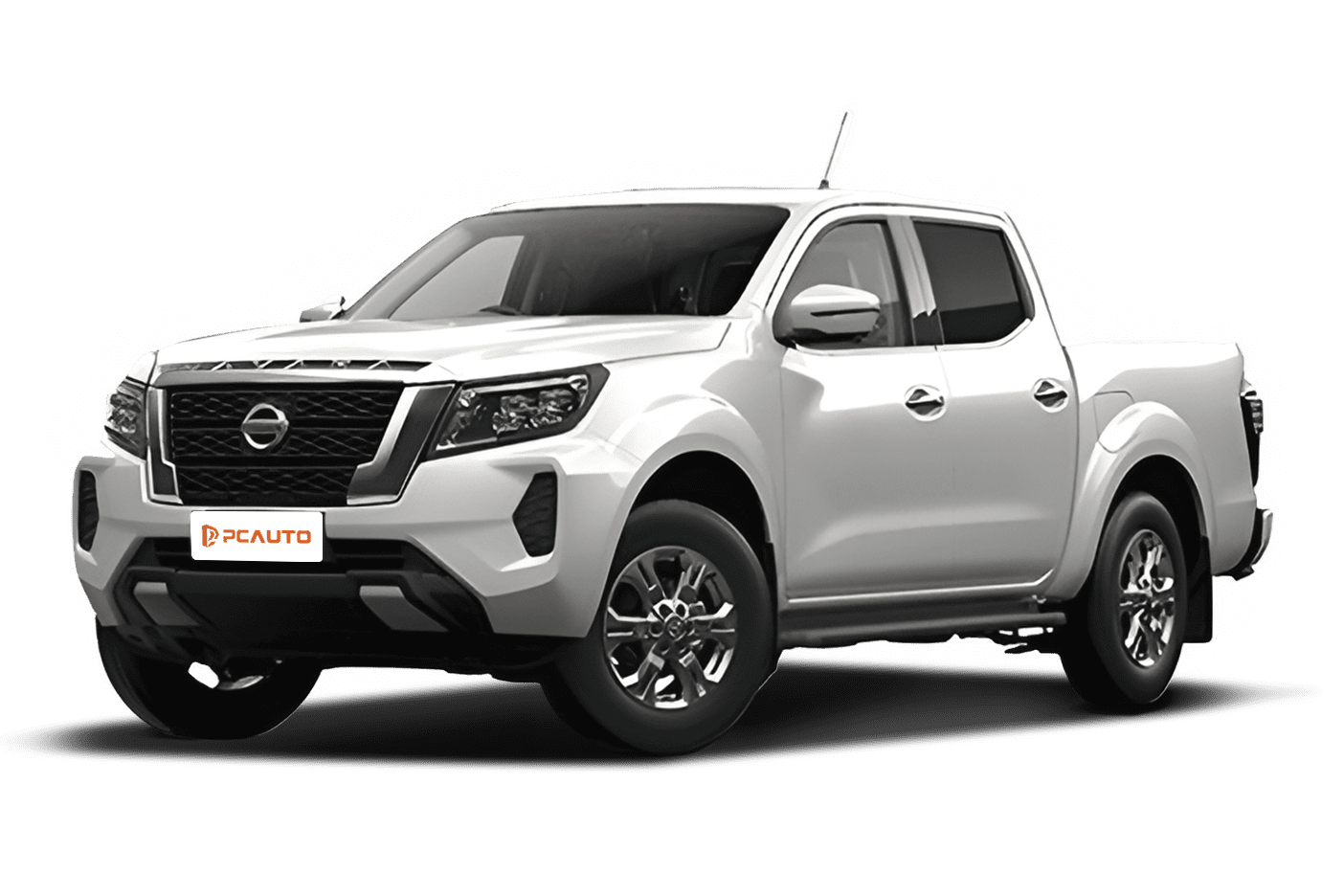
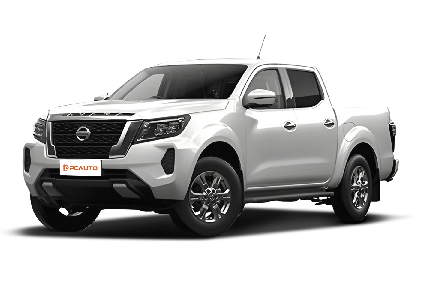
2023 Nissan Navara 2.5 VL Black Edition is a pickup truck that balances household comfort with light off-road capability, featuring exclusive black trims, a full suite of active safety features, and practical configurations, precisely catering to the needs of families and small business owners.
4
Rank in Pickup

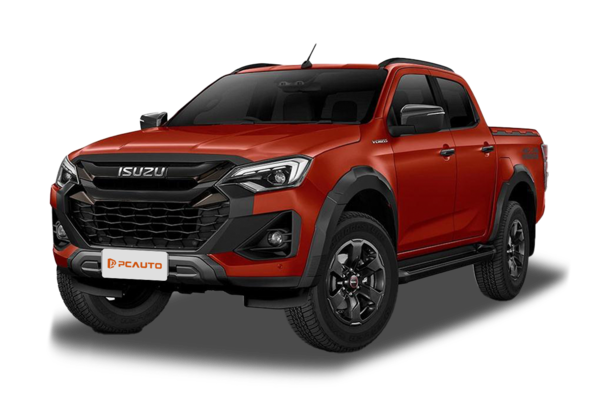
2025 Isuzu D-MAX 1.9L 4x2 Low Ride is an entry-level passenger pickup, offering a balance of practical space, reliable diesel performance, and fuel economy, suitable for family transport and small business cargo needs.
3
Rank in Pickup
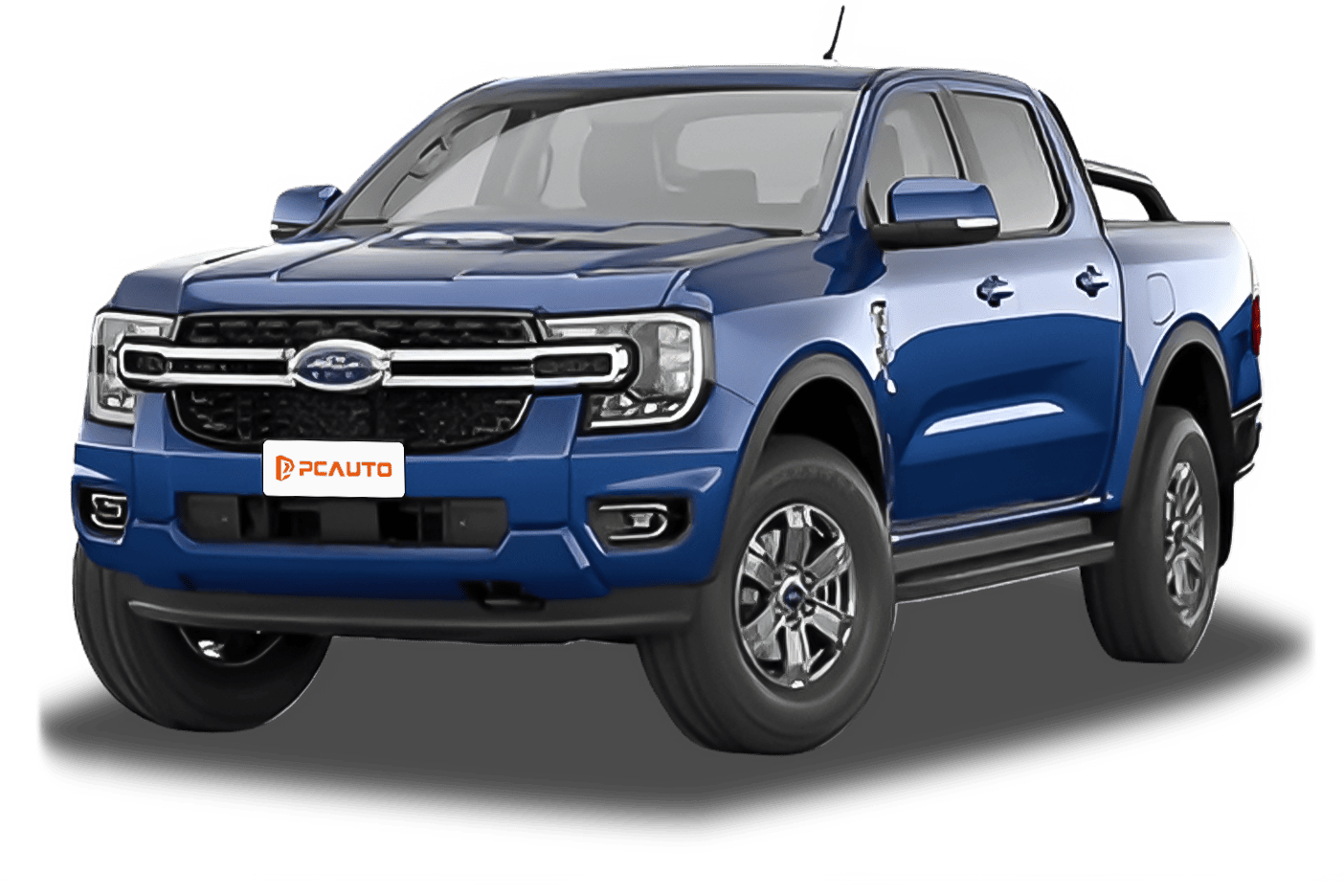
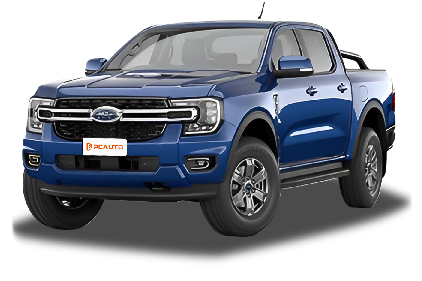
2023 Ford Ranger WildTrak is a mid-to-high-end pickup truck that balances the comfort of daily commuting with the practicality of cargo and off-road capabilities. It features powerful performance, ample space, and practical configurations, making it a versatile choice for both family and work scenarios.

2023 JMC Vigus Pro White Series 2.0L 4WD 8AT combines rugged design, practical features, and powerful diesel performance, balancing everyday durability and mild off-road needs, making it a high-value choice for pickup users.