

2023 Toyota Hilux Single Cab 2.4 MT 4WD Review

 Share
Share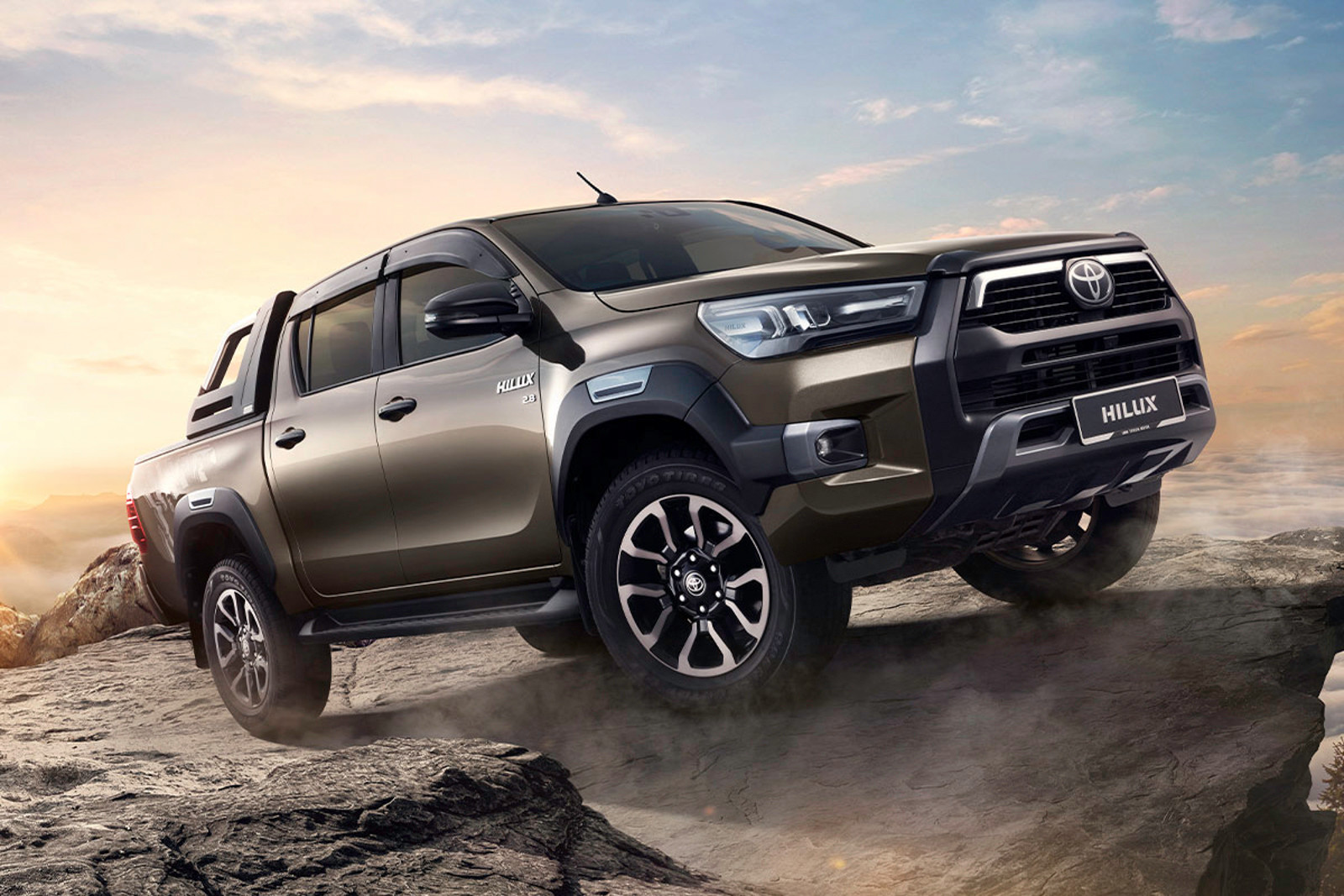
 Segment
 Body Type
 Capacity(L)
 Engine Power(PS)
 Engine Torque(Nm)
 Transmission
In Malaysia's commercial pickup truck market, durability and functionality have always been the core considerations for buyers. As a model consistently ranking among the top in sales, the Toyota Hilux Single Cab version has become one of the preferred choices for small business owners and farm operators. The 2023 Hilux Single Cab 2.4 MT 4WD continues the reliable DNA of the Hilux while making some adjustments in detailed configurations. In this test drive, we will focus on verifying its performance in terms of load capacity, off-road capability, and overall performance in daily driving to see if it can still meet the high-intensity usage needs of local users.
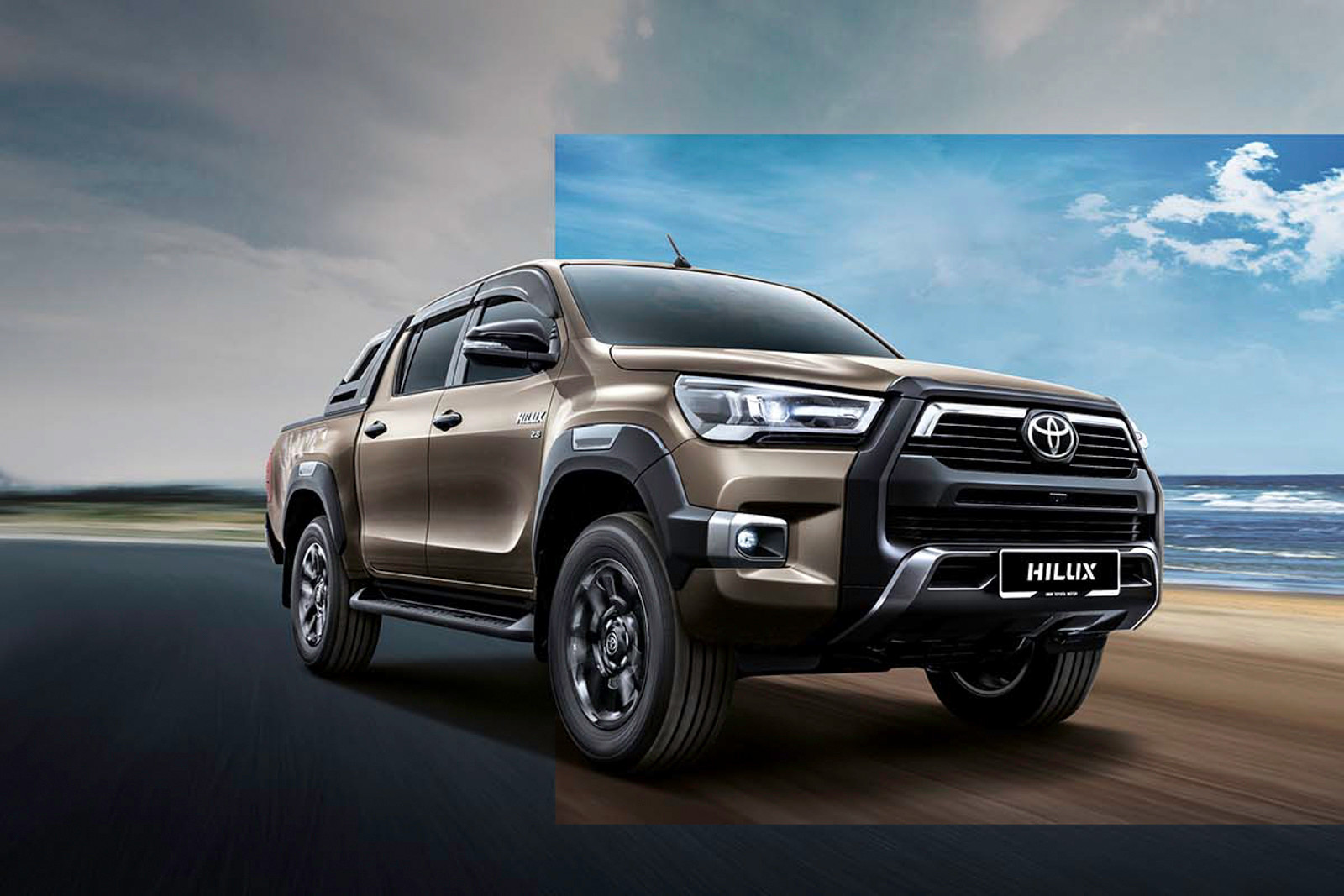
From the exterior, this vehicle retains the tough style of the Hilux family. The front features a large trapezoidal grille accented with bold chrome strips, giving it a high level of recognition. The side profile features straight lines, and the single-cab design ensures a longer cargo bed. The height of the bed rails is moderate, making it easy to load and unload items. In terms of the lighting system, the standard halogen headlights provide sufficient brightness for nighttime rural roads, while the addition of daytime running lights and rear fog lights enhances driving safety. The overall design avoids excessive decorative elements, focusing entirely on practicality, which aligns with the positioning of a commercial pickup truck.
Entering the cabin, the interior style is simple and pragmatic. The dashboard uses hard plastic materials. While its texture feels ordinary, it has a strong scratch resistance that suits users who frequently handle tools. The seats are upholstered in fabric, with the driver's seat supporting 4-way manual adjustments and the front passenger seat supporting 2-way manual adjustments. Although the adjustment range is limited, the support is adequate for prolonged driving. As for features, the standard keyless entry and start function enhance convenience. The instrument panel has a backlit design, providing clear information display. The central console retains physical buttons, which are straightforward to operate even when wearing gloves. The air conditioning is manually adjustable, cools quickly, and is sufficient for Malaysia's hot weather.
In terms of space, the vehicle measures 5,325mm in length, 1,815mm in width, and 1,795mm in height, with a wheelbase of 3,085mm. The single-cab design allows ample legroom for the front row, and passengers around 180cm tall won't feel cramped when seated in the driver's seat. Although the official dimensions of the cargo bed haven't been specified, actual measurements reveal that its loading capacity is enough to hold a small generator or two bags of fertilizer. The design of tie-down points on the bed rails is also very practical. As for storage space, the door panel storage slots can hold large water bottles, and the storage compartment below the central console can accommodate phones and wallets, meeting the needs for storing small everyday items.
In terms of power, the vehicle is equipped with a 2.4L diesel engine that delivers a maximum power of 150PS and a peak torque of 400N·m, paired with a 6-speed manual transmission. During start-up, as long as the RPM is kept above 1600rpm, the torque can be fully unleashed, and even with half a ton of cargo in the bed, the start does not feel strained. Gear shifting is crisp, gear engagement is solid, and the clutch travel is moderate, making it easy for beginners to get accustomed. At highway speeds, the engine maintains a cruising RPM of around 2000 in 6th gear, with relatively controlled noise levels. On off-road surfaces, the 4WD system is easy to switch, and with a minimum ground clearance of 269mm, the vehicle navigates potholes and small slopes effortlessly. Although the rear leaf spring suspension is on the firm side, it effectively prevents the vehicle from sagging under load, ensuring stable driving performance.
In terms of handling, the steering wheel's precision is average, but it has minimal play, aligning with the characteristics of a commercial pickup truck. The suspension system features a double wishbone independent suspension at the front and a leaf spring non-independent suspension at the rear. When unladen, there is noticeable bumpiness over speed bumps, but the comfort improves when loaded. In terms of braking performance, the combination of front ventilated disc and rear drum brakes provides linear braking force output. During emergency braking, the vehicle's posture remains stable, with no significant drift. In fuel consumption tests, the average fuel consumption is about 8.5L/100km when unladen, increasing to 9.8L/100km when carrying a half-ton load. For a 2.4L diesel pickup truck, this performance is considered mid-range among its class.
In terms of driving comfort, the fabric seats are quite breathable and do not feel stuffy even during long drives. Regarding sound insulation, wind and tire noise are somewhat noticeable at high speeds, but this is within acceptable levels for commercial pickup trucks. In terms of safety features, it comes standard with 3 airbags (driver's seat, passenger seat, and knee airbags) and an ABS anti-lock braking system. Although it cannot be compared to passenger vehicles, it is relatively comprehensive for its class of commercial pickups.
Overall, the core strengths of the 2023 Toyota Hilux Single Cab 2.4 MT 4WD lie in its durability and practicality. Compared to the Ford Ranger Single Cab of the same class, its price is lower, and its maintenance costs are more affordable; and compared to other locally assembled pickup brands, Toyota's brand reliability and resale value are higher. This vehicle is suitable for small business owners, farm operators, and users requiring frequent cargo transportation, especially those who often drive on rural or unpaved roads. If you're looking for a hardworking, easy-to-maintain commercial pickup, the Hilux Single Cab is worth considering.
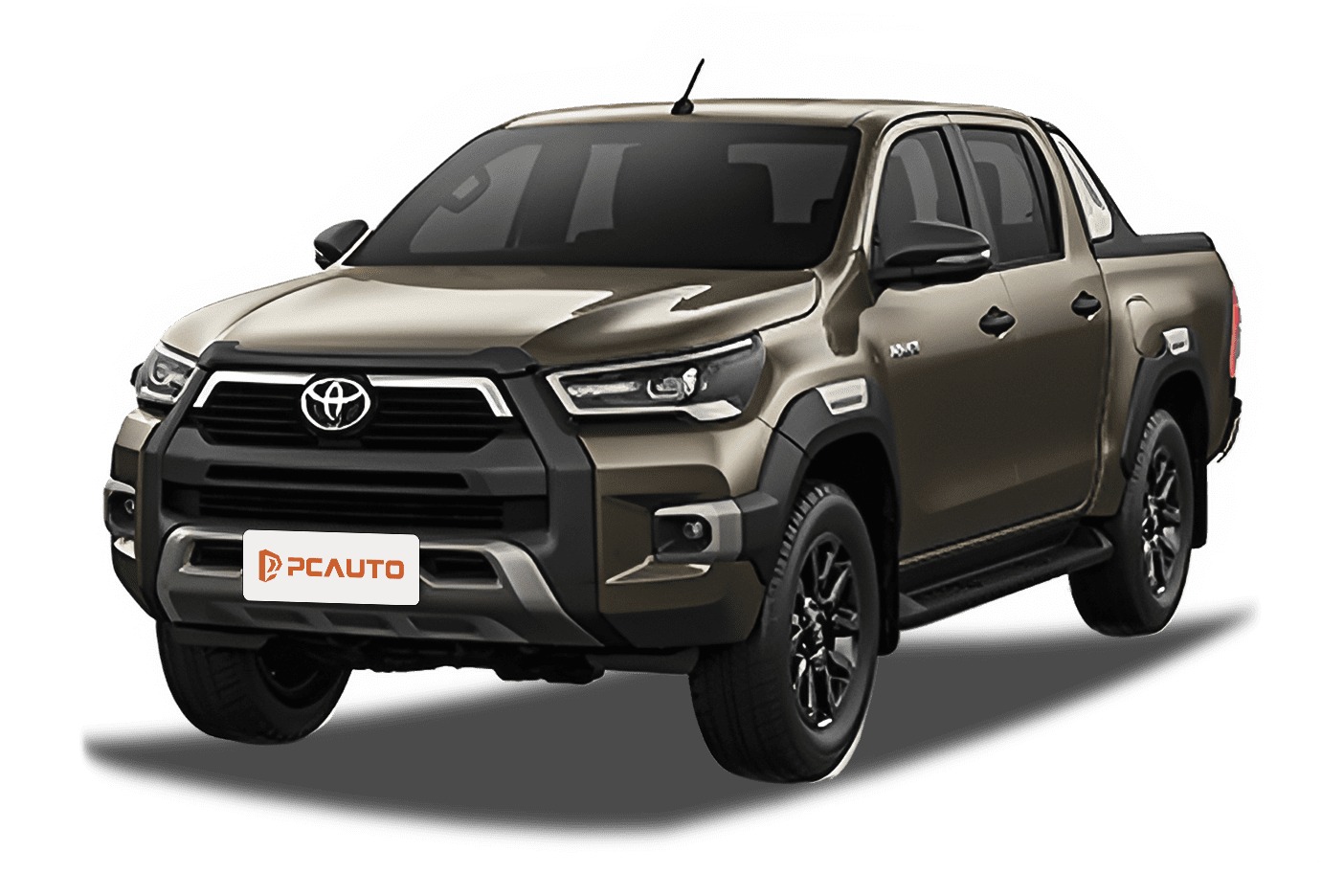
Toyota Hilux Car Compare
Toyota Hilux Loan Calculator
More Toyota Reviews
Cars With Similar Price And Features
5
Rank in Pickup
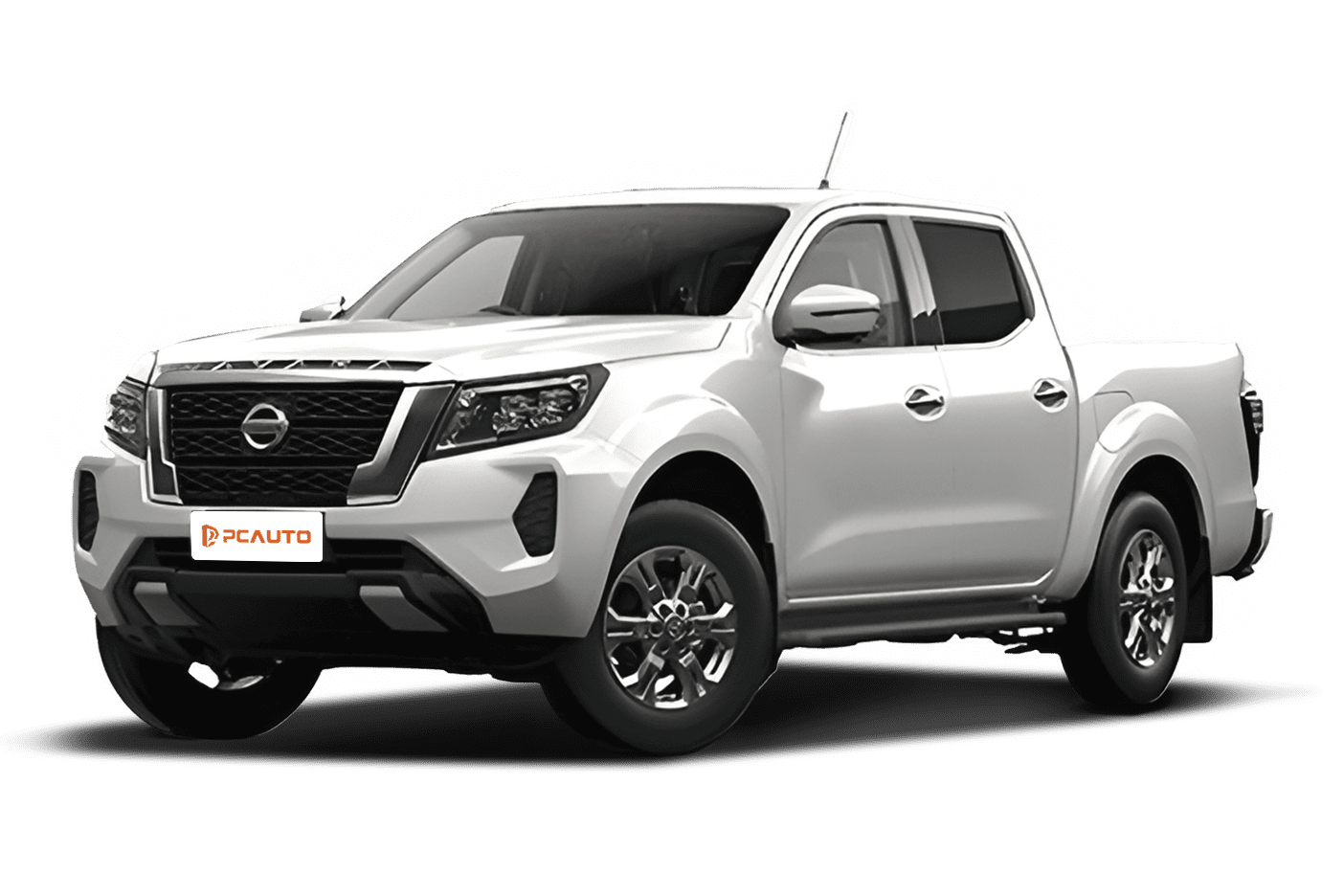
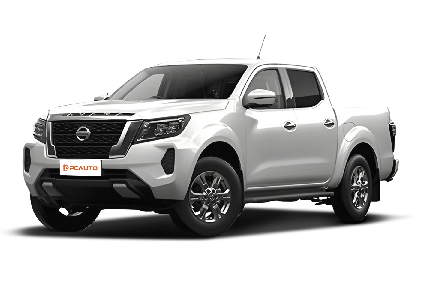
2023 Nissan Navara 2.5 VL Black Edition is a pickup truck that balances household comfort with light off-road capability, featuring exclusive black trims, a full suite of active safety features, and practical configurations, precisely catering to the needs of families and small business owners.
4
Rank in Pickup

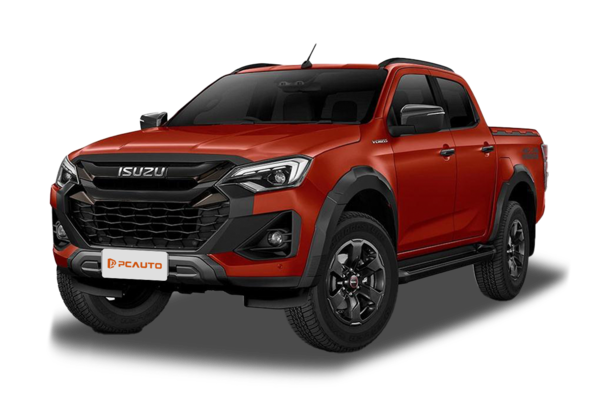
2025 Isuzu D-MAX 1.9L 4x2 Low Ride is an entry-level passenger pickup, offering a balance of practical space, reliable diesel performance, and fuel economy, suitable for family transport and small business cargo needs.
3
Rank in Pickup
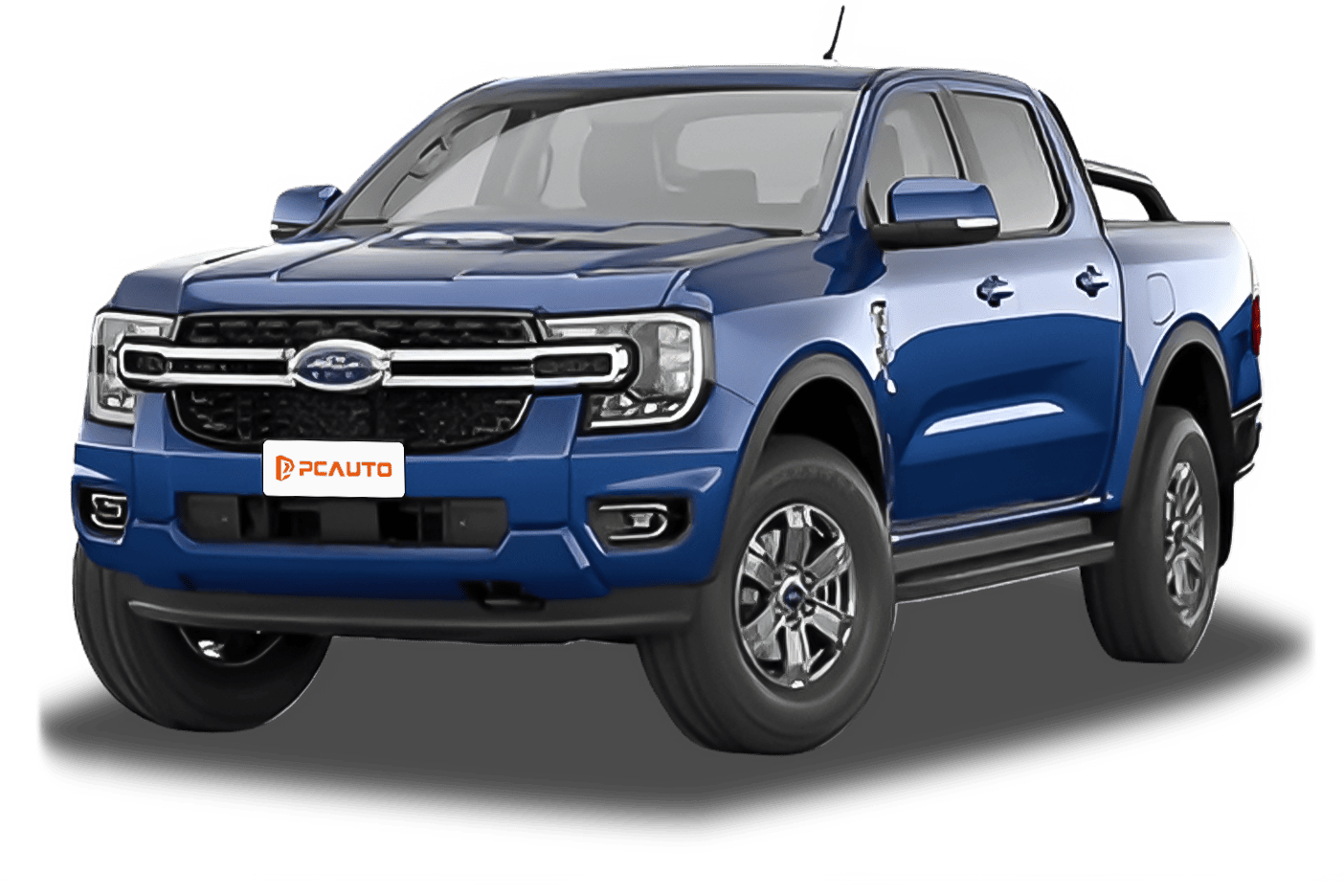
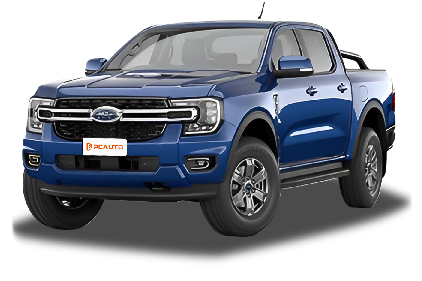
2023 Ford Ranger WildTrak is a mid-to-high-end pickup truck that balances the comfort of daily commuting with the practicality of cargo and off-road capabilities. It features powerful performance, ample space, and practical configurations, making it a versatile choice for both family and work scenarios.

2023 JMC Vigus Pro White Series 2.0L 4WD 8AT combines rugged design, practical features, and powerful diesel performance, balancing everyday durability and mild off-road needs, making it a high-value choice for pickup users.