

2023 Toyota Hilux Double Cab 2.4E AT 4WD Review

 Share
Share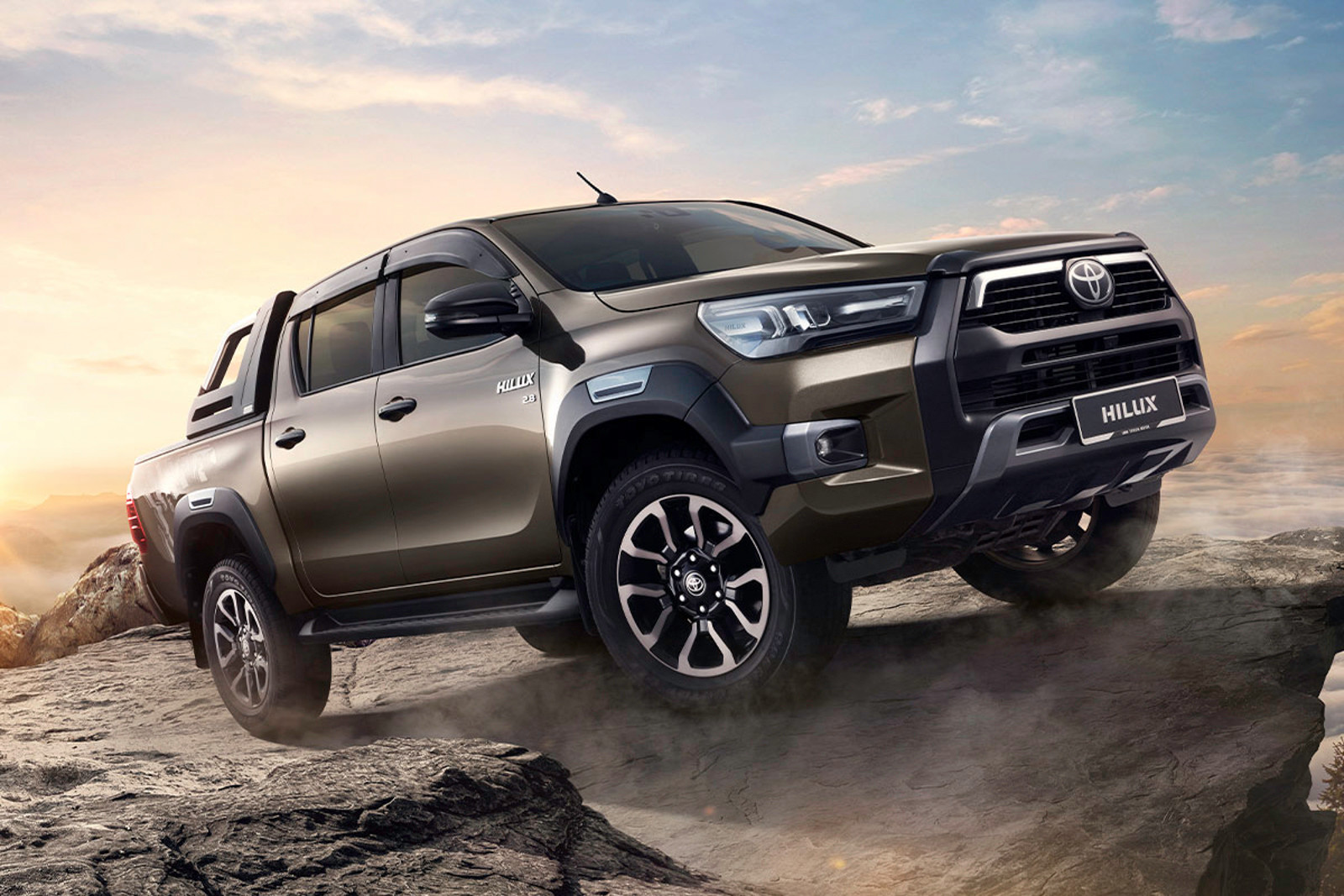
 Segment
 Body Type
 Capacity(L)
 Engine Power(PS)
 Engine Torque(Nm)
 Transmission
In Malaysia's pickup market, the Toyota Hilux has always been a top choice for many family users and light off-road enthusiasts. Its multi-functional attributes, which cater to daily commuting and handle suburban road conditions, have kept it highly popular. The 2023 Hilux Double Cab 2.4E AT 4WD we are test-driving this time is one of the mainstream configurations in the series, with its core selling points being balanced power output, practical space design, and standard intelligent features. Our test focuses on its actual performance in urban commuting, highway cruising, and light off-road scenarios to see if it can uphold Hilux's reliable reputation.
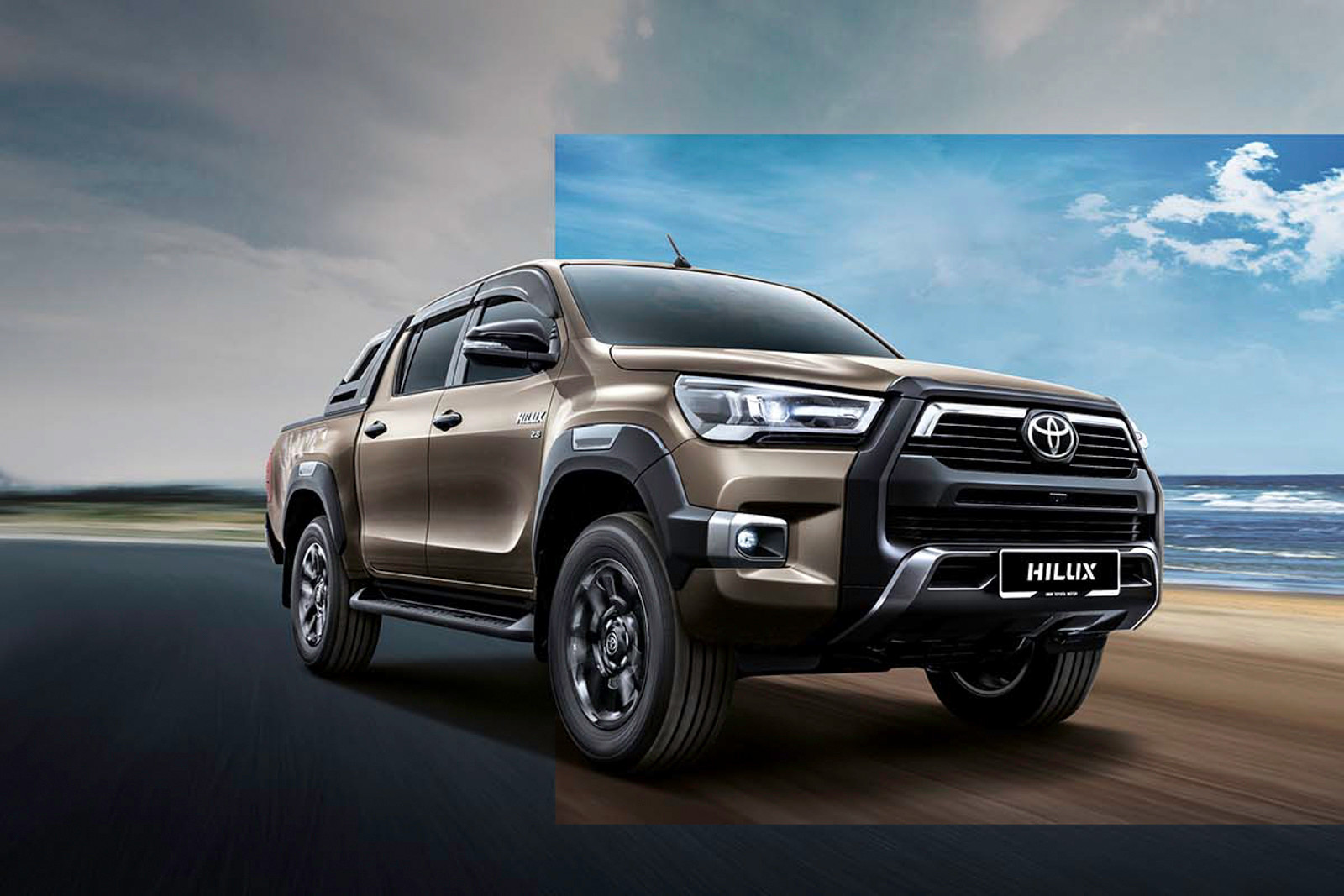
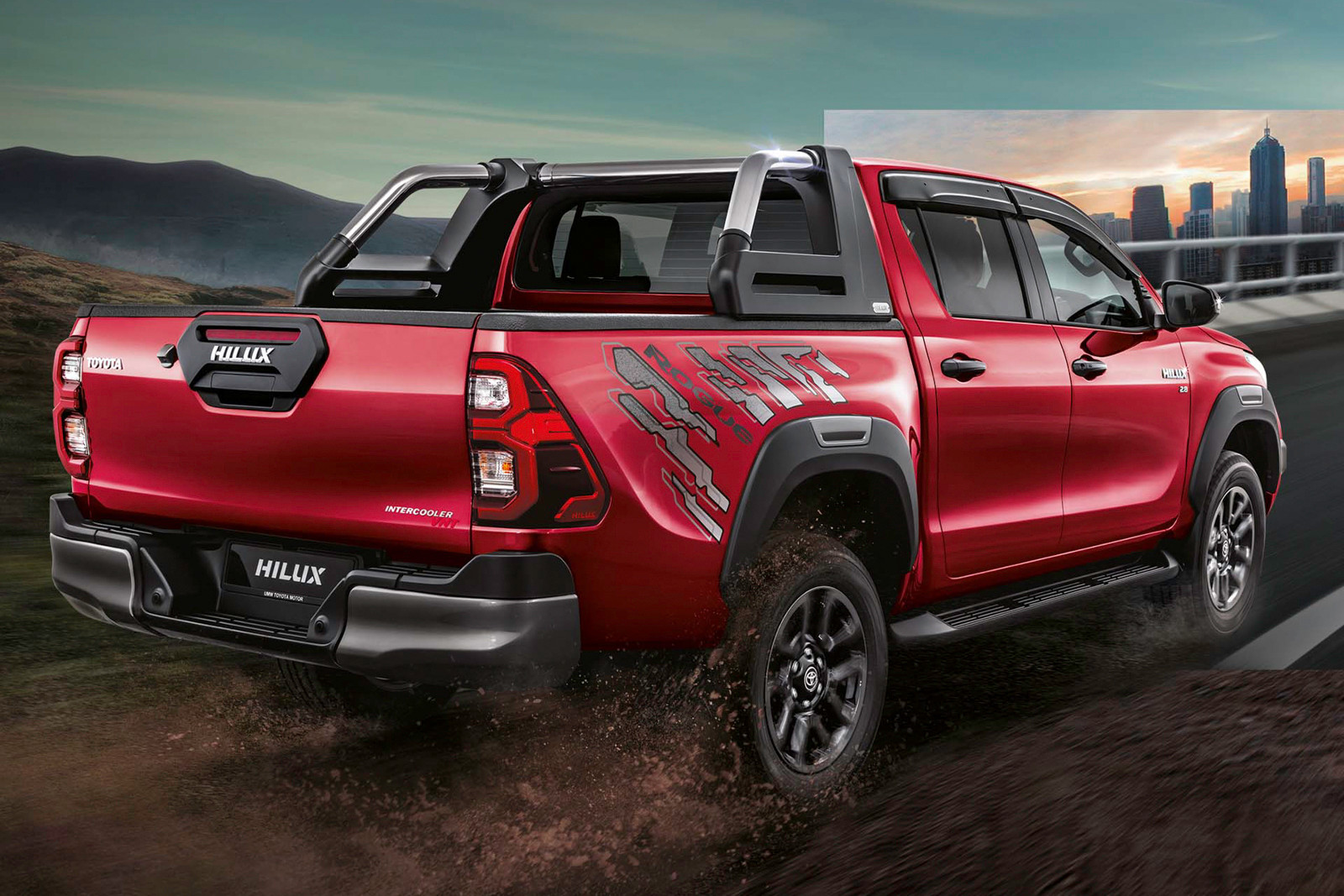
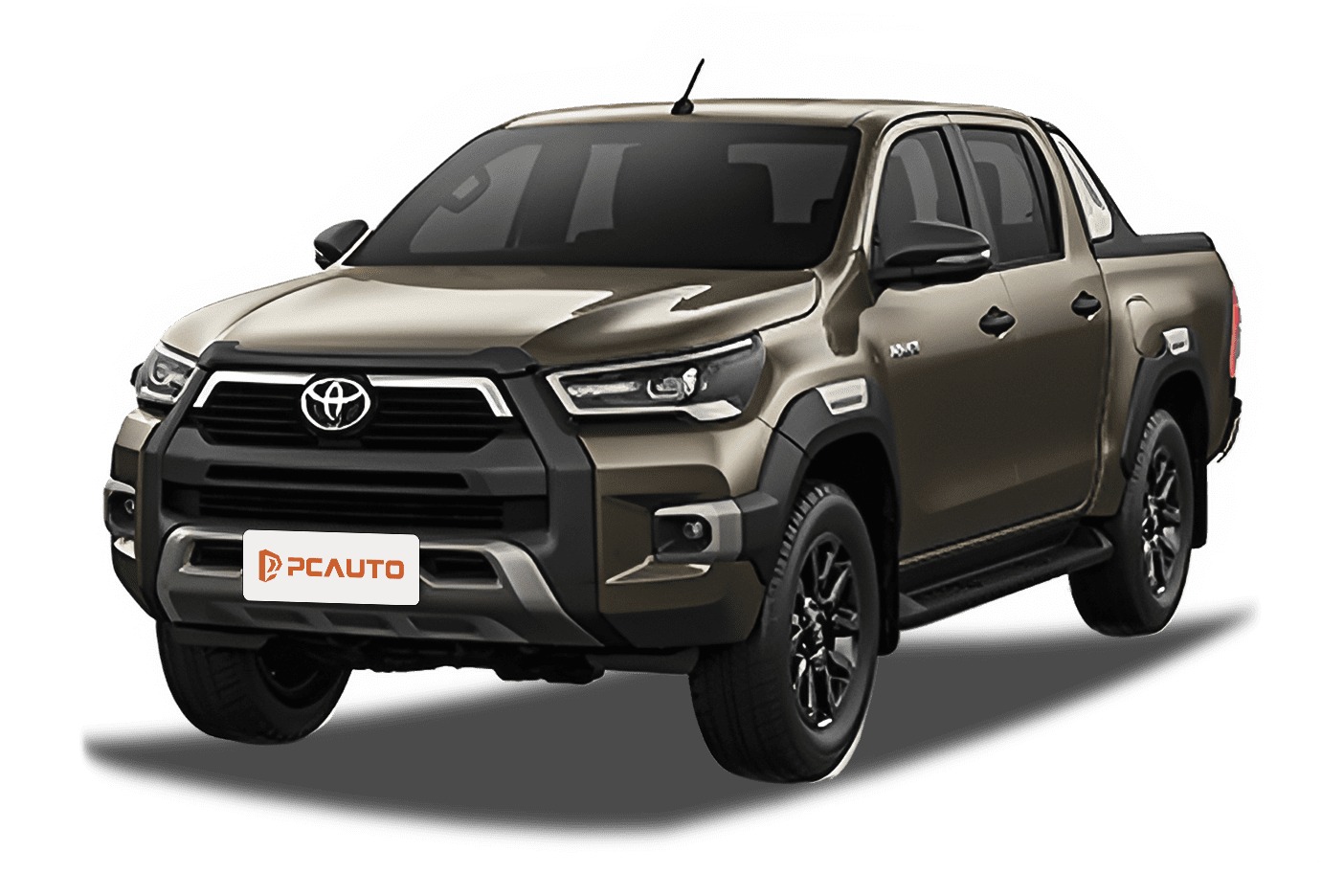
In terms of exterior design, this Hilux maintains the family-style rugged look, with overall clean lines but strong recognizability. The trapezoidal front grille, paired with chrome trim, integrates seamlessly with the halogen headlights on both sides, creating a visually steady appearance. The waistline along the side of the body extends from the front to the rear, and combined with the 17-inch alloy wheels, the design looks solid without unnecessary embellishments. The design of the rear is focused on practicality, with vertically aligned large tail lights and a convenient tailgate handle that makes daily opening and closing easier. Regarding the lighting system, features like automatic headlights and daytime running lights come as standard. For users who frequently drive at night, the automatic switching feature can be quite convenient.
Stepping inside the cabin, the interior adopts a utilitarian style with a symmetrical layout on the dashboard. Most areas are covered with hard plastic, but the seams are treated with uniform precision. A multifunction steering wheel comes standard, with buttons on the left side used to control volume, track selection, and Bluetooth calls; the operating logic is straightforward and requires no learning curve. The instrument cluster consists of traditional mechanical pointers; the tachometer and speedometer are easy to read, while the small display in the middle shows basic information like fuel level and water temperature. The seats are made of fabric material, with the front seats supporting 4-way manual adjustments. Though there is no electric adjustment, the backrest and cushion provide decent support, making long drives comfortable. The rear bench seat is integrated and can be folded down in a 60/40 split. The middle position is equipped with a headrest, and with five passengers, the rear legroom offers about two fists’ worth of space, which is reasonable for a pickup truck. Regarding storage space, the door panel compartments can hold two bottles of water, while the central armrest box is deep enough for a phone and wallet. There is also a hidden storage compartment under the rear seats, making it convenient for storing small items on a daily basis.
When it comes to performance, this Hilux is equipped with a 2.4L turbocharged diesel engine, delivering a maximum power of 150PS and a peak torque of 400N·m, paired with a 6-speed automatic transmission. During startup, the throttle response is quite linear without the usual abruptness of diesel engines. A light press on the accelerator allows for a smooth start. Even when the speed reaches 60km/h, acceleration remains strong. When overtaking, pressing the accelerator hard prompts the transmission to downshift quickly, providing direct power output. During our highway test, when cruising at 100km/h, the engine maintained a speed of around 2000 rpm, and the noise levels were well-controlled, with wind and tire noise within acceptable limits. Regarding the suspension system, the front suspension uses a double-wishbone independent design, while the rear features a leaf spring non-independent setup. When encountering speed bumps in urban areas, the front suspension absorbs most of the shocks, although slight bouncing can be felt from the rear suspension. However, it doesn't impact overall comfort. On mountain roads, the steering wheel has minimal play, and the vehicle maintains good control over body roll during turns, instilling confidence in the driver.
Fuel consumption is one of the advantages of diesel vehicles. We covered 100 kilometers in both congested urban roads and highways, resulting in an average fuel consumption of approximately 7.8L/100km. With an 80L fuel tank capacity, the full-tank range exceeds 1000 kilometers, making it very user-friendly for those who frequently go on long-distance trips. During light off-road testing, the minimum ground clearance of 286mm allowed it to easily handle gravel roads and small steep slopes. The hill assist feature prevents rollbacks when starting uphill, and the four-wheel-drive system is simple to switch using a knob to toggle between two-wheel drive and high-speed four-wheel drive, making it completely capable of handling unpaved rural roads.
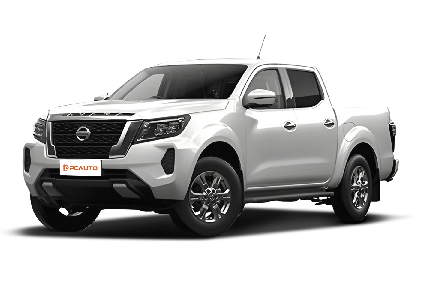
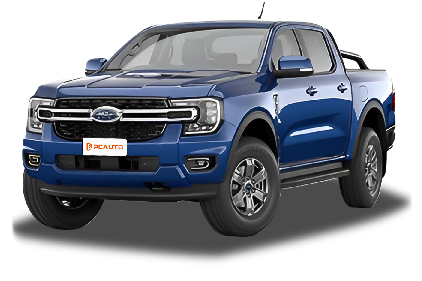
Overall, the core advantage of the 2023 Hilux Double Cab 2.4E AT 4WD lies in its balance—it has sufficient power for daily use, economical fuel consumption, practical space, and the ability to handle light off-road conditions. Compared to the same-class Ford Ranger 2.0 XL, it is more affordable and has more cost-effective maintenance; compared to the Nissan Navara 2.5 VL, its diesel engine has greater torque and slightly better off-road capabilities. This car is most suitable for practical family users or those who want a vehicle that can handle daily commuting and occasional light off-roading. If you're looking for a reliable, worry-free multifunctional pickup, this Hilux is worth considering.
Toyota Hilux Car Compare
Toyota Hilux Loan Calculator
More Toyota Reviews
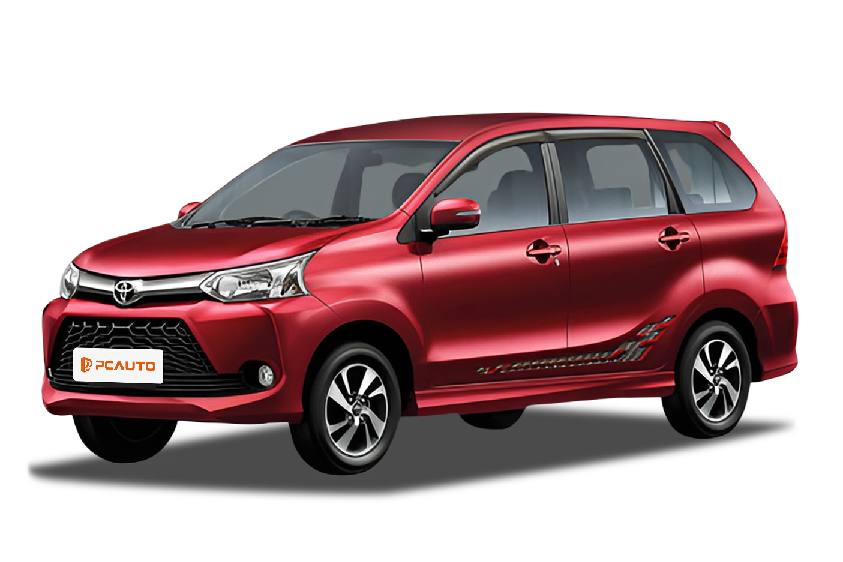
Cars With Similar Price And Features
5
Rank in Pickup
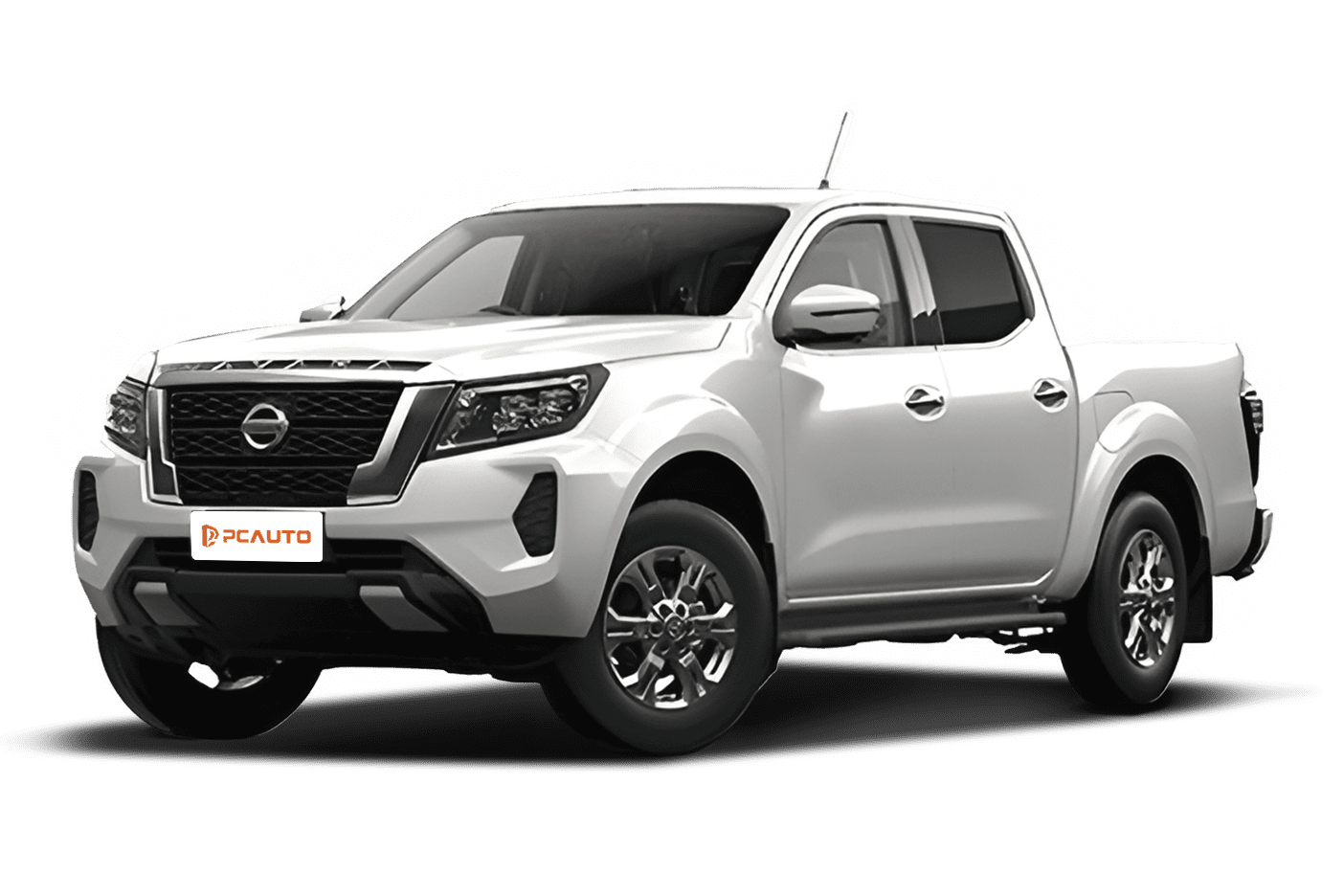
2023 Nissan Navara 2.5 VL Black Edition is a pickup truck that balances household comfort with light off-road capability, featuring exclusive black trims, a full suite of active safety features, and practical configurations, precisely catering to the needs of families and small business owners.
4
Rank in Pickup

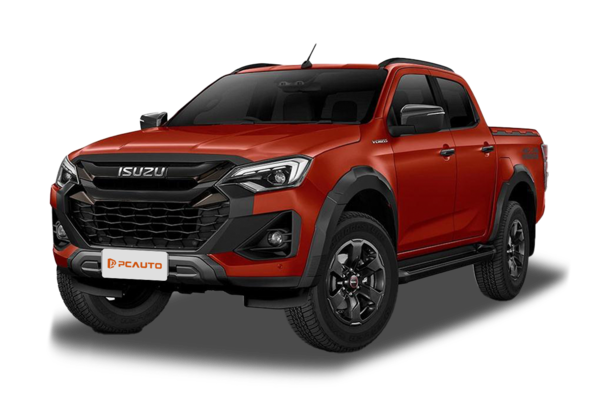
2025 Isuzu D-MAX 1.9L 4x2 Low Ride is an entry-level passenger pickup, offering a balance of practical space, reliable diesel performance, and fuel economy, suitable for family transport and small business cargo needs.
3
Rank in Pickup
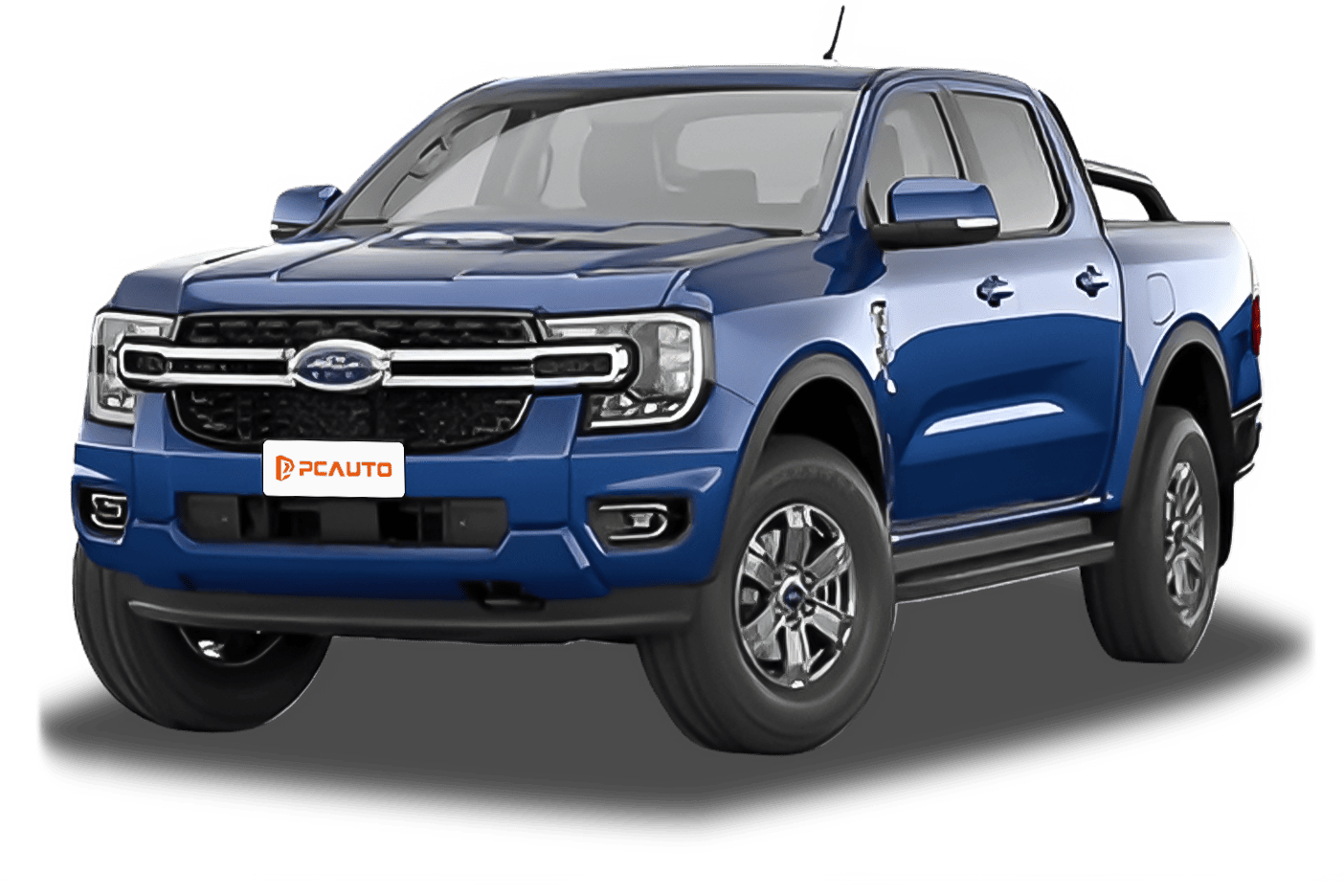
2023 Ford Ranger WildTrak is a mid-to-high-end pickup truck that balances the comfort of daily commuting with the practicality of cargo and off-road capabilities. It features powerful performance, ample space, and practical configurations, making it a versatile choice for both family and work scenarios.

2023 JMC Vigus Pro White Series 2.0L 4WD 8AT combines rugged design, practical features, and powerful diesel performance, balancing everyday durability and mild off-road needs, making it a high-value choice for pickup users.