

Toyota Hilux Review

 Share
Share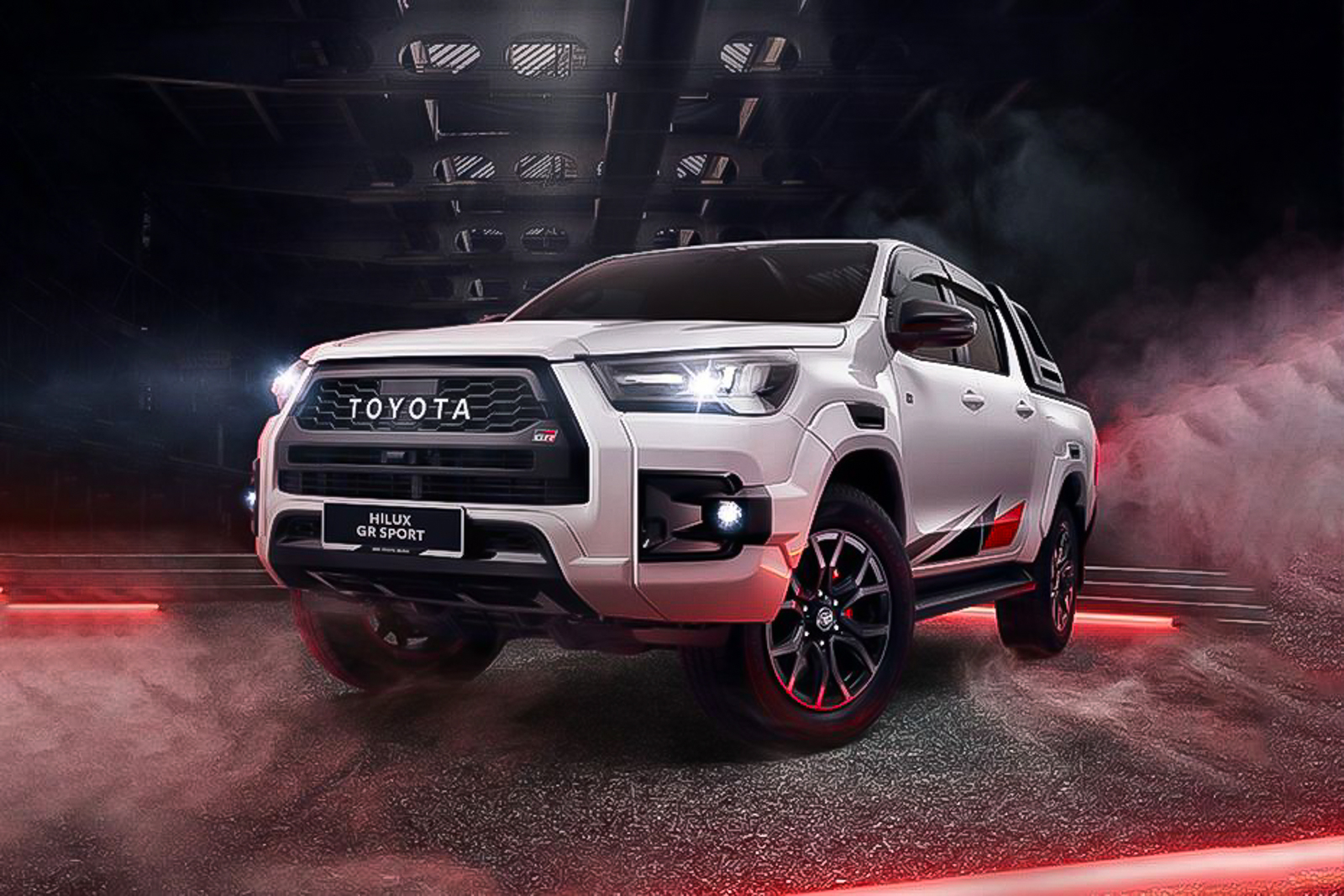
 Segment
 Body Type
 Capacity(L)
 Engine Power(PS)
 Engine Torque(Nm)
 Transmission
In recent years, local small-scale contractors and individual operators have shown consistent demand for utility-oriented pickup trucks. They require vehicles that can handle unpaved construction site roads while ensuring basic configurations are sufficient and maintenance costs are manageable. The 2023 Toyota Hilux Single Cab 2.4 MT 4WD is a model aimed at this niche market. It retains the hallmark durability of the Hilux series while upgrading certain convenience features compared to previous models. Priced at RM 103,880, it remains within the mainstream price range for vehicles in this segment. In this test drive, we focus on evaluating its loading practicality, off-road capability, and suitability for daily driving to see whether it can meet the core needs of its target customers.
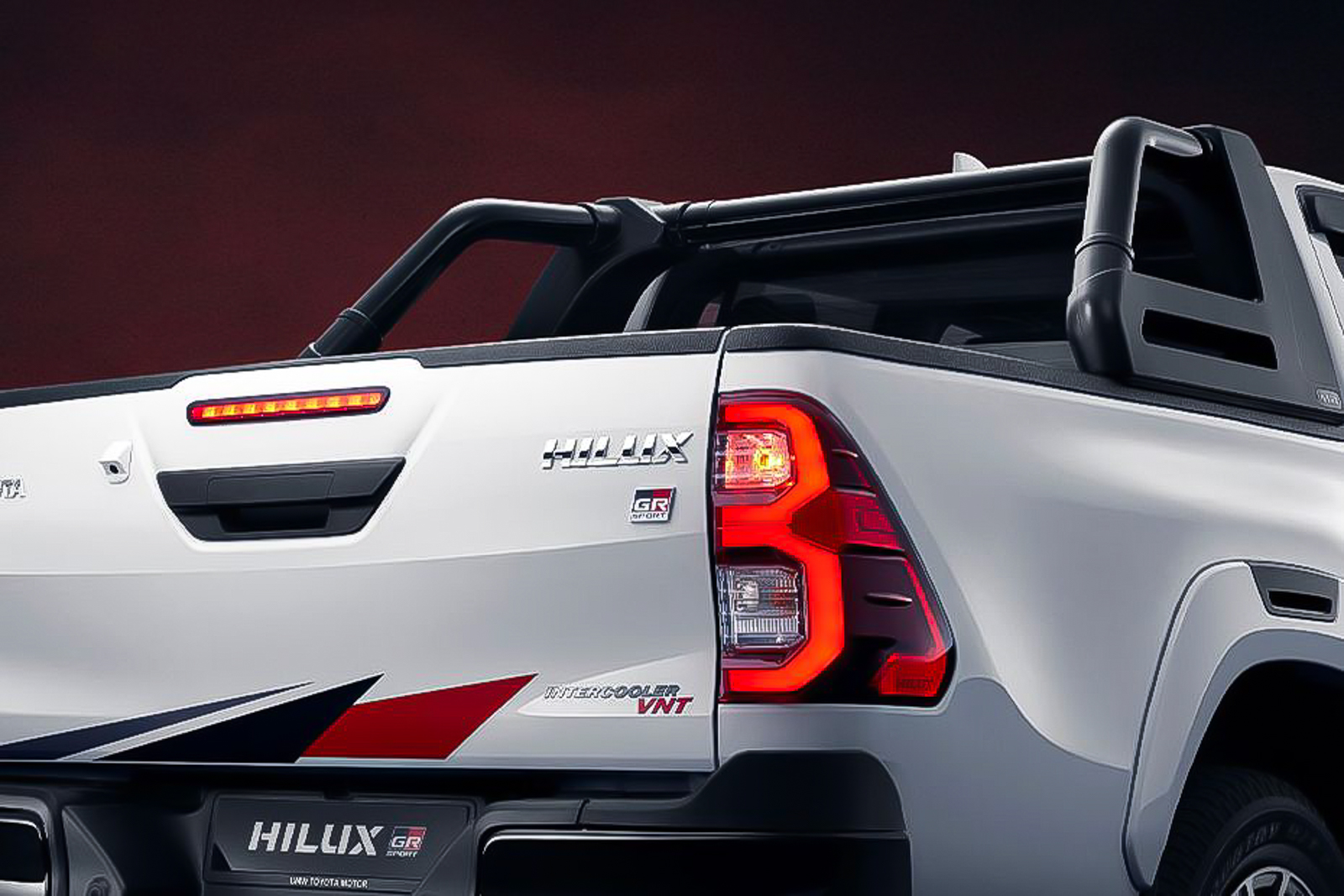
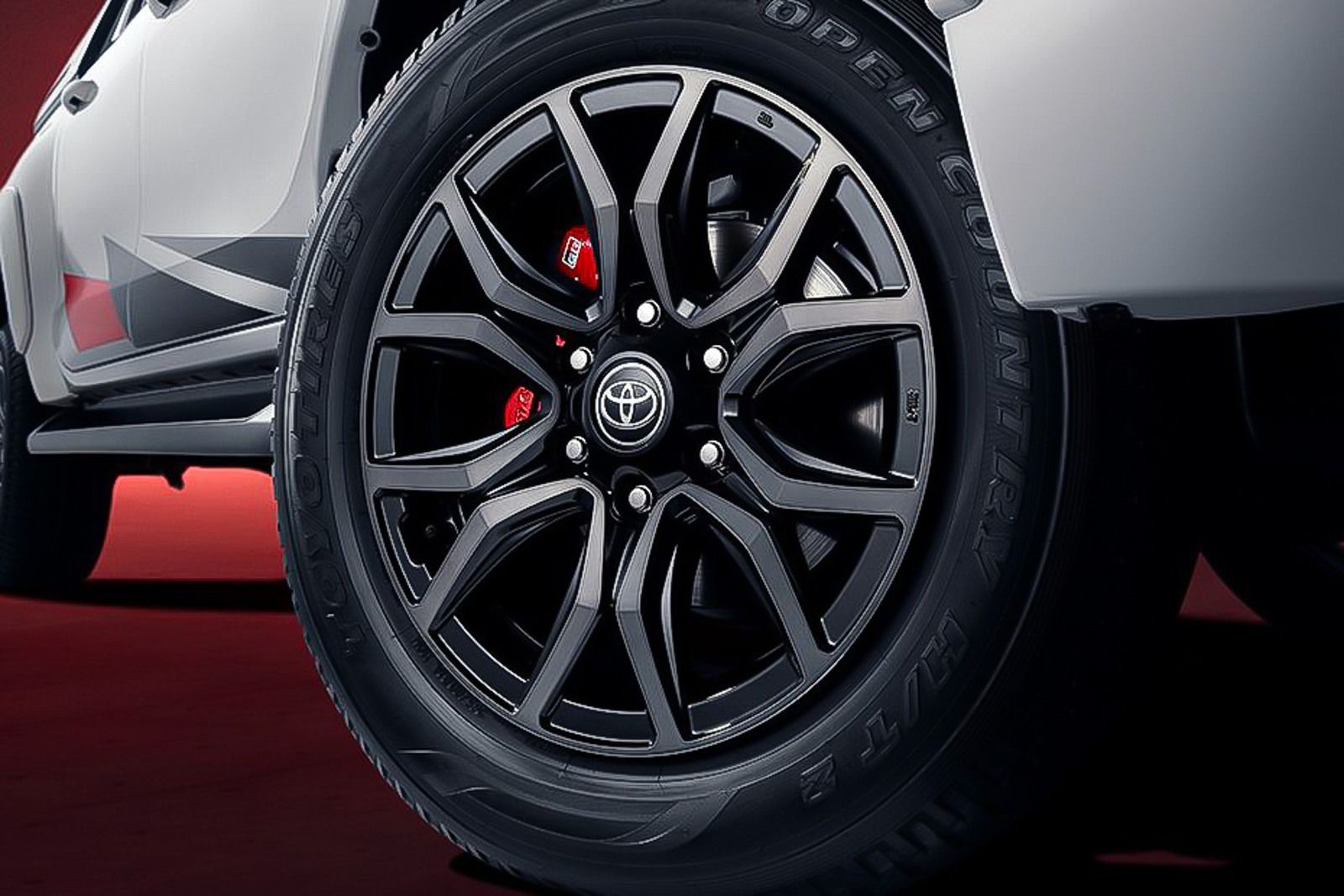
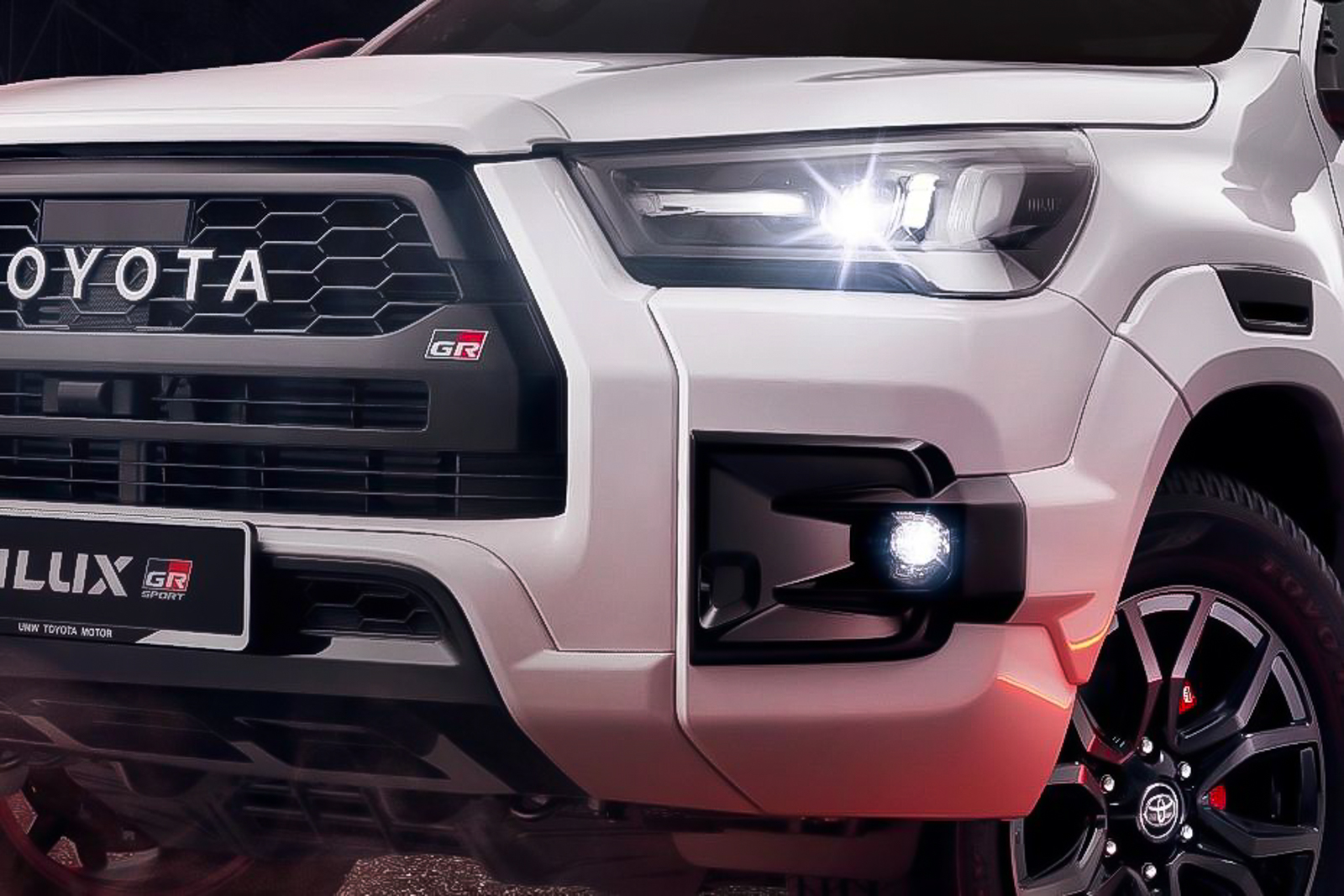
From the exterior, the 2023 Single Cab continues the rugged styling of the Hilux family. The front end features a trapezoidal grille paired with halogen headlights and daytime running lights on both sides. The overall lines are boxy, with no unnecessary decorations. The side profile highlights the single-row seating design, which results in a larger proportion of the cargo bed. The bed’s side panels are moderately tall, making it easy to load and unload tools or construction materials. The rear design is clean, with vertically positioned taillights and a standard rear fog light, ensuring both visibility and practicality. Compared to the 2020 model, the vehicle's length has increased from 5270mm to 5325mm, the width has grown from 1800mm to 1815mm, and the tire specifications have been upgraded from 205/70 R15 to 225/70 R17C, giving it a more stable visual presence while enhancing road grip.
Upon opening the door and entering the interior, the overall design prioritizes practicality. The dashboard is made of hard plastic material with a textured finish, making it resistant to stains and scratches. The instrument panel is a backlit mechanical design that clearly displays essential information such as RPM, speed, and fuel level, aligning with the utility vehicle's functionality. In terms of features, the new model has been upgraded with a keyless entry system, which is more convenient compared to the mechanical key of the previous version. The front seats are manually adjustable, with the driver’s seat offering 4-way adjustment and the passenger seat providing 2-way adjustment. The seat cushions are relatively firm but provide sufficient support, ensuring comfort even during long drives. The air conditioning system is manually adjusted with knobs that have moderate damping, making them easy to operate. The cabin is equipped with two speakers, satisfying basic radio needs. In terms of storage space, there is an open storage compartment below the dashboard for phones or receipts, and the door pockets can accommodate large water bottles, making the overall design suitable for everyday usage scenarios.
In terms of space, the vehicle has a wheelbase of 3085mm. The single-row seating layout ensures ample front-row seating space. A 180cm tall passenger can sit comfortably with more than a fist’s worth of headroom and legroom, avoiding any feeling of constraint. The cargo bed is the core advantage of the Single Cab. Although the official volume is not disclosed, actual measurements indicate that the length and width of the bed are more than sufficient to accommodate standard-size construction materials or tools, meeting the loading requirements for small-scale projects. The interior has only two front-row seats, with no rear space, fully catering to its utility-focused design.
In terms of driving dynamics, this vehicle is equipped with a 2.4L turbocharged diesel engine, delivering a maximum horsepower of 150PS, maximum power of 110.3kW, and maximum torque of 400N·m, paired with a 6-speed manual transmission. During starts, the low-end torque advantage of the diesel engine is evident, reaching its maximum torque at just 1600rpm. Even when carrying a certain weight in the cargo bed, it starts effortlessly without any lack of power. The gearbox offers clear gears and a moderate level of engagement, making it easy for beginners to adapt. During everyday driving on paved roads, maintaining RPM around 2000rpm is sufficient for stable cruising speeds. When overtaking, downshifting and increasing the RPM beyond 3000rpm ensures linear power delivery, meeting the basic demands of urban road driving.
In terms of handling, the steering wheel is mechanically assisted, with a heavier steering feel but precise directional control and no obvious slack. The vehicle maintains good stability at high speeds. The suspension system uses a front double-wishbone independent suspension and a rear leaf spring non-independent suspension. The rear suspension is tuned on the stiffer side, which is a common setup for utility vehicles to ensure support when fully loaded. However, when driving unloaded on bumpy roads, the jumping motion of the rear cargo bed can be transmitted to the cabin, slightly sacrificing comfort. With a minimum ground clearance of 269mm and a 4WD driving system, it can easily handle uneven construction roads or light off-road segments. When switched to four-wheel-drive mode, the vehicle's off-road capability is further enhanced, allowing it to easily traverse small hills and gravel roads.
Fuel consumption performance meets expectations. During our test on mixed roads (including 20% urban roads, 30% highways, and 50% unpaved roads), the average fuel consumption was about 8.5L per 100 kilometers. With a fuel tank capacity of 80L, the full tank range can exceed 900 kilometers, reducing the inconvenience of frequent refueling. Regarding noise control, the operational noise of the diesel engine is relatively noticeable at idle, but once driving, wind and tire noise become the main sources of noise. Overall, the noise level is within an acceptable range and does not affect normal communication inside the cabin.
Compared to similar models in its class, such as other single-cab pickups at the same price point, the 2023 Hilux Single Cab stands out with Toyota's reliable brand reputation and a well-established local after-sales network. Maintenance costs are low, and replacement parts are easy to obtain. In terms of features, keyless entry, halogen headlights with daytime running lights, and other functions are more advanced than some competitors. The stability of the 4WD system has also been proven in the market. However, its interior design feels plasticky, and it lacks a central touchscreen, which makes it appear less sophisticated compared to competitors that focus on technological configurations. Nonetheless, this aligns with the "practicality first" needs of utility vehicle users.
In summary, the 2023 Toyota Hilux Single Cab 2.4 MT 4WD is a utility-oriented pickup truck with a clear focus on durability, loading capacity, and off-road capability as its core strengths. Upgraded features such as keyless entry enhance the convenience of daily use. It is suitable for small construction contractors, independent business owners, or users who frequently need to transport tools and equipment. This group of users prioritizes vehicle reliability and practicality over interior luxury. If you need a pickup truck that can "handle rough tasks" while being hassle-free, this model is worth considering.
Toyota Hilux Car Compare
Toyota Hilux Loan Calculator
More Toyota Reviews
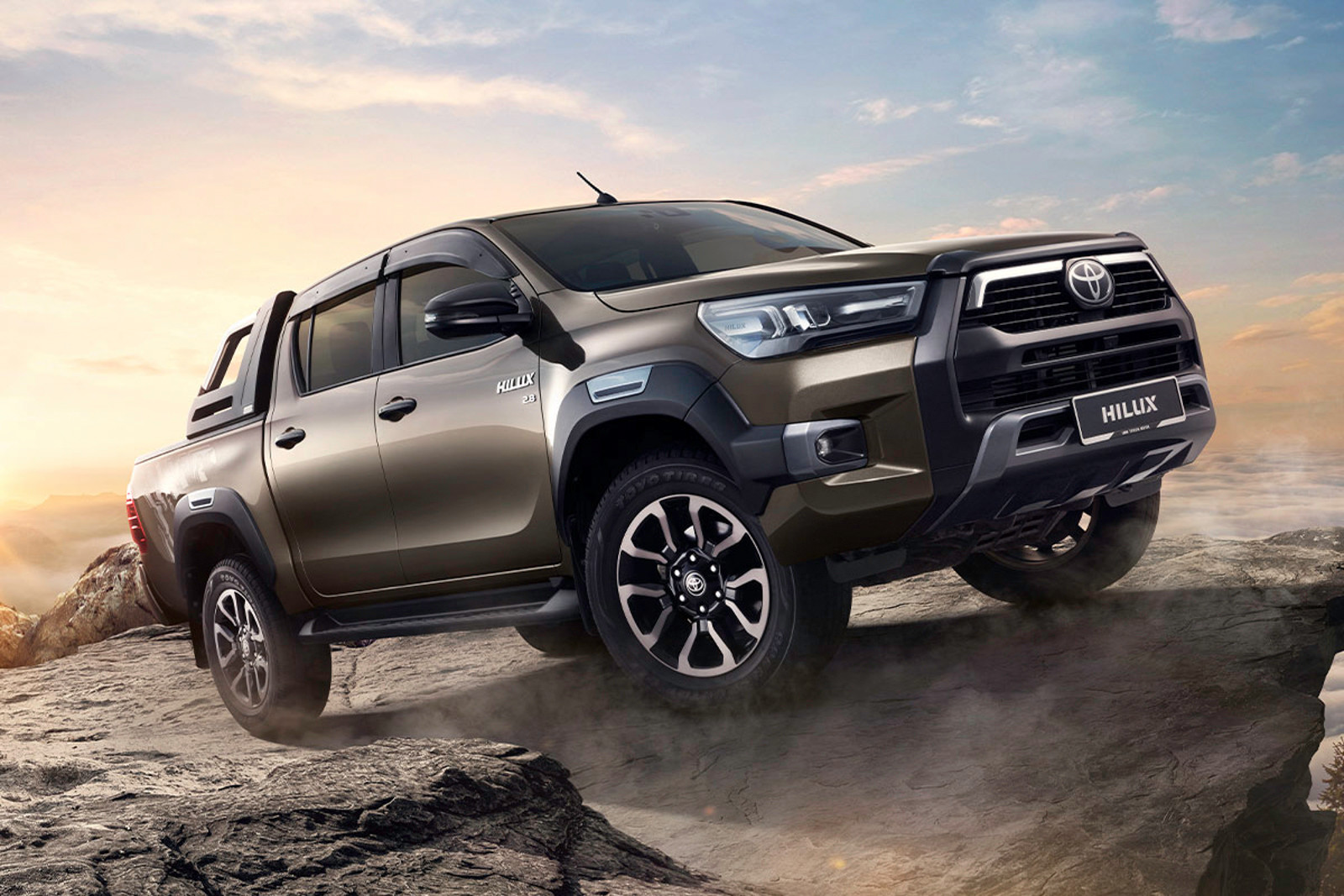
Cars With Similar Price And Features
5
Rank in Pickup
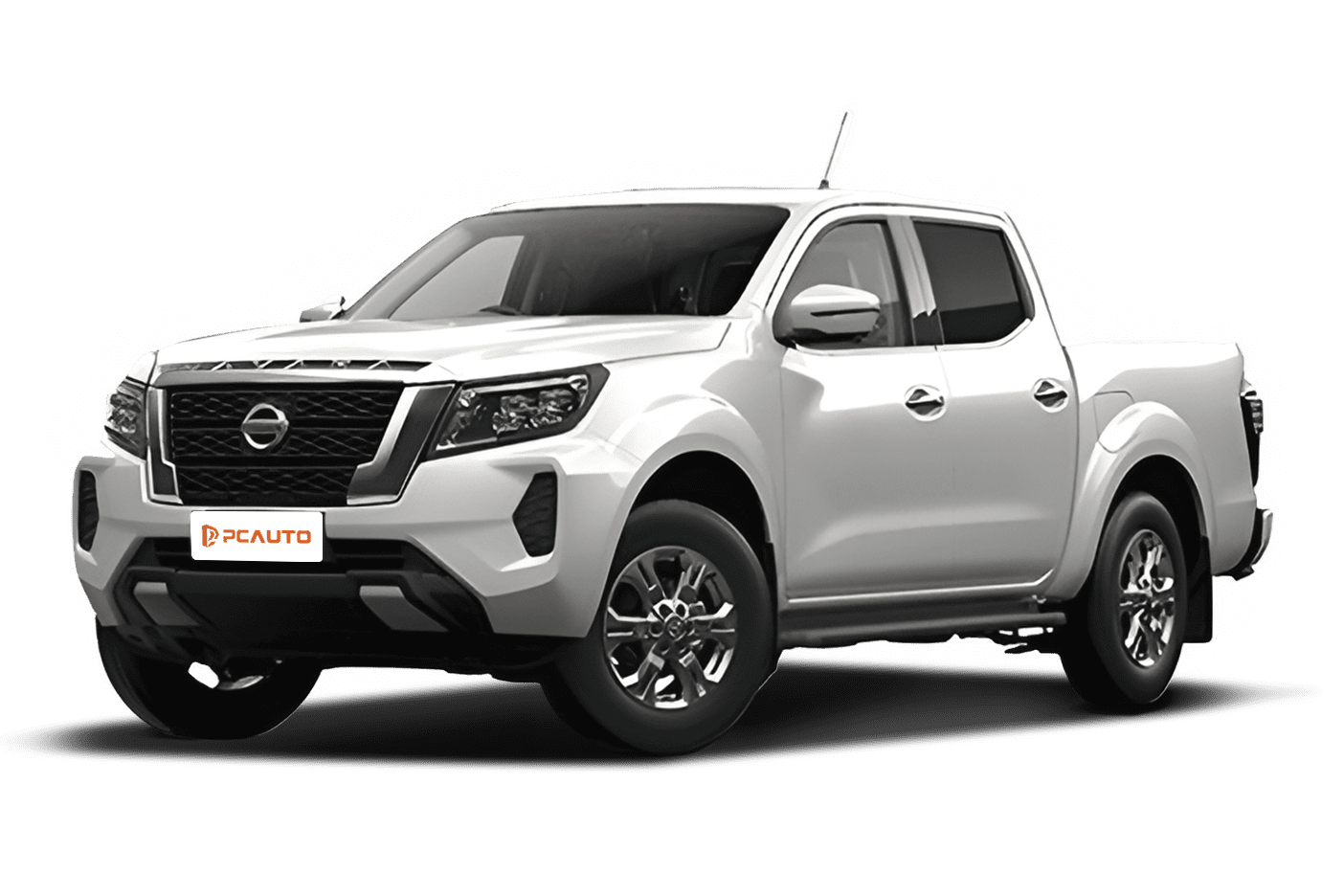
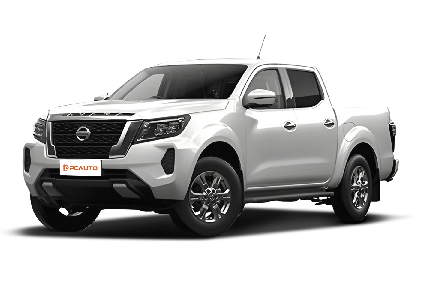
2023 Nissan Navara 2.5 VL Black Edition is a pickup truck that balances household comfort with light off-road capability, featuring exclusive black trims, a full suite of active safety features, and practical configurations, precisely catering to the needs of families and small business owners.
4
Rank in Pickup

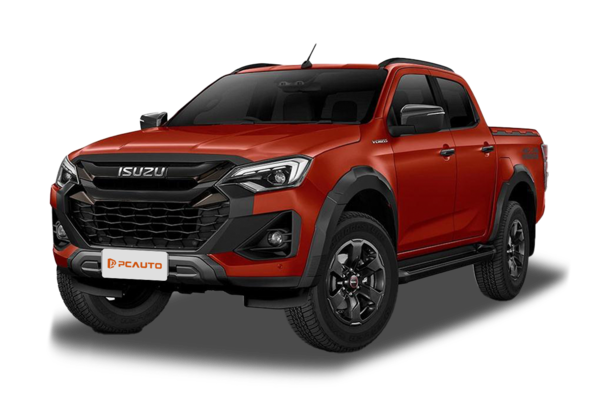
2025 Isuzu D-MAX 1.9L 4x2 Low Ride is an entry-level passenger pickup, offering a balance of practical space, reliable diesel performance, and fuel economy, suitable for family transport and small business cargo needs.
3
Rank in Pickup
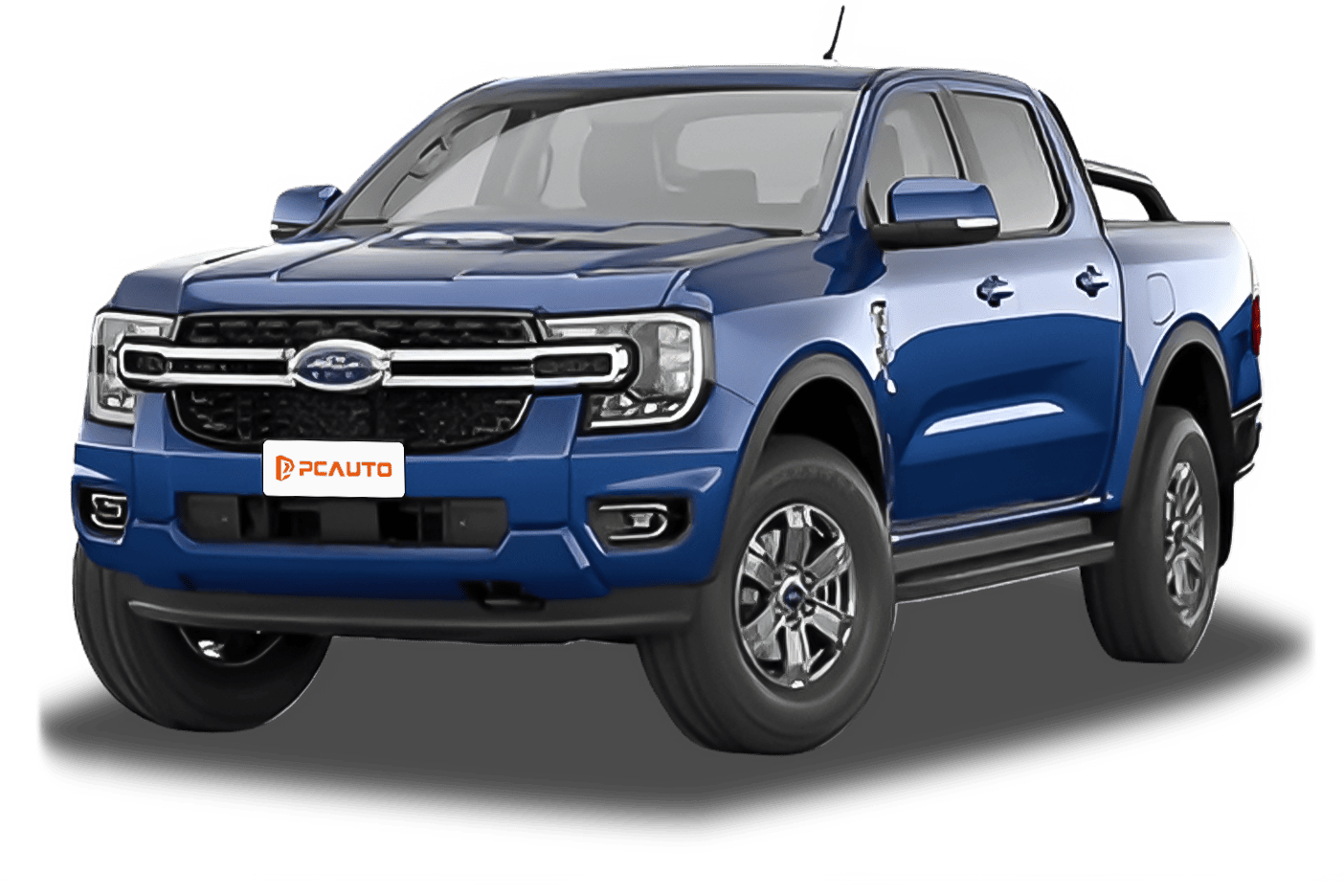
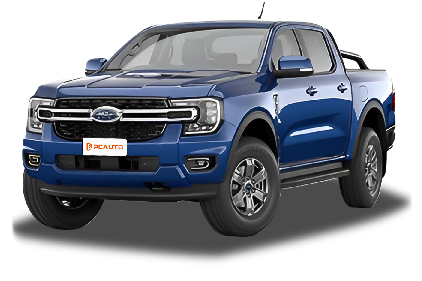
2023 Ford Ranger WildTrak is a mid-to-high-end pickup truck that balances the comfort of daily commuting with the practicality of cargo and off-road capabilities. It features powerful performance, ample space, and practical configurations, making it a versatile choice for both family and work scenarios.

2023 JMC Vigus Pro White Series 2.0L 4WD 8AT combines rugged design, practical features, and powerful diesel performance, balancing everyday durability and mild off-road needs, making it a high-value choice for pickup users.