

Toyota Innova 2018 Review

 Share
Share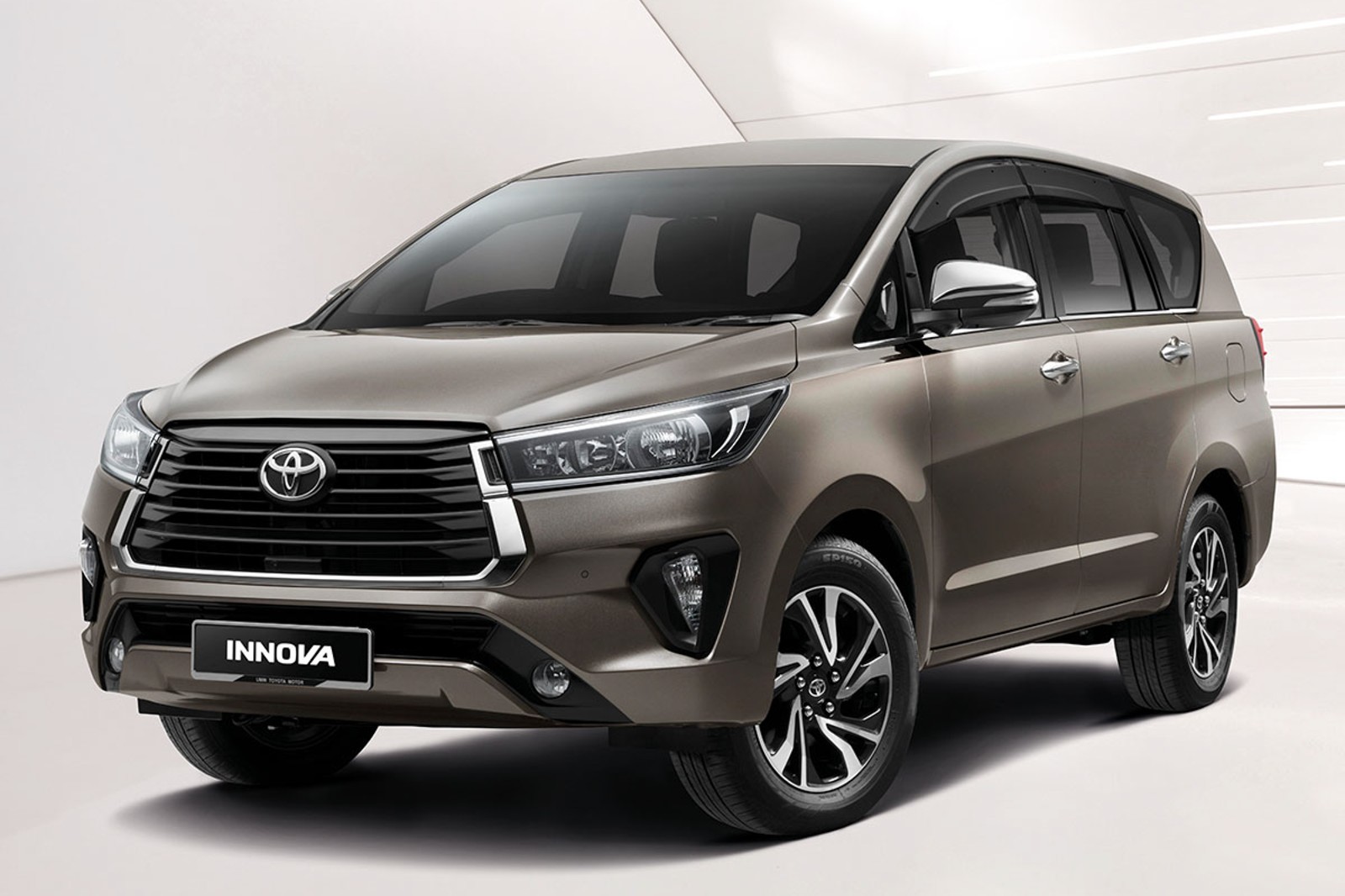
 Segment
 Body Type
 Capacity(L)
 Engine Power(PS)
 Transmission
 Driven Wheels
In Malaysia's family car market, 7-seater or 8-seater models have always been essential choices—they need to accommodate the daily travel needs of three generations, ensure sufficient off-road capability for suburban roads, and offer reliable quality with reasonable configurations. The 2018 Toyota Innova 2.0G (A), as the mid-range version of the Innova series, is well-positioned between "practical" and "comfortable." It avoids the compromise on features in the entry-level version and the additional costs of the top-end version. In this test drive, we focus on its overall performance as a primary family car: Is its space really versatile? Is its power sufficient for daily use? And does the configuration meet the needs of the entire family?
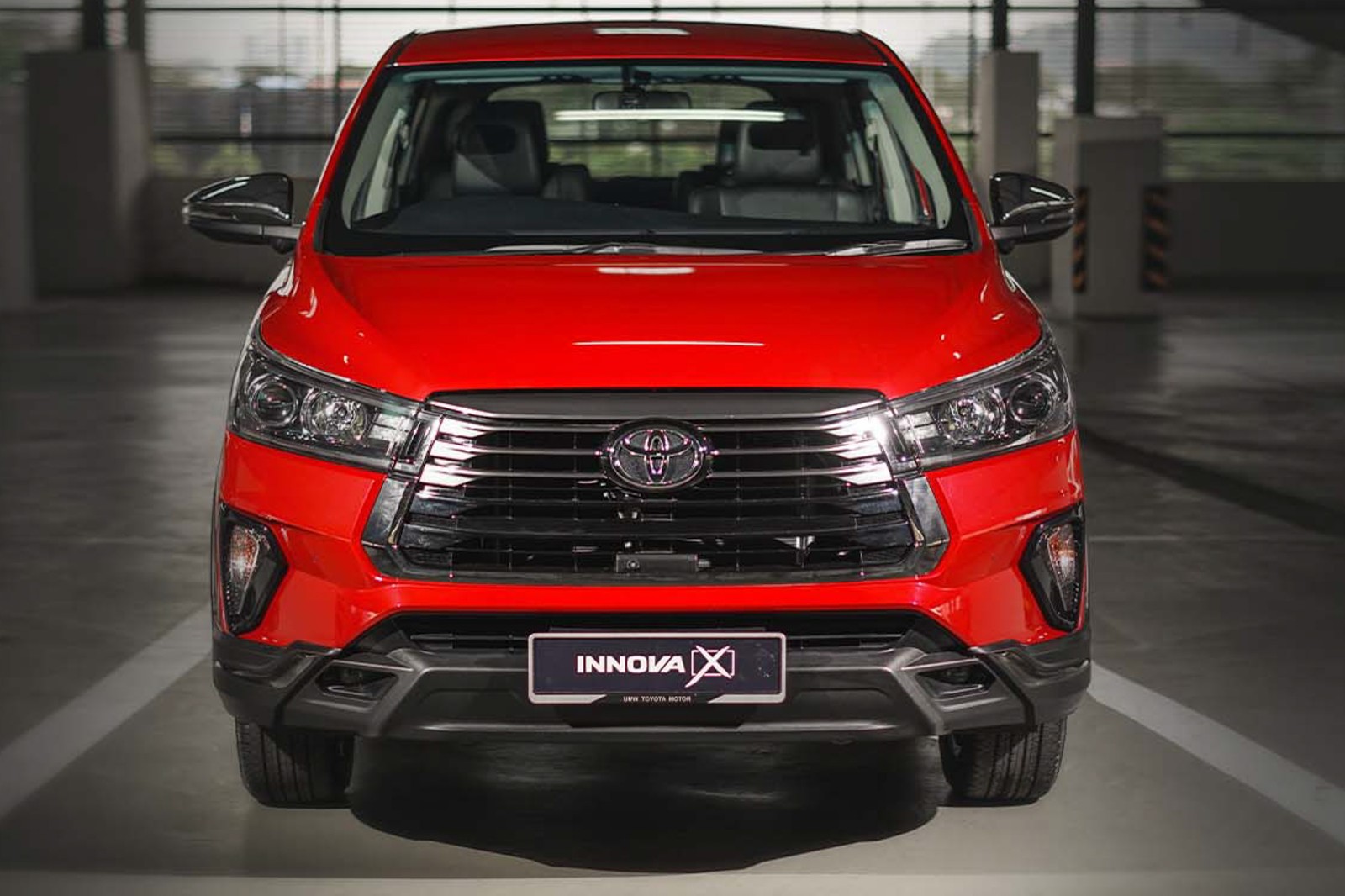
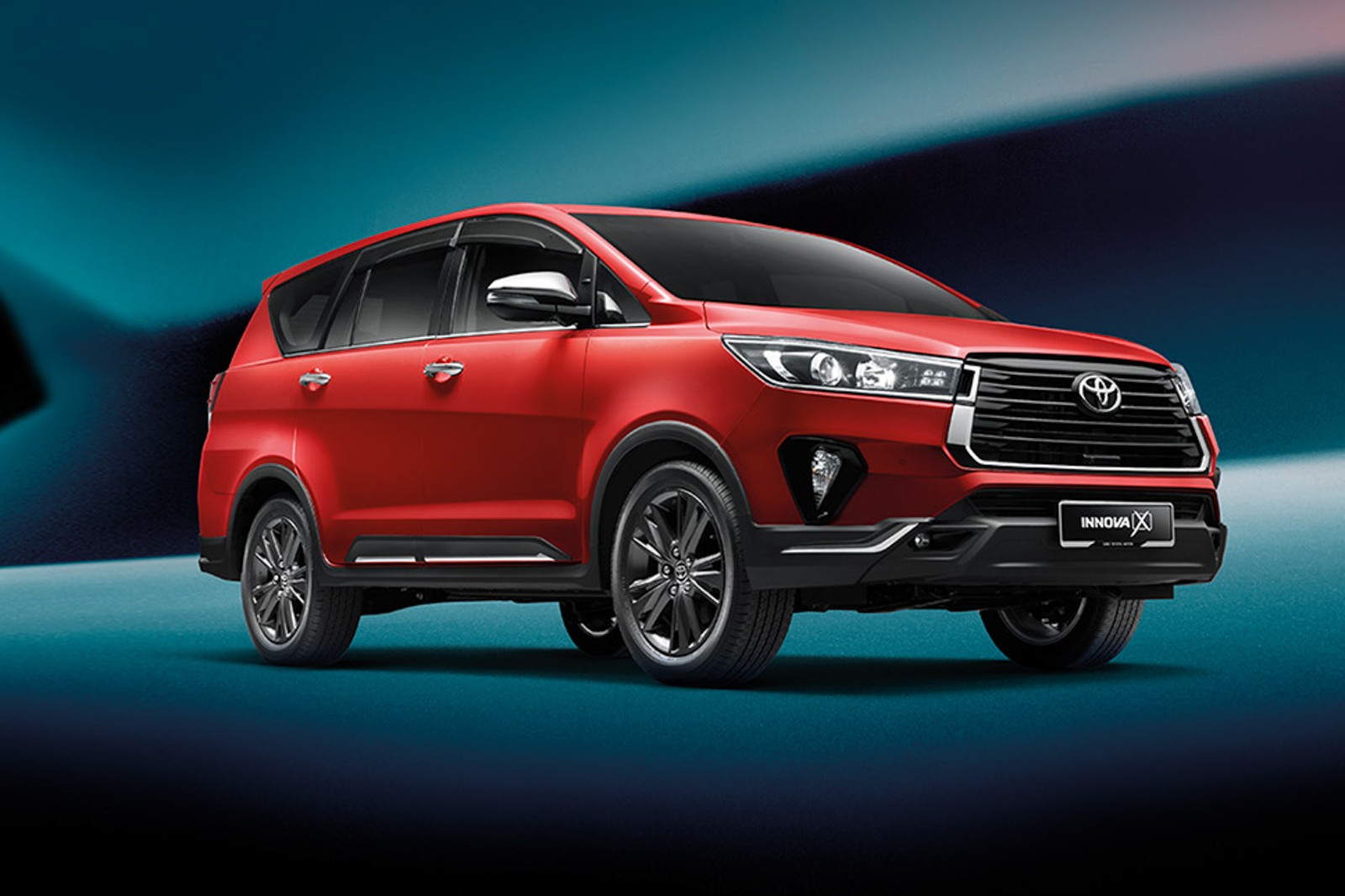
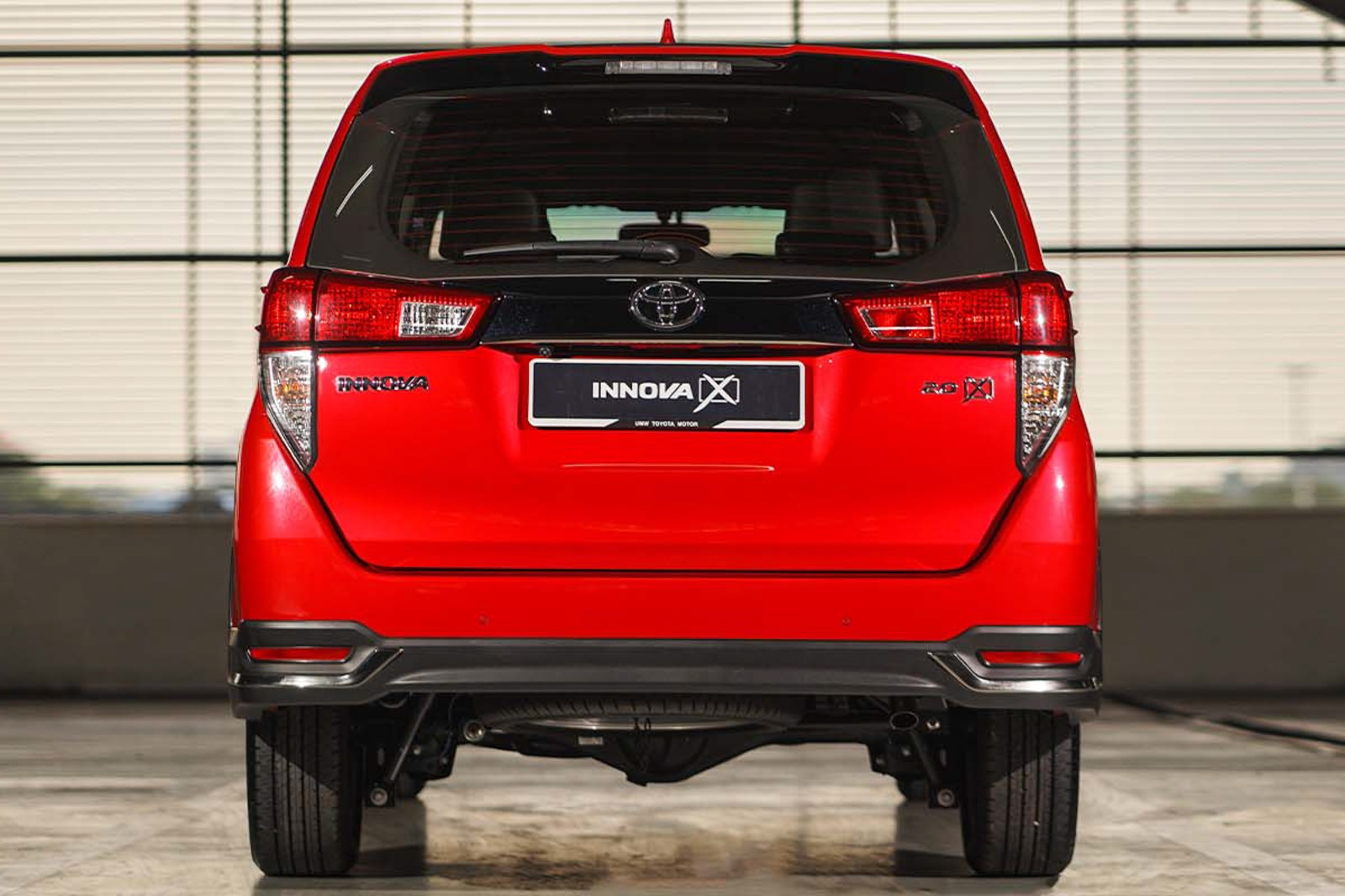
Starting with the exterior, the Innova 2.0G maintains Toyota's usual steady style without adopting overly aggressive designs. The front features a large trapezoidal grille with the Toyota logo in the middle, surrounded by chrome trim that is not overly flashy but adds a touch of sophistication. The side profile is straightforward, with clean lines running from the front to the rear without complex creases. This design maximizes interior space. The rear design is standard, with vertically-styled taillights connecting to the side body lines, making it not particularly distinctive but visually pleasing over time. For lighting, it uses halogen headlights as standard but includes automatic headlights and daytime running lights, which are sufficient for everyday use. Front and rear fog lights are also standard, which is practical for rainy or foggy conditions. The car measures 4735mm in length, 1830mm in width, and 1795mm in height, with a wheelbase of 2750mm. These dimensions are at a mainstream level in its class, ensuring sufficient interior space.
Opening the door and stepping into the interior, the overall style emphasizes practicality without overly fancy design elements. The dashboard layout is straightforward, with an 8-inch touch screen in the center, featuring a user-friendly interface that is easy to operate. In terms of materials, most areas use hard plastics, but frequently touched areas like the steering wheel and door panel armrests are wrapped in soft materials. While not premium in feel, it aligns with expectations for this price range. For features, the 2.0G model comes with keyless entry and start as standard, making daily use more convenient. The multifunction steering wheel allows control of volume, phone, and cruise control (wait, is it? Actually, it's not mentioned; let’s refer to the spec sheet—it's equipped with a multifunction steering wheel, but cruise control isn’t mentioned) and is manually adjustable. However, the range of tilt and height adjustment is sufficient for most drivers to find a comfortable position. The instrument cluster features illuminated analogue dials with clear displays, showing RPM, speed, fuel, and temperature at a glance, with a small central screen providing information on fuel consumption, mileage, etc. The air-conditioning system is single-zone automatic climate control, and the rear seats have independent air vents. Additionally, there is a 220V/230V power outlet, which is convenient for charging or using small appliances for rear passengers.
Space is one of Innova's key advantages, with an 8-seater layout that perfectly suits larger families. The front row seats are manually adjustable but offer good seat cushion length and back support, ensuring comfort even on long journeys. The second row features 60:40 split seats that can be folded with a single motion, manually reclined, and slid forward or backward. Each seat is equipped with a headrest, and there's a small table in the middle that can be used by kids for snacks or homework. The third row consists of 50:50 split seats that can also be folded with a single motion. Although the legroom for adults is not very spacious, it is sufficient for short trips, and the headroom feels comfortable thanks to the vehicle's height. The trunk space in its 8-seater configuration is 300L, enough to fit two 20-inch suitcases. Folding down the third row significantly increases storage space, allowing you to carry large luggage or furniture. As for storage compartments, the door panels can hold two water bottles, there is a storage slot below the center console that fits a phone or wallet, and the central armrest box in the front row is also quite roomy.
Powertrain: The Innova 2.0G is equipped with a 2.0L naturally aspirated engine, delivering a maximum horsepower of 139PS and a maximum torque of 183N·m (torque value not mentioned in the spec sheet? Based on Toyota's 2TR-FE engine data, the torque for the 2.0L version is approximately 183N·m@4000rpm), paired with a 6-speed automatic transmission. During daily starts, the power response is not particularly fast, but lightly pressing the accelerator gradually gets the car moving, making it suitable for city driving. Acceleration becomes smoother after the speed reaches 60km/h. For overtaking, you need to press the accelerator deeply since the transmission is not particularly proactive in downshifting, but it meets the requirements. The official 0-100km/h acceleration time is 16.3 seconds, which is indeed quite slow. However, considering its weight of 1720kg and its family car positioning, it's sufficient for daily commuting, but don't expect driving pleasure. There's only a standard driving mode, with no economy or sport modes available; the tuning leans towards smoothness.
Handling: The Innova uses a front double-wishbone independent suspension and rear leaf spring non-independent suspension (rear suspension isn't mentioned in the spec sheet? But the classic Innova's rear suspension is leaf spring), a combination that balances load capacity and a certain level of comfort. On smooth asphalt roads, the suspension filters out most minor bumps; however, when encountering speed bumps or uneven roads, the rear seat passengers will feel obvious vibrations, but they won't be overly harsh. The steering wheel has a lighter feel, which is suitable for women drivers as well. The steering is not particularly precise, but a family car doesn't require aggressive driving. Features like vehicle stability control and hill-start assist are standard, providing added safety on slippery roads or during uphill starts. With its rear-wheel-drive layout, the rear-wheel grip improves when fully loaded, making it less prone to wheel slip during starts.
Fuel Consumption: The official combined fuel consumption is 9.1L/100km. During our test drive, which included city traffic and suburban highways, the actual fuel consumption was around 10-11L/100km. This level of fuel consumption is considered average for 8-seater vehicles in the same class—not particularly fuel-efficient but not overly fuel-consuming either. The fuel tank capacity is 55L, allowing for a range of about 500km on a full tank, which is quite moderate. For braking, it features front ventilated disc brakes and rear disc brakes. The braking force is linear, with a softer initial response that becomes more pronounced as you press further. Braking during daily driving feels stable.
Comfort: The noise insulation performance is average. At speeds above 80km/h, wind and tire noise become relatively noticeable, especially in the rear seats. Engine noise is evident during rapid acceleration but becomes quieter once the engine revs stabilize. The seats provide good comfort, with adjustable backrests in the second row, making long trips less tiring. However, the third-row seat cushions are relatively thin, which can feel uncomfortable during extended periods, though they're acceptable for short trips.
Features: The safety features of the Innova 2.0G are well-equipped: 7 airbags (driver, front passenger, front side airbags, front and rear curtain airbags, knee airbag), ABS, vehicle stability control, lane change assist, forward collision warning, front and rear parking sensors, reverse camera, hill-start assist. These features are relatively comprehensive among the same class and provide enough safety assurance for family trips. For practicality, it comes with keyless entry/start, rear seat trays, rear air conditioning, and a 220V power outlet, all of which cater to the needs of family users.
Compared to vehicles in the same class, such as the Honda BR-V or Mitsubishi Xpander, the strengths of the Innova 2.0G lie in its rear-wheel-drive layout, stronger load-bearing capacity, and more mature quality; its weaknesses are slower power and slightly higher fuel consumption. However, for family users who prioritize space and reliability, these drawbacks are acceptable. Its target audience is very clear: large families needing 8-seat capacity, frequently taking family trips to the suburbs, or occasionally needing to carry large items.
Overall, the 2018 Toyota Innova 2.0G (A) is a family car with "no obvious shortcomings." Its space is flexible, configurations are sufficient, and power is smooth. Although its acceleration is slow and sound insulation is average, it meets the core needs of family users—reliability, spaciousness, and peace of mind. If you are looking for a car that balances daily commuting and family outings and you trust the quality of Toyota, the Innova 2.0G is worth considering.
Toyota Innova Loan Calculator
More Toyota Reviews
Cars With Similar Price And Features

2020 Hyundai Grand Starex Executive Prime is an 11-seater practical MPV that balances family and business needs, meeting the demands of group travel with flexible seat layouts, comfortable suspension, and high cost-effectiveness.
13
Rank in MPV
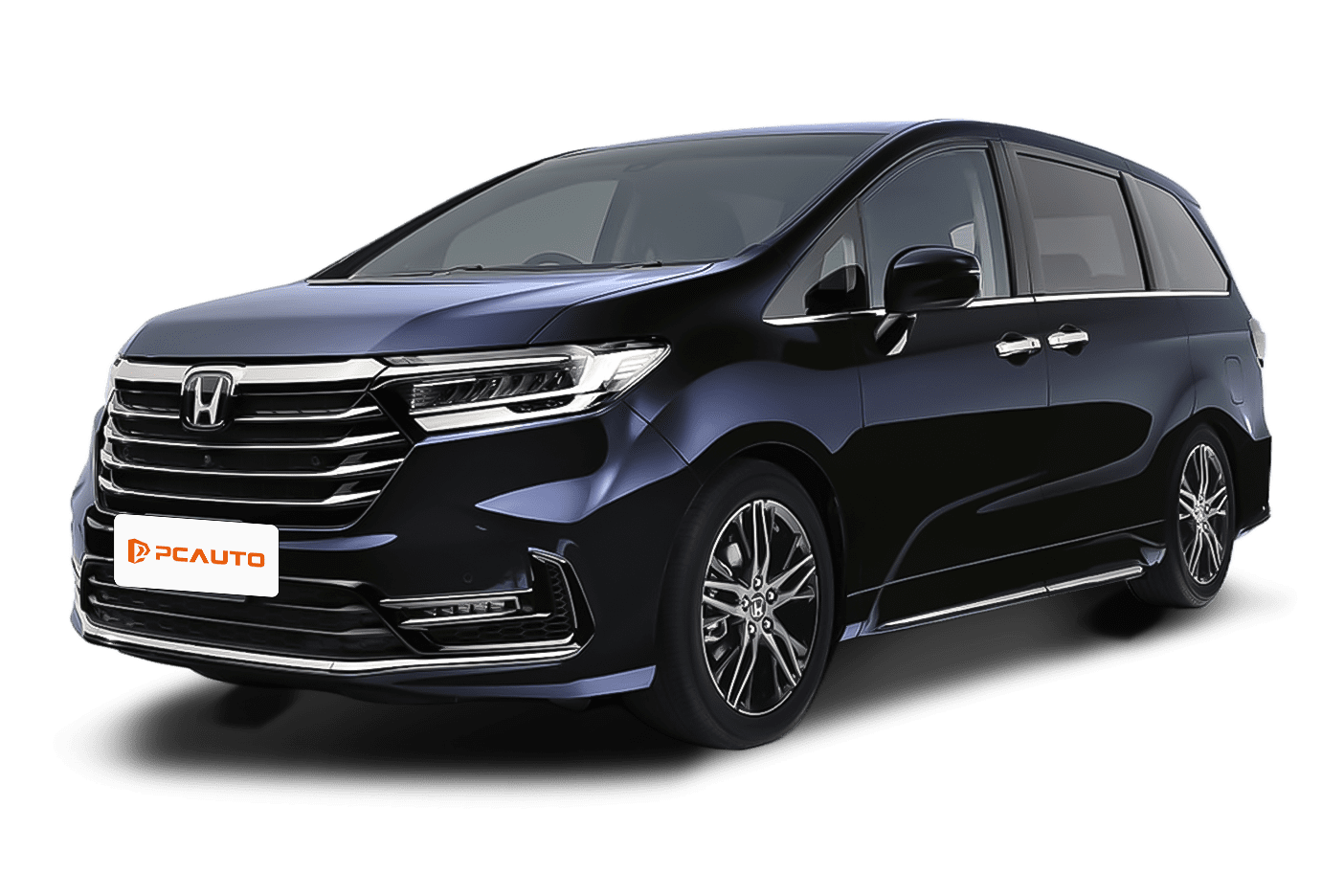
2022 Honda Odyssey 2.4 EXV is a family MPV that balances spatial practicality and comfortable configurations, meeting versatile household needs with its flexible 7-seat layout, Ottoman captain seats, and a well-established powertrain.