

Toyota Yaris 2024 Review

 Share
Share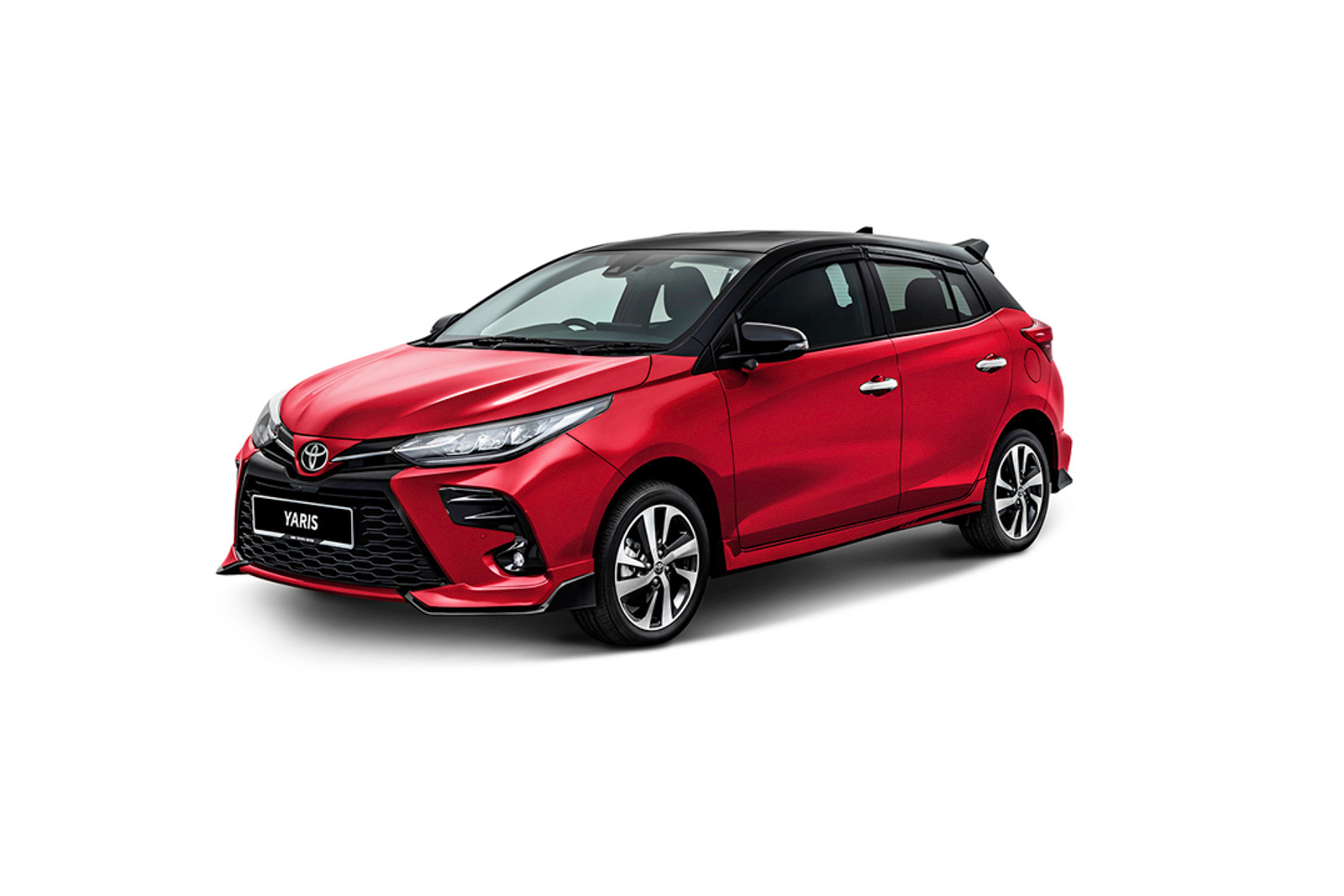
 Segment
 Body Type
 Capacity(L)
 Engine Power(PS)
 Engine Torque(Nm)
 Transmission
Malaysia's B-segment market has always been the core battleground for family cars. Consumers seek a balance between space and fuel economy while demanding increasingly higher safety features — the 2024 Toyota Yaris 1.5E is designed to meet these needs. As the entry-level version of the series, it comes with advanced safety features such as 7 airbags, a 360-degree parking camera, and even standard L2-level driving assistance functions, all at a price of RM 88,000, which is quite rare in models of the same price range. In this test drive, we aim to verify whether its "entry-level" configuration is sufficient to meet the daily needs of family users and whether the core features are practical enough.
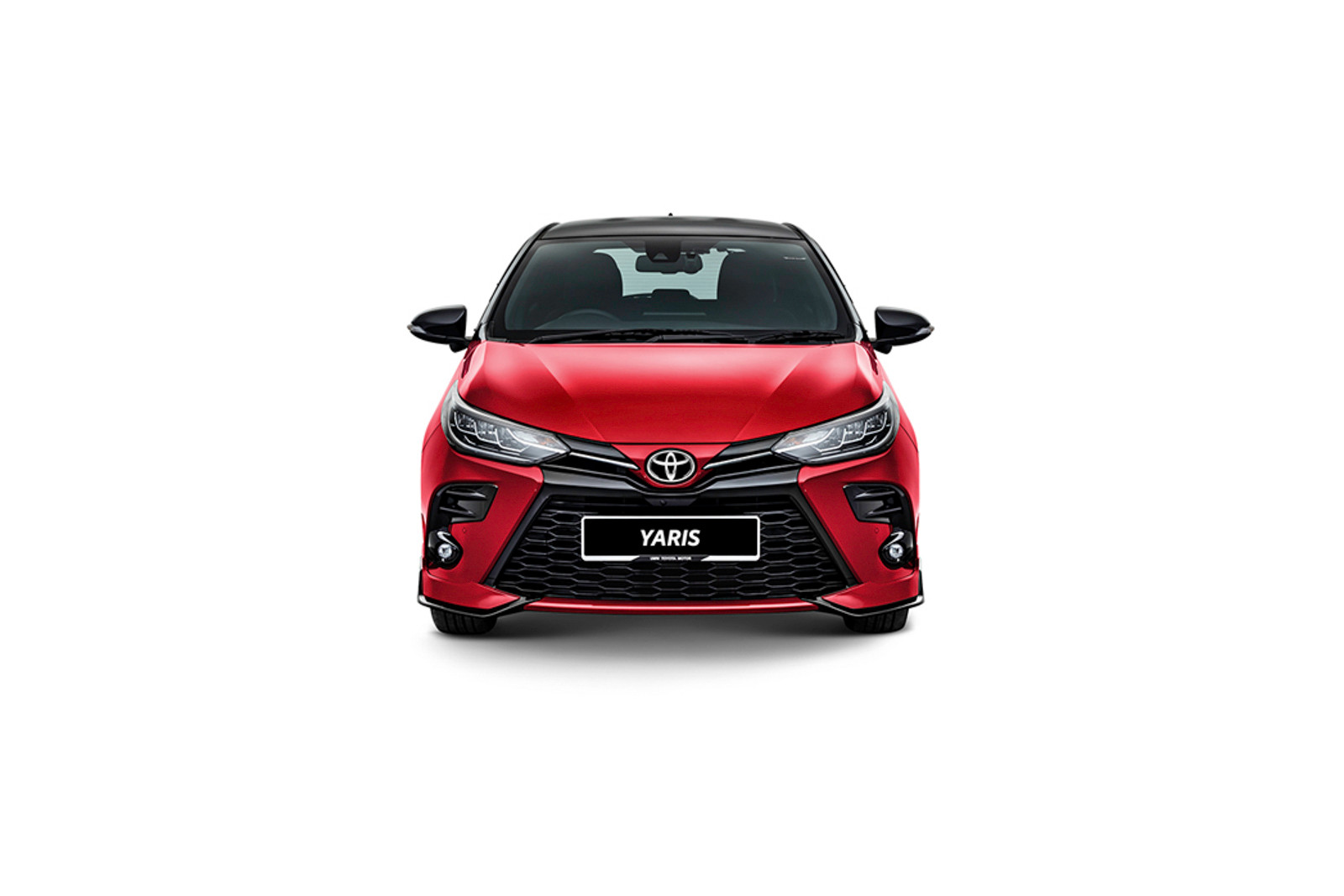
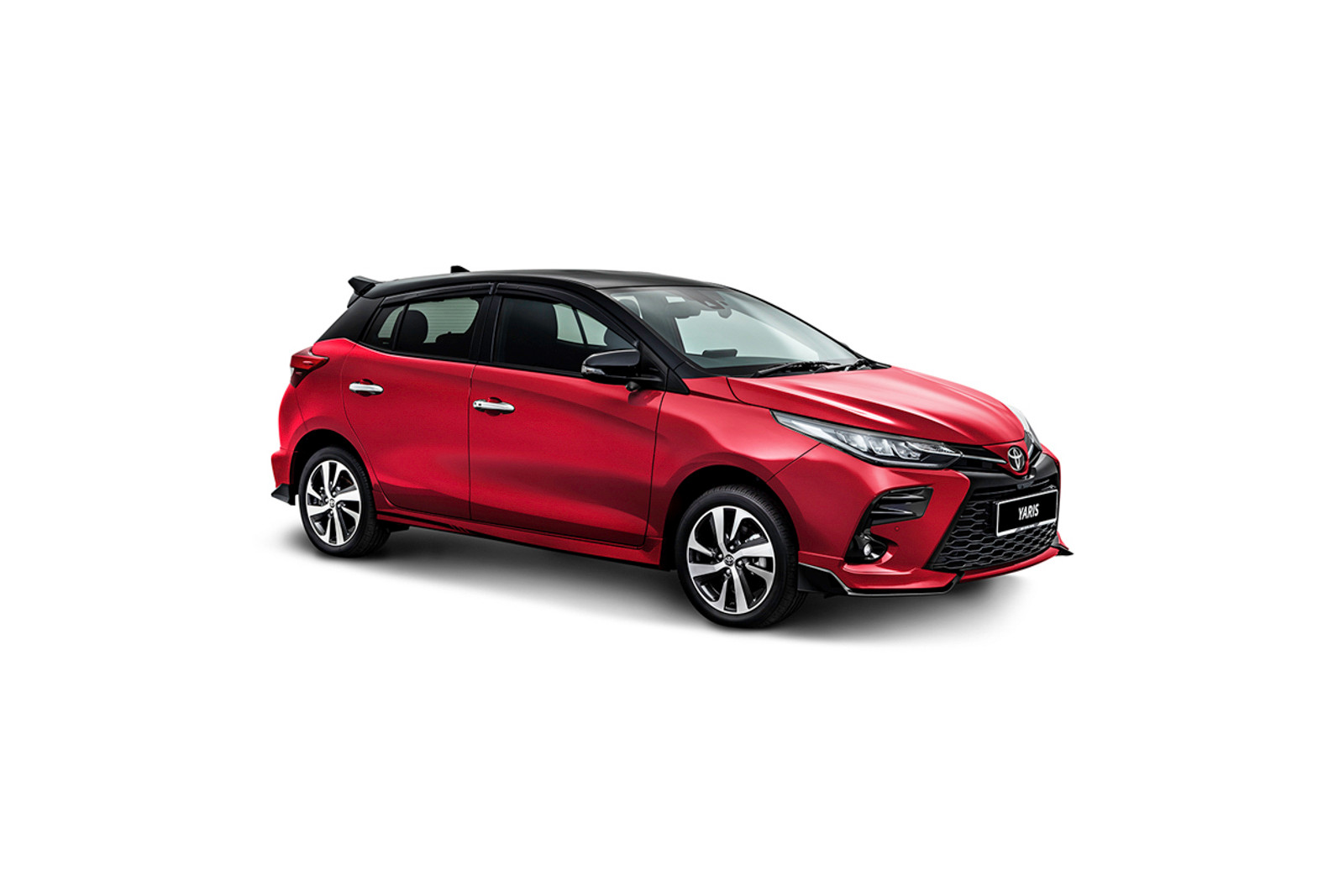
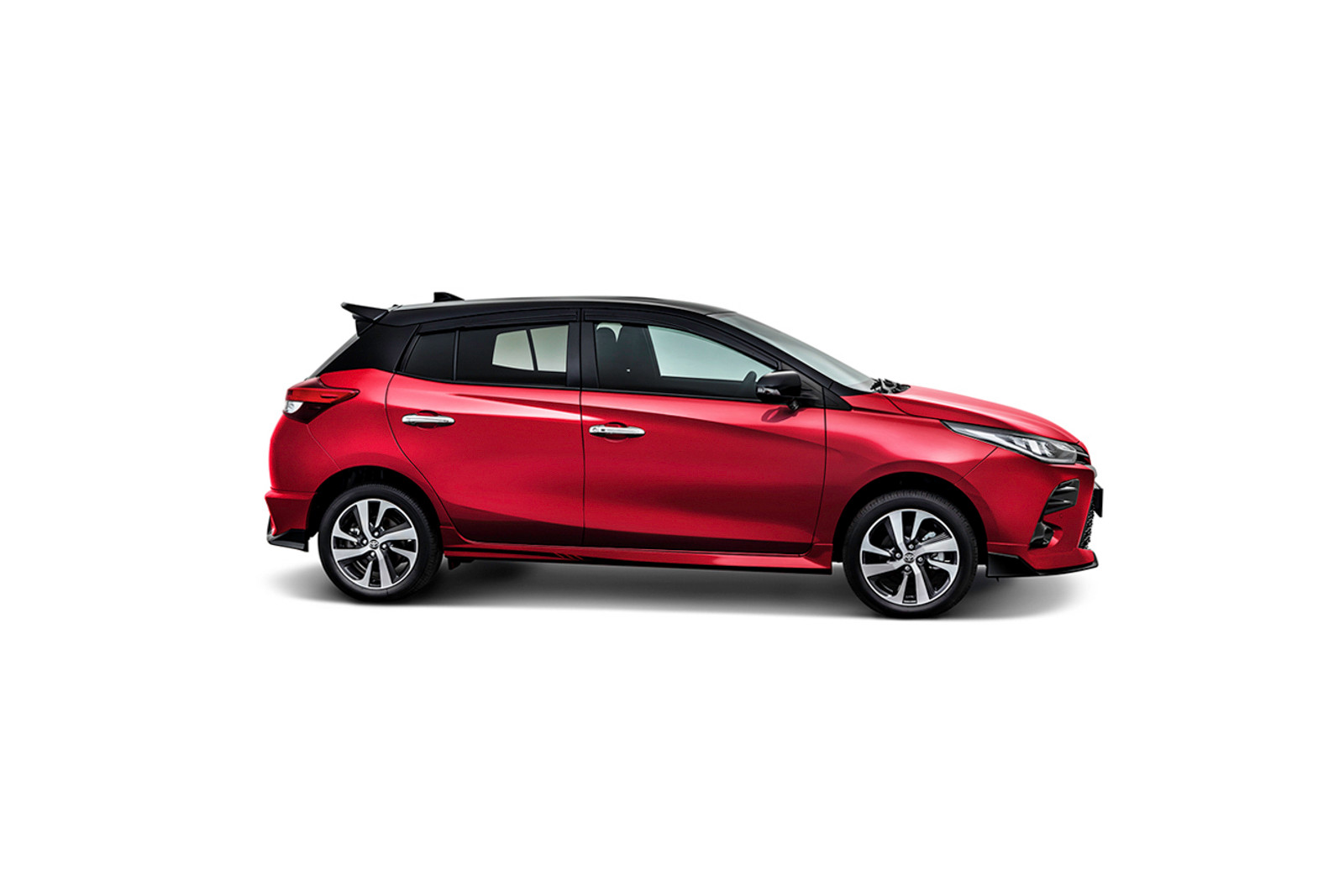
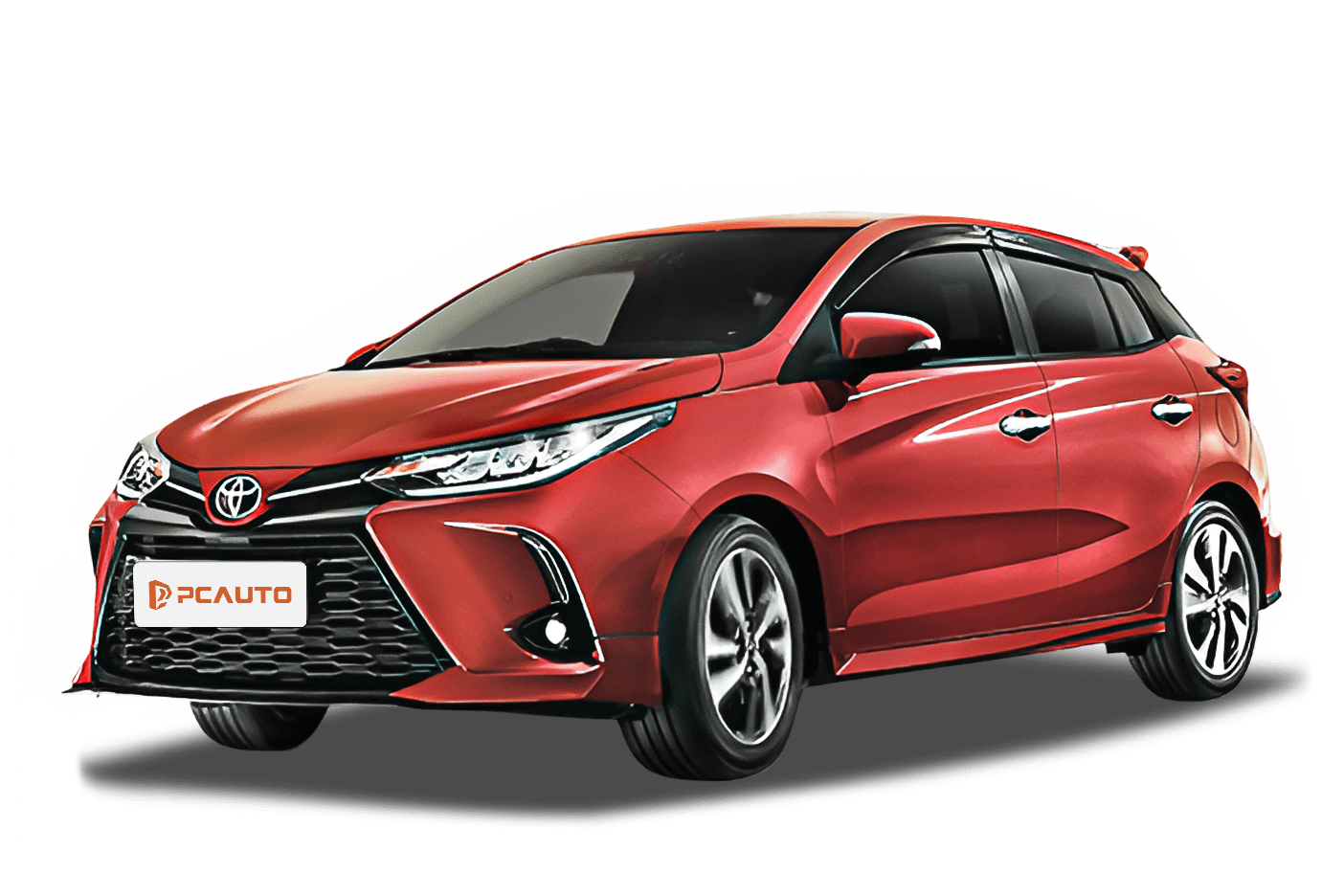
From the exterior, the 2024 Yaris 1.5E continues the youthful design of the series. The overall lines are compact and smooth, avoiding a bulky appearance. The LED headlights on the front are integrated with the upper grille, widening its visual presence, while the daytime running lights adopt a segmented design, offering decent recognition when illuminated. The lower grille features a trapezoidal honeycomb structure, complemented by front fog lights on both sides, adding a touch of sportiness. On the side, the 16-inch tire specifications coordinate well with the 4140mm length of the vehicle, while the indented lines along the door running from the fender to the taillight enhance the side's visual layering. At the rear, the LED taillights are arranged horizontally. Although the 1.5E does not come with the smoked finish found in the G version, the overall design is clean and neat, well-suited for a family car.
Inside the cabin, the 1.5E's interior focuses on practicality. The dashboard is wrapped in soft-touch materials and accented with silver trims, providing a standard level of quality for its price range. A 9-inch touchscreen takes center stage, offering decent responsiveness and supporting Bluetooth connectivity and smartphone mirroring features. However, it does not include a built-in navigation system, so users will need to rely on their smartphones for navigation. The instrument panel uses the New Optitron design, with analog dials for the tachometer and speedometer. A small LCD screen in the middle displays basic information such as fuel consumption and range. As for features, the 1.5E comes equipped with keyless entry, a multifunction steering wheel, and 60:40 split rear seats. The front seats are manually adjustable. Although it lacks automatic air conditioning, the manual air conditioning knobs have a comfortable damping effect and are straightforward to operate.
In terms of space, the 2550mm wheelbase is at the mainstream level among B-segment cars. In the front row, passengers with a height of 175cm have a fist-sized gap above their head and ample leg room. In the rear, passengers have about four fingers of headroom and two fists of legroom, which is sufficient for daily family travel. Regarding storage space, the front door panels can hold two 500ml water bottles, and the central armrest box is moderately sized to accommodate items like phones and small change. The trunk offers a capacity of 286 liters, which can hold two 20-inch suitcases with space to spare. The rear seats can be folded down to expand cargo capacity, making it suitable for occasional transport of larger items.
In the power department, the 1.5E is equipped with a 1.5L naturally aspirated engine, delivering a maximum horsepower of 107PS and peak torque of 140N·m, paired with a simulated 7-speed CVT transmission. During daily driving, the initial response is relatively brisk. The torque output at low RPMs is sufficient for urban driving conditions, and acceleration up to 60km/h is smooth. However, once the speed exceeds 80km/h, further acceleration requires a harder push on the throttle, causing the engine speed to climb above 4000rpm, making the power delivery seem slightly sluggish. Nevertheless, it can handle highway cruising with no issues. The transmission shifts smoothly without noticeable jerking, but rapid acceleration brings a slight "whining" sound.
In terms of handling and chassis, the 1.5E adopts a combination of front MacPherson independent suspension and rear torsion beam non-independent suspension. The steering wheel has a light turning weight with minimal play, making daily parking and lane-changing quite agile. The suspension is tuned for comfort, filtering out most small vibrations when driving over speed bumps or uneven roads; however, when encountering larger potholes, there is noticeable bouncing in the rear seats. At high speeds, the vehicle stability is acceptable, and there is no sense of floatiness even at 120km/h. When cornering, body roll is kept within a reasonable range, making it suitable for family driving habits.
Fuel consumption performance meets expectations. In our test under mixed road conditions (approximately 60% city roads and 40% highways), the fuel consumption averaged around 5.8L per 100km. With a fuel tank capacity of 42L, the vehicle can achieve a range of over 700km on a full tank, reducing the need for frequent refueling. In terms of braking, it features a combination of front ventilated discs and rear drum brakes. The braking feel is linear, with moderate initial braking force that progressively increases. During emergency braking, the vehicle remains stable without any noticeable forward lurching.
Noise control is average. At speeds below 60km/h, the main noise in the cabin comes from the tires, while wind and engine noise gradually become more apparent above 80km/h, though it doesn't hinder normal conversations. The seats offer decent support, with adequate padding that is not overly soft but provides good support, ensuring comfort during long drives. The rear row is equipped with air conditioning vents; although there are no power outlets, it is sufficient for daily use.
In summary, the main advantage of the 2024 Toyota Yaris 1.5E lies in its "high-end features even in entry-level models" with safety features such as 7 airbags, 360-degree parking camera, lane departure warning, and active braking. In the price range of RM 88,000, it has virtually no competitors. Compared to competitors in the same segment, such as the Honda City 1.5 S (RM 89,900), the Yaris 1.5E offers more comprehensive safety features at a slightly lower price. While its powertrain and interior quality may not match some rivals, its overall balance is stronger.
This car is suitable for budget-conscious family users who prioritize safety and practicality, especially those who need to frequently pick up children or commute in the city. It doesn’t come with flashy features, but all essential functionalities are practical. Its fuel economy and space performances also meet daily needs. If you don’t require a lot of tech features and are simply looking for a reliable and safe family car, the 2024 Yaris 1.5E would be a good choice.
Toyota Yaris Car Compare
Toyota Yaris Loan Calculator
More Toyota Reviews
Cars With Similar Price And Features
4
Rank in Hatchback
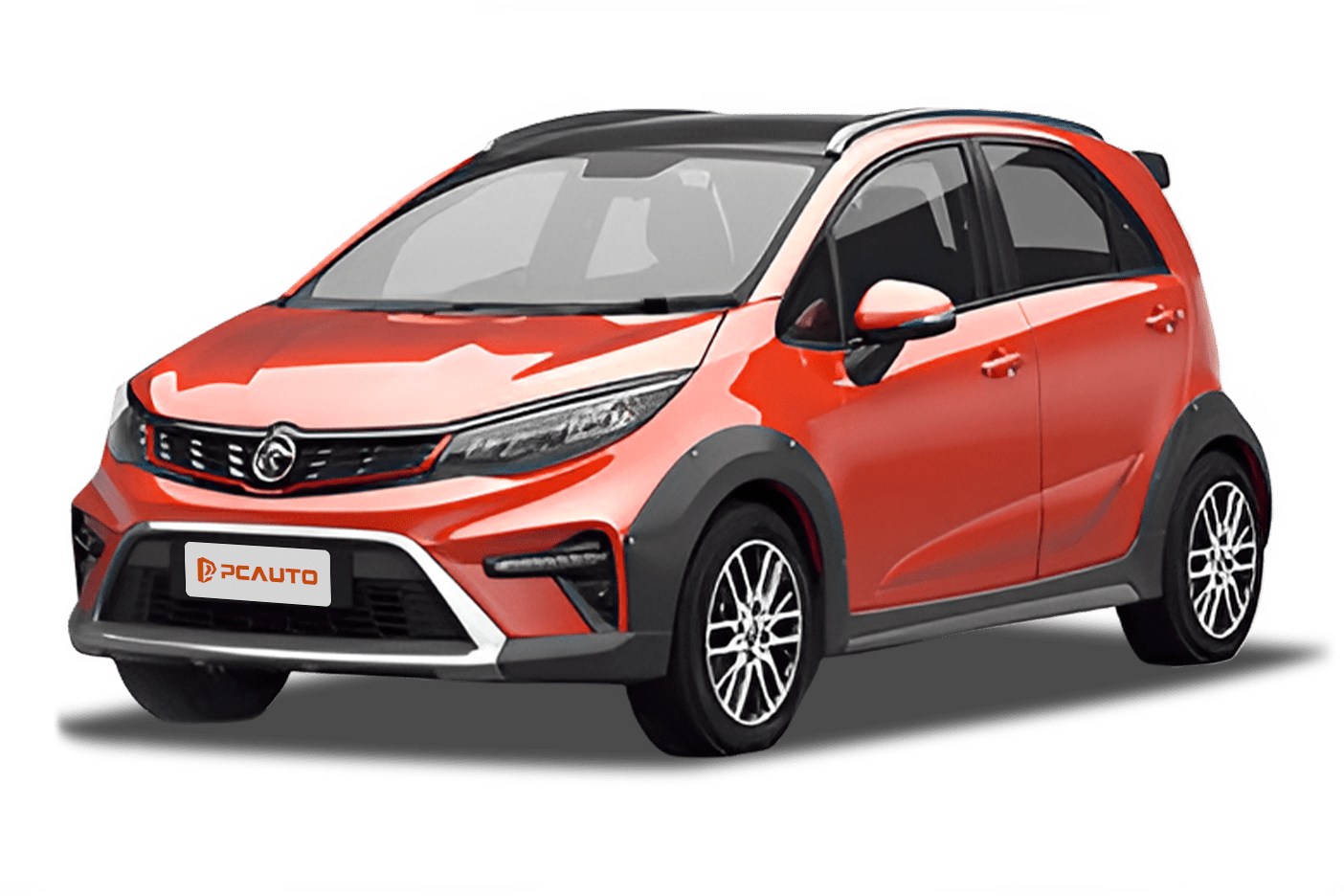
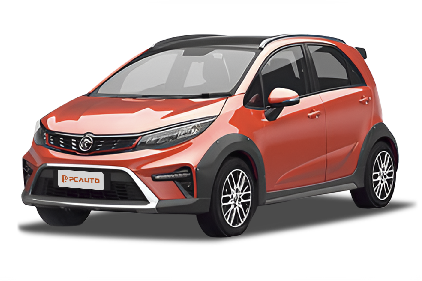
2023 Proton Iriz 1.3 Standard CVT is an affordable, well-balanced entry-level B-segment hatchback with safety features, suitable for budget-conscious families focusing on safety and practicality for daily commuting.
2
Rank in Hatchback

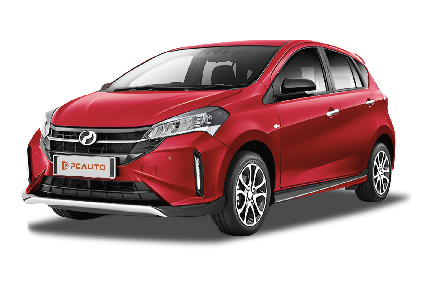
2023 Perodua Myvi 1.3 G with PSDA is an affordable B-segment hatchback, combining practical space, basic features, and PSDA safety assistance, suitable for family commuting.

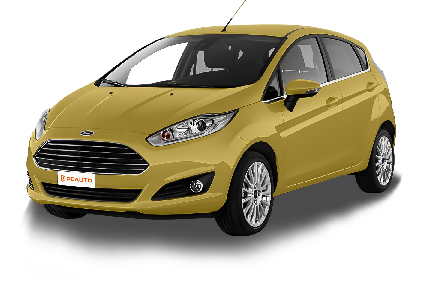
2022 Ford Fiesta public is a B-Segment model with responsive power, economical fuel consumption, and rich safety features, suitable for young families or individual users who prioritize driving experience and safety.
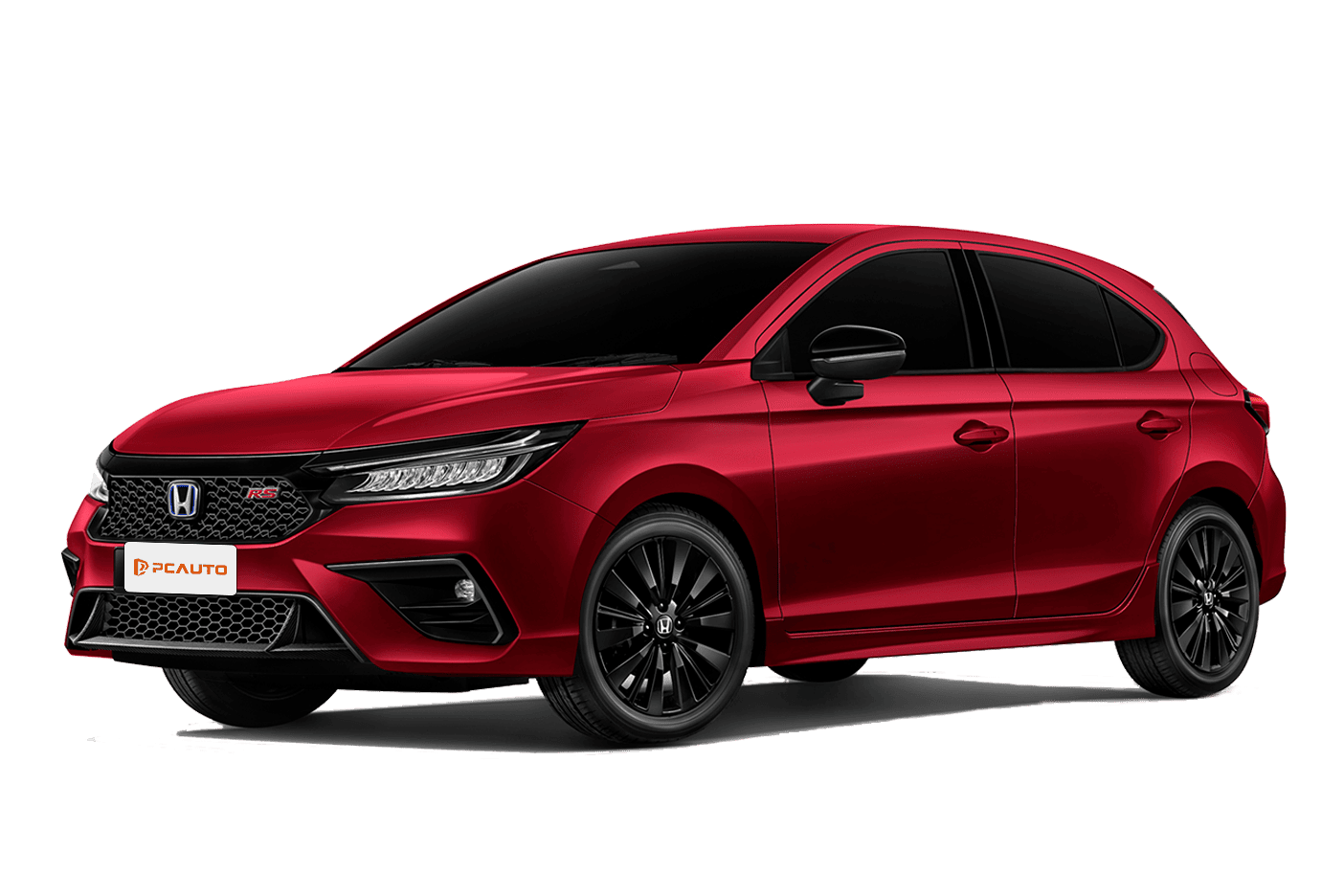
2024 Honda City Hatchback 1.5 S, as a high-value entry-level hatchback, comes standard with Honda Sensing and 6 airbags, offering practical space, economical fuel consumption, and balancing safety with daily commuting needs.