

ZEEKR 7X 2025 Review

 Share
Share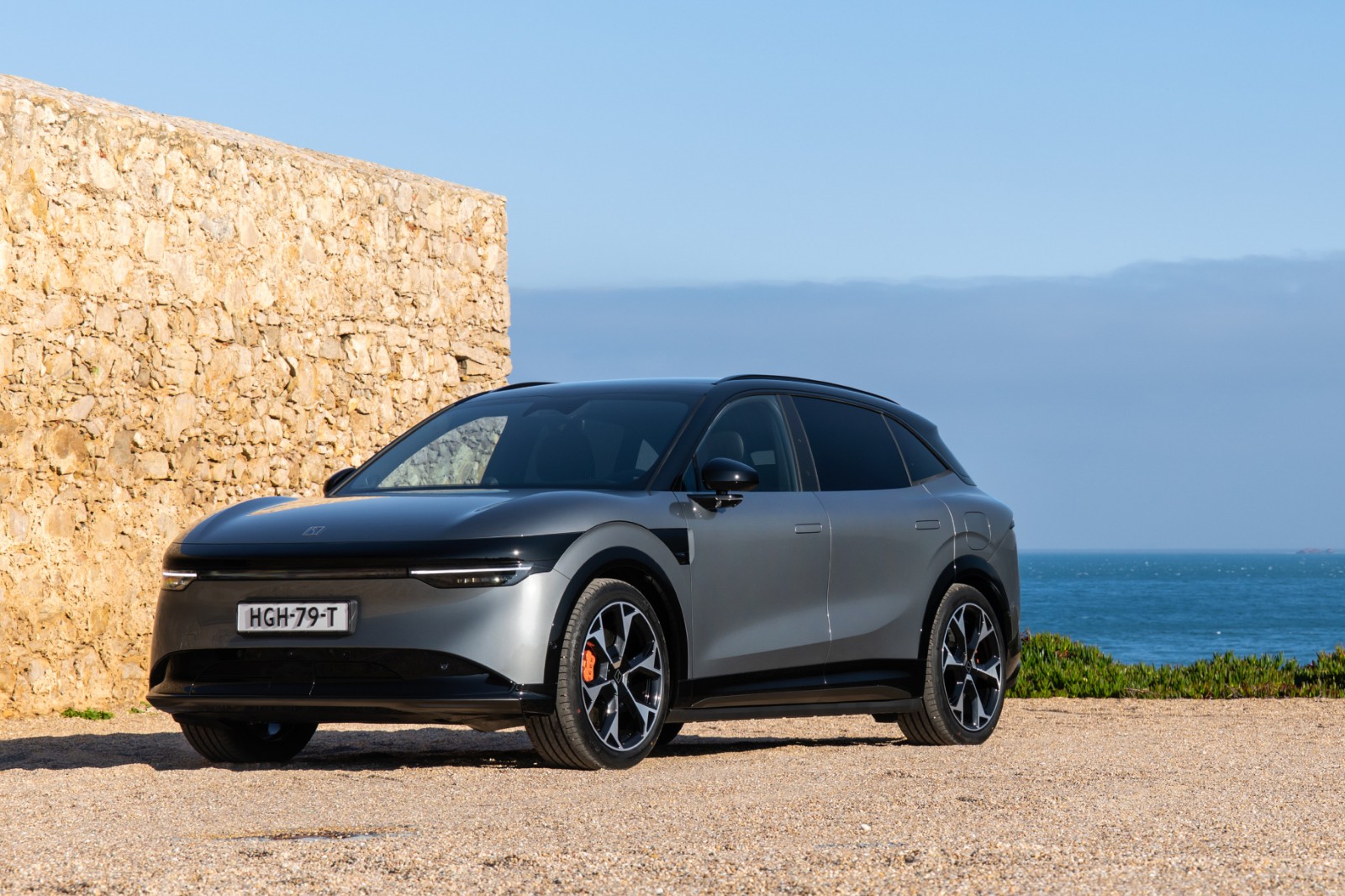
 Segment
 Body Type
 Motor Output(kW)
 Motor Torque(Nm)
 EV Range(km)
 Battery Capacity(kWh)
In recent years, the D-segment electric vehicle market in Malaysia has been gaining significant traction. Consumers are concerned about the practicality of range as well as whether the configuration can meet the daily needs of a family. The 2025 ZEEKR 7X RWD Standard, as the entry-level version of the series, is priced at RM 179,800 and comes standard with a 422PS rear-wheel-drive motor, a 75kWh lithium iron phosphate battery, and multiple intelligent driving assistance functions. This "high-value configuration combination" has intrigued many consumers, raising the question: Can the entry-level version truly balance performance and practicality? In this test drive, we focus on this model to see whether its static performance and dynamic driving experience can meet the needs of mainstream family users.
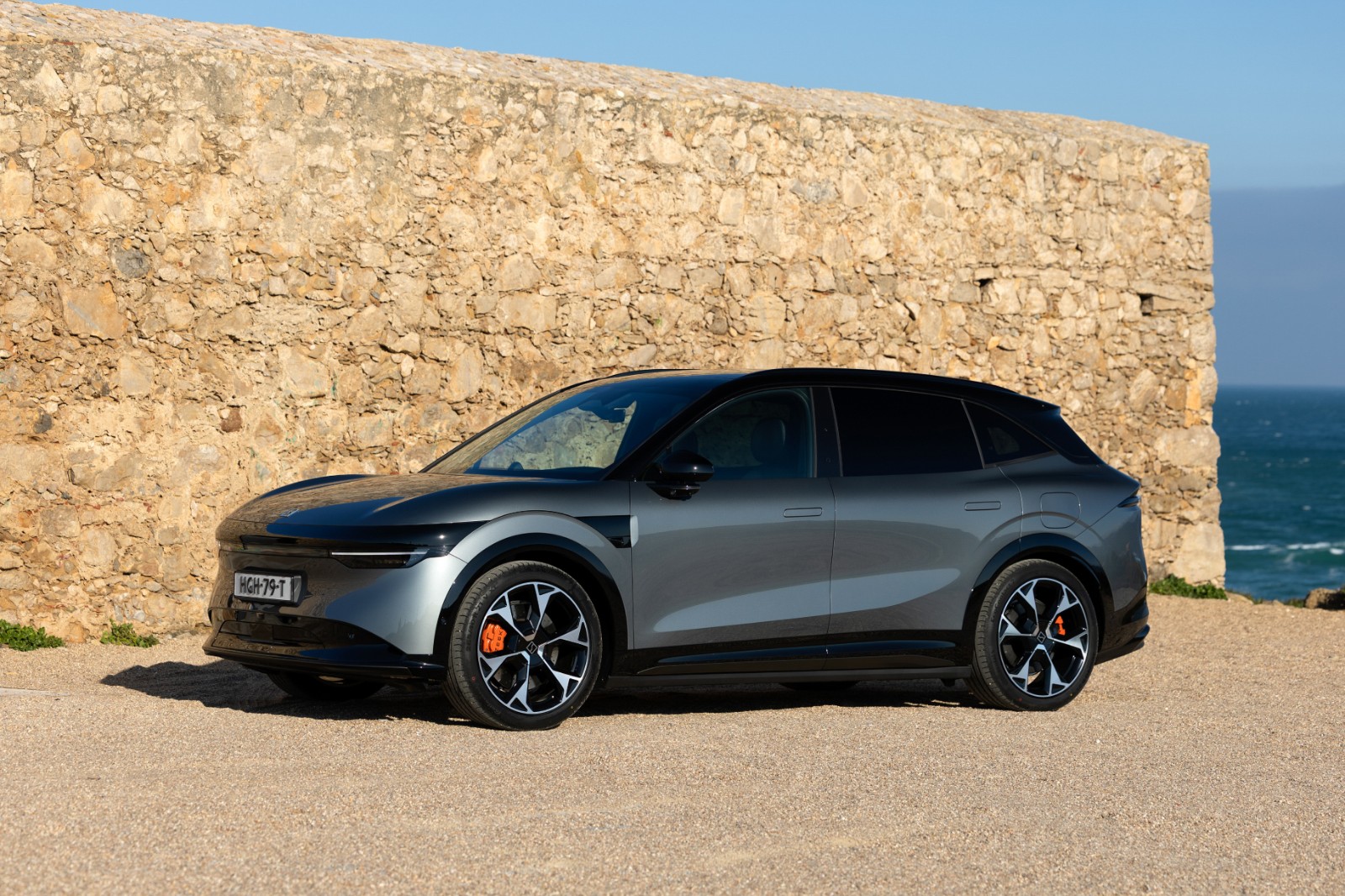
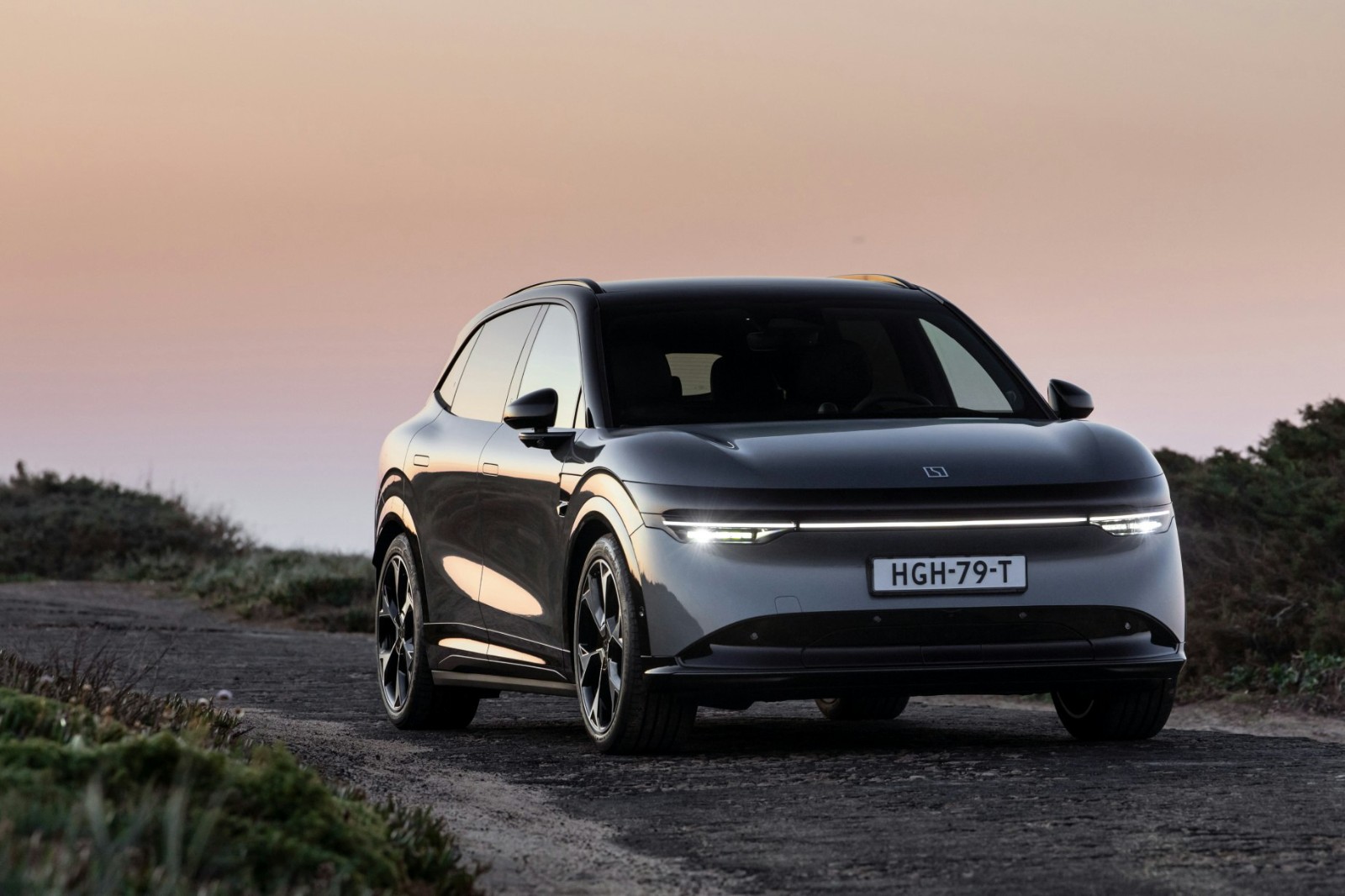
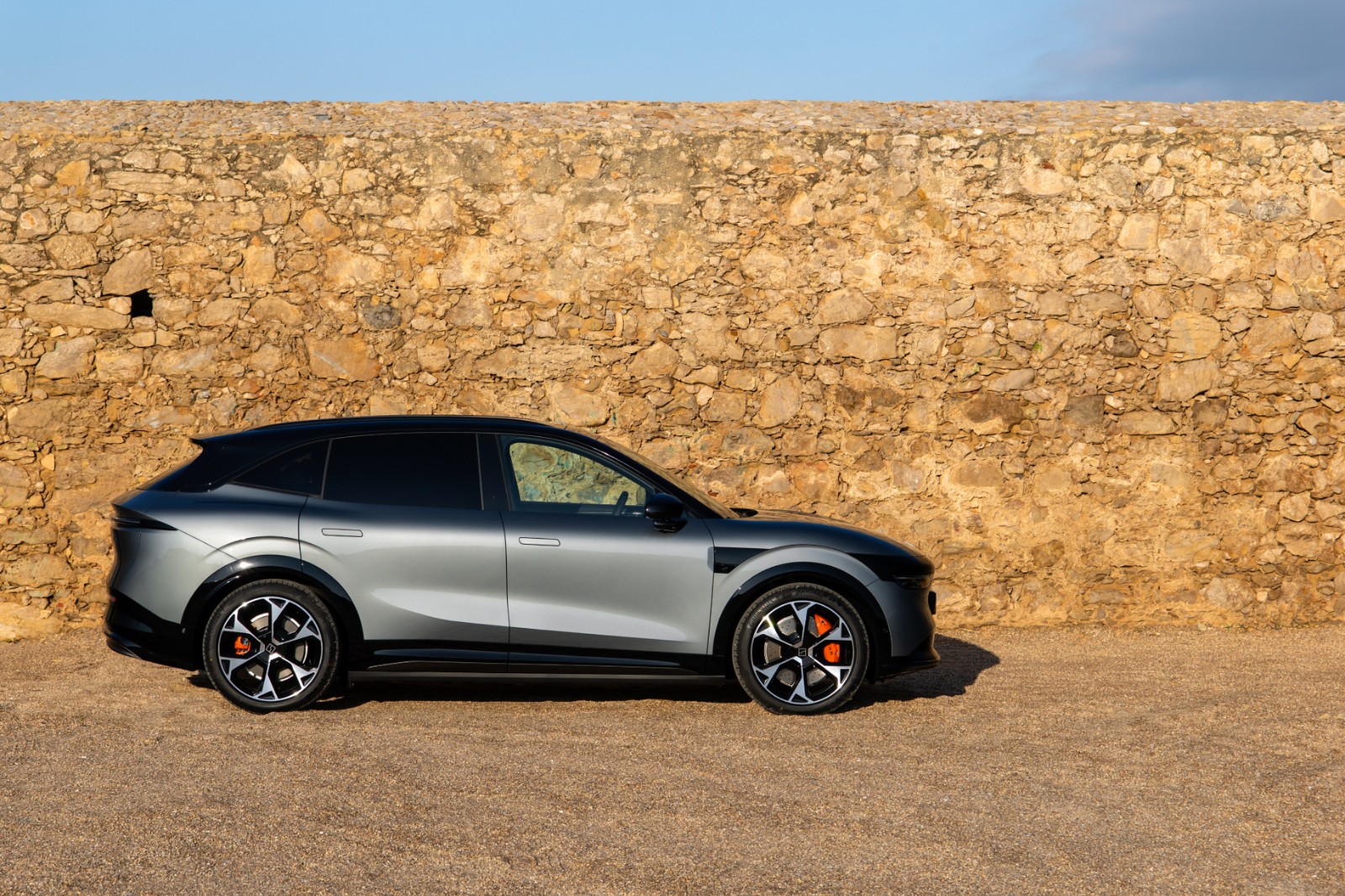
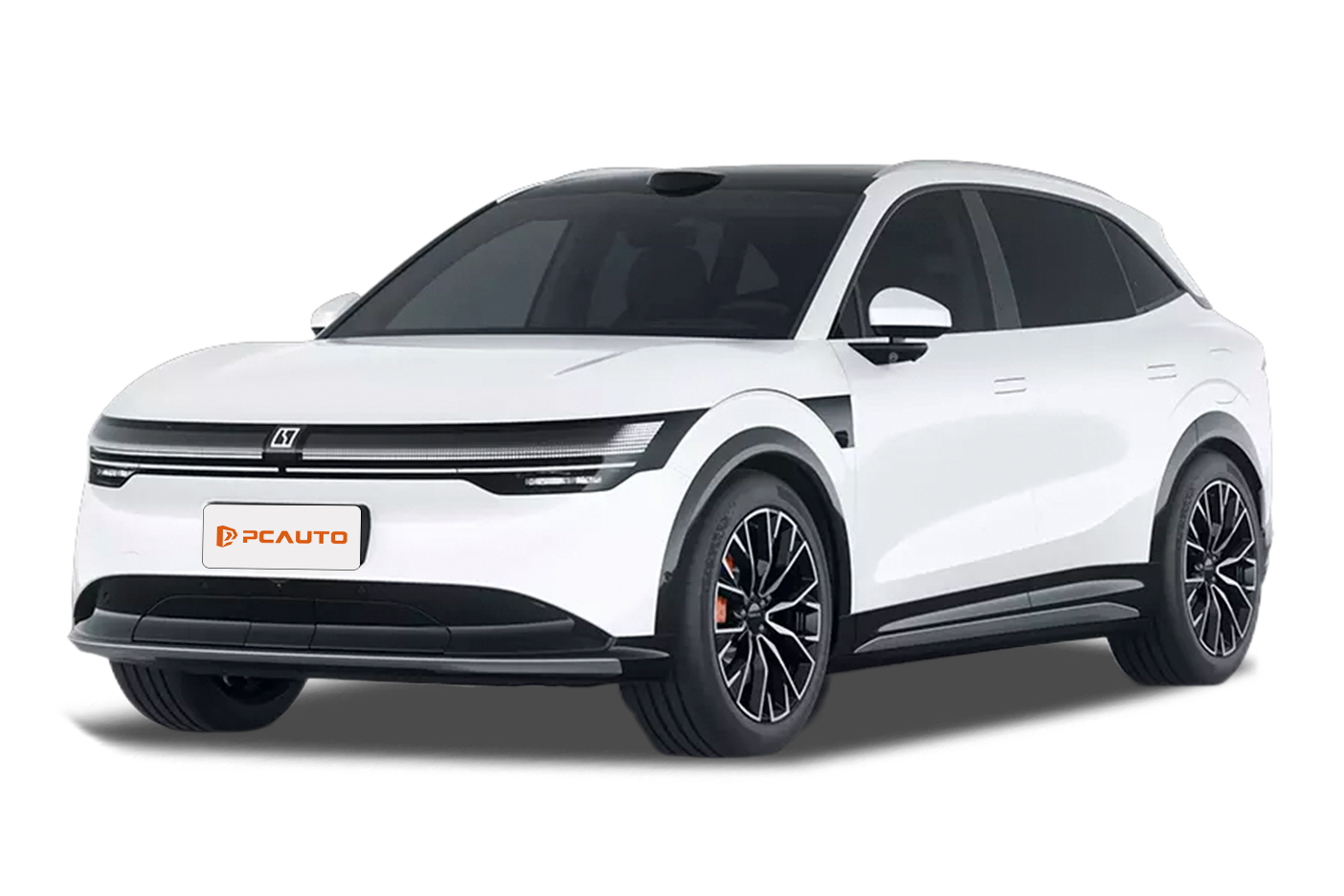
Starting with the exterior, the ZEEKR 7X RWD Standard carries a minimalist and tech-inspired design. The vehicle dimensions are 4787×1930×1650mm with a 2900mm wheelbase, making it a typical mid-size SUV. The front fascia adopts a closed grille design, complemented by slim LED headlight units on both sides, which integrate daytime running lights for high recognition when illuminated. The lower part of the front bumper retains ventilation openings, with LED front fog lights embedded on both sides, creating a proportionate overall look. The side profile features smooth lines, with 19-inch wheels paired with 235/55 R19 tires providing a stable stance. A chrome trim running from the front to the rear underscores the window line, while the C-pillar has a slight coupe-style slope, avoiding any bulky appearance. At the rear, the LED taillights feature a through-light design, with the ZEEKR badge embedded in the center. When the brake lights are lit, they present a segmented effect. The lower part of the rear bumper integrates hidden exhausts (since EVs lack actual exhaust pipes) and reflectors, resulting in a simple yet detailed design.
Stepping inside, the interior primarily features a dark color scheme. The dashboard follows a layered design, covered with soft-touch materials on the top, paired with a silver trim across the middle. Both the tactile and visual quality align with the D-segment positioning. A 16-inch 3K Mini-LED central touchscreen serves as the focal point, offering high resolution and smooth operational performance. It supports CarPlay and Android Auto integration. Below the screen, there's a row of physical buttons for controlling the air conditioning and volume, making blind operations convenient. In terms of configurations, the entry-level version offers surprisingly good features. The front seats provide 12-way (driver) and 10-way (passenger) electric adjustment, both including ventilation and memory functions, allowing for comfort during long drives. The rear seats are equipped with an electric sunshade and an OMA passenger status monitoring system, enabling passengers to check real-time vehicle information via the rear screen. The air conditioning system is a three-zone automatic climate control unit, with independent vents and temperature adjustment for the rear row to accommodate different passenger needs. The fixed panoramic sunroof, paired with a sunshade, enhances interior lighting when open, while effectively reducing heat when closed.
In terms of space, the 2900mm wheelbase provides ample legroom in the rear. A 175cm tall passenger sitting in the rear seats will find over two fist-widths of space between their knees and the front seatbacks, with about a fist-width of headroom, ensuring a spacious and non-oppressive feel. As for storage capacity, the front central armrest box has a large volume and can hold up to four 500ml water bottles. The door storage pockets can accommodate three bottles of beverages, and the front cup holders come with limiters. The trunk offers a standard capacity of approximately 500L, which can be expanded to about 1400L by folding down the rear seats, easily accommodating a stroller or two 28-inch suitcases, fulfilling family short-trip needs.
Dynamic driving aspect, the ZEEKR 7X RWD Standard is equipped with a rear-mounted permanent magnet synchronous motor, delivering a maximum power of 310kW (422PS) and a maximum torque of 440N·m. The official 0-100km/h acceleration time is 6 seconds. During actual driving, power responds quickly at the start; lightly pressing the accelerator gives a noticeable push-back sensation. Mid to high-speed acceleration (80-120km/h) is also strong, and overtaking only requires a firm press on the accelerator for a direct and delay-free power output. There are three driving modes available: Eco, Comfort, and Sport. In Eco mode, the power output is smoother, making it suitable for daily commuting. In Sport mode, throttle sensitivity increases, and steering becomes heavier, adding to the driving pleasure. The chassis adopts a front double-wishbone and rear multi-link independent suspension, tuned for comfort. When passing speed bumps or bumpy roads, the suspension absorbs most of the fine vibrations, maintaining stable body posture. During cornering, body roll is kept within reasonable limits, ensuring passengers don't feel significant shaking.
In terms of range and charging, the official pure electric range is 480km (CLTC conditions). In our test drive, which was primarily on city roads and included 20% highway conditions, with the air conditioning set to 24°C, the range achievement rate was about 85%, covering approximately 380km with 10% battery remaining. This performance is enough to meet a week's commuting needs. In fast charging mode, charging from 30% to 80% takes 4.5 hours (using a 60kW fast charging station), while slow charging takes 10.5 hours (using a 7kW home station). Charging efficiency is moderate.
In terms of seating comfort, the vehicle has good noise control. At high speeds (120km/h), wind noise and tire noise are relatively low, ensuring in-car conversation remains unaffected. The seat cushioning is moderately soft with good support, ensuring long periods of sitting are not tiring. The energy regeneration system has three adjustable levels. At the lowest level, the drag feeling is minimal, resembling the coasting experience of a fuel car. At the highest level, the deceleration effect is pronounced, reducing the frequency of brake usage and improving driving range.
Overall, the core advantage of the 2025 ZEEKR 7X RWD Standard lies in its "high specs at entry-level" offering—priced at RM 179,800, you get 422PS power, 480km range, and a full suite of intelligent driving assistance features (lane change assist, lane departure warning, automatic emergency braking, etc.). Compared to competitors in the same class (such as the Tesla Model Y RWD), it offers better configurations. Its static features, such as space and comfort, meet the needs of family users, while its dynamic driving performance and chassis tuning strike a balance between performance and comfort.
The target audience for this model is clear: value-conscious family users or those who need a mid-size electric car for daily commuting and short trips. If your budget is around RM 180,000 and you're looking for a well-equipped, spacious, and adequately powered EV, the ZEEKR 7X RWD Standard is worth considering.
In summary, the ZEEKR 7X RWD Standard is an "all-rounder with no significant shortcomings" in the entry-level mid-size electric SUV market. It offers class-leading features and performance at an affordable price, striking a good balance between practicality and driving experience. It stands out as a cost-effective choice in the current D-Segment EV market.
ZEEKR 7X Car Compare

ZEEKR 7X Loan Calculator
More ZEEKR Reviews
Cars With Similar Price And Features

24
Rank in SUV
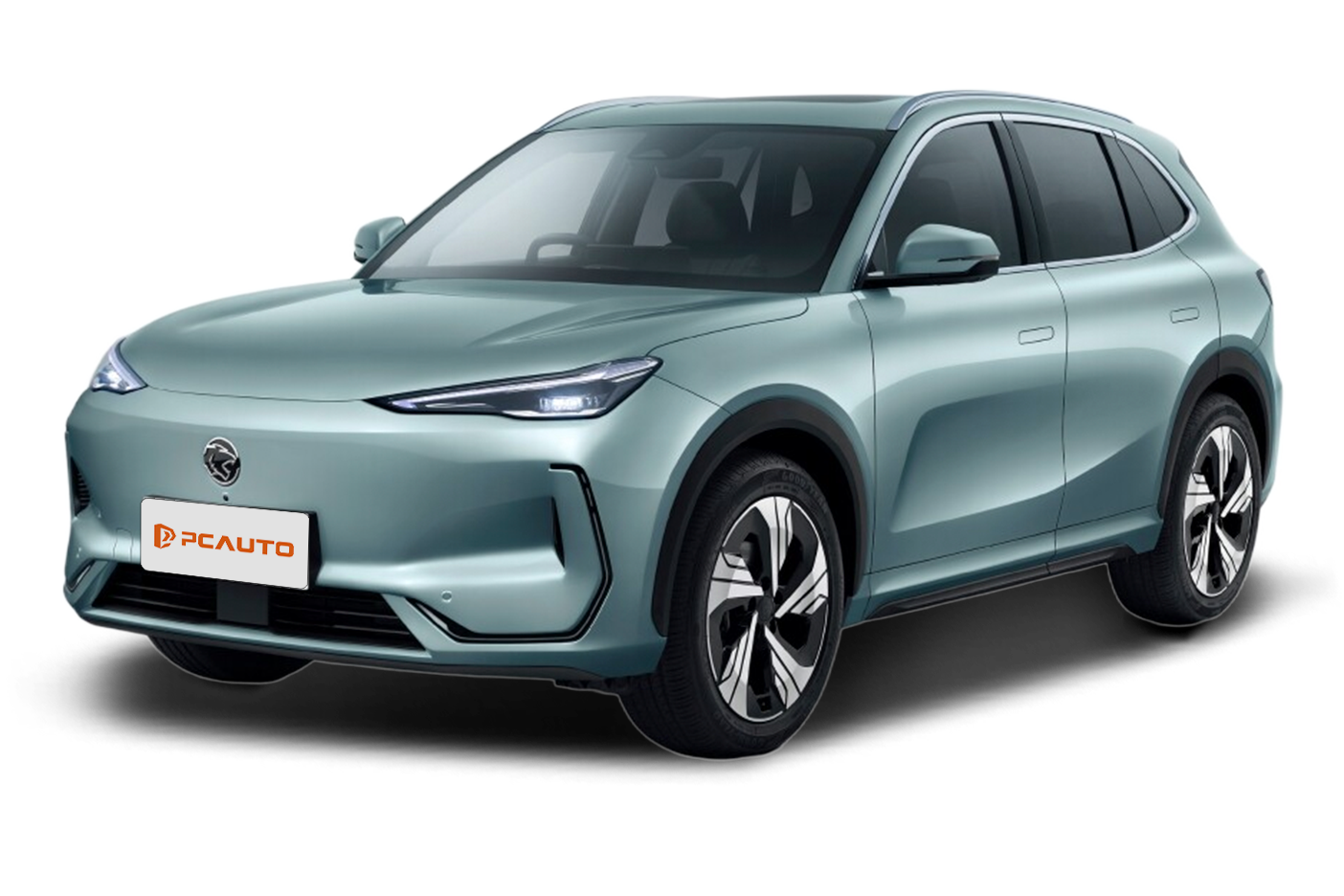
2024 Proton e.Mas 7 Prime is a D-segment family electric vehicle featuring high cost-performance, providing 410km range, L2 level assisted driving, and spacious interior to meet family practicality needs.
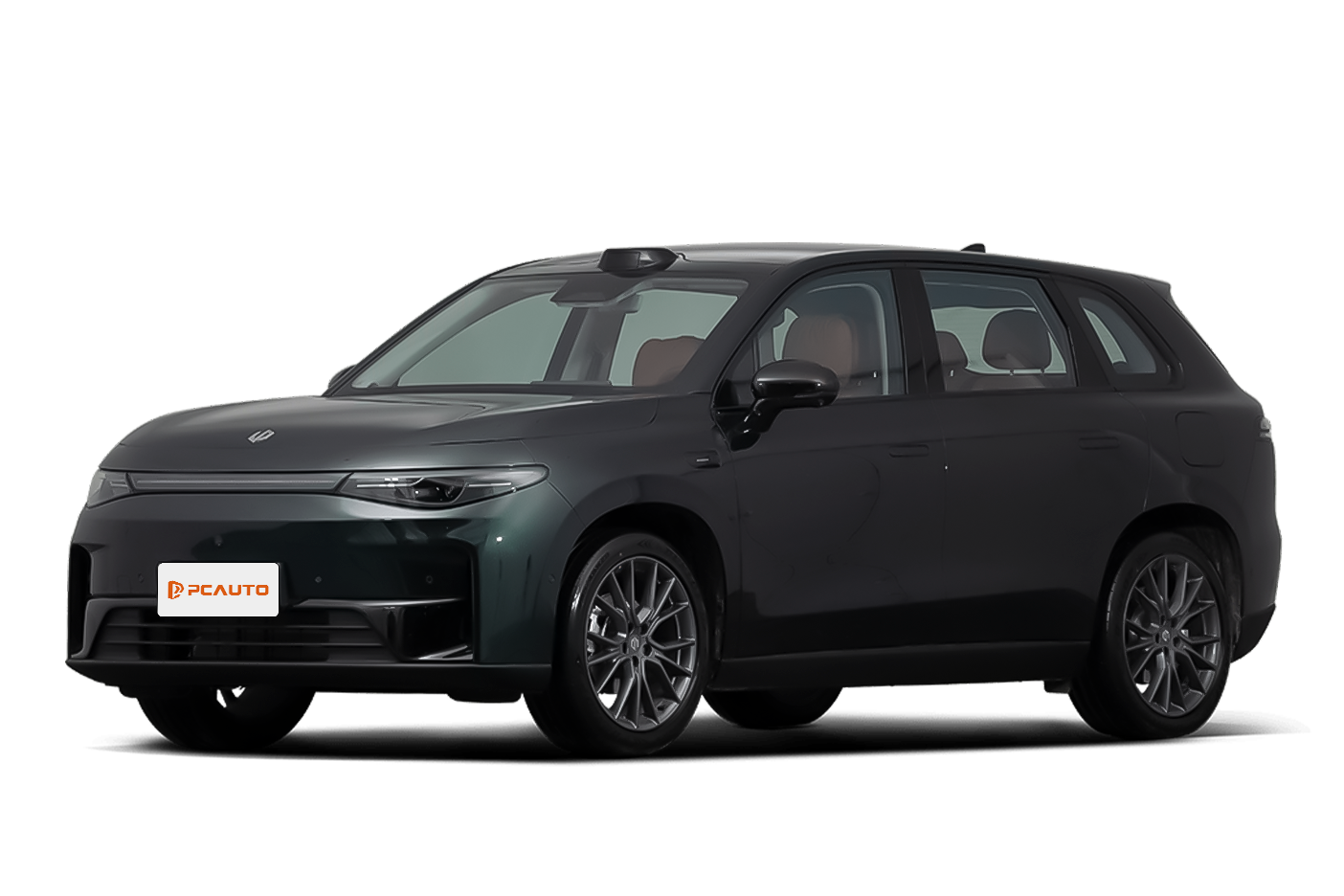
2025 Leapmotor C10 EV is a high-cost-performance D-class pure electric SUV, offering reduced prices and extended range, with practical space and generous configurations to meet the daily travel needs of family users.
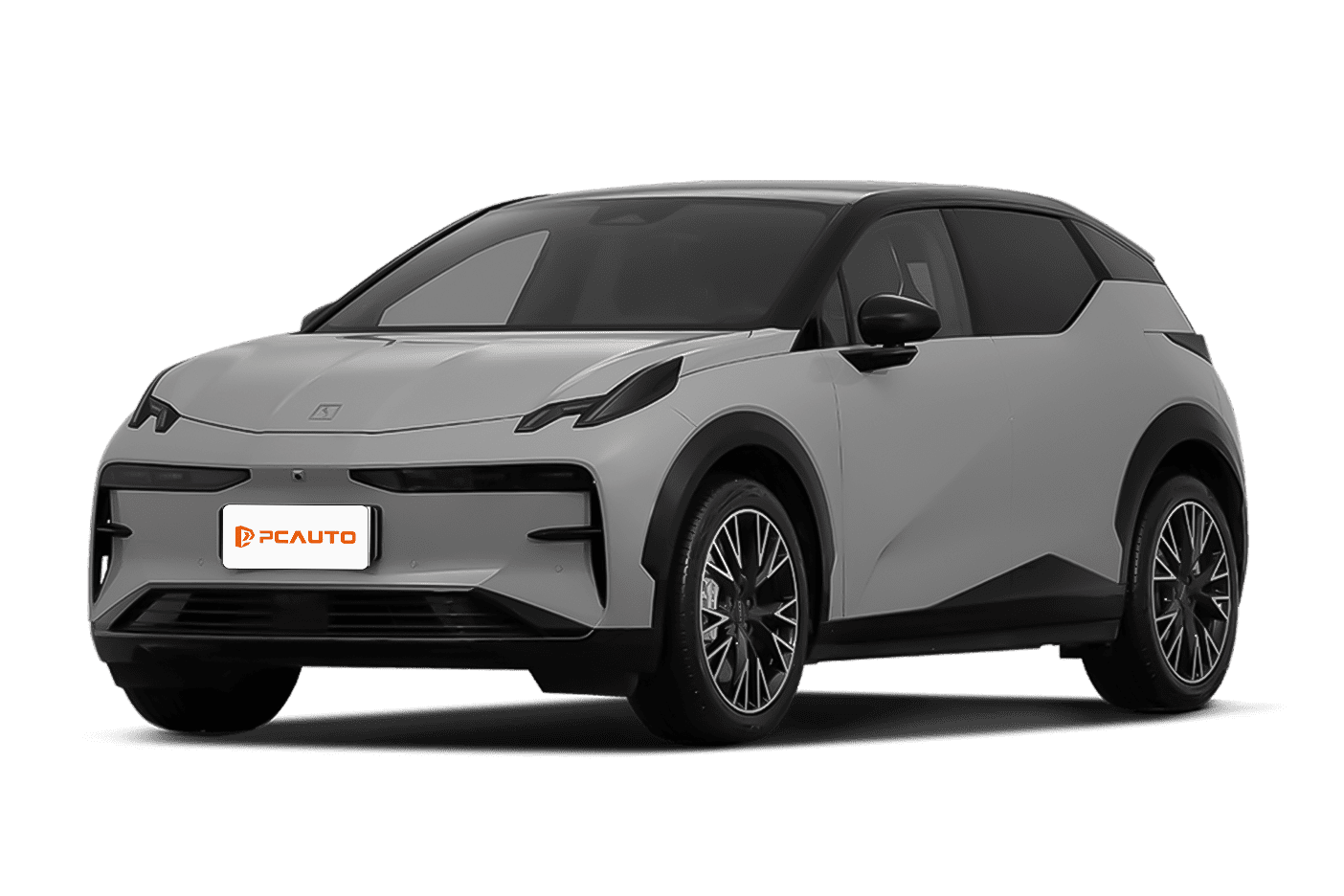
2024 ZEEKR X Premium RWD is a compact pure electric SUV that focuses on high cost performance, featuring 272PS rear-wheel drive power, L2-level assistance, and Yamaha audio, balancing driving control and household practicality.
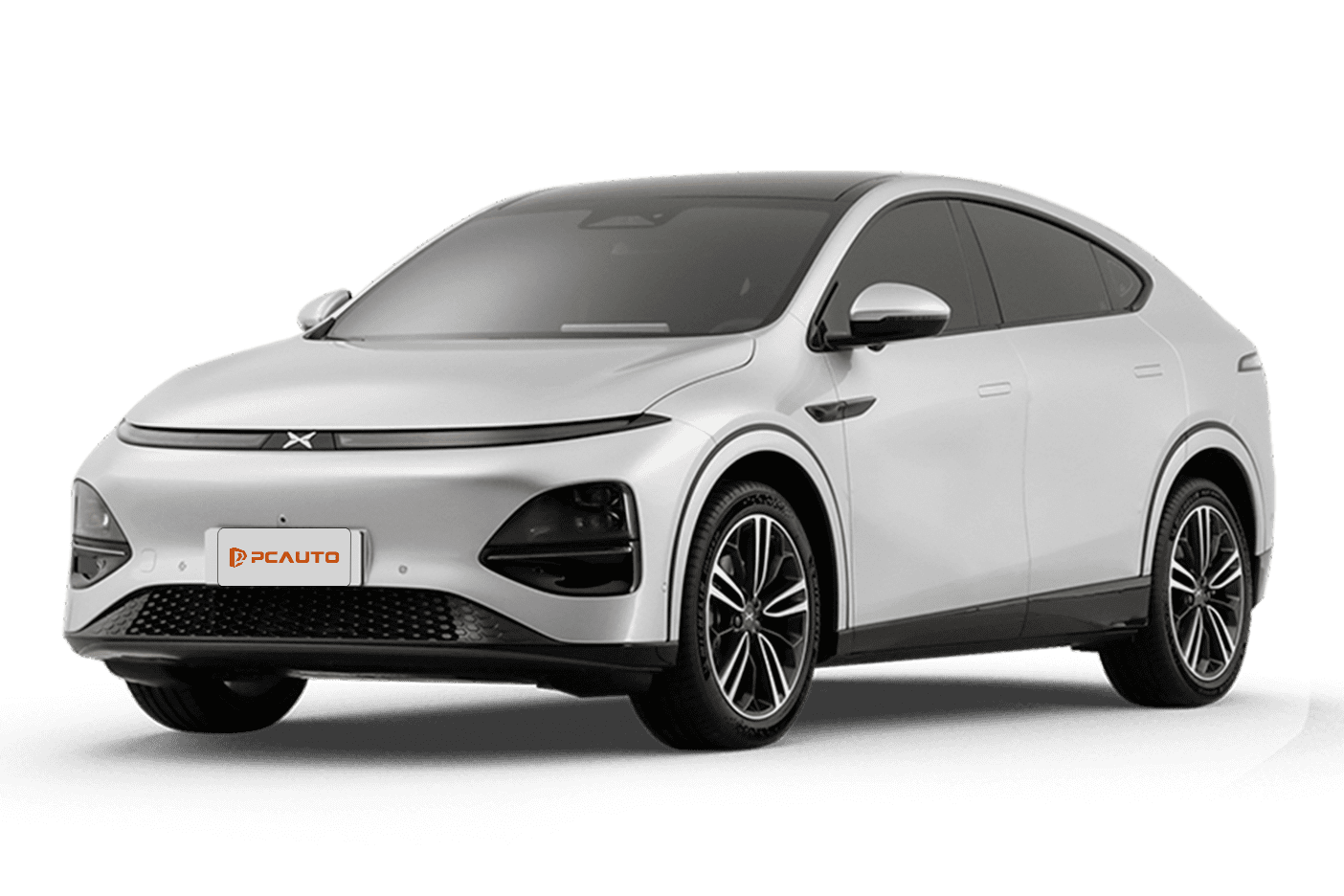
2025 Xpeng G6 Standard Range is a high-value D-class pure electric SUV with solid range (525km), upgraded configuration (18-speaker sound system + ventilated and heated seats), and practical space to meet the needs of family users.