
Q
How big is the Mercedes GLA 2020?
 WildwoodNov 25, 2025, 02:52 PM
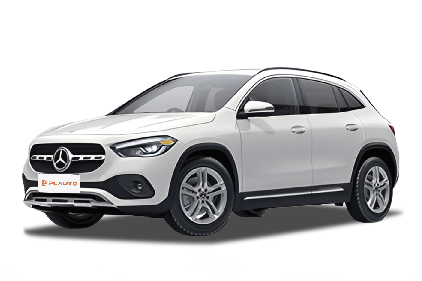
The 2020 Mercedes-Benz GLA is a compact luxury SUV with dimensions of 4410mm in length, 1834mm in width, and 1611mm in height, along with a wheelbase of 2729mm. This size makes it nimble and easy to drive in the city while still offering decent interior space. Inside, it features a five-seat layout. The trunk volume is approximately 435 liters in the standard configuration, and can expand to around 1430 liters when the rear seats are folded down, making it suitable for daily use or short trips. In terms of power, the 2020 GLA offers multiple options, including 1.3-liter and 2.0-liter turbocharged engines, paired with 7-speed or 8-speed dual-clutch transmissions, balancing performance and fuel efficiency. The vehicle also comes equipped with Mercedes' latest MBUX infotainment system, supporting voice control and touchscreen operation, giving it a strong tech feel. For safety features, systems like Active Brake Assist and Lane Keeping Assist are standard, enhancing driving safety. As Mercedes' entry-level SUV, the GLA strikes a good balance between luxury and practicality, ideal for consumers who value brand prestige while also prioritizing functionality.
Special Disclaimer: This content is published by users and does not represent the views or position of PCauto.
Related Q&A
Q
What are the alternatives to the 2024 GLA?
If you're considering alternatives to the 2024 GLA, there are several strong contenders in the luxury compact SUV segment. The BMW X1 stands out with its sporty handling and surprisingly roomy rear seats, while the Audi Q3 delivers a tech-packed interior and well-rounded performance. The Volvo XC40, on the other hand, wins fans with its Scandinavian minimalism and top-tier safety features.
For those leaning toward Japanese brands, the Lexus UX hybrid offers impressive fuel efficiency and rock-solid reliability, plus a cabin that’s trimmed to near-perfection. If budget is a bigger concern, the Volkswagen T-Roc or Mazda CX-30 might hit the sweet spot—they deliver premium-like refinement without the luxury price tag.
Under the hood, these models each bring something different: the X1’s 2.0T packs a punch, the Q3’s Virtual Cockpit feels straight out of the future, and the XC40’s City Safety system is a lifesaver in urban traffic. Recent updates across the segment have stretched wheelbases, meaning rear legroom is way better than older models, and advanced driver aids are now pretty much standard.
My advice? Pick your priority—brand appeal, power, or tech—then get behind the wheel. Nothing beats a test drive for judging how a car really feels on the road or whether the seats keep you comfy on longer trips.
 LavaFlowNov 26, 2025
Q
How much is a 2024 GLA?
The 2024 Mercedes-Benz GLA's pricing varies depending on the model and specifications. The entry-level GLA 200 starts at around RM 250,000, while the higher-performance AMG GLA 35 could exceed RM 350,000—final figures depend on optional extras and dealer incentives.
Staying true to Mercedes' luxury design ethos, the GLA comes standard with the latest MBUX infotainment system, active safety tech, and adaptive suspension. Under the hood, the GLA 200 packs a 1.3L turbocharged engine, while the AMG variant boasts a more potent 2.0L turbo for serious performance.
If you're eyeing a premium compact SUV, it's worth cross-shopping rivals like the BMW X1 or Audi Q3. The X1 leans into driving dynamics, while the Q3 shines with its tech offerings. Best to hit the showroom, take a test drive, and decide based on your needs and budget.
 SapphireStrikeNov 26, 2025
Q
How much is GLA Benz 2024?
The locally assembled 2024 Mercedes-Benz GLA is priced between approximately RM280,000 to RM350,000 depending on variants and specifications, with possible fluctuations due to optional packages or promotional campaigns. This compact luxury SUV comes in two powertrain options – the GLA 200 with a 1.3L turbocharged engine and the GLA 250 featuring a more potent 2.0L turbo, both equipped as standard with the MBUX infotainment system and active safety assists.
Built on the same MFA2 platform as the latest A-Class, the GLA strikes a balance between sporty handling and improved rear-seat space. It goes head-to-head with rivals like the BMW X1 and Audi Q3 but stands out with its coupe-like styling and extensive interior personalization – a major draw for younger buyers.
Pro tip: Check the official website for real-time pricing updates before visiting dealers, and don’t skip test-driving its tech highlights like Active Steering Assist and automated parking. The systems work better when experienced firsthand.
 SlashHunterNov 26, 2025
Q
How much does the GLA 2024 cost?
The 2024 Mercedes-Benz GLA's pricing varies depending on the model and specifications. The entry-level GLA 200 starts at around RM 250,000, while the higher-spec GLA 250 4MATIC could go beyond RM 300,000—though exact figures depend on the latest dealer quotes and promotions.
Under the hood, you’ll find either a 1.3L or 2.0L turbocharged engine paired with a 7-speed dual-clutch transmission, delivering smooth power and decent fuel efficiency. Inside, the GLA features Merc’s latest design language, complete with dual 10.25-inch displays and the MBUX infotainment system, giving it a seriously tech-forward vibe.
As a premium compact SUV, the GLA doesn’t skimp on safety either, packing features like active brake assist, lane-keeping, and adaptive cruise control. It’s a solid pick if you’re after brand prestige without sacrificing practicality. That said, if budget is a concern, rivals like the BMW X1 or Audi Q3 offer their own strengths—worth test-driving all three before deciding.
 EclipseShadowNov 26, 2025
Q
What is the price of Mercedes GLA class 2024?
The 2024 Mercedes-Benz GLA is priced between approximately RM250,000 to RM300,000 in the local market, depending on the variant and optional packages. For instance, the GLA 200 and GLA 250 4MATIC sit at different price points, while the high-performance AMG GLA 35 may exceed RM350,000.
Retaining the brand’s signature styling, the GLA comes standard with LED headlights and a dual 10.25-inch MBUX infotainment setup. Optional extras include a panoramic sunroof and advanced driver-assistance systems. Under the hood, buyers can choose between a 1.3L turbocharged engine or a more potent 2.0L turbo, paired with either a 7-speed or 8-speed dual-clutch transmission.
Key rivals like the BMW X1 and Audi Q3 compete in the same segment, though the GLA holds its ground with a more upscale interior and stronger brand appeal. Worth noting: maintenance costs for the entry-level GLA 200 are relatively affordable, with recommended service intervals at 10,000 km or 12 months—though AMG models will naturally command higher upkeep expenses.
On the used-car front, a 2020 GLA retains around 60% of its value. But the latest generation makes a stronger case for families, thanks to tech upgrades and a 30mm boost in rear legroom.
 YonNov 26, 2025
Q
How big is the GLA 2024?
The 2024 Mercedes-Benz GLA measures 4,436mm in length, 1,849mm in width, and 1,616mm in height, with a wheelbase of 2,729mm. While its dimensions see slight tweaks over the previous generation, it retains the agility and sporty character of a compact SUV. Clever interior packaging delivers improved comfort, with generous rear legroom and headroom that make it practical for family daily use.
Staying true to Mercedes’ luxury DNA, the GLA features sleek yet muscular exterior styling. Inside, premium materials meet cutting-edge tech, including the signature widescreen cockpit and latest MBUX infotainment system. Power comes from either a 1.3T or 2.0T engine, both paired with a 7-speed dual-clutch transmission for a balance of efficiency and driving engagement.
As an entry-level luxury SUV, the GLA doesn’t skimp on safety—standard kit includes autonomous emergency braking, lane-keeping assist, and other driver aids. One standout feature is its adaptable cargo space: the rear seats fold flat to accommodate bulkier items, proving this compact model punches above its weight in versatility.
 ZonNov 26, 2025
Q
Does the GLA 2024 have good resale value?
The 2024 Mercedes-Benz GLA typically holds its value well in the used car market as a premium compact SUV, thanks largely to the brand's strong reputation, positive model perception, and steady consumer demand. Mercedes-Benz has long been a trusted name in the luxury segment, and the GLA lineup—with its stylish design, tech-rich features, and practical space—continues to appeal to young families and urban buyers, all of which help sustain its resale value.
Historical data shows that previous-generation models retained higher residual values after 3-5 years compared to non-luxury rivals. The 2024 version further strengthens its appeal with upgrades like the latest MBUX infotainment system and enhanced driver-assistance tech, suggesting stable future depreciation trends.
That said, resale value still depends on factors like condition, service history, mileage, and local market supply. To maximize value, stick to official maintenance schedules, keep full records, and monitor regional used-car pricing. For precise estimates, check annual depreciation reports from trusted sources or consult certified pre-owned dealers.
 NaturezaNov 26, 2025
Q
Is the GLA 2024 fun to drive?
The 2024 GLA is truly a fun-to-drive compact SUV. Its tuned turbocharged engine delivers sharp throttle response and strong low-end torque, paired with a dual-clutch transmission that shifts quickly and smoothly – perfect for city commutes and mountain road adventures.
What really stands out is the precise steering and agile handling. The sport-tuned suspension keeps body roll in check during corners, giving drivers plenty of confidence behind the wheel. The standard sport seats offer great support too, staying comfortable even on longer drives.
You'll appreciate the multiple drive modes (from Eco to Sport) that adapt to different roads and driving styles. If you're after a compact, nimble SUV with sporty character, the GLA hits the sweet spot. It's easy to see why these models are so popular here – they nail that practical-yet-fun balance, and let's be honest, that three-pointed star badge and Mercedes' service network do give owners extra peace of mind.
 LivelyzNov 26, 2025
Q
How much is the Mercedes GLA-Class 2024?
The locally assembled 2024 Mercedes-Benz GLA-Class carries an estimated price tag between RM250k to RM350k depending on variants and specifications, with possible fluctuations due to optional packages or ongoing promotions. This premium compact SUV stays true to Merc's sophisticated design DNA – the entry-level GLA 200 packs a 1.3L turbocharged mill (163hp), while the hotter AMG variant boasts a 2.0L turbo (306hp), both mated to a standard 7-speed dual-clutch gearbox.
Notably, the 2024 refresh brings upgraded MBUX infotainment with available 10.25-inch touchscreen and new driver-assist tech like active lane-keeping. It squares off against rivals like the BMW X1 and Audi Q3, though the GLA stands out with its coupe-like roofline and upscale cabin materials.
Pro tip: Check with authorized dealers for possible low-interest financing or complimentary service packages. While you're there, don't miss experiencing the signature 64-color ambient lighting and optional Burmester sound system – best appreciated during a test drive. Always verify final pricing at your nearest showroom as configurations affect bottom line.
 NomadicLifeNov 26, 2025
Q
How big is the gas tank on a 2020 GLA?
The 2020 Mercedes-Benz GLA has a fuel tank capacity of 43 liters, which is above average for a compact SUV and should handle your daily commutes and short trips just fine. If you're often hitting the highway for long drives, that 43-liter tank will typically get you around 500-600 kilometers on a full tank during steady cruising, though your actual mileage will depend on your driving style and road conditions. It's worth noting that the GLA uses efficient fuel injection tech and a lightweight body design, both of which help boost fuel economy. Around town, we've seen pretty consistent fuel consumption numbers—roughly 8-9 liters per 100 kilometers in the city, and that drops to 6-7 liters per 100 kilometers on the highway. If you want to stretch that range even further, keeping up with regular maintenance to keep the engine running at its best helps—stuff like changing the air filter and spark plugs on schedule. Those little details can really make a difference in fuel efficiency. Also, Mercedes tends to prioritize safety with their fuel tank designs, using multiple leak-prevention technologies to ensure it's safe in all sorts of situations. If you need a bigger tank, you can check out other models in the same class, but overall, the GLA offers a pretty well-balanced package.
 GracefulNov 25, 2025
Popular Cars
Model Year
Car Compare
Car Photo
Related Models
 Cars
CarsLatest Q&A
Q
Is AMT similar to automatic?
There are significant differences between AMT transmissions and automatic transmissions (AT) in terms of core structure and driving experience. AMT is essentially an electronically automated version of a manual transmission, simulating manual clutch operation and gear shifting through a computerized control system while retaining the gear set structure of manual transmissions. As a result, it offers higher transmission efficiency, with fuel consumption approximately 8%-12% lower than AT, making it particularly suitable for highway or long-distance driving. However, it may exhibit jerking similar to manual transmissions during low-speed gear shifts, especially noticeable in congested traffic conditions.
AT transmissions rely on torque converters for power transfer, delivering smooth and seamless gear shifts that appeal to comfort-oriented users. However, their complex structure (incorporating planetary gear sets, hydraulic systems, etc.) results in higher maintenance costs. A single service may cost between 800 to 1,500 ringgit, whereas AMT only requires gear oil replacement at approximately 400 ringgit.
From a market perspective, AMT is predominantly used in budget vehicles or commercial models priced below 80,000 ringgit, while AT is typically featured in mid-to-high-end vehicles. Consumers should select based on actual needs: AMT suits those prioritizing fuel efficiency and low maintenance costs, while AT better serves those valuing comfort. Notably, recent advancements in AMT electronic control technology have significantly mitigated jerking issues, though test drives should still emphasize low-speed performance evaluation.
 AriaMar 26, 2026
Q
Which is better, DCT or AT?
DCT (Dual-Clutch Transmission) and AT (Automatic Transmission) each have their own advantages and disadvantages, and the choice should be based on personal driving needs. AT transmissions transfer power through a torque converter, offering excellent shift smoothness, making them suitable for urban commuting or novice drivers. However, they tend to have higher fuel consumption, and vehicles equipped with them are usually more expensive. DCT transmissions utilize a dual-clutch structure, featuring fast shift speeds and high power transmission efficiency, which provides a more direct driving experience—particularly suitable for users seeking a sporty feel. However, they may exhibit jerking at low speeds and have relatively high maintenance costs. If durability and comfort are priorities, AT is the more reliable choice; if power responsiveness and driving pleasure are preferred, wet DCT (such as Volkswagen DSG) performs better, though dry DCT models should be avoided in prolonged stop-and-go traffic conditions. Additionally, CVT transmissions excel in smoothness and fuel efficiency, making them ideal for daily commuting, but they lack driving excitement. It is recommended to test-drive before purchasing, as tuning varies significantly across brands, and real-world experience is more important than theoretical specifications.
 FlutteringMar 26, 2026
Q
Is Amt good or bad?
AMT gearboxes have a significant cost advantage in the local market, typically being around 5,000 Ringgit cheaper than models equipped with conventional automatic transmissions. Their fuel efficiency is comparable to manual transmissions, resulting in long-term fuel savings. Featuring a straightforward design, they achieve transmission efficiency exceeding 90% with relatively low maintenance costs, making them ideal for practicality-oriented consumers. However, their shifting logic contains inherent limitations: gear changes between 1st and 2nd cause 0.3-0.5 second power interruptions, while unintended upshifts on inclines may reduce engine speed by 15%-20%, compromising driving smoothness. For urban commuters or budget-conscious buyers, AMT offers excellent value, though those prioritizing premium driving dynamics should consider alternative transmission types. Some domestic models like the Perodua Axia employ enhanced AMT systems, where optimized shift programming has reduced gearshift shock by approximately 30%.
 RainbowsMar 26, 2026
Q
Which gives better mileage, CVT or AMT?
From the perspective of fuel economy, CVT transmissions generally perform better under urban driving conditions. Their continuously variable design allows the engine to consistently operate within the optimal speed range, significantly reducing fuel consumption during frequent starts and stops. Test data shows that their fuel consumption in urban driving conditions is 10% to 15% lower than that of comparable models. AMT transmissions, on the other hand, inherit the high transmission efficiency of manual transmissions, delivering fuel efficiency close to manual transmissions during high-speed cruising. This makes them particularly suitable for long-distance driving in large-displacement vehicles. However, due to power interruption during gear shifts, their overall fuel consumption may be 5% to 8% higher than CVTs.
The difference in fuel-saving characteristics between the two transmissions stems from their technical principles: CVTs achieve continuous variability through steel belts and pulleys, eliminating the fixed gear ratio limitations of traditional transmissions; AMTs simulate manual gear changes via electronic control systems while maintaining the mechanical efficiency of gear transmission. Notably, actual fuel consumption is also influenced by driving habits. Smooth acceleration and anticipatory deceleration can maximize the transmissions' fuel-saving potential. If the vehicle budget permits and urban commuting is the primary use, CVTs offer a more economical choice. For frequent highway driving with an emphasis on cost-effectiveness, AMTs are equally worth considering.
 RubyBlazeMar 26, 2026
Q
Which is cheaper, AMT or CVT?
In terms of gearbox cost, AMT is usually more economical than CVT. Essentially, AMT is a manual transmission equipped with an electronic control unit, featuring a simple structure and low maintenance costs. The unit price ranges from approximately 5,000 to 8,000 ringgit, making it suitable for budget-conscious consumers or those who prioritize long-term operating costs. CVT incurs higher manufacturing costs due to its precision steel belt transmission system and continuous variable transmission technology, with a unit price of about 7,000 to 10,000 ringgit. However, it delivers a smoother driving experience and superior fuel efficiency. The primary differences between the two lie in technical complexity: AMT retains the gear-shifting mechanism, resulting in noticeable shift shock; CVT achieves linear power output through stepless speed variation but requires periodic belt inspection and incurs higher maintenance expenses. For those prioritizing initial cost and basic transportation needs, AMT offers better value; if comfort and long-term fuel economy are priorities, CVT represents a more worthwhile investment. Note that actual prices may vary based on vehicle model, brand, and local supply chain factors.
 ShadowProwlMar 26, 2026
Related News
Mercedes-Benz GLA: Exquisite Interior Design for a Premium Driving Experience
Kevin WongMay 14, 2025
The 2024 Mercedes-Benz GLA 250 is launched in Malaysia with a price tag of RM 295,888
LienJun 19, 2024

What is the difference between the Mercedes-Benz E300 and E350?
MichaelMar 24, 2026

Mercedes-Benz halts the launch of L3-level autonomous driving, reverting to L2+ level
LienJan 16, 2026

Nvidia Announces Mercedes-Benz CLA as the First Vehicle with DRIVE AV Autonomous Driving Technology
MichaelJan 12, 2026
View More
Pros
Cons