
Mercedes-Benz halts the launch of L3-level autonomous driving, reverting to L2+ level
 LienJan 16, 2026, 10:35 AM
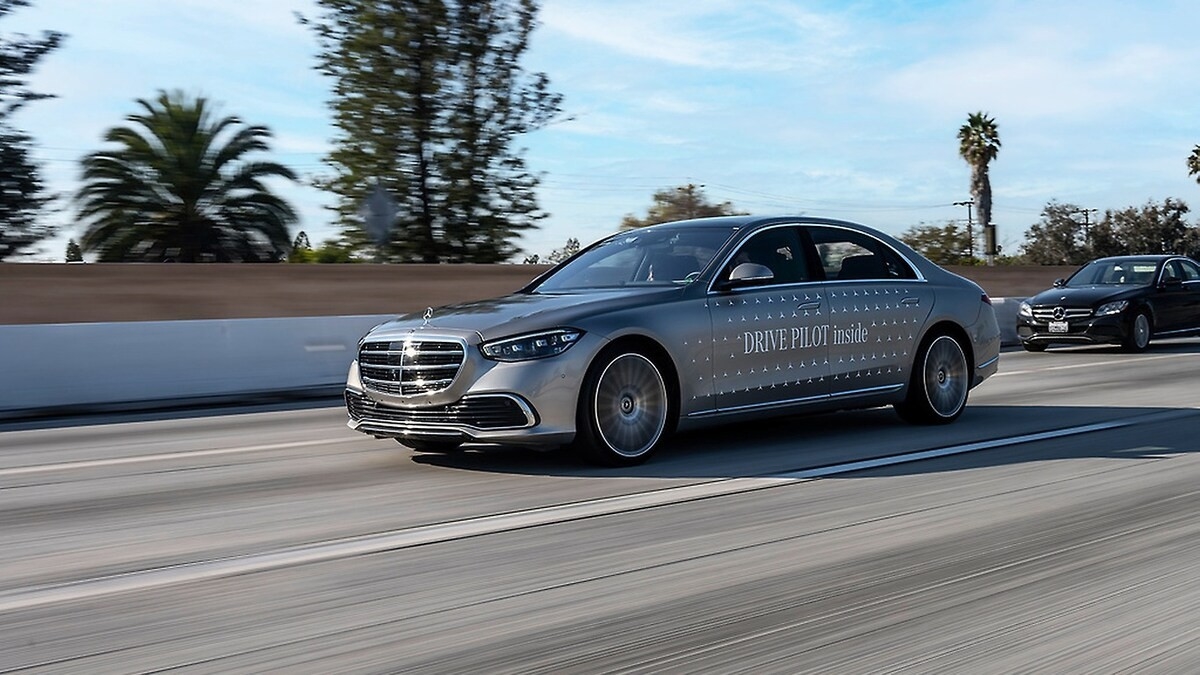
【PCauto】On the long road to autonomous driving, Mercedes-Benz made history in 2021 by becoming the world's first car manufacturer to obtain L3 autonomous driving certification in Germany. Consequently, its Drive Pilot system was hailed as the benchmark for "mass-produced autonomous driving."
Today, however, the practical reality of this once highly anticipated L3 system is facing reassessment.
According to Germany's Handelsblatt, Mercedes-Benz has decided to pause further promotion of Drive Pilot. Notably, the soon-to-be-released, revamped S-Class will omit the L3 autonomous driving option.
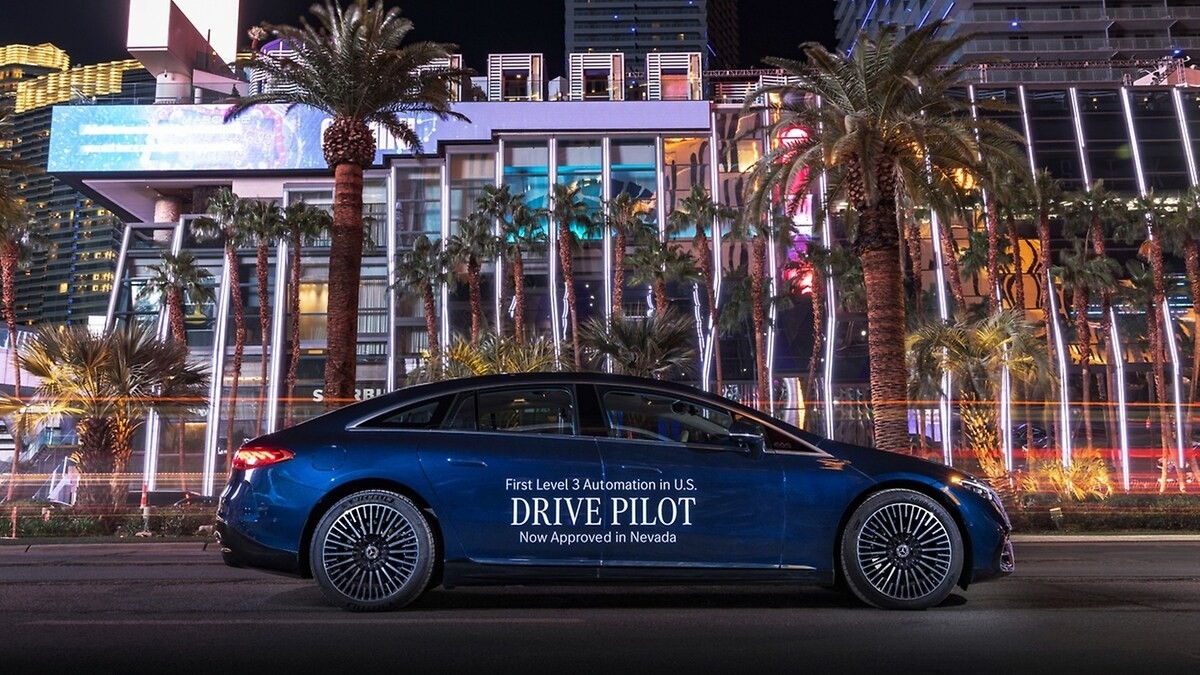
There is no doubt about Drive Pilot's technical capabilities. Under specific conditions, it permits drivers to divert their attention completely from the driving task—freeing them to watch videos or handle other matters. From an engineering standpoint, this entails exceptionally high demands on perception, redundancy, and overall system safety.
However, these requirements also render L3 overly idealistic in real-world scenarios. Prerequisites include good weather, clear road markings, daytime operation, high-definition map coverage, specific highway sections, and the need for a leading vehicle. Cumulatively, these stringent conditions render the truly viable application scenarios exceedingly limited.
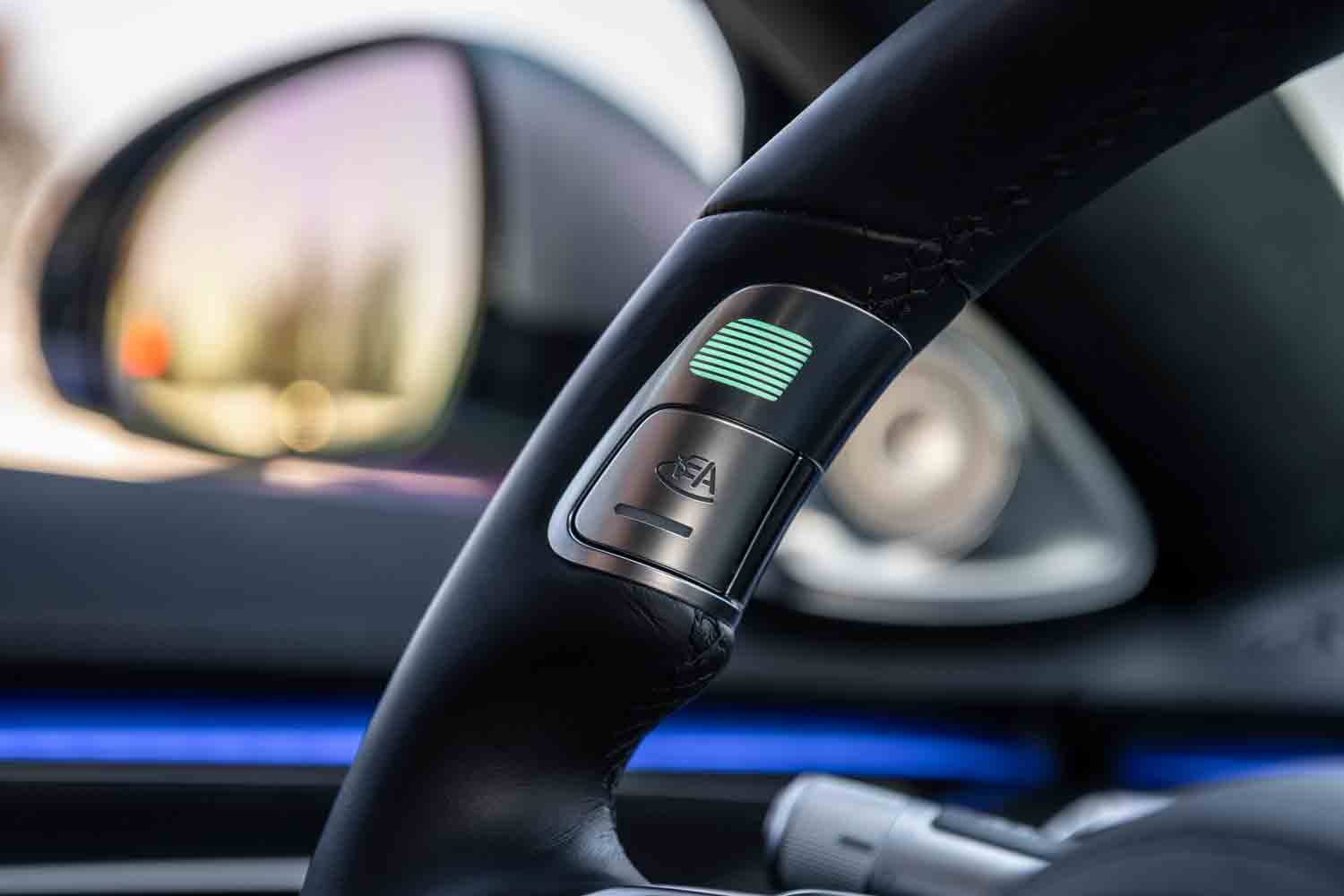
A more immediate concern is cost. The optional price for Drive Pilot ranges from €6,000 to €9,000, translating to approximately RM 29,000 to RM 43,000.
For S-Class clientele, who typically prioritise comfort, brand prestige, and mechanical refinement, a system with such constrained utility is unlikely to be deemed essential.
As Magnus Östberg, Mercedes-Benz's Chief Software Officer, acknowledged, market demand has not yet reached a level that justifies the significant certification and development costs involved.
Consequently, instead of intensively refining L3 for its narrow use cases, Mercedes-Benz is channelling resources into its L2+ system, marketed as Drive Pilot Assist (also known as MB.Drive Assist Pro).
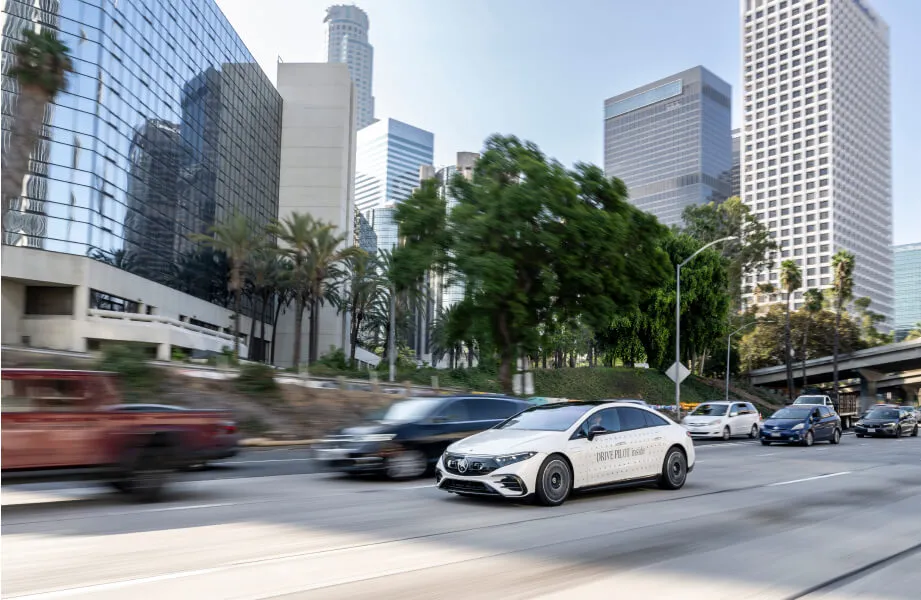
Debuting at CES 2026, the system is designed to provide comprehensive urban driving assistance. This includes managing acceleration, braking, and steering, as well as navigating intersections and recognising traffic lights—all under the requirement of the driver's continuous supervision.
This approach lowers technical hurdles and enables a more cost-effective sensor suite compared to L3, while dramatically expanding the range of practical driving scenarios it can address.
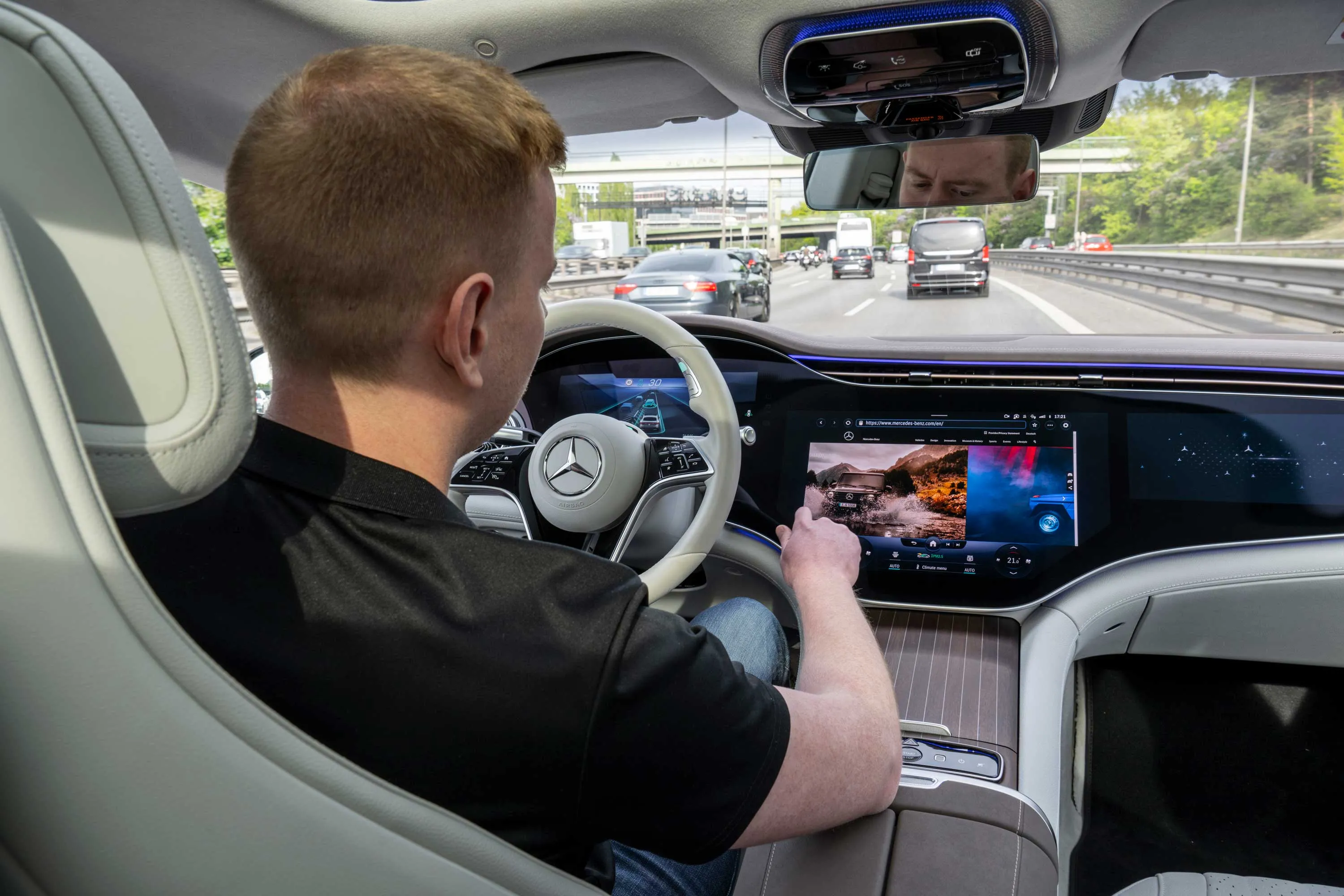
It is worth noting that Mercedes-Benz has not abandoned L3. Group CEO Ola Källenius stated that L2+ and L3 are not opposing paths in terms of technology but are mutually dependent.
In the next two to three years, different levels of automation are expected to integrate within the same vehicle: L2+ will dominate urban roads, while higher automation levels will be engaged on highways or in specific scenarios. This progressive development approach is more practical than advancing L3 in isolation.
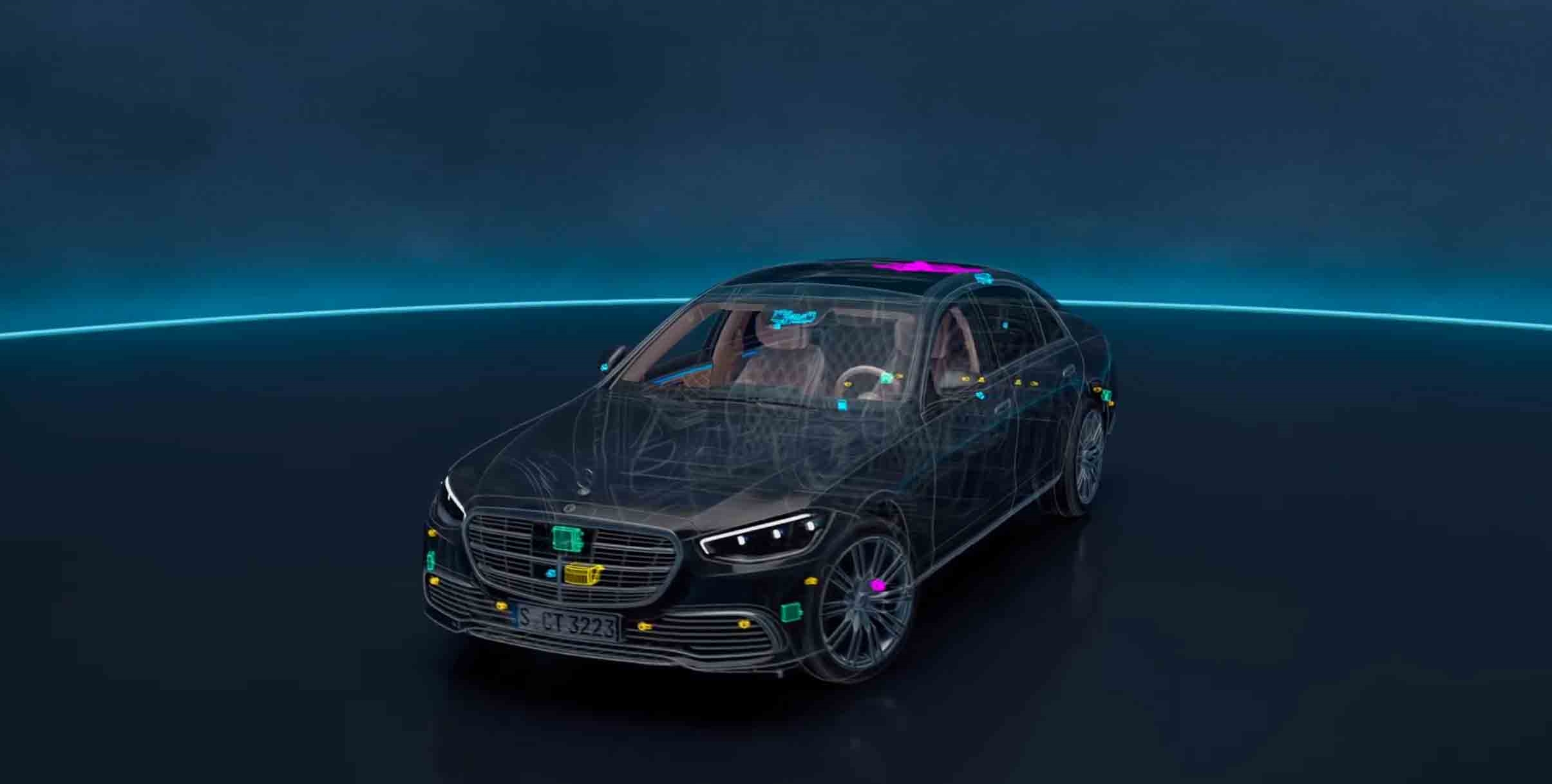
McKinsey & Company research forecasts that by 2035, L2-level vehicles will still constitute roughly half of the global market, while L3 is projected to capture only about 15%. Autonomous driving companies, including Waymo and Cruise, generally choose to skip L3 and target directly at L4, which does not require human intervention.
The core dilemma of L3 lies in this shared yet ambiguous responsibility: the system is designed to operate independently under specific conditions, yet the human driver must remain constantly vigilant to intervene immediately. This division of responsibility can create a readiness gap, where neither the system nor the driver is optimally prepared, thereby inadvertently increasing risk.
If any infringement occurs, please contact us for deletion







Popular Cars
Model Year
Car Compare
Car Photo