
Q
how many seater is toyota corolla cross
 VicSep 28, 2025, 11:43 AM
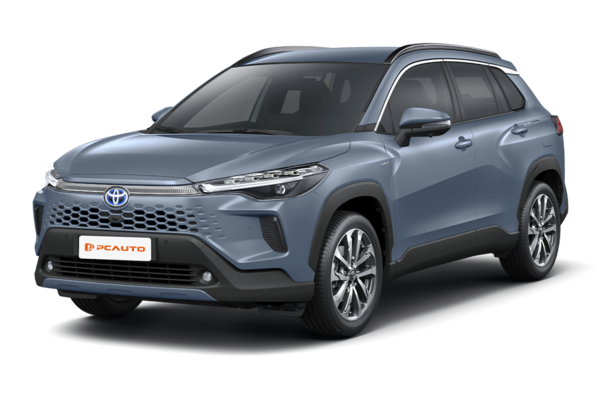
The Toyota Corolla Cross is making waves in Malaysia with its 5-seater configuration, and this compact SUV has really struck a chord with local buyers thanks to its roomy interior and practical vibe. The rear seats are nicely designed, keeping passengers comfortable even on longer drives, and with a 487-liter boot, it’s more than ready to handle the daily grind of family outings. What’s cool is that here in Malaysia, you’ve got two engine options: a 1.8L petrol and a 1.8L hybrid. The hybrid’s the real crowd-pleaser though – Malaysians love their fuel efficiency, and that smart tank design means fewer stops at the pump. Toyota’s also kitted it out with their Safety Sense suite, which includes pre-collision warning and lane-keeping assist – total must-haves for navigating Malaysia’s tricky mix of city chaos and suburban roads. If you’re a Malaysian family hunting for a compact SUV, the Corolla Cross ticks all the boxes: space that works, that solid Toyota reliability we all trust, and an AC system that laughs at our hot weather. Oh, and let’s not forget – it holds its value pretty well in the used car market here too.
Special Disclaimer: This content is published by users and does not represent the views or position of PCauto.
Related Q&A
Q
What is the wheelbase of the Toyota Corolla cross?
The Toyota Corolla Cross has a wheelbase of 2,640mm, which is slightly above average for its class of SUVs. This gives it a relatively spacious rear legroom while still keeping things nimble enough for city driving. Since wheelbase is one of the key factors in determining cabin space, it directly impacts passenger comfort and boot capacity—making the Corolla Cross a practical choice for daily family use or longer trips.
That said, vehicles with longer wheelbases tend to feel more stable at higher speeds but can have a slightly wider turning radius. Toyota’s engineers have tuned the chassis to strike a balance between these two traits. Built on the TNGA platform, the Corolla Cross also benefits from improved body rigidity and smarter space utilization, so that 2,640mm wheelbase works harder than the number might suggest.
Just keep in mind that wheelbase alone doesn’t tell the whole story—ground clearance, overall width, and even how efficiently a brand uses its wheelbase can affect real-world space. If you’re comparing options, a test drive is still the best way to judge.
 CuteyDec 18, 2025
Q
Is the 2023 Corolla Cross a good car?
The 2023 Corolla Cross is a well-rounded compact SUV that ticks all the right boxes for daily family use, backed by Toyota's reputation for reliability and practical design. It offers either a 1.8L naturally aspirated engine or a hybrid powertrain—both deliver solid fuel efficiency, with the hybrid notably cutting city driving costs while keeping maintenance affordable.
Inside, you’ll find flexible cabin space and a trunk that handles family trips with ease. Standard Toyota Safety Sense packs features like pre-collision alerts and lane-keeping assist, adding peace of mind on the road. The interior keeps things functional, with a 9-inch touchscreen supporting Apple CarPlay/Android Auto—right in line with what most buyers expect.
That said, don’t expect thrilling acceleration; the power delivery leans smooth rather than punchy, making it better suited for relaxed commutes. On the resale front, Toyotas generally hold their value well, but it’s worth cross-shopping rivals in this price range. Take it for a test drive to see if the suspension tuning and cabin noise levels match your preferences, and always double-check the dealer’s warranty fine print before signing.
 HappyZebraNov 27, 2025
Q
What is the safety rating of the Toyota Corolla 2021?
The 2021 Toyota Corolla excels in safety performance and has earned recognition from several international authoritative bodies. For instance, it achieved a five-star rating in Euro NCAP testing and was named a "Top Safety Pick" in IIHS crash tests in the United States. This model comes standard with the Toyota Safety Sense 2.0 active safety system, which includes features like a pre-collision system, lane departure alert, adaptive cruise control, and automatic high beams, providing comprehensive safety protection for drivers. In addition, the Corolla's body structure uses high-strength steel, effectively enhancing its impact resistance, and it is equipped with multiple airbags to further ensure passenger safety. For consumers considering purchasing this car, its safety performance is an important plus. Similar safety configurations in competing models are gradually becoming industry standards, indicating that automakers are placing increasing importance on safety performance. Consumers can pay more attention to these details when choosing a vehicle to ensure the driving safety of themselves and their families.
 AriaNov 24, 2025
Q
Is the 2021 Corolla a good first car?
The 2021 Corolla makes a solid first car. It’s reliable, gets good gas mileage, and is super easy for new drivers to handle. Under the hood, you’ve got either a 1.8L or 2.0L naturally aspirated engine—smooth and built to last—paired with a CVT transmission that makes daily commuting a breeze while keeping fuel costs down. It also comes standard with Toyota Safety Sense, which includes pre-collision warning, lane keep assist, and adaptive cruise control—all stuff that really helps boost safety on the road. The interior is simple and functional, with decent space that works well for small families or singles. Maintenance costs are pretty reasonable too, and parts are easy to find, so owning it long-term is low-stress. If you want a bit more pep, the 2.0L version has quicker acceleration. It holds its value better than most in its class too, so you won’t take as big a hit when it’s time to trade up. Compared to other compact cars out there, it’s just really well-rounded—no major weaknesses. All in all, it’s a really safe bet for an entry-level ride.
 TedNov 24, 2025
Q
What kind of engine does the 2021 Corolla have?
The 2021 Corolla offers a range of engine options depending on the trim and configuration. The most common ones are the 1.8-liter and 2.0-liter four-cylinder naturally aspirated engines. The 1.8L puts out 139 horsepower, paired with a CVT transmission, and it's all about being economical and practical—perfect for daily commuting. Then there's the 2.0L, which cranks out 169 horsepower, delivering better performance for folks who want a more engaging driving experience. Some markets also get a 1.8L hybrid version that combines a gas engine with an electric motor for even better fuel economy.
Tech-wise, all these engines feature Dual VVT-i variable valve timing, which helps optimize fuel efficiency and power delivery. They're also known for being pretty reliable and durable, with relatively low maintenance costs. If you're thinking about buying a Corolla, pick the powertrain that fits your budget and needs. The 1.8L is great if saving gas is your top priority, the 2.0L suits drivers after more zip, and the hybrid can cut down on fuel costs even more over the long haul.
 ToughguyNov 24, 2025
Q
What is the maintenance on a 2021 Toyota Corolla?
The regular maintenance for the 2021 Toyota Corolla mainly involves changing the engine oil and oil filter every 10,000 kilometers or 6 months, whichever comes first—this is the foundation for ensuring the engine runs smoothly over the long haul. The air filter should be inspected or replaced every 20,000 kilometers, and the cabin air filter is recommended to be changed annually or every 20,000 kilometers to keep the interior air quality fresh. Brake fluid needs replacing every 40,000 kilometers or 2 years. For CVT models, the transmission fluid should be checked every 80,000 kilometers and replaced if necessary, while spark plugs typically need swapping out at 100,000 kilometers. Also, regularly checking tire pressure, brake pad thickness, and the tightness of chassis bolts is crucial—these little details boost driving safety and cut down on long-term repair costs. It’s worth noting that as a globally best-selling model, the Corolla has relatively affordable maintenance costs, with plenty of original parts available and many third-party repair shops familiar with its structure, so owners can choose between original factory service or reputable third-party options based on their budget. If you want to further extend the vehicle’s lifespan, it’s advisable to get a comprehensive inspection every 50,000 kilometers, including the suspension system and drivetrain components. This helps spot potential issues early and avoids bigger losses down the line.
 IronFistNov 24, 2025
Q
How much is insurance on a 2021 Toyota Corolla?
The insurance cost for a 2021 Toyota Corolla typically ranges from RM1,500 to RM3,500 per year. The exact amount depends on factors such as the vehicle model, engine displacement, type of insurance coverage, and the owner's personal circumstances. Comprehensive insurance premiums are higher than third-party insurance. Key factors affecting premiums include the owner's age, driving record, vehicle usage location, and selected insurance add-ons. For example, younger owners or those living in accident-prone areas may need to pay higher premiums. To get a more accurate quote, it is recommended to enter specific information on the insurance company's official website or through an agency platform for calculation, and also compare the preferential schemes of different insurance companies. In addition, it is important to understand the deductible and claim scope in the insurance terms, as these details directly affect the actual compensation amount when making a claim. Regularly reviewing the insurance policy and adjusting the insured amount according to vehicle depreciation can help owners control insurance costs more reasonably in long-term use.
 SolarFlareNov 24, 2025
Q
How much does a battery cost for a 2021 Toyota Corolla?
The battery price for a 2021 Toyota Corolla typically ranges from RM500 to RM1000, depending on the battery type and brand. Original equipment (OE) batteries are more expensive but come with a longer warranty, while third-party brands like Amaron or Bosch offer better value for money with shorter warranties. It's recommended to choose a maintenance-free battery (MF battery) that meets the vehicle's specifications. These batteries don't require regular water refills and have a longer lifespan, usually 2 to 3 years. When replacing the battery, pay attention to specifications such as capacity (Ah) and cold cranking amps (CCA) to ensure compatibility with the vehicle's electrical system. Additionally, regularly checking the cleanliness and tightness of battery terminals helps extend battery life. If the vehicle is parked for an extended period, it's advisable to start it once a week to maintain battery charge. Choosing a reputable repair shop or authorized service center for battery replacement ensures quality installation and access to professional testing services.
 LunarWolfNov 24, 2025
Q
How long does a 2021 Corolla battery last?
The battery life of a 2021 Corolla typically ranges from 3 to 5 years, depending on usage habits and maintenance. If you often take short trips or leave it parked for long periods, the battery will wear out faster. Regularly checking the electrolyte level and keeping the terminals clean helps extend its life. Climate is also a big factor—hot weather speeds up battery aging, so it’s advisable to get a professional check every two years. Besides the original factory battery, there are plenty of high-performance alternatives on the market, like maintenance-free or AGM batteries, which are better suited for vehicles with frequent start-stop systems or added car electronics. In daily use, turning off the air conditioning and lights before shutting off the engine reduces battery strain. If you notice slow starting or the battery warning light on the dashboard comes on, have it checked promptly to avoid getting stranded. Most repair shops offer free battery testing services, making it easy for owners to stay on top of its condition.
 SkaterNov 24, 2025
Q
How long should a 2021 Toyota Corolla last?
The 2021 Toyota Corolla can typically hit 200,000 to 300,000 kilometers or more with regular maintenance and normal use. Its durability mainly comes down to Toyota's tried-and-true powertrain and solid manufacturing. The 1.8L or 2.0L naturally aspirated engines and CVT transmissions in this model have been market-tested for ages—keep up with regular oil changes, transmission fluid swaps, and other routine maintenance as per the manual, and those mechanical parts will hang in there a lot longer.
Day-to-day, pay extra attention to the cooling and ignition systems. If you're in a hot climate, shorten the coolant replacement interval, and if you mostly do short trips, keep an eye on the battery. For rust protection, the factory does a basic job, but coastal owners might want to add a chassis undercoat. Worth noting: the hybrid version, with its reduced engine load, could theoretically have an even longer-lasting powertrain.
At the end of the day, how long the car lasts depends a lot on how you drive and take care of it. Aggressive driving or constant overloading will wear things out faster, but smooth driving and sticking to the maintenance schedule will maximize its lifespan. On the used car market, Corollas with complete service records usually hold their value well—another sign of their long-term reliability.
 HappyCentipedeNov 24, 2025
Popular Cars
Model Year
Car Compare
Car Photo
Related Models
 Cars
CarsLatest Q&A
Q
Is AMT similar to automatic?
There are significant differences between AMT transmissions and automatic transmissions (AT) in terms of core structure and driving experience. AMT is essentially an electronically automated version of a manual transmission, simulating manual clutch operation and gear shifting through a computerized control system while retaining the gear set structure of manual transmissions. As a result, it offers higher transmission efficiency, with fuel consumption approximately 8%-12% lower than AT, making it particularly suitable for highway or long-distance driving. However, it may exhibit jerking similar to manual transmissions during low-speed gear shifts, especially noticeable in congested traffic conditions.
AT transmissions rely on torque converters for power transfer, delivering smooth and seamless gear shifts that appeal to comfort-oriented users. However, their complex structure (incorporating planetary gear sets, hydraulic systems, etc.) results in higher maintenance costs. A single service may cost between 800 to 1,500 ringgit, whereas AMT only requires gear oil replacement at approximately 400 ringgit.
From a market perspective, AMT is predominantly used in budget vehicles or commercial models priced below 80,000 ringgit, while AT is typically featured in mid-to-high-end vehicles. Consumers should select based on actual needs: AMT suits those prioritizing fuel efficiency and low maintenance costs, while AT better serves those valuing comfort. Notably, recent advancements in AMT electronic control technology have significantly mitigated jerking issues, though test drives should still emphasize low-speed performance evaluation.
AriaMar 26, 2026Q
Which is better, DCT or AT?
DCT (Dual-Clutch Transmission) and AT (Automatic Transmission) each have their own advantages and disadvantages, and the choice should be based on personal driving needs. AT transmissions transfer power through a torque converter, offering excellent shift smoothness, making them suitable for urban commuting or novice drivers. However, they tend to have higher fuel consumption, and vehicles equipped with them are usually more expensive. DCT transmissions utilize a dual-clutch structure, featuring fast shift speeds and high power transmission efficiency, which provides a more direct driving experience—particularly suitable for users seeking a sporty feel. However, they may exhibit jerking at low speeds and have relatively high maintenance costs. If durability and comfort are priorities, AT is the more reliable choice; if power responsiveness and driving pleasure are preferred, wet DCT (such as Volkswagen DSG) performs better, though dry DCT models should be avoided in prolonged stop-and-go traffic conditions. Additionally, CVT transmissions excel in smoothness and fuel efficiency, making them ideal for daily commuting, but they lack driving excitement. It is recommended to test-drive before purchasing, as tuning varies significantly across brands, and real-world experience is more important than theoretical specifications.
 FlutteringMar 26, 2026
Q
Is Amt good or bad?
AMT gearboxes have a significant cost advantage in the local market, typically being around 5,000 Ringgit cheaper than models equipped with conventional automatic transmissions. Their fuel efficiency is comparable to manual transmissions, resulting in long-term fuel savings. Featuring a straightforward design, they achieve transmission efficiency exceeding 90% with relatively low maintenance costs, making them ideal for practicality-oriented consumers. However, their shifting logic contains inherent limitations: gear changes between 1st and 2nd cause 0.3-0.5 second power interruptions, while unintended upshifts on inclines may reduce engine speed by 15%-20%, compromising driving smoothness. For urban commuters or budget-conscious buyers, AMT offers excellent value, though those prioritizing premium driving dynamics should consider alternative transmission types. Some domestic models like the Perodua Axia employ enhanced AMT systems, where optimized shift programming has reduced gearshift shock by approximately 30%.
 RainbowsMar 26, 2026
Q
Which gives better mileage, CVT or AMT?
From the perspective of fuel economy, CVT transmissions generally perform better under urban driving conditions. Their continuously variable design allows the engine to consistently operate within the optimal speed range, significantly reducing fuel consumption during frequent starts and stops. Test data shows that their fuel consumption in urban driving conditions is 10% to 15% lower than that of comparable models. AMT transmissions, on the other hand, inherit the high transmission efficiency of manual transmissions, delivering fuel efficiency close to manual transmissions during high-speed cruising. This makes them particularly suitable for long-distance driving in large-displacement vehicles. However, due to power interruption during gear shifts, their overall fuel consumption may be 5% to 8% higher than CVTs.
The difference in fuel-saving characteristics between the two transmissions stems from their technical principles: CVTs achieve continuous variability through steel belts and pulleys, eliminating the fixed gear ratio limitations of traditional transmissions; AMTs simulate manual gear changes via electronic control systems while maintaining the mechanical efficiency of gear transmission. Notably, actual fuel consumption is also influenced by driving habits. Smooth acceleration and anticipatory deceleration can maximize the transmissions' fuel-saving potential. If the vehicle budget permits and urban commuting is the primary use, CVTs offer a more economical choice. For frequent highway driving with an emphasis on cost-effectiveness, AMTs are equally worth considering.
 RubyBlazeMar 26, 2026
Q
Which is cheaper, AMT or CVT?
In terms of gearbox cost, AMT is usually more economical than CVT. Essentially, AMT is a manual transmission equipped with an electronic control unit, featuring a simple structure and low maintenance costs. The unit price ranges from approximately 5,000 to 8,000 ringgit, making it suitable for budget-conscious consumers or those who prioritize long-term operating costs. CVT incurs higher manufacturing costs due to its precision steel belt transmission system and continuous variable transmission technology, with a unit price of about 7,000 to 10,000 ringgit. However, it delivers a smoother driving experience and superior fuel efficiency. The primary differences between the two lie in technical complexity: AMT retains the gear-shifting mechanism, resulting in noticeable shift shock; CVT achieves linear power output through stepless speed variation but requires periodic belt inspection and incurs higher maintenance expenses. For those prioritizing initial cost and basic transportation needs, AMT offers better value; if comfort and long-term fuel economy are priorities, CVT represents a more worthwhile investment. Note that actual prices may vary based on vehicle model, brand, and local supply chain factors.
 ShadowProwlMar 26, 2026
Related News

Toyota Corolla Cross mid-term facelift in China, featuring a new front face and interior design
AshleySep 29, 2025
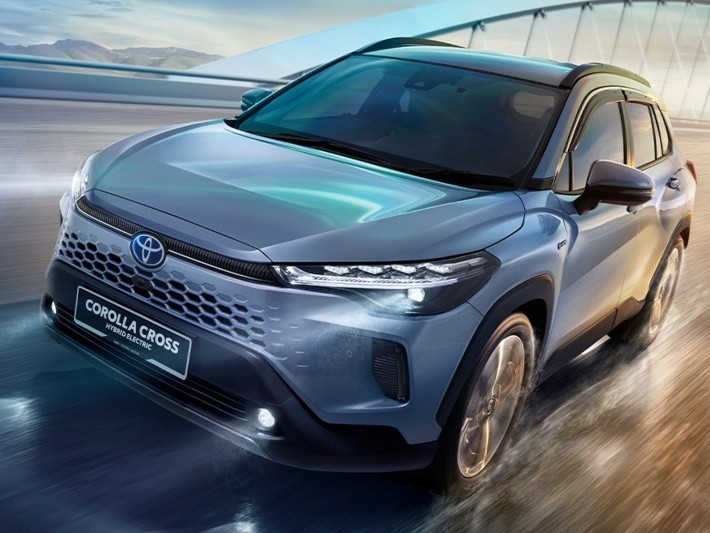
Toyota Corolla Cross Design Revealed: A Versatile Model Combining Practicality and Comfort
AshleyJul 16, 2025

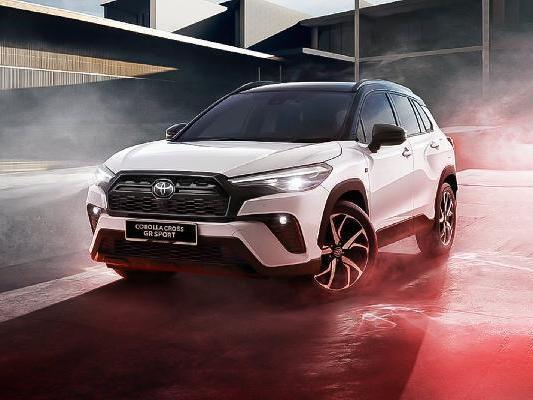
Toyota Unveils All-New Corolla Cross, Introduces GR SPORT Trim for the First Time
JohnMay 8, 2025
Unveiling the Toyota Corolla Cross Floor Price, super detailed car buying guide!
JohnMar 25, 2025

The new Corolla Cross is about to hit the market, this car will reveal Toyota's future design style.
WilliamNov 21, 2024
View More
Pros
Cons