
Q
How much does a GLE 2024 cost?
 TravelerNov 07, 2025, 03:56 PM
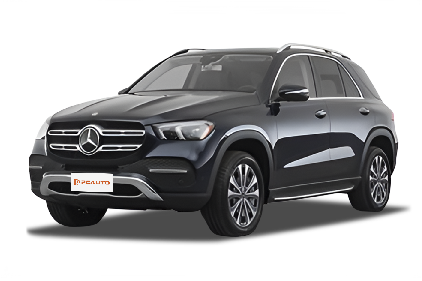
The 2024 Mercedes-Benz GLE comes with varying prices in Malaysia depending on the model and configuration. The entry-level GLE 300d 4MATIC starts at approximately RM 515,888, while the more powerful GLE 450 4MATIC is around RM 599,888. The top-of-the-line AMG GLE 53 4MATIC+ could exceed RM 800,000. For the exact pricing, it's best to check with local dealers and factor in any optional extras. As Mercedes' midsize luxury SUV, the GLE is popular for its premium interior, advanced tech features, and strong performance. The 2024 model gets further upgrades to the intelligent driving assistance systems and MBUX infotainment, making the driving experience even more convenient. In the Malaysian market, the GLE's main rivals include the BMW X5 and Audi Q7. When shopping, buyers should consider their own needs and budget, compare specs and after-sales service policies across brands, and it's recommended to take a test drive at an authorized dealership for a more hands-on feel.
Special Disclaimer: This content is published by users and does not represent the views or position of PCauto.
Related Q&A
Q
What is the 0-60 time for the 2019 GLE?
The 0-60 mph acceleration time of the 2019 Mercedes-Benz GLE varies depending on the specific powertrain configuration. The GLE 450 4MATIC comes with a 3.0-liter inline-six turbocharged engine paired with a 48V mild hybrid system, and official figures show its 0-60 mph acceleration takes approximately 5.5 seconds. On the other hand, the high-performance AMG GLE 53, with its 3.0-liter turbocharged engine plus electric supercharging hybrid system, can trim that time down to around 4.8 seconds. It's worth noting that the acceleration performance of such midsize to large SUVs isn't just about engine specs; it's also closely tied to the tuning of the 9-speed automatic transmission, the power distribution efficiency of the 4MATIC all-wheel-drive system, and the vehicle's aerodynamic design. In daily driving, these models prioritize smooth power delivery and low-end torque performance, making them suitable for highway overtaking or hill driving. If you have higher performance needs, keep an eye on the AMG versions or upcoming plug-in hybrid models. When test-driving, it's advisable to focus on experiencing the transmission's shift logic and the seamless integration of the hybrid system—these details often better reflect the driving quality of a luxury SUV than mere numbers.
 SkyDiverFearlessNov 18, 2025
Q
What is the towing capacity of the 2019 GLE?
The towing capacity of the 2019 Mercedes-Benz GLE varies depending on the specific configuration and engine type. The version equipped with the 3.0-liter turbocharged diesel engine has a maximum towing capacity of approximately 3,500 kilograms, while the 3.0-liter turbocharged gasoline engine version is slightly lower, around 2,700 kilograms. Actual figures may vary slightly based on optional packages or drive type. When purchasing towing equipment, pay attention to the standard tow hitch interface type (such as the European-spec 13-pin socket), ensure the trailer weight does not exceed the official limit and the load is evenly distributed, and it is recommended to add the original factory electronic stability system to enhance towing safety. For users who frequently need to tow boats or caravans, an adaptive suspension system and trailer assist function can also be optioned. These configurations can effectively reduce trailer sway and optimize braking performance. It is worth noting that towing capacity is not only affected by engine power but also related to factors such as the transmission cooling system, chassis rigidity, and rearview mirror visibility. Therefore, it is best to conduct a professional inspection before long-term high-load towing.
 RiverRaftingAdventurerNov 18, 2025
Q
What is the mileage of GLE 2019?
The fuel economy of the 2019 Mercedes-Benz GLE varies by specific model and drivetrain. The gasoline-powered GLE 350 4MATIC averages around 11-12 liters per 100 kilometers in city driving, dropping to 8-9 liters per 100 kilometers on the highway. The GLE 450 4MATIC with its 3.0T engine has a combined fuel consumption of approximately 10-11 liters per 100 kilometers. Actual mileage depends on driving habits, road conditions, and maintenance. This SUV features Mercedes' third-generation direct injection technology and a 48V mild hybrid system, which effectively improves fuel efficiency during start-stop phases. The standard 9G-Tronic transmission also enhances highway cruising efficiency with its wider gear ratio spread. If you're considering a diesel option like the GLE 300d, fuel consumption drops significantly to 6-7 liters per 100 kilometers, making it better suited for long-distance driving. To optimize fuel efficiency, I recommend regularly checking tire pressure, using factory-recommended engine oil, and utilizing the drive mode selection system properly. For a luxury SUV, the GLE strikes a solid balance between performance and fuel economy.
 SolverProblemSolutionNov 18, 2025
Q
What is the difference between Mercedes GLE 350 and GLE 350 4Matic?
The main difference between the Mercedes-Benz GLE 350 and GLE 350 4Matic lies in their drivetrains. The GLE 350 comes with rear-wheel drive, while the GLE 350 4Matic is equipped with Mercedes' 4Matic permanent all-wheel drive system. This system automatically distributes power across different road conditions, enhancing grip and stability on wet surfaces or during light off-roading—making it especially suitable for users in rainy areas or those who occasionally need to tackle unpaved roads. Both models share nearly identical powertrain specs, featuring a 2.0-liter turbocharged engine paired with a 9-speed automatic transmission, though the 4Matic version does see a slight increase in fuel consumption due to the all-wheel drive hardware. Other aspects like interior tech and safety assist features are generally consistent, though specific differences may arise based on model year or optional packages. For drivers prioritizing safety or with occasional outdoor needs, the 4Matic variant offers better practicality. If you mostly stick to city driving and have budget constraints, the rear-wheel drive model delivers better value. It’s worth noting that while the all-wheel drive system improves capability, it does lead to slightly higher routine maintenance costs—so choosing should depend on your actual usage scenario.
 ModelPoseCharmNov 18, 2025
Q
How much horsepower does a 2019 GLE 350 have?
The 2019 GLE 350 comes with a 2.0-liter turbocharged four-cylinder engine, cranking out 255 horsepower and 370 Nm of peak torque. It's paired with a 9-speed automatic transmission, delivering smooth power that's more than enough for daily driving and light off-roading. This SUV features Mercedes' 4MATIC all-wheel-drive system, which gives better traction and stability, especially shining on slippery roads. If you're craving more power, there's the GLE 450 trim. It steps up with a 3.0-liter inline-six turbo engine plus a 48V mild hybrid system, pushing out 367 horsepower for some serious performance. The GLE lineup has always been known for comfort and tech in the luxury SUV space, and the 2019 model doesn't disappoint. It's packed with dual 12.3-inch displays, the MBUX intelligent infotainment system, and plenty of driver assistance features, making it perfect for family use or long road trips. Now, even though 255 horsepower might not sound mind-blowing on paper, thanks to smart tuning and efficient power delivery, you won't feel lacking in real-world driving. It's actually pretty relaxed, whether you're navigating city streets or cruising on the highway.
 SipNov 18, 2025
Q
Does the 2019 GLE have Android Auto?
The 2019 Mercedes-Benz GLE does support Android Auto. You can connect your Android phone via USB to access apps like Google Maps and music players right on the central display. Just a heads-up, though—some early builds might need a system update to get it working properly. The MBUX infotainment system in this model is super smooth, and the voice control feature really makes things easier when you're driving. Besides Android Auto, it also works with Apple CarPlay, so whether you're an Android or iPhone user, you're covered. If you run into connection issues, try swapping out the USB cable or double-checking your phone settings—most problems usually get fixed that way. These days, with in-car tech getting better all the time, a lot of new cars come standard with phone mirroring to blend your phone apps with the car's system. Before you buy, I'd definitely check the specific specs or ask the dealer about system updates to make sure you get the best experience.
 ArtistBrushCreativityNov 18, 2025
Q
What safety features does the 2019 GLE have?
The 2019 GLE comes packed with a host of advanced safety features. There's Active Brake Assist, which automatically applies the brakes if it detects a potential front collision, cutting down on accident chances. Then there's the standard Blind Spot Monitoring system – it uses warning lights in the side mirrors to alert you about vehicles in your blind spots, making lane changes safer. On top of that, there's Lane Keeping Assist, which gently adjusts the steering to help keep the vehicle centered in its lane, reducing the risk of drifting due to driver fatigue. Other handy tech includes Adaptive Cruise Control, which automatically adjusts your speed to match the car ahead, taking the edge off long drives. The 360-degree surround-view camera is pretty useful too, giving you a clearer picture when parking. It's worth noting that the GLE's body structure uses high-strength steel, paired with a multi-airbag setup, to effectively protect occupants in a crash. For families, the rear seats have ISOFIX child seat anchors, making it easy to install kid seats. All these safety technologies not only meet major global safety standards but also show the brand's ongoing commitment to driving safety, offering more comprehensive protection for both drivers and passengers.
 BoarderWaveRideNov 18, 2025
Q
Does the 2019 GLE have Apple CarPlay?
The 2019 Mercedes-Benz GLE does come with Apple CarPlay. Through the MBUX (Mercedes-Benz User Experience) infotainment system, you get seamless iPhone integration, making it easy to use common apps like navigation, music, and calls while driving. You need to connect your phone via USB and enable the feature in the system—the interface is intuitive and responsive, which really boosts convenience and safety on the road. Along with Apple CarPlay, the 2019 GLE also supports Android Auto, so it caters to users with different phones. The MBUX system even has voice control—just say "Hey Mercedes" to operate things like navigation or the air condition directly, cutting down on distractions even more. The 2019 GLE stands out with its tech features, especially the introduction of MBUX, which offers a smarter interaction experience. These features are super useful in daily driving, and for owners who use phone apps a lot, they really improve the driving experience.
 SkaterRinkGlideNov 18, 2025
Q
What technology features does the 2019 GLE have?
The 2019 Mercedes-Benz GLE comes loaded with a host of advanced tech features, starting with the 12.3-inch dual-screen setup that combines the digital gauge cluster and central infotainment display. It runs the MBUX intelligent human-machine interface, letting you control navigation, entertainment, and more through natural voice commands or the touchpad. There's also augmented reality navigation for a more intuitive driving experience.
On the driver assistance front, standard kit includes active brake assist and blind spot monitoring, while higher trims step it up with the DRIVE PILOT system – that's Mercedes' semi-autonomous driving feature with adaptive cruise control. For comfort, you're treated to a Burmester surround sound system, 64-color ambient lighting, and the innovative ENERGIZING comfort control. This nifty system links up the climate, fragrance, and seat massage functions to create preset wellness moods.
But the real standout here is the E-ACTIVE BODY CONTROL active suspension. Powered by the 48V electrical system, it can independently adjust the spring and damping rates for each wheel, making even rough roads feel surprisingly smooth. These technologies really highlight where luxury SUVs are heading in terms of smart features – you'll see things like voice control and driver assists trickling down to more mainstream models now. Still, the GLE stays ahead when it comes to how well all these systems work together and the little details that matter. Case in point: Mercedes kept updating the MBUX system post-launch via OTA, adding cool new features like gesture control along the way.
 NedNov 18, 2025
Q
What is the horsepower of the 2019 GLE?
The specific horsepower of the 2019 Mercedes-Benz GLE depends on the engine model chosen. The GLE 350 is powered by a 2.0-liter four-cylinder turbocharged engine, delivering approximately 255 horsepower. The GLE 450, on the other hand, comes with a 3.0-liter inline-six turbocharged engine paired with a 48V mild hybrid system, resulting in a combined 367 horsepower. For higher performance, the AMG GLE 53 features a 3.0-liter six-cylinder turbocharged engine with an electric supercharger, capable of outputting 435 horsepower.
Horsepower is a key metric for measuring engine performance, directly influencing a vehicle's acceleration and top speed. However, the actual driving experience also depends on factors like torque output and transmission tuning. For example, the GLE 450's 48V mild hybrid system not only enhances power response but also improves stop-start smoothness and fuel efficiency. Such technologies have gradually become common in modern luxury SUVs. When choosing a car, consumers should not only focus on horsepower figures but also pay attention to whether the engine's technical features align with their driving needs.
 JoggerPaceEnduranceNov 18, 2025
Popular Cars
Model Year
Car Compare
Car Photo
Related Models
 Cars
CarsLatest Q&A
Q
Is AMT similar to automatic?
There are significant differences between AMT transmissions and automatic transmissions (AT) in terms of core structure and driving experience. AMT is essentially an electronically automated version of a manual transmission, simulating manual clutch operation and gear shifting through a computerized control system while retaining the gear set structure of manual transmissions. As a result, it offers higher transmission efficiency, with fuel consumption approximately 8%-12% lower than AT, making it particularly suitable for highway or long-distance driving. However, it may exhibit jerking similar to manual transmissions during low-speed gear shifts, especially noticeable in congested traffic conditions.
AT transmissions rely on torque converters for power transfer, delivering smooth and seamless gear shifts that appeal to comfort-oriented users. However, their complex structure (incorporating planetary gear sets, hydraulic systems, etc.) results in higher maintenance costs. A single service may cost between 800 to 1,500 ringgit, whereas AMT only requires gear oil replacement at approximately 400 ringgit.
From a market perspective, AMT is predominantly used in budget vehicles or commercial models priced below 80,000 ringgit, while AT is typically featured in mid-to-high-end vehicles. Consumers should select based on actual needs: AMT suits those prioritizing fuel efficiency and low maintenance costs, while AT better serves those valuing comfort. Notably, recent advancements in AMT electronic control technology have significantly mitigated jerking issues, though test drives should still emphasize low-speed performance evaluation.
 AriaMar 26, 2026
Q
Which is better, DCT or AT?
DCT (Dual-Clutch Transmission) and AT (Automatic Transmission) each have their own advantages and disadvantages, and the choice should be based on personal driving needs. AT transmissions transfer power through a torque converter, offering excellent shift smoothness, making them suitable for urban commuting or novice drivers. However, they tend to have higher fuel consumption, and vehicles equipped with them are usually more expensive. DCT transmissions utilize a dual-clutch structure, featuring fast shift speeds and high power transmission efficiency, which provides a more direct driving experience—particularly suitable for users seeking a sporty feel. However, they may exhibit jerking at low speeds and have relatively high maintenance costs. If durability and comfort are priorities, AT is the more reliable choice; if power responsiveness and driving pleasure are preferred, wet DCT (such as Volkswagen DSG) performs better, though dry DCT models should be avoided in prolonged stop-and-go traffic conditions. Additionally, CVT transmissions excel in smoothness and fuel efficiency, making them ideal for daily commuting, but they lack driving excitement. It is recommended to test-drive before purchasing, as tuning varies significantly across brands, and real-world experience is more important than theoretical specifications.
FlutteringMar 26, 2026Q
Is Amt good or bad?
AMT gearboxes have a significant cost advantage in the local market, typically being around 5,000 Ringgit cheaper than models equipped with conventional automatic transmissions. Their fuel efficiency is comparable to manual transmissions, resulting in long-term fuel savings. Featuring a straightforward design, they achieve transmission efficiency exceeding 90% with relatively low maintenance costs, making them ideal for practicality-oriented consumers. However, their shifting logic contains inherent limitations: gear changes between 1st and 2nd cause 0.3-0.5 second power interruptions, while unintended upshifts on inclines may reduce engine speed by 15%-20%, compromising driving smoothness. For urban commuters or budget-conscious buyers, AMT offers excellent value, though those prioritizing premium driving dynamics should consider alternative transmission types. Some domestic models like the Perodua Axia employ enhanced AMT systems, where optimized shift programming has reduced gearshift shock by approximately 30%.
 RainbowsMar 26, 2026
Q
Which gives better mileage, CVT or AMT?
From the perspective of fuel economy, CVT transmissions generally perform better under urban driving conditions. Their continuously variable design allows the engine to consistently operate within the optimal speed range, significantly reducing fuel consumption during frequent starts and stops. Test data shows that their fuel consumption in urban driving conditions is 10% to 15% lower than that of comparable models. AMT transmissions, on the other hand, inherit the high transmission efficiency of manual transmissions, delivering fuel efficiency close to manual transmissions during high-speed cruising. This makes them particularly suitable for long-distance driving in large-displacement vehicles. However, due to power interruption during gear shifts, their overall fuel consumption may be 5% to 8% higher than CVTs.
The difference in fuel-saving characteristics between the two transmissions stems from their technical principles: CVTs achieve continuous variability through steel belts and pulleys, eliminating the fixed gear ratio limitations of traditional transmissions; AMTs simulate manual gear changes via electronic control systems while maintaining the mechanical efficiency of gear transmission. Notably, actual fuel consumption is also influenced by driving habits. Smooth acceleration and anticipatory deceleration can maximize the transmissions' fuel-saving potential. If the vehicle budget permits and urban commuting is the primary use, CVTs offer a more economical choice. For frequent highway driving with an emphasis on cost-effectiveness, AMTs are equally worth considering.
 RubyBlazeMar 26, 2026
Q
Which is cheaper, AMT or CVT?
In terms of gearbox cost, AMT is usually more economical than CVT. Essentially, AMT is a manual transmission equipped with an electronic control unit, featuring a simple structure and low maintenance costs. The unit price ranges from approximately 5,000 to 8,000 ringgit, making it suitable for budget-conscious consumers or those who prioritize long-term operating costs. CVT incurs higher manufacturing costs due to its precision steel belt transmission system and continuous variable transmission technology, with a unit price of about 7,000 to 10,000 ringgit. However, it delivers a smoother driving experience and superior fuel efficiency. The primary differences between the two lie in technical complexity: AMT retains the gear-shifting mechanism, resulting in noticeable shift shock; CVT achieves linear power output through stepless speed variation but requires periodic belt inspection and incurs higher maintenance expenses. For those prioritizing initial cost and basic transportation needs, AMT offers better value; if comfort and long-term fuel economy are priorities, CVT represents a more worthwhile investment. Note that actual prices may vary based on vehicle model, brand, and local supply chain factors.
 ShadowProwlMar 26, 2026
Related News

What is the difference between the Mercedes-Benz E300 and E350?
MichaelMar 24, 2026

Mercedes-Benz halts the launch of L3-level autonomous driving, reverting to L2+ level
LienJan 16, 2026

Nvidia Announces Mercedes-Benz CLA as the First Vehicle with DRIVE AV Autonomous Driving Technology
MichaelJan 12, 2026

Brand New Mercedes-Benz GLC with EQ Technology Coming Soon: A Larger, Faster, and More Efficient Luxury All-Electric SUV
LienDec 11, 2025

Mercedes-Benz GLC200 4Matic debuts, offering a more accessible entry price at RM329,888
LienDec 11, 2025
View More
Pros
Cons