
Q
How much is a 2020 Lexus 500?
 IronBeastNov 11, 2025, 03:20 PM
The price of a 2020 Lexus RX 500 depends on factors like condition, specifications, and mileage. When new, it originally sold for around RM400,000 to RM500,000, while on the used market, prices can range from RM250,000 to RM350,000 depending on its condition. As the high-performance variant of the Lexus RX lineup, the RX 500 comes with a 3.5-liter V6 hybrid system, delivering strong power along with impressive fuel efficiency. It also features luxury amenities such as a Mark Levinson sound system, panoramic sunroof, and advanced driver assistance systems. This model is quite popular in the local market, especially for its reliable quality and comfortable driving experience, making it ideal for consumers seeking a luxury SUV. Before buying, it's advisable to check the specific vehicle condition through official channels or certified used car dealers, compare quotes from different sellers, and pay attention to verifying warranty and maintenance records to ensure the vehicle is in good shape. Lexus is known for its durability and after-sales service, with relatively low long-term ownership costs, making it a high-end SUV worth considering.
Special Disclaimer: This content is published by users and does not represent the views or position of PCauto.
Related Q&A
Q
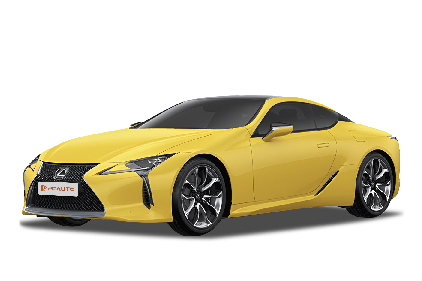
What is the 0 60 time for the 2020 Lexus LC 500?
The 2020 Lexus LC 500 clocks in at around 4.7 seconds for the 0-60 mph (approximately 0-96 km/h) sprint. This luxury GT coupe packs a 5.0-liter naturally aspirated V8 engine, cranking out 471 horsepower and 540 Nm of peak torque, mated to a 10-speed automatic transmission. The rear-wheel-drive setup delivers smooth, linear power delivery. The beauty of a naturally aspirated engine is that it unleashes strong power at high revs, along with a richer, more throaty exhaust note—perfect for drivers who crave genuine driving fun. While the LC 500’s acceleration might not be as blistering as some turbocharged rivals, its smoothness and responsiveness are where the naturally aspirated engine truly shines. On top of that, it comes with adaptive suspension and rear-wheel steering, taking handling stability up a notch. If you’re into a GT that blends luxury and sportiness, the LC 500 is a solid pick. Its interior craftsmanship and comfort features live up to Lexus’s usual high standards, making it a great companion for long drives with excellent ride comfort.
 TiaNov 11, 2025
Q
How much oil does a 2020 Lexus LC 500 take?
The 2020 Lexus LC 500 has an oil capacity of approximately 8.2 liters, including the oil filter. It's recommended to use fully synthetic oil with a viscosity grade of 0W-20. This low-viscosity oil performs better in high-temperature climates and also helps improve fuel efficiency. Regular oil changes are crucial for maintaining the performance of that V8 naturally aspirated engine – typically every 10,000 kilometers or 12 months, but you should check the owner's manual for the exact interval. Keep in mind, if you often drive aggressively or in dusty conditions, you might want to shorten that oil change period a bit. When picking oil, aim for products with API SN or ILSAC GF-5 certifications; they offer more comprehensive engine protection. Also, it's a good idea to replace the oil filter when changing the oil to ensure proper filtration. The LC 500's oil filter is positioned for easy access, but if you're doing it yourself, watch the torque specs – over-tightening can damage the oil pan threads. If you're not familiar with the maintenance process, it's best to head to an authorized service center. They'll also check the condition of other key fluids like coolant and brake fluid while they're at it.
 SiaNov 11, 2025
Q
How many miles per gallon does a 2020 Lexus LC 500 get?
The 2020 Lexus LC 500 has a combined fuel economy of around 19 miles per gallon (mpg), with approximately 16 mpg in the city and 25 mpg on the highway. Actual figures may vary slightly depending on driving habits and road conditions. Under the hood, it's powered by a 5.0-liter naturally aspirated V8 engine that delivers a robust 471 horsepower. While fuel efficiency isn't its strongest suit, it's a solid pick for drivers who want a mix of performance and luxury. Lexus has thrown in lightweight materials and aerodynamic tweaks to help boost fuel efficiency a bit, all while serving up a great driving feel and top-notch interior craftsmanship. If you're really big on gas mileage, the hybrid LC 500h is worth a look—it pairs a 3.5-liter V6 with an electric motor for better fuel economy. Whether you go for the LC 500 or the LC 500h, Lexus has a solid reputation for reliability and comfort, making either one a good fit for folks who want both luxury and driving fun.
 QuinnNov 11, 2025
Q
How much horsepower does the LC500 have in 2020?
The 2020 Lexus LC500 is powered by a 5.0-liter naturally aspirated V8 engine, churning out 471 horsepower and 540 Nm of peak torque. Mated to a 10-speed automatic transmission, it delivers smooth yet robust performance. This engine features Lexus' advanced D-4S fuel injection technology, combining Atkinson and Otto cycles to optimize fuel efficiency without sacrificing high-performance output. As a luxury GT sports car, the LC500 isn't just about raw power—it also prioritizes driving comfort and exquisite interior design, making it ideal for long journeys. The linear power delivery of the naturally aspirated engine and the unique V8 soundtrack are major draws too. Compared to turbocharged models, it offers more immediate throttle response and a purer driving experience. If you're into high-performance naturally aspirated engines, the LC500 is definitely worth considering—it strikes a fantastic balance between luxury and sporty performance.
 PiaNov 11, 2025
Q
Does the 2020 LC 500 have a back seat?
The 2020 Lexus LC 500 is a high-performance luxury GT coupe that prioritizes driving enjoyment and elegant styling. That's why it features a two-door, four-seat layout. While technically equipped with rear seats, the actual space back there is pretty tight—adults will find legroom and headroom cramped, making it better suited for storing personal items or fitting a child safety seat. Powering this beauty is a 5.0-liter naturally aspirated V8 engine paired with a 10-speed automatic transmission, emphasizing linear power delivery and refined driving feel. The interior uses premium leather and aluminum trim, really upping the luxury ante. For folks who love long drives but occasionally need to carry passengers, the LC 500's rear seats work in a pinch. But if you regularly need to haul four people, you might want to check out a roomier four-door coupe or luxury sedan. Lexus has a solid after-sales service network in the local market, and owners get access to exclusive brand maintenance programs. These kinds of GT cars are typically for consumers who value personality and a top-notch driving experience.
MiaNov 11, 2025Q
What engine is in the 2020 Lexus LC 500?
The 2020 Lexus LC 500 is powered by a 5.0-liter naturally aspirated V8 engine, codenamed 2UR-GSE. This engine features the D-4S dual fuel injection system, combining direct injection and port injection, churning out 471 horsepower (351 kilowatts) and a peak torque of 540 Nm. Mated to a 10-speed automatic transmission, it delivers linear yet robust power. Renowned for its strong high-rev performance and deep, throaty exhaust note, this V8 stays true to Lexus' commitment to naturally aspirated engines, making it a perfect fit for drivers who crave genuine driving pleasure. Notably, the LC 500 comes with rear-wheel drive and offers an optional Dynamic Rear Steering system, further enhancing handling agility. For enthusiasts of high-performance coupes, the LC 500's V8 isn't just a showcase of Lexus' craftsmanship in traditional powertrains; it's also one of the few remaining models in its class to stick with a large-displacement naturally aspirated engine. Plus, its reliable durability and low failure rate live up to the brand's usual high standards.
 LeoNov 11, 2025
Q
What is the 2020 LC 500 0-60 time?
The 2020 Lexus LC 500 hits 0-60 mph in around 4.7 seconds. This luxury GT coupe packs a 5.0-liter naturally aspirated V8 engine, cranking out 471 horsepower and 540 Nm of peak torque, mated to a 10-speed automatic transmission. The rear-wheel-drive setup delivers a smooth acceleration feel. For enthusiasts who love naturally aspirated engines, the LC 500's appeal lies in its linear power delivery and high-revving exhaust note, a stark contrast to today's popular turbocharged models. While 4.7 seconds isn't the quickest in its class, the LC 500 prioritizes the blend of driving dynamics and luxury. Its signature spindle grille and exquisite interior craftsmanship showcase that unique Japanese luxury aesthetic. Notably, the suspension is finely tuned to balance sporty performance with long-distance comfort, perfect for owners who value personality and taste.
 WanderzzNov 11, 2025
Q
Is 2020 a good year for Lexus?
2020 was a pretty solid year for Lexus, especially in the luxury car market where the brand kept up its strong competitiveness thanks to its reliability and high quality. That year, Lexus rolled out several updated models, like the new RX and ES series, which got noticeable upgrades in design, tech features, and comfort. The safety system, in particular, was upgraded to Lexus Safety System+ 2.0, adding more active safety functions—super useful for consumers who care about family cars. Plus, hybrid models like the RX450h and ES300h were popular too; they not only had great fuel economy but also fit with the eco-friendly trend. Lexus still had really high used car retention rates in 2020, which is a big plus for owners planning to keep their cars long-term. If you're thinking about buying a luxury car, the 2020 Lexus models are worth checking out, especially since their hybrid tech and after-sales service reputation have always been strong, able to handle both daily driving and long road trips.
 JoggerPaceNov 11, 2025
Q
What is the resale value of a 2020 Lexus?
The residual value of a used 2020 Lexus depends on factors like the specific model, mileage, condition, and trim level. Generally, popular models such as the ES, RX, or NX hold their value well—after three years, they typically retain about 60% to 70% of their original price. Higher-end models like the LS or LC might depreciate a bit more, usually around 50% to 60%. Lexus is known for reliability and low maintenance costs, which helps keep resale values strong, especially for vehicles with complete regular service records. Hybrid models are also in demand locally because their fuel efficiency aligns better with long-term driving needs. For a more accurate estimate, check transaction data on local used car platforms or consult professional appraisal services. It’s also a good idea to thoroughly clean the vehicle and handle minor repairs before selling to boost the asking price. Keep in mind that used car prices can fluctuate based on market supply and demand, as well as new car promotions, so the actual selling price might vary.
 SpiritualGrowthJourneyNov 11, 2025
Q
How much is insurance for a 2020 Lexus?
The insurance cost for a 2020 Lexus varies depending on factors like the model, engine displacement, owner's age, driving record, and coverage. Generally, a midsize sedan like the ES 250 might run around RM2,500 to RM4,000 annually, while an SUV such as the RX 350 could be a bit higher, roughly RM3,000 to RM4,500. For accurate pricing, you’ll need to check with insurance companies directly. Insurance calculations typically include third-party liability, comprehensive insurance, and add-ons like natural disaster or theft coverage. It’s a good idea to compare quotes and terms from different insurers to find the best fit for your needs. Also, as a luxury brand, Lexus parts and repair costs are relatively high, which is part of why insurance is a bit pricier. But its reliability and safety features offer better protection for owners, potentially reducing long-term unexpected repair expenses.
 ThinkerrNov 11, 2025
Popular Cars
Model Year
Car Compare
Car Photo
Related Models
 Cars
CarsLatest Q&A
Q
Does more RPM mean more torque?
The relationship between engine speed (RPM) and torque is not a simple linear proportionality, but rather an inverse relationship under the premise of constant power. At low engine speeds, due to the extended fuel injection and intake duration, the combustion pressure inside the cylinders increases, resulting in higher torque output, which is suitable for scenarios requiring strong traction such as vehicle launch, hill climbing, or heavy loads. Conversely, torque decreases at high speeds, but power may increase to support high-speed driving. This characteristic stems from the physical formula "Power = Torque × Speed × Constant." Therefore, different vehicle models are calibrated for torque curves based on their intended purposes. For example, diesel engines or turbocharged engines typically emphasize high torque at low speeds, while high-performance vehicles prioritize power output at high speeds. In daily driving, rationally utilizing transmission gear ratios to match speed and torque (such as using first gear for high-torque hill climbing and higher gears for low-RPM cruising) can optimize fuel economy and dynamic performance.
 DaisyMeadowJan 9, 2026
Q
What is the maximum torque a human can apply?
The maximum torque that a human can apply with one hand typically ranges from 60 to 120 Newton-meters, with the specific value depending on individual strength, force application posture, and tool usage. When an average adult uses a standard wrench, a grip force of 200 Newtons can generate approximately 100 Newton-meters of torque when calculated with a 0.5-meter lever arm. However, due to muscle efficiency limitations, the actual output is mostly 50%-70% of the theoretical value. Professional athletes or manual laborers can achieve 25-30 Newton-meters through training, while specially trained individuals such as rock climbing enthusiasts can generate finger torque of up to 40 Newton-meters. Tools can significantly amplify torque output; for example, a regular wrench can multiply human force by 3-5 times, but sustained force application requires consideration of muscle fatigue. Daily operations like tightening screws or turning a steering wheel typically maintain torque within the range of 5-50 Newton-meters. Torque calculation follows the physical principle of force multiplied by lever arm, and in practical operations, attention should be paid to the influence of force application angle and joint range of motion on the final torque value.
 SipJan 9, 2026
Q
What is low RPM high torque?
Low RPM high torque refers to the characteristic of an engine that can deliver substantial torque within a relatively low RPM range (typically 1500-3000 rpm). This design significantly enhances a vehicle's launch acceleration and hill-climbing capability. When engine power remains constant, torque is inversely proportional to RPM. Consequently, generating high torque at low RPM enables the crankshaft to produce greater power per revolution, providing ample traction without requiring high engine speeds—particularly advantageous for urban stop-and-go driving or mountainous terrain. Turbocharged models often excel in this regard; for instance, certain popular local SUVs achieve peak torque at 1800 rpm, facilitating loaded hill ascents or overtaking maneuvers. By contrast, low-torque engines must rely on higher RPMs to compensate for power deficiency, resulting in increased fuel consumption and acceleration lag. Notably, the low-RPM high-torque characteristic also reduces shift frequency, minimizes mechanical wear, and improves driving smoothness—especially beneficial for drivers frequently encountering congested conditions. When evaluating this parameter during vehicle selection, prioritize models whose torque curve peaks earlier, typically indicated in specifications as "XX N·m @ 1500-4000 rpm."
PhoenixFireJan 9, 2026Q
How much torque is 1800 RPM?
The torque value at 1800 RPM needs to be calculated in combination with engine power, and the specific numerical value depends on the power output at this rotational speed. According to the physical formula "Power = Torque × Rotational Speed ÷ 9550", when power is constant, torque is inversely proportional to rotational speed. This means that when the engine speed is 1800 RPM, if the vehicle is in a low-speed, high-load working condition (such as climbing a slope or starting with a heavy load), the torque output will be relatively high to provide sufficient traction; while during flat-road cruising, the torque at the same rotational speed may decrease moderately to optimize fuel efficiency. Turbocharged engines usually form a wide torque plateau in the range of 1500-4500 RPM, and 1800 RPM falls precisely within this range, delivering over 90% of the peak torque. For example, a 1.5T engine can generate approximately 250-300 Nm of torque at this rotational speed. In actual driving, by monitoring the tachometer and coordinating throttle control, the torque characteristics at this rotational speed can be effectively utilized to achieve smooth acceleration or overcome gradients. It should be noted that different engine calibrations will result in variations in torque curves, so it is recommended to consult the torque-speed curve diagram of the specific vehicle model to obtain accurate data.
 IceBreakerJan 9, 2026
Q
Why is it almost impossible to rev to 21000 RPM?
It is nearly impossible to increase the engine speed to 21,000 revolutions per minute, primarily constrained by the comprehensive limitations of material physical limits, mechanical structural strength, and engineering design. The inertial forces exerted on moving components within the engine, such as pistons and connecting rods, at ultra-high speeds would far exceed the tensile strength of metallic materials, resulting in component deformation or even fracture. Taking current mass-produced naturally aspirated engines as an example, the Lexus LFA's 9,000 revolutions per minute already approaches the acoustic and mechanical balance limits of naturally aspirated engines, while turbocharged engines like the Bugatti Veyron, which prioritize low-end torque output, typically limit the redline speed to approximately 6,400 revolutions per minute. Furthermore, emission regulations and noise standards further diminish the viability of ultra-high-speed engines, with modern technology favoring efficiency improvements through turbocharging or hybrid systems. Even for diesel engines, their compression ignition characteristics generally result in lower maximum speeds compared to gasoline engines, typically not exceeding 5,000 revolutions per minute. These technical challenges and safety considerations collectively determine that achieving 21,000 revolutions per minute remains within the theoretical realm under current engineering frameworks.
 ShadowBladeJan 9, 2026
Related News

Lexus releases RZ 600e F SPORT Performance, 0–100 km/h acceleration takes only 4.4 seconds
JamesDec 26, 2025

Lexus GX550 is here, a luxury version of the Toyota Land Cruiser Prado, priced from RM 780,000
RobertDec 8, 2025

Rare big move, Toyota releases three sports cars: GR GT, GR GT3, Lexus LFA Concept
JamesDec 5, 2025

Rare move, Toyota will release three important models in one go on December 5th
AshleyDec 4, 2025

Lexus LS may turn into a six-wheel MPV, so why does the LS Concept use a six-wheel design?
MichaelOct 16, 2025
View More
Pros
Cons