
Rare big move, Toyota releases three sports cars: GR GT, GR GT3, Lexus LFA Concept
 JamesDec 05, 2025, 03:39 PM
[PCauto] As global car manufacturers cut back on fuel-powered sports cars and pivot toward all-electric strategies, high-performance sports cars face an unprecedented decline.
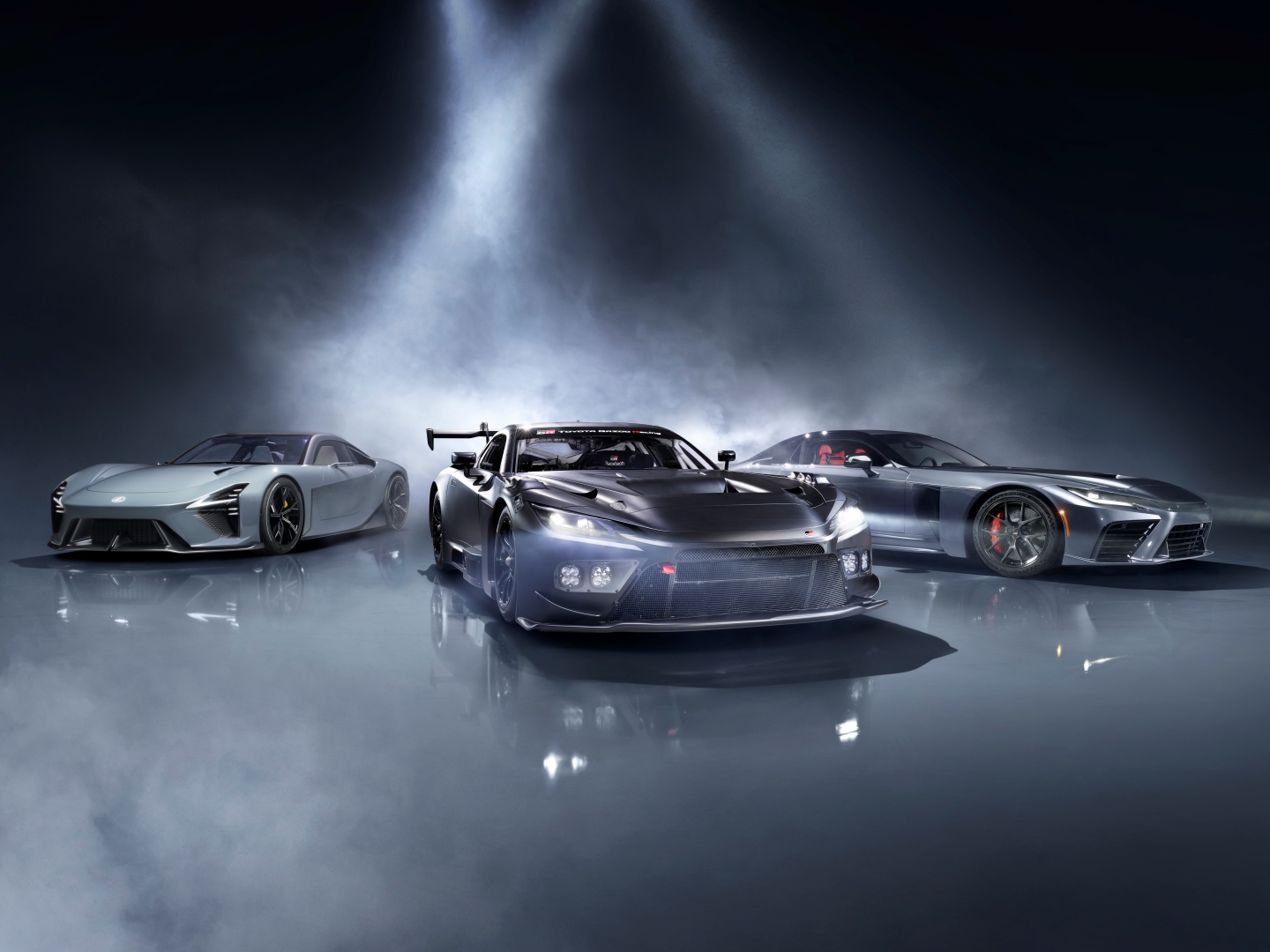
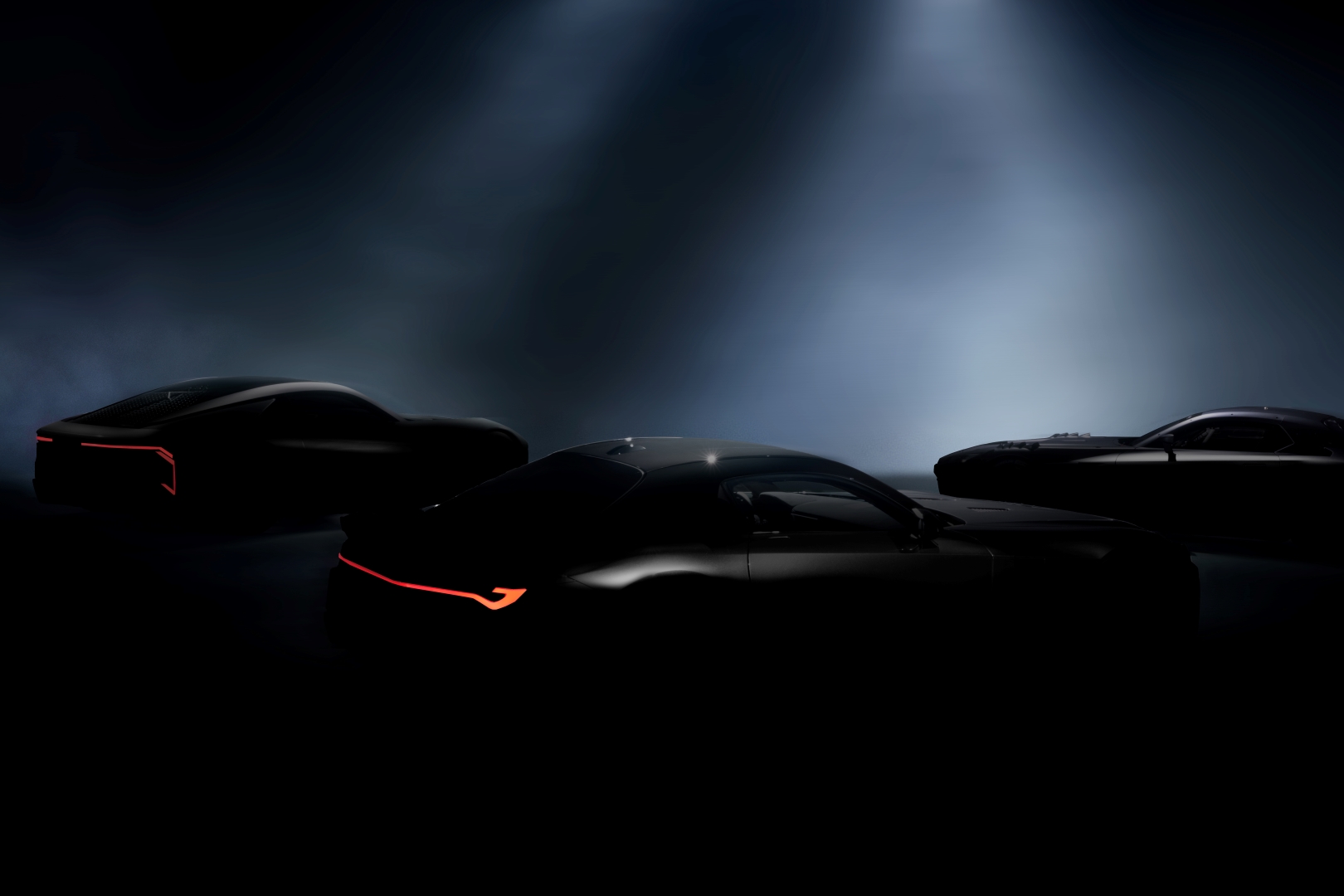
However, at this very moment of clear trend, Toyota has unveiled three high-performance cars in one go: GR GT, GR GT3, and Lexus LFA Concept.
Why is Toyota launching these three sports cars simultaneously?
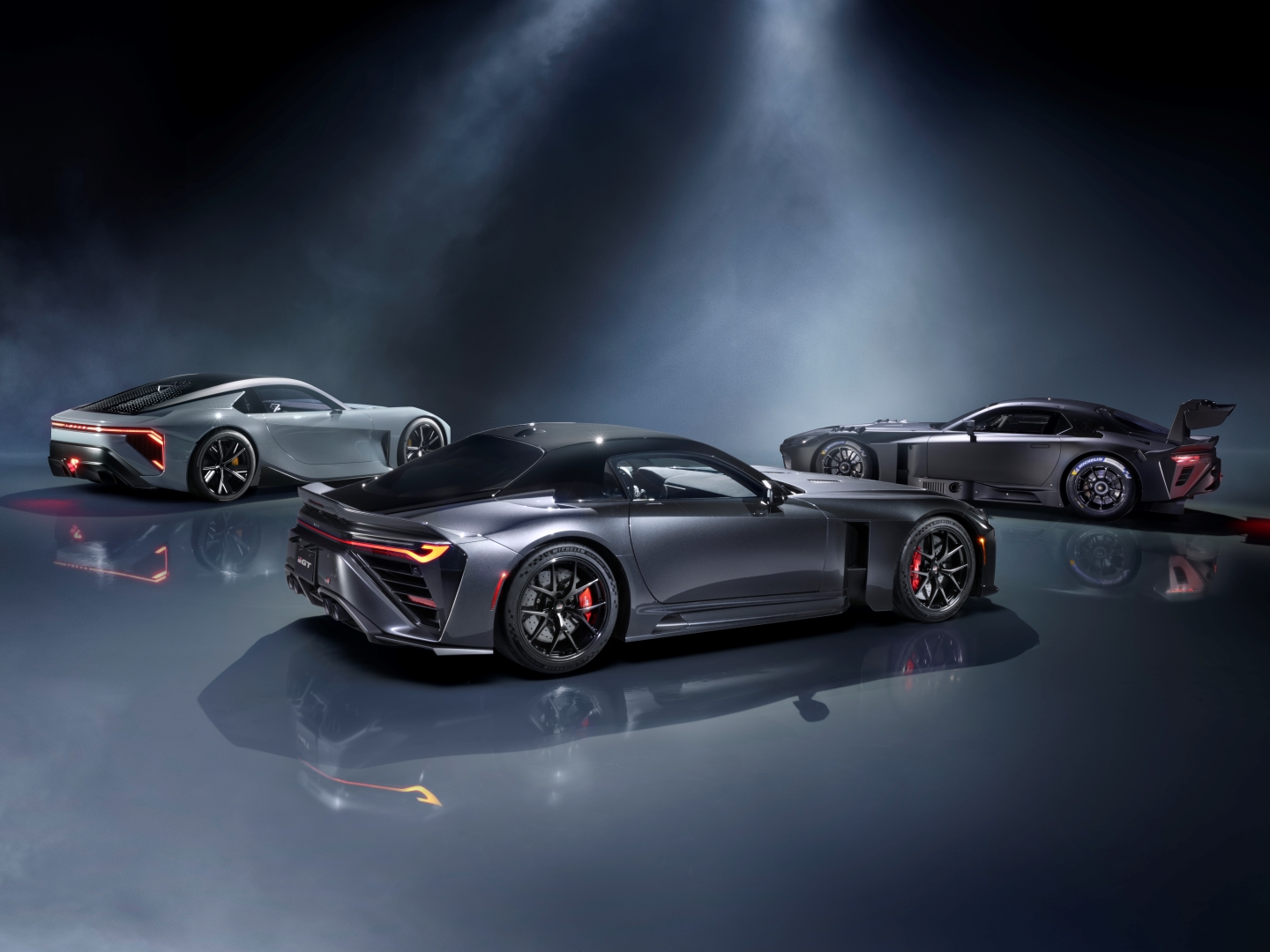
Though the GR GT, GR GT3, and Lexus LFA Concept may appear as distinct product lines initially, their concurrent release reveals a highly unified strategy: Toyota is redefining its next-generation high-performance framework.
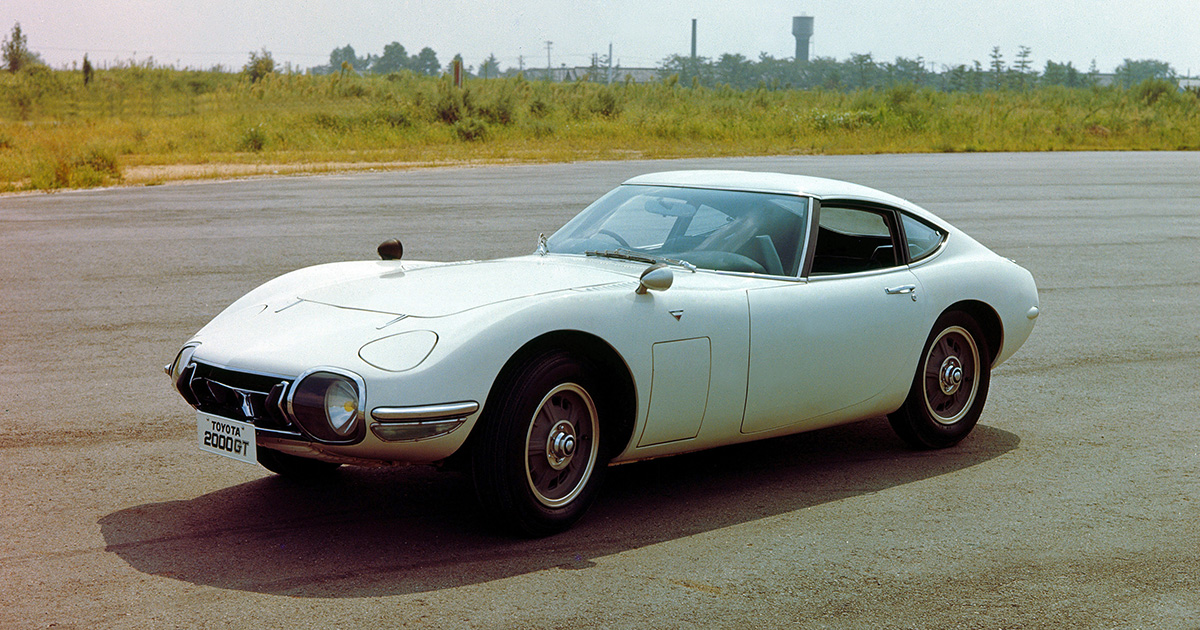
As the new flagship of Toyota’s mass-produced performance lineup, the GR GT carries forward the road sports car heritage of the Supra and 2000GT. It prioritizes a front-mid transmission layout, lightweight construction, and mechanical refinement, thus laying the groundwork for future mass production.
The GR GT3 is a dedicated race car purely aimed at the FIA GT3 category. It carries the legacy after the Supra GT500 and GR Supra GT4. It is not only the next ace card of the racing division but also an important platform for customer racing teams.

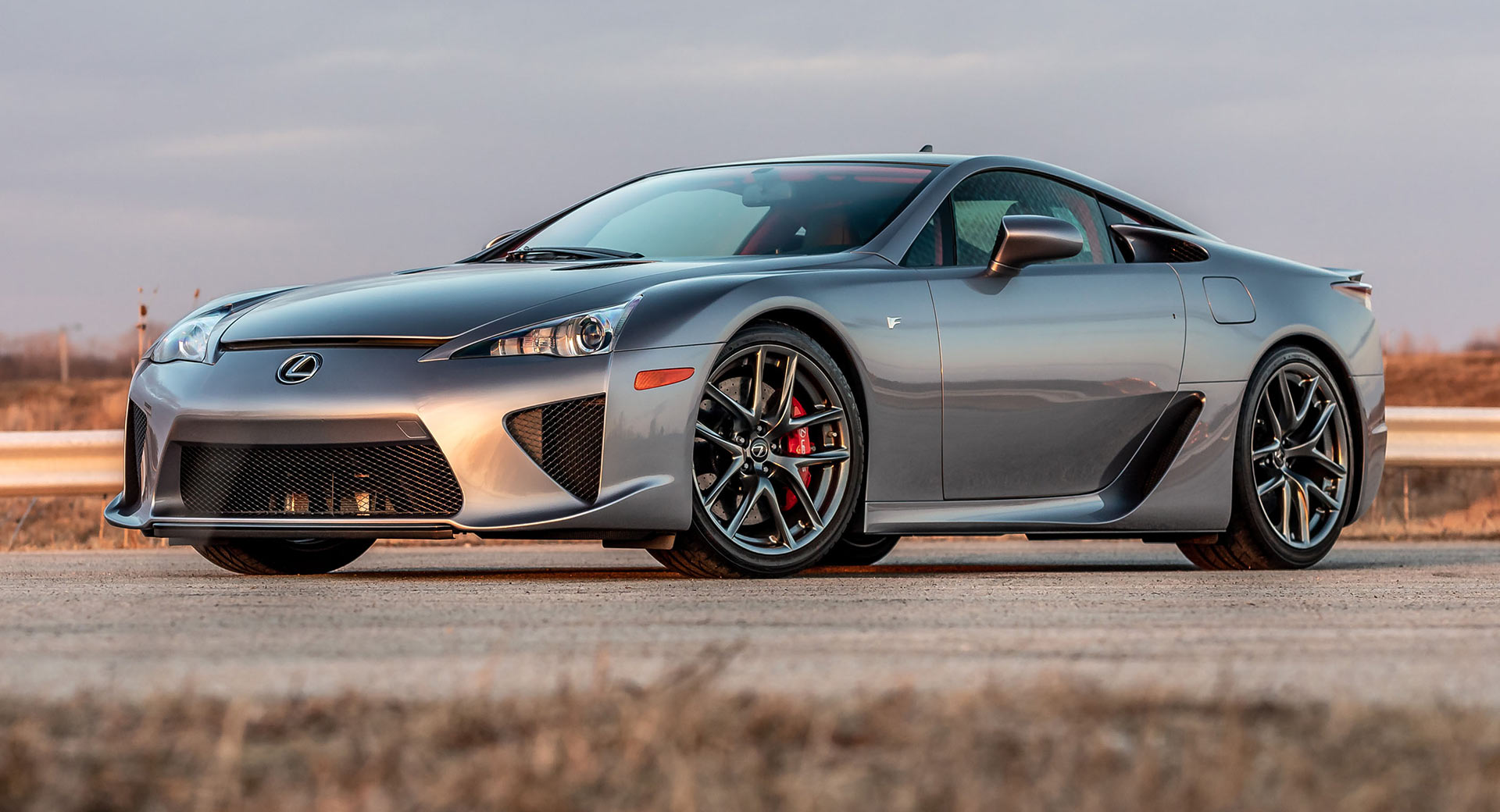
The Lexus LFA Concept, meanwhile, continues another lineage-pursuing the driving experience and engineering purity of the first-generation LFA, but now transitioning from a V10 engine to pure electric power. This positions it as a symbol of Lexus’ future BEV sports cars.
The simultaneous launch of these three models should not be seen as isolated projects. Instead, they constitute a cohesive performance ecosystem where the flagship road car, the international racing platform, and the high-end pure electric sports car operate in synergy, together shaping Toyota’s future performance strategy triangle.
This not only demonstrates that Toyota is still willing to invest resources in the realm of performance cars but also makes us realize that Toyota is attempting to achieve a new balance between heritage, technology, and future planning.

What unique designs do the GR GT, GR GT3, and Lexus LFA Concept have?
GR GT Concept is the foundational starting point of this release
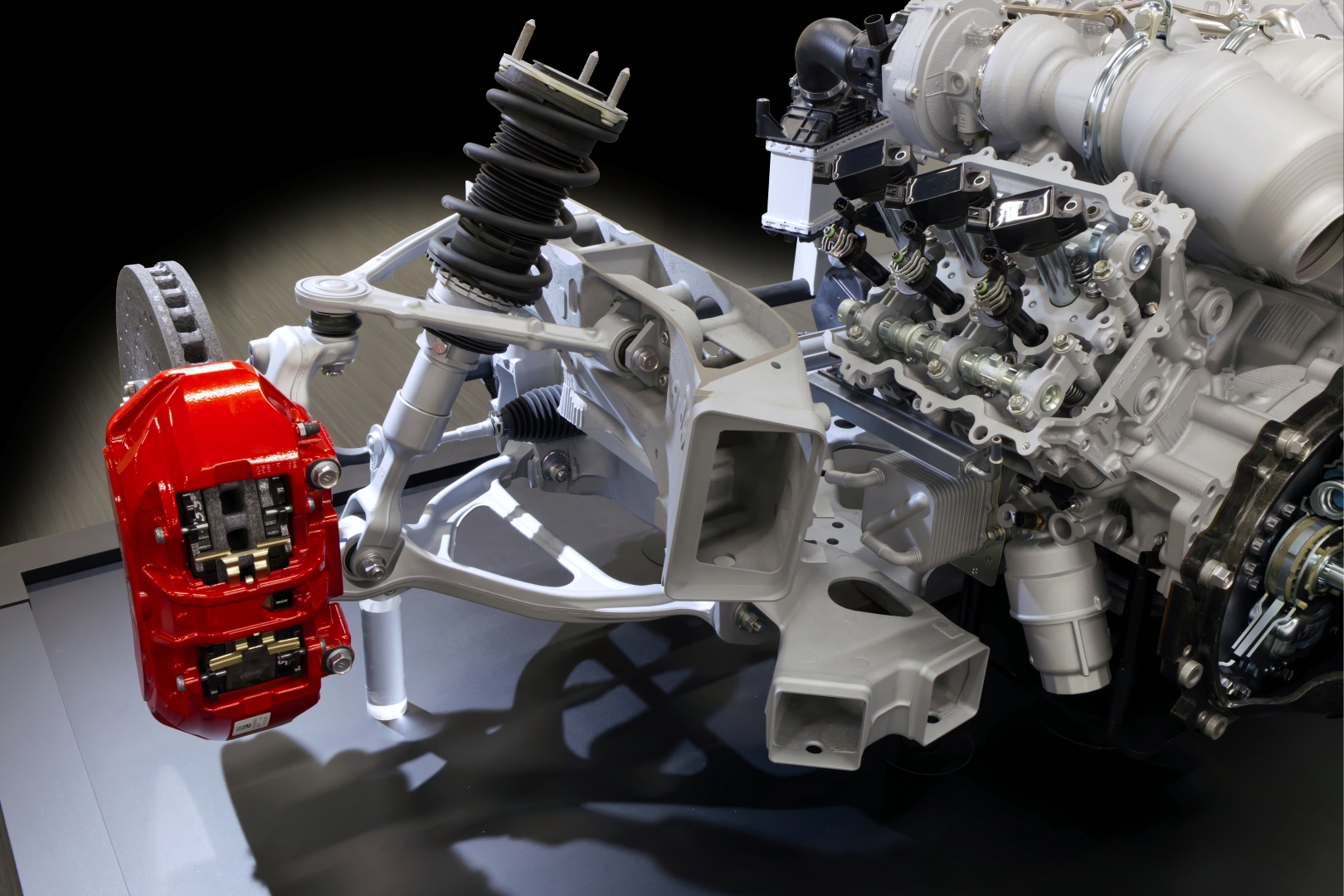
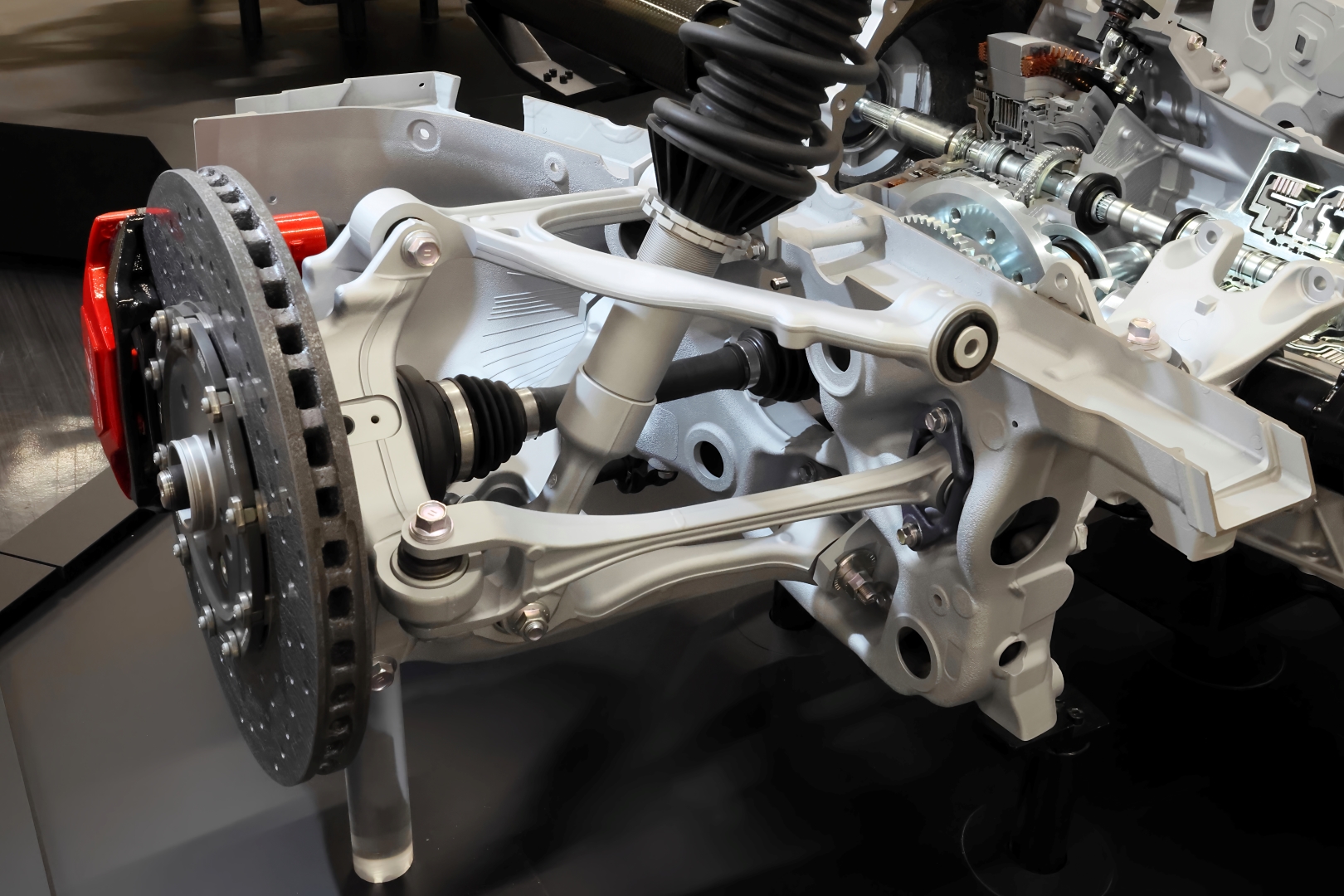
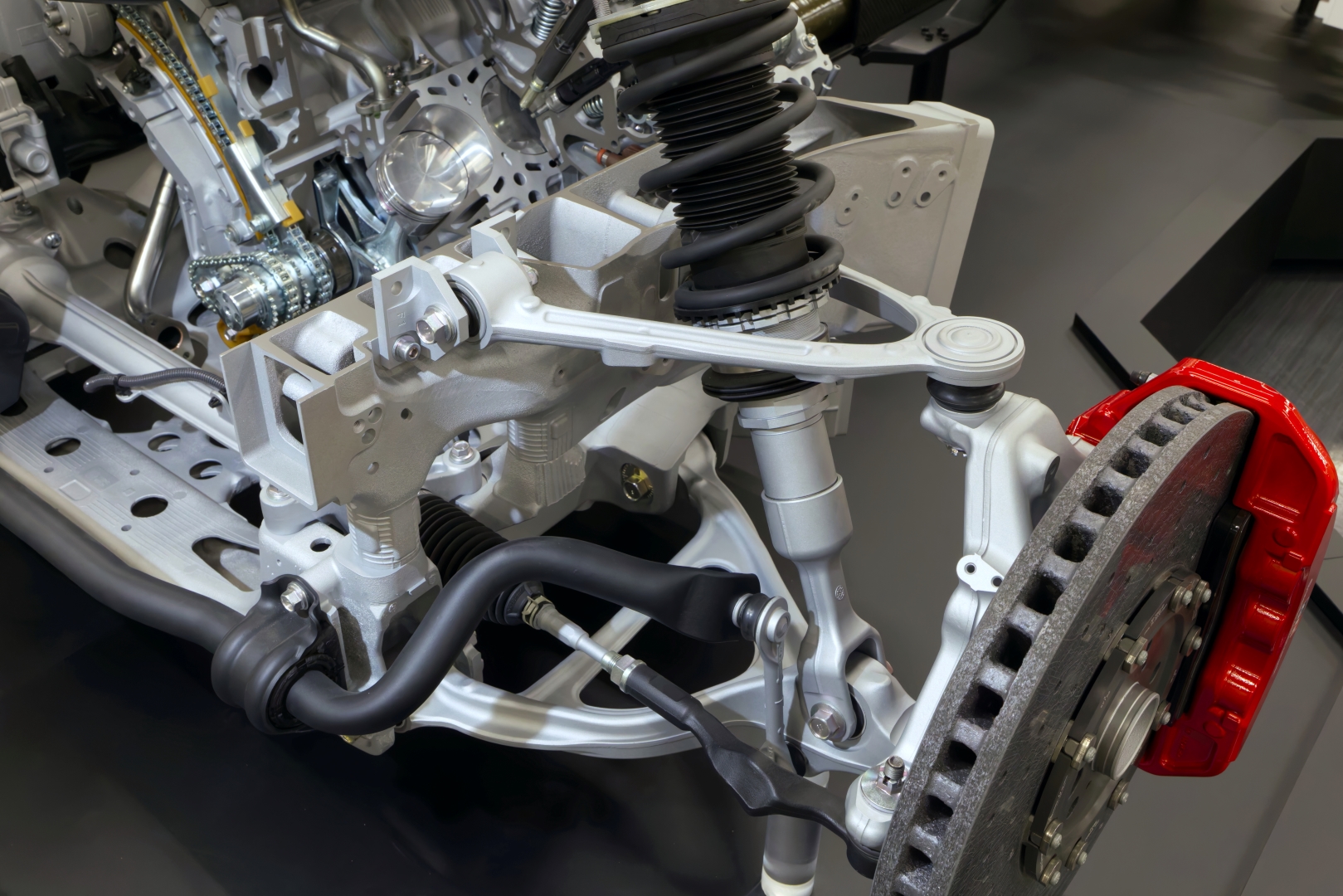
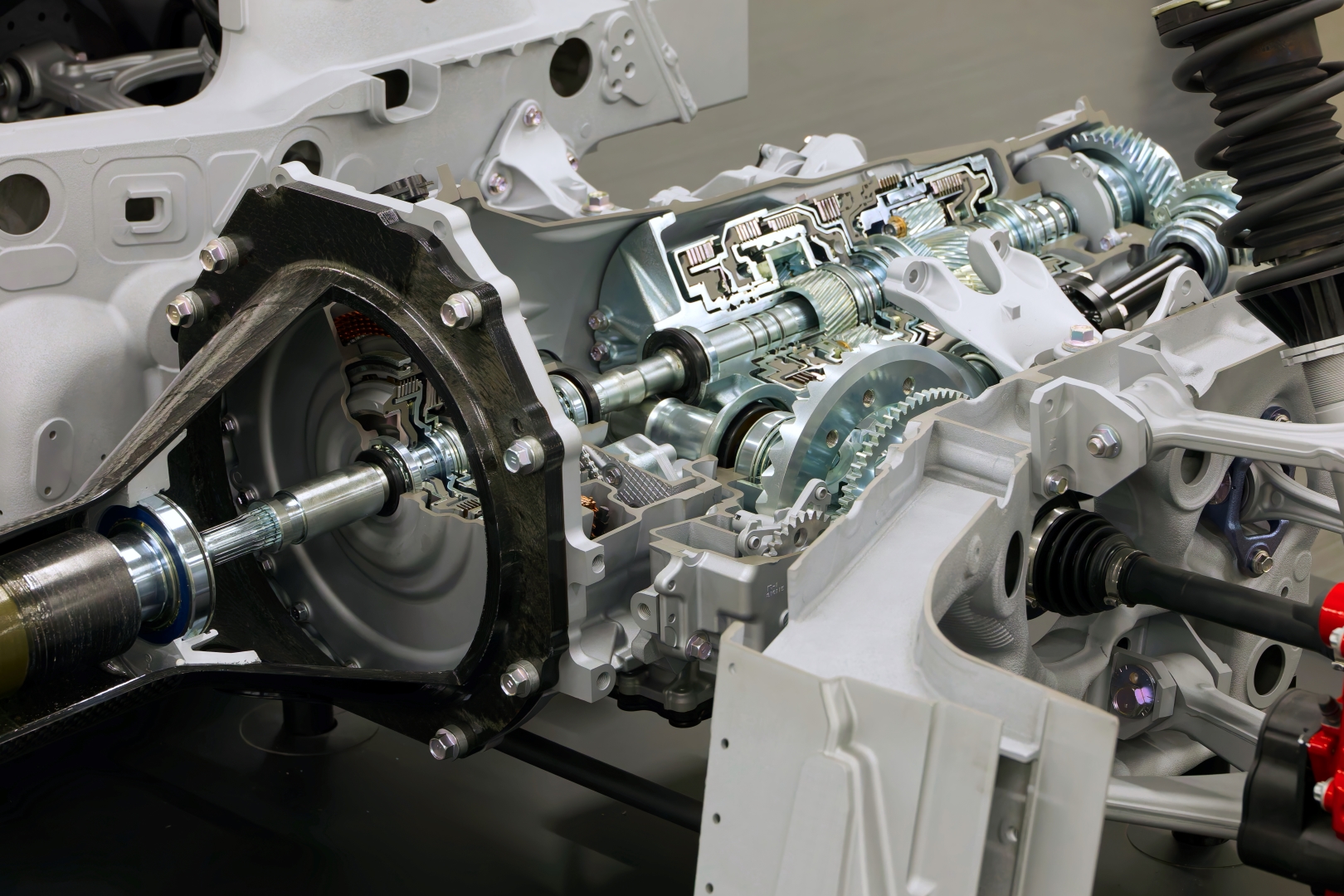
The GR GT Concept symbolizes the continuation of Toyota's traditional sports car engineering into a new era. It adopts a brand-new lightweight architecture, centered on an all-aluminum core frame that is complemented by body panels composed of various materials. This innovative construction achieves an optimal balance between structural rigidity and overall weight.
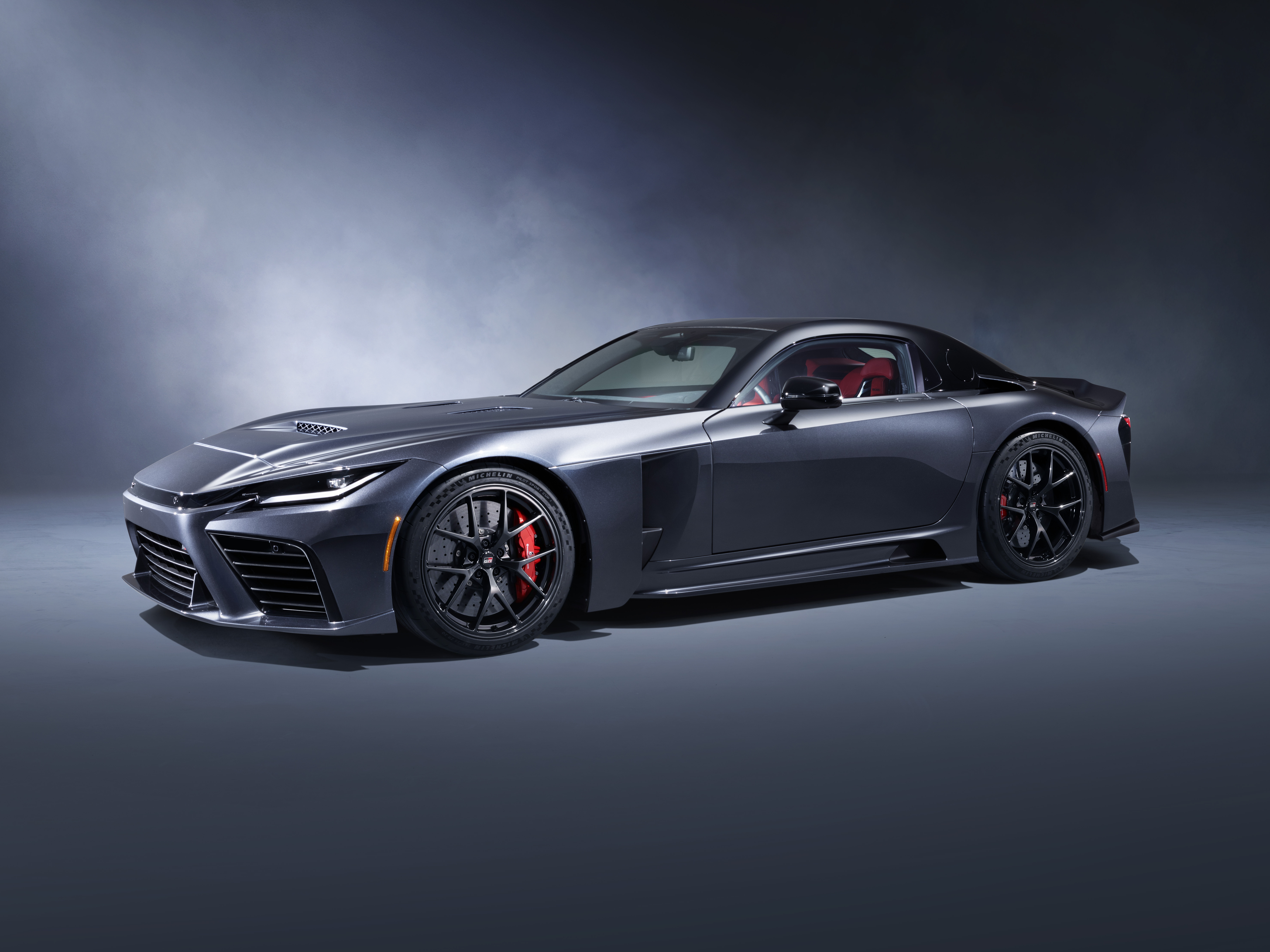
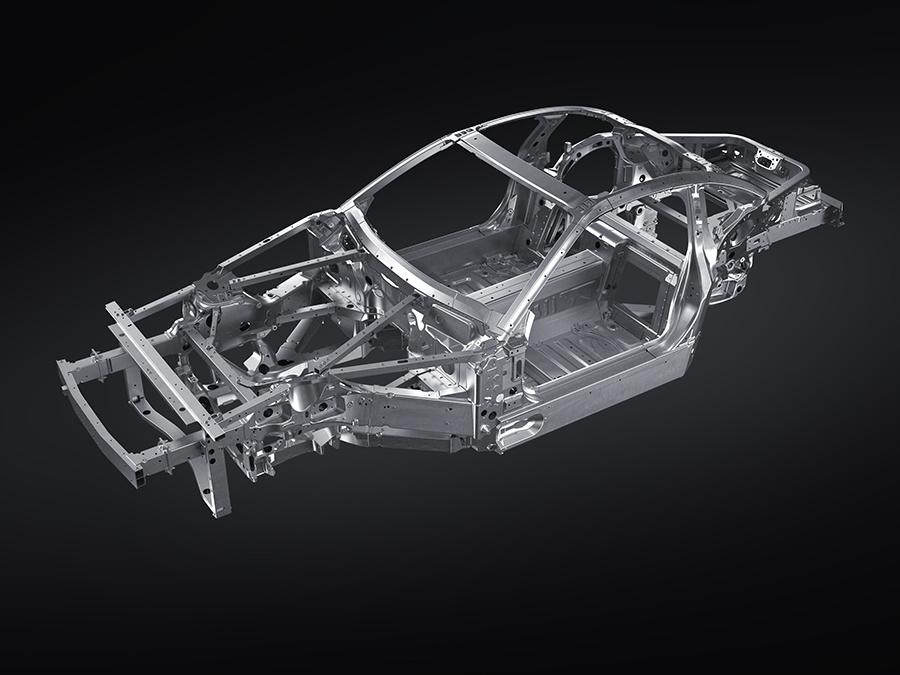
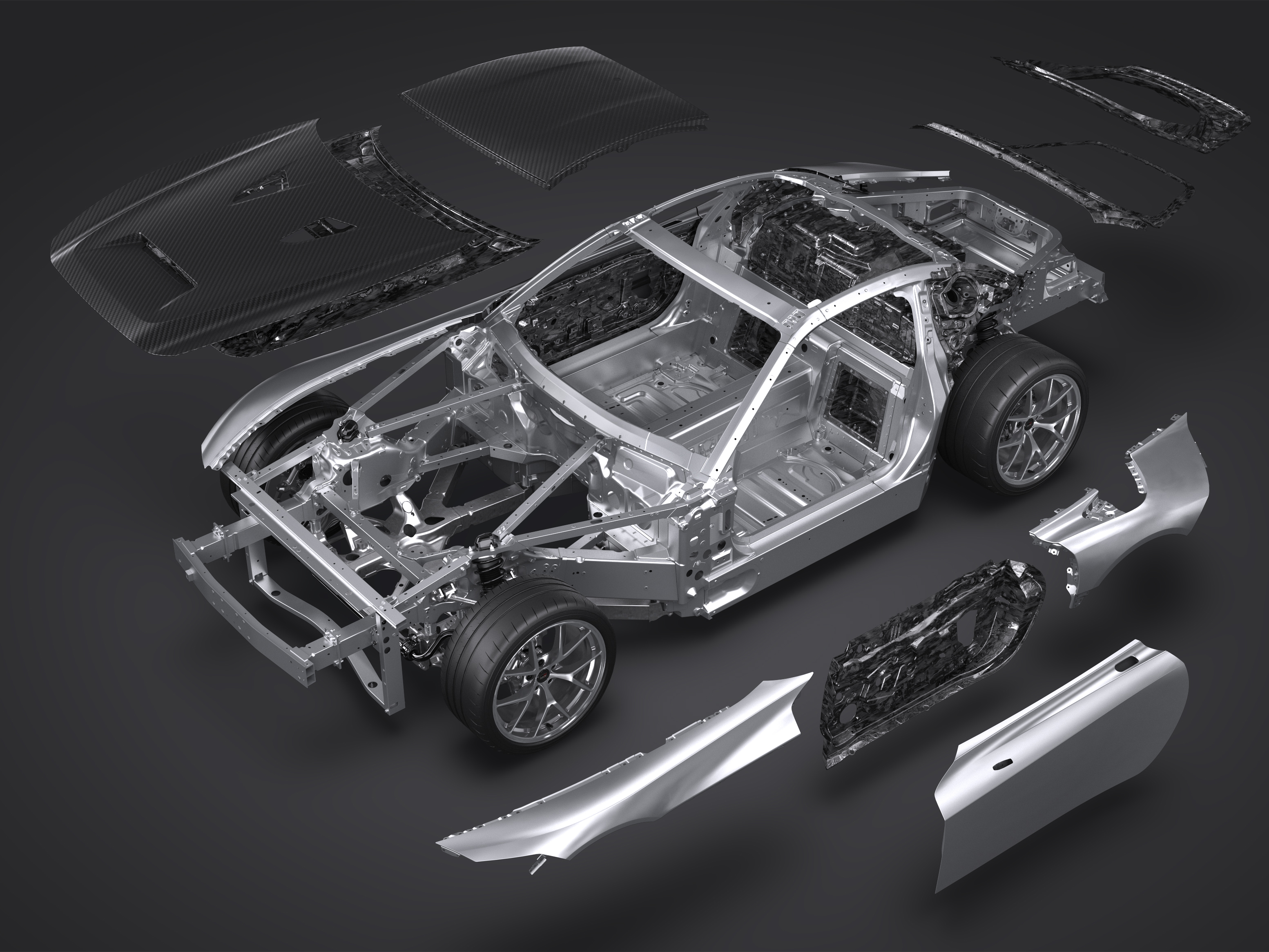
Toyota's development philosophy for this car is clearly defined: a traditional front-engine, rear-wheel-drive layout, combined with a rear-mounted gearbox and a preset 45:55 weight distribution, aims to recreate the mechanical driving feel synonymous with the Supra, 2000GT, and GR86.
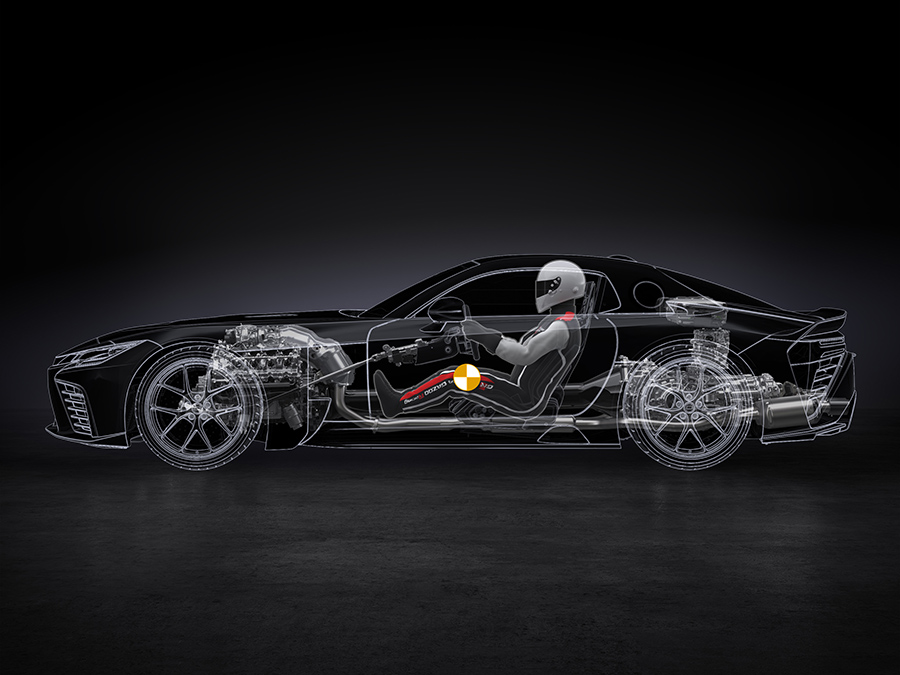

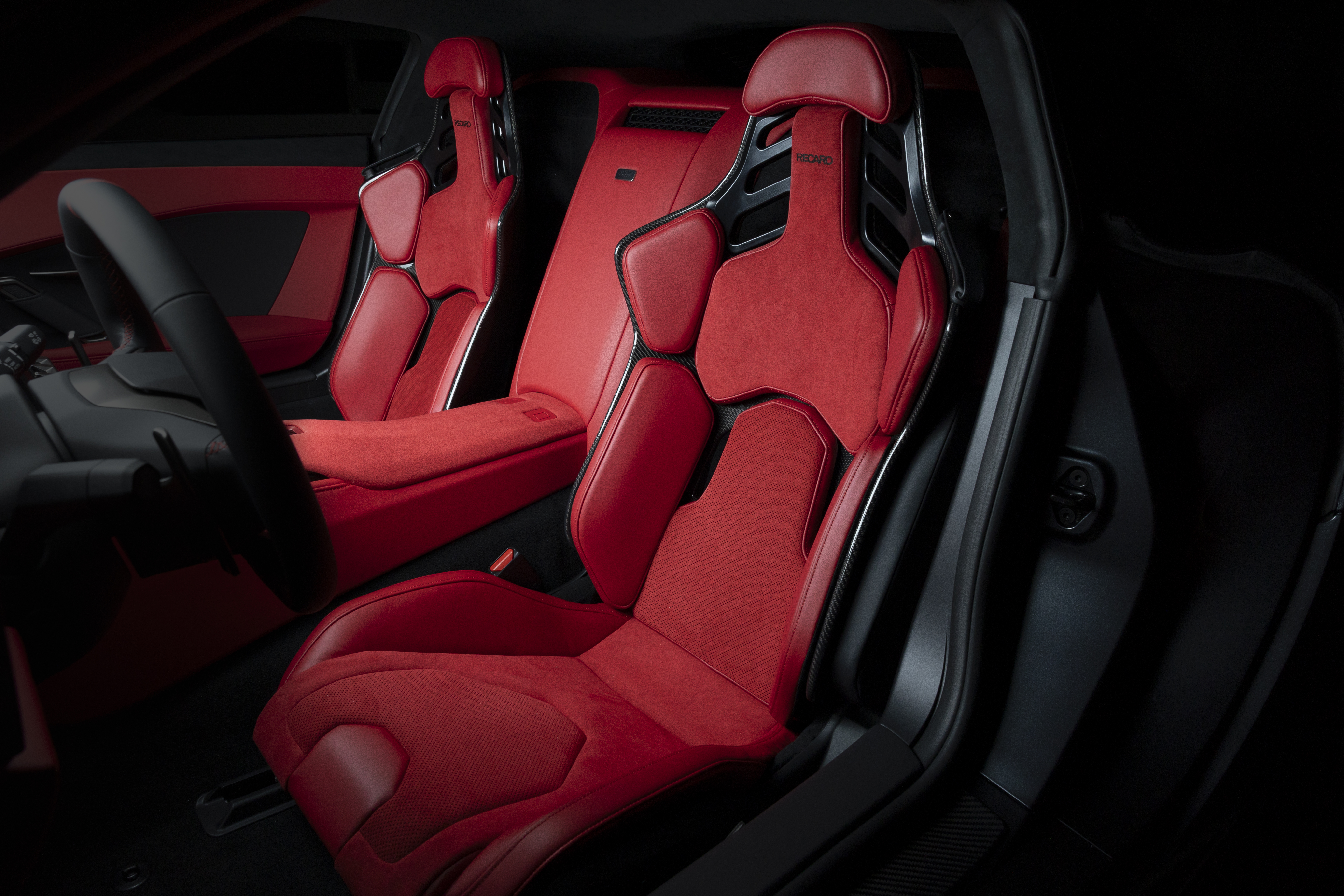
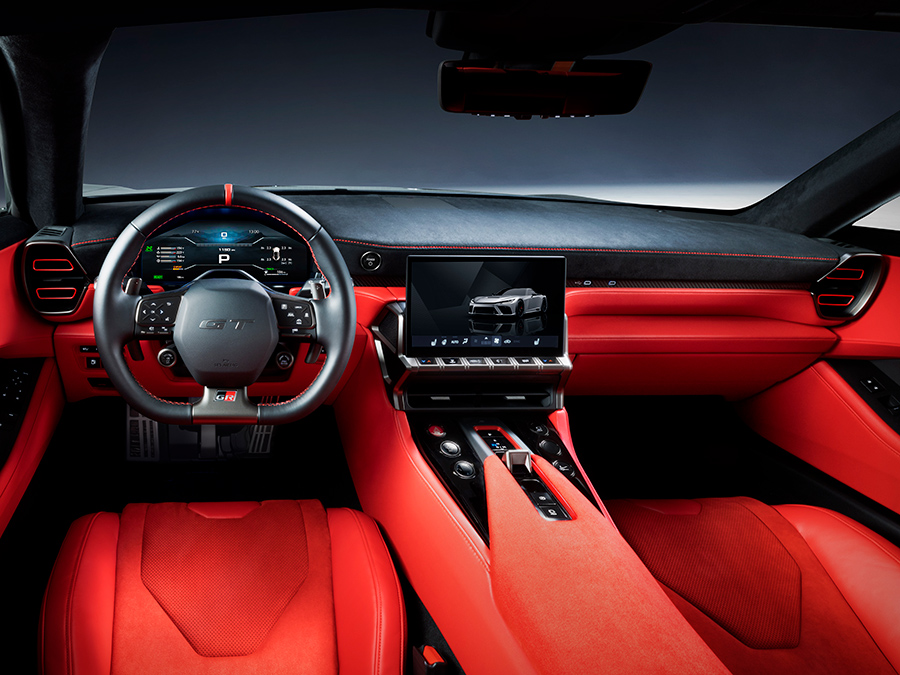


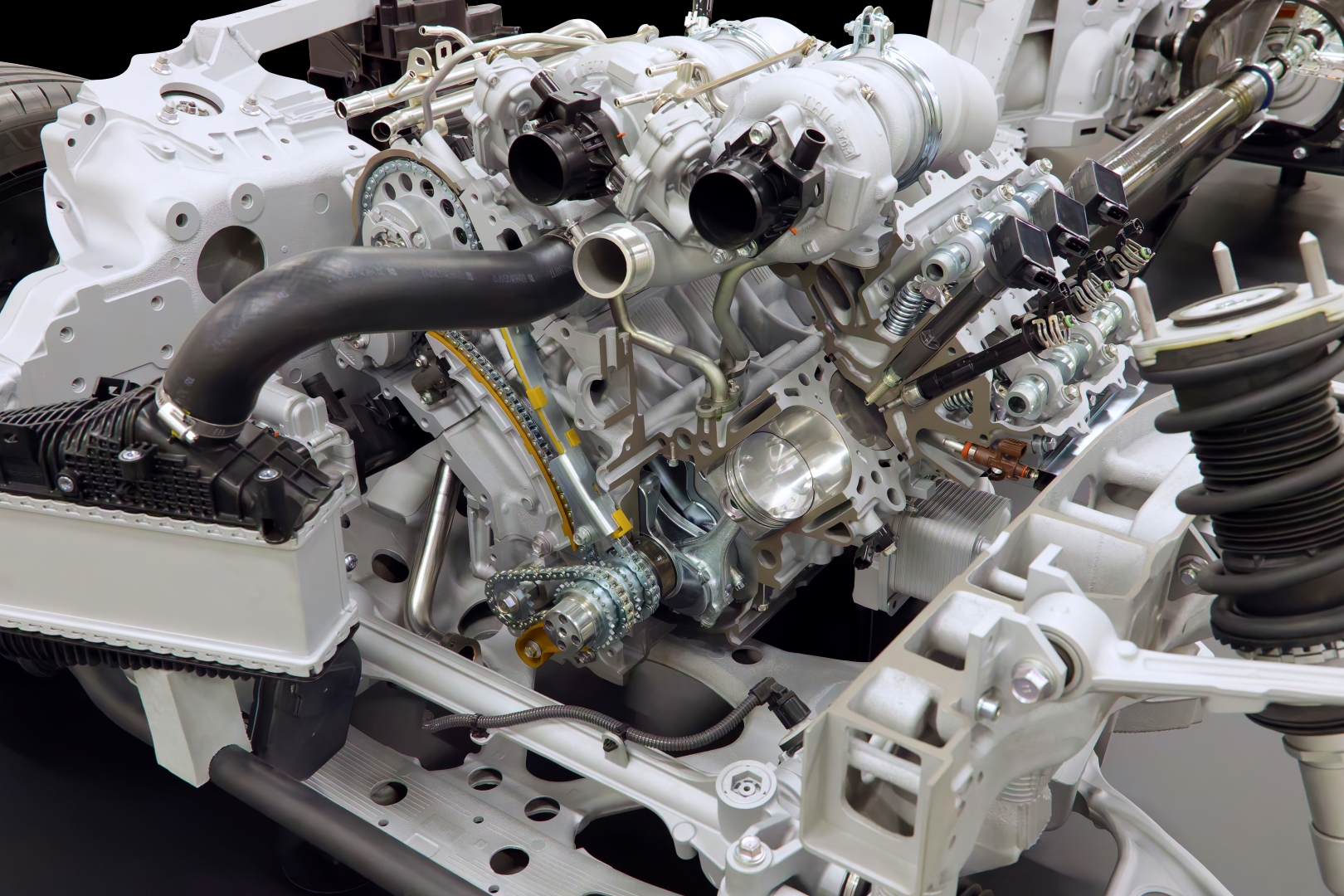
In terms of power, the newly developed 4.0L V8 twin-turbocharged engine combined with a lightweight single-motor hybrid system allows it to incorporate both traditional performance and future regulatory adaptability.
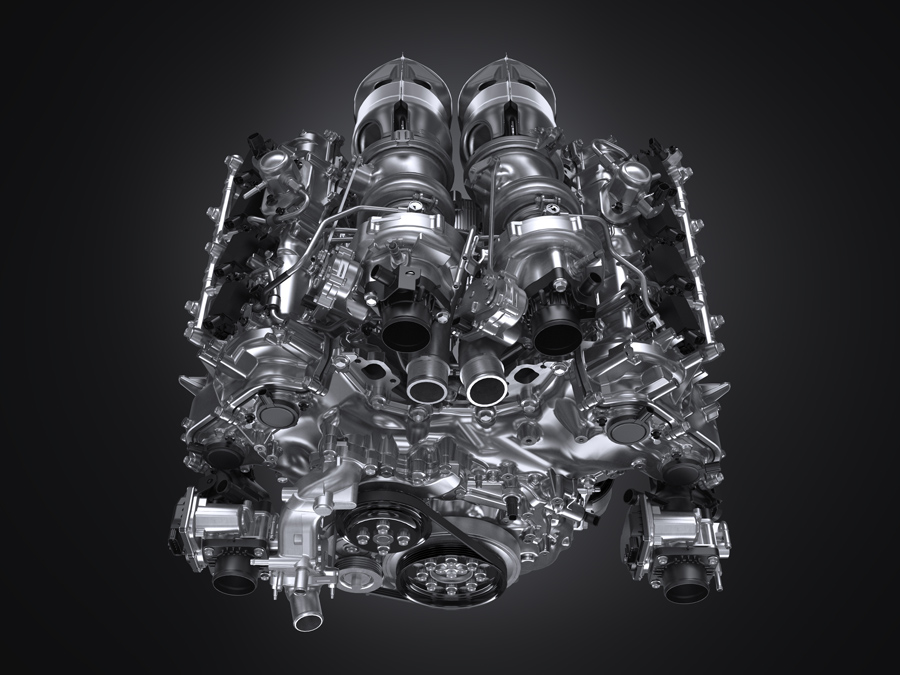
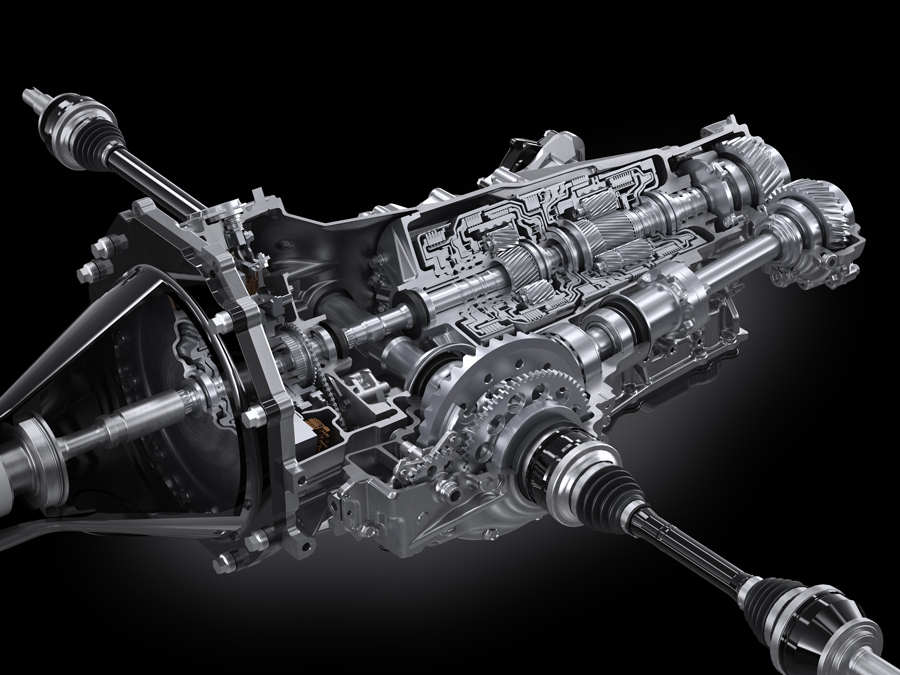
Toyota’s commitment to this seemingly contrarian strategy is not merely sentimental. Instead, it seeks to extend the viability of internal combustion engine sports cars through hybrid technology, allowing drivers to still enjoy the irreplaceable experience of control, responsiveness, and sound in the era of electrification.
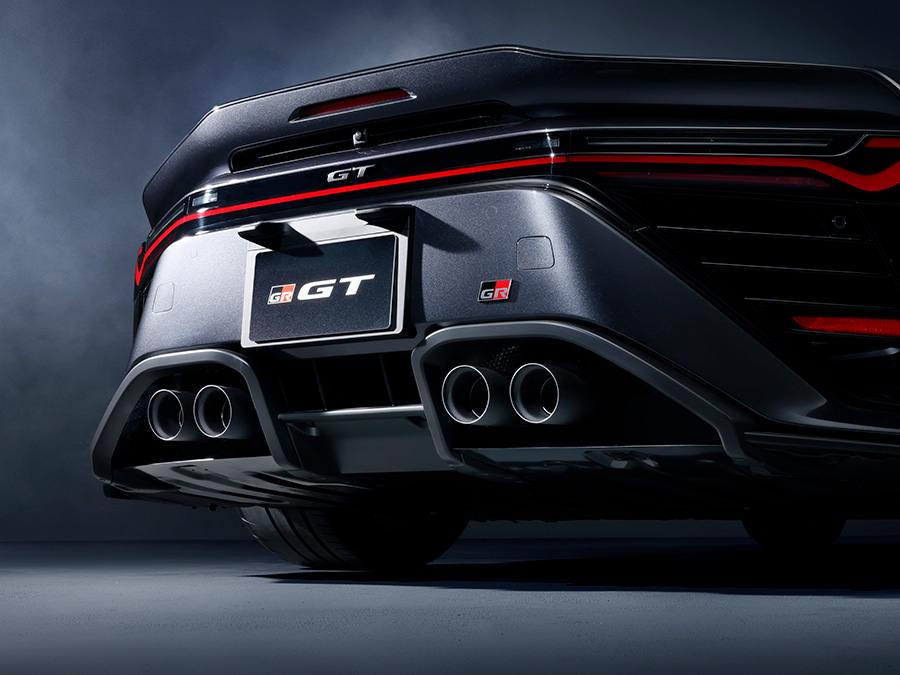
The GR GT clearly suggests the possibility of a next-generation performance car platform, resembling more of a technical pre-research prototype for the future Supra or high-end GR sports cars.
GR GT3 is a pure race car designed specifically for FIA GT3 racing
The GR GT3 Concept is closely tied to the GR GT, sharing its development philosophy while serving a distinct purpose: it is not a road car, but a pure race car engineered specifically for FIA GT3 competition.
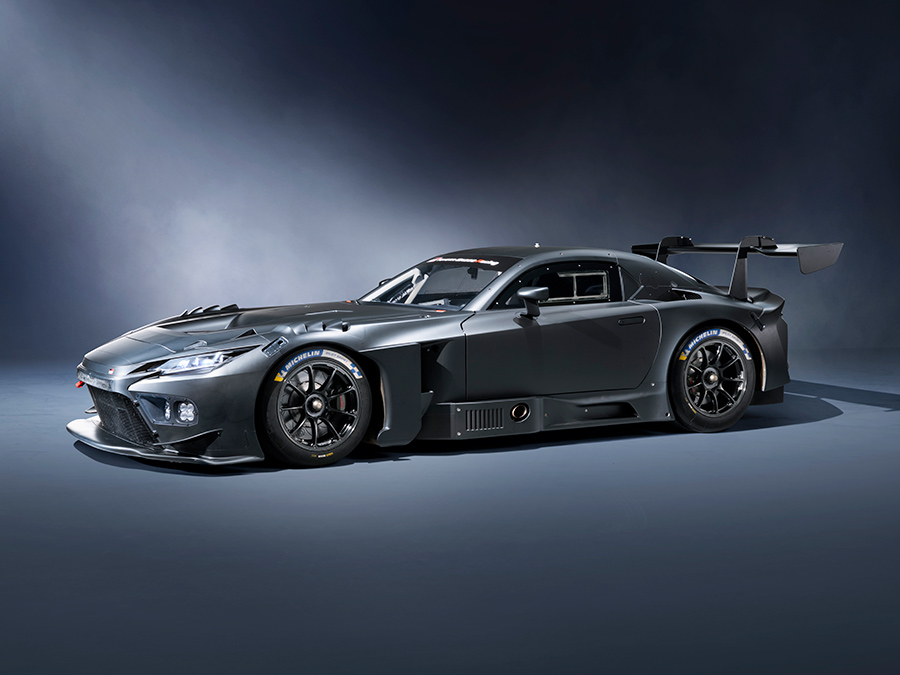
Toyota has explicitly stated that both cars are being developed concurrently from the R&D phase onward, undergoing extensive testing in driving simulators, on global race tracks, public roads, and in long-distance endurance environments. This "dual-track development" model represents a high-investment strategy previously reserved for projects like the LFA.
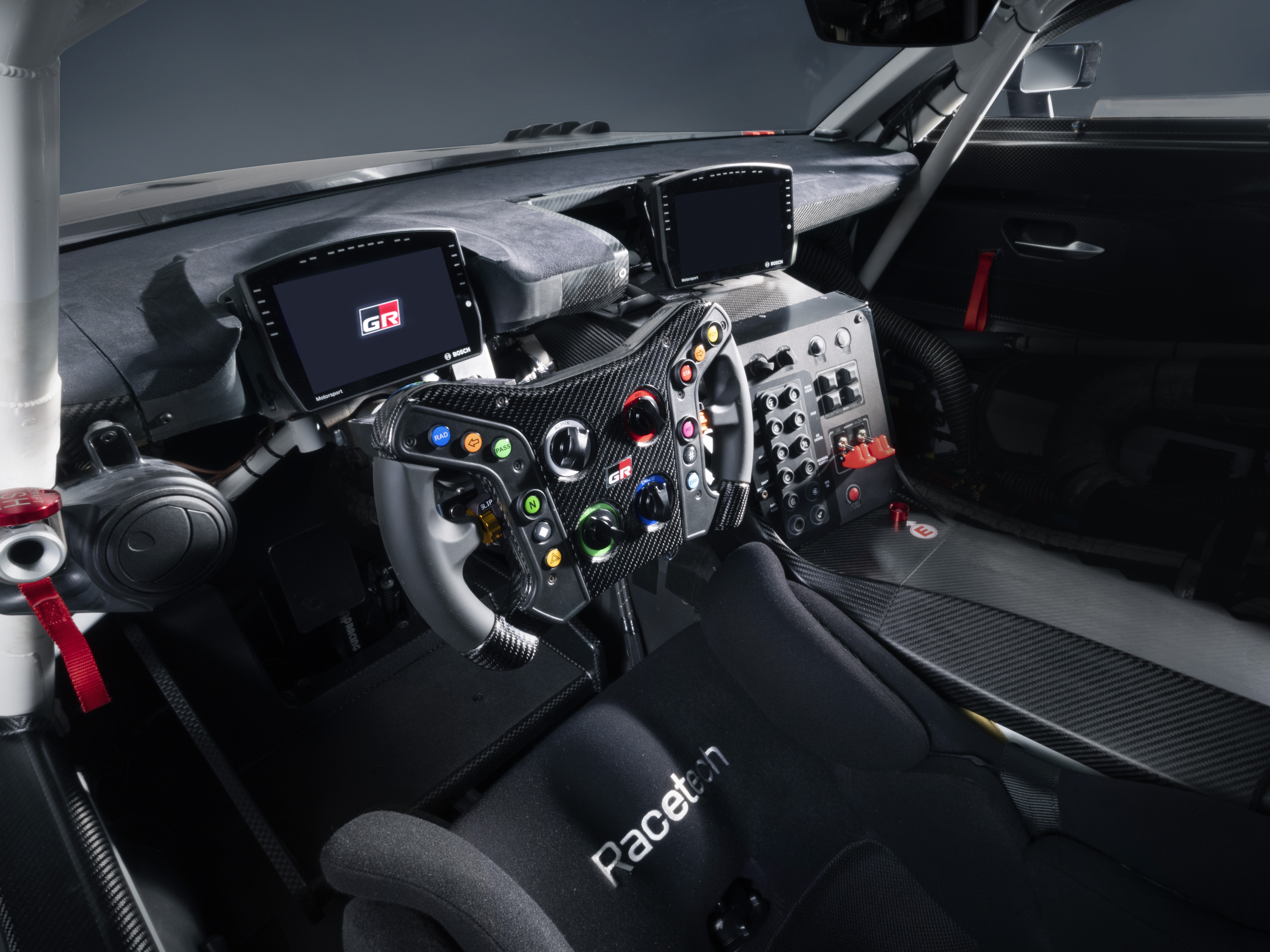
GR GT3's identity is more strategic, inheriting the international racing pedigree of the Supra GT500 and GR Supra GT4, aiming to help Toyota regain its foothold in the highly competitive global GT3 racing category.
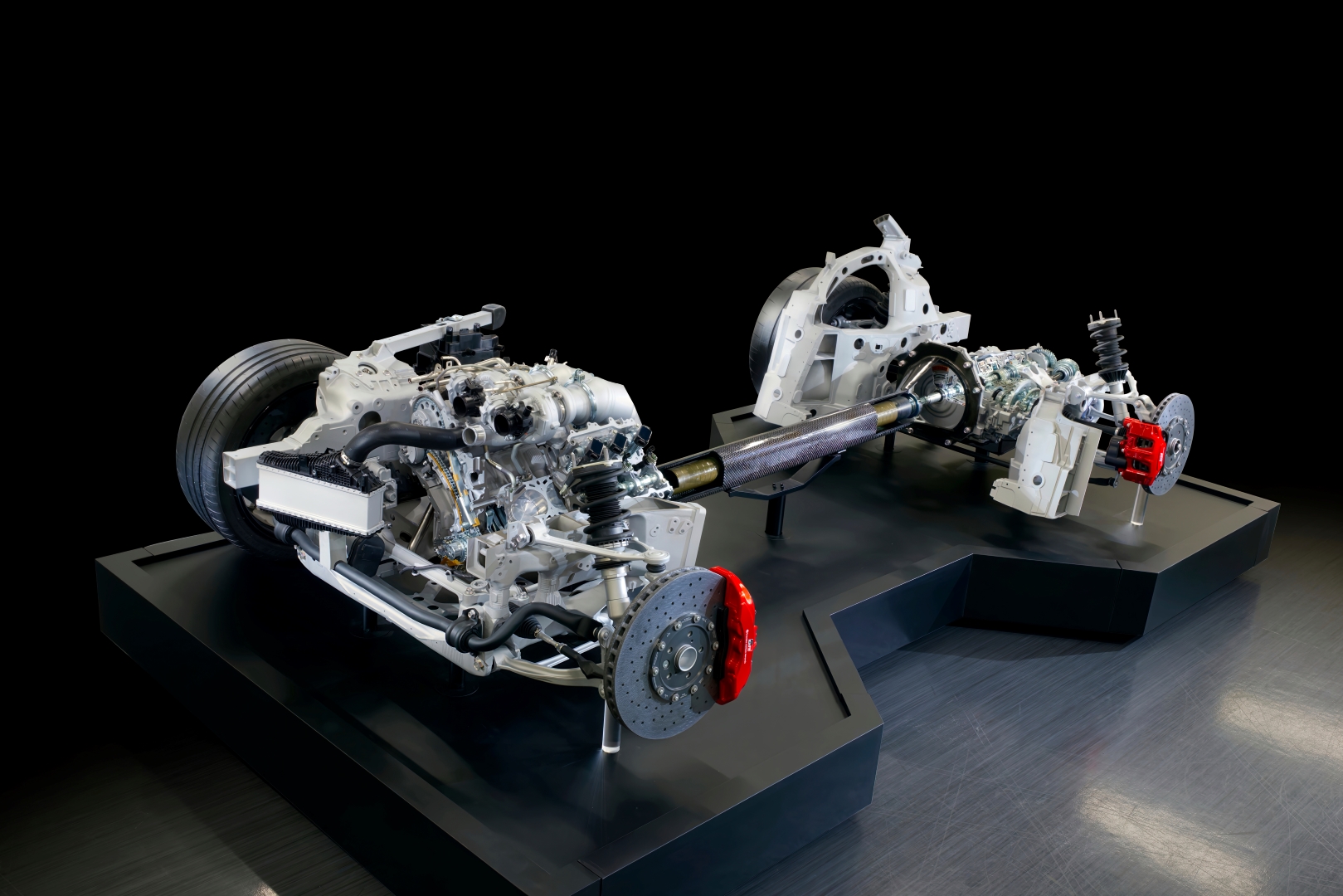
Historically, Toyota has long been suppressed in the GT3 field by brands such as Porsche and Mercedes-AMG, but the emergence of the GR GT3 signifies that Toyota is preparing to establish a new system capable of supporting the "racing-to-production" cycle.
Lexus LFA Concept continues the legacy of LFA as an electric vehicle
If the GR GT and GR GT3 represent the realistic extension of Toyota's performance culture, then the Lexus LFA Concept embodies the spiritual continuation of traditional performance cars in the electric era.
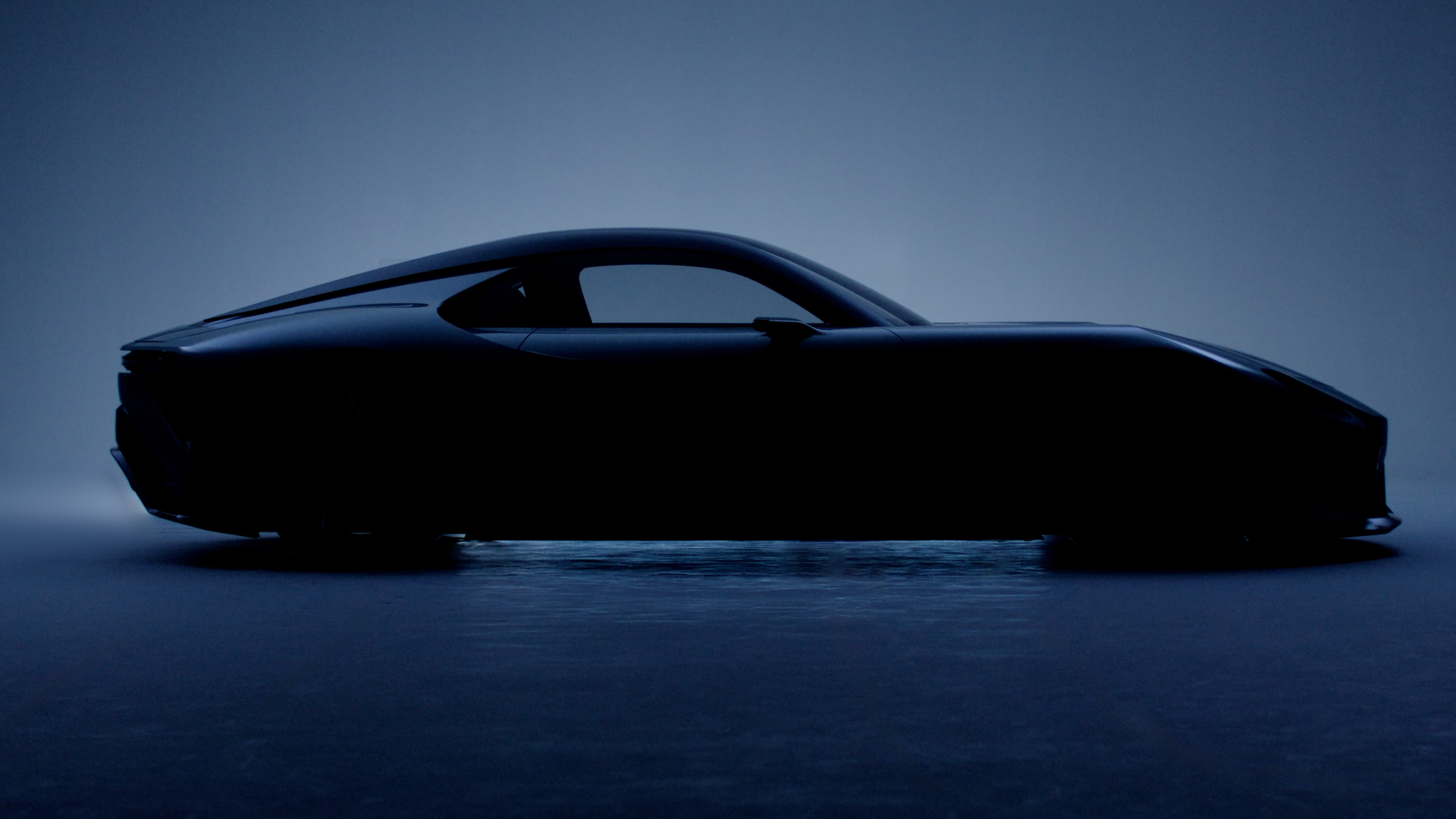
Rather than focusing on power specifications, this concept car emphasizes the craftsmanship heritage inherited from the LFA. Toyota draws a parallel to the Japanese shrine tradition of "Shikinen Sengu," suggesting that such traditional craftsmanship must be meticulously passed down to the next generation of vehicles.
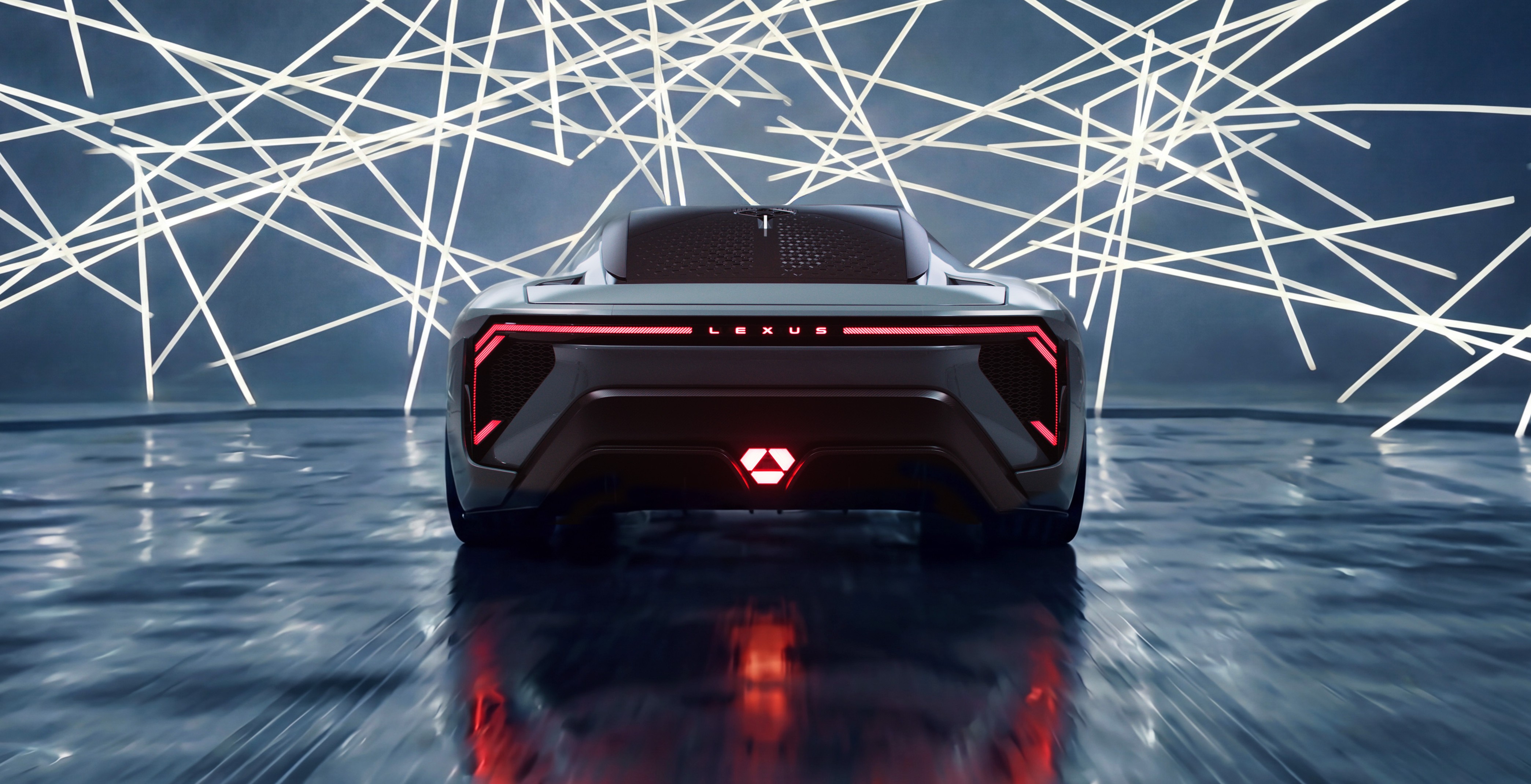

The LFA Concept continues the first-generation LFA's relentless pursuit of driving immersion through its body structure, driving posture, visibility design, and airflow management. The key difference, however, is that it now transitions from a high-revving V10 to a future-oriented BEV platform.
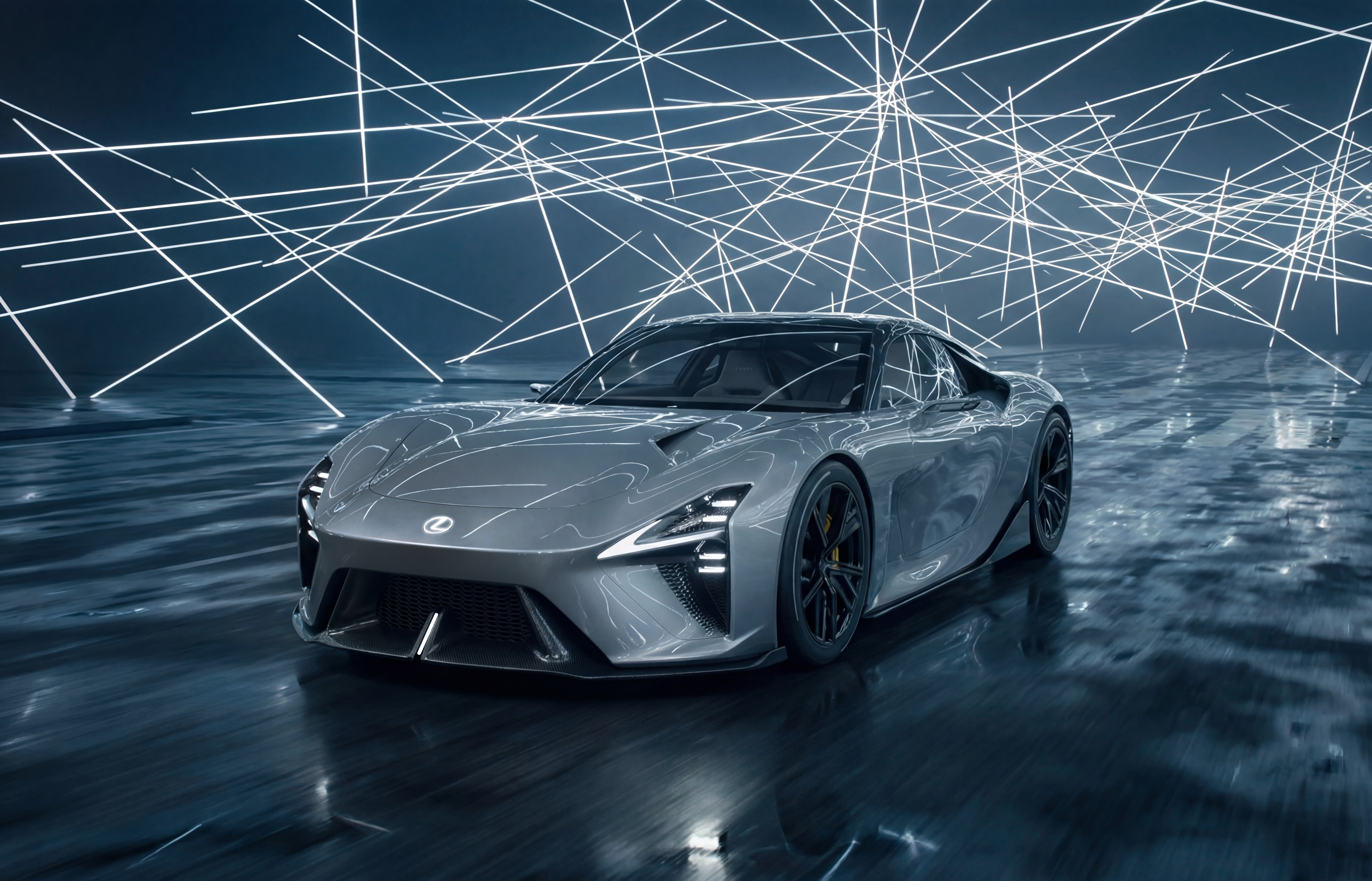
Lexus points out that the LFA Concept serves as the foundation for next-generation BEV high-performance models, with lightweight construction, high rigidity, and a low center of gravity layout as its core principles.
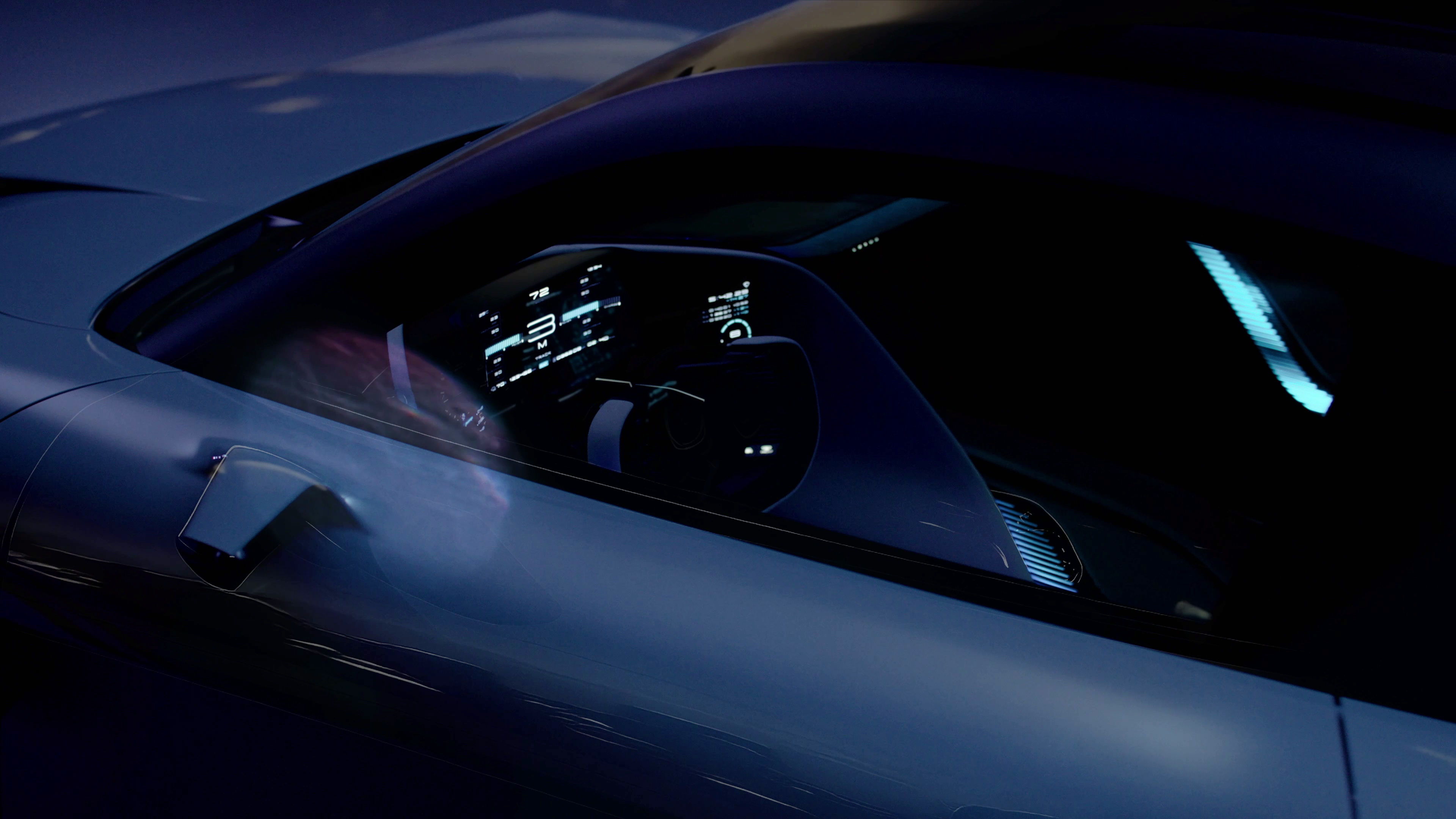
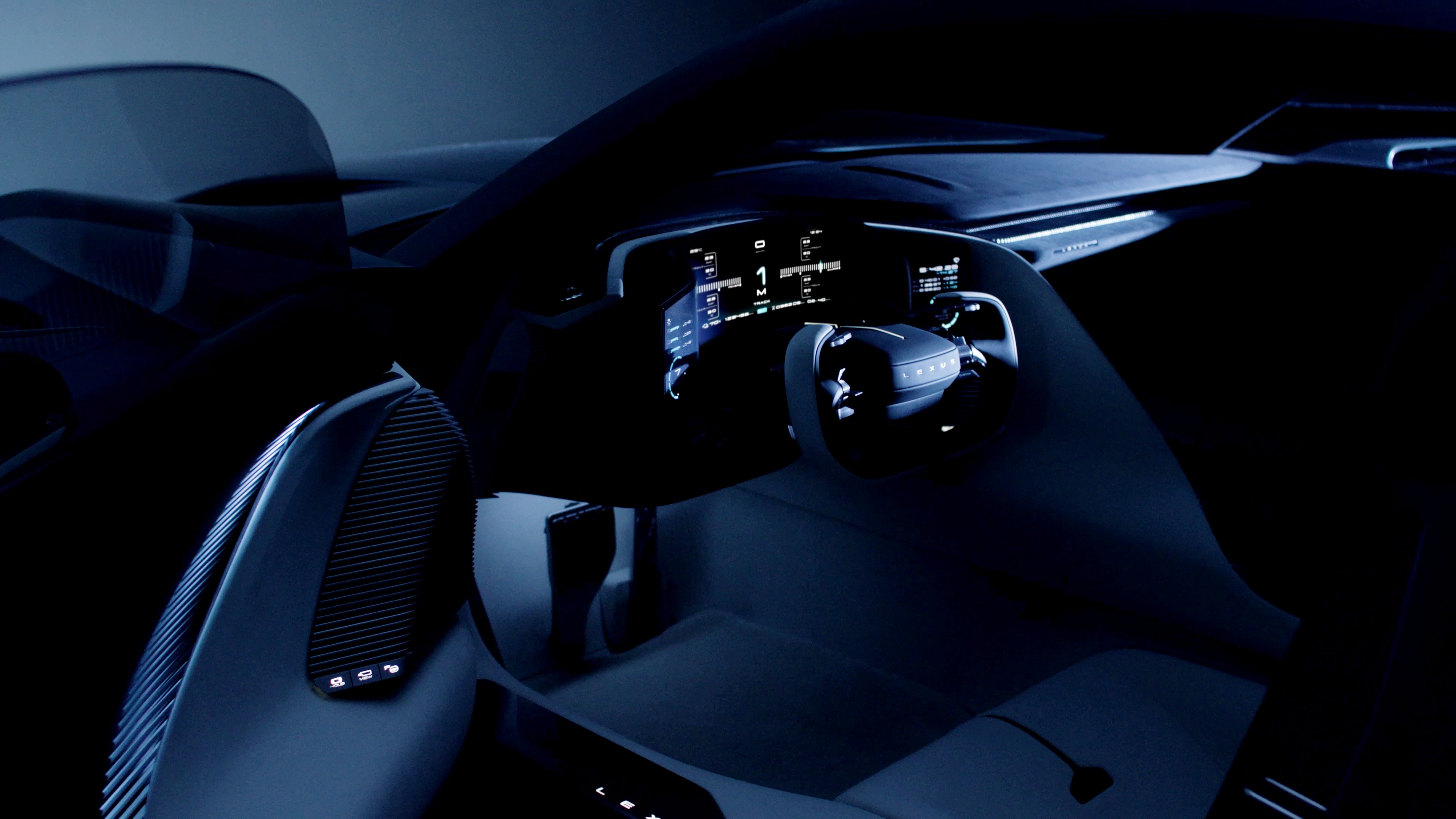
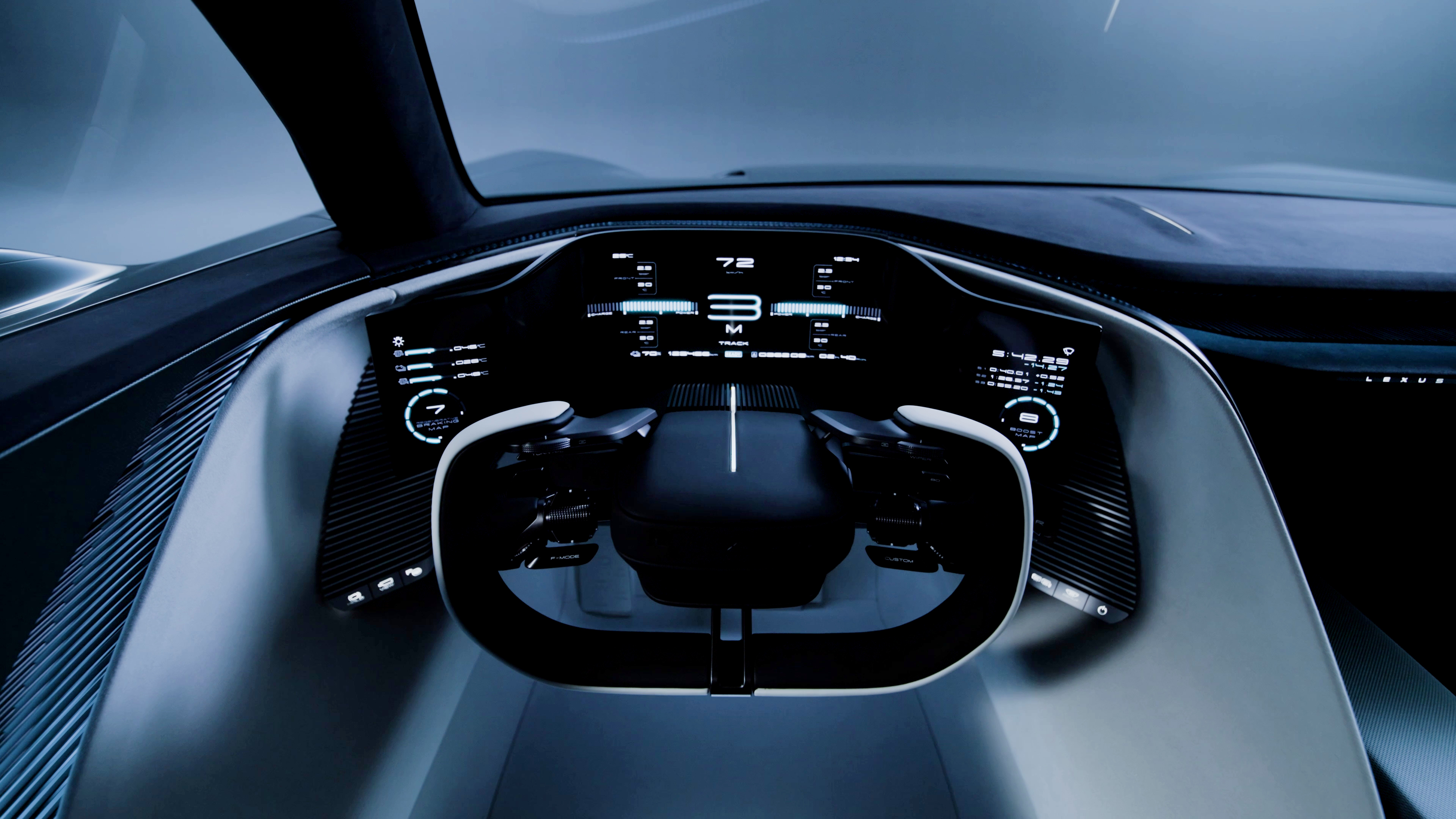
This means it will not enter mass production in the near future. Instead, it will serve as a technological foundation for future F series or high-performance BEVs, embodying the dual roles of a brand icon and a technological beacon-much like the original LFA did for the Lexus lineup in its era.
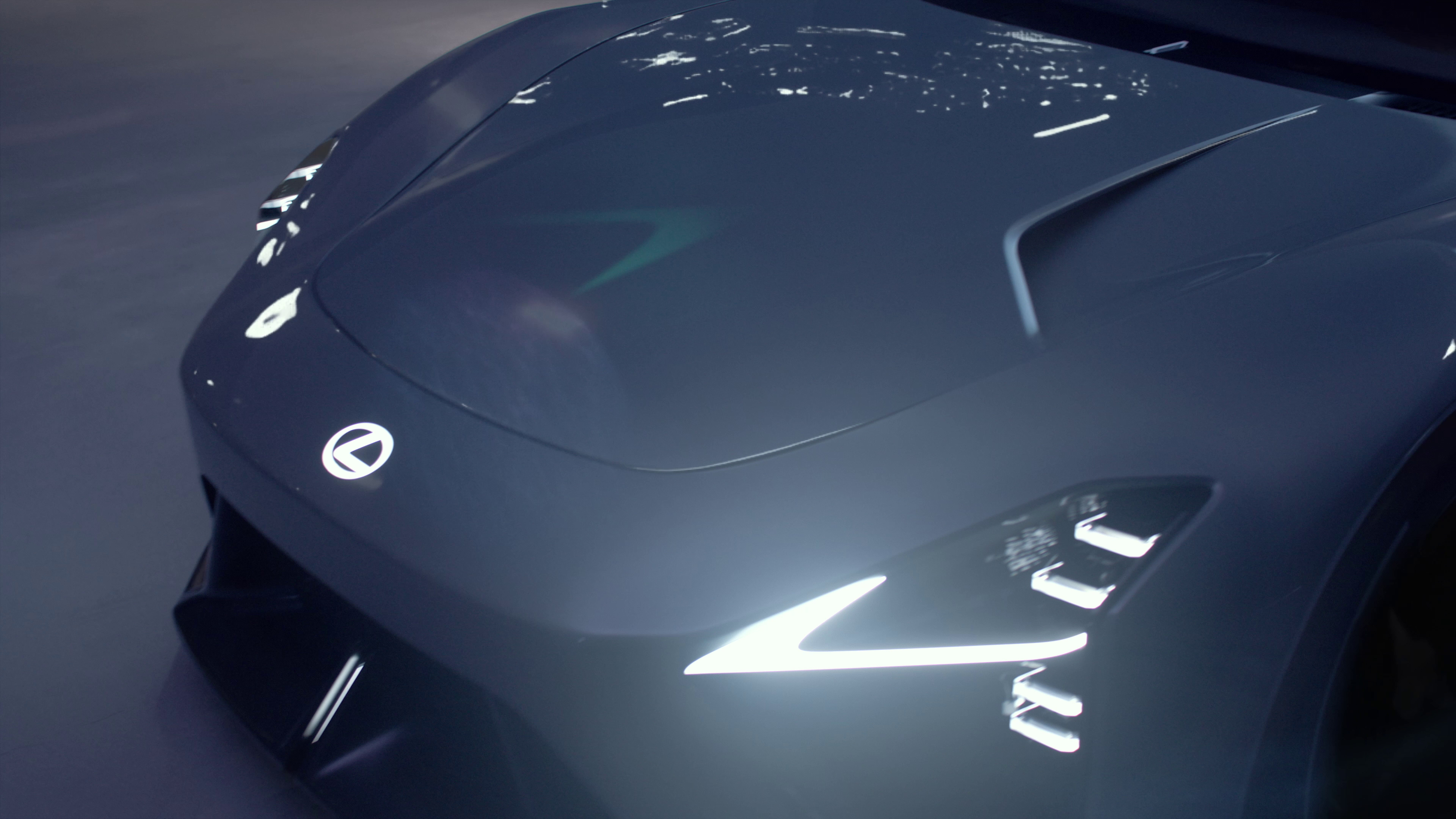
Based on the positioning of the three cars, they form a rare technological architecture:
· GR GT embodies the evolution of traditional sports cars through new technology;
· GR GT3 focuses on reclaiming a competitive presence in racing;
· Meanwhile, the LFA Concept stands as a performance icon for the electric era.
The three share core concepts like lightweight structures, enhanced rigidity, optimized aerodynamics, and emphasis on driver positioning, but the eras they are designed for and their purposes are completely different.
The sports car market is shrinking, but Toyota goes against the trend
Looking at mainstream sports car brands worldwide, almost all manufacturers have significantly scaled back development of fuel-powered performance cars in the past five years.
Honda officially concluded production of the second-generation NSX in 2022, clearly redirecting resources toward its four-motor EV platform; the Nissan GT-R, despite over fifteen years of service in its R35 iteration, still lacks a clear replacement plan; and Mazda has quietly shelved its once-confirmed RX-Vision/RX-9 sports car project.
The trajectory of European and American brands aligns with this trend. Mercedes-AMG is moving toward full hybridization and phasing out several V8 sports cars; the Audi R8 has been discontinued, with its successor slated for the PPE pure electric platform; even Porsche has publicly confirmed that the next-generation 718 will become a fully electric sports car.
The entire industry is not showing a natural transition, but rather a shift towards full electrification of performance cars, forcing fuel-powered sports cars to exit the stage.
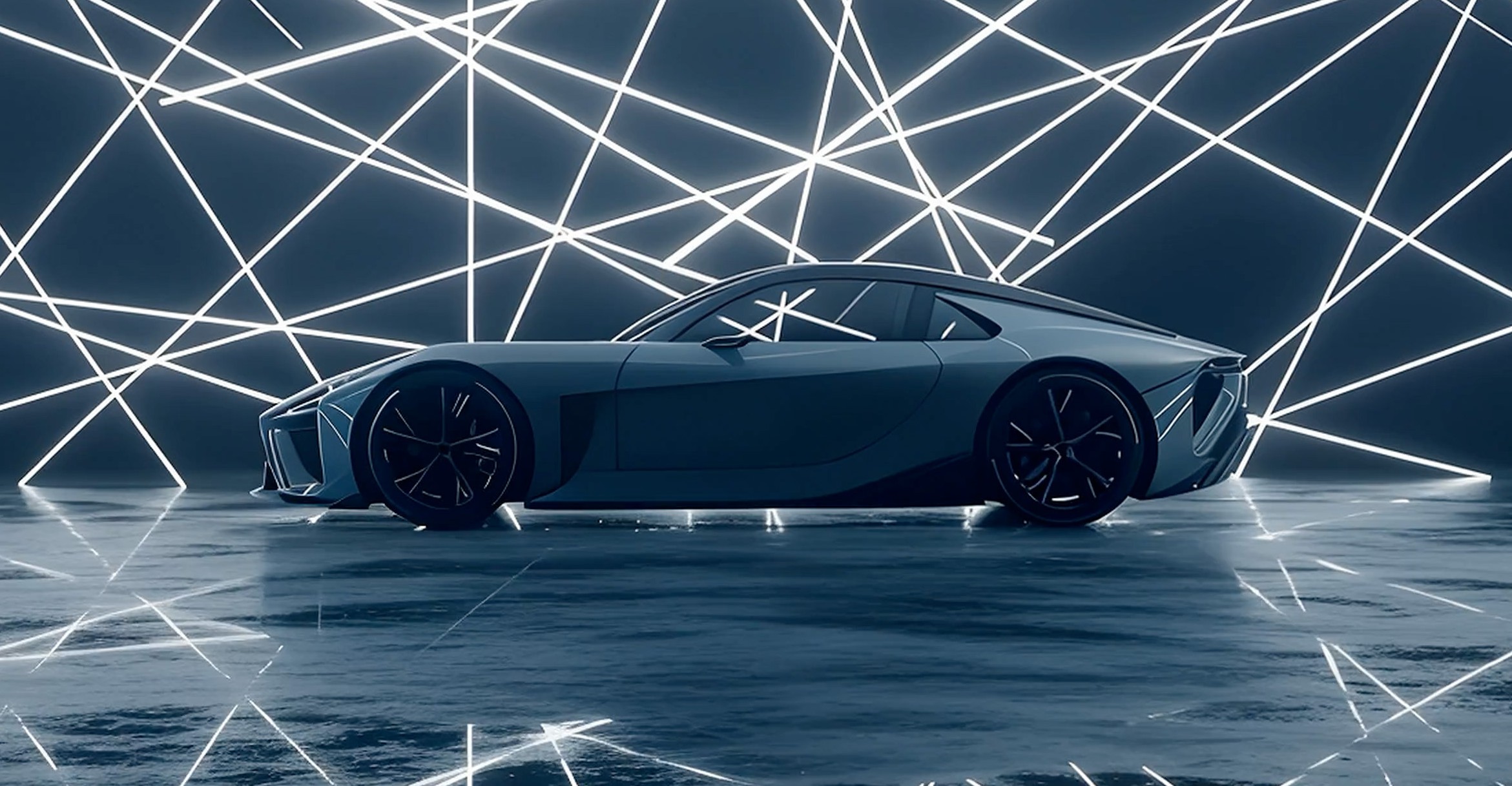
Ultimately, Toyota is not resisting the shift to electric vehicles but is actively sustaining the appeal of fuel-powered sports cars, ensuring their viability well into the 2030s and beyond.
If any infringement occurs, please contact us for deletion










Popular Cars
Model Year
Car Compare
Car Photo