
Rare move, Toyota will release three important models in one go on December 5th
 AshleyDec 04, 2025, 04:00 PM

【PCauto】Toyota will hold the "All-New Sports Models World Premiere" global launch event on December 5 at 11 a.m. Japan time, unveiling three brand-new high-performance sports cars in the same live broadcast.
This simultaneous launch of multiple performance models represents a departure from Toyota's recent product strategy, adding to the event's significance.
The three showcased models are:
• Toyota GR GT (road-going flagship sports car)
• Toyota GR GT3 (homologation version for racing / track-only)
• Lexus LFR (luxury flagship sports car)
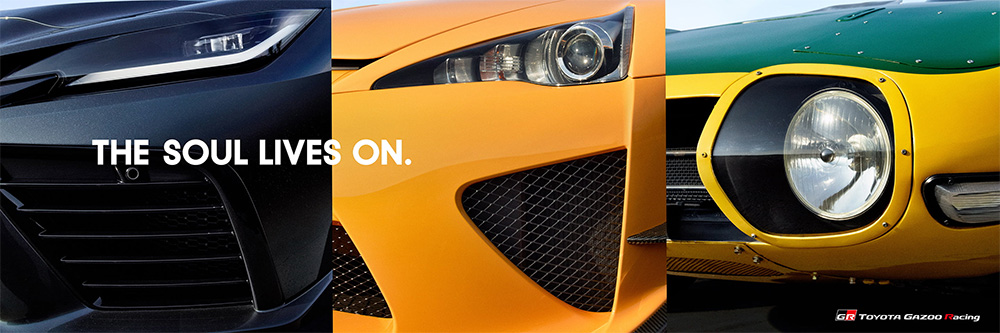
What technical highlights will the three all-new sports cars feature?
The trio will be united by a formidable core: a 4.0-liter V8 twin-turbocharged engine paired with a hybrid system.
Toyota applies hybrid technology to the sports car domain
In an era where many brands are retreating from gasoline performance cars, Toyota is boldly anchoring its performance future on a V8-hybrid powertrain—a defiant technological stance.
The powertrain's combined output is anticipated to fall between 700 and 800 horsepower, with the electric motor providing immediate low-end torque response.
In other words, Toyota hopes to use hybrid technology to compensate for the explosive delay of traditional large-displacement engines on the track, giving the powertrain not only the emotional character of an internal combustion engine but also the instant response of electric drive.
This approach reflects Toyota's stance on the future of sports cars in a post-fossil-fuel era: not to abandon them, but to redefine them through hybridization.
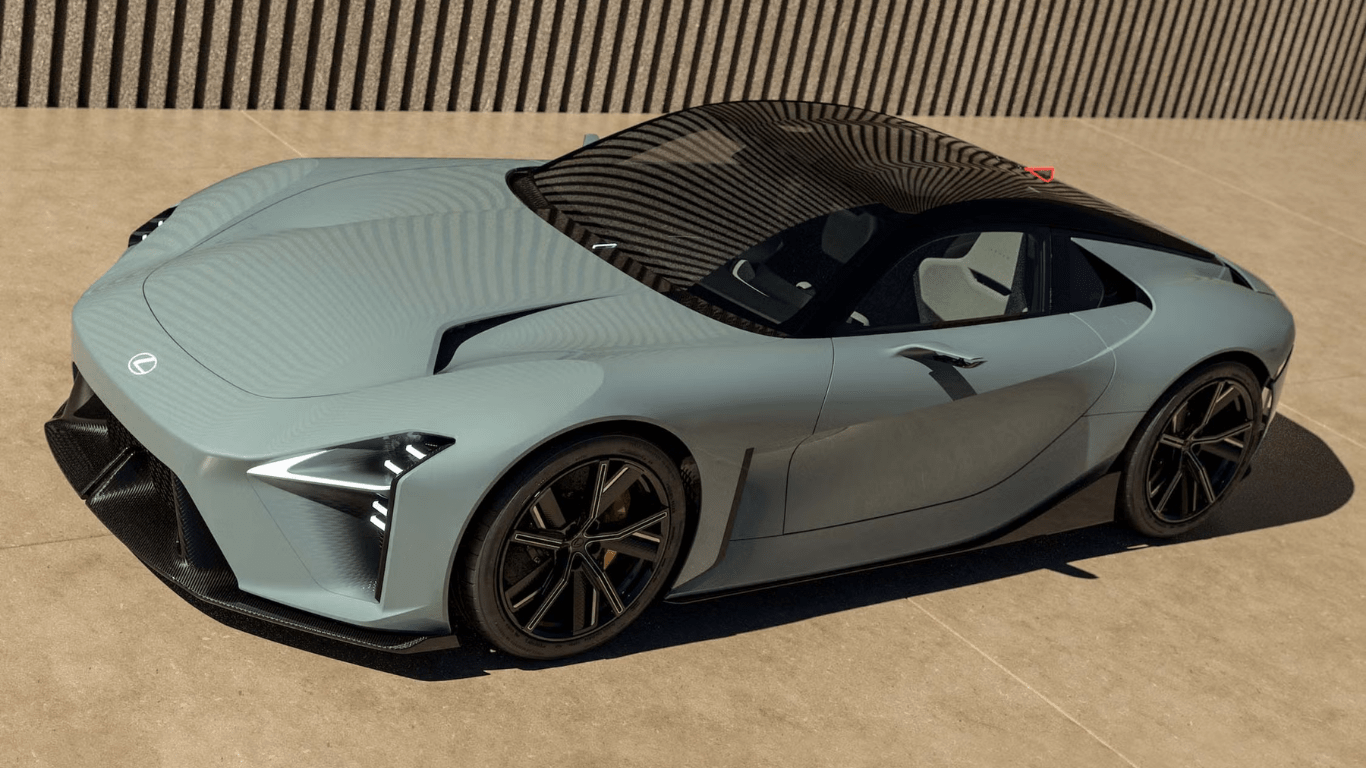
The V8 Hybrid inherits development experience from the LFA
From an engineering standpoint, this V8 hybrid represents not only an evolution of GR technology but also draws on Lexus's high-performance expertise honed since the LFA, marking a convergence of two technical lineages.
For Toyota's GR performance division, this powertrain carries profound strategic weight.

What do Toyota's three sports cars represent?
Among the three high-performance models launching simultaneously, the Toyota GR GT is arguably the most symbolic.
Based on current spy photos and known positioning, its level has clearly surpassed the Supra and is closer to the "brand icon sports car" represented by the 2000GT and LFA of the past.
For Toyota, this car is not tasked with high sales volumes; its true value lies in reestablishing Toyota's presence in the high-end sports car segment and providing a new spiritual anchor for the GR brand.

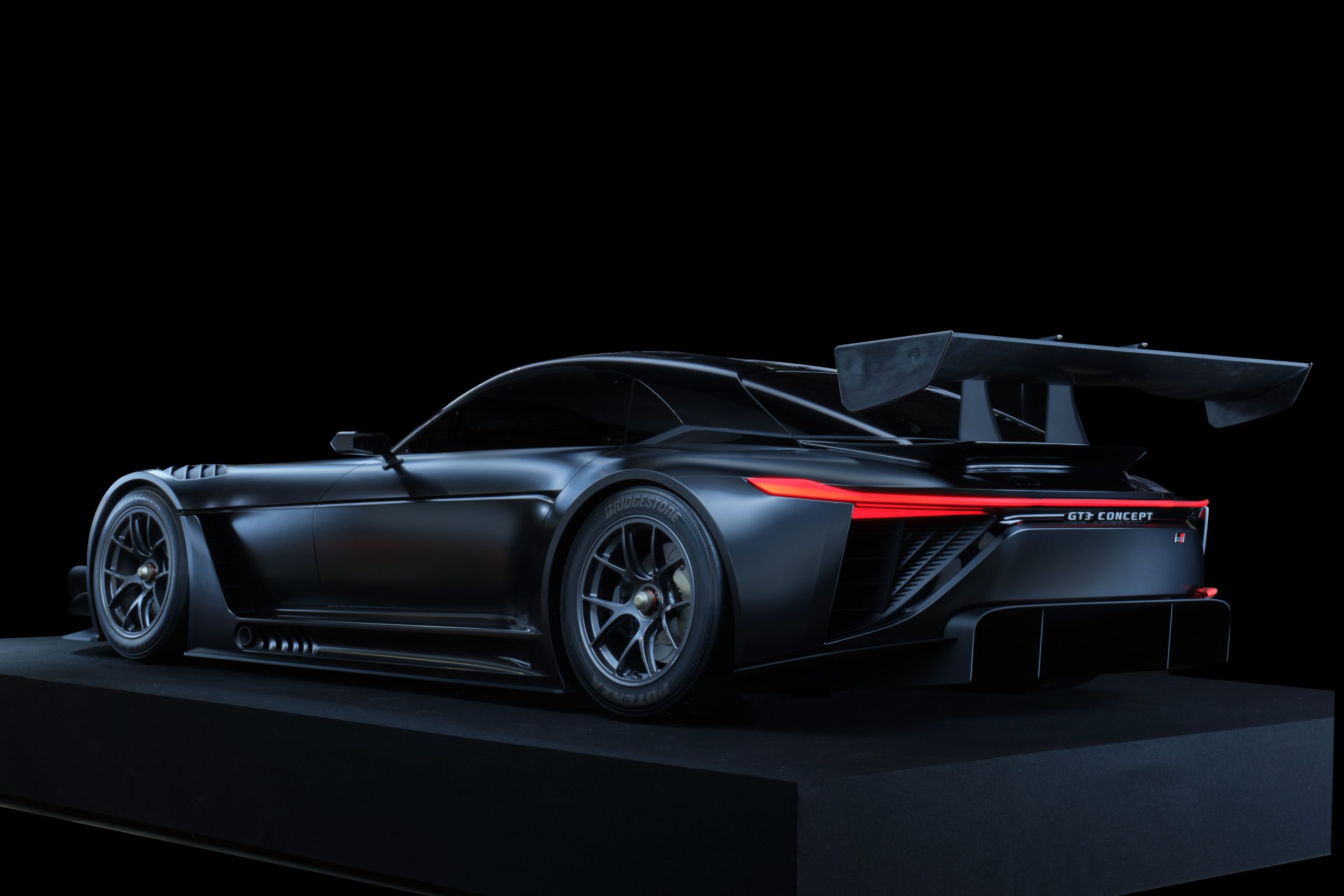
Beyond the GR GT lies the true heart of Toyota's motorsport ambitions: the GR GT3. While the GR GT focuses on brand image, the GR GT3 directly influences Toyota's competitiveness in global endurance and GT racing.
The GR GT3's role is critical. GT3 is the world's most contested customer racing category—a sphere where Toyota has historically lacked a bespoke, in-house developed flagship.
The GR GT3 therefore signifies Toyota's intent to compete at the highest levels of GT racing with a fully integrated strategy. It also indicates that the core competitiveness in platforms like WEC, IMSA, and even the Super GT GT300/GT500 may see a significant enhancement. More than just a car, it serves as the strategic cornerstone for Toyota's racing division over the next decade.
Outside the Toyota brand, the simultaneously launched Lexus LFR forms the third pillar of this three-car strategy.
Unlike the GR GT, which bears the brand's iconic status, and the GR GT3, which focuses on racing competitiveness, the LFR represents Lexus’ overall return to the balance between luxury and performance.
It is widely regarded as the spiritual successor to the LFA. Whether its final powertrain is a V8 hybrid or an electric performance system, its core mission remains clear: to re-establish Lexus at the pinnacle of the luxury sports car market and directly challenge European dominance in the high-performance GT segment.
Whether the LFR can replicate the legend of the LFA is yet to be seen. However, it is certain that it signifies the return of Lexus' long-lost performance ethos, which will become an indispensable part of Toyota Group's high-performance lineup in the future.

Toyota believes sports cars need to evolve
In a global climate where many automakers are scaling back on fuel-powered sports cars in favor of full electrification, Toyota has chosen a completely opposite approach—not only continuing to develop high-performance fuel-powered sports cars but also launching three new models equipped with V8 Hybrids at once. The simultaneous launch of a racing car, a luxury flagship, and a GR performance model underscores Toyota's belief that sports cars will not disappear but must evolve with new technologies.
By embracing hybridization as its core performance philosophy, Toyota is not just preserving the sports car but actively redefining it, merging electric immediacy with combustion emotion to forge its future.
If any infringement occurs, please contact us for deletion










Popular Cars
Model Year
Car Compare
Car Photo