
Q
How much is insurance on a 2020 Toyota RAV4?
 CheeryLaughterNov 18, 2025, 12:03 PM
The insurance cost for a 2020 Toyota RAV4 varies based on factors like vehicle age, trim level, owner's age, driving record, and coverage options. Generally, annual premiums for Comprehensive Coverage range from RM2,000 to RM5,000, while Third-Party Liability might be as low as around RM1,000. To get an exact quote, you'll need to provide details to the insurance company, such as the engine capacity (like the 2.0L or 2.5L variants), body color (some colors can affect premiums), and the security of where the vehicle is parked. It's worth noting that hybrid RAV4 models might have slightly higher premiums due to potentially higher repair costs, but their long-term fuel efficiency can offset some of those expenses. It's advisable to use online comparison platforms or insurance agents to get quotes from multiple companies. Also, ask about the terms for No Claim Discount (NCD) – typically, you can get up to a 55% premium reduction for several consecutive claim-free years. Additionally, installing a factory-fitted anti-theft system or choosing a higher voluntary excess amount can lower premiums, but you need to balance the risks and costs.
Special Disclaimer: This content is published by users and does not represent the views or position of PCauto.
Related Q&A
Q
What are the recalls on the 2020 RAV4?
The 2020 Toyota RAV4 had several global recalls due to technical issues. These included fuel pump failures that could cause stalling while driving and potential leaks in the high-pressure fuel pipes of hybrid models. Additionally, some vehicles needed inspections for improperly welded front seatbelt pretensioners, and in certain regions, fuel pumps manufactured by Denso had insufficiently strong impellers. All these recalls were resolved through free replacements or repairs at dealerships. Owners can check if their vehicle is affected by entering their VIN on Toyota's official website. Hybrid owners should pay special attention: if the high-pressure fuel system warning light comes on, immediate inspection is necessary, as the hybrid system's speciality requires handling by professional technicians. Actually, car recalls show manufacturers taking responsibility; by proactively identifying hidden issues, they enhance safety. It's advisable to regularly check manufacturer announcements or register for owner services to get the latest notifications. You can also ask your service advisor about recall information during routine maintenance—many issues can be addressed simultaneously during regular servicing, saving time and ensuring driving safety.
 StarryVoyagerNov 18, 2025
Q
Does the 2020 RAV4 Hybrid need to be plugged in?
The 2020 RAV4 Hybrid is a non-plug-in hybrid electric vehicle (HEV), meaning it doesn't require external charging. Its battery is automatically recharged through kinetic energy recovery while driving and engine operation, making daily use as convenient as a traditional gasoline-powered car—just fill up with fuel. The hybrid system prioritizes electric motor drive at low speeds, cutting fuel consumption, which is especially ideal for frequent stop-and-go traffic, delivering excellent combined fuel economy. Compared to plug-in hybrids (PHEVs), HEVs have the edge of not relying on charging infrastructure, eliminating charging wait times and better suiting users with limited charging access. The RAV4 Hybrid's battery pack is typically designed for shallow charge-discharge cycles, offering long lifespan and low maintenance costs, while Toyota's hybrid technology has proven reliable through years of market testing. If you need more pure electric range, consider the later launched plug-in hybrid RAV4 Prime, but you'll need a home charging station to maximize its potential.
 SunnyRadianceNov 18, 2025
Q
How long does a 2020 RAV4 Hybrid battery last?
The hybrid battery life of the 2020 RAV4 Hybrid typically ranges from 8 to 10 years, depending on usage habits and maintenance. Toyota offers an 8-year or 100,000-mile (approximately 160,000 km) warranty for the hybrid battery, whichever comes first. This means if the battery has performance issues within the warranty period, it can be replaced for free. In daily driving, avoiding frequent hard acceleration and sudden braking, as well as leaving the vehicle parked in extreme high or low temperature environments for long periods, all help extend battery life. The design life of the hybrid battery is usually comparable to the overall lifespan of the vehicle. Many early Toyota hybrid models have batteries that can even last more than 15 years, so with regular maintenance, there's no need to worry excessively. The RAV4 Hybrid's battery pack uses nickel-metal hydride technology, which is more resistant to high temperatures and more stable than lithium batteries, making it suitable for local climate conditions. If you notice a sudden increase in fuel consumption or a significant drop in power, it may be a sign of battery aging, and it's recommended to go to an authorized service center for inspection promptly. Additionally, the energy recovery function of the hybrid system can also reduce brake system wear and lower long-term vehicle operating costs.
 ExplorerNov 18, 2025
Q
What kind of maintenance does the 2020 RAV4 Hybrid need?
The 2020 RAV4 Hybrid, as a hybrid SUV, has slightly different maintenance needs compared to regular gas-powered vehicles. It's recommended to get basic maintenance every 6 months or 10,000 kilometers, which includes changing the full synthetic oil and oil filter, along with checking the brake system, tires, and suspension components. Because of the hybrid system's unique nature, you also need to regularly inspect the high-voltage battery cooling system and inverter coolant to make sure they're working properly. Additionally, replace the cabin air filter every 20,000 kilometers, check or replace the brake fluid every 40,000 kilometers, and change the spark plugs and transmission fluid every 80,000 kilometers. The hybrid system's regenerative braking system also requires periodic checks to ensure efficient energy recovery. In daily use, it's a good idea to pay close attention to the hybrid system status indicators on the dashboard, and if a warning light comes on, have it checked promptly. Compared to traditional models, its battery pack generally doesn't require special maintenance, but if you're parking it for an extended period, keep the charge between 40%-60% to prolong battery life. Also, due to the hot local climate, it's advisable to shorten the cabin air filter replacement interval to 15,000 kilometers to maintain good in-cabin air quality. This vehicle's maintenance costs are relatively reasonable, and the hybrid system has been fully proven to be highly reliable – just follow the maintenance schedule in the manual.
 WittyRemarkNov 18, 2025
Q
Is the 2020 RAV4 Hybrid good in snow?
The 2020 RAV4 Hybrid handles pretty well in the snow, and that's mostly down to how its Electronic On-Demand All-Wheel Drive (E-Four) works with the hybrid system. The E-Four can quickly shift torque between the front and rear wheels, boosting grip on slippery surfaces, while the hybrid's electric motor responds fast, cutting down on wheel spin. On top of that, the standard Snow driving mode tweaks power delivery and braking, and when you pair that with decent ground clearance and stability control, it's solid for light to moderate snow. Now, don't get me wrong—it's better in the snow than a regular front-wheel-drive SUV, but if you're dealing with blizzards or icy roads, you still need winter tires or chains to be safe. Folks in warm climates might not care much about snow performance, but knowing these features gives you a full picture of the vehicle's all-weather ability, especially if you're planning a road trip to colder areas. Day to day, the hybrid system's low fuel use and quiet ride are big pluses too, making it good for both city driving and long hauls.
 FunnyJokeNov 18, 2025
Q
Does the 2020 RAV4 Hybrid have good resale value?
The 2020 RAV4 Hybrid really holds its value well as a used car, mainly thanks to Toyota's strong local brand recognition and the long-standing reputation for reliability of its hybrid system. Under the hood, it's got that 2.5L Atkinson-cycle engine paired with an electric motor—great fuel economy, solid power delivery, and Toyota's hybrid tech has been market-tested for years, so people trust it to last. Looking at actual market performance, compared to the gas-only RAV4 from the same year, the hybrid version typically retains 5-8% more of its residual value, especially low-mileage models with complete service records. Other factors affecting resale value include regular maintenance history, exterior color (white and silver are more popular), and whether the original factory warranty is still active. It's worth noting that battery life is usually a top concern for used hybrid buyers, but Toyota backs the hybrid battery with an 8-year or 100,000-kilometer warranty, which helps ease those worries a bit. If you're thinking about selling it down the line, keeping full service records and getting regular battery health checks will definitely help maintain better residual value.
 GentleGraceNov 18, 2025
Q
How much is a 2020 RAV4 Hybrid worth?
The 2020 RAV4 Hybrid currently ranges in price from around RM120,000 to RM160,000 on the used car market, with the exact figure depending on factors like condition, mileage, trim level, and remaining warranty period. Under the hood, it packs a 2.5-liter hybrid powertrain that delivers impressive fuel efficiency—around 4.7 liters per 100 kilometers combined—along with 181 horsepower, striking a nice balance between energy saving and driving dynamics. Higher-spec models might come with features like a panoramic sunroof, JBL sound system, or Toyota Safety Sense (think pre-collision braking and lane-keeping assist), which can really push up the resale value. Before buying, it’s smart to check service records and battery health through Toyota’s certified pre-owned program or a trusted inspection service—hybrid battery longevity is usually a top concern for buyers, and an active factory warranty can seriously boost a used RAV4 Hybrid’s value. Rivals like the Honda CR-V or Mazda CX-5 might be a bit cheaper on the used market, but the RAV4 Hybrid tends to hold its value better thanks to Toyota’s solid reputation for hybrid tech. If you’re planning to finance, keep in mind banks might cap loans at around 70% for cars that are five years old.
 CharmingPersonalityNov 18, 2025
Q
How to reset oil life on 2020 RAV4?
To reset the oil life indicator on a 2020 RAV4, first make sure the ignition is on but the engine isn't running. Then use the buttons on the left side of the steering wheel to navigate to the "Vehicle Settings" menu on the dashboard. Select "Oil Maintenance" and hold down the "OK" button to complete the reset. If your model has a touchscreen, you can also go into "Vehicle Settings" on the infotainment display, find the "Maintenance Reminder" function, and reset it manually. Keep in mind that different RAV4 trims might have slight variations in the steps, so it's a good idea to check your owner's manual for the exact procedure. Also, remember that the oil life indicator is an estimate based on mileage and engine conditions—resetting it starts the count fresh, but your actual service interval should still depend on your driving habits and oil quality. If you often drive in stop-and-go traffic or hot weather, consider shortening the interval to keep the engine in top shape. Using Toyota-recommended oil during regular maintenance helps extend engine life too. If you're not comfortable doing the reset yourself, just contact your authorized service center for help.
 GrinningSmileNov 18, 2025
Q
How to replace cabin filter 2020 RAV4?
Changing the cabin air filter on a 2020 RAV4 is actually pretty straightforward. First, open the passenger-side glove box, empty out any stuff inside, then locate the damper rod on the right side. Just gently press the clip to remove it. After that, squeeze the stoppers on both sides of the glove box inward to let it hang all the way down. Now you can see the rectangular cabin air filter cover behind it—slide the cover's clips sideways to take out the old filter. Make sure the arrow mark on the side of the new filter faces toward the inside of the car when installing it. Finally, reverse the steps to put everything back together. It's recommended to replace the cabin air filter every 10,000 to 20,000 kilometers or once a year, especially in the climate environment of high temperature and humidity all year round, the filter tends to collect dust and mold. Regular replacements keep the air inside fresh and protect the AC system. When shopping for a filter, consider activated carbon ones—they not only filter dust but also absorb odors. If you notice the AC airflow has significantly decreased or there's a strange smell, that's a sign to check the filter. You can also periodically use a vacuum cleaner to lightly clean the filter surface to extend its lifespan.
 VipNov 18, 2025
Q
What is the warranty on the 2020 RAV4?
The 2020 RAV4 typically comes with a basic factory warranty of 3 years or 100,000 kilometers (whichever comes first). Powertrain components might have a longer coverage of 5 years or 150,000 kilometers, though exact terms can vary slightly depending on the purchase date or dealer promotions. It's worth noting that the hybrid version's battery pack usually gets an extended warranty of 8 years or 160,000 kilometers, showing the brand's confidence in its new energy tech. Beyond the standard factory warranty, many dealers offer extended warranty packages for owners to consider. I'd recommend asking for details on what these add-ons cover and their terms when buying the car. Regular maintenance is key to keeping the warranty valid—make sure to get servicing done on time at authorized service centers and keep complete records, otherwise you might risk voiding your warranty benefits. Knowing the warranty ins and outs helps owners better plan their ownership costs, like figuring out which repairs might be covered for free during the warranty period, and also avoids situations where improper use could invalidate the warranty.
 XonNov 18, 2025
Popular Cars
Model Year
Car Compare
Car Photo
Related Models
 Cars
CarsLatest Q&A
Q
Is AMT similar to automatic?
There are significant differences between AMT transmissions and automatic transmissions (AT) in terms of core structure and driving experience. AMT is essentially an electronically automated version of a manual transmission, simulating manual clutch operation and gear shifting through a computerized control system while retaining the gear set structure of manual transmissions. As a result, it offers higher transmission efficiency, with fuel consumption approximately 8%-12% lower than AT, making it particularly suitable for highway or long-distance driving. However, it may exhibit jerking similar to manual transmissions during low-speed gear shifts, especially noticeable in congested traffic conditions.
AT transmissions rely on torque converters for power transfer, delivering smooth and seamless gear shifts that appeal to comfort-oriented users. However, their complex structure (incorporating planetary gear sets, hydraulic systems, etc.) results in higher maintenance costs. A single service may cost between 800 to 1,500 ringgit, whereas AMT only requires gear oil replacement at approximately 400 ringgit.
From a market perspective, AMT is predominantly used in budget vehicles or commercial models priced below 80,000 ringgit, while AT is typically featured in mid-to-high-end vehicles. Consumers should select based on actual needs: AMT suits those prioritizing fuel efficiency and low maintenance costs, while AT better serves those valuing comfort. Notably, recent advancements in AMT electronic control technology have significantly mitigated jerking issues, though test drives should still emphasize low-speed performance evaluation.
 AriaMar 26, 2026
Q
Which is better, DCT or AT?
DCT (Dual-Clutch Transmission) and AT (Automatic Transmission) each have their own advantages and disadvantages, and the choice should be based on personal driving needs. AT transmissions transfer power through a torque converter, offering excellent shift smoothness, making them suitable for urban commuting or novice drivers. However, they tend to have higher fuel consumption, and vehicles equipped with them are usually more expensive. DCT transmissions utilize a dual-clutch structure, featuring fast shift speeds and high power transmission efficiency, which provides a more direct driving experience—particularly suitable for users seeking a sporty feel. However, they may exhibit jerking at low speeds and have relatively high maintenance costs. If durability and comfort are priorities, AT is the more reliable choice; if power responsiveness and driving pleasure are preferred, wet DCT (such as Volkswagen DSG) performs better, though dry DCT models should be avoided in prolonged stop-and-go traffic conditions. Additionally, CVT transmissions excel in smoothness and fuel efficiency, making them ideal for daily commuting, but they lack driving excitement. It is recommended to test-drive before purchasing, as tuning varies significantly across brands, and real-world experience is more important than theoretical specifications.
 FlutteringMar 26, 2026
Q
Is Amt good or bad?
AMT gearboxes have a significant cost advantage in the local market, typically being around 5,000 Ringgit cheaper than models equipped with conventional automatic transmissions. Their fuel efficiency is comparable to manual transmissions, resulting in long-term fuel savings. Featuring a straightforward design, they achieve transmission efficiency exceeding 90% with relatively low maintenance costs, making them ideal for practicality-oriented consumers. However, their shifting logic contains inherent limitations: gear changes between 1st and 2nd cause 0.3-0.5 second power interruptions, while unintended upshifts on inclines may reduce engine speed by 15%-20%, compromising driving smoothness. For urban commuters or budget-conscious buyers, AMT offers excellent value, though those prioritizing premium driving dynamics should consider alternative transmission types. Some domestic models like the Perodua Axia employ enhanced AMT systems, where optimized shift programming has reduced gearshift shock by approximately 30%.
 RainbowsMar 26, 2026
Q
Which gives better mileage, CVT or AMT?
From the perspective of fuel economy, CVT transmissions generally perform better under urban driving conditions. Their continuously variable design allows the engine to consistently operate within the optimal speed range, significantly reducing fuel consumption during frequent starts and stops. Test data shows that their fuel consumption in urban driving conditions is 10% to 15% lower than that of comparable models. AMT transmissions, on the other hand, inherit the high transmission efficiency of manual transmissions, delivering fuel efficiency close to manual transmissions during high-speed cruising. This makes them particularly suitable for long-distance driving in large-displacement vehicles. However, due to power interruption during gear shifts, their overall fuel consumption may be 5% to 8% higher than CVTs.
The difference in fuel-saving characteristics between the two transmissions stems from their technical principles: CVTs achieve continuous variability through steel belts and pulleys, eliminating the fixed gear ratio limitations of traditional transmissions; AMTs simulate manual gear changes via electronic control systems while maintaining the mechanical efficiency of gear transmission. Notably, actual fuel consumption is also influenced by driving habits. Smooth acceleration and anticipatory deceleration can maximize the transmissions' fuel-saving potential. If the vehicle budget permits and urban commuting is the primary use, CVTs offer a more economical choice. For frequent highway driving with an emphasis on cost-effectiveness, AMTs are equally worth considering.
 RubyBlazeMar 26, 2026
Q
Which is cheaper, AMT or CVT?
In terms of gearbox cost, AMT is usually more economical than CVT. Essentially, AMT is a manual transmission equipped with an electronic control unit, featuring a simple structure and low maintenance costs. The unit price ranges from approximately 5,000 to 8,000 ringgit, making it suitable for budget-conscious consumers or those who prioritize long-term operating costs. CVT incurs higher manufacturing costs due to its precision steel belt transmission system and continuous variable transmission technology, with a unit price of about 7,000 to 10,000 ringgit. However, it delivers a smoother driving experience and superior fuel efficiency. The primary differences between the two lie in technical complexity: AMT retains the gear-shifting mechanism, resulting in noticeable shift shock; CVT achieves linear power output through stepless speed variation but requires periodic belt inspection and incurs higher maintenance expenses. For those prioritizing initial cost and basic transportation needs, AMT offers better value; if comfort and long-term fuel economy are priorities, CVT represents a more worthwhile investment. Note that actual prices may vary based on vehicle model, brand, and local supply chain factors.
 ShadowProwlMar 26, 2026
Related News

2026 Toyota RAV4 to Launch in China as the Wildlander
MichaelAug 13, 2025
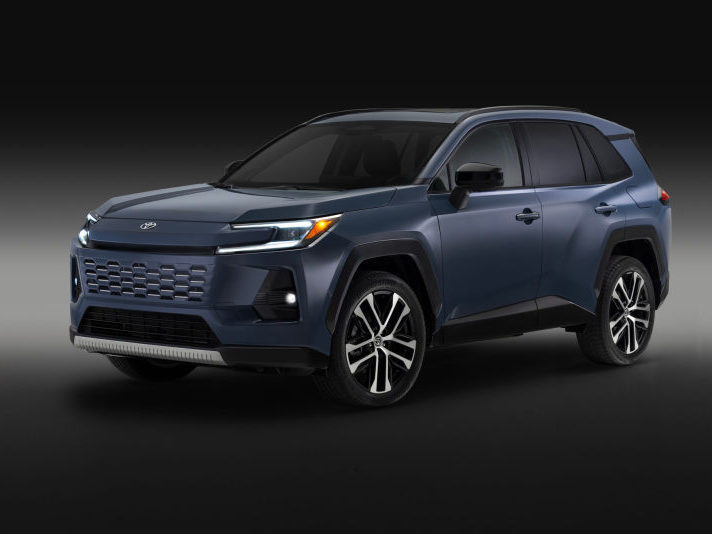
2026 Toyota RAV4 Debuts: Stunning Inside & Out!
WilliamMay 22, 2025
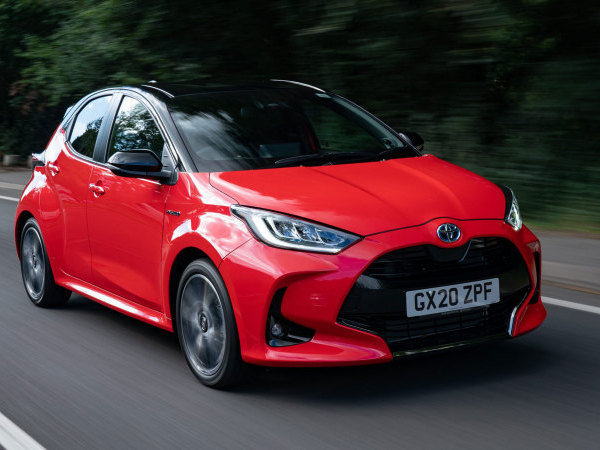
Want a Toyota Hybrid? Get Ready to Wait
LienMar 31, 2025

Brand-new Toyota RAV4 Spy Shots Revealed: TNGA-K platform, Power Upgraded!
RobertDec 3, 2024
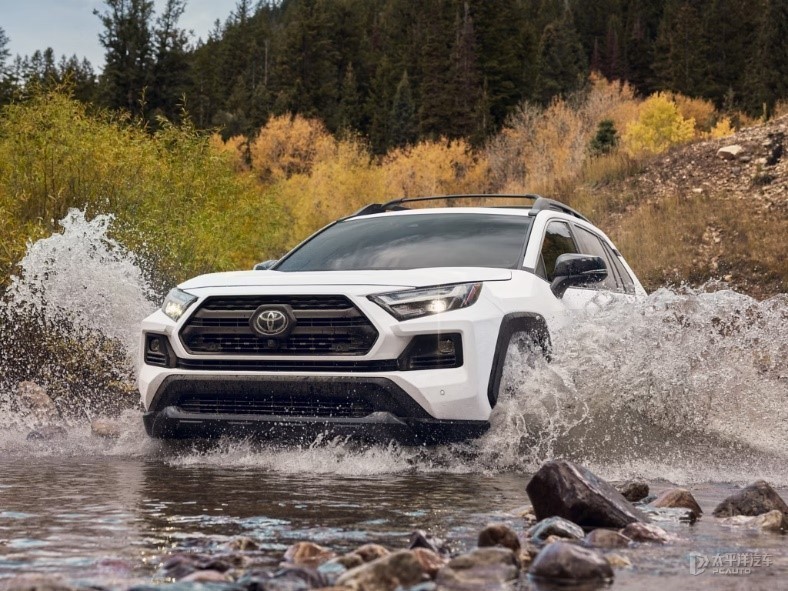
Australian auto market data in July: Toyota RAV4 sales won the first place, PHEV models increased by
AshleyAug 6, 2024
View More
Pros
Cons