
Q
How much is Mercedes EQE 350 in Malaysia?
 SolveOct 23, 2025, 05:34 PM
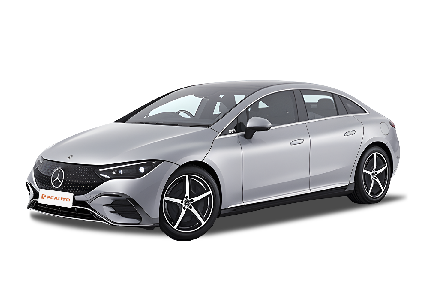
In Malaysia, the Mercedes-Benz EQE 350 starts at around RM398,888, though exact pricing can vary depending on specifications, optional extras, and any ongoing promotions. Slotting into the EQ lineup as a premium electric mid-size sedan, it packs a 90.56kWh battery that delivers a WLTP range of approximately 669 kilometers. Power comes from a 292-horsepower rear-mounted electric motor, pushing it from 0-100km/h in a brisk 6.4 seconds – ideal for buyers who want to blend luxury with eco-friendly driving.
Malaysia's government incentives, including import and sales tax exemptions for EVs, have helped make the EQE 350 more accessible by trimming down the overall purchase cost. On top of that, Mercedes' authorized dealers in Malaysia offer a solid support network, including charging infrastructure and after-sales services – they’ll even help set up a home charger, making daily electric driving a breeze.
With its cutting-edge MBUX Hyperscreen infotainment system, plush interior, and smart driver-assistance features, the EQE 350 has quickly become one of the top picks in Malaysia’s premium electric vehicle market.
Special Disclaimer: This content is published by users and does not represent the views or position of PCauto.
Related Q&A
Q
What is the battery in the EQE 2023?
The 2023 Mercedes-Benz EQE comes equipped with a high-voltage lithium-ion battery pack. The exact capacity varies depending on the model configuration, with the common version featuring a 90.56kWh NCM ternary lithium battery. This setup delivers an approximate WLTP range of 550 to 660 kilometers, though the actual figure can fluctuate based on driving conditions and specific vehicle specifications.
This battery supports 170kW fast-charging technology, allowing you to juice up from 10% to 80% in around 32 minutes – perfect for Malaysian users, whether you're tackling long road trips or your daily commute. A standout feature is the EQE's battery management system with intelligent temperature control, which is well-suited to our tropical climate, effectively mitigating the impact of high temperatures on battery lifespan.
For Malaysian buyers, beyond just checking the battery specs, it's also important to consider the local charging network. Major players like ChargeSini and JomCharge are steadily expanding their fast-charging station infrastructure, and Mercedes-Benz has also rolled out dedicated charging facilities in areas like Selangor. We recommend owners regularly take their EQE to authorized service centers for battery health checks to ensure optimal performance. Additionally, making smart use of scheduled charging to avoid peak electricity hours can help extend battery life while also saving on your electricity bills.
 FunnyguyOct 23, 2025
Q
What is the most luxurious 2023 Mercedes?
When it comes to Mercedes-Benz's most luxurious offering in 2023, the Mercedes-Maybach S-Class takes the crown. This car is the pinnacle of luxury sedans, crafted specifically for Malaysia's discerning high-end consumers who crave the ultimate in comfort and prestige. Building on the already impressive standard S-Class, the Maybach version ups the ante with an extended wheelbase, an even more opulent rear cabin, and those iconic Maybach badges that speak volumes. Step inside, and you're greeted by top-tier leather, exquisite wood trim, and premium metal accents. Throw in the Burmester high-end 4D surround sound system, and the sensory experience is next level. The rear seats? They're power-adjustable with leg rests and massage functions – because why not? And if you're feeling fancy, you can even option in a refrigerator and champagne flutes.
Under the hood, the Maybach S 580, a common sight in the Malaysian market, packs a 4.0-litre V8 biturbo engine paired with a 48V mild-hybrid system. This setup delivers both strong performance and silky-smooth refinement, which is exactly what you'd expect. Now, Mercedes does offer high-performance luxury beasts like the AMG S 63 E PERFORMANCE in Malaysia, but the Maybach line is all about that extreme comfort and business-first persona. That unique two-tone paintwork option? Total status symbol.
For Malaysian buyers, getting your hands on one of these top-tier luxury machines usually goes through authorized dealers like Cycle & Carriage. And the best part? The exclusive customization services. We're talking choosing your interior materials, color schemes, even personalizing with embroidery. It's all about letting Malaysia's elite express their unique taste.
 CuteypieOct 23, 2025
Q
Is there a recall on the 2023 EQE SUV?
As of now, there hasn't been an official recall notice for the 2023 Mercedes-Benz EQE SUV in the Malaysian market. However, owners should regularly check the latest vehicle status through Mercedes-Benz Malaysia's official website or authorized dealerships. This is because other global markets have seen related service campaigns initiated for software updates or component inspections in the past.
For EV owners, understanding the recall process is crucial. EV recalls often involve optimizations to battery management systems or charging modules, which differs from recalls for mechanical components in traditional internal combustion engine vehicles.
Malaysian consumers can query the recall information through the JPJ website or official automaker channels. If your vehicle is affected by a recall, it's advisable to schedule an appointment with an authorized service center promptly for free inspections and repairs.
It's worth noting that EV technology is evolving rapidly. Some service campaigns are aimed at enhancing user experience rather than addressing safety concerns. EQE owners are recommended to keep their in-vehicle infotainment systems updated to the latest version to ensure optimal performance and access to the newest features.
In your day-to-day, you can also check out local platforms like MyTukar or Carsome to get a sense of the resale value retention of used EVs. This kind of info can also give you an indirect idea of how well a model is regarded in the market.
 LavendersOct 23, 2025
Q
Does the 2023 EQE have a heat pump?
The 2023 Mercedes-Benz EQE does come equipped with a heat pump system, a tech feature that really helps boost electric vehicle range in colder conditions. That might sound a bit odd for Malaysia, where we’re used to year-round heat, but trust me, it’s surprisingly handy—think those occasional monsoon downpours that bring a chill or when you head up to higher elevations where the mercury dips. Here’s how it works: instead of relying solely on traditional electric heaters, the heat pump recycles waste heat from the battery and electric motor to warm the cabin. The result? It slashes energy consumption by around 25% compared to those old-school heaters. So, not only do you get a comfier ride, but you also squeeze more kilometers out of a single charge. What’s really clever, though, is how this heat pump is fully integrated with the EQE’s thermal management system. It doesn’t just keep the cabin cozy; it also optimizes the battery’s operating temperature range. That’s a big deal for maintaining lithium-ion battery health and stretching its lifespan in the long run. Now, I know Malaysia’s hot weather is the norm, but the heat pump still pulls its weight during long drives or heavy rain. Pair it with the EQE’s smart pre-conditioning feature—fire up the climate control via the Mercedes me app before you even step foot in the car—and you’re guaranteed to slide into a perfectly cooled (or heated, if needed) cabin every time. And let’s not forget, this is a Mercedes. The heat pump operates with that signature quiet refinement, so it never intrudes on the EQE’s serene, luxury driving experience. For folks who value that hushed, premium feel, that’s a detail that really matters.
WandererOct 23, 2025Q
What is the difference between 2023 and 2024 EQE SUV?
The key differences between the 2023 and 2024 Mercedes-Benz EQE SUV boil down to tech upgrades and spec tweaks. For the Malaysian market, the 2024 model steps up with a more advanced driver assistance suite – think new features like automated lane-changing assist. They've also swapped in a beefed-up processor for the MBUX infotainment system, making the whole interface feel snappier and more responsive.
Another big one for local drivers: the 2024 EQE SUV gets a refined battery management system, which should help it maintain range more consistently in our tropical heat. Mercedes has also made air suspension standard this time around, a smart move given Malaysia's sometimes patchy road surfaces – it should iron out those bumps nicely.
Visually, things are pretty similar, but 2024 brings fresh wheel designs and new paint options to mix things up. Oh, and let's not forget Malaysia's tax incentives for EVs – that makes the EQE SUV line-up an even more compelling pick if you're after something eco-friendly *and* easy on the wallet.
My advice? Head to your nearest authorized dealer to check out the latest charging tech and get a feel for the car's performance in person before making a call.
 BreezydayOct 23, 2025
Q
How big is the battery in the 2023 EQE?
The 2023 Mercedes-Benz EQE comes with different battery capacities depending on the model. The standard EQE 350 is fitted with a 90.56 kWh lithium-ion battery pack, delivering approximately 660 kilometers of range under the WLTP testing cycle – perfect for Malaysian drivers, whether it's for long road trips or daily commutes around town. As a key player in Mercedes' EV lineup, the EQE's battery tech shines with an efficient energy management system and fast-charging capability. Plug it into a DC fast charger, and you can go from 10% to 80% battery in roughly 32 minutes, cutting down those tedious charging stops significantly. For Malaysian buyers, the EQE's battery performance isn't just about handling our tropical weather reliably; it also ticks the boxes for eco-friendliness and energy efficiency. On top of that, electric vehicles in Malaysia enjoy sweet government tax incentives, like exemptions on import and sales taxes, making premium EVs like the EQE a much more tempting prospect in terms of purchase cost. If you're thinking about going electric, besides checking out battery capacity, it's worth keeping an eye on charging infrastructure too. Major Malaysian cities such as Kuala Lumpur and Penang are steadily expanding their public charging networks, adding more convenience for EV owners every day.
 DazzlingOct 23, 2025
Q
Is Mercedes discontinuing the EQE?
Mercedes-Benz hasn't officially announced plans to discontinue the EQE just yet. This all-electric sedan is still very much part of their global lineup and continues to be sold in markets like Malaysia. As a key player in Mercedes' electrification push, the EQE packs some serious tech credentials – think advanced battery tech, smart driver assistance systems, and a range and luxury feature set that holds its own against rivals in its class.
For Malaysian buyers, how the EQE performs locally will really hinge on two big factors: the growth of charging infrastructure and the government's EV policies, things like tax breaks and incentives. Mercedes has been ramping up its electric game lately, and we've seen other EQ models like the EQS and EQA gradually roll out in Malaysia. It wouldn't be surprising if they tweak their product strategy down the line based on how the market responds.
If you're keen on the latest updates, your best bet is to keep an eye on Mercedes-Benz Malaysia's official website or swing by an authorized dealership. EV tech is evolving fast, so when you're in the market, make sure you weigh up range, how easy it is to charge, and after-sales service – all the usual suspects that matter when picking an electric ride.
StarryskyOct 23, 2025Q
Does the Mercedes EQE have self-driving?
The Mercedes-Benz EQE does come packed with some pretty advanced driver assistance tech, but let's be clear—it's not at full self-driving level yet (that's the "Level 5" where you can kick back and do nothing). Right now, we're looking at a solid Advanced Driver Assistance System (ADAS) setup.
Here in Malaysia, the EQE offers features like Distronic adaptive cruise control, lane-keeping assist, automatic lane change assist, and traffic sign recognition. These are real lifesavers on the highway or when you're stuck in that soul-sucking traffic, taking a lot of the strain out of driving. But—and this is a big but—you still gotta stay sharp and ready to grab the wheel at a moment's notice. That goes double when the roads get tricky or the weather turns ugly.
If you're a Malaysian considering this, make sure you know the local traffic rules inside out and understand what these systems can and can't do. For example, their ability to spot motorcycles or non-motorized vehicles might vary depending on the environment. Oh, and Mercedes' Drive Pilot—you know, that system that lets the car handle things under certain conditions? It's not available here yet. Whether we'll get it down the line depends on local regulations and how well it can be adapted to our roads.
My advice for anyone interested? Head to a dealership, book an official test drive, and try these features for yourself. And don't be shy about pestering the sales folks for all the details on how this tech works specifically in our market.
 BuddyOct 23, 2025
Q
What is the range of the EQE 2023?
The 2023 Mercedes-Benz EQE offers a WLTP-rated range of approximately 560 to 660 kilometers in the Malaysian market. The exact figure depends on the specific model configuration and driving conditions. For instance, the EQE 350+ rear-wheel drive variant can achieve the higher end of that range under ideal circumstances, while versions equipped with larger batteries or all-wheel drive systems might see slightly lower numbers.
Built on Mercedes' EVA electric platform, the EQE boasts an efficient electric drivetrain and aerodynamic design—with a drag coefficient as low as 0.20. It also supports 170kW fast charging, allowing you to juice up from 10% to 80% in around 30 minutes, making it suitable for longer journeys across Malaysia.
For local consumers, it's important to consider how our tropical climate can affect battery performance. Regular maintenance of the battery cooling system is recommended to keep things running at their best. While competitors like the BMW i5 or Tesla Model S fall into a similar range bracket, the EQE has a leg up with Mercedes' established local service network. There are already 8 authorized EQ service centers across Malaysia ready to provide proficient support.
If you're thinking about making the switch to an EV, range isn't the only factor to weigh. Charging infrastructure is equally crucial. The good news is Malaysia is ramping up its charging network, with DC fast-charging stations now popping up in major cities and along the North-South Expressway.
 JoggerOct 23, 2025
Q
Is the EQE worth buying?
Is the Mercedes-Benz EQE, as a fully electric luxury sedan, worth buying in the Malaysian market? It really comes down to your needs and budget. Let's break it down. This car boasts impressive range – official WLTP figures put it at over 600 kilometers, which is more than enough for those longer drives you might take around Malaysia. Tech-wise, it's packing the latest MBUX Hyperscreen system, so the cockpit feels seriously cutting-edge. And inside, the build quality is exactly what you'd expect from Mercedes – top-notch materials and finish.
Performance-wise, you've got options: rear-wheel drive or all-wheel drive. The quickest version hits 100km/h in just 4.7 seconds, so it's no slouch when you want to put your foot down. Now, owning an EV in Malaysia still means thinking about charging infrastructure. While major cities are getting more charging points, if you're heading out to more remote areas, you'll definitely want to plan your charging stops ahead of time.
Price-wise, the EQE sits in the premium segment here. My advice? Take it for a test drive first. Compare it head-to-head with rivals like the Tesla Model S or the BMW i5. See which one fits your personal taste and daily driving needs best. Remember, EVs do enjoy tax incentives in Malaysia, so over the long run, the running costs could be lower than a petrol-powered car. But it's also smart to factor in things like battery maintenance and potential replacement costs down the line.
 WonOct 23, 2025
Popular Cars
Model Year
Car Compare
Car Photo
Related Models
 Cars
CarsLatest Q&A
Q
Is AMT similar to automatic?
There are significant differences between AMT transmissions and automatic transmissions (AT) in terms of core structure and driving experience. AMT is essentially an electronically automated version of a manual transmission, simulating manual clutch operation and gear shifting through a computerized control system while retaining the gear set structure of manual transmissions. As a result, it offers higher transmission efficiency, with fuel consumption approximately 8%-12% lower than AT, making it particularly suitable for highway or long-distance driving. However, it may exhibit jerking similar to manual transmissions during low-speed gear shifts, especially noticeable in congested traffic conditions.
AT transmissions rely on torque converters for power transfer, delivering smooth and seamless gear shifts that appeal to comfort-oriented users. However, their complex structure (incorporating planetary gear sets, hydraulic systems, etc.) results in higher maintenance costs. A single service may cost between 800 to 1,500 ringgit, whereas AMT only requires gear oil replacement at approximately 400 ringgit.
From a market perspective, AMT is predominantly used in budget vehicles or commercial models priced below 80,000 ringgit, while AT is typically featured in mid-to-high-end vehicles. Consumers should select based on actual needs: AMT suits those prioritizing fuel efficiency and low maintenance costs, while AT better serves those valuing comfort. Notably, recent advancements in AMT electronic control technology have significantly mitigated jerking issues, though test drives should still emphasize low-speed performance evaluation.
 AriaMar 26, 2026
Q
Which is better, DCT or AT?
DCT (Dual-Clutch Transmission) and AT (Automatic Transmission) each have their own advantages and disadvantages, and the choice should be based on personal driving needs. AT transmissions transfer power through a torque converter, offering excellent shift smoothness, making them suitable for urban commuting or novice drivers. However, they tend to have higher fuel consumption, and vehicles equipped with them are usually more expensive. DCT transmissions utilize a dual-clutch structure, featuring fast shift speeds and high power transmission efficiency, which provides a more direct driving experience—particularly suitable for users seeking a sporty feel. However, they may exhibit jerking at low speeds and have relatively high maintenance costs. If durability and comfort are priorities, AT is the more reliable choice; if power responsiveness and driving pleasure are preferred, wet DCT (such as Volkswagen DSG) performs better, though dry DCT models should be avoided in prolonged stop-and-go traffic conditions. Additionally, CVT transmissions excel in smoothness and fuel efficiency, making them ideal for daily commuting, but they lack driving excitement. It is recommended to test-drive before purchasing, as tuning varies significantly across brands, and real-world experience is more important than theoretical specifications.
FlutteringMar 26, 2026Q
Is Amt good or bad?
AMT gearboxes have a significant cost advantage in the local market, typically being around 5,000 Ringgit cheaper than models equipped with conventional automatic transmissions. Their fuel efficiency is comparable to manual transmissions, resulting in long-term fuel savings. Featuring a straightforward design, they achieve transmission efficiency exceeding 90% with relatively low maintenance costs, making them ideal for practicality-oriented consumers. However, their shifting logic contains inherent limitations: gear changes between 1st and 2nd cause 0.3-0.5 second power interruptions, while unintended upshifts on inclines may reduce engine speed by 15%-20%, compromising driving smoothness. For urban commuters or budget-conscious buyers, AMT offers excellent value, though those prioritizing premium driving dynamics should consider alternative transmission types. Some domestic models like the Perodua Axia employ enhanced AMT systems, where optimized shift programming has reduced gearshift shock by approximately 30%.
 RainbowsMar 26, 2026
Q
Which gives better mileage, CVT or AMT?
From the perspective of fuel economy, CVT transmissions generally perform better under urban driving conditions. Their continuously variable design allows the engine to consistently operate within the optimal speed range, significantly reducing fuel consumption during frequent starts and stops. Test data shows that their fuel consumption in urban driving conditions is 10% to 15% lower than that of comparable models. AMT transmissions, on the other hand, inherit the high transmission efficiency of manual transmissions, delivering fuel efficiency close to manual transmissions during high-speed cruising. This makes them particularly suitable for long-distance driving in large-displacement vehicles. However, due to power interruption during gear shifts, their overall fuel consumption may be 5% to 8% higher than CVTs.
The difference in fuel-saving characteristics between the two transmissions stems from their technical principles: CVTs achieve continuous variability through steel belts and pulleys, eliminating the fixed gear ratio limitations of traditional transmissions; AMTs simulate manual gear changes via electronic control systems while maintaining the mechanical efficiency of gear transmission. Notably, actual fuel consumption is also influenced by driving habits. Smooth acceleration and anticipatory deceleration can maximize the transmissions' fuel-saving potential. If the vehicle budget permits and urban commuting is the primary use, CVTs offer a more economical choice. For frequent highway driving with an emphasis on cost-effectiveness, AMTs are equally worth considering.
 RubyBlazeMar 26, 2026
Q
Which is cheaper, AMT or CVT?
In terms of gearbox cost, AMT is usually more economical than CVT. Essentially, AMT is a manual transmission equipped with an electronic control unit, featuring a simple structure and low maintenance costs. The unit price ranges from approximately 5,000 to 8,000 ringgit, making it suitable for budget-conscious consumers or those who prioritize long-term operating costs. CVT incurs higher manufacturing costs due to its precision steel belt transmission system and continuous variable transmission technology, with a unit price of about 7,000 to 10,000 ringgit. However, it delivers a smoother driving experience and superior fuel efficiency. The primary differences between the two lie in technical complexity: AMT retains the gear-shifting mechanism, resulting in noticeable shift shock; CVT achieves linear power output through stepless speed variation but requires periodic belt inspection and incurs higher maintenance expenses. For those prioritizing initial cost and basic transportation needs, AMT offers better value; if comfort and long-term fuel economy are priorities, CVT represents a more worthwhile investment. Note that actual prices may vary based on vehicle model, brand, and local supply chain factors.
 ShadowProwlMar 26, 2026
Related News

What is the difference between the Mercedes-Benz E300 and E350?
MichaelMar 24, 2026

Mercedes-Benz halts the launch of L3-level autonomous driving, reverting to L2+ level
LienJan 16, 2026

Nvidia Announces Mercedes-Benz CLA as the First Vehicle with DRIVE AV Autonomous Driving Technology
MichaelJan 12, 2026

Brand New Mercedes-Benz GLC with EQ Technology Coming Soon: A Larger, Faster, and More Efficient Luxury All-Electric SUV
LienDec 11, 2025

Mercedes-Benz GLC200 4Matic debuts, offering a more accessible entry price at RM329,888
LienDec 11, 2025
View More
Pros
Cons