
Q
Is a 2022 Camry a good car?
 HappyZebraOct 28, 2025, 05:05 PM
The 2022 Toyota Camry stands out as a top-performing midsize sedan in the Malaysian market, earning rave reviews for its rock-solid reliability, plush ride comfort, and generous array of features. Under the hood, you've got the choice of a 2.5-liter four-cylinder engine or a hybrid setup—both deliver smooth power delivery and impressive fuel efficiency, making it a perfect fit for Malaysia's urban jungles and highway cruises alike. Step inside, and the Camry doesn't disappoint with its high-quality materials. The 9-inch touchscreen, paired with Apple CarPlay and Android Auto, brings all the modern tech you need right at your fingertips, seriously upping the convenience factor behind the wheel. When it comes to safety, Toyota's Safety Sense 2.5 has your back with goodies like pre-collision warning, lane keep assist, and adaptive cruise control—total peace of mind on the road. On top of all that, Toyota's got a solid after-sales network here in Malaysia, so getting it serviced is a breeze, which just adds to its overall appeal. If you're a Malaysian shopper in the market for a midsize sedan, the 2022 Camry should definitely be on your shortlist—it checks all the boxes for daily family use and even throws in a bit of driving fun.
Special Disclaimer: This content is published by users and does not represent the views or position of PCauto.
Related Q&A
Q
How safe is a 2022 Toyota Camry?
The 2022 Toyota Camry shines when it comes to safety, making it a solid fit for Malaysian roads. It comes standard with Toyota's latest Safety Sense 2.5+ suite of active safety tech. That means you get features like pre-collision warning with automatic braking, full-speed adaptive cruise control, lane departure alert with steering assist, automatic high beams, and road sign recognition. All these work together to help you avoid accidents in the first place.
But it's not just about avoiding crashes; the Camry's got your back if one does happen. The body uses high-tensile steel, and there are 10 airbags dotted around the cabin. It's earned top marks too – a TOP SAFETY PICK+ from the US IIHS and a full five-star rating from ASEAN NCAP. So you can rest easy knowing you and your passengers are well-protected.
For Malaysian buyers, the Camry also brings that legendary Toyota durability and strong after-sales support we all appreciate. The locally assembled versions are even tweaked for our tropical climate, with beefed-up air conditioning and extra rust protection.
If safety is a top priority for you and you need a reliable family sedan, the 2022 Camry should definitely be on your shortlist. As always, though, I'd recommend taking it for a test drive first and comparing its safety kit and driving feel with other cars in its class before making your final call.
 MysticGlowOct 28, 2025
Q
What is the safety rating of the 2022 Camry?
The 2022 Toyota Camry really shines when it comes to safety, racking up top scores from major safety rating agencies. Take the Insurance Institute for Highway Safety (IIHS) testing, for example – it earned the coveted "Top Safety Pick+" award, their highest honor. A big reason for that is Toyota Safety Sense 2.5+ (TSS 2.5+) coming standard, which bundles in features like pre-collision system, full-speed dynamic radar cruise control, lane departure alert, and automatic high beams. It also aced the frontal, side, and roof strength tests.
Malaysian buyers, you're in luck too – the Camry doesn't skimp on safety kit here. Local specs typically include 7 airbags, vehicle stability control, and blind spot monitoring – all the good stuff to keep you and your passengers protected. Now, it's worth keeping in mind that Camry configurations can vary a bit from market to market, so do your homework by checking local specs or having a chat with your dealer before signing on the dotted line.
And hey, while those safety ratings are super important when car shopping, remember that real-world safety also boils down to good driving habits and keeping your car well-maintained. Things like making sure your tires are in good shape and keeping your software updated can go a long way in keeping you safe out on the road.
 ToughFighterStrengthOct 28, 2025
Q
Is 2022 a good year for Camry?
The 2022 Toyota Camry has been a solid performer in the Malaysian market, standing out as a compelling choice in the mid-size sedan segment. Under the hood, you'll find the 2.5L Dynamic Force engine paired with a hybrid system, which delivers impressive fuel efficiency and a smooth, refined driving experience – right in line with what local buyers look for in terms of comfort and practicality.
Safety is a big win here too, with Toyota Safety Sense coming standard. That means you get active safety features like pre-collision warning and lane-keeping assist, ticking the boxes for modern families who prioritise peace of mind on the road.
Styling-wise, the 2022 Camry keeps that sporty edge we've come to expect, while the interior steps up with soft-touch materials and a 9-inch touchscreen, blending a premium feel with the tech you want. The only slight let-down might be the infotainment system's limited support for local apps – something to note if that's a dealbreaker for you.
In Malaysia, the Camry holds its value well, and Toyota's after-sales network is a definite advantage, which is a huge plus for long-term ownership. That said, it does sit a bit higher in price compared to some rivals in its class.
If your budget allows and you value Toyota's reputation for reliability, the 2022 Camry is still a top contender. As always, I'd recommend taking it for a test drive and comparing it with others to see if it truly fits your needs before making the call.
 HappyLobsterOct 28, 2025
Q
How long will a 2022 Toyota Camry last?
Under normal driving conditions in Malaysia, the 2022 Toyota Camry should easily clock 300,000 to 500,000 kilometers or last over 20 years with regular maintenance and sensible driving habits. Its durability stems from Toyota's proven powertrain tech and anti-corrosion body treatments – that 2.5L four-cylinder and hybrid setup have earned their stripes through multiple generations of reliability testing.
Malaysia's hot, humid climate does take a toll on rubber components and electronics though. I’d recommend checking chassis bushings, door seals, and other weather-prone parts every 5 years. Hybrid owners should also stay on top of cooling system maintenance since high temps can stress the battery pack.
One standout feature? The Camry holds its value like a champ in Malaysia’s D-segment sedan market – no surprise given Toyota’s widespread service network and reasonable repair costs. Local owners can stretch that lifespan even further by sticking with genuine engine oil and changing transmission fluid every 40,000 km.
For long-term owners, don’t sleep on maintaining the 2022 model’s updated safety tech either. Sensors for features like pre-collision warning need proper calibration over time, and keeping those electronic systems in shape is just as critical for long-term dependability as looking after the mechanical bits.
 HappyCamelOct 28, 2025
Q
Is the 2022 Camry reliable?
The 2022 Toyota Camry has built a solid reputation for reliability in Malaysia. Under the hood, you'll find a tried-and-tested 2.5L four-cylinder engine or a hybrid setup, both delivering smooth power and impressive fuel economy – perfect for those long highway stretches or navigating busy city streets here.
Riding on Toyota's TNGA-K platform, the Camry feels more rigid than ever, yet the suspension tuning prioritizes comfort, handling Malaysia's diverse road conditions with ease. Safety is a big win too, with Toyota Safety Sense 2.5+ coming standard. That means handy features like full-speed adaptive cruise control and lane-keeping assist, which really resonate with Malaysian buyers who value peace of mind.
As a benchmark in the D-segment sedan category, the Camry holds up remarkably well in our hot and humid climate, with consistent durability. Maintenance costs are pretty reasonable, and Toyota's widespread after-sales network across the country makes ownership a breeze.
One thing to note: the hybrid variant enjoys tax exemptions in Malaysia, making it a smart long-term value play. On the flip side, the conventional petrol version is simpler to maintain. It really just comes down to your personal needs.
All in all, the 2022 Camry lives up to Toyota's legacy of being tough and dependable. It's a safe bet whether you're a family looking for a trustworthy ride or a mid-to-high-level professional needing something polished and reliable.
 FastRabbitOct 28, 2025
Q
How much is a 2022 Toyota?
Prices for the 2022 Toyota models in Malaysia vary quite a bit depending on the specific model and trim level. For instance, the entry-level Toyota Vios starts at around RM 89,600, while the mid-size SUV Toyota Corolla Cross begins at approximately RM 130,400. If you're looking at something more upscale, the Toyota Camry starts from RM 199,900. Keep in mind, though, these prices can shift based on optional extras and current promotions.
When buying a new car in Malaysia, it's not just the sticker price you need to factor in. There's also registration fees, insurance, road tax, and other additional costs that all add up to the final on-the-road price.
Toyota has always been a hit in the Malaysian market, and it's easy to see why—their cars are known for being reliable and fuel-efficient. Models like the Vios and Corolla Cross are especially popular because they fit our local road conditions really well and are perfect for family use. On top of that, Toyota has a solid after-sales service network across the country, making maintenance and repairs pretty hassle-free. That's definitely one of the big reasons so many folks go with Toyota.
If you're thinking about a used car instead, the 2022 Toyota models generally hold their value pretty well. Just make sure you buy through proper channels and check the car's condition thoroughly to get the best bang for your buck.
 KindHeartOct 28, 2025
Q
How much is insurance on a 2022 Camry?
In Malaysia, insurance costs for a 2022 Toyota Camry can vary quite a bit depending on several factors. Things like the specific trim (whether it's the 2.5V or the Hybrid, for example), the owner's age, driving history, the type of policy you choose (comprehensive vs. third-party only), and each insurance company's own pricing policies all play a role. Generally speaking, you're looking at an annual premium in the ballpark of RM2,500 to RM4,500 for comprehensive coverage, but the exact figure will depend on your personal circumstances and the quotes you get from insurers.
Other things that can affect the cost include how the car's used (private vs. commercial), if you've got anti-theft devices installed, and of course, your No Claim Discount (NCD). Snagging that maximum 55% NCD, for instance, can really bring those premiums down.
Our advice? Before you commit, shop around and compare quotes from a few different insurance companies. Chatting with an insurance agent or using an online comparison tool can help you find the best deal. Also, think about adding on some extra coverage, like protection against natural disasters or specific parts, to make sure you're fully covered.
 SilentStreamOct 28, 2025
Q
What is the difference between Camry SE and Le?
The main differences between the Toyota Camry SE and LE boil down to their positioning and features – the SE leans into a sportier vibe, while the LE prioritizes comfort and practicality. You'll usually spot the SE with more aggressive front and rear bumper designs, side skirts, a rear spoiler, and those unique alloy wheels. Inside, it might get sport seats and metal pedals to amp up that driving feel, and sometimes the engine tune is a bit sharper too.
The LE, on the other hand, is all about comfort. It typically comes standard with nice-to-haves like dual-zone climate control and a better audio system, and the suspension is tuned softer for a smoother ride quality. In the Malaysian market, the SE is probably going to catch the eye of younger buyers, while the LE makes more sense for families.
Important to note, though, that Camry specs can change a bit from year to year, so it's always smart to check the latest spec sheet before you buy. Both trims pack Toyota's reliable powertrains, so choosing between SE and LE really comes down to your personal driving style and what you need from a car. Toyota dealers usually let you test drive both, so you can feel the difference for yourself.
 SoftCloudOct 28, 2025
Q
How many miles will a 2022 Camry last?
The 2022 Toyota Camry is expected to clock in around 250,000 to 300,000 miles (that's roughly 400,000 to 480,000 kilometers) with proper maintenance and regular use. This car's built its reputation on being reliable and tough as nails. Under the hood, you've got the tried-and-true 2.5L four-cylinder or 3.5L V6 engines, paired with Toyota's classic transmission setup—they just keep chugging along, year after year.
To make sure your Camry hits that sweet spot for longevity, staying on top of regular maintenance is key. Think oil changes, transmission fluid swaps, coolant flushes—all the usual suspects. Don't skip those routine checks either, like brake system inspections and tire rotations. Over in Malaysia, with that hot and humid climate, you’ll want to pay extra attention to the cooling system and air con. Keeping those in shape helps avoid any heat-related headaches for the engine and electronics.
Another plus? Camrys hold their value pretty well in the used car market. A solid maintenance record? That’ll only boost what you can get when it’s time to sell. Toyota’s got a pretty extensive service network across Malaysia too, so getting your hands on genuine parts and professional repairs is easy. That’s a big reason these cars stay in good nick for so long.
 HealerHeartOct 28, 2025
Q
Is Camry a luxury car?
Here in Malaysia, the Toyota Camry slots into the market as a mid-to-large sedan. Yeah, its kit and comfort levels definitely step above your average family hauler, but let's be real – it's not exactly a luxury car. What the Camry does deliver is a really solid ride, reliable safety gear, and a pretty nicely put-together interior. The hybrid version, especially popular here, is a star when it comes to sipping fuel. That all adds up to why it's a go-to for so many families and business folks alike.
But hey, stack it up against proper luxury brands like Lexus, Mercedes, or BMW, and the Camry falls a bit short in terms of that premium badge cachet, the overall quality of materials, and those cutting-edge tech features. That said, Malaysian buyers tend to prioritise practicality and long-term durability pretty highly, and the Camry has always had a rock-solid rep in those areas. Its strong resale value and low maintenance costs are also big ticks in its favour.
So, if you're after that status symbol vibe and top-tier bells and whistles that come with a luxury marque, you'll probably need to look higher up the food chain. But if a well-rounded package with sensible long-term running costs is what you're after? The Camry is absolutely one to have on your shortlist.
 GentleGraceSoftTouchOct 28, 2025
Popular Cars
Model Year
Car Compare
Car Photo
Related Models
 Cars
CarsLatest Q&A
Q
Is AMT similar to automatic?
There are significant differences between AMT transmissions and automatic transmissions (AT) in terms of core structure and driving experience. AMT is essentially an electronically automated version of a manual transmission, simulating manual clutch operation and gear shifting through a computerized control system while retaining the gear set structure of manual transmissions. As a result, it offers higher transmission efficiency, with fuel consumption approximately 8%-12% lower than AT, making it particularly suitable for highway or long-distance driving. However, it may exhibit jerking similar to manual transmissions during low-speed gear shifts, especially noticeable in congested traffic conditions.
AT transmissions rely on torque converters for power transfer, delivering smooth and seamless gear shifts that appeal to comfort-oriented users. However, their complex structure (incorporating planetary gear sets, hydraulic systems, etc.) results in higher maintenance costs. A single service may cost between 800 to 1,500 ringgit, whereas AMT only requires gear oil replacement at approximately 400 ringgit.
From a market perspective, AMT is predominantly used in budget vehicles or commercial models priced below 80,000 ringgit, while AT is typically featured in mid-to-high-end vehicles. Consumers should select based on actual needs: AMT suits those prioritizing fuel efficiency and low maintenance costs, while AT better serves those valuing comfort. Notably, recent advancements in AMT electronic control technology have significantly mitigated jerking issues, though test drives should still emphasize low-speed performance evaluation.
 AriaMar 26, 2026
Q
Which is better, DCT or AT?
DCT (Dual-Clutch Transmission) and AT (Automatic Transmission) each have their own advantages and disadvantages, and the choice should be based on personal driving needs. AT transmissions transfer power through a torque converter, offering excellent shift smoothness, making them suitable for urban commuting or novice drivers. However, they tend to have higher fuel consumption, and vehicles equipped with them are usually more expensive. DCT transmissions utilize a dual-clutch structure, featuring fast shift speeds and high power transmission efficiency, which provides a more direct driving experience—particularly suitable for users seeking a sporty feel. However, they may exhibit jerking at low speeds and have relatively high maintenance costs. If durability and comfort are priorities, AT is the more reliable choice; if power responsiveness and driving pleasure are preferred, wet DCT (such as Volkswagen DSG) performs better, though dry DCT models should be avoided in prolonged stop-and-go traffic conditions. Additionally, CVT transmissions excel in smoothness and fuel efficiency, making them ideal for daily commuting, but they lack driving excitement. It is recommended to test-drive before purchasing, as tuning varies significantly across brands, and real-world experience is more important than theoretical specifications.
FlutteringMar 26, 2026Q
Is Amt good or bad?
AMT gearboxes have a significant cost advantage in the local market, typically being around 5,000 Ringgit cheaper than models equipped with conventional automatic transmissions. Their fuel efficiency is comparable to manual transmissions, resulting in long-term fuel savings. Featuring a straightforward design, they achieve transmission efficiency exceeding 90% with relatively low maintenance costs, making them ideal for practicality-oriented consumers. However, their shifting logic contains inherent limitations: gear changes between 1st and 2nd cause 0.3-0.5 second power interruptions, while unintended upshifts on inclines may reduce engine speed by 15%-20%, compromising driving smoothness. For urban commuters or budget-conscious buyers, AMT offers excellent value, though those prioritizing premium driving dynamics should consider alternative transmission types. Some domestic models like the Perodua Axia employ enhanced AMT systems, where optimized shift programming has reduced gearshift shock by approximately 30%.
 RainbowsMar 26, 2026
Q
Which gives better mileage, CVT or AMT?
From the perspective of fuel economy, CVT transmissions generally perform better under urban driving conditions. Their continuously variable design allows the engine to consistently operate within the optimal speed range, significantly reducing fuel consumption during frequent starts and stops. Test data shows that their fuel consumption in urban driving conditions is 10% to 15% lower than that of comparable models. AMT transmissions, on the other hand, inherit the high transmission efficiency of manual transmissions, delivering fuel efficiency close to manual transmissions during high-speed cruising. This makes them particularly suitable for long-distance driving in large-displacement vehicles. However, due to power interruption during gear shifts, their overall fuel consumption may be 5% to 8% higher than CVTs.
The difference in fuel-saving characteristics between the two transmissions stems from their technical principles: CVTs achieve continuous variability through steel belts and pulleys, eliminating the fixed gear ratio limitations of traditional transmissions; AMTs simulate manual gear changes via electronic control systems while maintaining the mechanical efficiency of gear transmission. Notably, actual fuel consumption is also influenced by driving habits. Smooth acceleration and anticipatory deceleration can maximize the transmissions' fuel-saving potential. If the vehicle budget permits and urban commuting is the primary use, CVTs offer a more economical choice. For frequent highway driving with an emphasis on cost-effectiveness, AMTs are equally worth considering.
 RubyBlazeMar 26, 2026
Q
Which is cheaper, AMT or CVT?
In terms of gearbox cost, AMT is usually more economical than CVT. Essentially, AMT is a manual transmission equipped with an electronic control unit, featuring a simple structure and low maintenance costs. The unit price ranges from approximately 5,000 to 8,000 ringgit, making it suitable for budget-conscious consumers or those who prioritize long-term operating costs. CVT incurs higher manufacturing costs due to its precision steel belt transmission system and continuous variable transmission technology, with a unit price of about 7,000 to 10,000 ringgit. However, it delivers a smoother driving experience and superior fuel efficiency. The primary differences between the two lie in technical complexity: AMT retains the gear-shifting mechanism, resulting in noticeable shift shock; CVT achieves linear power output through stepless speed variation but requires periodic belt inspection and incurs higher maintenance expenses. For those prioritizing initial cost and basic transportation needs, AMT offers better value; if comfort and long-term fuel economy are priorities, CVT represents a more worthwhile investment. Note that actual prices may vary based on vehicle model, brand, and local supply chain factors.
 ShadowProwlMar 26, 2026
Related News
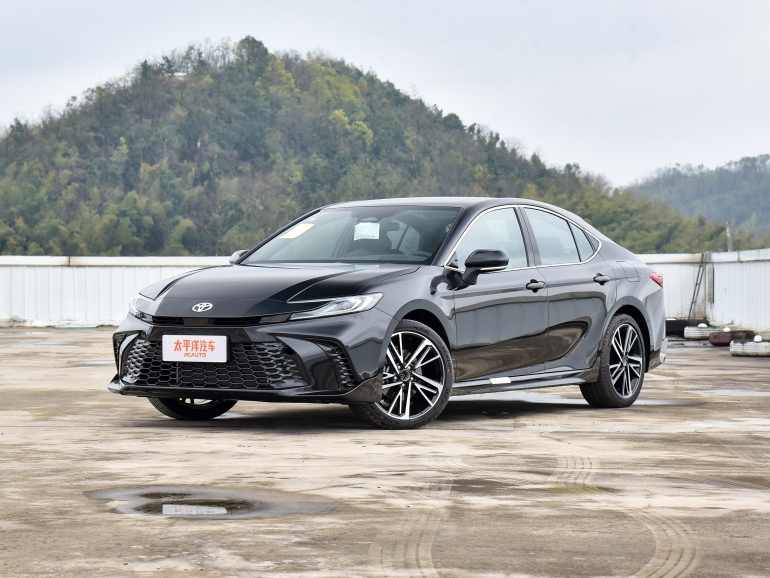
2025 Toyota Camry Test Drive: Quieter Cabin, More Enjoyable Driving!
JohnJun 20, 2025
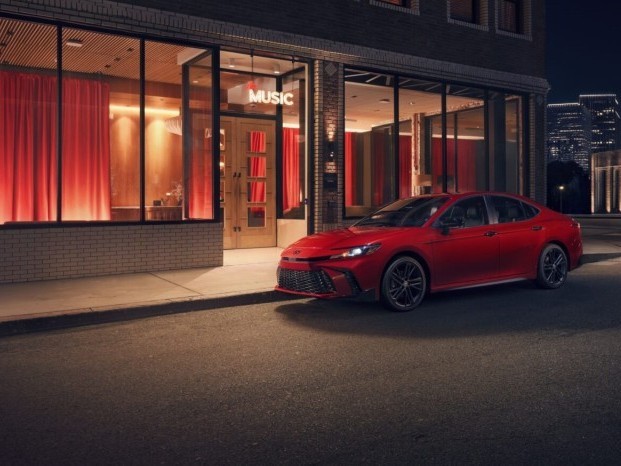
2026 Toyota Camry Introduces Nightshade Edition, Set to Launch in the U.S. This Fall
Kevin WongMay 6, 2025
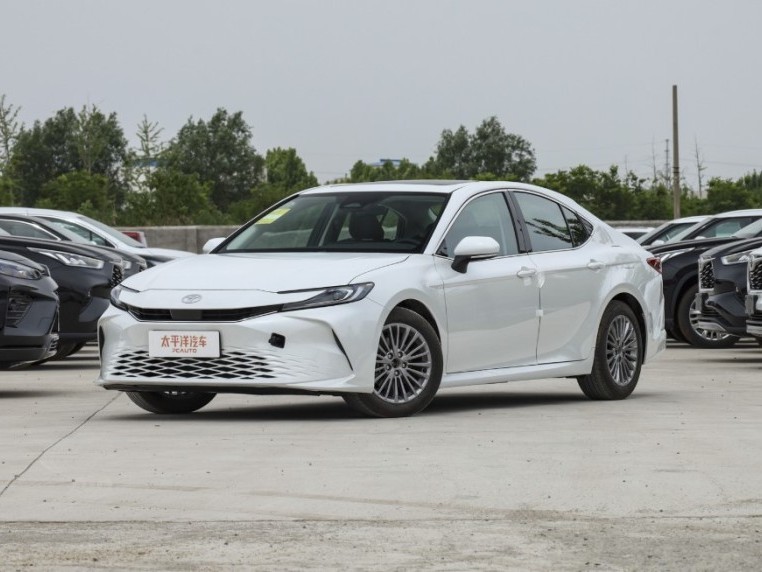
Toyota Camry XV80 Thailand Motor Expo 2024, 227PS, Fuel Consumption 5.1L/100KM
JohnDec 2, 2024
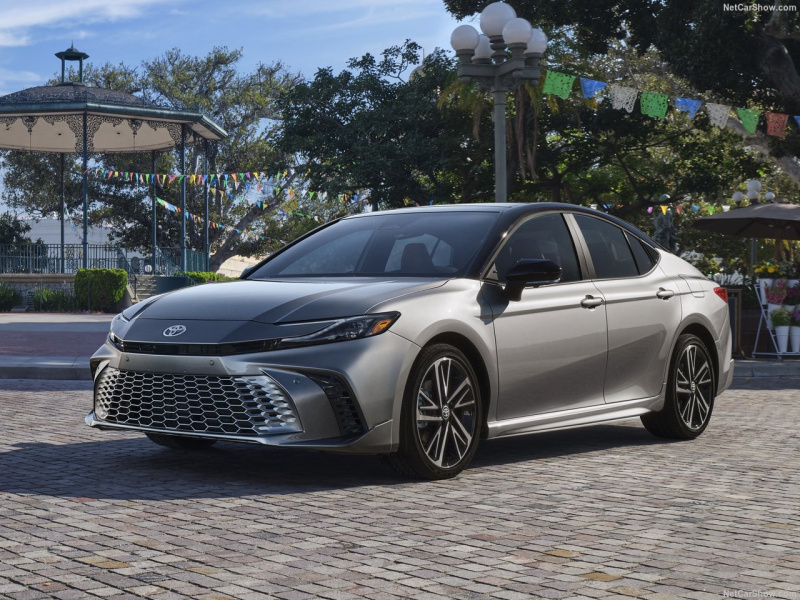
Why is Toyota Camry, with a cumulative sales volume of over 20 million vehicles, so popular among consumers worldwide?
MichaelOct 22, 2024
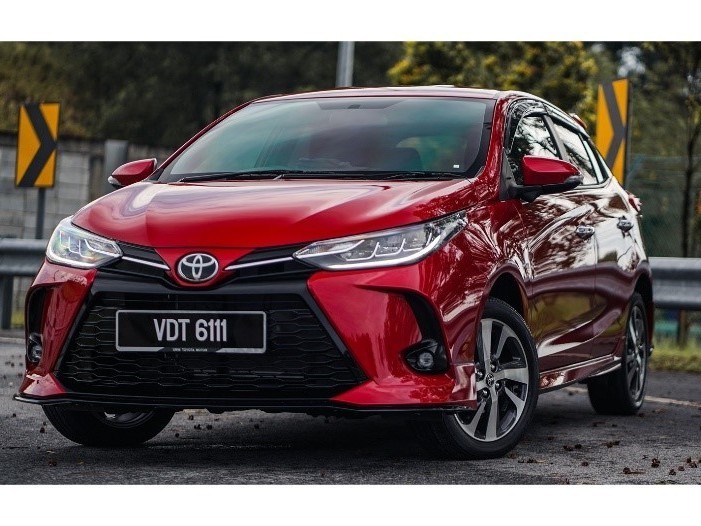
Spend the least money, buy the most suitable car: New car or used car, which one to choose?
RobertAug 28, 2024
View More
Pros
Cons