
Mitsubishi Triton (LC2T) returns to the Japanese market, targeting outdoor enthusiasts
 MichaelJan 27, 2026, 02:44 PM
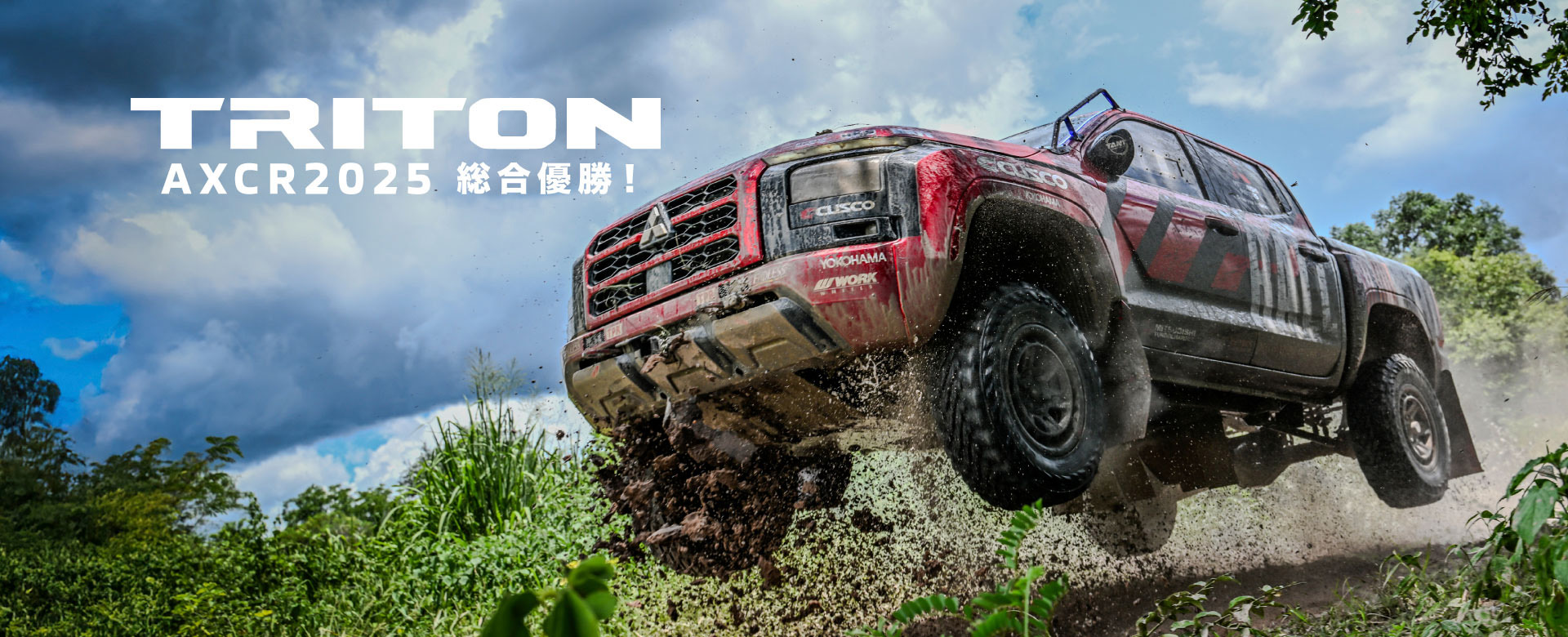
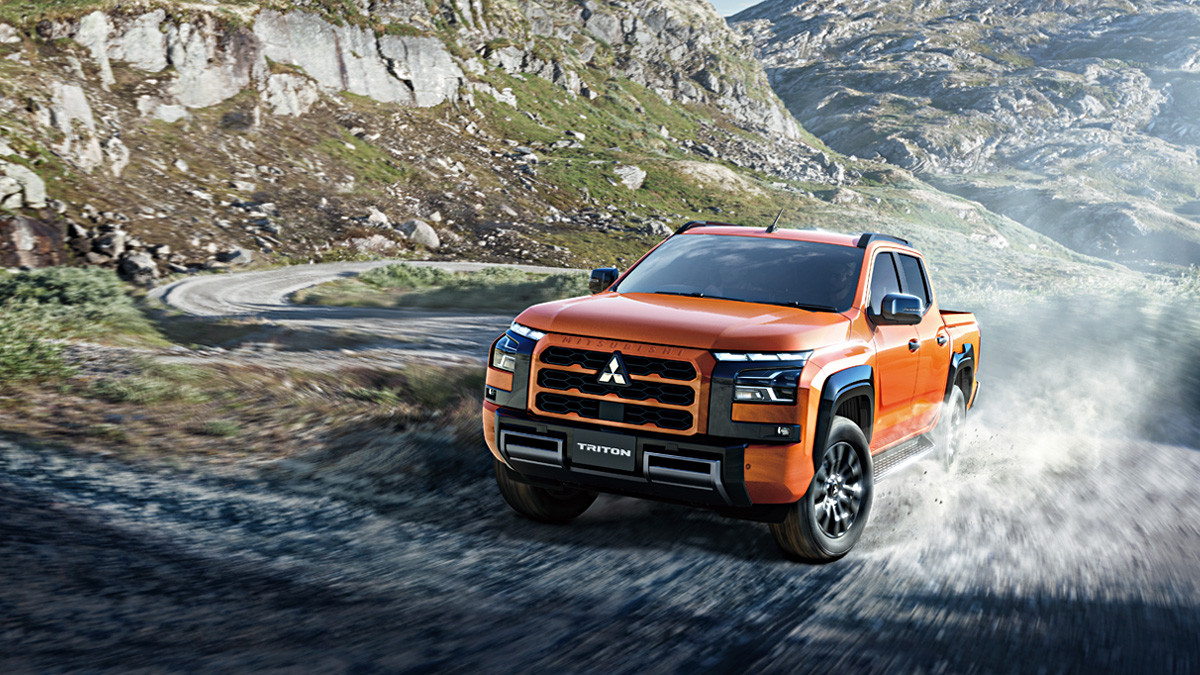
[PCauto] On January 22, 2026, Mitsubishi officially announced the return of the sixth-generation Triton (code-named LC2T) to the Japanese market. Once withdrawn due to shrinking domestic pickup demand, the model now returns as a fully-built import from Thailand, available exclusively in the range-topping GSR grade. The price is set at ¥5,518,700 (including tax), approximately RM 150,000.
For Mitsubishi's loyal fans and off-road enthusiasts, its return is a welcome surprise—it represents a peak in refinement for the combustion-powered pickup truck.
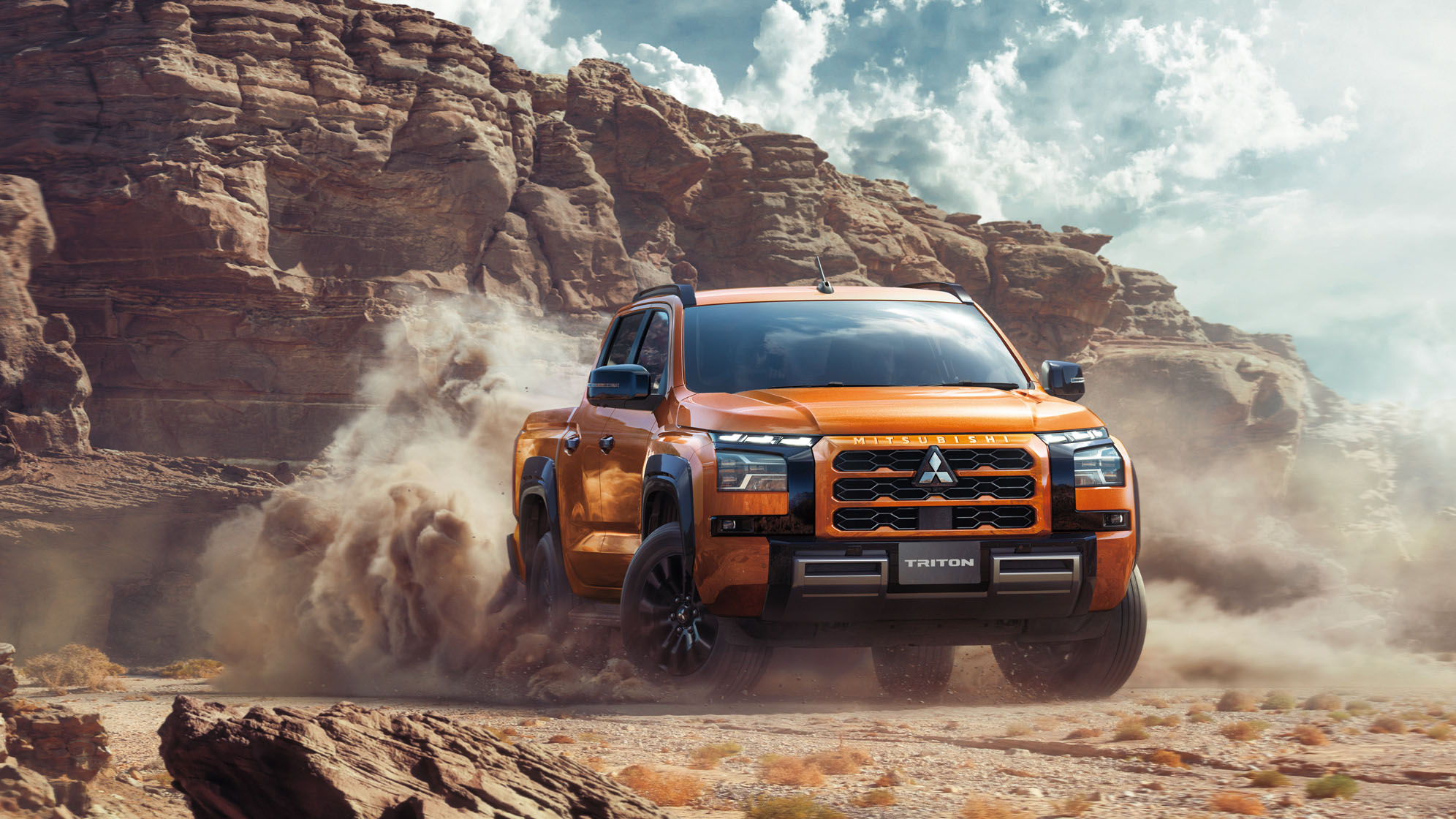
This is a near-perfect pickup truck
Powering the Triton GSR is Mitsubishi's 4N16 engine—a 2.4-liter, four-cylinder, twin-turbo diesel unit. It produces 204 horsepower and 470 Nm of torque. Mated to a 6-speed automatic transmission (with manual mode), it delivers smooth, nearly imperceptible shifts in daily driving—effectively tempering the typical diesel engine character.
The chassis is a key upgrade. High-performance shock absorbers, co-developed with Yamaha, distinguish the GSR from the standard Triton. When cornering on paved roads, body roll is greatly suppressed, significantly improving driving stability and handling. On rough or unpaved roads, the shock absorbers provide a smoother damping effect, minimizing cabin vibrations and balancing off-road performance with daily driving comfort.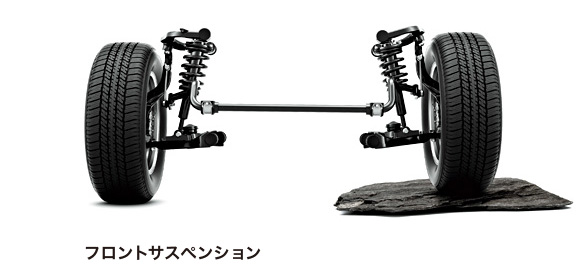
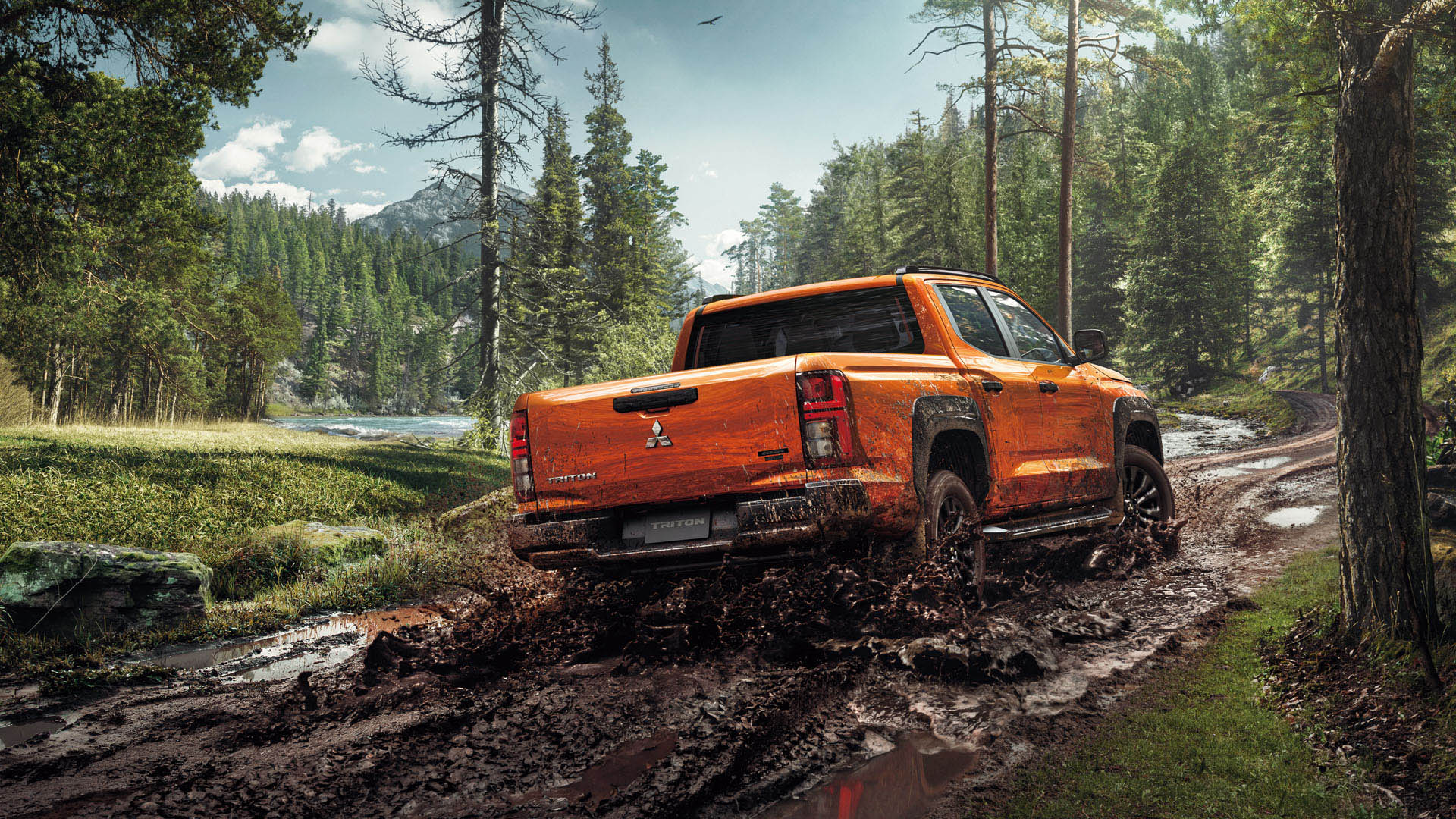
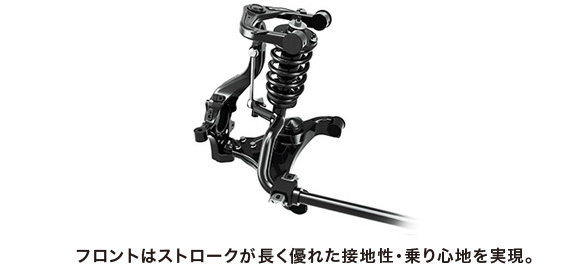 The soul of the vehicle is Mitsubishi's Super Select 4WD-II system. It offers seven driving modes, yet operation is intuitive. When driving on snowy roads, switching to 4H mode grants better traction. When facing severe cross-axle scenarios (where wheels lose traction) or rocky terrains, engaging the 4L mode and combining it with the differential lock maximizes the vehicle's escape capability. The reliability of this system has been verified over time in the market, making it a core hallmark of Mitsubishi’s off-road technology.
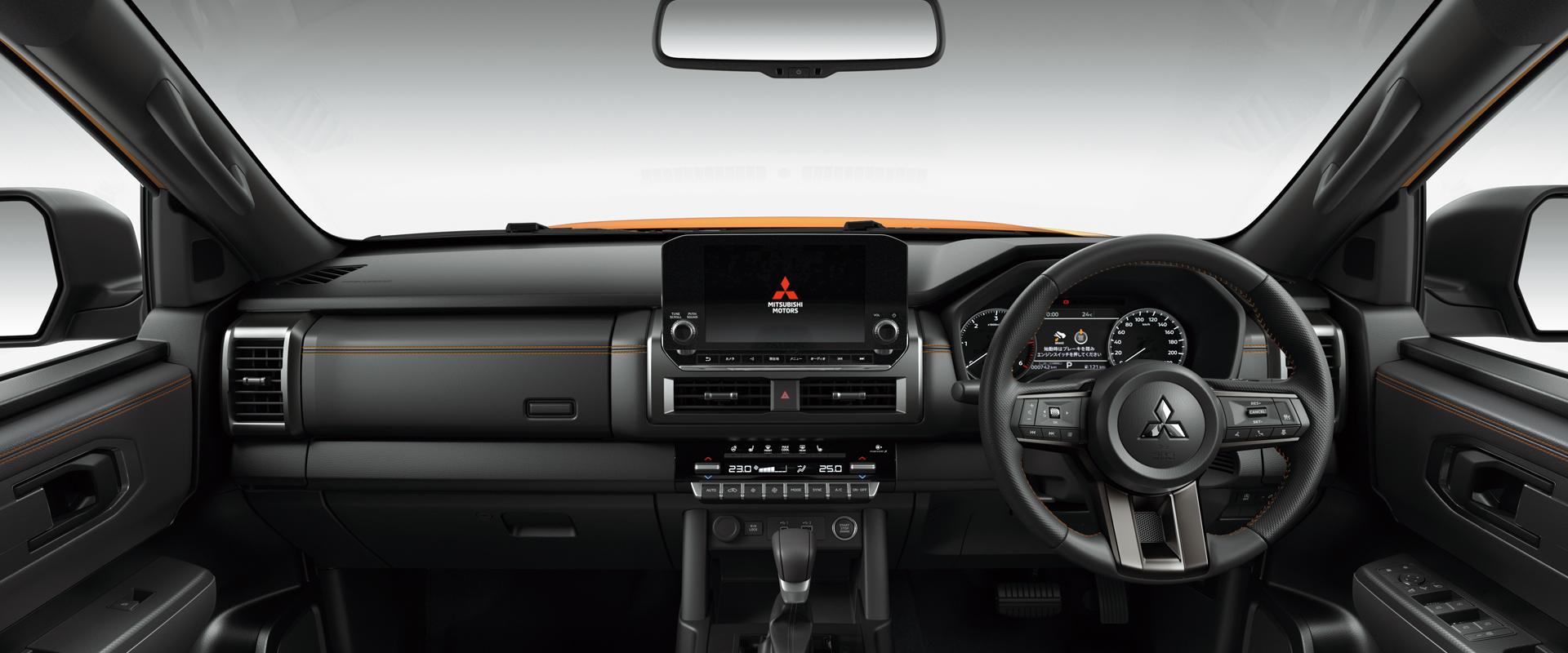
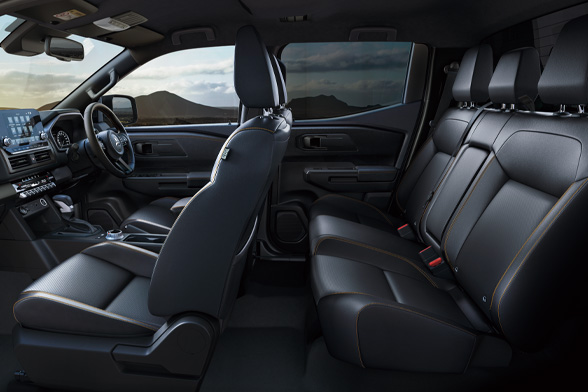
Inside, a "Dark Titanium" theme prevails, with key surfaces wrapped in soft-touch materials for a refined yet sporty feel. Supportive, well-bolstered seats ensure comfort on long drives. A standard Panasonic nanoe X air purifier caters to the Japanese market's high air quality standards. Once activated, it can quickly purify the air inside the vehicle, making this feature incredibly practical for families with elderly members and children.
Mitsubishi has only retained the top-tier version for the returning Triton, ensuring its features are comprehensive right from the start.
But it's too expensive
Judging by the product itself, the Triton GSR is undoubtedly an excellent fuel-powered pickup. Its estimated 5-year residual value rate of 63% adds a good resale attribute, and it’s no surprise that it has garnered significant attention within Japan's outdoor enthusiast circles.
However, viewed within the context of Japan's 2026 automotive market and its ¥5.52 million price tag (approx. RM 150,000), this perfection appears tragically mistimed.
At this price, Japanese buyers have far more compelling options: an entry-level Toyota Land Cruiser, a top-spec Toyota Alphard, or even two Suzuki Jimnys. The Triton GSR's value proposition is narrow by comparison.
Perfect, but not practical
For ordinary consumers, the Land Cruiser's brand recognition and all-round adaptability, the Alphard's household and business attributes, and the compact maneuverability of the Jimny align better with the characteristics of Japanese urban roads than a pickup truck.
More importantly, this car, marketed with an "outdoor lifestyle" positioning, faces many restrictions in actual usage scenarios in Japan.
Japanese cities, with their narrow roads and tight parking, make the Triton's substantial footprint a daily hassle. Coupled with the higher running costs of a diesel, it is far less practical for urban life than a sedan or compact SUV.
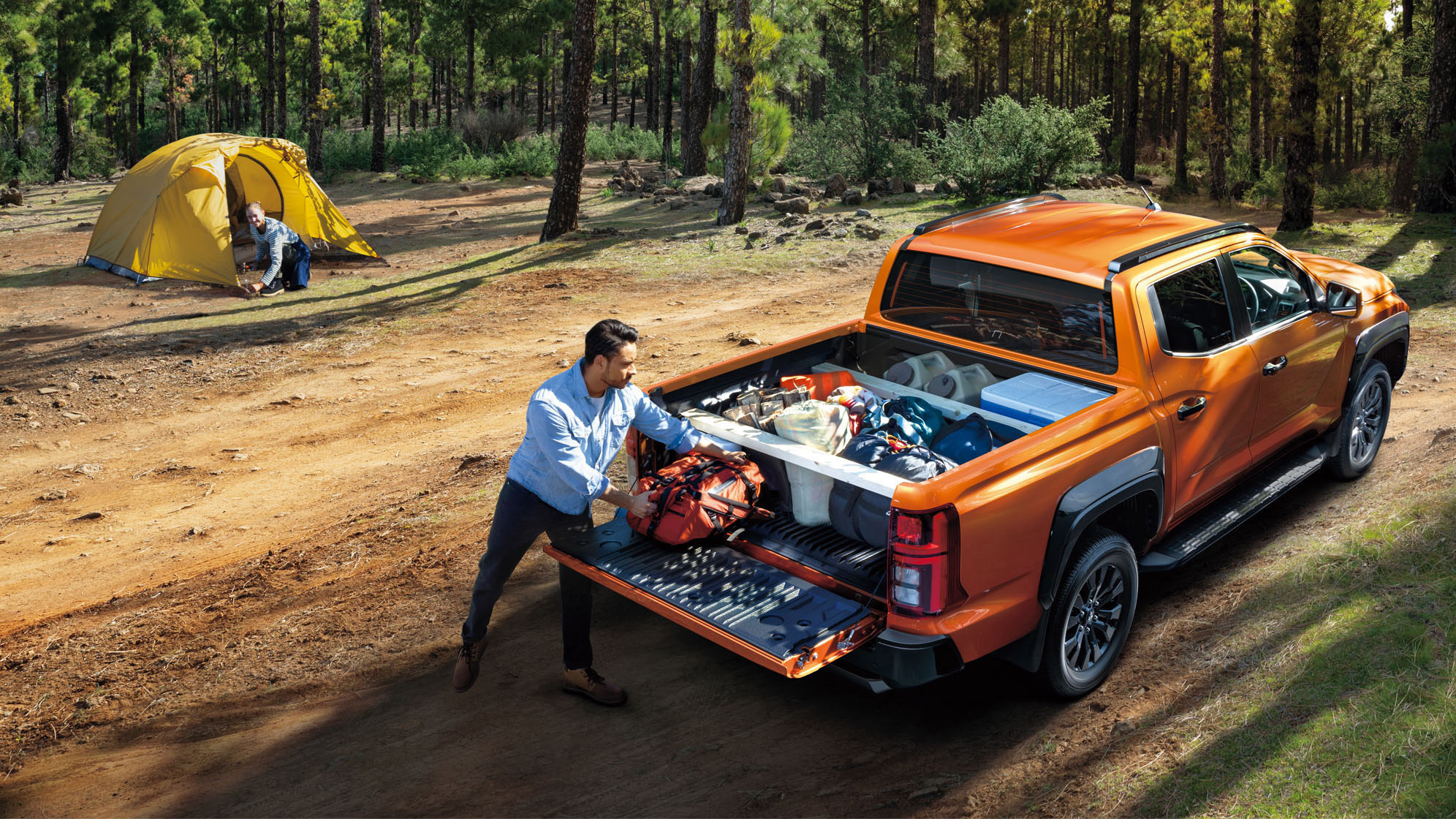
Even for enthusiasts, the pickup bed's utility is limited. Beyond weekend camping or off-roading, it largely sits unused. Bearing high purchase and usage costs for such a niche use case is not the choice of the majority of consumers.
By 2026, the automotive landscape is dominated by electrification and smart technology. The Tesla Cybertruck is in global delivery, while Chinese-brand hybrid and electric pickups are rapidly eroding the market share of traditional fuel-powered models in Southeast Asia. Automakers are focusing on promoting range, intelligent driving, and zero emissions—these are the mainstream trends in the automotive market.
Against this backdrop, Mitsubishi's decision to launch a hardcore fuel-powered pickup in Japan—heavily promoting its diesel engine roar and mechanical 4WD reliability—seems not just puzzling, but anachronistic.
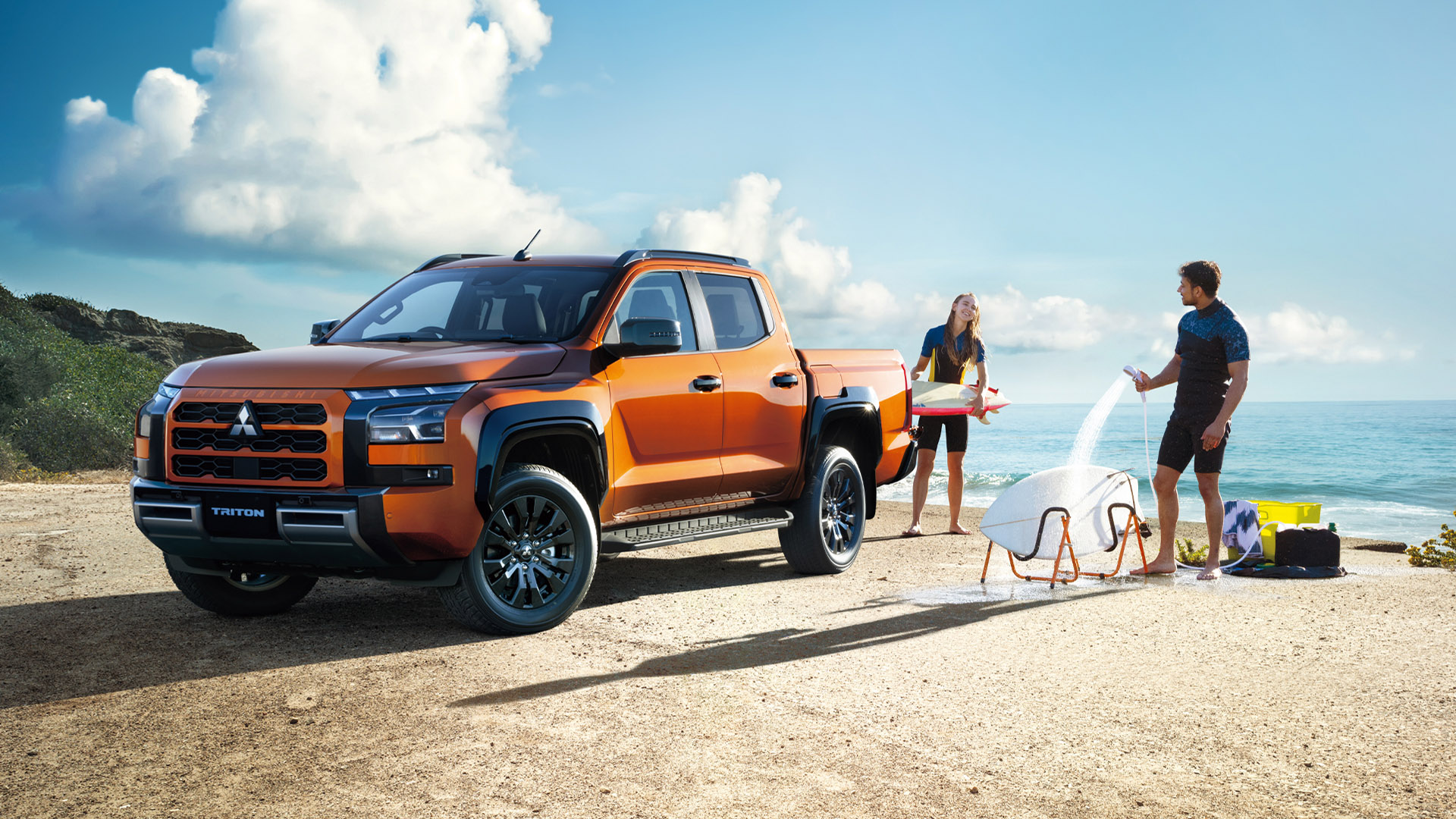
The market does not need such a pickup
While Mitsubishi has identified a niche demand in Japan's outdoor market, it appears to have overlooked the broader direction of the automotive industry. By concentrating resources on a fuel-powered pickup truck instead of making efforts in the mainstream fields of electrification and intelligence, the brand reveals its conservative and passive strategy.
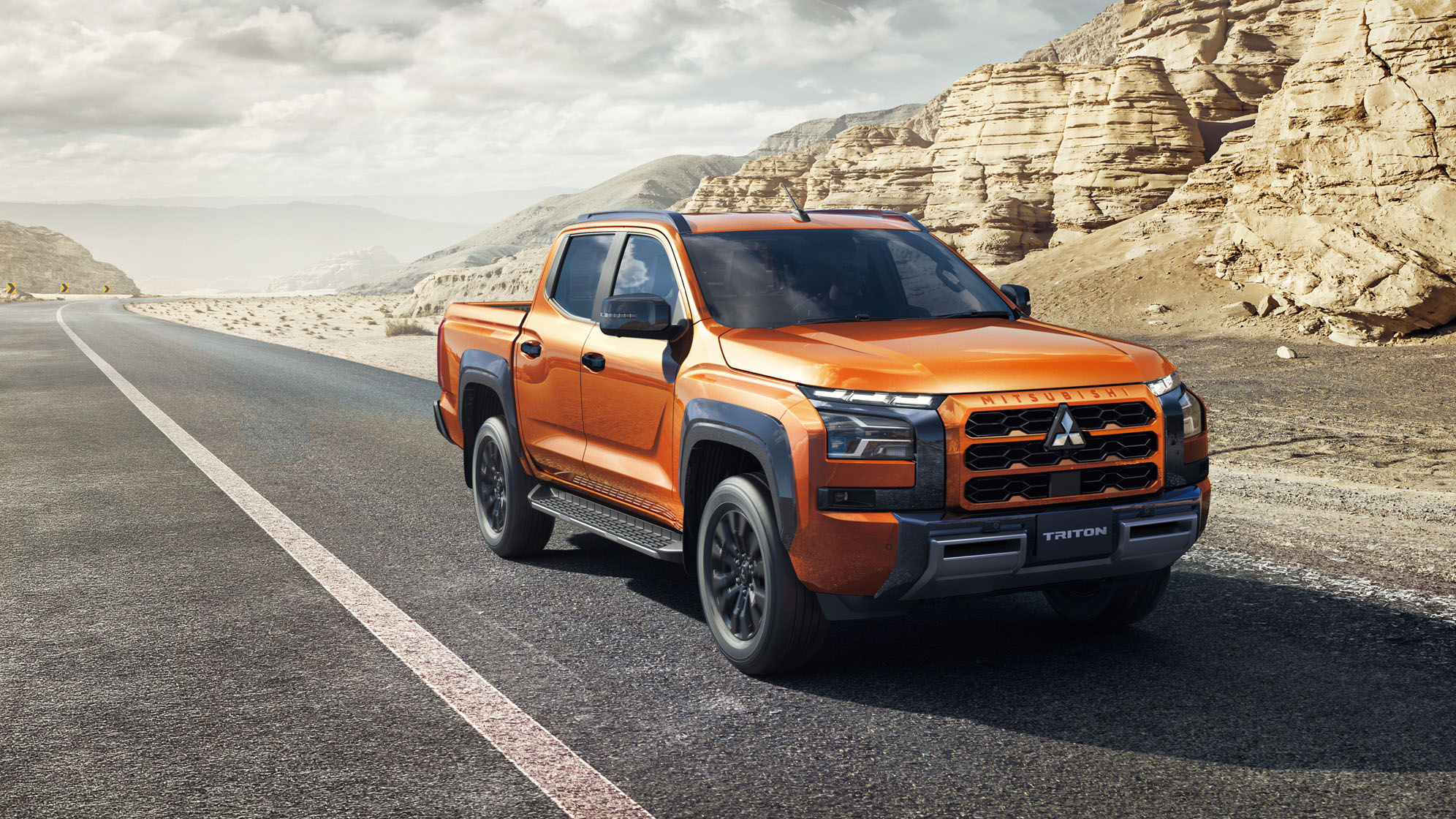
The Triton GSR's return feels more like a nostalgic offering for loyal fans of the internal combustion era—a perfect culmination of Mitsubishi's ICE engineering prowess, but not the harbinger of a brand revival.
It proves Mitsubishi can still craft an exceptional fossil-fuel vehicle, yet it also demonstrates a seeming disconnect from the needs of the mainstream market.
If any infringement occurs, please contact us for deletion










Popular Cars
Model Year
Car Compare
Car Photo