
Q
Is the Ferrari 812 Superfast fast?
 RainbowSpectrumOct 15, 2025, 05:35 PM
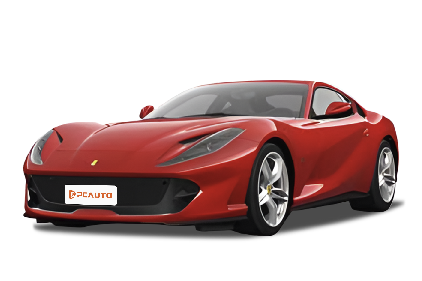
The Ferrari 812 Superfast is one absolute beast of a supercar. That 6.5-liter naturally aspirated V12 under the hood cranks out a whopping 800 horsepower and 718 Nm of torque. Pair that with the 7-speed dual-clutch gearbox, and you're looking at a 0-100 km/h sprint in just 2.9 seconds, with a top speed hitting 340 km/h. Let me tell you, those numbers more than live up to the "Superfast" badge.
For Malaysian petrolheads, sure, our local road conditions might not let you fully uncage the 812's beastly potential, but that throaty exhaust note and the pure, raw driving thrill it delivers are more than enough to make any enthusiast weak at the knees.
Something worth highlighting is its rear-wheel-drive setup, paired with some pretty trick electronic aids like Side Slip Control. That means even if you're not a pro racer, you can still have a blast and enjoy that insane performance with a decent safety net.
On top of that, Ferrari has been stepping up their after-sales service network here in Malaysia lately. That's definitely a big plus for anyone considering taking the plunge and buying one.
As the crown jewel of Ferrari's front-engined V12 GT lineup, the 812 Superfast isn't just about mind-blowing speed. It's got that classic, elegant Italian design language down pat, and the interior is finished to an absolutely exquisite standard. It really shows Ferrari's obsession with nailing every last detail. This one's a proper dream machine for collectors and performance junkies alike.
Special Disclaimer: This content is published by users and does not represent the views or position of PCauto.
Related Q&A
Q
When was the Ferrari 812 Superfast launched?
The Ferrari 812 Superfast made its debut at the 2017 Geneva Motor Show, serving as the successor to the beloved F12berlinetta. Under its sculpted hood lies a 6.5 - liter naturally aspirated V12 engine, a masterpiece that delivers a whopping 800 horsepower and 718 Nm of peak torque. This results in outstanding performance: 0 - 100 km/h in a mere 2.9 seconds and a top speed of 340 km/h, cementing its status as Ferrari's most powerful front - engined V12 production car at the time. For Malaysian enthusiasts, the 812 Superfast isn't just a showcase of Ferrari's pinnacle in naturally aspirated engine technology; it also features cutting - edge advancements like electric power steering and Side Slip Angle Control (SSC), taking the driving experience to a whole new level. In Malaysia, the 812 Superfast quickly became a highly sought - after machine. Admittedly, it carries a hefty price tag, but its phenomenal performance and timeless design continue to captivate discerning, high - end buyers. It's worth noting that Ferrari later introduced a more extreme version, the 812 Competizione, optimized for track performance. But make no mistake, the 812 Superfast itself is already an iconic supercar that masterfully blends luxury with raw sportiness, perfectly suited for Malaysian drivers who live for the thrill of the drive and demand nothing short of ultimate performance.
 TwilightMysteryOct 15, 2025
Q
When was the Ferrari 812 Competizione made?
The Ferrari 812 Competizione made its official debut back in May 2021. This limited-edition beast was built to celebrate Ferrari's storied tradition of front-mounted V12 engines, with only 999 units rolling off the production line worldwide – that includes both the hardtop and the drop-top Spider version, the 812 Competizione A. Under the hood, you'll find a 6.5-liter naturally aspirated V12 that cranks out a whopping 830 horsepower and 692 Nm of torque. Mated to a 7-speed dual-clutch gearbox, it rockets from 0-100 km/h in just 2.85 seconds and tops out north of 340 km/h, truly showcasing Ferrari's mastery when it comes to naturally aspirated engine tech. But it's not all about raw power; the 812 Competizione also gets a ton of aerodynamic tweaks and lightweight upgrades, like a carbon fiber roof and titanium connecting rods, to name a few. For Malaysian petrolheads, even though this Italian stallion is as rare as hen's teeth and comes with a sky-high price tag, Ferrari's official dealer in Kuala Lumpur might still have some opportunities for folks to check it out up close or inquire about services, letting local enthusiasts get a real feel for this supercar's allure. The launch of the 812 Competizione further cements Ferrari's position at the top of the high-performance sports car game, while also highlighting the brand's commitment to – and innovation within – traditional powertrain technology.
 ClimberOct 15, 2025
Q
How much is a Ferrari 812?
The Ferrari 812 Superfast's price tag in Malaysia can swing quite a bit depending on how you spec it out and what extras you add. You're probably looking at a starting point around 2.3 million Ringgit for the base model, but to get the real numbers, you’ll need to hit up your local authorized dealer. Import duties, registration fees, and all those fancy custom options can really play with the final cost.
Under the hood, this thing’s packing a 6.5-liter naturally aspirated V12—800 horsepower, and it’ll rocket from 0-100 km/h in just 2.9 seconds. It’s basically the performance king of Ferrari’s front-engined GT lineup right now.
For Malaysian petrolheads though, there’s more to think about than just straight-line speed. Local road conditions and that hot, humid, often rainy weather? Yeah, that can be tough on high-performance tires and suspension setups. My advice? Stick to regular visits to the official service center to keep it running at its absolute best.
And let’s not forget—Malaysia’s government slaps some pretty steep taxes on imported luxury cars. That’s a big part of why these beauties cost way more here than they do back in Europe.
 RubyRedFlameOct 15, 2025
Q
How much is the Ferrari 812 Superfast?
The Ferrari 812 Superfast starts at around RM 2.3 million in Malaysia, though the exact price can vary depending on specifications, taxes, and dealer policies. For the latest quotes, it’s best to reach out directly to your local authorized Ferrari dealer.
Under the hood lies a 6.5-liter naturally aspirated V12 engine pumping out 800 horsepower, rocketing the car from 0-100 km/h in just 2.9 seconds. This is the crown jewel of Ferrari’s front-engined V12 lineage, blending race-bred aerodynamics with classic GT styling—perfect for drivers craving ultimate performance without sacrificing luxury.
Sure, supercar taxes in Malaysia aren’t cheap, but Ferrari backs the 812 with top-tier after-sales service and exclusive owner perks: think track days and bespoke customization options. If your budget stretches far enough and you’re a die-hard fan of the linear power delivery only a naturally aspirated engine can offer, the 812 Superfast stands out in its class for balancing heritage and cutting-edge tech. It’s also worth cross-shopping against hybrid alternatives like the SF90 Stradale to see which fits your driving style better.
 RipOct 15, 2025
Q
How much money does a Ferrari 812 Superfast cost?
The Ferrari 812 Superfast starts at around RM 2.3 million in Malaysia, though the exact figure can vary depending on specs, taxes, and dealer policies. Under the hood lies a 6.5-liter naturally aspirated V12 pumping out 800 horsepower, rocketing it from 0-100 km/h in just 2.9 seconds – making it the flagship of Ferrari's front-engined lineup. Malaysian buyers should note that imported supercars typically come with hefty duties and registration fees, so the final on-road price will likely be significantly higher than the base sticker. Then there's Ferrari's extensive personalization program – think custom paint finishes, bespoke interior materials, or performance upgrades – all of which add to the bottom line. For performance enthusiasts, the 812 Superfast isn't just about Italian craftsmanship; its classic FR (front-engine, rear-wheel drive) layout and pure naturally aspirated character feel increasingly special in today's turbocharged world. If your budget's a bit tighter, keep an eye on Ferrari's Certified Pre-Owned program. These cars get thorough factory inspections, come with warranty coverage, and let you experience that Prancing Horse magic at a more accessible price point.
 DazzlingSparkleOct 15, 2025
Popular Cars
Model Year
Car Compare
Car Photo
Related Models
 Cars
CarsLatest Q&A
Q
Is AMT similar to automatic?
There are significant differences between AMT transmissions and automatic transmissions (AT) in terms of core structure and driving experience. AMT is essentially an electronically automated version of a manual transmission, simulating manual clutch operation and gear shifting through a computerized control system while retaining the gear set structure of manual transmissions. As a result, it offers higher transmission efficiency, with fuel consumption approximately 8%-12% lower than AT, making it particularly suitable for highway or long-distance driving. However, it may exhibit jerking similar to manual transmissions during low-speed gear shifts, especially noticeable in congested traffic conditions.
AT transmissions rely on torque converters for power transfer, delivering smooth and seamless gear shifts that appeal to comfort-oriented users. However, their complex structure (incorporating planetary gear sets, hydraulic systems, etc.) results in higher maintenance costs. A single service may cost between 800 to 1,500 ringgit, whereas AMT only requires gear oil replacement at approximately 400 ringgit.
From a market perspective, AMT is predominantly used in budget vehicles or commercial models priced below 80,000 ringgit, while AT is typically featured in mid-to-high-end vehicles. Consumers should select based on actual needs: AMT suits those prioritizing fuel efficiency and low maintenance costs, while AT better serves those valuing comfort. Notably, recent advancements in AMT electronic control technology have significantly mitigated jerking issues, though test drives should still emphasize low-speed performance evaluation.
 AriaMar 26, 2026
Q
Which is better, DCT or AT?
DCT (Dual-Clutch Transmission) and AT (Automatic Transmission) each have their own advantages and disadvantages, and the choice should be based on personal driving needs. AT transmissions transfer power through a torque converter, offering excellent shift smoothness, making them suitable for urban commuting or novice drivers. However, they tend to have higher fuel consumption, and vehicles equipped with them are usually more expensive. DCT transmissions utilize a dual-clutch structure, featuring fast shift speeds and high power transmission efficiency, which provides a more direct driving experience—particularly suitable for users seeking a sporty feel. However, they may exhibit jerking at low speeds and have relatively high maintenance costs. If durability and comfort are priorities, AT is the more reliable choice; if power responsiveness and driving pleasure are preferred, wet DCT (such as Volkswagen DSG) performs better, though dry DCT models should be avoided in prolonged stop-and-go traffic conditions. Additionally, CVT transmissions excel in smoothness and fuel efficiency, making them ideal for daily commuting, but they lack driving excitement. It is recommended to test-drive before purchasing, as tuning varies significantly across brands, and real-world experience is more important than theoretical specifications.
 FlutteringMar 26, 2026
Q
Is Amt good or bad?
AMT gearboxes have a significant cost advantage in the local market, typically being around 5,000 Ringgit cheaper than models equipped with conventional automatic transmissions. Their fuel efficiency is comparable to manual transmissions, resulting in long-term fuel savings. Featuring a straightforward design, they achieve transmission efficiency exceeding 90% with relatively low maintenance costs, making them ideal for practicality-oriented consumers. However, their shifting logic contains inherent limitations: gear changes between 1st and 2nd cause 0.3-0.5 second power interruptions, while unintended upshifts on inclines may reduce engine speed by 15%-20%, compromising driving smoothness. For urban commuters or budget-conscious buyers, AMT offers excellent value, though those prioritizing premium driving dynamics should consider alternative transmission types. Some domestic models like the Perodua Axia employ enhanced AMT systems, where optimized shift programming has reduced gearshift shock by approximately 30%.
 RainbowsMar 26, 2026
Q
Which gives better mileage, CVT or AMT?
From the perspective of fuel economy, CVT transmissions generally perform better under urban driving conditions. Their continuously variable design allows the engine to consistently operate within the optimal speed range, significantly reducing fuel consumption during frequent starts and stops. Test data shows that their fuel consumption in urban driving conditions is 10% to 15% lower than that of comparable models. AMT transmissions, on the other hand, inherit the high transmission efficiency of manual transmissions, delivering fuel efficiency close to manual transmissions during high-speed cruising. This makes them particularly suitable for long-distance driving in large-displacement vehicles. However, due to power interruption during gear shifts, their overall fuel consumption may be 5% to 8% higher than CVTs.
The difference in fuel-saving characteristics between the two transmissions stems from their technical principles: CVTs achieve continuous variability through steel belts and pulleys, eliminating the fixed gear ratio limitations of traditional transmissions; AMTs simulate manual gear changes via electronic control systems while maintaining the mechanical efficiency of gear transmission. Notably, actual fuel consumption is also influenced by driving habits. Smooth acceleration and anticipatory deceleration can maximize the transmissions' fuel-saving potential. If the vehicle budget permits and urban commuting is the primary use, CVTs offer a more economical choice. For frequent highway driving with an emphasis on cost-effectiveness, AMTs are equally worth considering.
 RubyBlazeMar 26, 2026
Q
Which is cheaper, AMT or CVT?
In terms of gearbox cost, AMT is usually more economical than CVT. Essentially, AMT is a manual transmission equipped with an electronic control unit, featuring a simple structure and low maintenance costs. The unit price ranges from approximately 5,000 to 8,000 ringgit, making it suitable for budget-conscious consumers or those who prioritize long-term operating costs. CVT incurs higher manufacturing costs due to its precision steel belt transmission system and continuous variable transmission technology, with a unit price of about 7,000 to 10,000 ringgit. However, it delivers a smoother driving experience and superior fuel efficiency. The primary differences between the two lie in technical complexity: AMT retains the gear-shifting mechanism, resulting in noticeable shift shock; CVT achieves linear power output through stepless speed variation but requires periodic belt inspection and incurs higher maintenance expenses. For those prioritizing initial cost and basic transportation needs, AMT offers better value; if comfort and long-term fuel economy are priorities, CVT represents a more worthwhile investment. Note that actual prices may vary based on vehicle model, brand, and local supply chain factors.
 ShadowProwlMar 26, 2026
Related News

Ferrari unveils the chassis and core components of its first all-electric model, Elettrica
LienOct 10, 2025

Ferrari 849 Testarossa officially released, succeeding the SF90 Stradale with more powerful performance
RobertSep 12, 2025
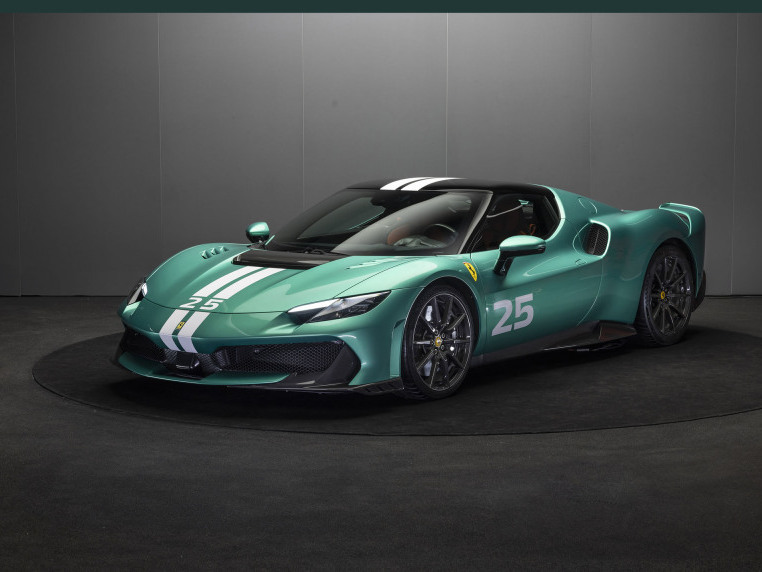
Ferrari Unveils 296 Speciale Plug-in Hybrid Supercar, Accelerating from 0-100 km/h in Just 2.8s
JohnApr 30, 2025
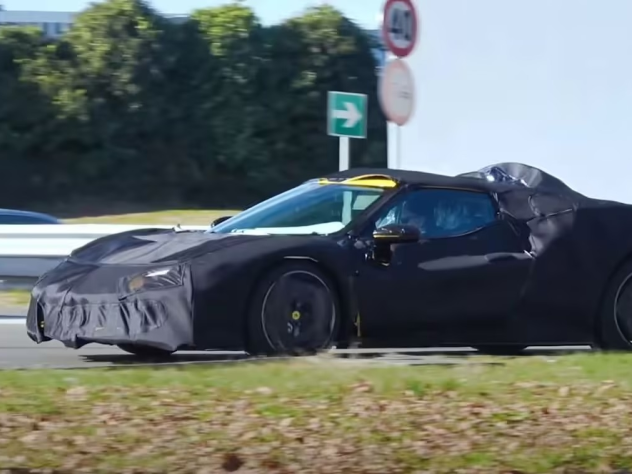
Meet Ferrari's New Track Beast: 296 VS Debuts on April 29
RobertApr 3, 2025
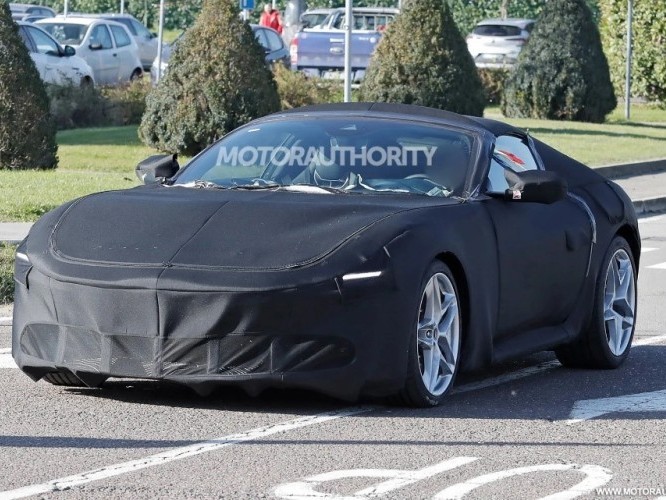
Spy shots of the Ferrari Roma successor revealed! May be released by the end of 2025, Hybrid system could be the highlight
WilliamNov 19, 2024
View More
Pros
Cons