
Q
Toyota Yaris Cross how to drive
 CharmingPersonalityGraceOct 10, 2025, 04:08 PM
When you get behind the wheel of the Toyota Yaris Cross, first make sure you’re comfortable with the basics: firing up the engine, switching drive modes (like Normal or ECO), and using the electronic parking brake and auto-hold feature—all little touches that make daily driving that bit easier. Here in Malaysia, with our typical city traffic, this little SUV’s compact size is a real plus for zipping through tight spots. That extra ground clearance is handy too when you hit those not-so-smooth roads, but remember to take corners a bit slower to keep things stable.
Under the hood, the 1.5-liter engine paired with the CVT gearbox delivers a smooth, easy power delivery—perfect for city commutes. Need to overtake? Give the throttle a good prod, and the transmission will simulate shifts to pick up the pace. For longer drives, the Yaris Cross’s smart safety kit, like the pre-collision system and lane departure alert, adds peace of mind—definitely flip through the owner’s manual to learn exactly when these features kick in.
Living in Malaysia’s hot and rainy weather means keeping an eye on your tire pressure and sticking to service intervals will help keep the car running strong. And don’t sleep on the AC’s eco mode—it can actually help save a bit on fuel. Planning a road trip? Play around with the boot space configurations—this thing’s surprisingly flexible for hauling all your gear.
Special Disclaimer: This content is published by users and does not represent the views or position of PCauto.
Related Q&A
Q
When will Toyota Yaris Cross be available in Malaysia?
Word on the street is the Toyota Yaris Cross is set to hit Malaysian showrooms in Q1 2024. This little SUV’s already made waves across Southeast Asia, turning heads with its practical compact dimensions and hybrid powertrain option. Slotting neatly between the Raize and Corolla Cross in Toyota’s lineup, the Yaris Cross is expected to offer two engine choices: a 1.5-liter naturally aspirated petrol and a 1.5-liter hybrid, both mated to a CVT gearbox. The focus here is clearly on city-friendly fuel efficiency and versatile interior space – perfect for urban dwellers.
Likely mirroring the Thai-spec model, Malaysia-bound Yaris Crosses should come loaded with features like a 7-inch digital instrument cluster, a 9-inch infotainment touchscreen, and Toyota Safety Sense as standard. Of course, we might see some tweaks to better suit local tastes and conditions.
For those shopping in the small SUV segment, the Yaris Cross is a welcome addition, giving buyers more options to chew on. Its hybrid tech also aligns nicely with the Malaysian government’s push for more energy-efficient vehicles. If you’re keen, keep an eye on UMW Toyota Motor’s official website or swing by your nearest authorized dealer for the latest pre-launch deets. And hey, don’t forget to cross-shop with the likes of the Honda HR-V and Proton X50 – compare their specs, prices, and see which one best fits your daily grind before pulling the trigger.
 HappyKangarooOct 14, 2025
Q
How much is a 2024 Toyota Yaris Cross?
The 2024 Toyota Yaris Cross comes with a range of prices in Malaysia, depending on the trim level and specs you go for. You're looking at roughly RM 92,000 to RM 109,000, though keep in mind that final numbers might shift a bit with regional promotions or if you add on any extra options.
Slotting into the small SUV segment, this one's powered by either a 1.5-liter naturally aspirated engine or a hybrid setup. The focus here is on good fuel economy and nimble city driving—perfect for Malaysia's urban roads and family needs. Toyota hasn't skimped on safety either; it gets the latest safety suite, including pre-collision systems and lane keep assist, which definitely adds peace of mind behind the wheel.
If you're working with a tighter budget but still want the practicality of an SUV, the Yaris Cross makes a strong case. Plus, Toyota's got a pretty solid after-sales network across Malaysia, which is always a bonus for owners. Of course, if you're shopping around in the small SUV space, it's worth checking out rivals like the Honda HR-V or Mazda CX-3 too. Each has its own strengths, so my advice? Test drive a few, weigh up what matters most to you, and go from there.
 HappyGoatOct 14, 2025
Q
When will Toyota Yaris Cross be launched in Malaysia?
Word on the street is that the Toyota Yaris Cross is set to hit Malaysian shores in Q4 2024, though we’re still waiting on UMW Toyota Motor to drop the official launch date. Slotting into the small SUV segment, this one’s packing either a 1.5-liter naturally aspirated engine or a hybrid setup, focusing hard on fuel efficiency and zippy city handling—perfect for Malaysia’s urban grind and the tastes of young drivers.
The Yaris Cross has already made a solid name for itself in overseas markets, thanks to its clever use of space and a robust suite of safety tech, including Toyota’s TSS. Fingers crossed the Malaysian spec keeps all that good stuff intact. If you’re keen, keep an eye on UMW Toyota’s socials and official site for updates. And hey, it wouldn’t hurt to check out rivals like the Honda HR-V or Mazda CX-3 too—at the end of the day, it all comes down to your budget and what you’re really after in a ride.
 QuietDoveOct 14, 2025
Q
how to driveToyota Yaris Cross hybrid automatic
When you get behind the wheel of the Toyota Yaris Cross Hybrid with automatic transmission, first make sure the vehicle is in Ready Mode. Just press the brake pedal and hit the start button – you'll see "READY" pop up on the dashboard, meaning the hybrid system is fired up and good to go. Shifting gears is a breeze: hold the unlock button on the gear lever and slot it into D (Drive) for normal driving, or B (Engine Brake) when you're going downhill to boost energy recovery.
To get moving, a light tap on the accelerator is all it takes. The hybrid system cleverly switches between electric motor and engine power based on the road conditions – no need for you to lift a finger. Around town at low speeds, it will prioritize using EV mode, keeping things nice and quiet while sipping fuel. When you hit the highway or need a quick burst of speed, the engine kicks in to give you that extra oomph.
Parking up is simple: just pop it into P (Park) and switch off the power. The system takes care of managing the battery charge automatically. One thing to note: the Yaris Cross Hybrid comes with regenerative braking, so you might feel a slight drag when you let off the accelerator. Don't worry, that's totally normal – it's just the system harvesting energy back into the battery.
For Malaysian drivers, this car is a perfect fit for those bumper-to-bumper city commutes. The hybrid setup really helps keep fuel costs down, and the automatic gearbox takes the stress out of driving. If you want to squeeze even more miles out of a tank, flick on ECO mode using the button on the center console. It tweaks the throttle response and air conditioning to maximize efficiency. Oh, and keeping up with regular maintenance on the hybrid battery and brake system will ensure your Yaris Cross Hybrid stays running smoothly and efficiently for years to come.
 ToughFighterStrengthOct 10, 2025
Q
how to lock Toyota Yaris Cross
To lock your Toyota Yaris Cross, you can hit the remote lock button on your key fob—one press locks all doors, and you’ll get a beep or a light flash to confirm it’s locked up tight. If your ride has the smart key system, just touch the lock sensor on the driver’s or front passenger’s door handle (make sure the key’s within range, obviously). Some Yaris Cross models also have an auto-lock feature that kicks in once you’re moving above a certain speed, adding an extra layer of safety on the go.
Here in Malaysia, with our scorching heat, do yourself a favor and double-check all windows are closed before locking up. Trust me, you don’t want to come back to an oven-like cabin or get caught off guard by a sudden downpour soaking the interior. If your remote key starts acting up—maybe the battery’s dying—you can always pop out the mechanical key and stick it in the door lock to manually lock it. But swing by a shop soon to swap the battery; remote convenience is too good to lose.
In daily use, it’s worth giving the door locking mechanism a quick check every now and then. Our hot, humid weather can be tough on cars—rubber seals and electronics tend to wear out faster when they’re constantly baked and damp. If you run into any lock-related issues, skip the back-alley mechanics and head straight to a Toyota authorized service center. They know how our local roads and climate mess with cars, so they’ll sort you out with the right expertise.
 HunterQuestAdventureOct 10, 2025
Q
How many color options are available for the 2023 Toyota Yaris Cross?
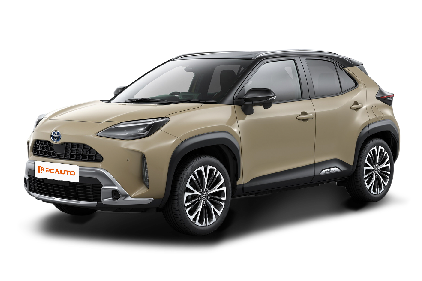
The 2023 Toyota Yaris Cross in Malaysia comes with a solid range of color options to suit different tastes. You've got your classics like Pearl White and Metallic Silver, plus eye-catching choices such as the vibrant Red. These colors aren't just trendy and easy on the eyes; they also hold up well across various daily scenarios.
Picking the right color is a big deal for any car buyer. It's not just about making the car look good – it can also affect day-to-day upkeep and even resale value down the line. Lighter shades, for example, tend to hide dirt better, while darker tones often give off a more sophisticated,steady vibe.
As a compact SUV, the Yaris Cross already has a strong following in Malaysia thanks to its impressive fuel efficiency and nimble driving feel. This diverse color lineup just adds another layer to its appeal, making it stand out even more in the market.
If you're thinking about getting one, do yourself a favor and head to your nearest Toyota showroom to check out the colors in person. Trust me, the way a color looks under real-world lighting can be a bit different from the brochures or online photos. Choosing the shade that really speaks to you will make your Yaris Cross feel that much more personal and, let's be honest, just more enjoyable to own.
 PrettyPictureFrameOct 10, 2025
Q
Toyota Yaris Cross how many seats
The Toyota Yaris Cross hits the Malaysian market as a 5-seater, sticking with the classic 2+3 seating setup that's perfect for everyday family runs. Need more cargo space? No problem—the rear seats split 60:40 and fold down to let you haul whatever you need.
Built on Toyota's TNGA-B platform, this B-Segment SUV measures in at 4,180mm long, 1,765mm wide, and 1,590mm tall, with a 2,560mm wheelbase. Despite its compact footprint, clever seat design ensures everyone stays comfy on the move. Under the hood, you've got two solid choices: a 1.5L Dual VVT-i petrol engine packing 107PS and 138Nm, or the hybrid variant with a combined 116PS—both more than capable of handling local roads.
Now, if you're shopping around, keep in mind rivals like the Honda HR-V and Mazda CX-3 (both Japanese, same segment) also stick to 5 seats. Some European brands might toss in a 7-seat option, but honestly, that's more of an exception here. The key? Think about how you'll actually use it. If you regularly need to squeeze in more than 5 people, you might want to step up to a roomier C-Segment SUV instead.
 WhisperingWindCaressOct 10, 2025
Q
Toyota Yaris Cross made in which country
The production location of the Toyota Yaris Cross varies by market. For the Malaysian market, the versions sold mainly come from Thailand and Japan. That's because Toyota's main production hubs in Southeast Asia are centered in Thailand, while Japan, being Toyota's home base, manufactures some higher-end or specially configured models. Yaris Cross units built in Thailand are generally better suited to Southeast Asian driving habits and road conditions, and they also tend to be more competitively priced. On the other hand, Japanese-built versions might have some differences in details and features.
For Malaysian consumers, whether it's a Thai or Japanese production Yaris Cross, they all meet Toyota's global quality standards and come with comprehensive after-sales service and technical support. What's more, the Yaris Cross, as a compact SUV, is super popular in Malaysia. It's got the perfect mix of agility and practicality, making it ideal for city driving, and it's pretty fuel-efficient too – which fits really well with Malaysia's traffic environment. If you're thinking about buying one, it's worth digging deeper into the specific configurations and origin info to pick the version that suits you best.
 EmeraldGreenForestGlowOct 10, 2025
Q
how much Toyota Yaris Cross is
If you're looking at the Toyota Yaris Cross in Malaysia, the official starting price is around RM92,000. Of course, the exact figure depends on the trim level and any optional extras you might want. Your best bet is to hit up your local Toyota dealer for the latest quotes and any ongoing promotions they might have.
The Yaris Cross slots in as a solid crossover SUV, blending the nimbleness of a compact car with the practicality you’d expect from an SUV. Under the hood, you’ve got the choice of a 1.5-liter naturally aspirated engine or a hybrid setup—both are pretty solid for city driving and won’t hit you too hard at the pump when it comes to fuel economy.
In the Malaysian market, it’s going head-to-head with the likes of the Honda HR-V and Nissan Kicks. If you’re torn between them, make sure to compare things like interior space, features, and after-sales service—those can be deal-breakers.
One thing to keep in mind: Car prices in Malaysia usually bundle in import duties, sales tax, and registration fees, so they might sit a bit higher than in some other markets. That said, locally assembled (CKD) models often come with a bit of a price edge, so keep an eye out for that.
On top of that, Toyota’s got a pretty widespread dealer network across Malaysia, so service and support should be easy to come by—definitely something to factor into your decision when picking a new ride.
 HappydayOct 10, 2025
Q
Where is the Toyota Yaris Cross produced?
The Toyota Yaris Cross is currently produced in several countries, depending on the market it's being sold to and the specific trim level. When it comes to Malaysia, this model is mainly imported from Thailand. That makes sense because Thailand is a major Toyota production hub in Southeast Asia, boasting a well-established supply chain and manufacturing system that can efficiently supply vehicles to regional markets including Malaysia. Toyota vehicles built in Thailand typically meet the safety and emissions standards of ASEAN countries, so when they hit the Malaysian market, there's no need for major modifications. This definitely gives the Yaris Cross an edge when it comes to pricing and delivery times. As a crossover SUV, the Yaris Cross blends the agility of a compact car with the practicality of an SUV, making it a great fit for Malaysian city driving and family use. Its hybrid variant is especially popular among eco-conscious buyers. Toyota's production setup in Southeast Asia is clearly designed with regional market demands in mind, ensuring their vehicles can quickly adapt to local driving conditions and consumer preferences. That's definitely one of the reasons why Toyota maintains such a strong market share in Malaysia.
 ExplorerOct 10, 2025
Popular Cars
Model Year
Car Compare
Car Photo
Related Models
 Cars
CarsLatest Q&A
Q
Is AMT similar to automatic?
There are significant differences between AMT transmissions and automatic transmissions (AT) in terms of core structure and driving experience. AMT is essentially an electronically automated version of a manual transmission, simulating manual clutch operation and gear shifting through a computerized control system while retaining the gear set structure of manual transmissions. As a result, it offers higher transmission efficiency, with fuel consumption approximately 8%-12% lower than AT, making it particularly suitable for highway or long-distance driving. However, it may exhibit jerking similar to manual transmissions during low-speed gear shifts, especially noticeable in congested traffic conditions.
AT transmissions rely on torque converters for power transfer, delivering smooth and seamless gear shifts that appeal to comfort-oriented users. However, their complex structure (incorporating planetary gear sets, hydraulic systems, etc.) results in higher maintenance costs. A single service may cost between 800 to 1,500 ringgit, whereas AMT only requires gear oil replacement at approximately 400 ringgit.
From a market perspective, AMT is predominantly used in budget vehicles or commercial models priced below 80,000 ringgit, while AT is typically featured in mid-to-high-end vehicles. Consumers should select based on actual needs: AMT suits those prioritizing fuel efficiency and low maintenance costs, while AT better serves those valuing comfort. Notably, recent advancements in AMT electronic control technology have significantly mitigated jerking issues, though test drives should still emphasize low-speed performance evaluation.
 AriaMar 26, 2026
Q
Which is better, DCT or AT?
DCT (Dual-Clutch Transmission) and AT (Automatic Transmission) each have their own advantages and disadvantages, and the choice should be based on personal driving needs. AT transmissions transfer power through a torque converter, offering excellent shift smoothness, making them suitable for urban commuting or novice drivers. However, they tend to have higher fuel consumption, and vehicles equipped with them are usually more expensive. DCT transmissions utilize a dual-clutch structure, featuring fast shift speeds and high power transmission efficiency, which provides a more direct driving experience—particularly suitable for users seeking a sporty feel. However, they may exhibit jerking at low speeds and have relatively high maintenance costs. If durability and comfort are priorities, AT is the more reliable choice; if power responsiveness and driving pleasure are preferred, wet DCT (such as Volkswagen DSG) performs better, though dry DCT models should be avoided in prolonged stop-and-go traffic conditions. Additionally, CVT transmissions excel in smoothness and fuel efficiency, making them ideal for daily commuting, but they lack driving excitement. It is recommended to test-drive before purchasing, as tuning varies significantly across brands, and real-world experience is more important than theoretical specifications.
 FlutteringMar 26, 2026
Q
Is Amt good or bad?
AMT gearboxes have a significant cost advantage in the local market, typically being around 5,000 Ringgit cheaper than models equipped with conventional automatic transmissions. Their fuel efficiency is comparable to manual transmissions, resulting in long-term fuel savings. Featuring a straightforward design, they achieve transmission efficiency exceeding 90% with relatively low maintenance costs, making them ideal for practicality-oriented consumers. However, their shifting logic contains inherent limitations: gear changes between 1st and 2nd cause 0.3-0.5 second power interruptions, while unintended upshifts on inclines may reduce engine speed by 15%-20%, compromising driving smoothness. For urban commuters or budget-conscious buyers, AMT offers excellent value, though those prioritizing premium driving dynamics should consider alternative transmission types. Some domestic models like the Perodua Axia employ enhanced AMT systems, where optimized shift programming has reduced gearshift shock by approximately 30%.
 RainbowsMar 26, 2026
Q
Which gives better mileage, CVT or AMT?
From the perspective of fuel economy, CVT transmissions generally perform better under urban driving conditions. Their continuously variable design allows the engine to consistently operate within the optimal speed range, significantly reducing fuel consumption during frequent starts and stops. Test data shows that their fuel consumption in urban driving conditions is 10% to 15% lower than that of comparable models. AMT transmissions, on the other hand, inherit the high transmission efficiency of manual transmissions, delivering fuel efficiency close to manual transmissions during high-speed cruising. This makes them particularly suitable for long-distance driving in large-displacement vehicles. However, due to power interruption during gear shifts, their overall fuel consumption may be 5% to 8% higher than CVTs.
The difference in fuel-saving characteristics between the two transmissions stems from their technical principles: CVTs achieve continuous variability through steel belts and pulleys, eliminating the fixed gear ratio limitations of traditional transmissions; AMTs simulate manual gear changes via electronic control systems while maintaining the mechanical efficiency of gear transmission. Notably, actual fuel consumption is also influenced by driving habits. Smooth acceleration and anticipatory deceleration can maximize the transmissions' fuel-saving potential. If the vehicle budget permits and urban commuting is the primary use, CVTs offer a more economical choice. For frequent highway driving with an emphasis on cost-effectiveness, AMTs are equally worth considering.
 RubyBlazeMar 26, 2026
Q
Which is cheaper, AMT or CVT?
In terms of gearbox cost, AMT is usually more economical than CVT. Essentially, AMT is a manual transmission equipped with an electronic control unit, featuring a simple structure and low maintenance costs. The unit price ranges from approximately 5,000 to 8,000 ringgit, making it suitable for budget-conscious consumers or those who prioritize long-term operating costs. CVT incurs higher manufacturing costs due to its precision steel belt transmission system and continuous variable transmission technology, with a unit price of about 7,000 to 10,000 ringgit. However, it delivers a smoother driving experience and superior fuel efficiency. The primary differences between the two lie in technical complexity: AMT retains the gear-shifting mechanism, resulting in noticeable shift shock; CVT achieves linear power output through stepless speed variation but requires periodic belt inspection and incurs higher maintenance expenses. For those prioritizing initial cost and basic transportation needs, AMT offers better value; if comfort and long-term fuel economy are priorities, CVT represents a more worthwhile investment. Note that actual prices may vary based on vehicle model, brand, and local supply chain factors.
 ShadowProwlMar 26, 2026
Related News

Toyota may launch the Tundra TRD Hammer high-performance off-road pickup in the future
RobertMar 23, 2026

Toyota Land Cruiser Buying Guide: From LC300 to LC70, which versions are worth buying? Are the maintenance costs for used ones high?
JohnMar 17, 2026

Toyota Crown Sedan and Lexus ES price difference? What are their differences?
WilliamMar 13, 2026

Toyota Land Cruiser FJ confirmed to launch in Thailand on March 21, expected to start from RM137k
WilliamMar 12, 2026

Toyota Crown's evolution history from jzs175 to TNGA-L
LienMar 6, 2026
View More
Pros
Cons