
Q
What is the lifespan of the 2020 LX 570?
 InventorMindSep 02, 2025, 05:02 PM
As a luxury SUV under Lexus, the lifespan of the 2020 LX 570 mainly depends on daily maintenance and the usage environment. In Malaysia's hot and rainy climate, if you regularly change the engine oil, maintain the efficiency of the cooling system and pay attention to chassis anti - rust, it can usually run 300,000 to 500,000 kilometers or last for more than 15 years. The 5.7L V8 engine equipped in this vehicle is well - known for its durability. Paired with the reinforced 6 - speed transmission, the power system has a relatively low failure rate under proper maintenance. It is recommended to conduct professional inspections on the full - time four - wheel drive system and the air suspension every 100,000 kilometers.
It's worth noting that the high - humidity environment in Malaysia can easily cause oxidation of electronic components. It is advisable to regularly check the wiring harness interfaces of the in - vehicle computer system. At the same time, the aging speed of rubber parts such as bushings and sealing strips is about 20% faster than that in temperate regions, so they need to be included in the replacement plan in advance.
Among vehicles in the same class, the body - on - frame structure of the LX 570 gives it stronger long - term anti - deformation ability, making it particularly suitable for unpaved roads in some parts of Malaysia. However, car owners should more frequently check whether there are stress cracks at the body welding points. Compared with turbocharged models, this naturally - aspirated engine has a stronger adaptability to fuel, but it is still necessary to use gasoline with an octane rating of 95 or higher to avoid carbon deposits. Its steel fuel tank is also more resistant to high temperatures and humidity than the plastic fuel tanks of some competing models.
Special Disclaimer: This content is published by users and does not represent the views or position of PCauto.
Related Q&A
Q
Is the 2020 Lexus LX 570 a V8?
Yes, the 2020 Lexus LX 570 is powered by a 5.7-liter V8 naturally aspirated engine. This engine, with the code 3UR-FE, has a maximum power of 383 horsepower and a peak torque of 546 N·m. It's paired with an 8-speed automatic transmission, offering strong power performance and a smooth driving experience. As a luxury SUV under the Lexus brand, the LX 570 not only boasts excellent off-road capabilities but also comes with an advanced four-wheel drive system and a luxurious interior, making it highly suitable for Malaysia's diverse road conditions. The V8 engine is well - known for its reliability and durability, providing stable power output especially during long - distance trips or off - road driving. Meanwhile, the Lexus brand enjoys a high reputation in Malaysia, with a well - established after - sales service network that offers additional guarantees for car owners. For car enthusiasts who love large - displacement naturally aspirated engines, the LX 570 is a great choice. Even though many models are now shifting towards small - displacement turbocharged or hybrid systems, the unique charm and linear power output of the V8 engine still appeal to quite a few consumers.
 FriendshipBondTightSep 2, 2025
Q
Is the Lexus LX 570 2020 AWD or 4WD?
The 2020 Lexus LX 570 is equipped with a Full - Time 4WD system. This system offers excellent off - road performance and on - road driving stability through the Torsen central differential and the Multi - Terrain Select. It's well - suited for Malaysia's diverse road conditions, whether it's the city streets or the muddy terrains in the rainforest areas.
Unlike the traditional Part - Time 4WD, the Full - Time 4WD doesn't require manual switching of driving modes. The system automatically distributes power between the front and rear wheels, ensuring the vehicle maintains optimal traction under various conditions. Additionally, Lexus has equipped it with advanced features such as Crawl Control and Turn Assist, which further enhance the handling convenience on complex terrains.
For Malaysian consumers, the 4WD system of the LX 570 is not only suitable for daily use but also meets occasional off - road needs. It's an SUV option that combines luxury and practicality. However, it should be noted that the Full - Time 4WD system may slightly increase fuel consumption, but the enhanced driving safety and adaptability it brings are well worth it.
 FriendshipSep 2, 2025
Q
How many cylinders are in a Lexus LX 570 2020?
The 2020 Lexus LX 570 is equipped with a 5.7-liter V8 naturally aspirated engine, so it has eight cylinders. This large-displacement, multi-cylinder design is especially suitable in tropical regions like Malaysia. The V8 engine can not only provide abundant power output but also maintain stable performance in high-temperature environments, making it very suitable for long-distance travel or off-road driving. As a luxury SUV, the Lexus LX 570's V8 engine is not only powerful but also highly reliable and smooth, which is one of the reasons why many Malaysian consumers favor it. It's worth mentioning that although multi-cylinder engines may not be as fuel-efficient as small-displacement turbocharged engines, they have irreplaceable advantages in terms of power response and driving feel. Especially in situations where frequent acceleration or climbing is required, the linear power output of the V8 engine will make driving much easier. For Malaysian car enthusiasts, understanding the number of cylinders not only helps to judge the performance characteristics of a vehicle but also provides important references when choosing a used car or making modifications.
 MysticalGlowSep 2, 2025
Q
Is the 2020 Lexus LX 570 petrol or diesel?
The 2020 Lexus LX 570 is only available with a gasoline engine in the Malaysian market. It is equipped with a 5.7 - liter V8 naturally - aspirated engine, which has a maximum power of 367 horsepower and a peak torque of up to 530 N·m. It is paired with an 8 - speed automatic transmission. This engine is well - known for its reliability and smoothness, making it suitable for Malaysia's diverse road conditions.
As a luxury SUV, the gasoline version of the Lexus LX 570 is more popular locally. The gasoline supply in Malaysia is stable and the price is relatively reasonable, while the proportion of diesel vehicles in the local market is relatively low, especially in the high - end SUV segment.
In addition, the LX 570 is also equipped with a full - time four - wheel drive system, a multi - terrain selection system and a luxurious interior, making it ideal for long - distance family trips or city driving. For Malaysian consumers, choosing the gasoline - powered LX 570 not only allows them to enjoy strong power performance, but also saves them from potential concerns about diesel vehicle maintenance and fuel supply. Moreover, the Lexus brand has a well - established after - sales service network in the local area, providing reliable support for car owners.
 LeafyBranchNatureLoveSep 2, 2025
Q
How much oil does a 2020 Lexus LX 570 take?
The engine oil capacity of the 2020 Lexus LX 570 is approximately 8.3 liters (including the oil filter). It is recommended to use fully synthetic engine oil that meets the API SN standard or higher. The recommended viscosity is 5W - 30 to ensure the best performance and protection of the engine in Malaysia's hot climate. Regular oil changes are crucial for maintaining the engine's lifespan. Generally, it is recommended to change the oil every 10,000 kilometers or every 12 months, whichever comes first. However, if you often drive in high - temperature or dusty environments, you can shorten the interval to every 5,000 to 8,000 kilometers. As a luxury SUV, the 5.7 - liter V8 engine of the Lexus LX 570 has relatively high requirements for oil quality. Using original - factory or equivalent - specification oil can effectively reduce wear and improve fuel efficiency. Malaysian users also need to pay attention to checking the oil level to avoid insufficient oil due to high - temperature evaporation. At the same time, make sure to choose a Lexus - certified maintenance center for servicing to retain the original - factory warranty rights.
 DiverSep 2, 2025
Q
What is the mileage of Lexus LX 570 2020?
The 2020 Lexus LX 570, a luxury full - size SUV, has varying fuel consumption depending on driving conditions and configurations. According to official data, its combined fuel consumption is approximately 14 to 16 liters per 100 kilometers. In city driving, it may rise to around 18 liters, while on highway cruising, it can drop to about 12 liters. This is mainly due to the powerful performance and optimized tuning of its 5.7 - liter V8 naturally aspirated engine.
For Malaysian consumers, although the fuel consumption of the LX 570 is relatively high, it matches its luxury positioning and off - road capabilities, especially suitable for the tropical multi - terrain usage environment. It's worth noting that the fuel consumption of large - displacement SUVs is usually greatly affected by the load, frequency of air - conditioning use, and driving habits. It is recommended to conduct regular maintenance and choose appropriate tires to optimize fuel efficiency.
If you are sensitive to fuel consumption, you can pay attention to the hybrid models launched by Lexus in recent years. They significantly improve fuel economy while maintaining a sense of luxury. However, the LX series still mainly uses traditional power at present, which is suitable for users who pursue reliability and off - road capabilities.
 JoggerPaceEnduranceSep 2, 2025
Q
How many cylinders are in a 2020 Lexus LX 570?
The 2020 Lexus LX 570 is powered by a 5.7-liter V8 naturally aspirated engine, so it has a total of eight cylinders. This engine is well - known for its reliability and smoothness. It can reach a maximum power of 383 horsepower and a peak torque of 546 N·m. Paired with an 8 - speed automatic transmission, it offers strong power output and excellent off - road performance, which is very suitable for the diverse road conditions in Malaysia.
As a luxury SUV, the Lexus LX 570 not only has a powerful powertrain but also comes with advanced four - wheel drive technology and a luxurious interior. It's the top choice for many car owners who pursue both comfort and performance. For Malaysian consumers, although the V8 engine consumes more fuel, its durability and low maintenance cost perform excellently in long - term use. Especially when frequently dealing with rough terrains or long - distance driving, the stability and power reserve of this engine are particularly important.
In addition, the Lexus brand enjoys a high reputation in Malaysia, and its after - sales service network is well - established, which further enhances the appeal of this vehicle.
 RainbowGlowSep 2, 2025
Q
How big is the fuel tank on a 2020 Lexus LX 570?
The 2020 Lexus LX 570 comes with a fuel tank capacity of 93 liters (around 24.6 gallons). This design can meet the needs of long - distance driving, especially in sparsely - populated areas like Malaysia. A large fuel tank can reduce the hassle of frequent refueling. As a luxury SUV, the Lexus LX 570 is equipped with a 5.7 - liter V8 naturally aspirated engine. Although it has relatively high fuel consumption, the large fuel tank ensures sufficient driving range, making it suitable for family outings or off - road adventures. For Malaysian users, the fuel tank capacity of this vehicle is above the middle level among models in the same class. For example, it's slightly smaller than that of the Land Cruiser, but the difference in actual use is not significant. In addition, it is recommended that car owners check the fuel tank and fuel system before a long - distance trip to ensure there is enough fuel and no leaks. Also, plan the locations of gas stations reasonably, as gas stations in some remote areas of Malaysia may be sparse. Although fuel economy is not the strong suit of the Lexus LX 570, its reliable power system and excellent off - road performance make it a choice for many high - end users.
 ShadowChaserSep 2, 2025
Q
What engine is in the 2020 LX570?
The 2020 LX570 is equipped with a 5.7-liter V8 naturally aspirated engine, codenamed 3UR-FE. This engine has a maximum power of 383 horsepower and a peak torque of 546 N·m. It is paired with an 8-speed automatic transmission, offering smooth and reliable power output, which is well-suited for Malaysia's diverse terrain driving needs. Whether it's urban commuting or long-distance off-roading, it can handle them with ease.
This engine adopts the Dual VVT-i variable valve timing technology, which optimizes fuel economy and emission performance while retaining the linear power characteristics of a naturally aspirated engine. It is highly favored by enthusiasts of large-displacement engines. In the Malaysian market, the LX570 is well-known for its robust off-road performance and luxurious configuration. This V8 engine is one of its core selling points, meeting the local consumers' dual requirements for power and reliability.
It's worth noting that although many brands are now shifting towards small-displacement turbocharged engines, the naturally aspirated V8 still has its unique charm, especially excelling in low-speed torque and durability. This is also one of the reasons why the LX570 remains popular in the Southeast Asian market.
 WittyRemarkSep 2, 2025
Q
How much horsepower does a 2020 LX 570 have?
The 2020 Lexus LX 570 is equipped with a 5.7 - liter V8 naturally aspirated engine. It has a maximum horsepower of 383 hp and a peak torque of 403 lb - ft (approximately 546 N·m). It is paired with an 8 - speed automatic transmission, offering strong power performance and excellent off - road capabilities. This vehicle is quite popular in the Malaysian market. It is especially suitable for the local complex road conditions and long - distance driving needs. Its power system has been optimized, capable of handling both urban commuting and easily conquering wild terrains.
The Lexus LX 570 is also equipped with an advanced four - wheel drive system and multiple driving modes, which further enhance its maneuverability and adaptability. For Malaysian consumers, this car not only has abundant power but is also well - known for its reliability and luxurious configurations. It is a popular choice among high - end SUVs.
The advantage of the naturally aspirated engine lies in its linear power output and durability. Although it consumes slightly more fuel compared to turbocharged engines, its maintenance cost is relatively low, making it a good fit for owners who focus on long - term use.
 DriverSep 2, 2025
Popular Cars
Model Year
Car Compare
Car Photo
Related Models
 Cars
CarsLatest Q&A
Q
Is AMT similar to automatic?
There are significant differences between AMT transmissions and automatic transmissions (AT) in terms of core structure and driving experience. AMT is essentially an electronically automated version of a manual transmission, simulating manual clutch operation and gear shifting through a computerized control system while retaining the gear set structure of manual transmissions. As a result, it offers higher transmission efficiency, with fuel consumption approximately 8%-12% lower than AT, making it particularly suitable for highway or long-distance driving. However, it may exhibit jerking similar to manual transmissions during low-speed gear shifts, especially noticeable in congested traffic conditions.
AT transmissions rely on torque converters for power transfer, delivering smooth and seamless gear shifts that appeal to comfort-oriented users. However, their complex structure (incorporating planetary gear sets, hydraulic systems, etc.) results in higher maintenance costs. A single service may cost between 800 to 1,500 ringgit, whereas AMT only requires gear oil replacement at approximately 400 ringgit.
From a market perspective, AMT is predominantly used in budget vehicles or commercial models priced below 80,000 ringgit, while AT is typically featured in mid-to-high-end vehicles. Consumers should select based on actual needs: AMT suits those prioritizing fuel efficiency and low maintenance costs, while AT better serves those valuing comfort. Notably, recent advancements in AMT electronic control technology have significantly mitigated jerking issues, though test drives should still emphasize low-speed performance evaluation.
 AriaMar 26, 2026
Q
Which is better, DCT or AT?
DCT (Dual-Clutch Transmission) and AT (Automatic Transmission) each have their own advantages and disadvantages, and the choice should be based on personal driving needs. AT transmissions transfer power through a torque converter, offering excellent shift smoothness, making them suitable for urban commuting or novice drivers. However, they tend to have higher fuel consumption, and vehicles equipped with them are usually more expensive. DCT transmissions utilize a dual-clutch structure, featuring fast shift speeds and high power transmission efficiency, which provides a more direct driving experience—particularly suitable for users seeking a sporty feel. However, they may exhibit jerking at low speeds and have relatively high maintenance costs. If durability and comfort are priorities, AT is the more reliable choice; if power responsiveness and driving pleasure are preferred, wet DCT (such as Volkswagen DSG) performs better, though dry DCT models should be avoided in prolonged stop-and-go traffic conditions. Additionally, CVT transmissions excel in smoothness and fuel efficiency, making them ideal for daily commuting, but they lack driving excitement. It is recommended to test-drive before purchasing, as tuning varies significantly across brands, and real-world experience is more important than theoretical specifications.
 FlutteringMar 26, 2026
Q
Is Amt good or bad?
AMT gearboxes have a significant cost advantage in the local market, typically being around 5,000 Ringgit cheaper than models equipped with conventional automatic transmissions. Their fuel efficiency is comparable to manual transmissions, resulting in long-term fuel savings. Featuring a straightforward design, they achieve transmission efficiency exceeding 90% with relatively low maintenance costs, making them ideal for practicality-oriented consumers. However, their shifting logic contains inherent limitations: gear changes between 1st and 2nd cause 0.3-0.5 second power interruptions, while unintended upshifts on inclines may reduce engine speed by 15%-20%, compromising driving smoothness. For urban commuters or budget-conscious buyers, AMT offers excellent value, though those prioritizing premium driving dynamics should consider alternative transmission types. Some domestic models like the Perodua Axia employ enhanced AMT systems, where optimized shift programming has reduced gearshift shock by approximately 30%.
 RainbowsMar 26, 2026
Q
Which gives better mileage, CVT or AMT?
From the perspective of fuel economy, CVT transmissions generally perform better under urban driving conditions. Their continuously variable design allows the engine to consistently operate within the optimal speed range, significantly reducing fuel consumption during frequent starts and stops. Test data shows that their fuel consumption in urban driving conditions is 10% to 15% lower than that of comparable models. AMT transmissions, on the other hand, inherit the high transmission efficiency of manual transmissions, delivering fuel efficiency close to manual transmissions during high-speed cruising. This makes them particularly suitable for long-distance driving in large-displacement vehicles. However, due to power interruption during gear shifts, their overall fuel consumption may be 5% to 8% higher than CVTs.
The difference in fuel-saving characteristics between the two transmissions stems from their technical principles: CVTs achieve continuous variability through steel belts and pulleys, eliminating the fixed gear ratio limitations of traditional transmissions; AMTs simulate manual gear changes via electronic control systems while maintaining the mechanical efficiency of gear transmission. Notably, actual fuel consumption is also influenced by driving habits. Smooth acceleration and anticipatory deceleration can maximize the transmissions' fuel-saving potential. If the vehicle budget permits and urban commuting is the primary use, CVTs offer a more economical choice. For frequent highway driving with an emphasis on cost-effectiveness, AMTs are equally worth considering.
 RubyBlazeMar 26, 2026
Q
Which is cheaper, AMT or CVT?
In terms of gearbox cost, AMT is usually more economical than CVT. Essentially, AMT is a manual transmission equipped with an electronic control unit, featuring a simple structure and low maintenance costs. The unit price ranges from approximately 5,000 to 8,000 ringgit, making it suitable for budget-conscious consumers or those who prioritize long-term operating costs. CVT incurs higher manufacturing costs due to its precision steel belt transmission system and continuous variable transmission technology, with a unit price of about 7,000 to 10,000 ringgit. However, it delivers a smoother driving experience and superior fuel efficiency. The primary differences between the two lie in technical complexity: AMT retains the gear-shifting mechanism, resulting in noticeable shift shock; CVT achieves linear power output through stepless speed variation but requires periodic belt inspection and incurs higher maintenance expenses. For those prioritizing initial cost and basic transportation needs, AMT offers better value; if comfort and long-term fuel economy are priorities, CVT represents a more worthwhile investment. Note that actual prices may vary based on vehicle model, brand, and local supply chain factors.
 ShadowProwlMar 26, 2026
Related News
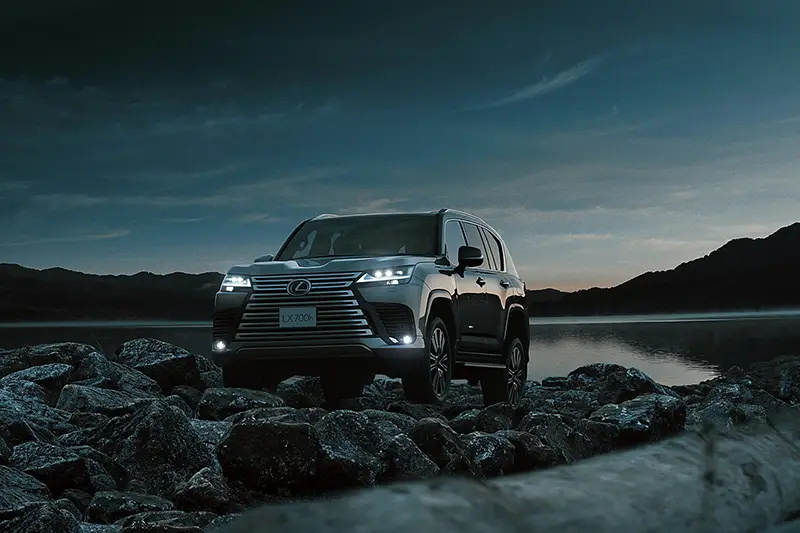
New Lexus LX Global Debut: first equipped with hybrid power system
WilliamOct 10, 2024

The Lexus ES 200: Laughed Out of Existence
MichaelMar 23, 2026

Toyota Crown Sedan and Lexus ES price difference? What are their differences?
WilliamMar 13, 2026

Aerodynamic kit + Optimized V8 engine! Tom's Racing modified Lexus LC is so stunning?
MichaelJan 14, 2026

Lexus releases RZ 600e F SPORT Performance, 0–100 km/h acceleration takes only 4.4 seconds
JamesDec 26, 2025
View More
Pros
Cons