
Q
What is the most powerful Mercedes in 2024?
 OnyxNov 07, 2025, 11:23 AM
The most powerful Mercedes model of 2024 is the AMG GT 63 S E Performance. This plug-in hybrid sports car combines a 4.0-liter V8 biturbo engine with a rear-axle electric motor, delivering a combined output of up to 831 horsepower and 1,400 Nm of torque. It sprints from 0-100 km/h in just 2.9 seconds, making it the most powerful production car in the brand's history. For Malaysian car enthusiasts, this car not only showcases Mercedes' top-tier technology in the high-performance realm but also features a hybrid system that balances environmental needs, fitting perfectly into the local luxury car market that's increasingly valuing low carbon emissions. It's worth noting that high-horsepower models in Malaysia's hot climate require special attention to cooling system maintenance, and high-performance tires demand more caution when driving during the rainy season. If budget is a concern, the AMG C 63 S E Performance is also worth checking out. It uses similar hybrid technology but has a smaller size, making it more suitable for Malaysian city roads. Mercedes has been continuously strengthening its high-performance electric vehicle lineup in recent years, and more models that balance environmental friendliness and driving pleasure are likely to be launched in the future.
Special Disclaimer: This content is published by users and does not represent the views or position of PCauto.
Related Q&A
Q
What is the 0 60 on the Mercedes-AMG GT 63?
The Mercedes-AMG GT 63 can accelerate from 0 to 60 miles per hour (about 0 to 96 kilometers per hour) in approximately 3.1 seconds. This four-door high-performance coupe is equipped with a 4.0-liter V8 twin-turbocharged engine, with a maximum output power of up to 630 horsepower and a peak torque of as high as 900 Nm. Paired with a 9-speed automatic transmission and the 4MATIC+ all-wheel-drive system, it offers extremely rapid acceleration. For car enthusiasts in Malaysia, this car is not only suitable for daily driving but also can showcase its powerful performance on the racetrack. Meanwhile, its luxurious interior and advanced technological features also meet the needs of high-end users. It's worth mentioning that the 0 - 60 miles per hour acceleration time is one of the important indicators for measuring a vehicle's performance. However, the actual driving experience is also affected by factors such as road conditions, tire grip, and driving skills. Therefore, it is recommended that interested car owners experience its ultimate performance in a safe environment. In addition, the AMG GT 63 also offers a variety of driving modes, ranging from Comfort to Sport+, which can adapt to different driving scenarios and further enhance the vehicle's practicality and driving pleasure.
 ZoeAug 15, 2025
Q
What is the top speed of the Mercedes AMG G 63?
As a high-performance luxury SUV, the official top speed of the Mercedes-AMG G 63 is 220 km/h (electronically limited). However, after removing the electronic speed limit, the top speed can reach approximately 240 km/h. This is thanks to its powerful 4.0-liter V8 twin-turbocharged engine, which can output 585 horsepower and 850 Nm of torque. Paired with a 9-speed automatic transmission and the AMG Performance 4MATIC+ all-wheel-drive system, it not only accelerates rapidly (0 - 100 km/h in just 4.5 seconds) but also maintains stability at high speeds.
For car enthusiasts in Malaysia, the AMG G 63 is not only suitable for city driving. Its strong off-road capabilities (such as three differential locks and an adaptive suspension) can also handle the diverse local road conditions, like rainforest terrains or steep slopes. Meanwhile, its classic boxy shape and luxurious interior are also highly favored by high-end users.
It should be noted that although the AMG G 63 has powerful performance, drivers still need to comply with the speed limit regulations on public roads in Malaysia to ensure safety.
 UlaAug 15, 2025
Q
How many Litres is the AMG GT 63?
The AMG GT 63 is equipped with a 4.0-liter V8 twin-turbocharged engine. Its displacement is 3,982 milliliters, which is close to 4.0 liters and is usually simply referred to as 4.0L. This engine is renowned for its powerful power output and high efficiency. It can reach a maximum horsepower of 585 and a peak torque of 800 N·m. Paired with a 9-speed automatic transmission, it offers an ultimate driving experience. In the Malaysian market, this car is highly favored by high-performance car enthusiasts. It's not only because of its excellent power performance, but also due to its luxurious interior and advanced technological configurations. As a high-performance model in the Mercedes-AMG series, the AMG GT 63 showcases the brand's profound technological accumulation in the field of sports luxury. It can meet the needs of both daily driving and track experiences. Meanwhile, its exhaust sound and aerodynamic design also add a lot of charm to it. For Malaysian car enthusiasts, this car is undoubtedly a dream car that combines both performance and luxury.
 TiaAug 15, 2025
Q
How much horsepower does the AMG GT 63 have?
As a high-performance four-door coupe under Mercedes - AMG, the AMG GT 63 is equipped with a 4.0 - liter V8 twin - turbocharged engine. It boasts a maximum horsepower of 585 and a peak torque of 800 Nm. Paired with a 9 - speed automatic transmission and the 4MATIC+ all - wheel drive system, it can accelerate from 0 to 100 km/h in just 3.4 seconds, showing extremely strong performance. For car enthusiasts in Malaysia, this car is not only suitable for daily driving but also can demonstrate excellent handling performance on the race track. Moreover, the AMG brand has an extensive dealer network in Malaysia, making after - sales service and maintenance very convenient.
In addition, the AMG GT 63 is also equipped with advanced driving assistance systems and a luxurious interior, such as the MBUX intelligent interactive system and high - end leather seats, which combines performance and comfort. If you're interested in high - performance cars, you can also take a look at its competitors in the same class, like the Porsche Panamera Turbo or the BMW M8 Gran Coupe. They also have excellent power and luxurious configurations, but the unique exhaust sound and the exclusive AMG tuning of the AMG GT 63 are still its iconic features.
 SiaAug 15, 2025
Q
What is the difference between AMG 63 and AMG 63s?
The AMG 63 and AMG 63S are two models in Mercedes - Benz's high - performance series. The main differences lie in power tuning and configuration levels. The AMG 63S usually has higher horsepower output and torque. For example, when both are equipped with the same 4.0 - liter V8 twin - turbocharged engine, the AMG 63S has a more aggressive tuning, a shorter 0 - 100 km/h acceleration time, and may also be equipped with a more advanced suspension system, brake kit, as well as exclusive interior and exterior packages, such as a more sporty exhaust system and carbon fiber trim.
In the Malaysian market, both models are very popular among high - performance car enthusiasts. The AMG 63 is suitable for users who seek a balance between daily driving and performance, while the AMG 63S is more suitable for owners who pursue ultimate handling and track performance. Additionally, AMG models are usually equipped with the 4MATIC+ all - wheel - drive system, which provides better grip, and this is especially useful in Malaysia's rainy climate. Whether it's the 63 or 63S, they both represent the excellent craftsmanship and high - performance genes of the AMG brand, making them suitable choices for drivers with different needs.
 OceanBreezeAug 15, 2025
Q
How much does a GT 63 AMG cost?
There are different versions of the GT 63 AMG, and the prices vary. The price of the 2025 Mercedes - Benz AMG GT 63 4Matic+ Coupe is RM 1,882,888, while the 2023 Mercedes - Benz AMG GT 63 S E Performance costs RM 2,130,888. Both of these cars belong to the super - car category, with powerful engines and numerous high - end configurations.
For example, the 2025 model is equipped with a 4.0T turbocharged engine, which can generate a maximum horsepower of 585PS. The official 0 - 100km/h acceleration time is only 3.2 seconds. The 2023 model also features a 4.0T turbocharged engine, with a maximum horsepower of 639PS, and its official 0 - 100km/h acceleration is even faster, taking only 2.9 seconds.
Apart from their powerful performance, they are also equipped with high - end configurations in terms of safety systems, interior comfort features, and audio systems, providing an excellent driving and riding experience.
 WriterPageStoryAug 15, 2025
Popular Cars
Model Year
Car Compare
Car Photo
Related Models
 Cars
CarsLatest Q&A
Q
Is AMT similar to automatic?
There are significant differences between AMT transmissions and automatic transmissions (AT) in terms of core structure and driving experience. AMT is essentially an electronically automated version of a manual transmission, simulating manual clutch operation and gear shifting through a computerized control system while retaining the gear set structure of manual transmissions. As a result, it offers higher transmission efficiency, with fuel consumption approximately 8%-12% lower than AT, making it particularly suitable for highway or long-distance driving. However, it may exhibit jerking similar to manual transmissions during low-speed gear shifts, especially noticeable in congested traffic conditions.
AT transmissions rely on torque converters for power transfer, delivering smooth and seamless gear shifts that appeal to comfort-oriented users. However, their complex structure (incorporating planetary gear sets, hydraulic systems, etc.) results in higher maintenance costs. A single service may cost between 800 to 1,500 ringgit, whereas AMT only requires gear oil replacement at approximately 400 ringgit.
From a market perspective, AMT is predominantly used in budget vehicles or commercial models priced below 80,000 ringgit, while AT is typically featured in mid-to-high-end vehicles. Consumers should select based on actual needs: AMT suits those prioritizing fuel efficiency and low maintenance costs, while AT better serves those valuing comfort. Notably, recent advancements in AMT electronic control technology have significantly mitigated jerking issues, though test drives should still emphasize low-speed performance evaluation.
 AriaMar 26, 2026
Q
Which is better, DCT or AT?
DCT (Dual-Clutch Transmission) and AT (Automatic Transmission) each have their own advantages and disadvantages, and the choice should be based on personal driving needs. AT transmissions transfer power through a torque converter, offering excellent shift smoothness, making them suitable for urban commuting or novice drivers. However, they tend to have higher fuel consumption, and vehicles equipped with them are usually more expensive. DCT transmissions utilize a dual-clutch structure, featuring fast shift speeds and high power transmission efficiency, which provides a more direct driving experience—particularly suitable for users seeking a sporty feel. However, they may exhibit jerking at low speeds and have relatively high maintenance costs. If durability and comfort are priorities, AT is the more reliable choice; if power responsiveness and driving pleasure are preferred, wet DCT (such as Volkswagen DSG) performs better, though dry DCT models should be avoided in prolonged stop-and-go traffic conditions. Additionally, CVT transmissions excel in smoothness and fuel efficiency, making them ideal for daily commuting, but they lack driving excitement. It is recommended to test-drive before purchasing, as tuning varies significantly across brands, and real-world experience is more important than theoretical specifications.
 FlutteringMar 26, 2026
Q
Is Amt good or bad?
AMT gearboxes have a significant cost advantage in the local market, typically being around 5,000 Ringgit cheaper than models equipped with conventional automatic transmissions. Their fuel efficiency is comparable to manual transmissions, resulting in long-term fuel savings. Featuring a straightforward design, they achieve transmission efficiency exceeding 90% with relatively low maintenance costs, making them ideal for practicality-oriented consumers. However, their shifting logic contains inherent limitations: gear changes between 1st and 2nd cause 0.3-0.5 second power interruptions, while unintended upshifts on inclines may reduce engine speed by 15%-20%, compromising driving smoothness. For urban commuters or budget-conscious buyers, AMT offers excellent value, though those prioritizing premium driving dynamics should consider alternative transmission types. Some domestic models like the Perodua Axia employ enhanced AMT systems, where optimized shift programming has reduced gearshift shock by approximately 30%.
 RainbowsMar 26, 2026
Q
Which gives better mileage, CVT or AMT?
From the perspective of fuel economy, CVT transmissions generally perform better under urban driving conditions. Their continuously variable design allows the engine to consistently operate within the optimal speed range, significantly reducing fuel consumption during frequent starts and stops. Test data shows that their fuel consumption in urban driving conditions is 10% to 15% lower than that of comparable models. AMT transmissions, on the other hand, inherit the high transmission efficiency of manual transmissions, delivering fuel efficiency close to manual transmissions during high-speed cruising. This makes them particularly suitable for long-distance driving in large-displacement vehicles. However, due to power interruption during gear shifts, their overall fuel consumption may be 5% to 8% higher than CVTs.
The difference in fuel-saving characteristics between the two transmissions stems from their technical principles: CVTs achieve continuous variability through steel belts and pulleys, eliminating the fixed gear ratio limitations of traditional transmissions; AMTs simulate manual gear changes via electronic control systems while maintaining the mechanical efficiency of gear transmission. Notably, actual fuel consumption is also influenced by driving habits. Smooth acceleration and anticipatory deceleration can maximize the transmissions' fuel-saving potential. If the vehicle budget permits and urban commuting is the primary use, CVTs offer a more economical choice. For frequent highway driving with an emphasis on cost-effectiveness, AMTs are equally worth considering.
 RubyBlazeMar 26, 2026
Q
Which is cheaper, AMT or CVT?
In terms of gearbox cost, AMT is usually more economical than CVT. Essentially, AMT is a manual transmission equipped with an electronic control unit, featuring a simple structure and low maintenance costs. The unit price ranges from approximately 5,000 to 8,000 ringgit, making it suitable for budget-conscious consumers or those who prioritize long-term operating costs. CVT incurs higher manufacturing costs due to its precision steel belt transmission system and continuous variable transmission technology, with a unit price of about 7,000 to 10,000 ringgit. However, it delivers a smoother driving experience and superior fuel efficiency. The primary differences between the two lie in technical complexity: AMT retains the gear-shifting mechanism, resulting in noticeable shift shock; CVT achieves linear power output through stepless speed variation but requires periodic belt inspection and incurs higher maintenance expenses. For those prioritizing initial cost and basic transportation needs, AMT offers better value; if comfort and long-term fuel economy are priorities, CVT represents a more worthwhile investment. Note that actual prices may vary based on vehicle model, brand, and local supply chain factors.
 ShadowProwlMar 26, 2026
Related News
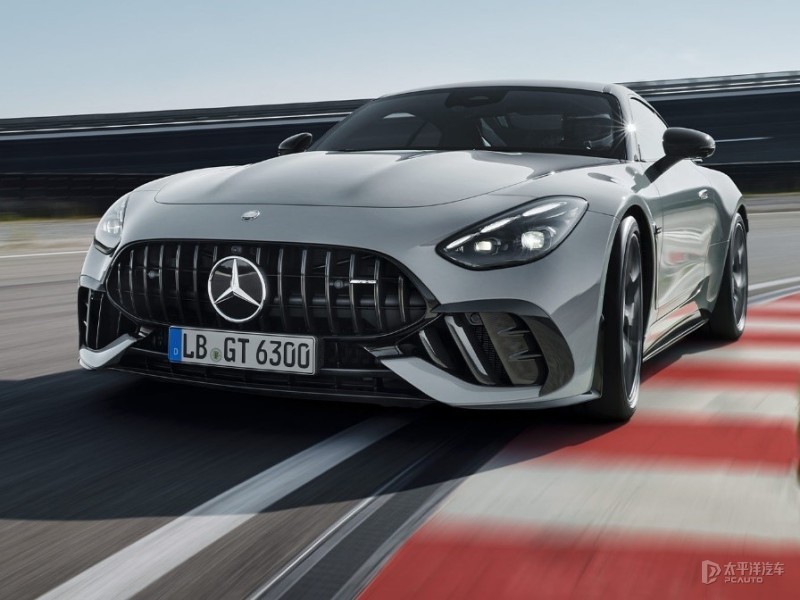
2024 Goodwood Festival of Speed: Mercedes-AMG GT 63 Pro Debuts
AshleyJul 15, 2024

What is the difference between the Mercedes-Benz E300 and E350?
MichaelMar 24, 2026

Mercedes-Benz halts the launch of L3-level autonomous driving, reverting to L2+ level
LienJan 16, 2026

Nvidia Announces Mercedes-Benz CLA as the First Vehicle with DRIVE AV Autonomous Driving Technology
MichaelJan 12, 2026

Brand New Mercedes-Benz GLC with EQ Technology Coming Soon: A Larger, Faster, and More Efficient Luxury All-Electric SUV
LienDec 11, 2025
View More
Pros
Cons