
7 Key Questions You Must Know Before Buying the Jaecoo J7
 Kevin WongFeb 10, 2026, 09:00 AM
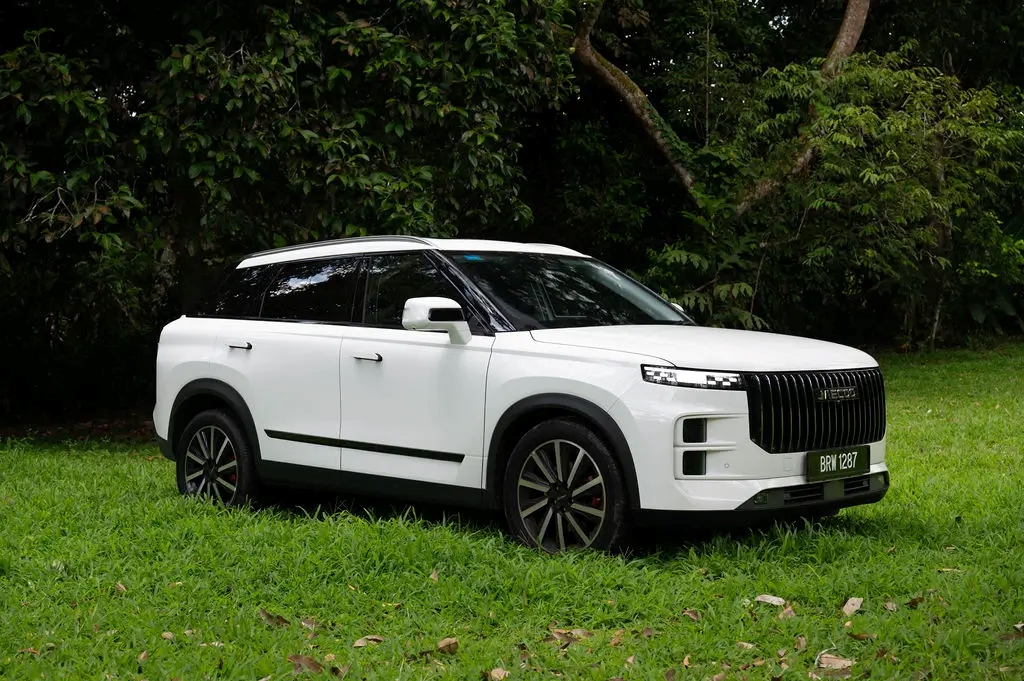
【PCauto】Since its introduction to the Malaysian market, the Jaecoo J7 has gained popularity in the C-SUV segment, owing to its robust design and comprehensive feature set. However, many people still have concerns about the Jaecoo J7, particularly regarding issues such as price, fuel consumption, origin, and recall events.
Jaecoo J7 Price in Malaysia: Is its pricing competitive?
Jaecoo J7 has launched 2 versions in the Malaysian market, both locally assembled CKD, and its official pricing is notably competitive.
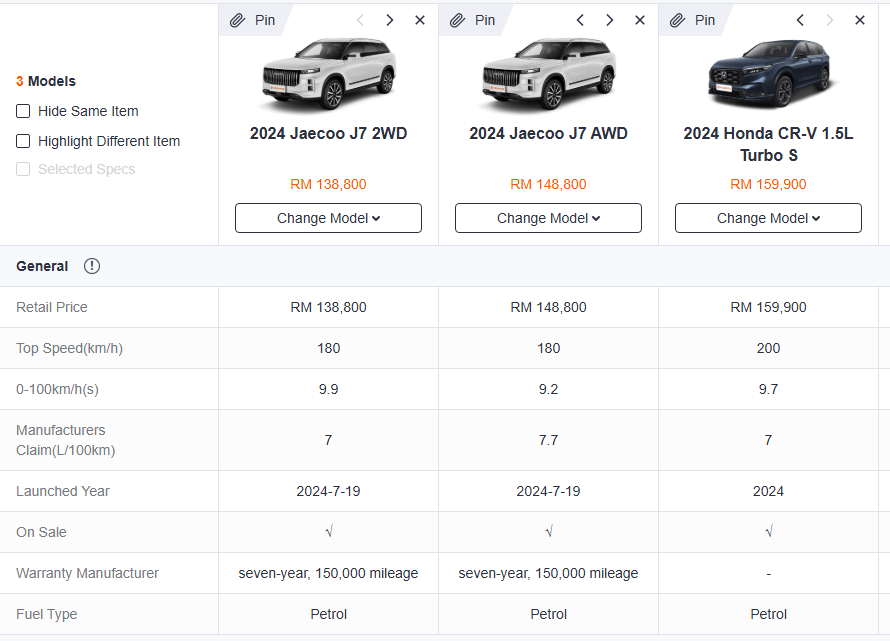
Currently, the official MSRP for the Jaecoo J7 in Malaysia is: 2WD Petrol version at 138,800 MYR, AWD Petrol version at 148,800 MYR. Compared to its segment rivals, it is positioned in the mid-to-lower price range, yet it offers a "high-specification-as-standard" proposition.
Compared with popular competitors in the same segment: Honda CR-V 2WD version starts at 159,900 MYR. Clearly, the Jaecoo J7 is more cost-effective, and its smart features and performance parameters are on par.
It is worth mentioning that all versions of the Jaecoo J7 come standard with 6 airbags, AEB Automatic Emergency Braking, LKA Lane Keeping Assist, adaptive cruise control, and other safety features. As some of these core safety features are optional extras on key rivals, the Jaecoo J7's value proposition is further strengthened.
Jaecoo J7 Fuel Consumption: How is the Actual "Fuel Consumption Performance"?
For owners, fuel efficiency is a major factor in long-term running costs. In today's environment of fluctuating fuel prices, a frugal and reliable SUV is a priority for both families and daily commuters.
Many owners worry that, being an SUV equipped with a 1.6L inline-4 turbocharged engine (maximum 197 horsepower, 290N·m torque), the Jaecoo J7 might face the awkward situation of having strong power but high fuel consumption.
However, after checking around, the actual fuel consumption performance of the J7 is far more reasonable than expected, and its stability under different road conditions is commendable.
The official combined fuel consumption figures for the Jaecoo J7 are 7.0L/100km (2WD) and 7.7L/100km (AWD) (both based on NEDC standards), but these are laboratory figures under ideal conditions, which differ from real-world usage dominated by urban traffic or highway driving.
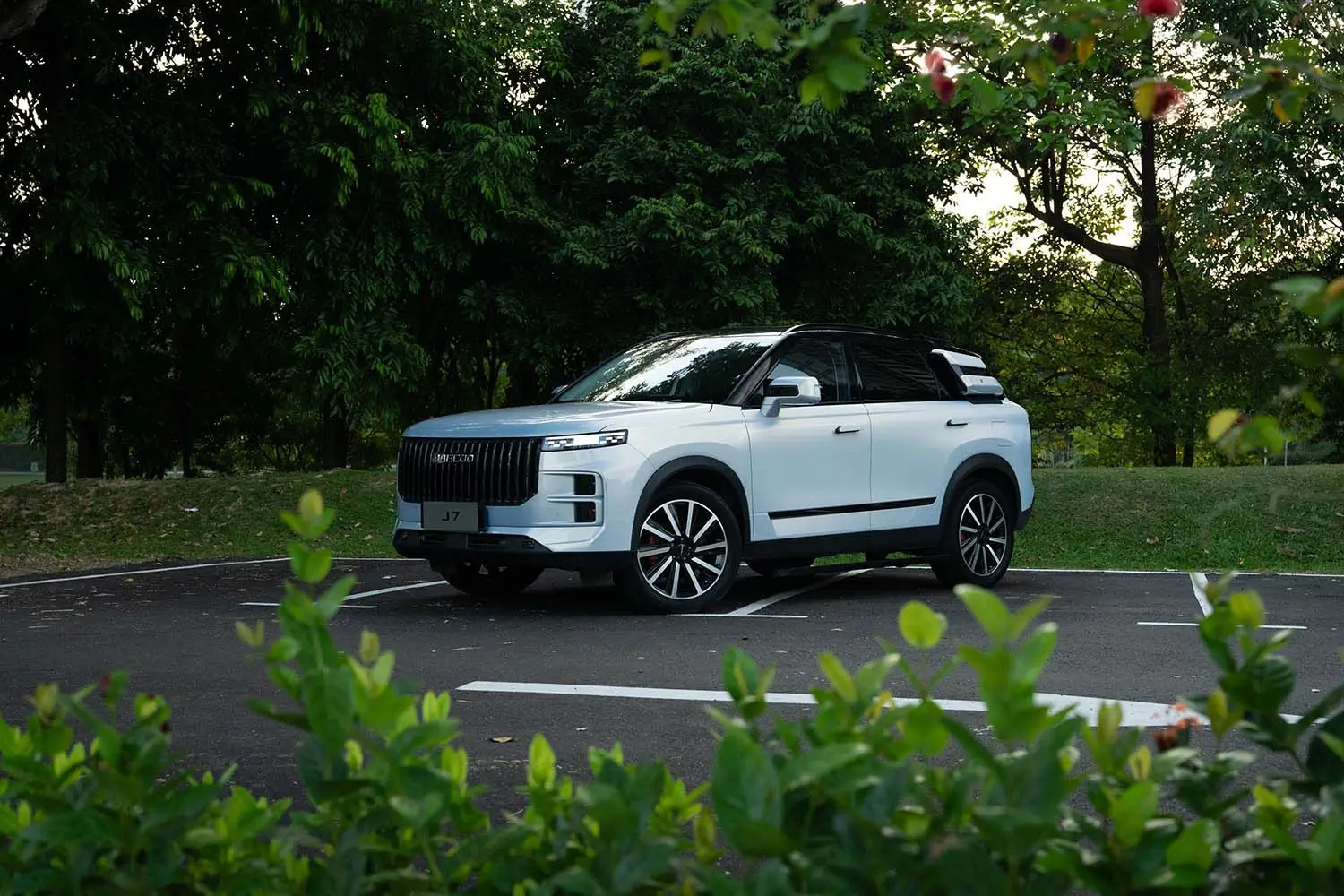
In urban conditions, the J7's fuel consumption is approximately 9.5-10.5L/100km. Under such conditions, the frequent stop-and-go increases fuel consumption. However, if the ECO mode is activated, coupled with the smooth shifting logic of the 7-speed dual-clutch transmission, the fuel consumption can stabilize at around 9.2-9.8L/100km. This places it competitively against rivals like the CR-V and X70. For a 1.6T turbocharged SUV, this is considered excellent within its class.
On highways, the J7's fuel consumption is around 7.2-7.8L/100km. This aligns more closely with official testing conditions and also where the Jaecoo J7 demonstrates its best fuel efficiency. If a steady speed of around 100km/h is maintained, the fuel consumption can drop to as low as 7.0L/100km, even outperforming some 1.5L naturally aspirated SUVs.
It is worth noting that fuel consumption performance is influenced by driving habits, tire pressure, load, and other factors. In our tests, we found that aggressive driving (frequent rapid acceleration and hard braking) can cause urban fuel consumption to soar to 11.5-12.0L/100km. However, maintaining smooth driving habits and regular maintenance can help keep overall fuel consumption at around 8.5L/100km.
Origin and Quality: Jaecoo J7 Made in Which Country?
For buyers, understanding a vehicle's origin is important when concerned about parts availability, after-sales costs, and perceived quality differences between imported and locally assembled units. Let's clarify where the J7 comes from and what this means.
The brand background of Jaecoo J7 originates from China. It is a sub-brand created by Chery Automobile (Chery) specifically for the high-end overseas market, with core technologies and design concepts derived from Chery.
The 2024 Jaecoo J7 for Malaysia is locally assembled under the Completely Knocked Down (CKD) model. The assembly plant is located in Shah Alam, Selangor, which is Chery's exclusive corporate factory in Malaysia (Chery Corporate Malaysia Factory), equipped with high-standard production lines and quality control systems.
Safety Concerns: What is the Chery Jaecoo J7 Recall About?
Understandably, many are concerned because Chery's other sub-brand, Omoda, faced rear axle failures with its Omoda 5 model in the Malaysian and Indonesian markets, leading to a large-scale recall (600 vehicles in Malaysia, 420 vehicles in Indonesia, totaling over 1,000 vehicles).
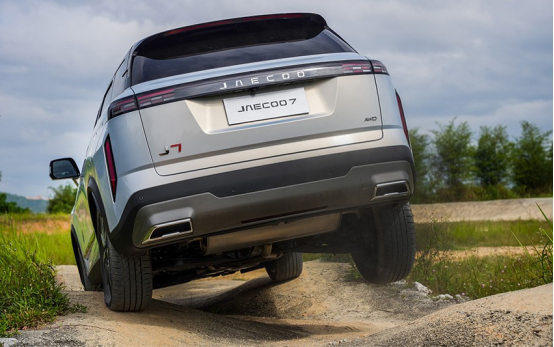
Many car owners are worried that Jaecoo J7, which is also under Chery, might face similar safety risks. Notably, the Jaecoo J7 is fundamentally different from the Omoda 5. Although J7 has been subjected to preventive recalls in certain batches overseas, the CKD version in Malaysia uses a different supply chain and localized quality inspection process, and it is currently not included in Malaysia's official recall list.
Furthermore, J7 has not been listed in Malaysia's official recall list, nor have there been any mass-quality complaints related to rear axle or brake issues.
Previously, the recall of Omoda 5 was primarily due to defects in the rear axle welding process of specific batches of vehicles (only two welding points, prone to rust and breakage), which led to cases of rear axle breakage and brake failure even without collisions. This was the main reason behind the market’s concerns.
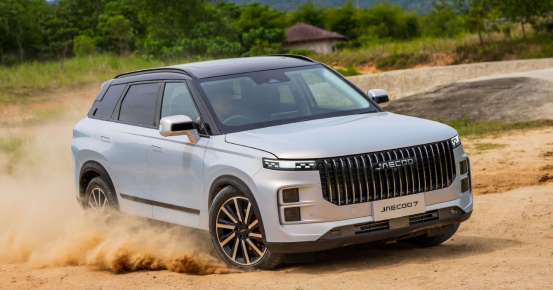
The Jaecoo J7, as a higher-end overseas sub-brand model positioned by Chery, is entirely distinct from the Omoda 5 in terms of production standards, parts suppliers, and chassis tuning.
It is also worth mentioning that in 2026, the latest updates indicated that in overseas markets like Australia, the Jaecoo J7 was indeed recalled due to a potential issue where "ECU harness friction could cause engine stalling." However, the CKD version in Malaysia is officially confirmed to be unaffected by this batch issue.
Interior Space and Technology: Jaecoo J7 Interior In-Depth Analysis
As a C-SUV focused on family and commuting use, its interior space, smart technology, and ride comfort are key considerations.
In terms of interior design, the Jaecoo J7 combines a sense of technology, practicality, and luxury. Both its spatial performance and the richness of its features can meet the needs of family users.
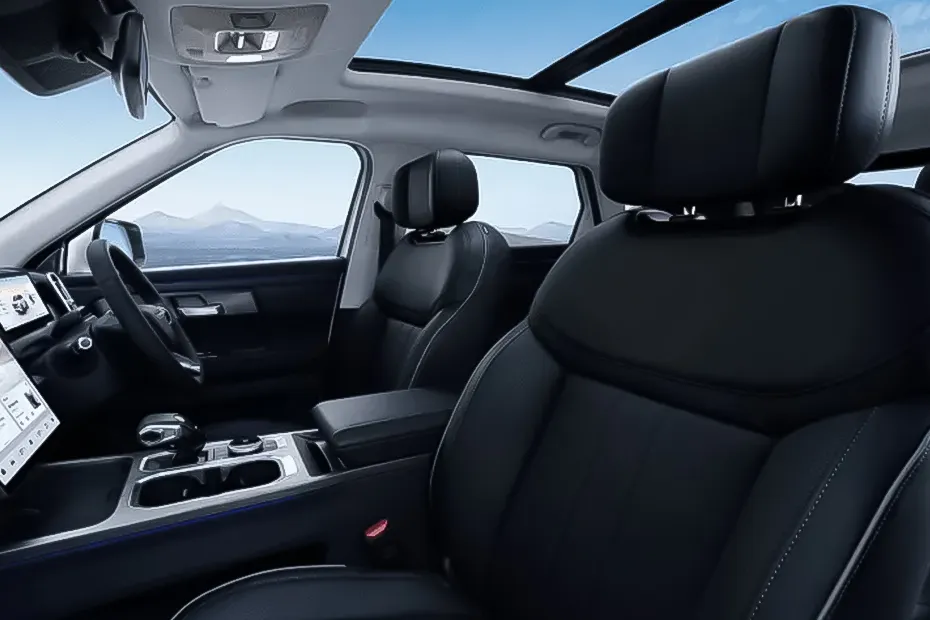
The cabin features extensive use of soft-touch materials, accented with metal trim and piano-black finishes. This combination elevates the sense of luxury and tactility, avoiding the low-rent feel of hard plastics.
The car is also equipped with a panoramic sunroof, automatic air conditioning, independent rear air vents, ambient lighting, and other features, further improving riding comfort and a sense of occasion, aligning with the positioning of a high-end SUV.
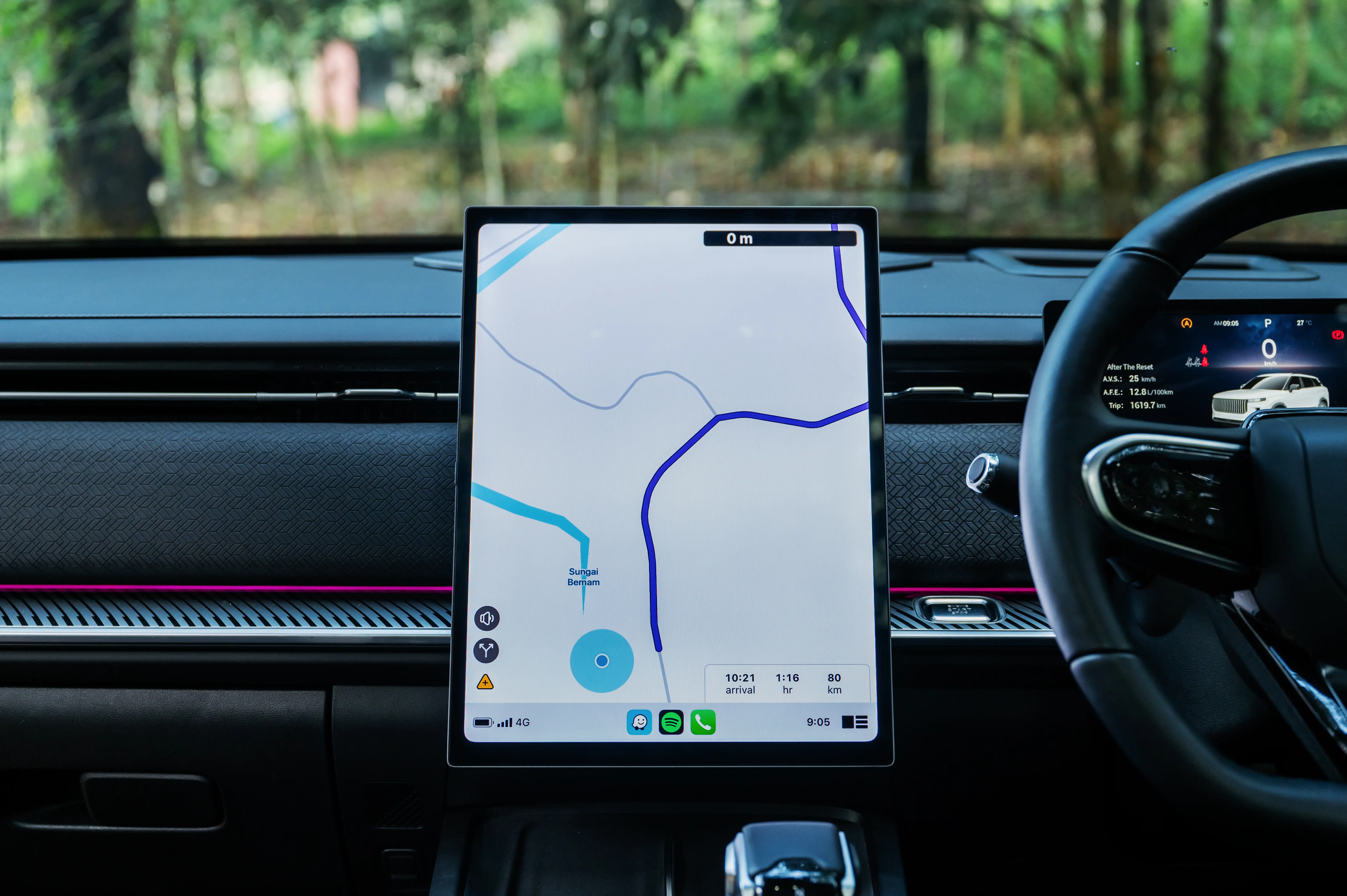
The most eye-catching feature of the Jaecoo J7 is the 14.8-inch floating central control screen. With high resolution and smooth operation, the screen supports voice control, CarPlay/CarLife smartphone connectivity, online navigation, multimedia entertainment, and more. Routine operations can be done without looking down, enhancing driving safety.
Behind this 14.8-inch screen lies the Qualcomm 8155 chip, which is currently a mainstream high-end in-vehicle chip in the automotive industry. This provides fast processing speeds, enabling smooth multitasking—like running navigation and media apps simultaneously—without noticeable lag.
The Jaecoo J7 is equipped with a Sony high-fidelity sound system with 8 speakers. Delivering clear sound with solid stereo imaging, it provides an immersive experience for music, movies, or navigation prompts.
In addition, the vehicle is equipped with a fully digital instrument panel and a HUD head-up display function, which can project core data such as speed, navigation information, and driving modes onto the front windshield. This allows the driver to monitor the real-time status of the vehicle without looking down.
In terms of space, the Jaecoo J7 has a wheelbase of 2720mm, which is above average in its class, offering ample space for both the front and rear rows.
The front seats support multi-directional electric adjustments, with good wrap-around coverage and support, ensuring that long drives won’t feel tiring. With approximately 900mm of rear legroom, even passengers up to 180cm tall have sufficient space without feeling cramped. Additionally, the rear seats support adjustable backrest angles, allowing passengers to find a comfortable sitting position, making them suitable for long-distance trips.
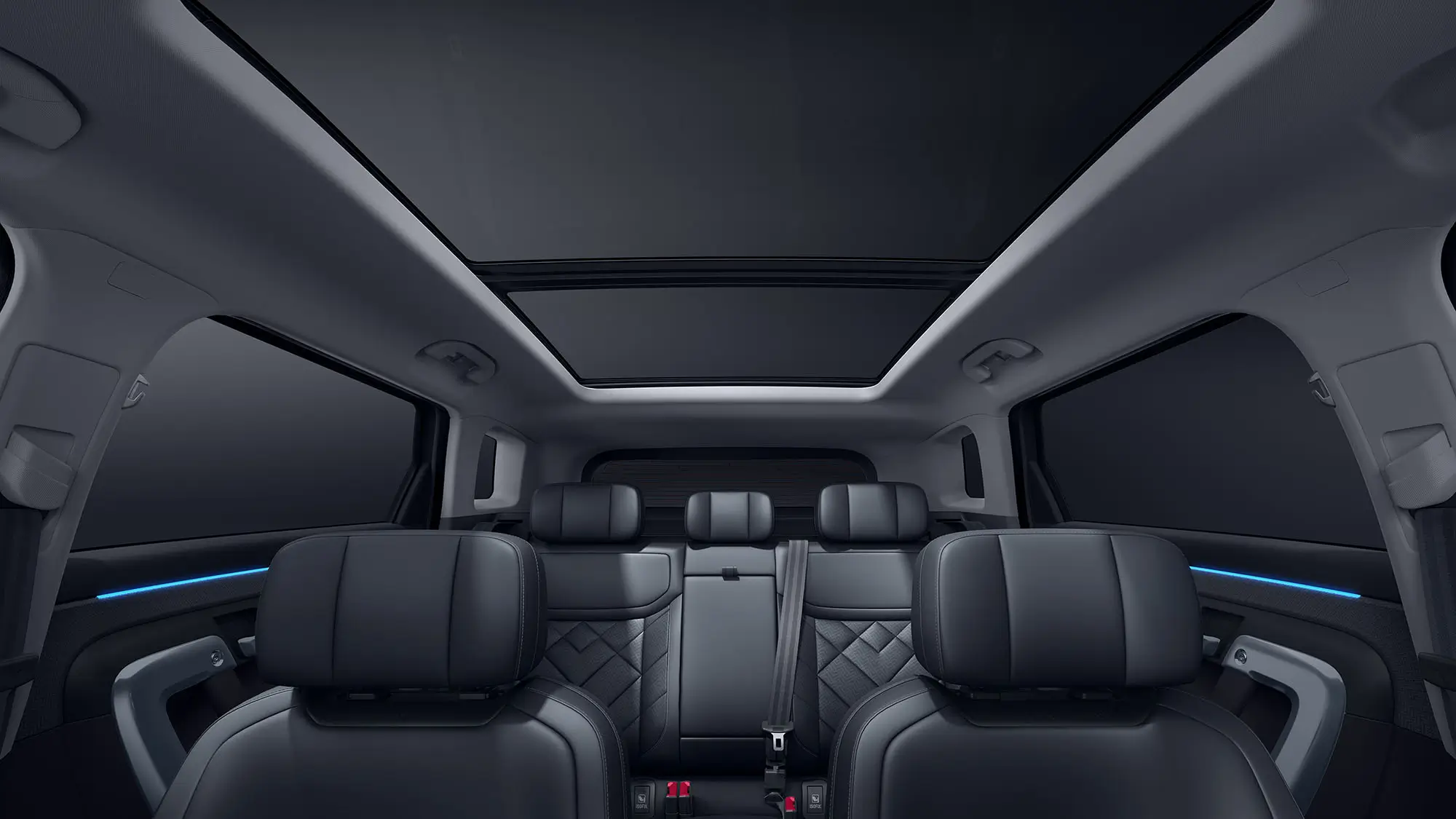
Furthermore, the trunk capacity of the Jaecoo J7 reaches 560L, and folding down the rear seats expands this to 1400L. Whether it's daily shopping, family outings, or loading large items, it can easily meet your needs, offering excellent practicality.
Is the Jaecoo J7 PHEV worth buying?
With the widespread adoption of electric vehicles, more people are starting to pay attention to hybrid models. Many are currently debating whether the PHEV version is necessary.
The primary advantage of the Jaecoo J7 PHEV is its ability to significantly reduce fuel consumption while balancing performance with daily usability. It is suitable for those who value long-term vehicle costs, focus on new energy, but are concerned about the range limitations of fully electric vehicles.
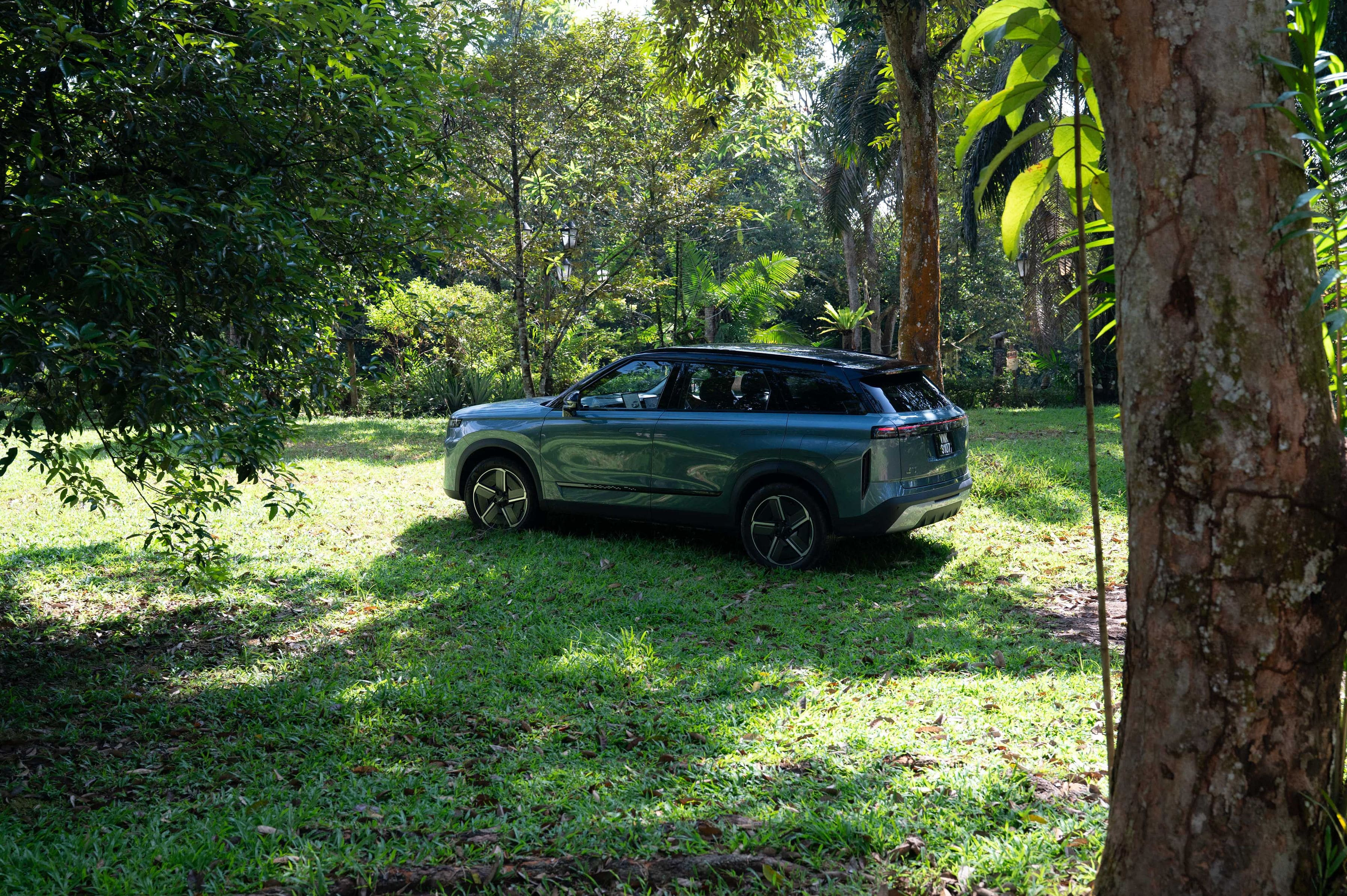
This model has now been locally CKD assembled in Malaysia, maintaining the design language and rich configurations of the fuel-powered version.
The Jaecoo J7 PHEV is equipped with the fifth-generation Acteco 1.5-liter TGDI engine combined with a motor and battery. The engine's maximum power is 105kW, while the motor's maximum power is 150kW. It can accelerate from 0-100 km/h in 8.5 seconds, which is over a second quicker than the petrol version. Additionally, hybrid vehicles offer smoother starts and more responsive acceleration, fully meeting the needs of both daily use and occasional spirited driving.
The actual measured fuel consumption performance of Jaecoo J7 PHEV is relatively solid. The officially indicated fuel consumption in depletion mode is 4.5L/100km. The local city depletion mode fuel consumption is about 7.0-7.5L/100km, and the highway depletion mode fuel consumption is about 5.8-6.2L/100km, which is higher than the official indication but significantly lower than the measured city fuel consumption of 9.5-10.5L/100km for the gasoline version, showing significant long-term cost advantages.
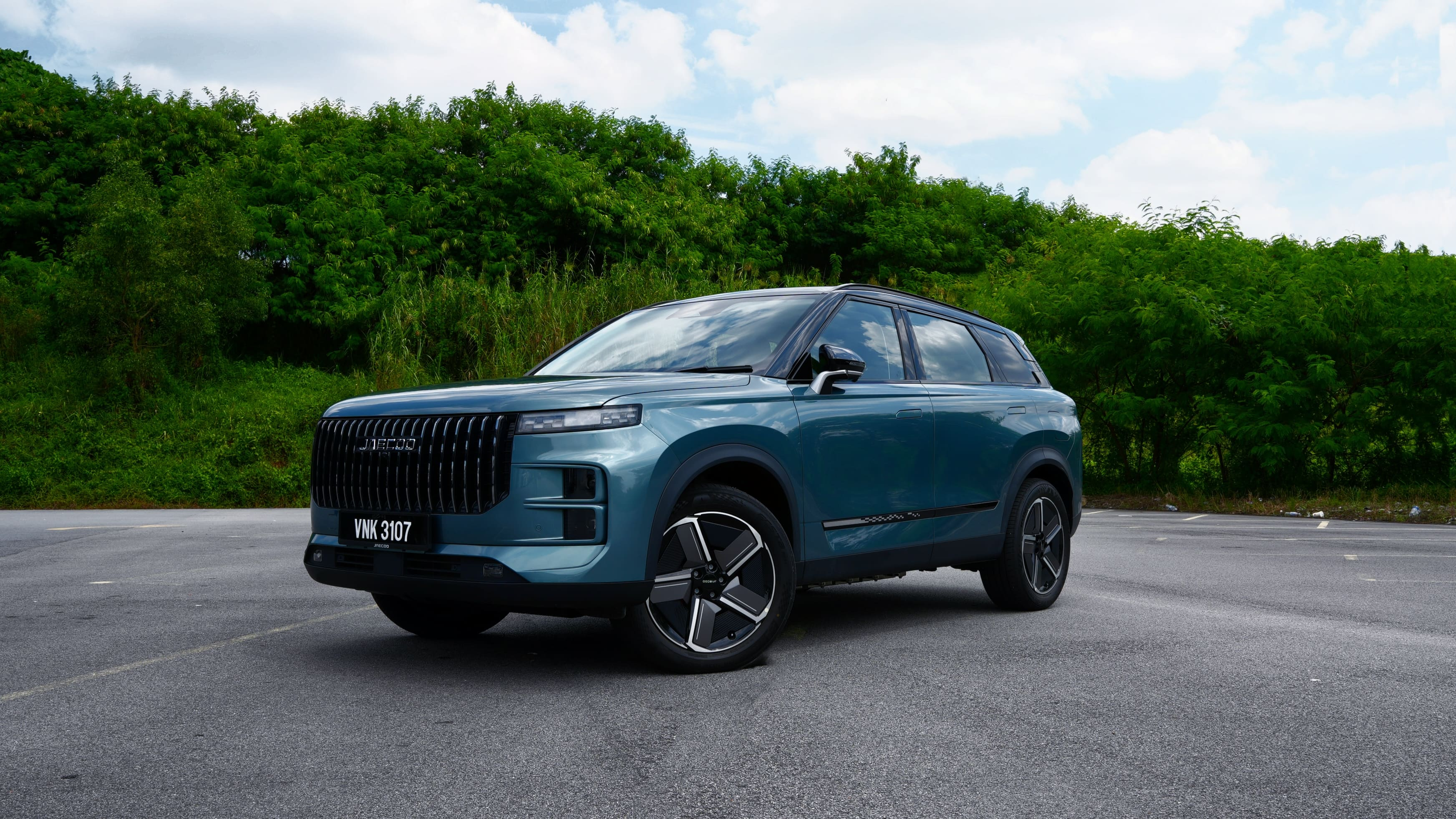
Its pure electric range under CLTC standards can exceed 100km, with a combined range of over 1200km. In local suburban road tests, it even achieved an uninterrupted range of 1180 kilometers, fully meeting the needs of daily commuting and long-distance travel.
In terms of charging, Jaecoo J7 PHEV supports both AC slow charging and DC fast charging modes, compatible with home charging stations and public charging stations, making daily charging very convenient. In slow charging mode, it takes about 3.4 hours to fully charge, making it suitable for daily home charging. In fast charging mode, it can charge from 30% to 80% in 20 minutes, which is efficient and time-saving for long-distance travel.
The PHEV also offers selectable driving modes—Hybrid, Electric, and Fuel—which can be tailored to different conditions and needs.
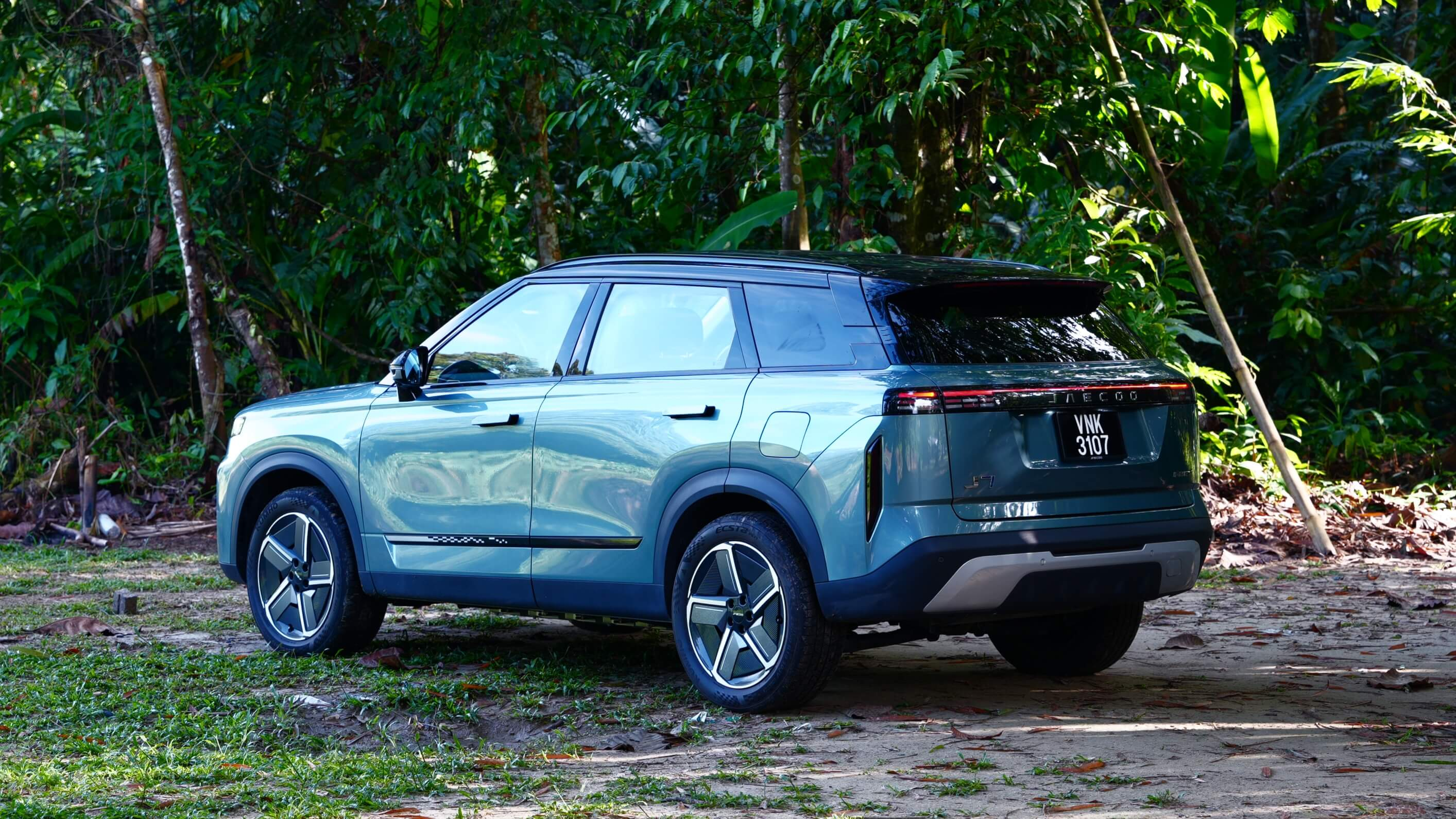
Which J7 is suitable for us?
In summary, the Jaecoo J7 positions itself as a high-value, practical, and well-equipped C-SUV that balances price, efficiency, features, and quality, suiting a wide range of buyers. However, it also has its own strengths and weaknesses. The following is a Pros & Cons list to help you quickly determine whether it is right for you.
Pros:
1. Strong value proposition: Locally assembled (CKD), it is priced below key rivals like the Honda CR-V while offering high specifications from the base variant. Core safety features and intelligent configurations are standard across all variants, without the need for additional upgrades;
2. Excellent fuel consumption performance: The 1.6T fuel version has been tested to have excellent fuel consumption levels among its class, with good stability under different road conditions, and low long-term vehicle usage costs. The PHEV version can completely alleviate fuel consumption anxiety;
3. Safety assurance: It has no recall history in Malaysia, adheres to strict production and quality control, and uses a different chassis and parts supply chain than the Omoda models, avoiding specific issues like rear axle failures;
4. Spacious and well-equipped: The 2720mm long wheelbase provides ample front and rear space, along with features such as a 14.8-inch large screen, 8155 chip, and Sony sound system, balancing technology and comfort;
5. Local after-sales support: As a locally assembled (CKD) model, it benefits from good parts supply, manageable maintenance costs, and official quality certifications, promising stronger after-sales support.
Cons:
1. Emerging brand presence: As a relatively new premium sub-brand from Chery, Jaecoo has lower recognition compared to established rivals like Honda and Toyota;
2. Family-oriented tuning (Petrol): The 1.6T petrol version is tuned for smooth, relaxed driving suitable for families, rather than for spirited performance;
3. PHEV price premium: The Jaecoo J7 PHEV carries a higher price tag (from around RM 158,800) compared to the petrol variants, which may stretch tighter budgets.
If any infringement occurs, please contact us for deletion









Popular Cars
Model Year
Car Compare
Car Photo