
Perodua Traz VS Toyota Yaris Cross, where does the Traz fall short?
 RobertDec 18, 2025, 11:02 AM
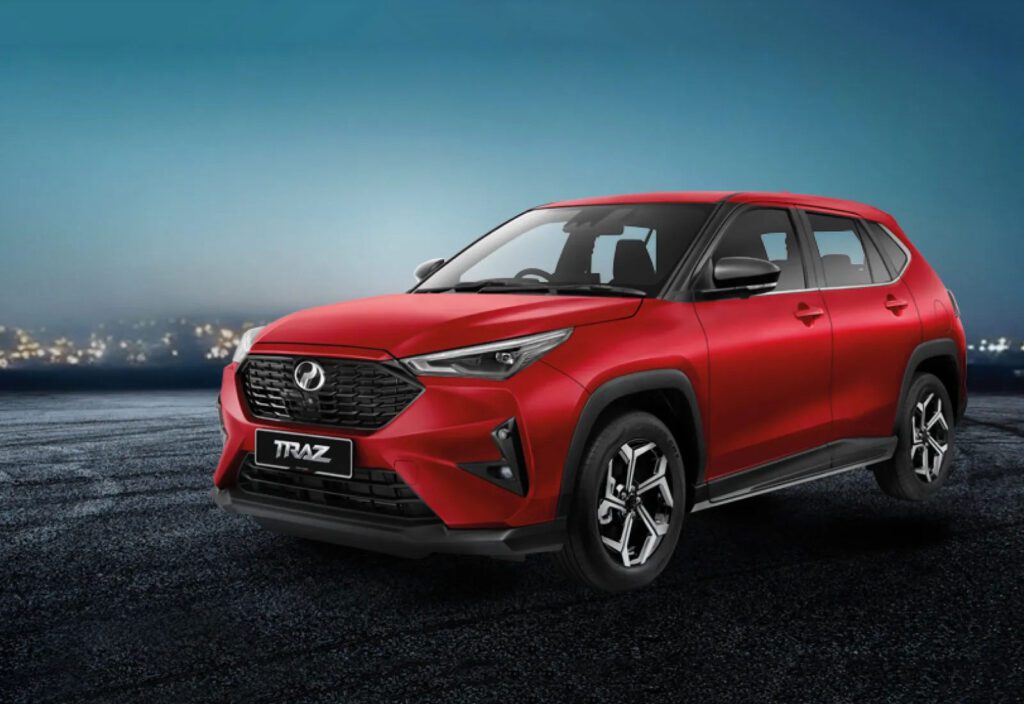
【PCauto】From the outset, the market held high expectations for the Perodua Traz, primarily given its shared DNGA platform with the Toyota Yaris Cross.
This shared foundation implied that the Traz would offer similar dimensions, platform safety, and mature chassis technology as its Toyota counterpart, leading many to anticipate a cost-effective alternative to the Yaris Cross. Despite its delayed launch, these expectations persisted.
However, as it turns out, sharing a platform does not guarantee a comparable experience, a reality underscored by the Traz's disappointing performance. Its delayed launch may have further exacerbated this issue, leaving it struggling to compete in today's market.
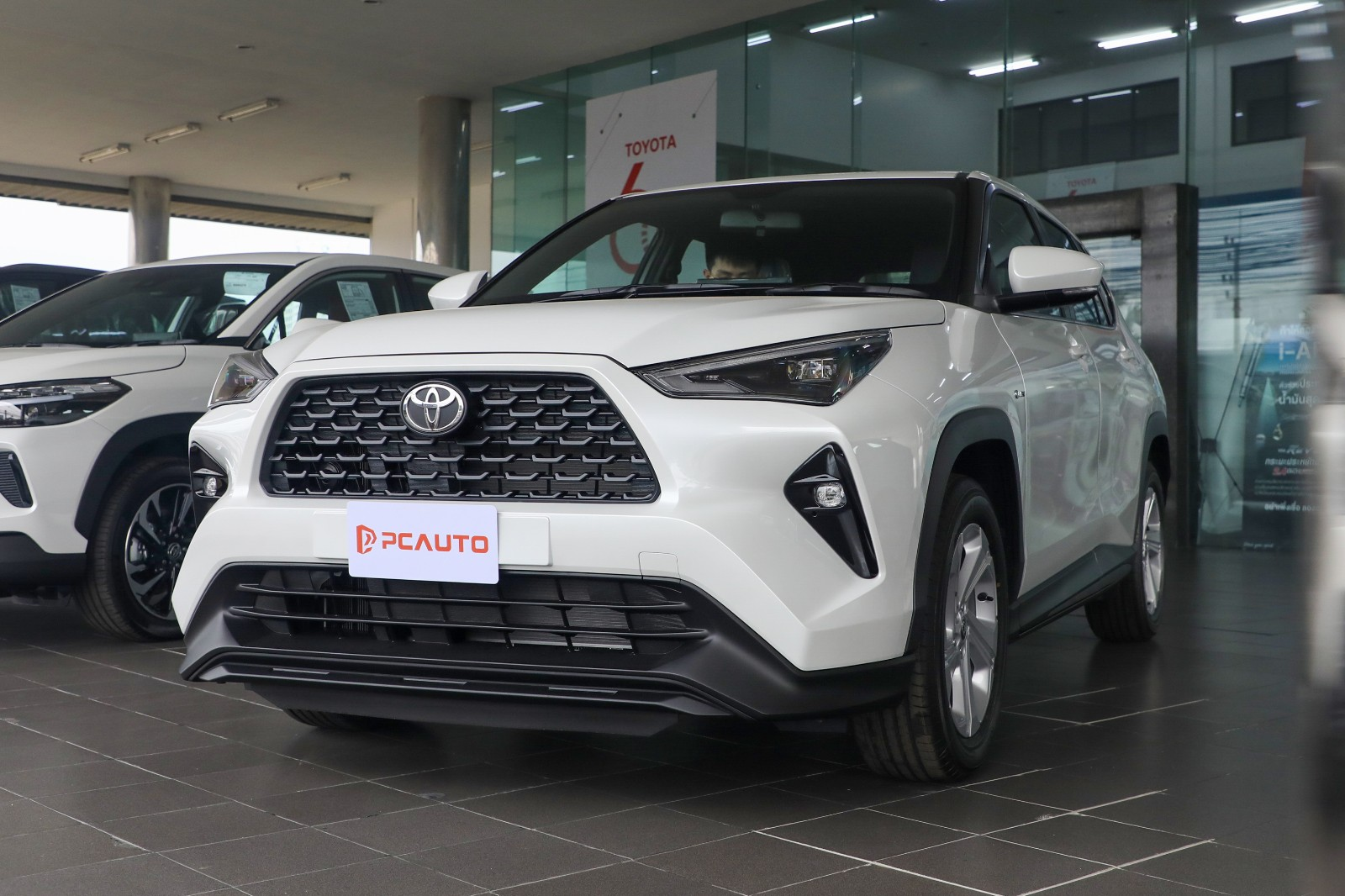
Perodua Traz's Exterior Design Lacks Appeal
In terms of body size, Traz and Yaris Cross are very similar:
Toyota Yaris Cross:
Length about 4310 mm / Width 1770 mm / Height 1615 mm, Wheelbase 2560 mm
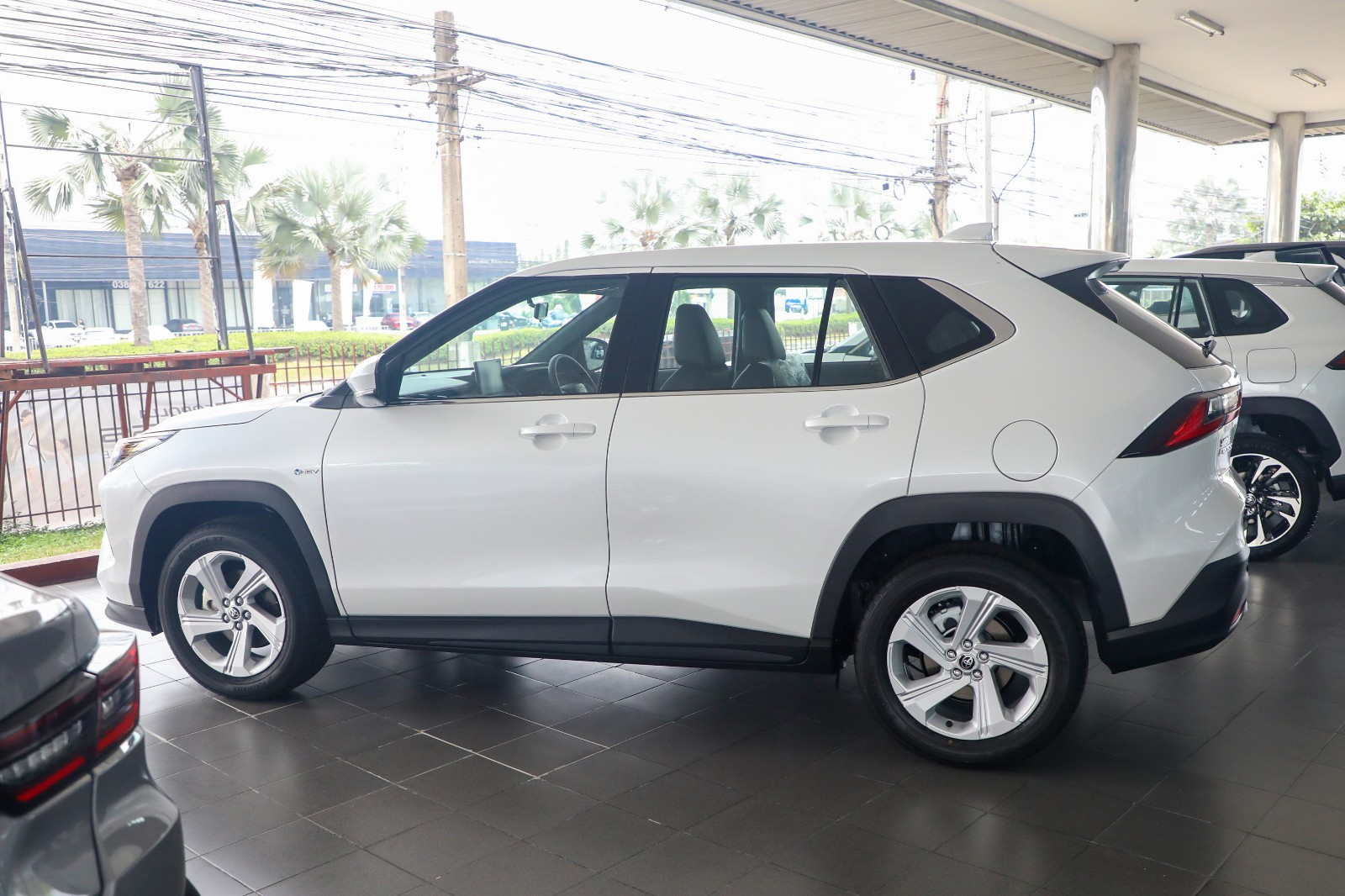
Perodua Traz:
Approximately 4310 mm in length / 1770 mm in width / 1655 mm in height, with a wheelbase of 2550 mm
The Traz does hold a slight advantage in height, which theoretically suggests a more SUV-like stance. Yet, this increased height fails to translate into more balanced or appealing proportions.
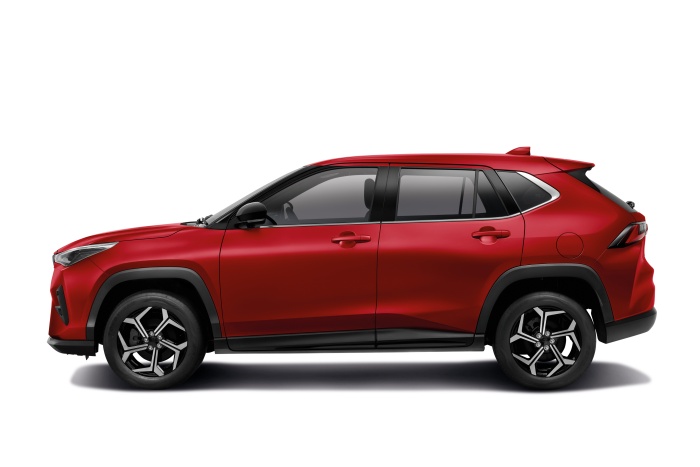
In contrast, the Yaris Cross, thanks to its more compact vertical proportions and three-dimensional surfacing, exudes a sturdier and more dynamic presence. The Traz's extra height, on the other hand, comes across as mere vertical stacking, adding bulk without enhancing visual strength.
The Yaris Cross demonstrates a clear understanding of its target audience---young, urban, and image-conscious drivers. Its design language is one of compactness infused with tension, featuring a higher front-end proportion. This, along with flared wheel arches and an upward-sloping waistline, works deliberately to create the visual impression of a "small SUV that doesn't look small."
Up front, the Yaris Cross features sharp headlights with intricate internal structures, paired with a relatively narrow grille to give the front-end a layered and spirited look. The bumper design further emphasizes this character, using different materials and segmented lines to enhance the sporty, three-dimensional feel.
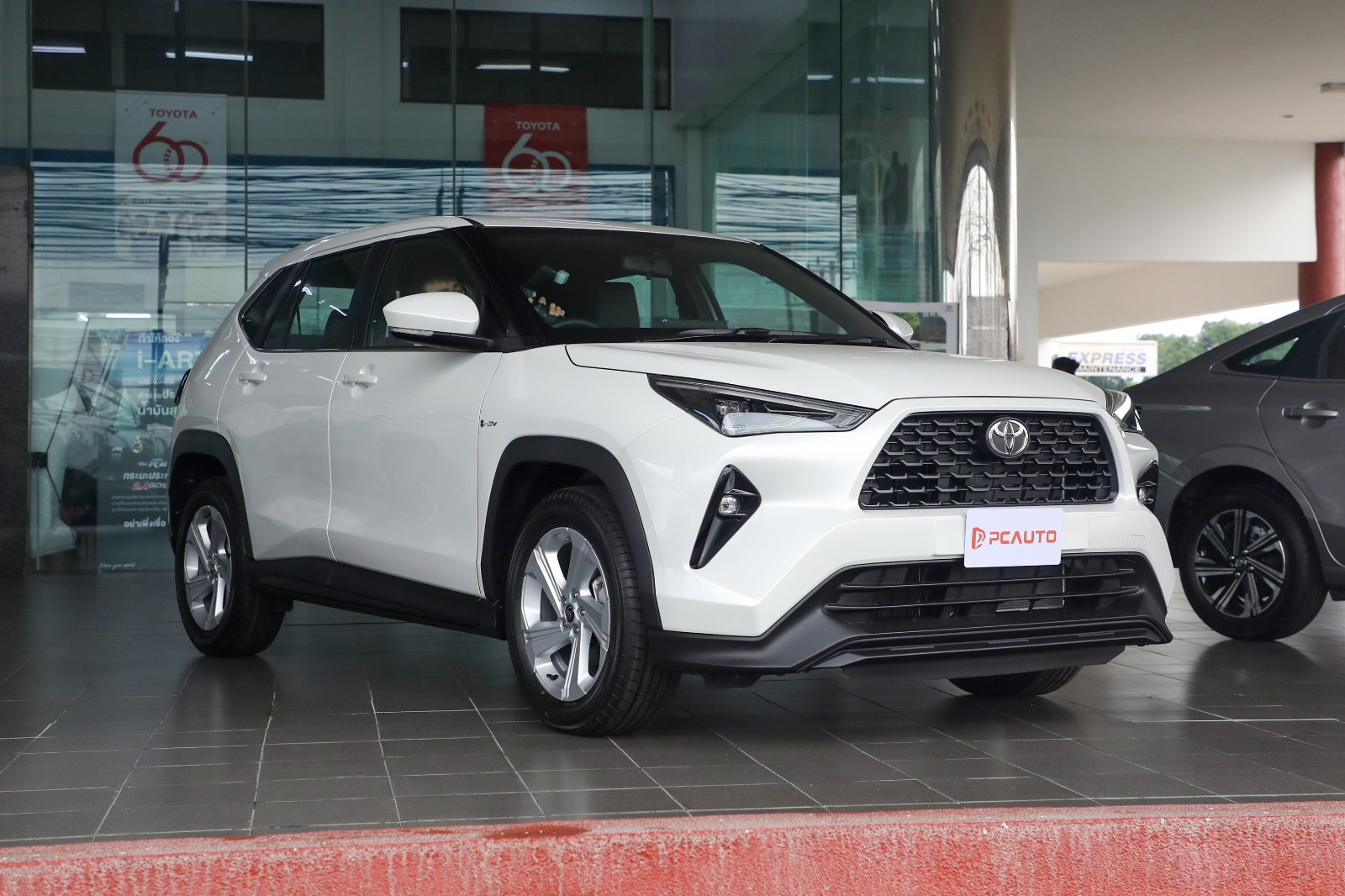
The Perodua Traz, conversely, adopts a noticeably more conservative design philosophy. Its silhouette is predominantly straight, with limited line variation, prioritizing practical proportions over emotional appeal. Consequently, it lacks any truly distinctive or memorable design features.
Traz appears significantly more restrained in these details. The headlight designs are more traditional, the lines simpler, and the treatment of the grille and bumper focuses more on cost-effectiveness and durability rather than visual impact.
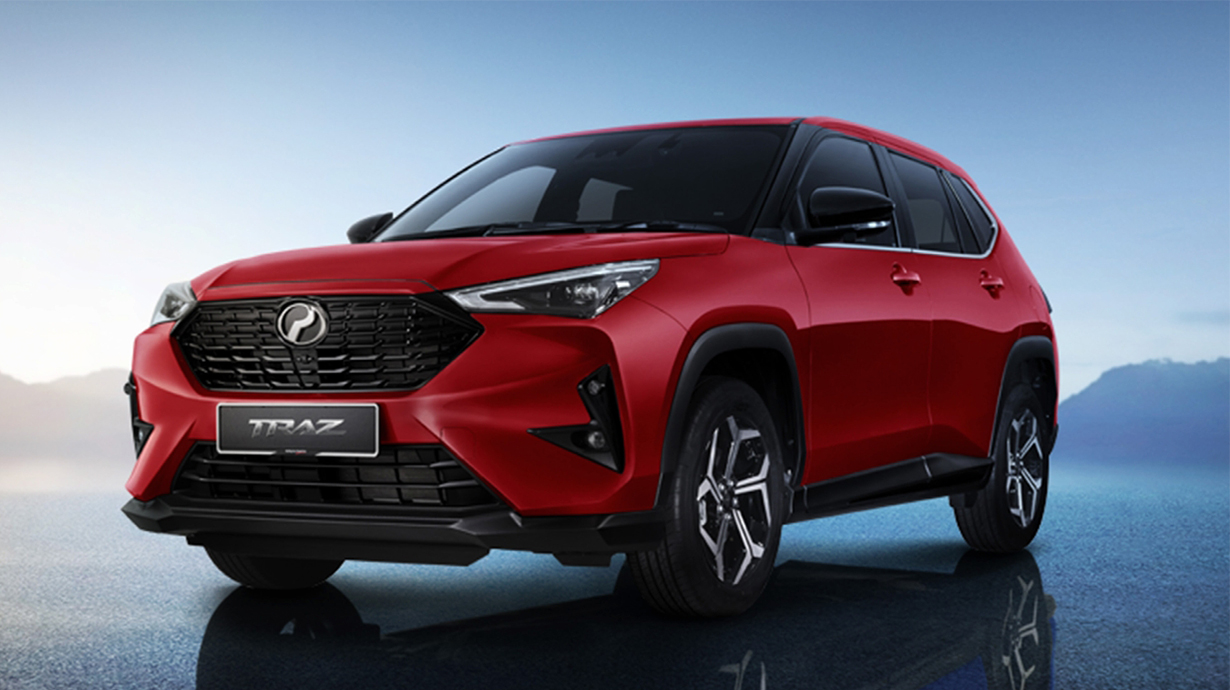
In isolation, the Traz doesn't look bad, but a side-by-side comparison with the Yaris Cross reveals its lack of design ambition. It appears to simply assemble the required components in their most conventional placements.
Ultimately, while the Traz matches the Yaris Cross in size, it falls short in design execution. Despite having the potential for a more distinctive appearance, it opts for the safest—and least remarkable—route.
The Powertrain: The Core of the Disappointment
If the exterior provides the first impression, the powertrain defines a car's true character. Here, the gap between the Perodua Traz and the Toyota Yaris Cross is not just apparent—it's fundamental.
Perodua Traz lacks hybrid power
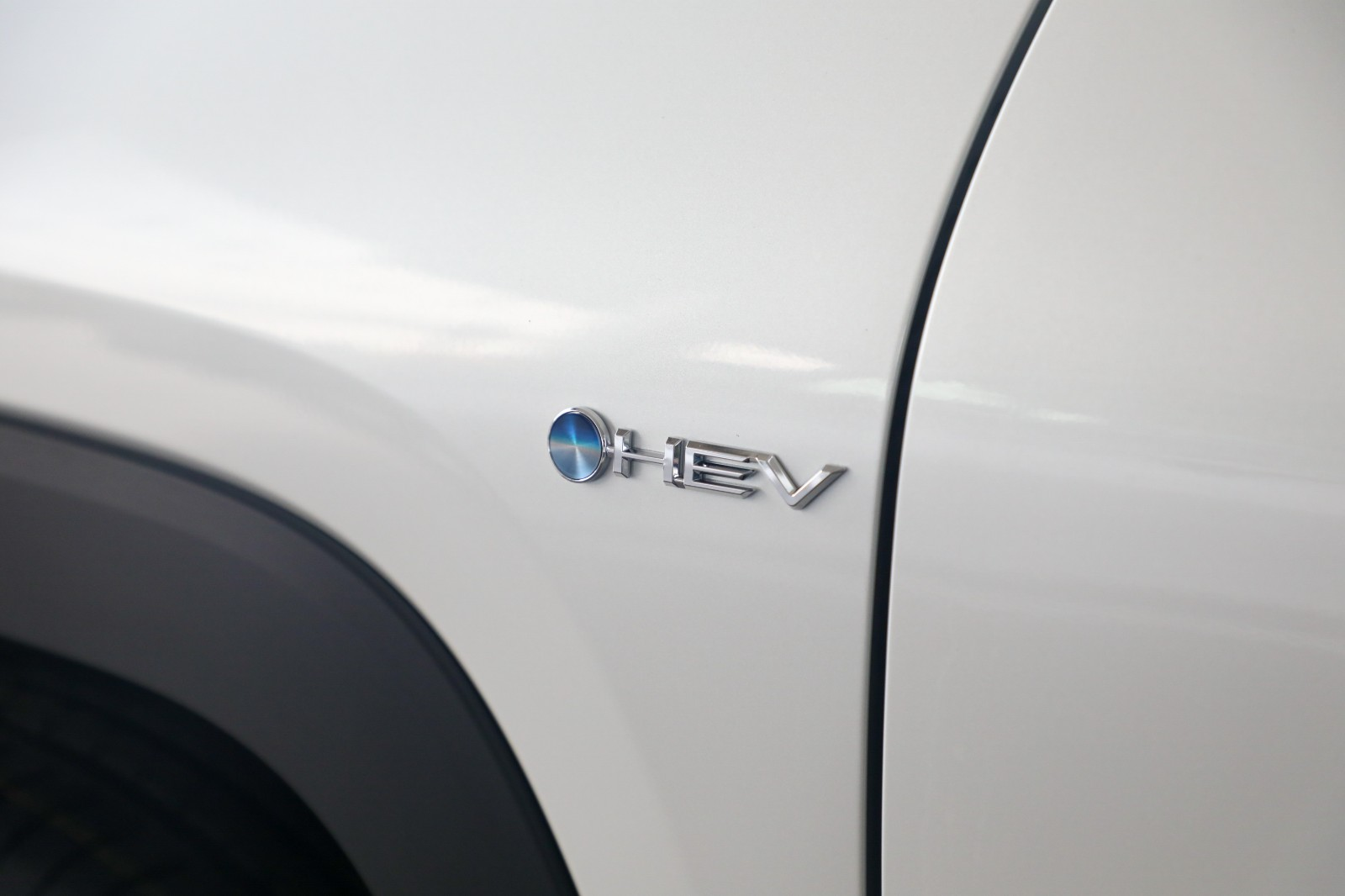
The Toyota Yaris Cross demonstrates the typical Toyota-style “maturity and diversity” in powertrain configuration. In addition to the traditional naturally aspirated petrol engine version, more importantly, it offers a hybrid system that emphasizes a balance between low fuel consumption and smooth output.
Rated at a combined output of 82kW, this hybrid system isn't about thrilling performance but excels in technical maturity and linear power delivery, making it ideally suited to urban driving.
The Perodua Traz's powertrain, by stark contrast, is decidedly lackluster. It persists with the 2NR-VE engine (78kW, 138N·m), paired with a D-CVT transmission..
While its specifications are not outdated, there are no standout features. There is no hybrid option, nor any advanced efforts to enhance driving quality or efficiency.
This highlights a key divergence: from the same chassis starting point, Toyota pushes technological boundaries, while the Traz settles for meeting baseline requirements.
Fuel economy further highlights the gap between Traz and Yaris
According to official figures, the Yaris Cross hybrid achieves a combined fuel consumption of approximately 4.4–5.0 L/100 km (~20–23 km/L), with real-world efficiency in congested urban settings often exceeding this. Its efficiency, therefore, isn't about "desperate squeezing" but the inherent advantage of its hybrid system in stop-start traffic.
The Traz's official consumption of ~21 km/L (≈4.7 L/100 km) is respectable for a petrol-only small SUV, placing it at a satisfactory or even above-average level. Yet, this figure represents the practical limit of what its conventional powertrain can achieve, not an outcome of technological progress.
In an era where competitors leverage hybrid technology to push efficiency further, the Traz's fuel economy fails to make a compelling case.
Perodua Traz's configuration does not bring surprises
The interior is perhaps the area of greatest similarity between the Traz and the Yaris Cross. The Traz's cabin looks virtually identical in layout, differing mainly in material choices and color schemes.
Both cars are equipped with basic functions such as automatic air conditioning and music systems, but the interior materials and space arrangement of Yaris Cross appear more refined.
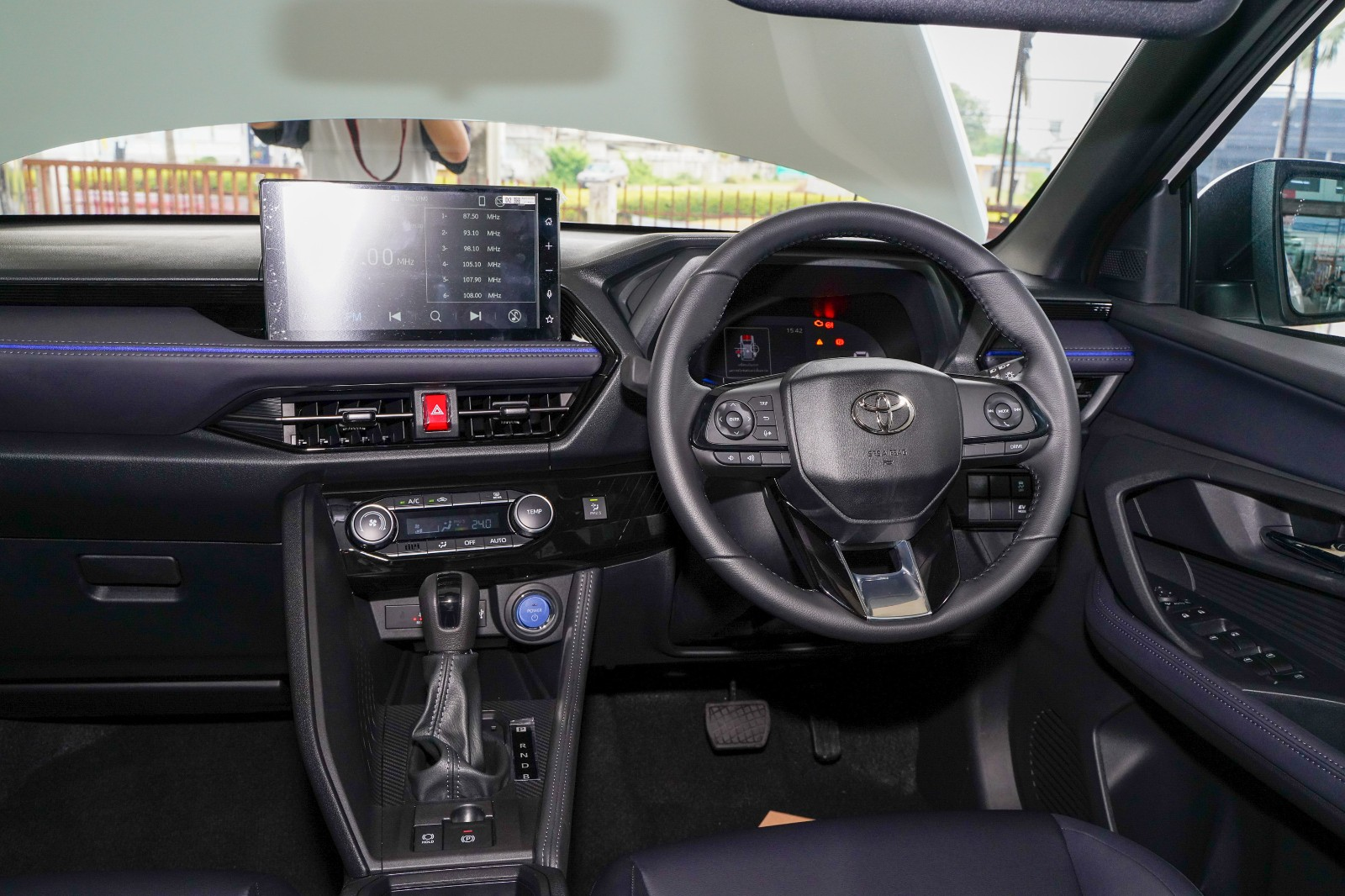
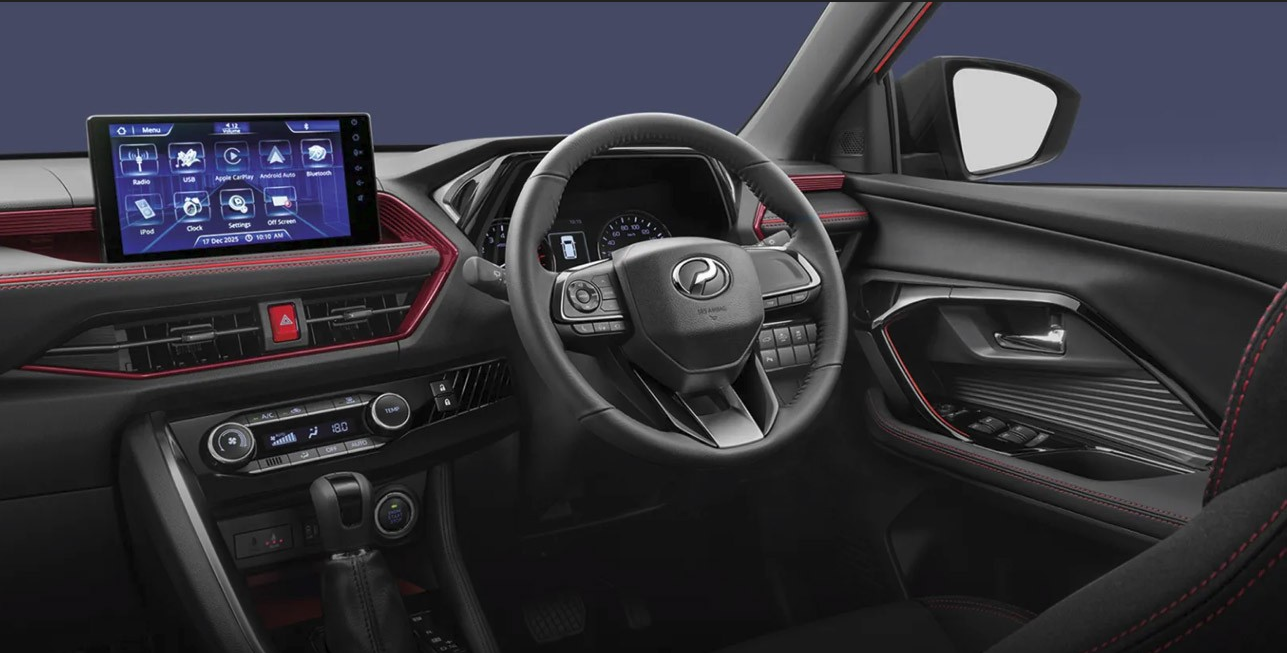
The Traz comes with a 9-inch touchscreen (supporting Apple CarPlay and Android Auto) and a 6-speaker audio system. In sum, its offering is practical and complete but utilitarian, lacking the advanced connectivity or polished user interface found in more modern setups.
The Yaris Cross features a 10.1-inch screen and, in some versions, comes with a more comprehensive set of interior technology features, such as wireless phone charging, electronic parking with auto-hold, and others, giving the interior a stronger sense of technological sophistication.
Perodua Traz does enough in terms of safety
To its credit, the Traz places a strong emphasis on safety. Standard kit includes forward collision warning with automatic emergency braking (for vehicles and pedestrians), front vehicle start notification, mis-acceleration mitigation, lane departure warning and prevention, blind-spot monitoring (BSM), front and rear parking sensors, a rearview camera, and six airbags across the range.
Therefore, Traz also received a 5-star ASEAN NCAP safety rating.
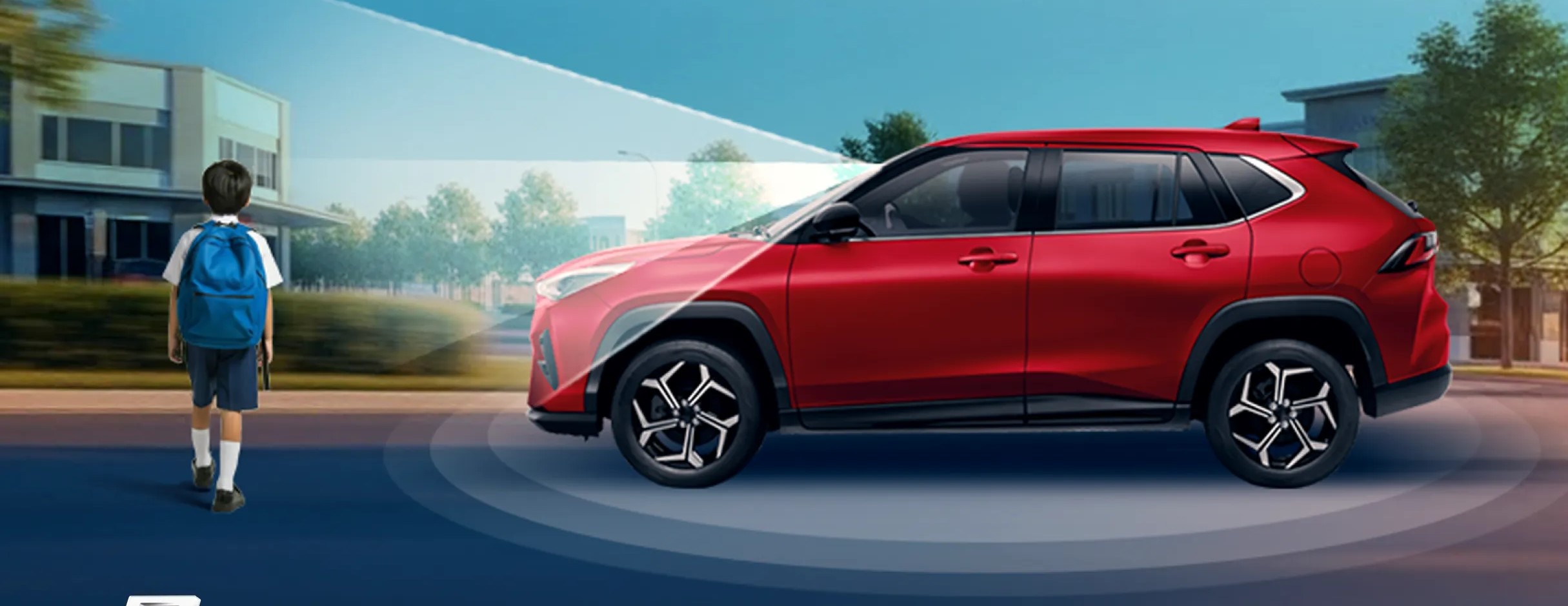
However, it should be noted that the Traz lacks higher-level assistance features such as Adaptive Cruise Control (ACC) and Auto High Beam (AHB). These are considered core experience-level features in the modern SUV active safety system, yet they are missing in Traz.
Toyota Yaris Cross offers significantly higher safety configurations
Beyond sharing similar basic features (6 airbags, ABS, EBD, VSC), the Yaris Cross is elevated by the inclusion of the Toyota Safety Sense active safety suite.
This comprehensive system encompasses features like Adaptive High Beam, Pre-Collision System with Pedestrian Detection, Lane Departure Alert with Steering Assist, and more.
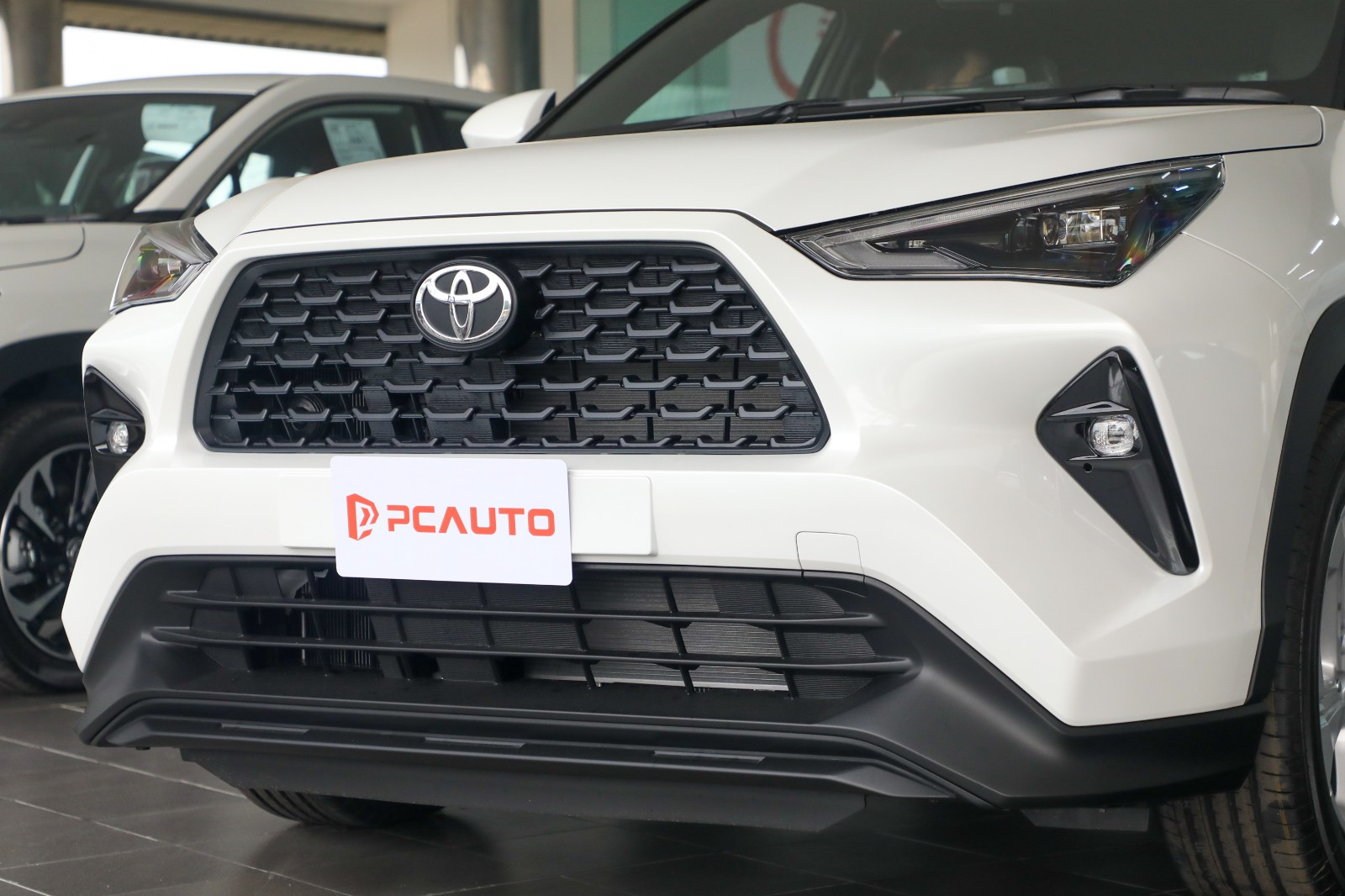
By comparison, the Traz's safety suite fulfills basic protective duties. While well-equipped to score highly in standardized tests, it omits advanced driver-assistance features like Adaptive Cruise Control and Adaptive High Beam.
Conclusion: A Missed Opportunity
Without the Yaris Cross as a benchmark, the Traz might be viewed as merely another competent and practical offering from Perodua.
However, the existence of the Yaris Cross demonstrates what is possible from the same foundation. Seeing Toyota deliver greater quality, technology, and appeal recasts the Traz's conservatism not as a mere style choice, but as a significant missed opportunity.
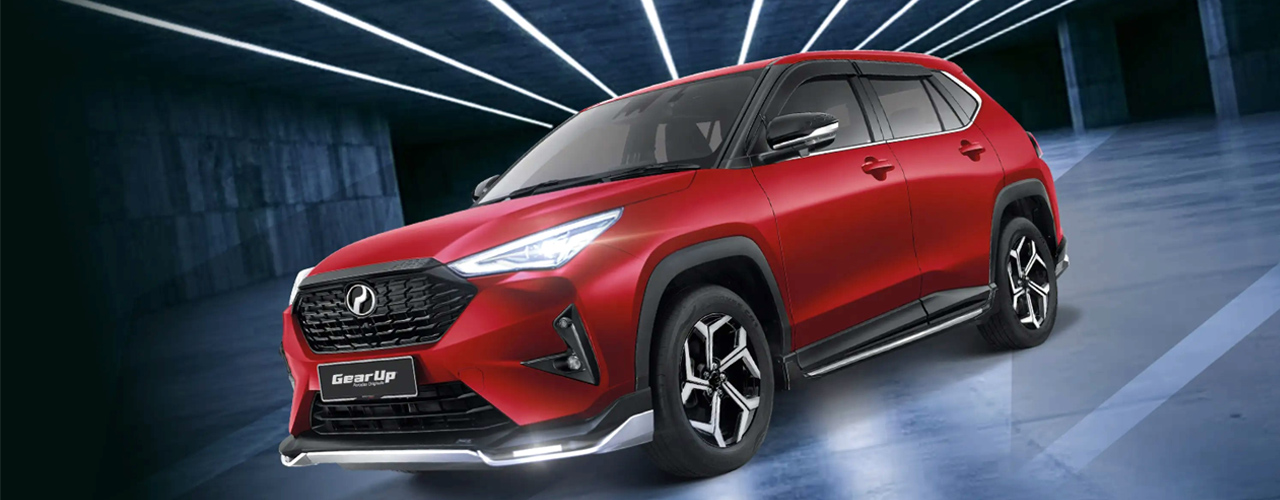
For Perodua, the Traz may fulfill a role in its lineup. For consumers, however---particularly those whose expectations were raised by the platform-sharing Yaris Cross---the disappointment is palpable. The verdict is clear: the Traz had the potential to be more, but settled for the safest and least inspiring outcome.
If any infringement occurs, please contact us for deletion







Popular Cars
Model Year
Car Compare
Car Photo