
Which behaviors will kill your hybrid battery? Leaving it unable to start overnight
 JohnMar 24, 2026, 06:07 PM
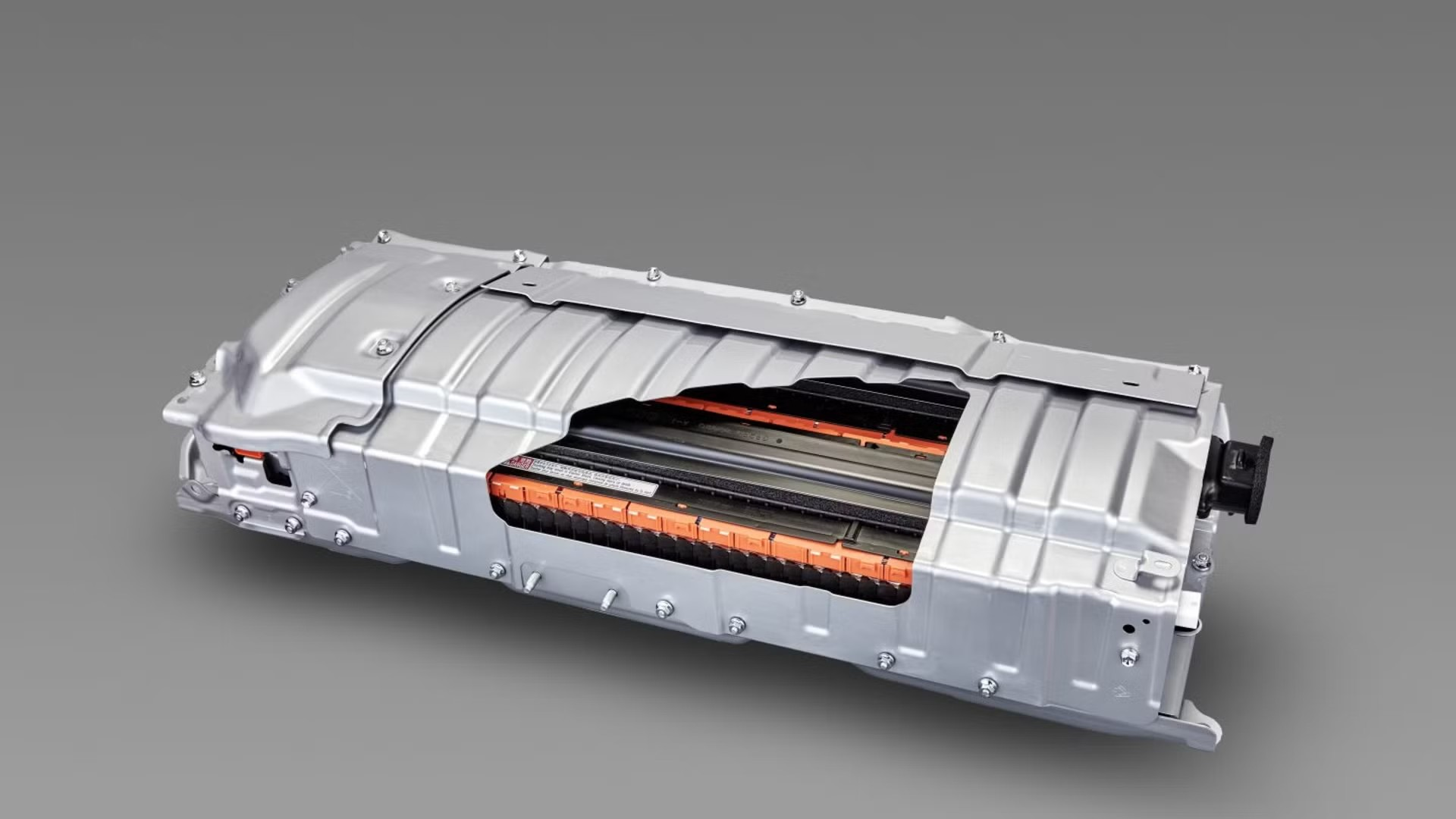
[PCauto] Vehicles equipped with hybrid power systems have become mainstream in the market. Whether it's the preferred commuter choice Toyota Corolla Cross Hybrid, or the Toyota Prius, their core competitiveness stems from the precise high-voltage hybrid battery pack.
However, even though manufacturers state that the hybrid batteries are designed to last the lifetime of the vehicle, approximately 8 to 10 years or 200,000 kilometers, many car owners have encountered premature aging or failure of the battery.
Which everyday behaviors could kill your hybrid battery?
High temperatures are the enemy of hybrid batteries
For hybrid vehicles, heat is the primary enemy of battery lifespan.
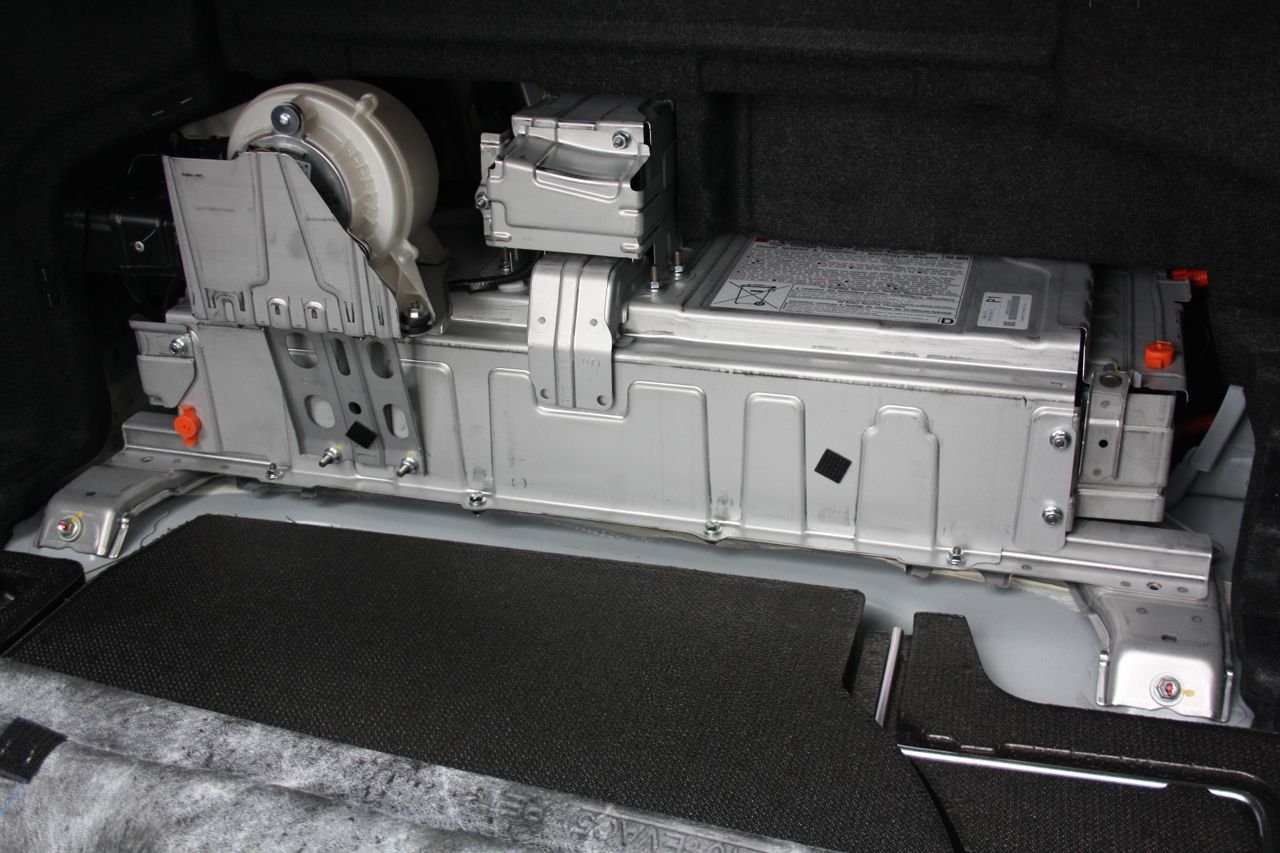
Take Toyota models as an example, their hybrid battery packs are typically located under the rear seats or in the trunk area, equipped with a dedicated cooling fan and air intake.
Many car owners frequently stack items on the rear seats or use full-surround seat covers, which can easily block the battery air intake on the side of the seats. When the cooling system cannot draw in sufficient cooling air, the heat generated during frequent battery charge and discharge processes will quickly accumulate.
Being in a high-temperature working environment for a long time can not only trigger the Check Hybrid System warning but also accelerate the degradation of internal chemical substances in the battery cells, shortening their lifespan.
Additionally, pet hair and dust accumulation on the air intake filter are common causes. Regularly cleaning the filter is essential to maintaining battery health.
Moreover, don't hesitate to use your air conditioning daily. While you might feel the cabin temperature is comfortable, the hybrid battery under the rear seats may not. It needs the cooling effect of air conditioning even more than you do.
Long-term Idling Can Also Damage Hybrid Batteries
A common misconception is that the less you drive your car, the less battery degradation will occur.
The truth is quite the opposite: for hybrid models equipped with NiMH (nickel-metal hydride batteries) or Li-ion (lithium-ion batteries), prolonged parking can also kill the hybrid battery.
Battery packs naturally have a self-discharge characteristic.
If the vehicle is parked continuously for weeks or even months without starting, the battery voltage may drop below the critical value.
When the State of Charge (SOC) of the high-voltage battery pack falls below the minimum threshold set by the system, the hybrid control computer may cut the connection to protect the circuitry, preventing the vehicle from entering READY mode.
In this deep discharge state, some battery cells may suffer irreversible chemical damage. Even if they are subsequently revived using professional equipment, their storage capacity will be greatly reduced.
Try Not to Use EV Mode
The hybrid system is most suitable for releasing and charging electricity slowly.
ECU will typically strictly control the battery charge level between 40% and 80%, avoiding the extremely low or extremely high charge zones most harmful to the battery.
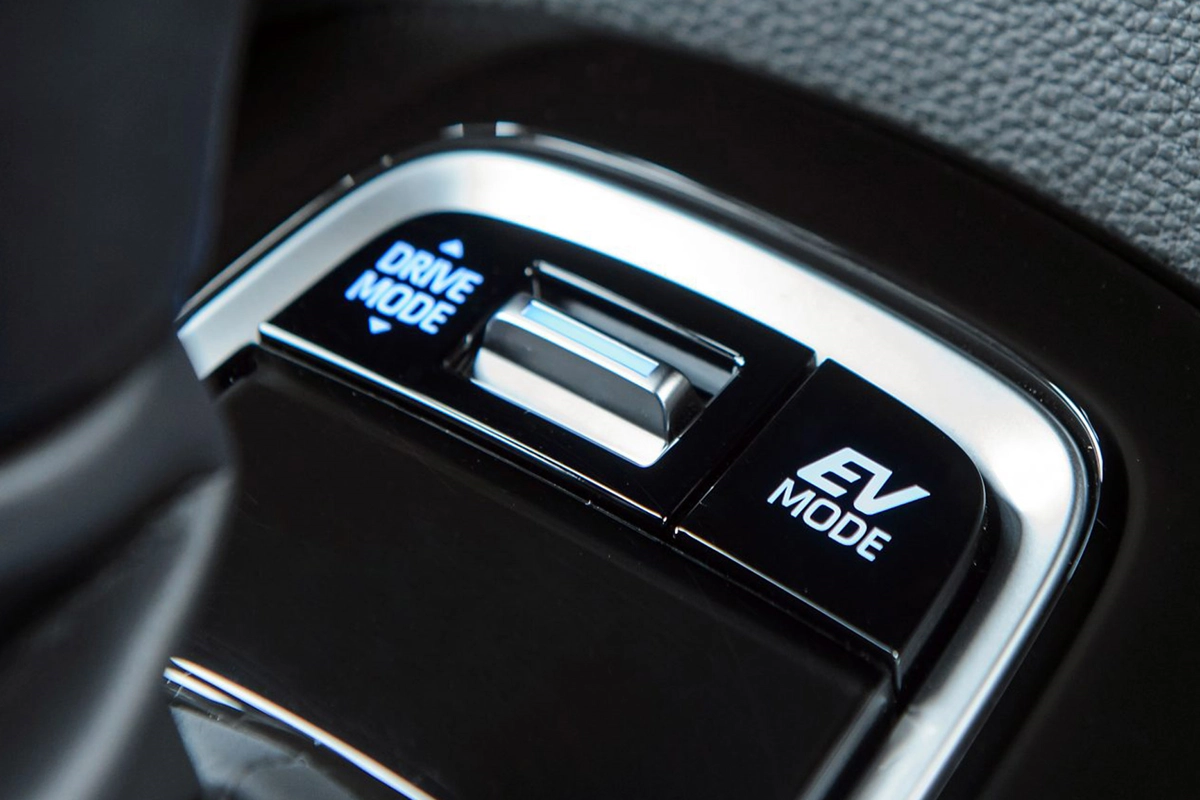
However, some owners, in pursuit of extreme fuel efficiency, frequently force the EV Mode (all-electric mode) on under low battery charge conditions, making the battery continuously output high current in an extremely low charge state.
This behavior increases internal pressure within the battery cells, leading to a rise in internal resistance (which is why few people can successfully activate Toyota’s EV Mode, as Toyota strives to protect the battery).
Similarly, if high-load acceleration is performed when the battery charge is extremely low, the engine not only needs to drive the vehicle but is also forced to charge the battery. The double load and resulting high temperature will further erode the battery's health.
Identifying Signs of Hybrid Battery Damage
When your Hybrid Battery approaches the "end of its life," the vehicle usually exhibits the following signals:
· Significant drop in fuel efficiency: When the battery's energy storage efficiency decreases, the system will significantly reduce the proportion of electric drive, forcing the engine to intervene frequently, resulting in increased fuel consumption.
· Energy display bar fluctuates dramatically: If you notice the battery's charge level dropping from full to empty in a short time and then quickly recharging within a few minutes, this is often a sign of increased internal resistance and severe capacity loss in the battery cells.
· Cooling fan noise becomes noticeable: Under normal driving conditions, if you can clearly hear the rear battery cooling fan running at high speed for extended periods, it indicates the battery's internal thermal management is struggling and nearing failure.
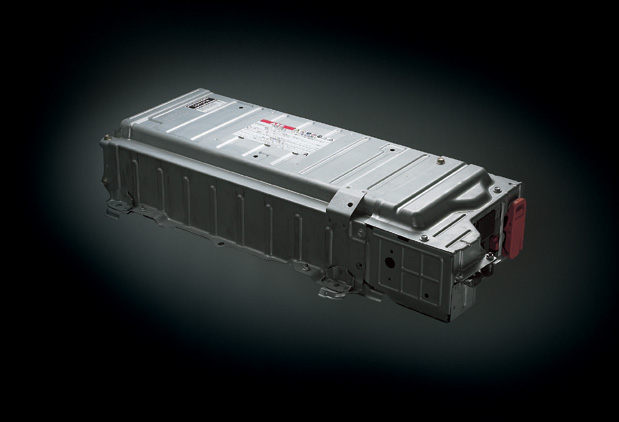
Hybrid batteries are not fragile, delicate devices. With proper usage habits, they can easily achieve an exceptionally long service life.
Ensuring that the battery's air intake remains unobstructed, maintaining a driving frequency of at least once a week, and following the manufacturer's recommendations for coolant and filter maintenance are the best strategies to avoid the high cost of battery replacement.
If any infringement occurs, please contact us for deletion










Popular Cars
Model Year
Car Compare
Car Photo