
BYD Scales Back Hungary Plans, Looks to Boost Production in Turkey
 RobertJul 23, 2025, 04:22 PM
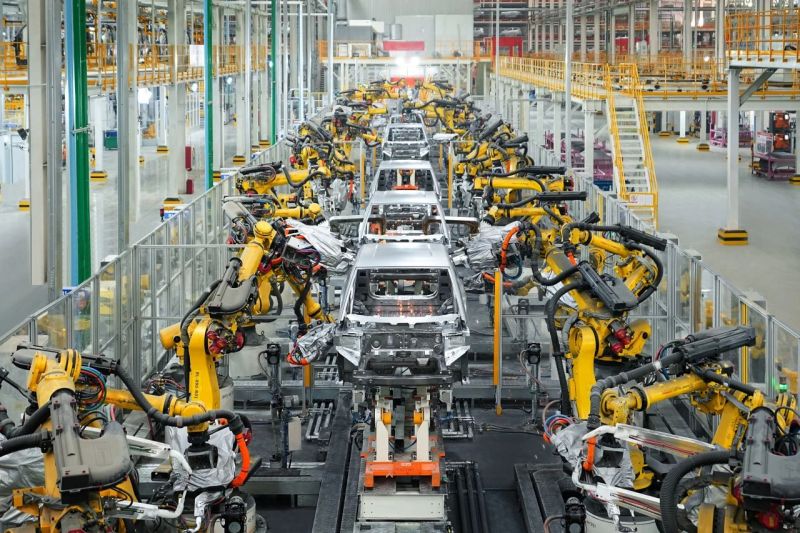
【PCauto】Chinese EV maker BYD is rethinking its production strategy in Europe. The company’s new plant in Szeged, Hungary will not begin mass production until 2026. In the early phase, it will only produce tens of thousands of vehicles per year, which is much lower than the planned capacity of 150,000.
At the same time, BYD is speeding up its plans in Turkey. The factory there is expected to produce well above the original target of 150,000 units annually.
BYD Shifts Production Plans for Hungary and Turkey Plants
BYD's €4 billion plant in Szeged, Hungary was originally scheduled to start installing production equipment in September 2025. However, recent delays mean the facility will not reach full production capacity even by 2027.
There are currently two different reports about which models will be built. One suggests the plant will produce the Atto 3, Dolphin, and the budget-friendly Seagull. The other says it will focus on the Atto 2, Atto 3, and Dolphin.
In Manisa, Turkey, where labor costs are lower, BYD is moving faster. Its €852 million plant will begin operations ahead of schedule. Insiders say production in 2027 will go far beyond 150,000 units. Another major capacity increase is planned for 2028.
Confirmed models for the Turkish plant include the all-electric Seal U and Sealion 5, along with the plug-in hybrid versions Seal U DM-i and Seal 06 DM-i.

EU Tariffs Behind BYD’s Shift in Production Strategy
BYD vehicles shipped to Europe currently face a 27 percent import tariff. This includes a 10 percent base tariff and an additional 17 percent anti-subsidy duty.
Thanks to its customs union agreement with the EU, Turkey has become a key workaround for avoiding these extra costs.
The EU had hoped the tariffs would encourage Chinese carmakers to set up factories in Europe and create more high-paying local jobs. But BYD’s move suggests a different outcome, dealing a blow to the original plan.
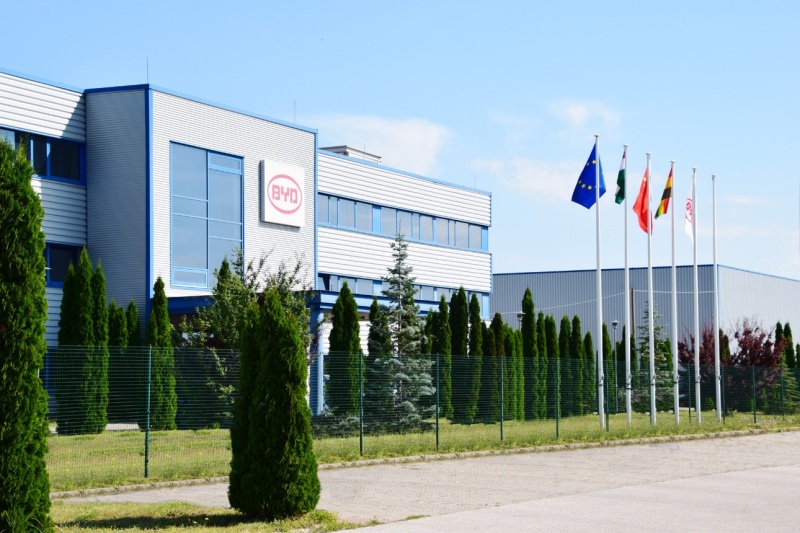
BYD’s Production Shift Marks a Strategic Pivot in Europe
BYD is restructuring its European operations to fix earlier mistakes. These include a weak dealership network, a lack of local leadership, and an overreliance on hybrid models in markets that prefer fully electric cars.
Despite those setbacks, demand is still growing. BYD expects to sell 186,000 vehicles in Europe this year, doubling its 2024 numbers. By 2029, sales could surpass 400,000 units.
The company’s move shows how tough the European market is for Chinese automakers. They must avoid trade barriers while dealing with high labor and energy costs. With its mature auto industry and lower expenses, Turkey is quickly becoming a new base for expansion.

Chery Automobile has also announced an $852 million investment to build a factory in Turkey. The plant will have an annual capacity of 200,000 vehicles.
Toyota, Stellantis, Ford, and other global automakers have already set up production bases in the country, taking advantage of its strong supply chain and cost benefits.
If any infringement occurs, please contact us for deletion









Popular Cars
Model Year
Car Compare
Car Photo